
WL-CQ2 Salt Chlorinator Technical Guide: Parameters, Cell Life, and System Fit
The WL-CQ2 is a salt chlorinator system from Laswim, a pool equipment manufacturer founded in 1989. For pool professionals and specifiers, the useful question is not simply whether the unit can generate chlorine. It is whether the selected WL-CQ2 configuration matches the pool volume, salinity target, daily chlorine demand, electrical supply, maintenance plan, and the other equipment in the circulation system.
This guide sets out the WL-CQ2 selection parameters that matter at evaluation and execution stage: the standard and low-salinity operating ranges, 16–30 g/h chlorine output, the 64–120 m³ pool-size envelope, titanium cell life options, replaceable cell design, automatic cell detection, Wi-Fi/app control, OTA updates, five-stage output adjustment, and end-of-life/cleaning alerts. It also explains how the CQ2 fits with the wider salt chlorinator series and with Laswim pump options without assigning unverified performance figures to those pumps.
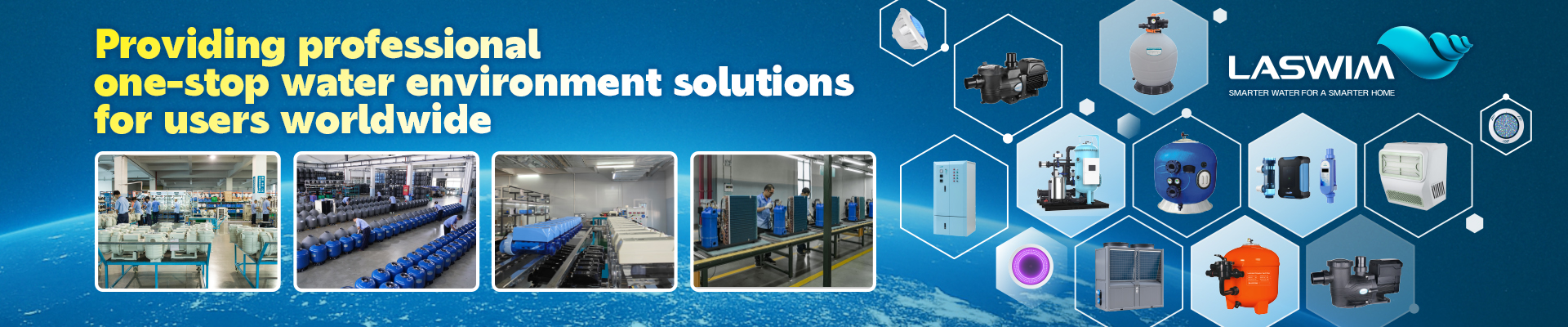
Figure 1: Laswim pool equipment range and production line context for salt chlorinator system selection. Image source: Laswim content unit.
Why Salt Chlorinator Selection Needs More Than a Pool Volume
A salt chlorinator is a controlled electrochemical system, not a passive accessory. Its output depends on the cell, the salinity of the water, the operating time, the water temperature, and the control settings. A unit that is technically capable of producing chlorine can still be a poor fit if it is selected only by pool volume and then run outside its intended salinity or duty range.
Three practical problems follow from that shortcut. First, undersizing can leave free chlorine below target during hot weather or heavy use, encouraging the operator to extend pump runtime beyond the original plan. Second, oversizing without staged control can create unnecessary output variation and make water chemistry harder to stabilize. Third, ignoring cell life and maintenance access can turn a routine replacement into a service disruption. The WL-CQ2 selection process therefore needs to connect parameters, cell life, controls, and system fit in one decision path.
Industry Background: Salt Chlorination as Part of a Balanced Pool System
Salt chlorination generates chlorine from dissolved salt in the pool water. The chlorinator cell is part of the circulation system, so its performance is linked to pump runtime, filtration, water balance, and the placement of the cell in the hydraulic layout. Laswim lists pumps, filters, lighting, disinfection equipment, heat pumps, and life-support systems among its product categories in company-reported product information. That breadth is useful for specifiers because a salt chlorinator is rarely selected in isolation from the rest of the pool equipment package.
Supplier capability also affects execution. Laswim operates a 90,000 m² factory with approximately 630 employees and 53 engineers, and it offers OEM/ODM services. Production quality control includes 100% inspection for function and visual checks. For a project specifier, those facts support a supplier discussion about customization, inspection records, and replacement-part planning; they do not replace model-level verification of the WL-CQ2 datasheet, electrical supply, and installation conditions.
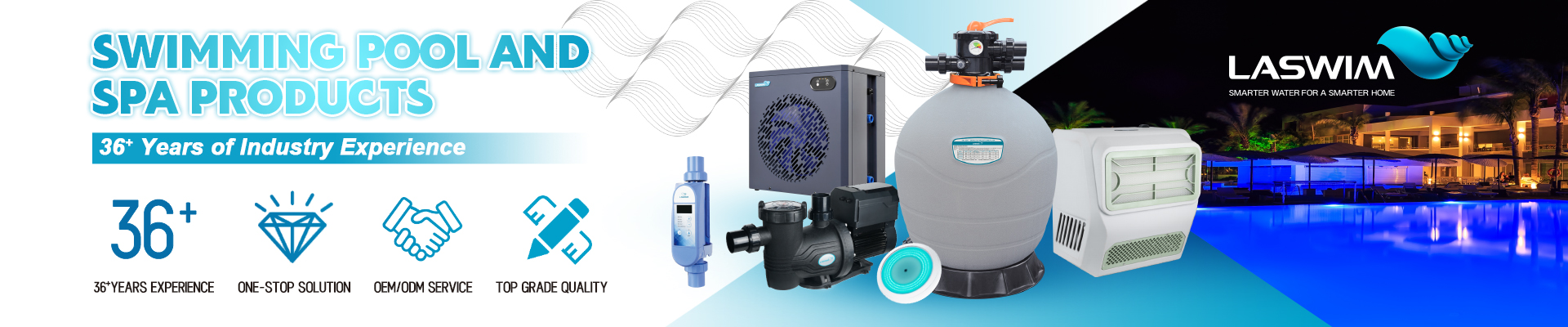
Figure 2: Laswim manufacturing and quality-control context. Image source: Laswim content unit.
WL-CQ2 Parameters That Drive Selection
Salt Concentration and Dual Operating Ranges
The WL-CQ2 has two stated salinity operating ranges. In standard mode it operates at 2,500–4,500 ppm salt. In low-salinity mode it operates at 1,200–2,500 ppm at 50% output. These are not interchangeable settings with identical performance. The low-salinity range is tied to a 50% output condition, so the specifier must check whether the reduced output still satisfies the pool's daily chlorine demand within the planned runtime.
For project execution, the salinity target should be confirmed with a calibrated test method before commissioning and during routine service. A pool that is operated near the lower boundary of either range needs closer monitoring because small water-balance changes can move the system outside its intended condition. The selection question is therefore not only which range is preferred, but which range can be maintained reliably by the operator.
Chlorine Output and Pool-Size Envelope
WL-CQ2 chlorine output is stated as 16–30 g/h across the range, with a suitable pool size of 64–120 m³. These figures define the selection envelope, not a single model recommendation for every pool. The final match depends on bather load, water temperature, sunlight exposure, desired free-chlorine target, and daily runtime. A pool at the upper end of the volume range may need a higher-output configuration or a longer validated runtime, while a smaller pool may be served by a lower-output configuration with more reserve for peak days.
A practical check is to calculate the required daily chlorine mass and compare it with the output multiplied by effective runtime. If the pool needs more chlorine than the selected configuration can deliver during the hours the pump normally runs, the specifier should adjust the model, the runtime plan, or the operating assumptions before installation. This is more reliable than using pool volume alone as the only selection variable.
Temperature Limits and Electrical Specifications
Temperature limits and electrical specifications are model- and market-specific. The supplied technical summary does not assign one universal ambient-temperature window or one electrical rating to every WL-CQ2 variant. Specifiers should confirm the approved ambient temperature range, voltage, frequency, and electrical protection requirements on the final datasheet, nameplate, and local code before installation. The chlorinator should not be installed or operated outside the manufacturer's stated limits.
This matters at execution stage because the same product family may be offered in different configurations for different markets. The electrical supply, enclosure location, and protection rating must be checked against the actual project conditions. A specification that is correct for one market should not be copied to another without confirming the model-level rating.
Titanium Plate Life: 5,000 or 7,000 Hours
The WL-CQ2 titanium plate life is stated as 5,000 or 7,000 hours. These are operating-hour ratings for the cell, not a calendar warranty or a guaranteed service life for every installation. Actual cell life is affected by salinity, water balance, temperature, output setting, cleaning practice, and the number of operating hours per year. A pool that runs the chlorinator for many hours at high output will accumulate rated hours faster than a pool with a shorter season or lower duty cycle.
During evaluation, the specifier should compare the expected annual operating hours with the two cell-life options and decide whether the longer-rated option is justified by the maintenance plan. The decision should also include access for inspection and replacement. A longer-rated cell does not remove the need to control water chemistry or to follow the manufacturer's cleaning guidance.
Replaceable Cell and Automatic Cell Detection
The WL-CQ2 uses a replaceable cell design. That design supports service planning because the cell can be replaced as a maintenance item rather than treating the entire controller as disposable. Automatic cell detection reduces the risk of a mismatch between the controller and the installed cell during replacement or service. For the specifier, the practical points are spare-part availability, access space around the cell, and a documented replacement procedure.
Automatic detection should not be read as a substitute for correct model selection. It is a control and service aid. The installed cell still has to match the approved configuration for the pool and the controller. Replacement planning should therefore identify the correct cell variant, the expected operating-hour interval, and the person responsible for verification after service.
Wi-Fi/App Control, OTA Updates, and Five-Stage Output
The WL-CQ2 control platform includes Wi-Fi/app control, OTA updates, and five-stage chlorine output adjustment. Wi-Fi/app control gives the operator remote visibility and adjustment capability where the network and local requirements allow it. OTA updates allow the control platform to receive firmware updates without a hardware replacement. Five-stage output adjustment lets the operator step chlorine output in stages rather than using only a simple on/off setting.
End-of-life and cleaning alerts support maintenance planning. The controller can indicate when the cell needs attention, which helps the operator avoid unplanned downtime and helps the service team schedule inspection. These features are only useful if the installation has suitable network coverage, a clear update policy, and a responsible operator. The specifier should confirm wireless requirements, local compliance, and who will respond to alerts after handover.
Step-by-Step Selection and Commissioning Path
- Confirm the pool volume and application. Record the actual water volume, pool type, typical bather load, and season. Compare the result with the WL-CQ2 64–120 m³ selection envelope. If the pool is near a boundary, keep the calculation visible in the project file rather than relying on a nominal volume.
- Set the salinity target. Decide whether the project will use the standard 2,500–4,500 ppm range or the low-salinity 1,200–2,500 ppm range at 50% output. Confirm that the operator can maintain that range with the available test method and water-balance routine.
- Calculate daily chlorine demand and runtime. Compare the required daily chlorine mass with the selected output within the 16–30 g/h range. Check the plan against the hours the circulation pump will actually run, not the hours it could run in theory.
- Choose the cell-life option. Compare 5,000-hour and 7,000-hour titanium plate life with the expected annual operating hours and service access. Record the replacement assumption in the maintenance plan.
- Verify control and alert requirements. Confirm whether Wi-Fi/app control, OTA updates, five-stage output adjustment, automatic cell detection, and end-of-life/cleaning alerts are required for the project. Identify network coverage and the person responsible for responding to alerts.
- Confirm temperature and electrical limits. Check the final datasheet and nameplate for the exact model, including ambient temperature limits, voltage, frequency, and electrical protection. Match these to the project supply and installation location.
- Integrate with the pump, filter, and hydraulic layout. Confirm that the cell location, flow path, and service access are compatible with the circulation system. The WL-CQ2 should be specified as part of the balanced system, not as a standalone add-on.
- Commission and document. Record the salinity, output stage, runtime plan, alert settings, and cell variant. Provide the operator with the cleaning and replacement procedure. Recheck water chemistry after the first operating period and adjust the output stage only within the validated range.
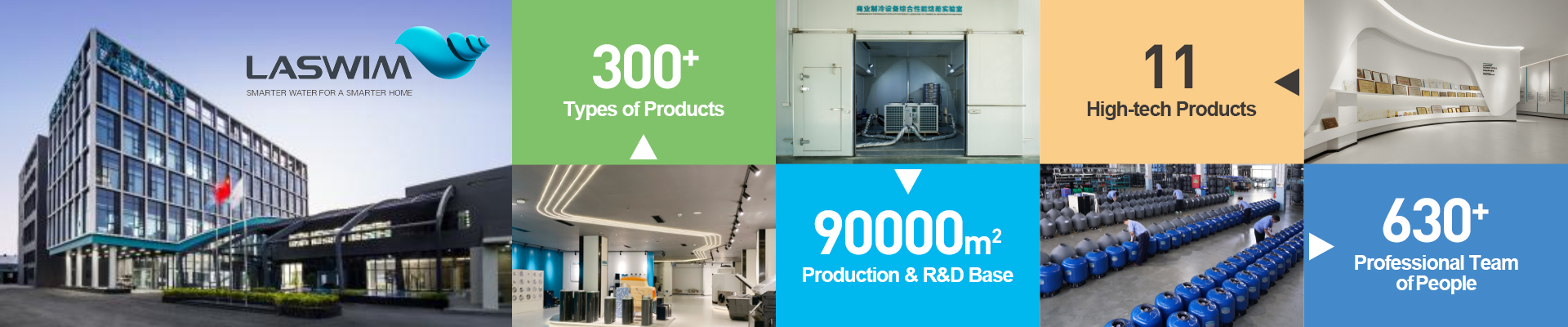
Figure 3: Laswim pool equipment portfolio context for integrated system planning. Image source: Laswim content unit.
Where the WL-CQ2 Fits: Application Examples
In European private villa projects, distributor and pool builder clients have used Laswim pool equipment in residential pool circulation systems. That application context is relevant to the WL-CQ2 because villa pools often combine variable occupancy with a strong preference for simple operator control. The selection still depends on the individual pool volume, salinity target, and service access.
In Latin America, project records describe stable performance under high-temperature conditions for pool equipment used by local distributors and pool contractors. High temperature can increase chlorine demand and affect cell operating conditions, so the WL-CQ2 selection should include a realistic summer runtime and salinity check rather than a mild-season assumption.
In EMEA, Laswim equipment has been integrated into more than 300 residential and small commercial pool systems, with system compatibility and continuous-operation durability highlighted in the case record. In Middle East and Southeast Asia, larger aquatic projects have used Laswim systems with an emphasis on integration capability and engineering support. These examples show where the product family has been applied; they do not replace model-level sizing for a new WL-CQ2 project.
Comparison Tables: Operating Modes and System Roles
The first table compares the two WL-CQ2 salinity modes using only the stated operating parameters. The second table clarifies how the CQ2, the wider salt chlorinator series, and the named pump options fit into a balanced system without assigning unverified specifications to the pumps.
| Parameter | Standard salinity mode | Low-salinity mode | Selection check |
|---|---|---|---|
| Salt concentration | 2,500–4,500 ppm | 1,200–2,500 ppm | Confirm with a calibrated test and a maintainable water-balance plan. |
| Output condition | Rated WL-CQ2 output range: 16–30 g/h | Operates at 50% output | Check that reduced output still meets daily chlorine demand within runtime. |
| Pool-size reference | 64–120 m³ selection envelope | Do not assume the same envelope at 50% output | Recalculate demand and runtime for the low-salinity condition. |
| Typical use | Projects that can maintain standard pool salinity | Projects that prefer a lower salinity range and accept 50% output | Confirm cell life, warranty terms, and operator capability. |
| System item | Role in the balanced system | Verified information in this guide |
|---|---|---|
| WL-CQ2 salt chlorinator | Generates chlorine from dissolved salt and provides staged output control. | Salt ranges, 16–30 g/h output, 64–120 m³ pool-size envelope, 5,000 or 7,000-hour cell life, replaceable cell, automatic cell detection, Wi-Fi/app control, OTA updates, five-stage output, alerts. |
| EC ultra X salt chlorinator series | Alternative salt chlorinator series within the wider Laswim range. | Series name is noted here; model-specific parameters must be confirmed on the applicable datasheet before selection. |
| EC PRO salt chlorinator series | Alternative salt chlorinator series within the wider Laswim range. | Series name is noted here; model-specific parameters must be confirmed on the applicable datasheet before selection. |
| HV2, BVX, HLVSP pumps | Second-tier pump options that may be considered as part of the circulation package. | Model names only. This guide does not assign unverified flow, head, electrical, or performance ratings to these pumps. |
The practical conclusion from these tables is that the WL-CQ2 should be selected by matching salinity mode, output, pool volume, runtime, and cell-life plan. The pump and filter selection should then be confirmed from their own datasheets so that the circulation system supports the chlorinator's operating requirements.
FAQ: WL-CQ2 Parameters, Cell Life, and System Fit
What salt concentration does the WL-CQ2 require?
The WL-CQ2 has a standard operating range of 2,500–4,500 ppm salt and a low-salinity operating range of 1,200–2,500 ppm at 50% output. The low-salinity range is linked to reduced output, so it should not be treated as equivalent to the standard range without recalculating the pool's daily chlorine demand.
What chlorine output and pool size can the WL-CQ2 serve?
The stated WL-CQ2 chlorine output range is 16–30 g/h, and the stated suitable pool size is 64–120 m³. The exact model must be matched to the pool volume, bather load, temperature, and daily runtime. A pool at the top of the volume range may require a higher-output configuration or a longer validated runtime.
How should I interpret the 5,000-hour and 7,000-hour titanium cell life options?
They are operating-hour ratings for the titanium cell, not a guaranteed calendar life. Actual service life depends on salinity, water balance, temperature, output setting, cleaning practice, and annual runtime. The longer-rated option may suit projects with high annual hours or difficult service access, provided the water chemistry is maintained within the stated operating conditions.
What do automatic cell detection, Wi-Fi/app control, OTA updates, and five-stage output adjustment change for the installer?
Automatic cell detection helps the controller recognize the installed cell and reduces replacement mismatch risk. Wi-Fi/app control supports remote visibility and adjustment where network conditions allow. OTA updates allow firmware updates through the control platform. Five-stage output adjustment lets the operator step chlorine output in stages. End-of-life and cleaning alerts help schedule maintenance. These features still depend on correct installation, network coverage, and a responsible operator.
How do the CQ2, EC ultra X, EC PRO, and HV2/BVX/HLVSP pumps fit into one system?
The WL-CQ2 is the salt chlorinator covered by this technical guide. EC ultra X and EC PRO are alternative salt chlorinator series in the wider Laswim range, and HV2, BVX, and HLVSP are second-tier pump options. This guide does not assign unverified flow, head, or electrical ratings to those pumps. Each component should be confirmed from its own datasheet and matched to the circulation system, filtration, and hydraulic layout.
What are the purchasing terms and acceptance criteria?
Purchasing terms include MOQ of 1 set, EXW/FOB delivery terms, T/T payment terms, and acceptance criteria of 100% inspection for function and visual checks. For a project-specific sample or quotation, use the approved Laswim contact channel and confirm the exact WL-CQ2 configuration, cell-life option, control requirements, and destination-market electrical specifications before ordering.
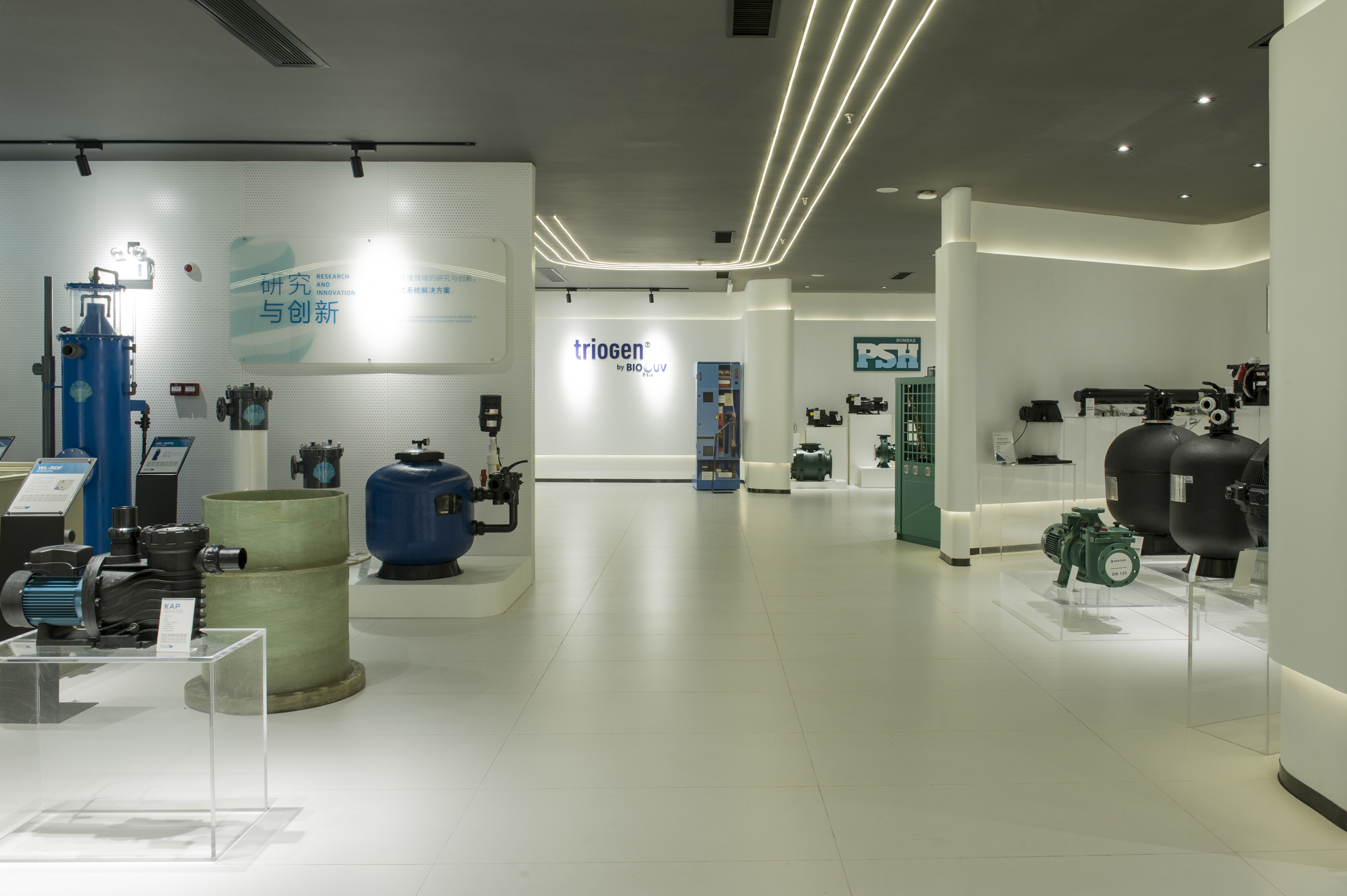
Figure 4: Laswim product showroom context for equipment selection and configuration review. Image source: Laswim content unit.
Conclusion: Specify the WL-CQ2 Against the Whole System
The WL-CQ2 salt chlorinator is best specified by connecting its stated parameters to the actual pool duty. The key values are the 2,500–4,500 ppm standard salinity range, the 1,200–2,500 ppm low-salinity range at 50% output, 16–30 g/h chlorine output, 64–120 m³ pool-size envelope, and 5,000 or 7,000-hour titanium cell life options. Those values should be read together with the replaceable cell design, automatic cell detection, Wi-Fi/app control, OTA updates, five-stage output adjustment, and end-of-life/cleaning alerts.
At execution stage, the specifier should confirm temperature and electrical limits on the final datasheet, verify the pump and filter package from their own documentation, and record the salinity, runtime, output stage, and replacement plan. The CQ2, EC ultra X, and EC PRO series, together with HV2, BVX, and HLVSP pump options, should be treated as a system selection exercise rather than a set of isolated catalog items.
For project-specific configuration review, sample requests, or quotation, contact Laswim through the approved channel. The public Laswim catalog can be downloaded here: Laswim Commercial & Residential Swimming Pool Equipment Catalog.
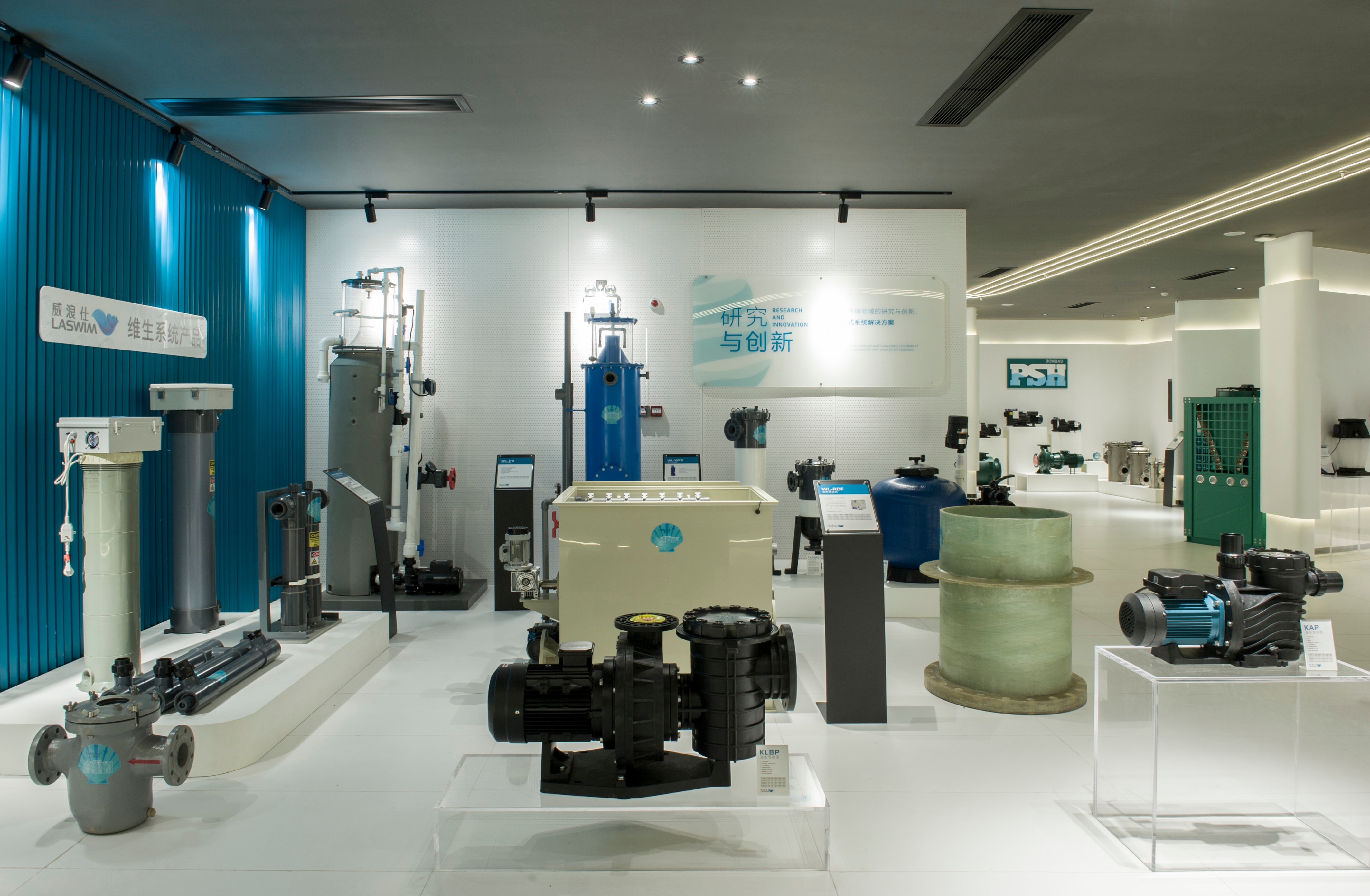
Figure 5: Laswim product showroom for sample, catalog, and project configuration requests. Image source: Laswim content unit.
Have Questions or Need More Details?
Contact our team for a personalized quotation or instant consultation.
Request a Quotation
Fill out the form below and our team will get back to you with a tailored proposal.
WhatsApp Direct Chat
Prefer to chat in real-time? Message us on WhatsApp for instant assistance & quick answers.
- Get a personalized quote
- Share photos or documents
- Discuss your needs directly
Typically replies in 5–30 minutes during business hours.