
Partnering With a Resistance Band Manufacturer: FAQs and Long-Term Support
A resistance band partnership is usually agreed on the strength of a sample and a quotation. It is really decided much later — when a colour change, a resistance drift, or a peak-season volume spike shows whether the relationship was built on production reality or on a good first impression.
This guide is written for brand owners, gym suppliers, distributors and sourcing managers who are moving from one-off purchasing to a recurring supply agreement with a resistance band manufacturer. It answers the questions that dominate that transition — compliance, capability, order volume, validation and lead time — with specifications rather than assurances.
The reference manufacturer throughout is Libenli (Haiyang Libenli Body-Building Apparatus Co., Ltd.), a manufacturer and exporter of latex tubing and latex resistance bands founded in 1997 and based in Shandong, China. Every figure below comes from Libenli's published product and capability data, or from the industry sources named inline.
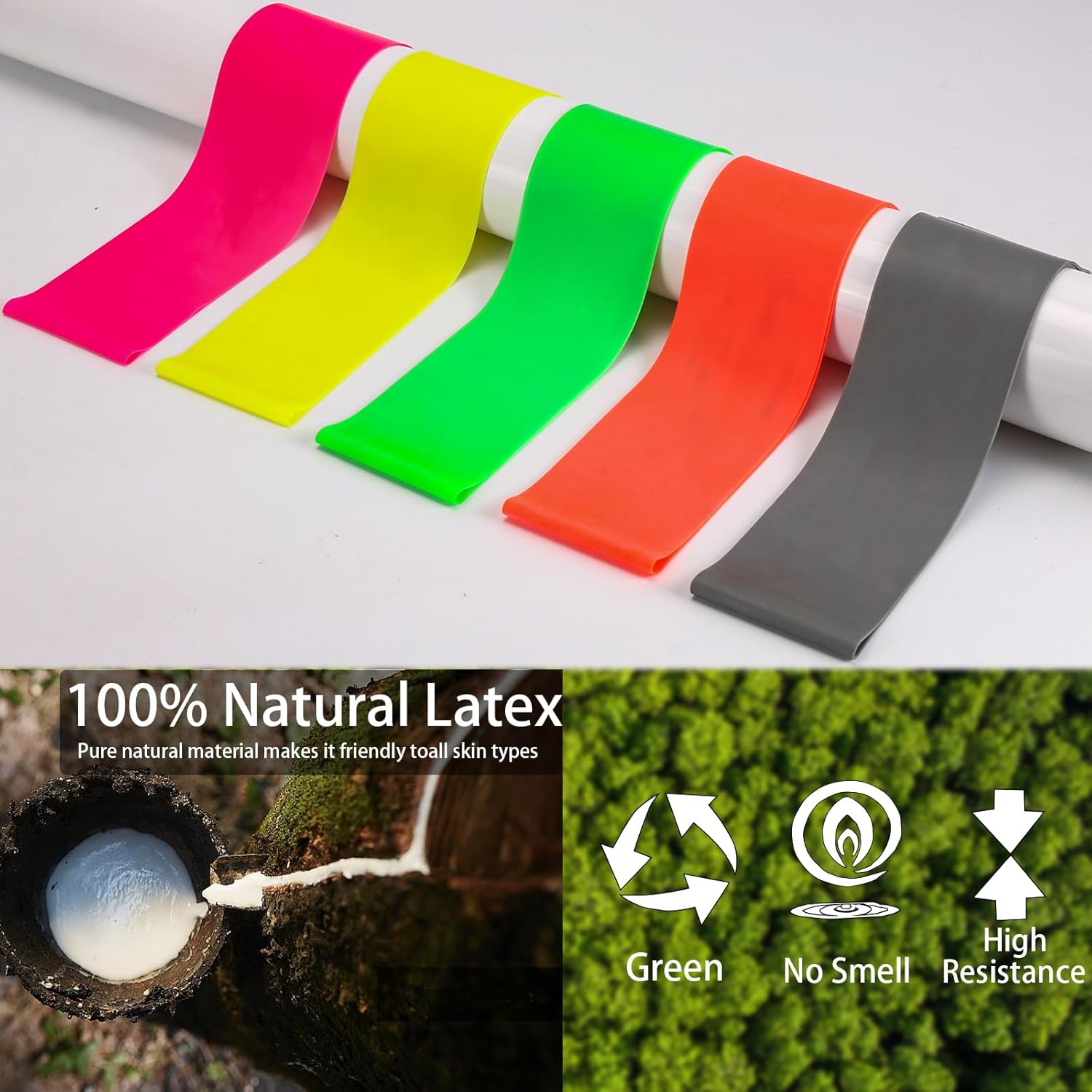
Natural latex is the base material behind Libenli's latex resistance bands. Material consistency is the first thing a long-term supply agreement has to protect.
The Problem: Partnership Decisions Are Made on Incomplete Evidence
A buyer can compare two resistance bands in ten minutes: thickness, width, resistance range, material, colour range. Comparing two manufacturers over a five-year horizon is harder, because the evidence that actually matters is not printed on a product page. In practice, partnership decisions rest on three gaps that a sample cannot close.
- Specification continuity. The approved sample has a specific tension, thickness and surface finish. Nothing in a standard purchase order guarantees that batch 40 matches batch 1.
- Capacity continuity. A supplier that handles a 5,000-piece trial is not automatically prepared for a seasonal peak several times that size.
- Accountability continuity. Most supply relationships fail not on quality but on what happens after a quality problem — who absorbs the cost, and how quickly.
The working definition used here is deliberately narrow: long-term support means a supplier can reproduce an approved specification, reserve capacity against a forward plan, and apply a defined remedy when goods fall outside that specification. Price, packaging and lead time all sit inside those three conditions — not outside them.
Industry Background: Demand Has Grown Faster Than Supply Discipline
Category demand has expanded quickly enough that many supply relationships were formed during a period of growth rather than a period of scrutiny. Grand View Research valued the global resistance bands market at USD 1.7 billion in 2024 and projected a compound annual growth rate of 9.9% for 2025 to 2030. Research houses scope the category differently — some include therapy and professional-grade bands, others do not — so the absolute figure is directional rather than definitive.
Retail density tells the same story from the shelf side. A search on Amazon's US resistance bands category returns more than 40,000 listings, which means differentiation is fought on assortment, branding and consistency rather than on availability. Buyers who refresh a resistance band set every season need a supplier whose development cycle matches their merchandising calendar.
The material base is also segmented. Latex, TPE and fabric are the three common constructions across the category, and each carries different elasticity, durability and skin-comfort trade-offs. Libenli manufactures in latex — and offers TPE for the ZLQ-1 mini loop band — which keeps material behaviour predictable across repeated orders.
Compliance expectations are moving at the same time. ISO 20957-2:2024 sets safety requirements for stationary strength-training equipment using alternative resistance means including elastic cords, and ASTM F2276-23 is a recognised fitness equipment specification. Neither is an automatic approval for a standalone band: applicability depends on product configuration and intended use. That nuance is exactly what a long-term partner should be able to explain, document and test against.
The Solution: What Libenli's Partnership Model Actually Provides
A manufacturer's partnership value is best read as a set of operating facts rather than a set of promises. Libenli's operating facts are specific enough to be checked against a project brief.
R&D throughput: 20 engineers, and a 20% shorter route to market
Libenli's R&D team consists of more than 20 professional engineers, and the company holds 2 invention patents and 18 utility model patents for new products. In the Australian programme delivered for an international premium fitness brand, supply chain optimisation shortened the client's R&D-to-market cycle by 20%. For a brand, that number translates into a shorter gap between a trend appearing and a sellable SKU reaching the shelf.
Capacity and lead time
Production is organised around 24 dedicated dipped latex tubing lines running a daily output of 120,000 metres, plus 2 exclusive latex band lines at 25,000 metres per day. Monthly capacity is 1,200,000 units, the factory covers 50,000 m² with more than 300 employees, and standard production lead time is 20 to 35 days. Minimum order quantity is 100 pieces for in-stock items and 500 pieces for a customized logo.
That lead-time figure is the one to stress-test in a partnership conversation. A 20–35 day window is only meaningful if the underlying capacity is reserved for you and not shared across every account at peak.
Quality control and a defined remedy
Libenli runs a stretch durability test before shipment. In the Australian account, the result was a defect and complaint rate below 0.05%, supported by precision resistance calibration with a tension error margin within ±2% and an anti-rolling surface treatment that addresses the common field complaint of bands curling or pinching under high load. Where goods do fall outside specification, the stated after-sales position is free unconditional returns for defective goods upon receipt.
Export footprint
Around 70% of Libenli's sales are exported, with Germany, the USA, the UK, France and Canada as the main markets, alongside North America, the EU, Australia, Southeast Asia, the Middle East, Japan and South Korea. Export share at this level means documentation, packaging and labelling are routine rather than exceptional — which matters when a retail buyer asks for market-specific artwork.
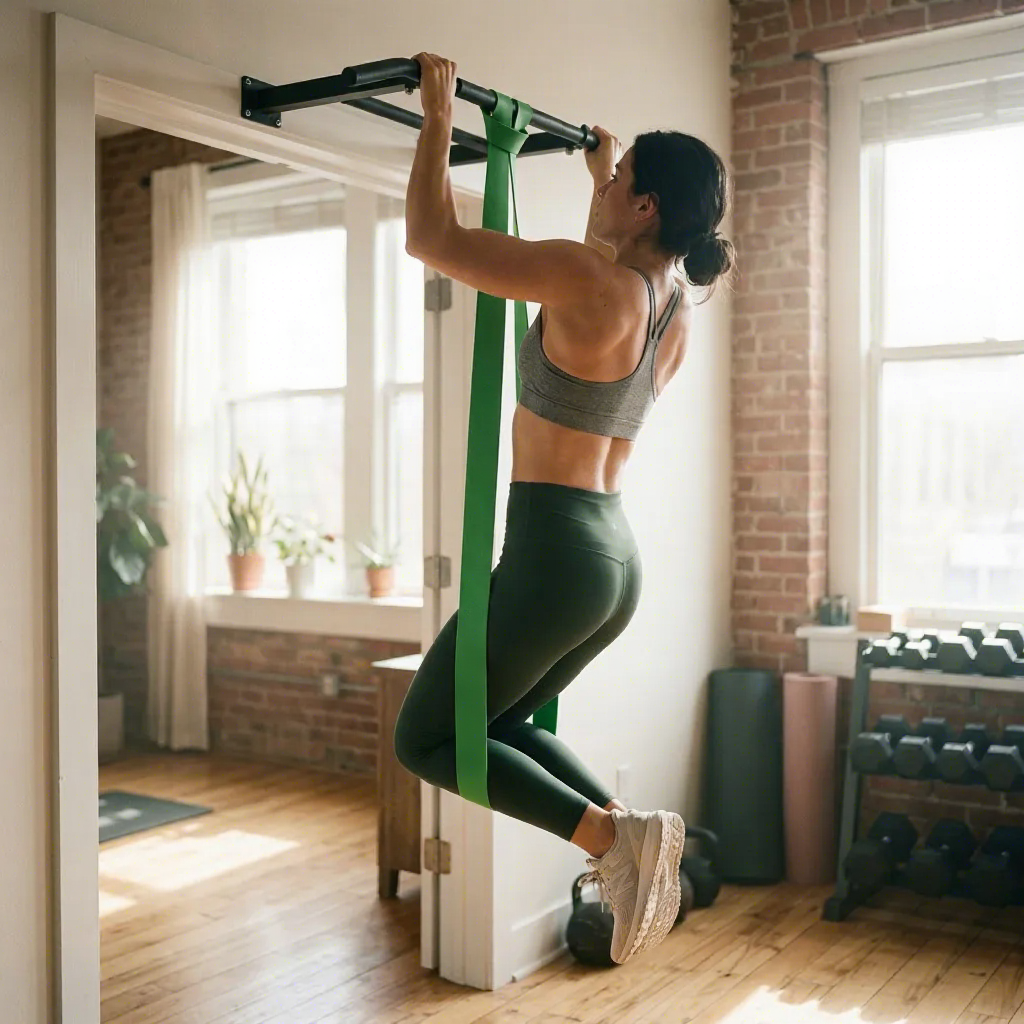
Pull-up assist bands are the highest-load item in most gym projects, and the first specification to lock in a long-term agreement.
Customization scope
Customization covers resistance strength, band thickness and width, length, surface colour, logo silk printing, package design and accessory matching. This is the practical difference between buying from a catalogue and building a product line: a brand can hold one visual identity across a mini loop band, a long resistance band and a resistance band set without splitting the order across suppliers.
Step-by-Step: From First Inquiry to a Multi-Year Agreement
A partnership does not start with a contract. It starts with a specification both sides can measure. The sequence below reflects how a project actually moves through Libenli's model.
- Define the project, not the SKU. State the end use — commercial gym fit-out, rehab clinic, retail set, home programme — plus the target market. The same band spec can require different packaging, labelling and documentation depending on where it ships.
- Match the band to the load. Use the resistance range to select the platform. ZLQ-1 covers 5 LB to 40 LB for low-load work; ZLQ-03 covers 8 LB to 230 LB for assisted and high-tension work. Choosing the wrong platform is the most common cause of a failed first order.
- Validate before committing. Test the sample against the intended load and environment. Libenli's stretch durability test before shipment exists to catch batch variation before it reaches a container, not after.
- Lock the specification document. Record resistance level, thickness, width, length or circumference, colour, logo method and packaging. Every later dispute is really a documentation gap.
- Plan the production window. Confirm quantity against monthly capacity, agree the 20–35 day lead time against your retail calendar, and confirm which items sit above the 500-piece customized-logo threshold.
- Set the review rhythm. A long-term agreement needs an annual review of specification performance, packaging refresh and volume forecast — otherwise the partnership is only renewed, never improved.
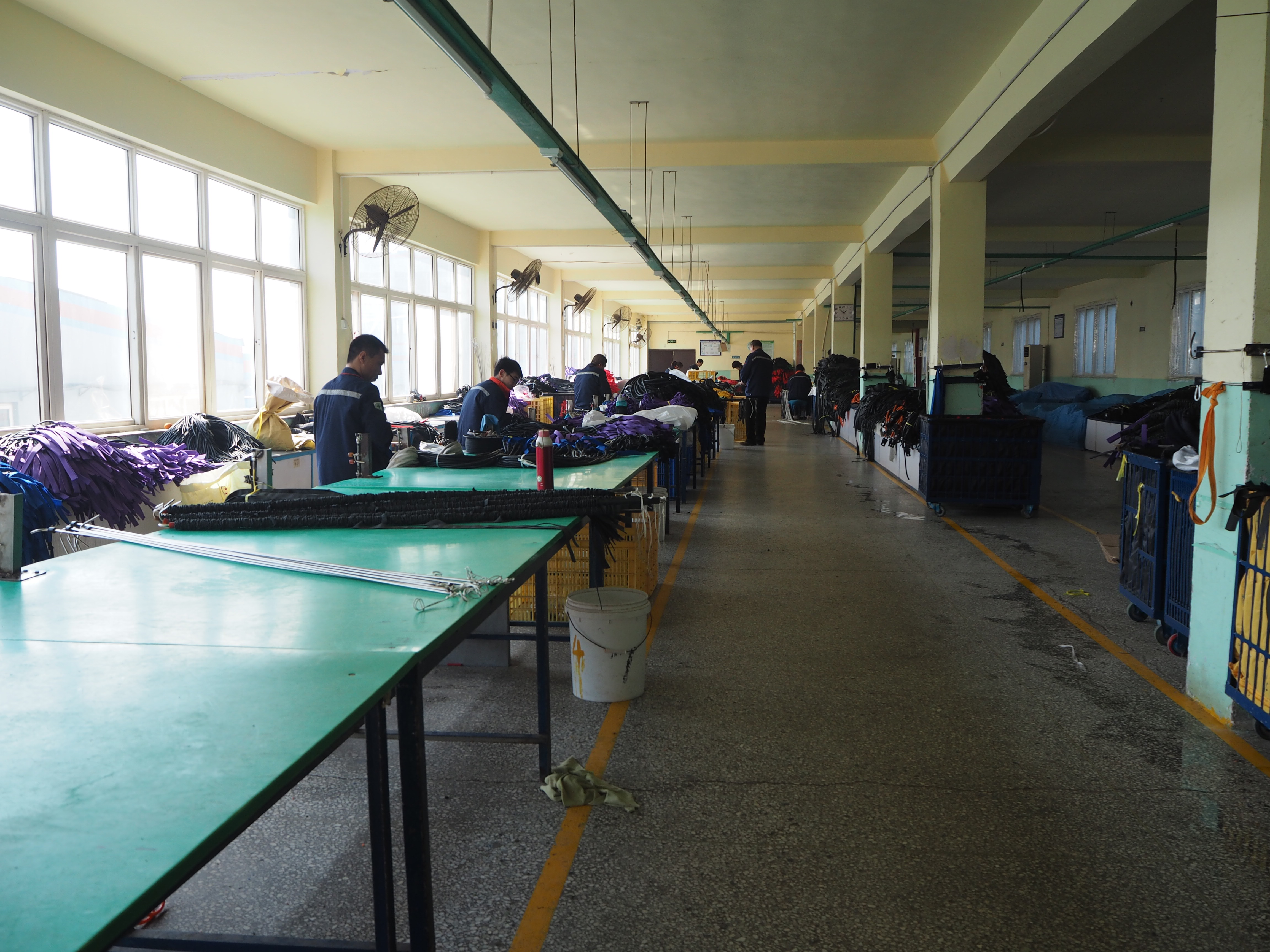
Assembly area: customization such as logo silk printing and accessory matching is handled in-line, not outsourced.
Use Cases: Which Project Fits Which Band
Partnership value becomes concrete when a band is matched to a scenario rather than sold as a generic item. The scenarios below reflect Libenli's documented application environments.
- Commercial gyms and fitness studios. Pull-up assist and high-tension work sits in the ZLQ-03 range of 8 LB to 230 LB, with a 2,080 mm length and a service life of at least 20,000 stretches. Studios typically order colour-coded sets so members self-select load.
- Rehabilitation and physiotherapy. Low-load joint work fits ZLQ-1 at 5 LB to 40 LB, with a 600 mm circumference and fatigue resistance of at least 30,000 stretches. The anti-slip option matters here, because clinical use involves repeated repositioning on skin and clothing.
- Retail sets and private label. A resistance band set is a packaging project as much as a product project. Custom logo silk printing and package design let a brand build a shelf-ready set from ZLQ-1 and ZLQ-03 components without a second supplier.
- Home and studio programmes. Indoor use at room temperature from -10°C to 50°C in dry, low-dust conditions describes the operating envelope for both platforms. Supporting equipment — yoga mat, handles, ankle straps, storage bag — can be matched into the same order.
A concrete reference: an international premium fitness brand in Australia receives an annual supply exceeding 150,000 units across more than 12 specialized product lines. The programme combines a five-tier resistance system from Ultra Light to Ultimate, 100% premium Malaysian natural latex with food-grade pigments compliant with REACH and RoHS, and high-precision logo silk screening with anti-counterfeiting tracking. It is a useful benchmark because it shows what a mature partnership looks like once specification, branding and supply planning are all handled by one manufacturer.
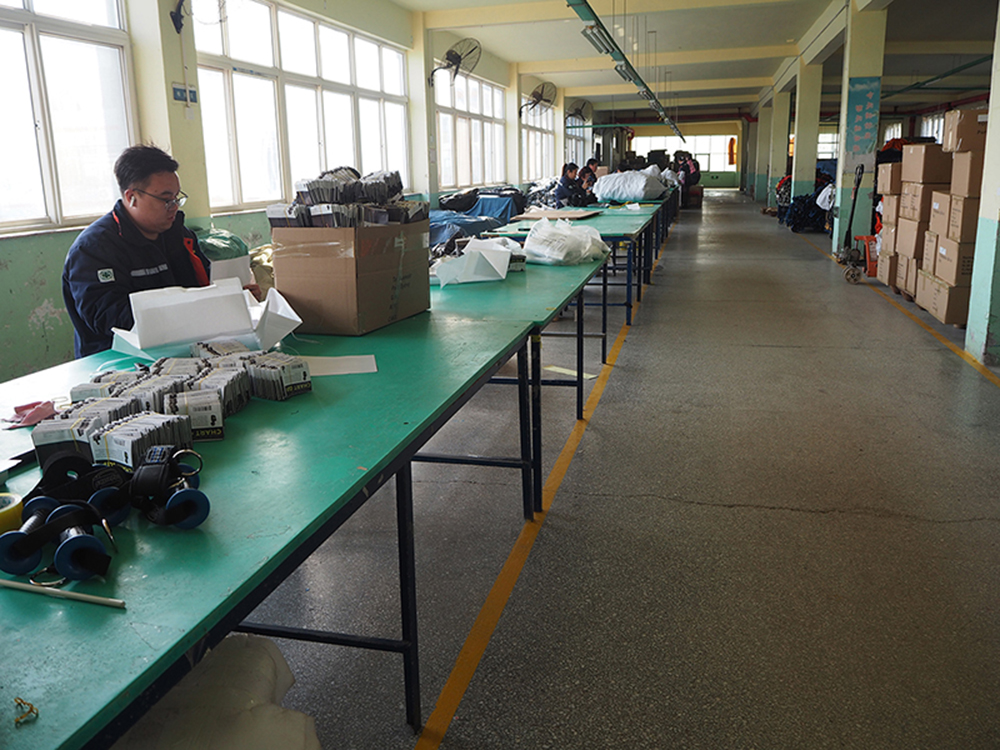
Packing workshop: retail sets, private-label artwork and export documentation are consolidated before shipment.
Comparison Table: ZLQ-1 Mini Loop Band vs ZLQ-03 Pull-Up Band
The two platforms cover different load bands and different project types. The table below uses published specification data only.
| Attribute | ZLQ-1 (resistance band) | ZLQ-03 (pull up band) |
|---|---|---|
| Type | Mini loop band; mini loop band with anti-slip | Power loop band; double layer power loop band |
| Material | Latex / TPE | Latex |
| Resistance range | 5 LB – 40 LB | 8 LB – 230 LB |
| Thickness | 0.3 mm – 1.2 mm | 0.45 mm |
| Width | 50 mm | 6.4 mm – 82.5 mm |
| Length / circumference | 600 mm circumference | 2,080 mm length |
| Durability | Fatigue resistance ≥ 30,000 stretches | Service life ≥ 20,000 stretches |
| Typical project fit | Home fitness, yoga and pilates, hip and glute training, rehab, physiotherapy | Fitness gyms, home workout, sports rehabilitation, physical therapy, outdoor training |
Long-Term Support After Year One: What the Review Should Cover
Long-term support is a schedule, not a promise. Once a programme is running, four items should be reviewed annually with the manufacturer.
- Specification drift. Re-test a production unit against the approved sample and confirm tension error stays within the tolerance the programme was built on — ±2% in the Australian reference case.
- Volume versus capacity. Reconcile the forward forecast with the manufacturer's monthly capacity of 1,200,000 units and confirm the 20–35 day lead time still holds at your seasonal peak.
- Defect and complaint data. Track the ratio against the benchmark set by the existing programme, and confirm the remedy path for defective goods on receipt is still being applied without dispute.
- Assortment refresh. Confirm which new resistance grades, colours, packaging formats or accessory combinations can be absorbed alongside the existing lines, and allow the R&D team lead time to develop them before the merchandising deadline rather than after.
Frequently Asked Questions
Which certifications should a buyer verify on a resistance band manufacturer for gyms?
Libenli holds ISO 9000:2000 quality certification, issued in 2005, and ISO 9001:2008 quality management system certification, issued in 2010, along with a 3A credit rating certificate issued by the Ministry of Commerce of China and CCPIT. Most Libenli items are certified by SGS. Product-level standards such as ISO 20957-2:2024, which covers stationary strength-training equipment using elastic cords, and ASTM F2276-23 for fitness equipment are useful references for building a test plan, but their applicability to a standalone band depends on product configuration and intended use.
Can one manufacturer supply both gym-grade pull-up bands and rehab mini loops?
Yes, and this is where a single-source partner earns its place. The ZLQ-03 power loop band covers 8 LB to 230 LB at 2,080 mm length with a service life of at least 20,000 stretches, while the ZLQ-1 mini loop band covers 5 LB to 40 LB at 600 mm circumference with fatigue resistance of at least 30,000 stretches. Libenli runs 24 dedicated dipped latex tubing lines at 120,000 metres per day and 2 exclusive latex band lines at 25,000 metres per day, against a monthly capacity of 1,200,000 units.
What order volume does a long-term agreement start from?
A long-term agreement can start small. Libenli's minimum order is 100 pieces for in-stock items and 500 pieces for a customized logo. Beyond that threshold, volume planning is tied to monthly capacity of 1,200,000 units and a 20–35 day production lead time. Unit pricing is quoted per project, because resistance grade, thickness, width, colour, logo method and packaging all change the cost base.
How is quality validated before signing a supply agreement?
Validation happens at two levels. At factory level, Libenli runs a stretch durability test before shipment. At project level, the Australian programme delivered for an international premium fitness brand held a tension error margin within ±2%, used an anti-rolling surface treatment, and maintained a defect and complaint rate below 0.05%. That brand takes an annual supply exceeding 150,000 units across more than 12 specialized product lines.
What lead time should a partner plan for, and what happens if a batch fails?
Plan for a 20–35 day production lead time from order confirmation, with the 20-engineer R&D team absorbing specification or packaging changes during development rather than during production. If goods arrive outside the approved specification, Libenli's stated policy is free unconditional returns for defective goods upon receipt. The fastest way to scope a project is to send your resistance range, target market and packaging requirements to public@libenli.cn or +86 13864846995 and request a quotation together with the product catalogue.
Conclusion
A resistance band manufacturer becomes a partner at the point where reproducibility, capacity and accountability are documented rather than assumed. The questions in this guide are the same ones every serious buyer eventually asks — what is certified, what can be produced in one plant, what order volume unlocks a customized programme, how quality is validated, and how long the production window really is.
Libenli answers them from a position built since 1997: more than 20 engineers in R&D, 24 dipped latex tubing lines and 2 latex band lines, a monthly capacity of 1,200,000 units, a 20–35 day lead time, and around 70% of sales exported to Germany, the USA, the UK, France and Canada. For a brand planning a gym range, a rehab line or a private-label resistance band set, that is the starting point of a supply relationship rather than the end of a sales conversation.
Request a Quotation or the Product Catalogue
Send your resistance range, target market and packaging brief, and Libenli will respond with a specification match and a production window.
Email: public@libenli.cn | Tel / WhatsApp: +86 13864846995 | Website: latextubing.com
Download the full product catalogue: Libenli catalogue (PDF)
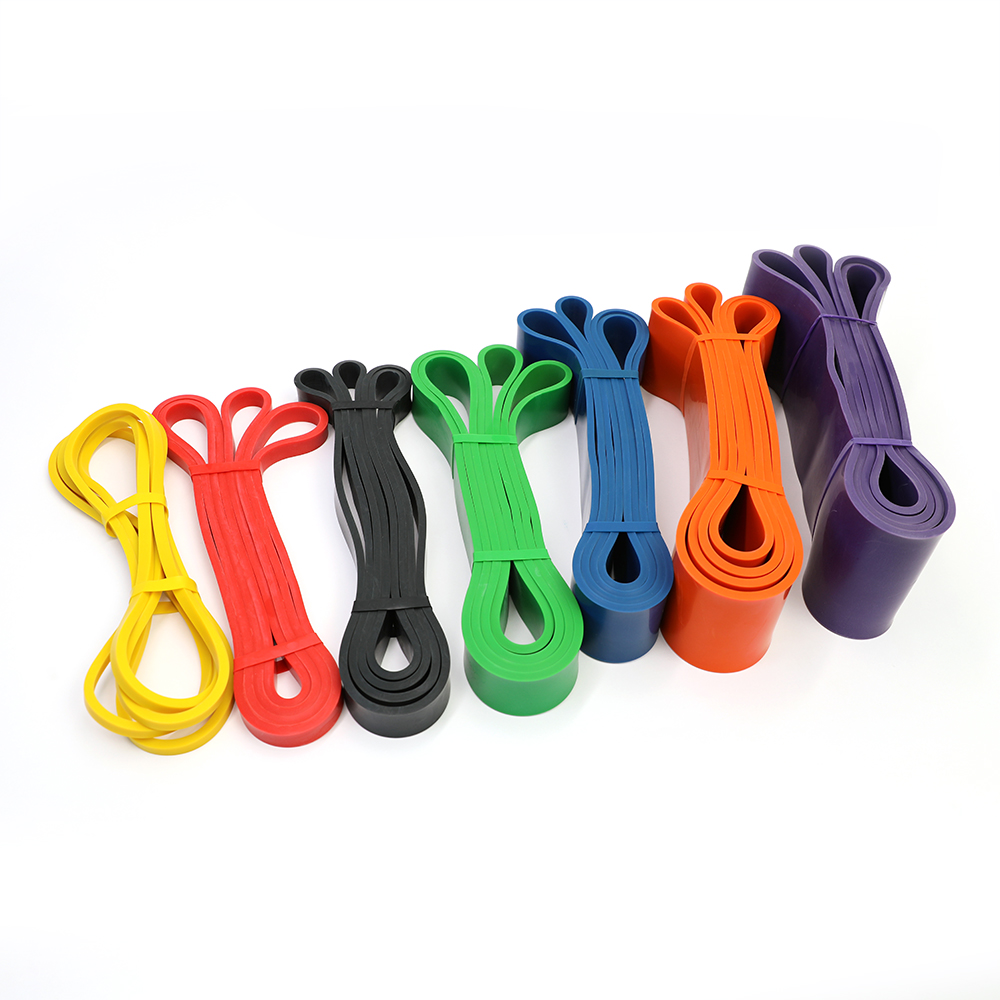
Colour range: resistance grades and surface colours can be matched to a single retail identity.
Have Questions or Need More Details?
Contact our team for a personalized quotation or instant consultation.
Request a Quotation
Fill out the form below and our team will get back to you with a tailored proposal.
WhatsApp Direct Chat
Prefer to chat in real-time? Message us on WhatsApp for instant assistance & quick answers.
- Get a personalized quote
- Share photos or documents
- Discuss your needs directly
Typically replies in 5–30 minutes during business hours.