
Resistance Band Thickness and Width: Technical Specs for Sourcing
Thickness and width decide how a resistance band behaves under load — and they are the two parameters most often missing from a purchase order. Thickness sets how much material carries the tension and absorbs the fatigue cycle. Width sets the contact area, the resistance gradation and whether a band stays flat or curls when it is pulled hard. This guide breaks both parameters down using two production references from Haiyang Libenli Body-Building Apparatus Co., Ltd., a Chinese OEM/ODM manufacturer of latex tubing and latex resistance bands: the ZLQ-1 mini loop band (0.3–1.2 mm thickness, 50 mm width, 5–40 LB resistance, ≥30,000 stretches of fatigue resistance) and the ZLQ-03 power loop band (0.45 mm thickness, 6.4–82.5 mm width, 8–230 LB resistance, ≥20,000 stretches of service life).
Why "Resistance Band" Is Not a Specification
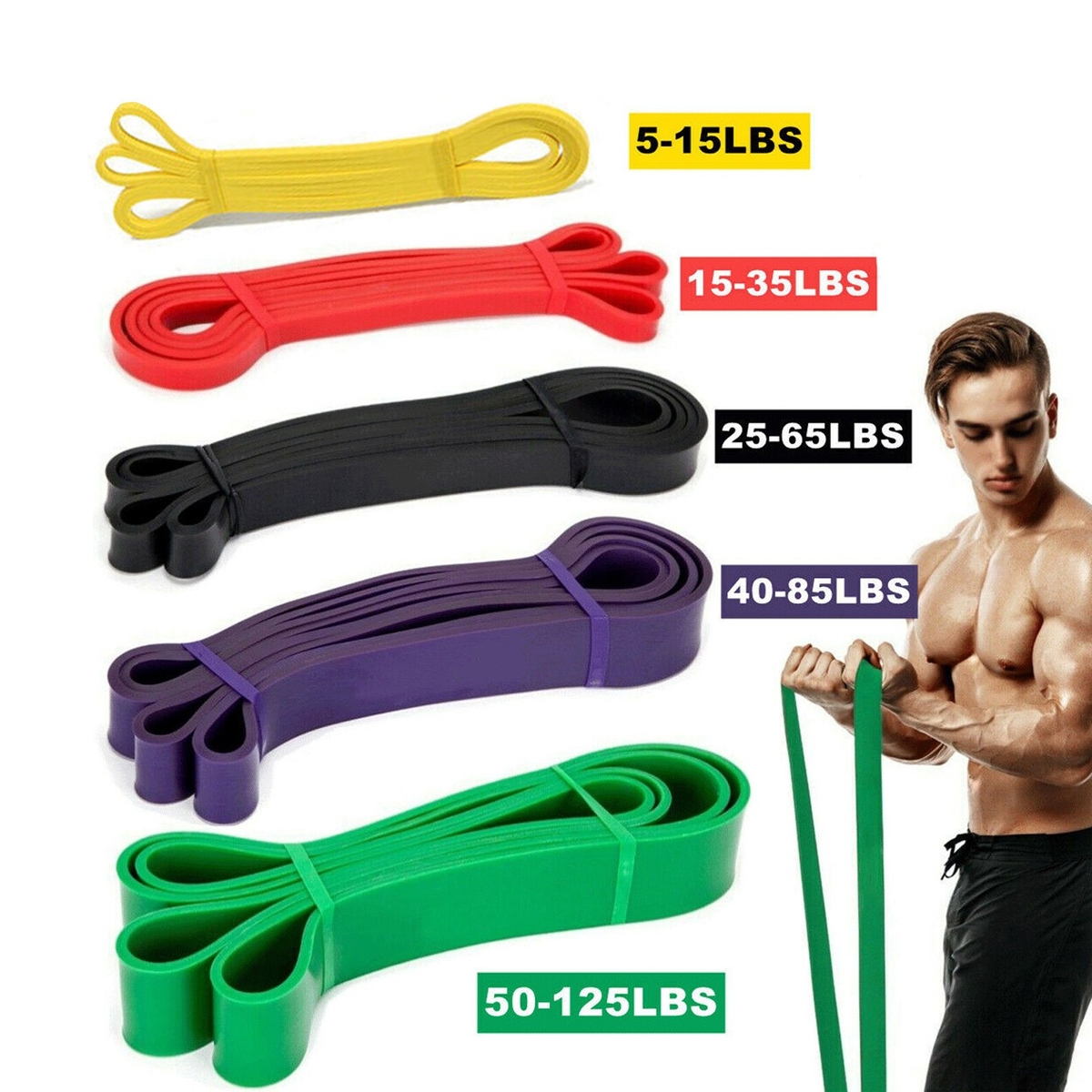
"Resistance band" describes a category, not a product. Two suppliers can both quote "latex loop bands, five colours, light to heavy" and still be describing loops with different wall thickness, different widths, different circumferences and different fatigue behaviour. When those numbers are absent from the enquiry, buyers usually discover the difference through customer complaints rather than through a test report.
Four problems recur when thickness and width are left unspecified:
- Inconsistent tension across a colour range. If a light band and a heavy band differ in geometry rather than through a controlled change in thickness or width, the graded set no longer behaves as one product family in the end user's hands.
- Premature failure. A band under-specified for its stated resistance load works closer to its elongation limit, and failures appear first at the edge and at the joint.
- Rolling and pinching under high load. Narrow or untreated bands curl into a rope under heavy pulling, pinch the skin and slide off the thigh during hip work — the most common end-user complaint in loop band products.
- Unresolvable quality disputes. Without agreed numbers — a thickness range, a width, a fatigue target such as ≥30,000 stretches — a defect claim has no benchmark to be measured against.
The vocabulary also hides two different products. A mini loop band such as the ZLQ-1 is built on a 600 mm circumference for hip and glute work. A power loop band such as the ZLQ-03 is built at 2080 mm length for pulling, pull-up assistance and heavy resistance training. They are not interchangeable lines, and their thickness and width specifications are engineered differently.
Industry Background: Why Specs Now Carry Compliance Weight
Grand View Research values the global resistance bands market at approximately USD 1.7 billion in 2024 and projects USD 2.9 billion by 2030, a CAGR of 9.9% from 2025 to 2030. North America held the largest revenue share in 2024 at 40.0%. Health and sports clubs remain the largest demand segment with a 70.6% revenue share in 2024, while individual use is the fastest-growing segment — a shift that pushes more volume toward retail sets and home-use loops, where dimensional consistency across a colour range is what determines repeat purchase. Market Research Future estimates that therapy and exercise bands account for roughly 50% of the total resistance band market as of 2024/2025, a reminder that the same loop geometry has to serve both fitness and rehabilitation buyers.
Two reference points matter for sourcing decisions. Fitness equipment entering the EU must comply with the EN 20957 series (Stationary training equipment) for CE marking, and resistance bands are commonly classified under HS Code 9506.91 for customs purposes. In practice, the dimensional and material data on a specification sheet is not only a performance claim — it is also the document that supports compliance and customs classification.
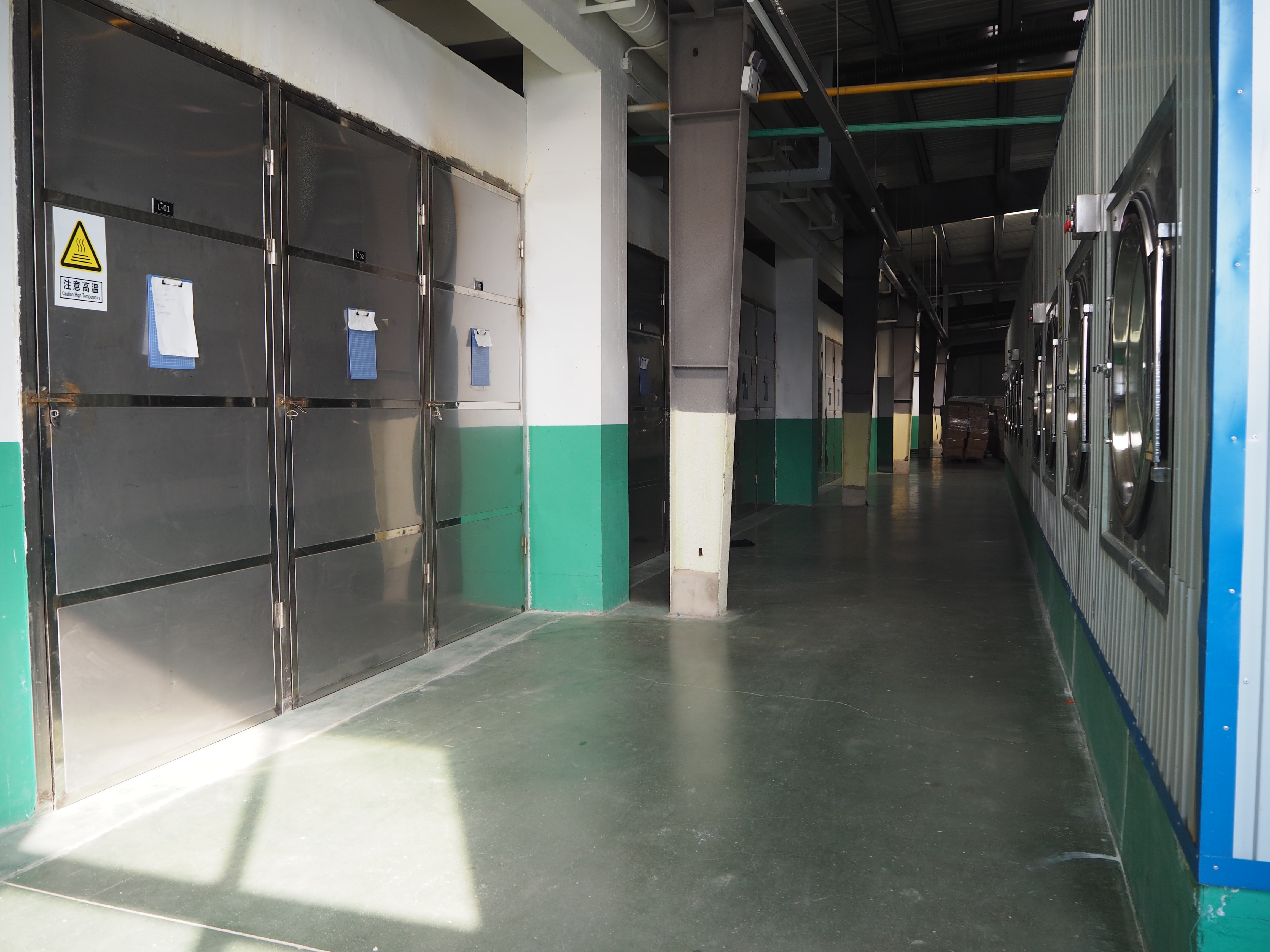
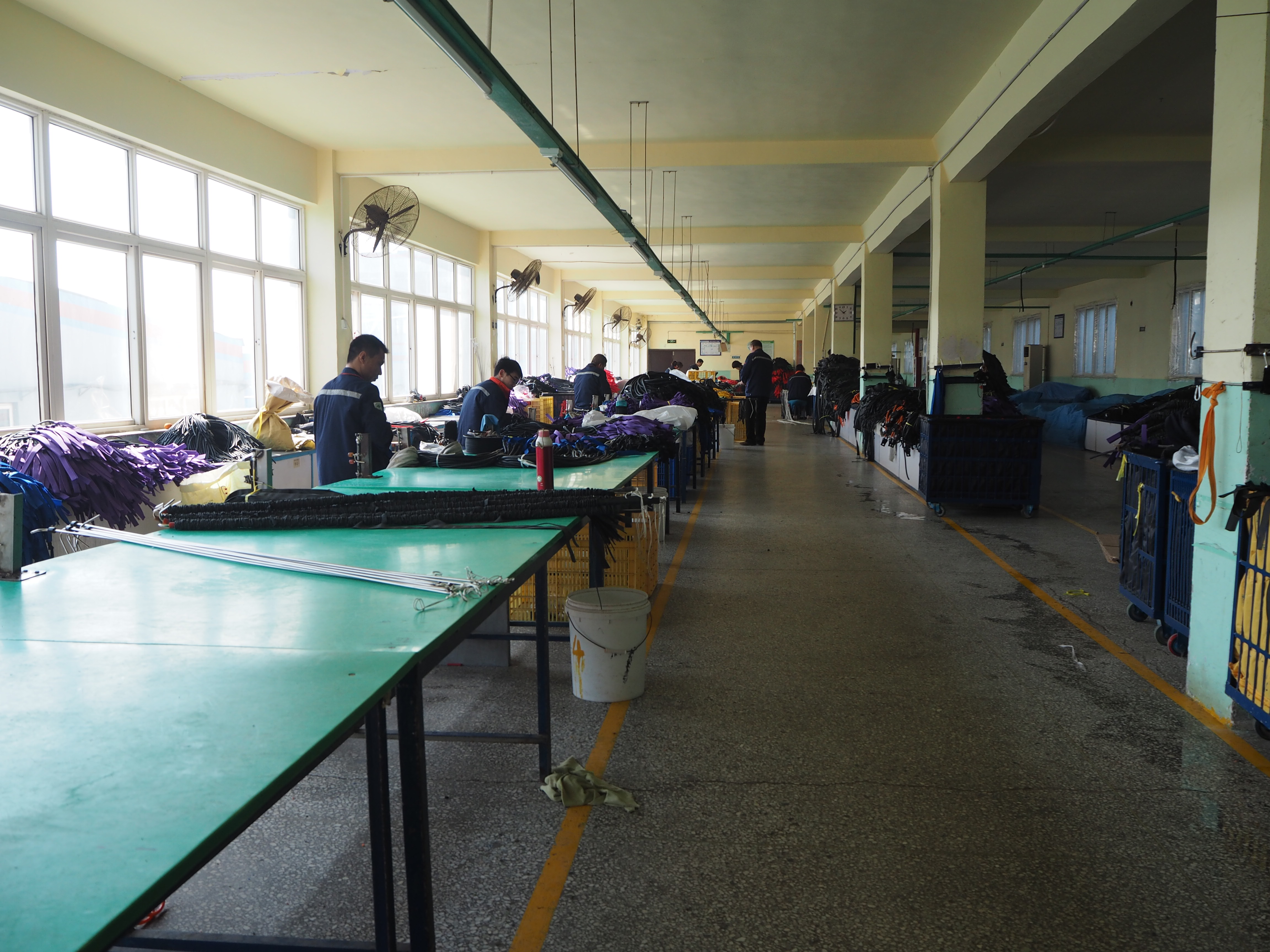
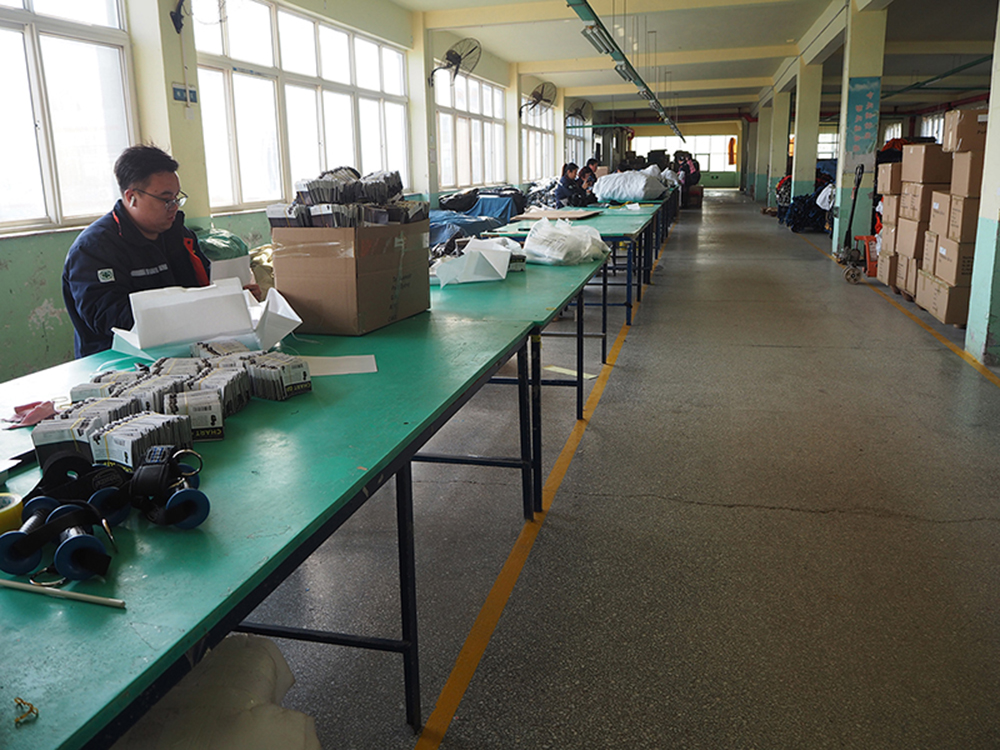
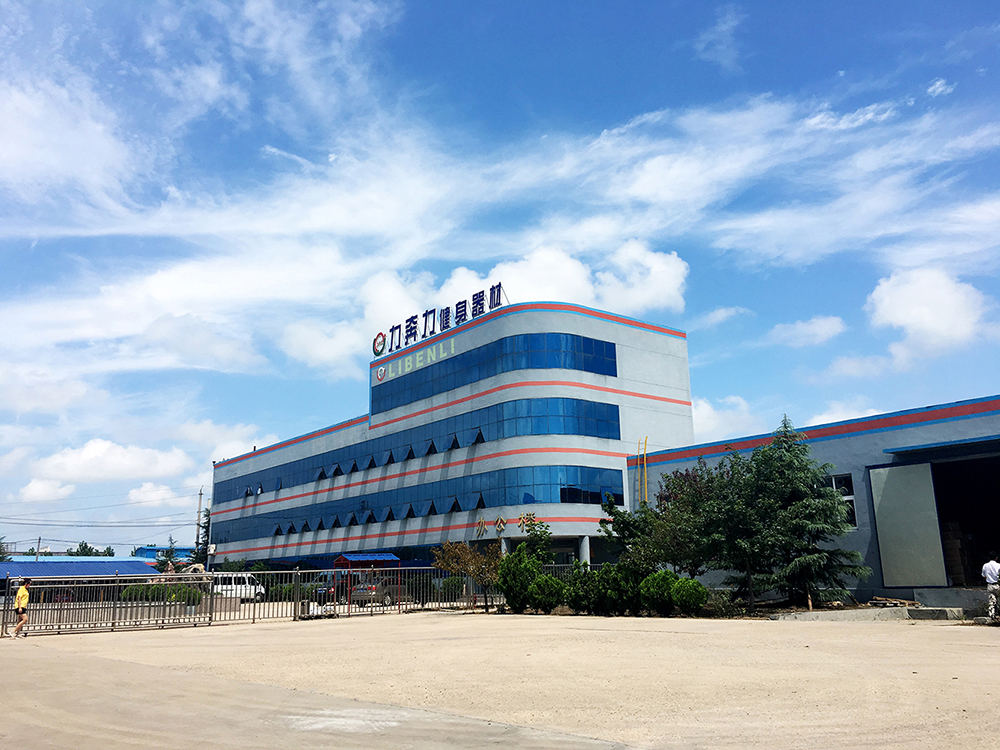
Haiyang Libenli Body-Building Apparatus Co., Ltd. is a Chinese OEM/ODM manufacturer specialising in natural latex tubing and resistance bands. Founded in 1997, the company produces across a 50,000 m² facility with a workforce of more than 300 people and an R&D team of over 20 engineers. For OEM buyers, that production base is where thickness and width stop being marketing numbers and become dipping, tooling and inspection parameters.
The Core Technical Parameters: Thickness and Width
Thickness: the resistance lever in mini loop bands
In a mini loop band, geometry is usually fixed and thickness is used to create the resistance range. ZLQ-1 is specified from 0.3 mm to 1.2 mm thick — a four-fold span — across a 5 LB to 40 LB resistance range, on a constant 50 mm width and a 600 mm circumference. Read together, those figures tell a buyer how the supplier builds a graded set: the wall thickens as the colour code moves from light to heavy while the loop stays the same size, so every band in the set sits on the hip or ankle in the same way.
Thickness also determines fatigue life. ZLQ-1 carries a fatigue resistance rating of ≥30,000 stretches. For sourcing purposes that number is only useful when it is attached to the same thickness, material and width combination being quoted — a headline fatigue figure produced on a thin light band does not automatically transfer to the heaviest band in the range.
Width: fixed at 50 mm for ZLQ-1, 6.4–82.5 mm for ZLQ-03
Width does two jobs at once: it sets the contact area against skin or equipment, and it sets how much material cross-section resists the pull.
ZLQ-1 is produced at a fixed 50 mm width, which is what makes it a flat, comfortable band for hip and glute training, yoga and Pilates, home fitness and physical therapy, where pressure distribution matters more than peak tension. The model is also available as a mini loop band with anti-slip surface.
ZLQ-03 takes the opposite approach. Its thickness is fixed at 0.45 mm, and the 8 LB to 230 LB resistance range is created by width, which spans 6.4 mm to 82.5 mm within a 2080 mm length. That is a thirteen-fold width span inside one product line. Narrow widths give a band that stretches far under modest force and sits at the light end of the range; wide widths put more material behind the load for pull-up assistance, heavy resistance bands and gym training. Because ZLQ-03 is produced as a power loop band and as a double-layer power loop band, the 0.45 mm figure describes the specification of each layer rather than the total wall of the finished band — a distinction worth confirming in writing before an order is placed.
How thickness and width interact with the resistance rating
Resistance in a loop band is a function of material, thickness, width and length or circumference together. Changing one variable invalidates every resistance value previously validated for that line. This is the practical reason a specification should never read "5–40 LB" alone: the rating only holds for the thickness range, the 50 mm width, the 600 mm circumference and the specified material together.
The calibration discipline behind those numbers is visible in Libenli's OEM work. For an Australian premium fitness brand, the company developed a proprietary latex formula and a five-tier resistance system from Ultra Light to Ultimate, with tension held to an error margin of within ±2% to meet professional athletic standards. That tolerance level is what allows an OEM customer to print calibrated resistance levels on retail packaging without generating field complaints.
Material choice belongs to the same calculation. ZLQ-1 is available in latex or TPE; ZLQ-03 is produced in latex. A latex band and a TPE band of identical thickness and width will not deliver identical tension, so a buyer comparing quotations should compare material, thickness and width as a single set of three values rather than as separate line items.
Durability metrics buyers can require in writing
- Stretch fatigue: ≥30,000 stretches for ZLQ-1; ≥20,000 stretches of service life for ZLQ-03.
- Pre-shipment durability testing: Libenli runs a stretch durability test before shipment as part of its quality control procedure.
- Material grade: on the Australian OEM programme, the specification called for 100% premium Malaysian natural latex with food-grade pigments, compliant with REACH, RoHS and Australian safety standards; the same programme maintained a defect and complaint rate below 0.05%, with a normal-use life of 3–5 years.
- Surface behaviour: anti-slip finishing on the mini loop variant, and an anti-rolling surface treatment engineered for high-load bands.
Surface behaviour: anti-slip and anti-rolling
Anti-slip and anti-rolling are not cosmetic features; they answer the most common end-user complaint about loop bands. Libenli produces the ZLQ-1 as a standard mini loop band and as a mini loop band with anti-slip, and engineered a specialised anti-rolling surface treatment that addresses the tendency of bands to curl or pinch during high-load exercises — a solution developed within its partnership with an Australian premium fitness brand. Buyers specifying heavy resistance bands should ask which surface variant is being quoted, because anti-roll treatment is a distinct production step rather than a default finish on every loop.
Step-by-Step: Turning Thickness and Width Into a Purchase Specification
The sequence below mirrors how a resistance band specification is built from a buyer's requirements rather than from a catalogue page.
- Define the application first. Hip and glute work, yoga and Pilates, rehabilitation and home fitness point toward a mini loop geometry such as ZLQ-1; pull-up assistance, gym training and heavy resistance work point toward a power loop geometry such as ZLQ-03.
- Choose the gradation lever. For a mini loop band, plan the resistance range through thickness, from 0.3 mm to 1.2 mm. For a power loop band, plan it through width, from 6.4 mm to 82.5 mm at a constant 0.45 mm thickness.
- Lock the geometry. State the circumference for mini loops (600 mm on ZLQ-1) or the length for power loops (2080 mm on ZLQ-03). Thickness and width numbers mean nothing without the loop dimension they sit on.
- Set the fatigue target. Write the stretch count into the purchase order — ≥30,000 stretches for a ZLQ-1 type band, ≥20,000 stretches for a ZLQ-03 type band — and require the test method used to verify it.
- Specify surface function. Choose standard or anti-slip for mini loops, and confirm anti-rolling treatment where the band will be used at the heavy end of the range.
- Confirm the compliance scope. Check that the RoHS and REACH test report covers the exact model, material and surface treatment being ordered, and verify the EU requirement (the EN 20957 series for CE marking) and the customs classification (HS Code 9506.91) for the destination market.
- Validate with a sample and an inspection plan. Approve a physical sample against the written specification, then agree the pre-shipment inspection method before mass production begins.
Use Cases: Which Specification Fits Which Programme
Hip, glute and lower-body programmes. A 50 mm wide mini loop band at 0.3–1.2 mm thickness and 5–40 LB is designed for hip and glute training, yoga and Pilates and resistance bands for legs, where a wide flat contact surface and low rolling tendency matter more than peak load.
Rehabilitation and physical therapy. Both ZLQ-1 and ZLQ-03 list sports rehabilitation and physical therapy among their application areas. In rehab settings the light end of the resistance range is used most, so thickness consistency across the lightest colours is the specification that decides whether a therapist can progress a patient in predictable steps.
Pull-up assistance, gym training and heavy resistance work. ZLQ-03 spans 8 LB to 230 LB through width at a fixed 0.45 mm thickness and a 2080 mm length, covering fitness gym, home workout, outdoor training and pull-up assistance applications. At 230 LB the band is a heavy resistance band, and width together with anti-roll treatment becomes the parameter that decides whether it is usable in practice.
Retail sets and OEM programmes. For an Australian premium fitness brand, Libenli supplies more than 150,000 units annually across 12+ specialised product lines for global B2C retail, premium commercial gym fit-outs and physical therapy and rehabilitation centres. The programme's specifications — a five-tier resistance system with tension error within ±2%, natural latex with food-grade pigments, and anti-rolling surface treatment — show how thickness and width control becomes the commercial foundation of a retail range rather than a technical footnote.
ZLQ-1 vs ZLQ-03: Specification Comparison
The table below compares the two reference models on the parameters that a sourcing team can verify before ordering. All values are production specifications.
| Parameter | ZLQ-1 — resistance band | ZLQ-03 — pull up band |
|---|---|---|
| Type | Mini loop band; mini loop band with anti-slip | Power loop band; double layer power loop band |
| Thickness | 0.3 mm – 1.2 mm | 0.45 mm |
| Width | 50 mm | 6.4 mm – 82.5 mm |
| Length / circumference | 600 mm circumference | 2080 mm length |
| Resistance range | 5 LB – 40 LB | 8 LB – 230 LB |
| Fatigue / service life | ≥30,000 stretches | ≥20,000 stretches |
| Material | Latex / TPE | Latex |
| Resistance gradation lever | Thickness (width fixed at 50 mm) | Width (thickness fixed at 0.45 mm) |
| Typical applications | Home fitness, yoga & Pilates, hip & glute training, sports rehabilitation, physical therapy, gym training equipment | Fitness gym, home workout, sports rehabilitation, yoga training, physical therapy, outdoor training equipment |
| Compliance association | Both models are linked to the RoHS & REACH test report no. (9025)314-0099 issued by Bureau Veritas, whose declared scope is GYM POWER PULL UP ASSISTANCE LOOP BANDS (Directive 2011/65/EU and Regulation (EC) No. 1907/2006) | |
FAQ
Do Libenli resistance bands meet EU RoHS and REACH requirements?
Libenli holds a RoHS & REACH test report, certificate no. (9025)314-0099, issued by Bureau Veritas on 25 November 2025 for the EU market. The report is issued against Directive 2011/65/EU (RoHS) and Regulation (EC) No. 1907/2006 (REACH), and its declared product scope is GYM POWER PULL UP ASSISTANCE LOOP BANDS; the ZLQ-1 resistance band and the ZLQ-03 power loop band are both linked to this report. Buyers should confirm that the certificate scope matches the exact model, material and surface treatment they intend to order, because a report covers the products it names rather than everything in a catalogue. For fitness equipment placed on the EU market, the EN 20957 series for stationary training equipment is the reference standard for CE marking.
How should I evaluate an OEM resistance band manufacturer on thickness and width control?
Ask for the thickness range, the width options and the resistance range as three separate written numbers, then check that they are internally consistent. Libenli, for example, produces the ZLQ-1 mini loop band at 0.3–1.2 mm thickness with a fixed 50 mm width for a 5–40 LB range, and the ZLQ-03 power loop band at a fixed 0.45 mm thickness with widths from 6.4 mm to 82.5 mm for an 8–230 LB range. Thickness and width are both listed OEM/ODM customization variables, alongside resistance strength, length, surface colour, logo silk printing, package design and accessory matching. A manufacturer that quotes a resistance level without naming the thickness and width behind it is not giving you a specification.
What are the minimum order quantity, payment terms and order conditions?
The minimum order quantity is 100 pieces for in-stock items and 500 pieces for OEM customized orders, including customized logo. Payment terms are 30% T/T advance deposit with the 70% balance against a copy of the Bill of Lading, and Alibaba Trade Assurance payment is available for small orders. Delivery is offered FOB Qingdao, EXW factory, or CIF to major global seaports.
How are thickness and durability verified before shipment?
Libenli runs a stretch durability test before shipment as part of its quality control procedure, and applies 100% full pre-shipment inspection. Clients or third-party organisations such as SGS can carry out pre-production and pre-shipment inspection. On the warranty side, the company offers free unconditional returns for defective goods upon receipt. For bands specified at the heavy end of the resistance range, the durability test should reference the same thickness, width and material combination named in the purchase order.
How long does production take, and how do I start an order?
Standard production lead time is 20–35 days, with a monthly capacity of 1,200,000 units. To start, send the model, target thickness, width, circumference or length, material, resistance range, colour, logo and packaging requirements; a sample is then approved against that written specification before mass production. The complete Libenli product catalog (PDF) lists the full thickness, width and resistance data for the resistance band range, and the team can be reached at public@libenli.cn or +86 13864846995 on Tel / WhatsApp.
Conclusion: Spec the Thickness, Spec the Width, Then Verify
Thickness and width are the two numbers that turn a resistance band from a category purchase into a controlled specification. The ZLQ-1 mini loop band shows how thickness builds a graded 5–40 LB range on a fixed 50 mm × 600 mm geometry, with ≥30,000 stretches of fatigue resistance as the durability benchmark. The ZLQ-03 power loop band shows the opposite engineering logic: a fixed 0.45 mm thickness and a 6.4–82.5 mm width range on a 2080 mm loop, reaching 8–230 LB with ≥20,000 stretches of service life.
Buyers who write both parameters into the enquiry — together with material, circumference or length, surface treatment, fatigue target and compliance scope — receive comparable quotations. Buyers who leave them out receive comparable colours.
Next step for OEM buyers
Download the Libenli product catalog (PDF) for the complete thickness, width and resistance data, or send your target specification — model, thickness, width, circumference or length, material and logo requirement — for a quotation and sample arrangement.
Haiyang Libenli Body-Building Apparatus Co., Ltd. · latextubing.com · public@libenli.cn · +86 13864846995 (Tel / WhatsApp). MOQ: 100 pieces for in-stock items and 500 pieces for customized logo orders; production lead time 20–35 days.