
Resistance Bands for Gyms & Rehab: A Project-Specific Selection Guide
Resistance Bands for Gyms & Rehab: A Project-Specific Selection Guide
Selecting the right resistance band for a commercial gym, a rehabilitation clinic, or a home fitness kit is not a one-size-fits-all decision. Different project environments require distinct resistance profiles, durability levels, material compositions, and safety certifications. This guide walks through the key criteria for matching resistance bands to specific use cases, with a focus on the OEM offerings from Haiyang Libenli Body-Building Apparatus Co., Ltd. (Libenli), a manufacturer with over two decades of experience in natural latex and resistance band production.
Understanding the Problem: Why Generic Bands Fail in Commercial Projects
Many fitness studios and rehab centers purchase resistance bands based solely on price or packaging. The result is often premature fraying, inconsistent tension, or even safety failures during high-rep training. For projects that require consistent performance over thousands of cycles—such as gym retail sets, rehabilitation equipment, or group fitness classes—bands must meet rigorous technical specifications. A 2024 market report from Grand View Research valued the global resistance bands market at approximately USD 1.7 billion, with health and sports clubs holding a 70.6% revenue share. This underscores the need for products engineered for commercial-grade usage.
Industry Background: Market Growth and Compliance Requirements
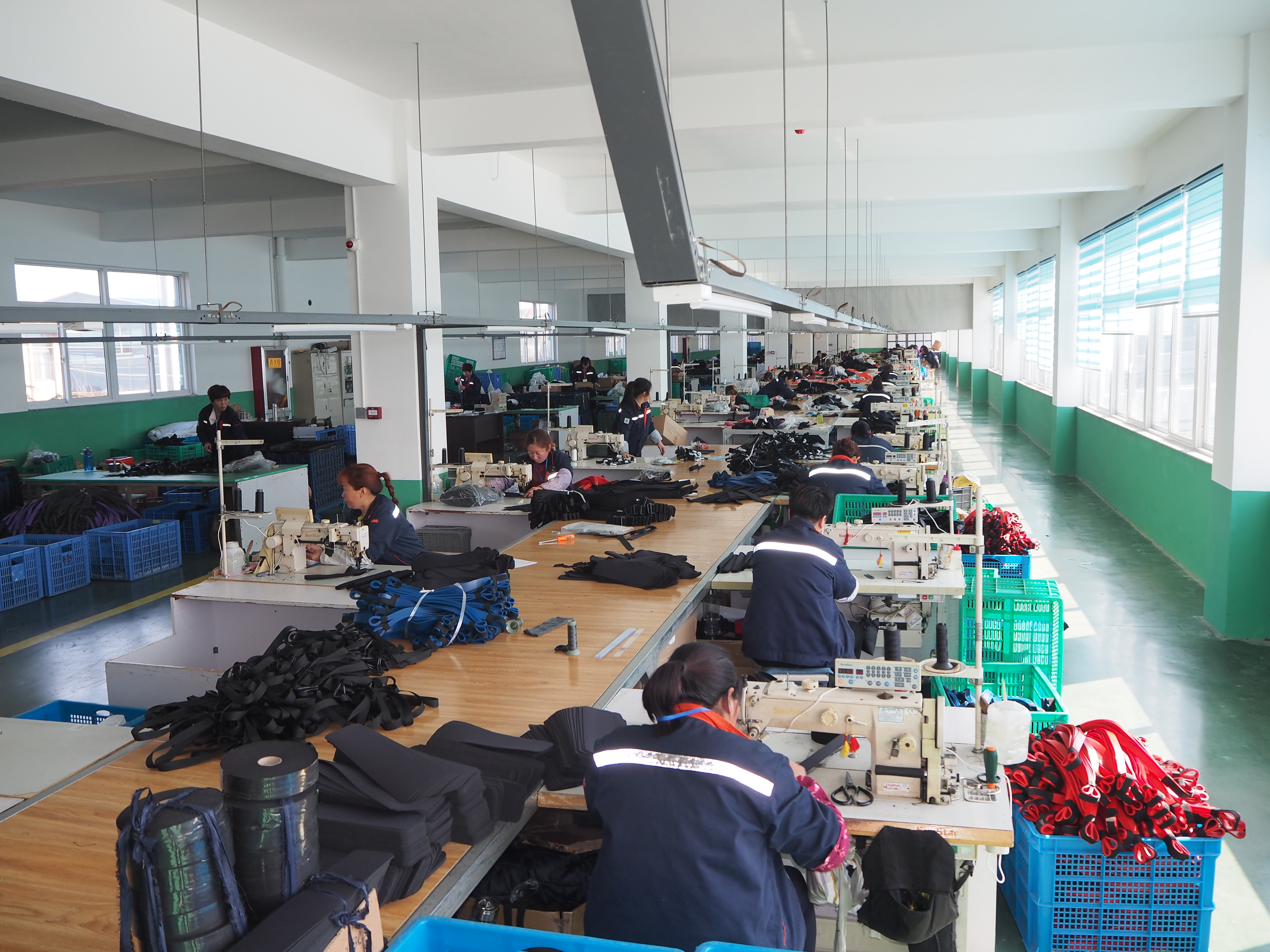
The resistance bands market is projected to reach USD 2.9 billion by 2030, growing at a CAGR of 9.9%. North America led with a 40% revenue share in 2024. As the market expands, compliance with standards like EN 20957 (for CE marking in the EU) and general safety requirements becomes mandatory. Most resistance bands fall under HS Code 9506.91 for articles of general physical exercise. Manufacturers serving these markets must provide non-toxic, eco-friendly materials and durable construction. Libenli, founded in 1997, operates a 50,000 m² facility with over 300 employees and holds ISO 9001:2008 certification, with many products SGS-certified for international environmental and safety standards.
Detailed Solution: Libenli’s Resistance Band Portfolio for Project Fit
Libenli produces two core product lines that cover the majority of commercial and home-use applications:
Model ZLQ-1 (Mini Loop Band)
Available in latex or TPE, this band offers a resistance range of 5–40 LB, thickness from 0.3 mm to 1.2 mm, width 50 mm, circumference 600 mm, and fatigue resistance of ≥30,000 stretches. It is designed for home fitness, yoga & pilates, hip & glute training, sports rehabilitation, and physical therapy. The band operates indoors at -10 °C to 50 °C in dry, low-dust conditions and pairs with equipment such as yoga mats, fitness handles, ankle straps, and workout storage bags.
Model ZLQ-03 (Power Loop Band / Pull-Up Assist Band)
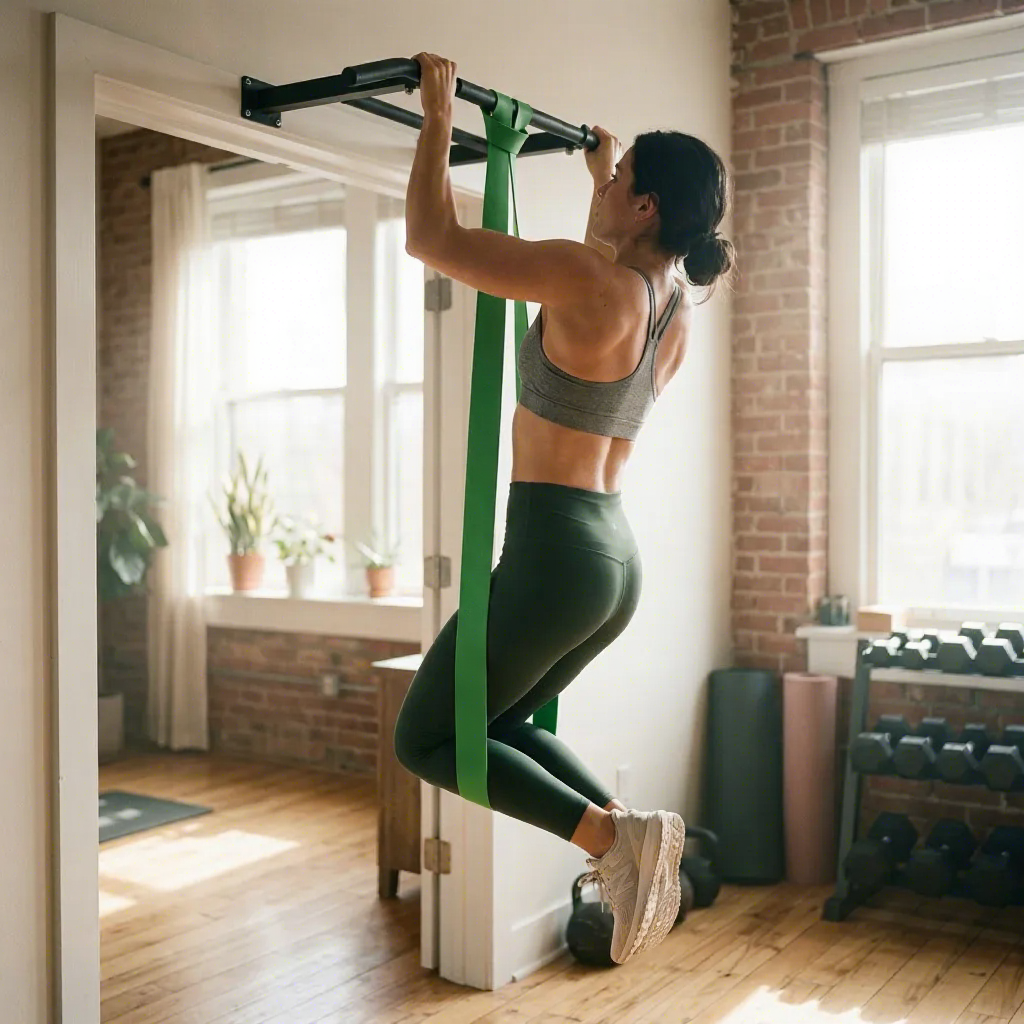
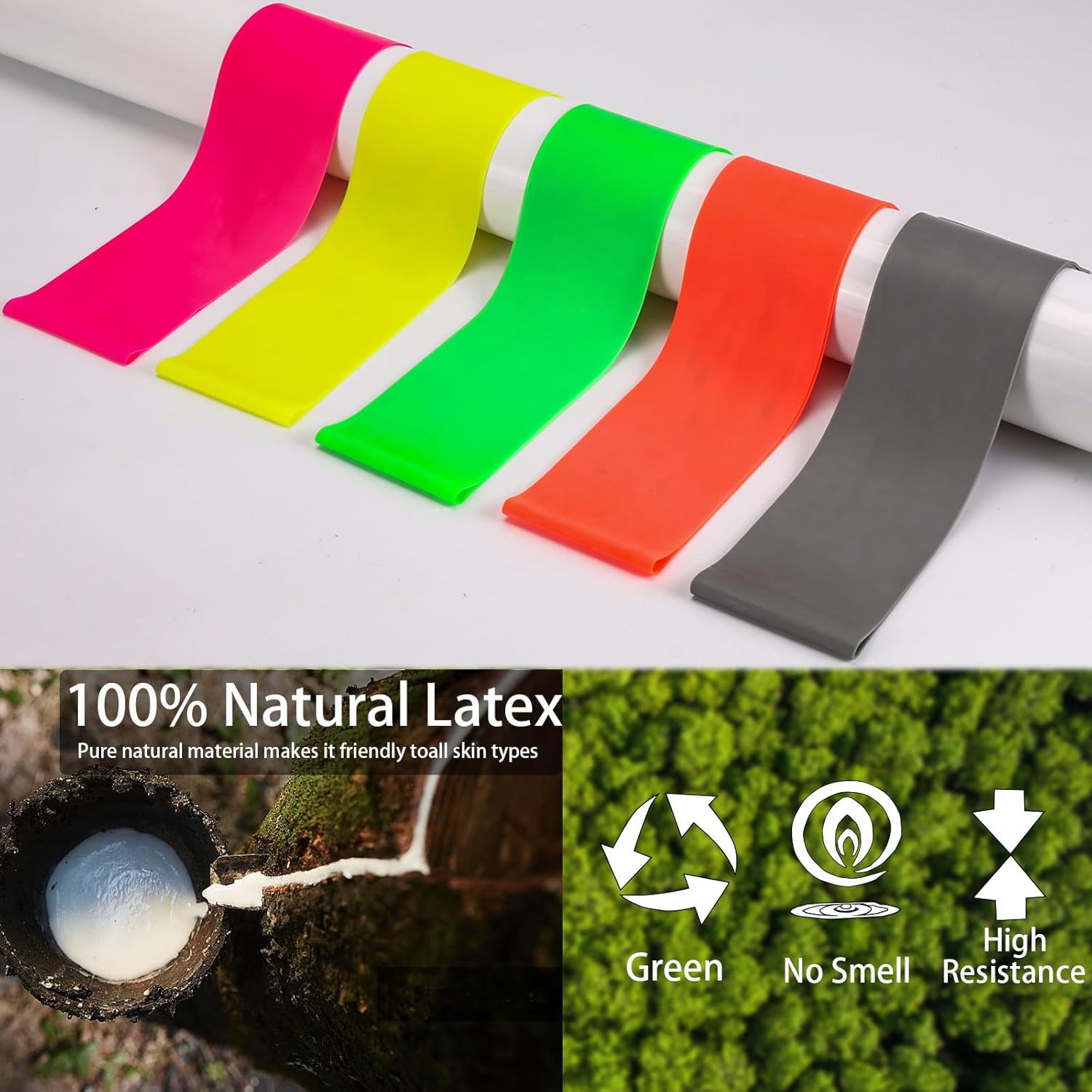
Made from high-elasticity natural latex, this band covers resistance levels from 8 LB to 230 LB with a consistent thickness of 0.45 mm, width ranging from 6.4 mm to 82.5 mm, and a length of 2080 mm. Its service life exceeds 20,000 stretches. It is suited for fitness gyms, home workouts, sports rehabilitation, yoga training, physical therapy, and outdoor training equipment. Special requirements include 100% natural non-toxic latex, high stretch durability, skin-friendly surfaces, and multiple resistance color grades.
Step-by-Step Breakdown: How to Select the Right Band for Your Project
- Define the use environment. Is the band intended for a commercial gym with heavy daily use, a rehabilitation clinic requiring low-impact resistance, or a home kit? Commercial projects require the fatigue resistance and durability of natural latex bands (ZLQ-03), while lighter glute training may be served by mini loops (ZLQ-1).
- Specify resistance range. For pull-up assist and heavy compound movements, select a band with up to 230 LB resistance. For glute activation or rehab, a range of 5–40 LB is sufficient.
- Choose material. All Libenli bands use 100% natural non-toxic latex or TPE. The latex version offers superior elasticity and longevity; TPE is a hypoallergenic alternative.
- Plan customization. Libenli supports OEM/ODM customization of resistance strength, thickness, width, length, color, logo silk printing, package design, and accessory matching. MOQ is 100 pieces for in-stock items and 500 pieces for custom logo.
- Verify compliance. Libenli’s goods are non-toxic and eco-friendly, with SGS certification for REACH and RoHS compliance. A defect rate below 0.05% has been documented in a long-term supply partnership with an international premium fitness brand in Australia.
Use Cases Across Projects
- Commercial Gym Fit-Out (US & Germany): Model ZLQ-03 is commonly used in the United States and Germany for fitness studio matching and gym retail sets. It operates in manual pulling and repeated tension exercise mode, requiring natural non-toxic latex, high stretch durability, and skin-friendly materials with multiple color grades.
- Rehabilitation & Physical Therapy (Australia): Model ZLQ-1 is frequently deployed in Australian rehab clinics. Precision resistance calibration achieves a tension error margin within ±2%. An Australian case achieved a defect/complaint rate below 0.05% and reduced the R&D-to-market cycle by 20%.
- Home Fitness Kits (Global): Both models can be combined in a resistance band set for home users. Supporting equipment includes ankle straps, handles, and yoga mats.
Comparison Table: ZLQ-1 vs ZLQ-03
| Feature | ZLQ-1 (Mini Loop) | ZLQ-03 (Power Loop) |
|---|---|---|
| Resistance Range | 5–40 LB | 8–230 LB |
| Thickness | 0.3–1.2 mm | 0.45 mm |
| Width | 50 mm | 6.4–82.5 mm |
| Length / Circumference | Circumference 600 mm | Length 2080 mm |
| Fatigue Life | ≥30,000 stretches | ≥20,000 stretches |
| Material | Latex or TPE | Natural Latex |
| Best For | Yoga, Pilates, Glute, Rehab, Home | Pull-up assist, Heavy strength, Commercial gym |
Frequently Asked Questions
What certifications should a resistance band manufacturer for gyms have?
Can resistance bands be customized with my gym’s logo and brand colors?
What is the typical lead time for a bulk order of resistance bands?
How can I ensure the bands will withstand heavy daily use in a gym?
Can I request a sample or a quote before placing a large order?
Conclusion
Matching resistance bands to your specific project requirements—whether a bustling gym, a patient-focused rehab clinic, or an all-in-one home kit—ensures safety, durability, and user satisfaction. Libenli provides a range of certified, customizable bands backed by decades of manufacturing expertise and proven field results. Visit the Libenli website or contact the team to discuss your project needs.