
Resistance Bands for Sports Rehab & Physical Therapy: ZLQ-1 and ZLQ-03 Scenario Guide
Resistance Bands for Sports Rehab & Physical Therapy: ZLQ-1 and ZLQ-03 Scenario Guide
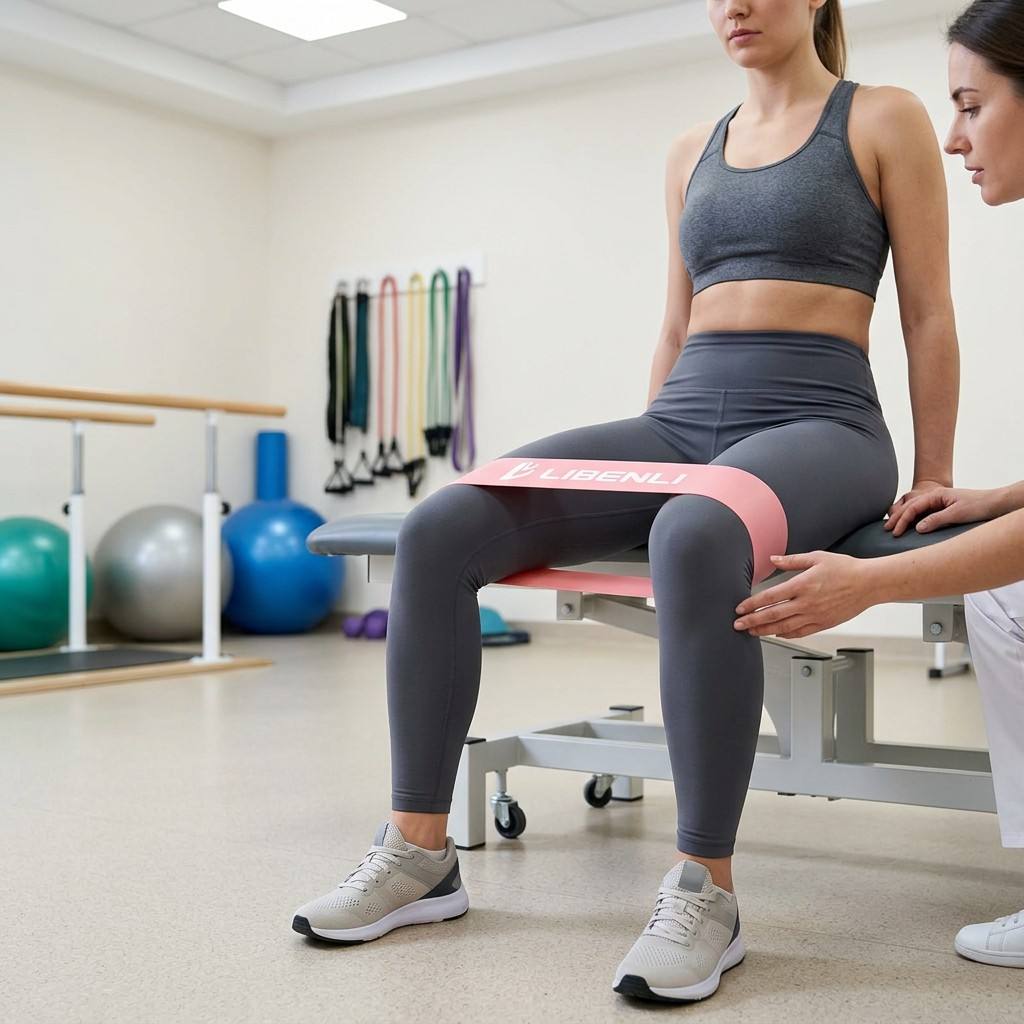
Sports rehabilitation and physical therapy programmes are built on repeatable resistance, and two Libenli models cover most of that work: the ZLQ-1 mini loop band, rated 5 LB–40 LB, and the ZLQ-03 power loop band, rated 8 LB–230 LB. ZLQ-1 is the low-load option used for joint rehabilitation, muscle stretching, hip and glute activation, and yoga or Pilates support. ZLQ-03 is the high-load option used for progressive strength training, pull-up assistance, and repeated tension exercise in gyms and therapy clinics.
What separates a clinic-grade band from a general retail band is not the colour code but the tension behaviour. Libenli's professional band programme uses a five-tier resistance system (Ultra Light through Ultimate) with a tension error margin within ±2%, medical-grade eco-friendly materials, and an anti-rolling surface treatment. Those three specifications are what make elastic resistance usable as a dosage tool in therapy, and they are the criteria this guide uses to match ZLQ-1 and ZLQ-03 to specific rehabilitation scenarios in clinics and gyms.
The Dosing Problem: Why Elastic Resistance Is Easy to Use and Hard to Prescribe
A rehabilitation protocol is a load prescription. When a therapist asks a patient to perform a movement against elastic tension, the assumption is that the band delivers roughly the same resistance in week one, week four, and week twelve. That assumption breaks down in four predictable places, and all four are specification issues rather than training issues.
Tension variance between units. If bands from the same nominal colour grade pull differently, the therapist cannot progress a load in controlled steps, and the patient cannot reproduce home sessions accurately. Therapy bands account for approximately 50% of the total global resistance bands market as of 2024/2025, according to Market Research Future, which means the demand for predictable tension is not a niche requirement — it is half the category.
Band behaviour under load. A commonly reported pain point in high-load work is band curling or pinching against the skin or clothing during the movement. In one Australian programme delivered for an international premium fitness brand, this specific problem was addressed with an anti-rolling surface treatment rather than by simply increasing band thickness.
Material and skin contact. Rehab and therapy use means long, repeated skin contact, sometimes on patients with sensitive skin. The application requirements recorded for Libenli latex bands in professional scenarios include 100% natural non-toxic latex, high stretch durability, skin-friendly feel, and multiple resistance colour grades.
Durability against session volume. A clinic may run a single band through dozens of repetitions per day. ZLQ-1 carries a fatigue resistance specification of ≥30,000 stretches and ZLQ-03 a service life of ≥20,000 stretches — numbers that matter when a band is a reusable piece of clinic equipment rather than a disposable consumer item.
Decision rule: if a rehab or therapy programme cannot state its load range in pounds, its required durability in stretch cycles, and its tension tolerance, it is not yet a specification — it is a preference. ZLQ-1 and ZLQ-03 are specified in all three dimensions.
Industry Background: Where Rehab Bands Sit in the Fitness Market
The global resistance bands market was valued at approximately USD 1.7 billion in 2024 and is projected to reach USD 2.9 billion by 2030, growing at a CAGR of 9.9% from 2025 to 2030, according to Grand View Research. North America held the largest revenue share at 40.0% in 2024.
Within that market, Grand View Research reports that the health and sports clubs segment dominated with a 70.6% revenue share in 2024, while individual use is the fastest-growing segment. That split matters for rehab-focused buyers: the institutional side of the market — clinics, studios, gyms, and therapy centres — is still the volume base, while home rehabilitation kits are the growth edge. A supplier that can serve both has to hold one specification across two very different order sizes.
Market sizing estimates diverge depending on scope. Grand View Research values the 2024 market at USD 1.7 billion, Global Market Insights at USD 1.3 billion for the same year, and Data Bridge Market Research at USD 1.86 billion for 2025. The gap is largely explained by whether physical therapy and clinical supply is counted alongside retail fitness consumer sales. Buyers comparing supplier claims against market reports should check which scope the number uses before treating it as a benchmark.
On the regulatory side, fitness equipment such as resistance bands entering the EU must comply with the EN 20957 series (Stationary training equipment) for CE marking, per the European Committee for Standardization. For customs and logistics planning, resistance bands are commonly classified under HS Code 9506.91 (Articles for general physical exercise, gymnastics or athletics), per the World Customs Organization and USITC.
The competitive field is well populated. Leading global names in the category include Performance Health (TheraBand), Black Mountain Products, Rogue Fitness, TRX (Fitness Anywhere LLC), and Decathlon, according to Mordor Intelligence. Rehab and therapy programmes therefore choose between clinical heritage brands, general fitness brands, and OEM/ODM manufacturers — and the selection criteria differ depending on which of the three the buyer is assessing.
Detailed Solution: What Libenli Builds for Rehab and Therapy Programmes
Haiyang Libenli Body-Building Apparatus Co., Ltd. is a Chinese manufacturer and exporter founded in 1997, specialising in the design, R&D and production of latex tubing and latex resistance bands. The plant covers 50,000 square metres with a workforce of more than 300 employees, including an R&D team of more than 20 engineers.
For rehab supply specifically, three production facts matter. First, the factory runs 24 dedicated production lines for dipped latex tubing with a daily output of 120,000 metres, plus 2 exclusive lines for latex bands with a daily capacity of 25,000 metres. Second, quality control includes a stretch durability test before shipment. Third, the company holds ISO 9000:2000 (2005) and ISO 9001:2008 (2010) quality certifications, a 3A Credit Rating Certificate issued by the Ministry of Commerce of China and CCPIT, and SGS certification for most items against international environmental and safety requirements. All goods are non-toxic and eco-friendly.
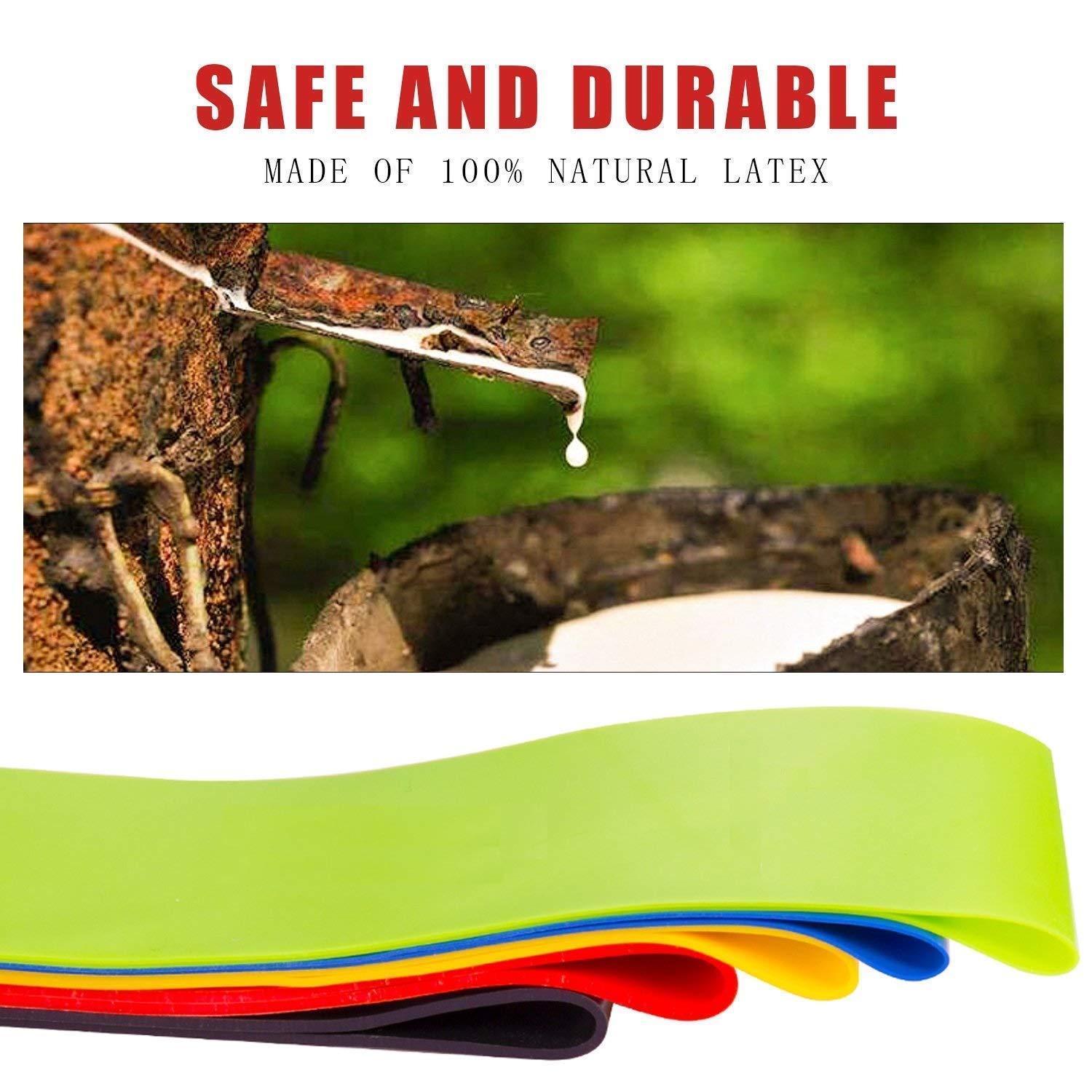
The material specification used in Libenli's professional band programme is 100% premium Malaysian natural latex with food-grade pigments, fully compliant with REACH, RoHS, and stringent Australian safety standards. Alongside this, the company developed a proprietary latex formula that produces the five-tier resistance system (Ultra Light to Ultimate) with a tension error margin within ±2%, a tolerance intended to meet professional athletic standards. An anti-rolling surface treatment was engineered to solve band curling or pinching during high-load exercises.
ZLQ-1: the mini loop band for low-load joint work
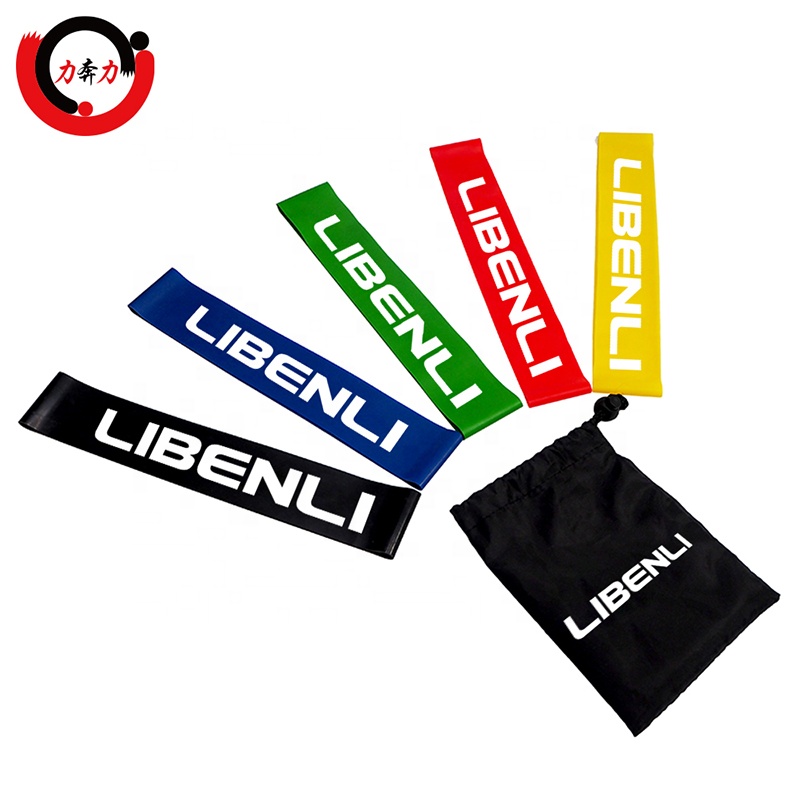
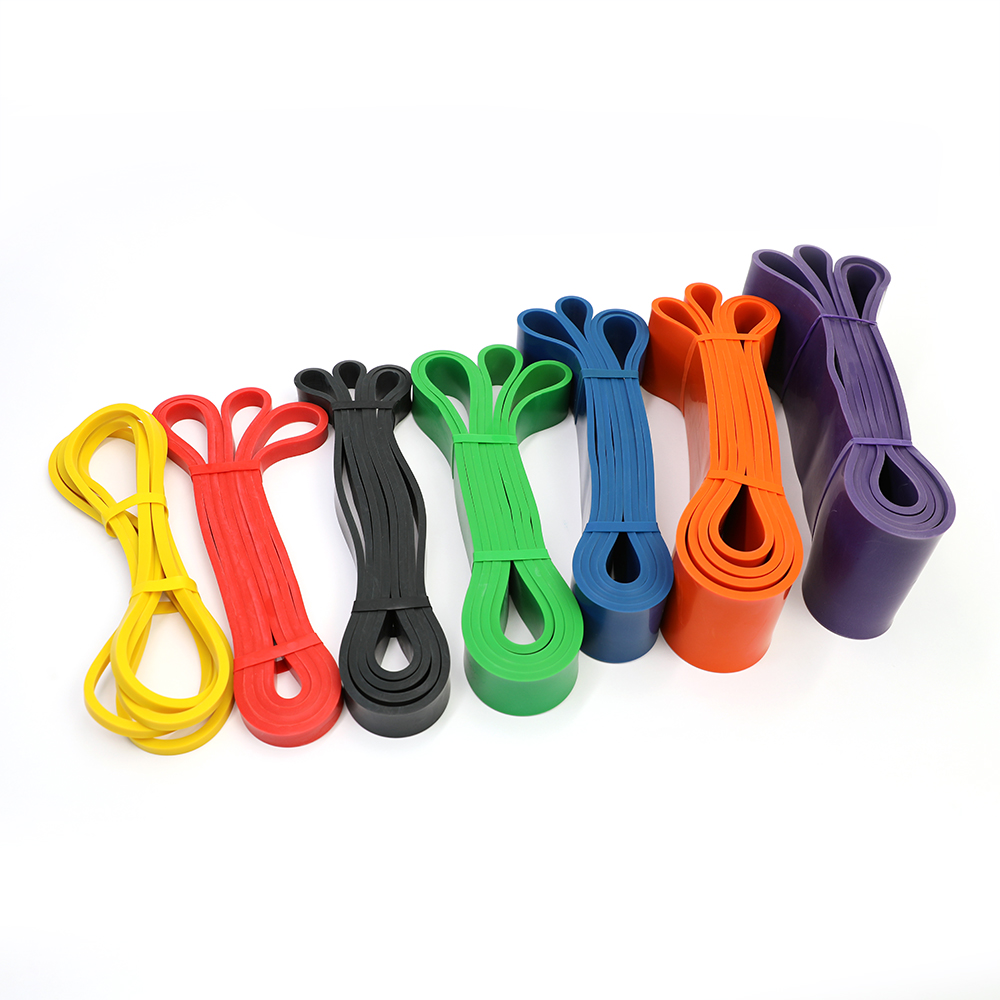
ZLQ-1 is a mini loop band, also available as a mini loop band with anti-slip, made in Latex or TPE. It covers a resistance range of 5 LB–40 LB, with thickness from 0.3 mm to 1.2 mm, a width of 50 mm, a circumference of 600 mm, and fatigue resistance of ≥30,000 stretches. Its stated applicable industries are home fitness, yoga and Pilates, hip and glute training, sports rehabilitation, physical therapy, and gym training equipment.
ZLQ-03: the power loop band for progressive loading
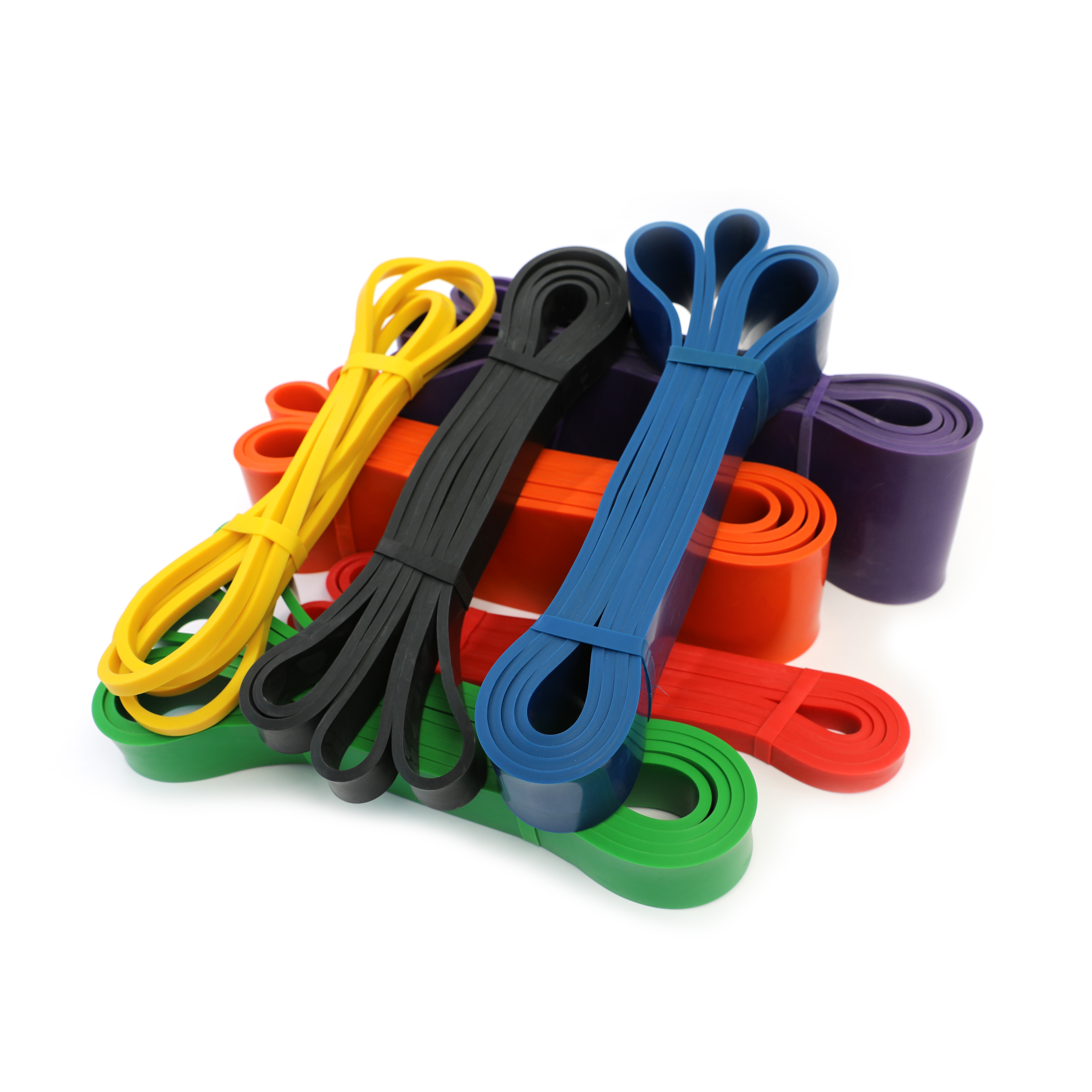
ZLQ-03 is a power loop band, also supplied as a double layer power loop band, in Latex. It spans a resistance level of 8 LB–230 LB, with 0.45 mm thickness, widths from 6.4 mm to 82.5 mm, a length of 2080 mm, and a service life of ≥20,000 stretches. Its applicable industries are fitness gyms, home workout, sports rehabilitation, yoga training, physical therapy, and outdoor training equipment.
Programme evidence: the Australian rehab and gym supply case
A case located in Australia involved an international premium fitness brand and annual supply exceeding 150,000 units across more than 12 specialised product lines. The programme served global B2C retail, premium commercial gym fit-outs, and specialised physical therapy and rehabilitation centres, with a stated product duration of 3–5 years under normal use. The reported outcomes were a defect and complaint rate below 0.05% and a 20% reduction in the R&D-to-market cycle. Customisation included high-precision logo silk-screening, customised packaging systems, and anti-counterfeiting tracking.
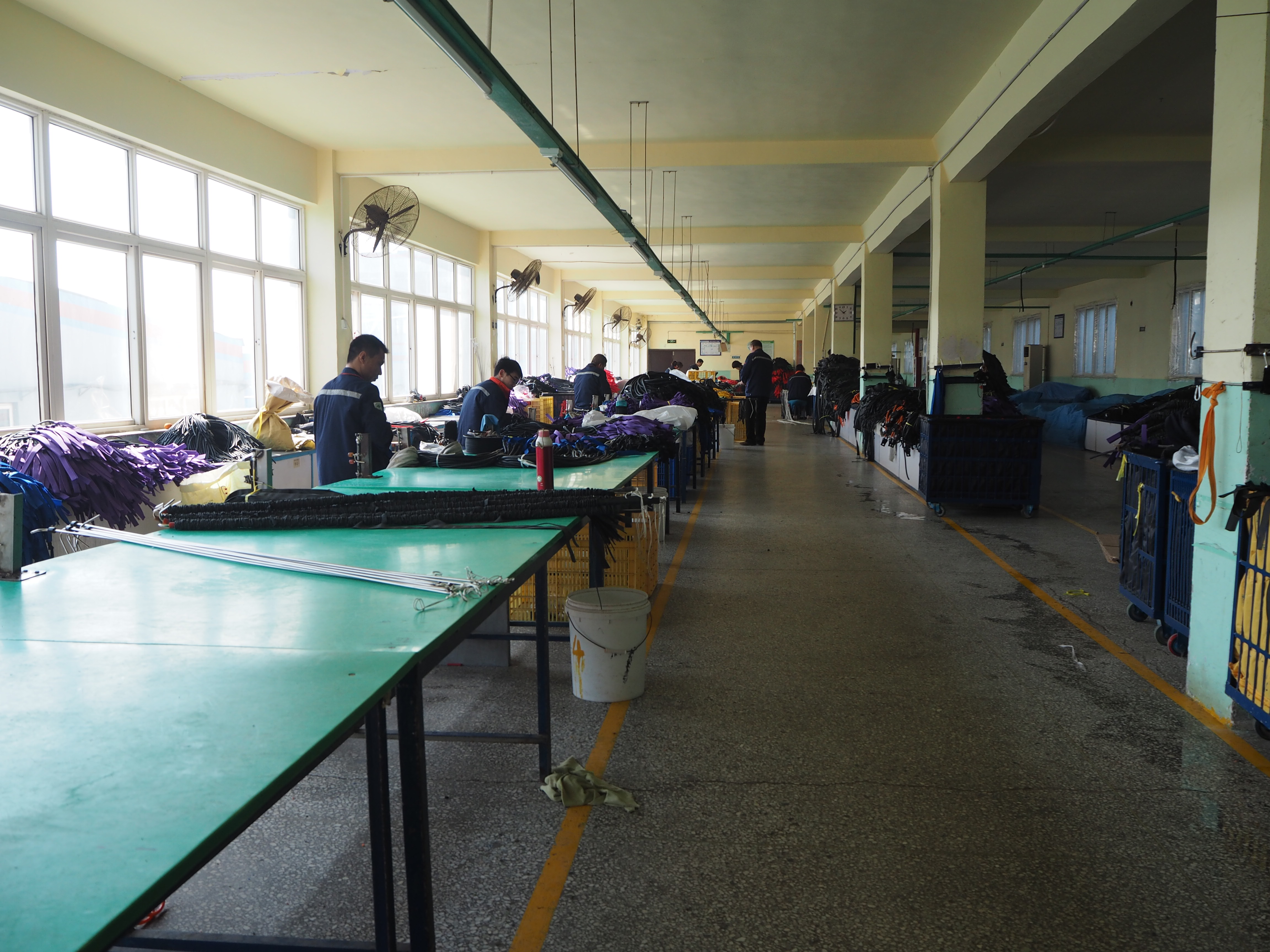
For buyers, the operational translation of that case is straightforward: the quality control that produced a sub-0.05% defect rate on a 150,000-unit annual programme is the same process available to smaller clinic and studio orders, and the stretch durability test before shipment is the checkpoint that links the specification on paper to the band in the box.
Step-by-Step Breakdown: Specifying Bands for a Rehab or Gym Project
The following sequence reflects how the Libenli product and application data is organised, and it can be used directly as a clinic or studio specification checklist.
Step 1 — Map the functional goal to a load range. Muscle stretching, joint rehabilitation and yoga auxiliary work sit in the low-load band, which points to ZLQ-1 at 5 LB–40 LB. Strength training and high-load repeated tension exercise point to ZLQ-03 at 8 LB–230 LB. Record the range as a number, not as a colour name.
Step 2 — Match the band geometry to the movement. ZLQ-1 is a 600 mm circumference loop at 50 mm width, which suits hip, glute, knee and ankle positioning. ZLQ-03 is a 2080 mm loop in widths from 6.4 mm to 82.5 mm, which suits full-body pulling, squatting and assisted movements.
Step 3 — Check durability against session volume. Compare the planned daily repetition count with the ≥30,000 stretch fatigue resistance of ZLQ-1 or the ≥20,000 stretch service life of ZLQ-03. A clinic running 300 band repetitions per day is consuming roughly 100,000 stretch cycles per year across its band set.
Step 4 — Verify tension accuracy. For therapy dosing, ask for the calibration basis. The reference point in Libenli's professional programme is a five-tier system with a tension error margin within ±2%.
Step 5 — Confirm material and compliance. Therapy use requires 100% natural non-toxic latex, skin-friendly handling, and high stretch durability. For EU placement, EN 20957 series compliance applies to stationary training equipment for CE marking; REACH and RoHS compliance is required for the material itself; SGS certification covers most Libenli items.
Step 6 — Set the colour grade structure. Multiple resistance colour grades are a stated requirement in professional scenarios, because colour is how a clinic assigns bands to protocol stages. Colour must map to a documented resistance value.
Step 7 — Define accessories and storage. Libenli application data lists yoga mats, fitness handles, ankle straps, and workout storage bags as the supporting equipment for these scenarios, so accessory matching belongs in the same purchase order as the bands.
Step 8 — Lock the commercial and supply terms. Confirm MOQ, customisation scope, quality control, and lead time before the clinical protocol is finalised, because a protocol written against a band that cannot be re-ordered becomes a disruption.
Use Cases: Four Rehab and Therapy Scenarios
1. Rehabilitation clinic equipment and outpatient joint rehab
Rehabilitation clinic equipment is one of the four project types recorded for Libenli latex bands, alongside fitness studio matching, home sports kits, and gym retail sets. In this scenario the band set is usually ZLQ-1 led: low resistance levels from 5 LB upward, an anti-slip mini loop option for positioning on the leg, and a colour-graded structure that lets a therapist move a patient through progressive stages without switching products. Working conditions for these applications are indoor, room temperature from −10°C to 50°C, in dry and low-dust environments.
2. Sports training and athletic strength work
Where the goal is strength training, pull-up assistance, or repeated tension exercise at higher loads, ZLQ-03 is the appropriate model. Its 8 LB–230 LB range covers assisted movement through to heavy resisted work, and the anti-rolling surface treatment addresses the curling and pinching failure mode that appears specifically in high-load exercises. For sports rehabilitation use in a team or performance setting, the long 2080 mm loop allows bilateral and overhead patterns that a 600 mm mini loop cannot reach.
3. Gym and fitness studio fit-out
Fitness studio matching is a distinct project type from clinic supply: the bands spend more hours in use, are handled by many different members, and are usually colour-coded for group instruction. This is the scenario where the combination matters most — ZLQ-1 mini loops for activation and mobility stations, ZLQ-03 power loops for strength and assisted stations, with shared accessories such as fitness handles, ankle straps, yoga mats and storage bags. The Australian programme referenced above supplied premium commercial gym fit-outs alongside therapy centres from the same production base.
4. Home rehabilitation programmes and retail kits
Home sports kits are a recorded project type, and individual use is the fastest-growing segment of the global market according to Grand View Research. For a home rehab kit, the practical configuration is a low-load ZLQ-1 set for daily mobility work plus one or two heavier ZLQ-03 bands for progression, packed with a storage bag and a mat. Because ZLQ-1 is available in both Latex and TPE, kit designers can choose latex for maximum stretch performance or TPE where the market prefers a latex-free option.
Comparison Table: ZLQ-1 vs ZLQ-03 for Rehab Programmes
| Specification | ZLQ-1 (mini loop band) | ZLQ-03 (power loop band) |
|---|---|---|
| Band type | Mini loop band; mini loop band with anti-slip | Power loop band; double layer power loop band |
| Material | Latex / TPE | Latex |
| Resistance range | 5 LB – 40 LB | 8 LB – 230 LB |
| Thickness | 0.3 mm – 1.2 mm | 0.45 mm |
| Width | 50 mm | 6.4 mm – 82.5 mm |
| Length / circumference | 600 mm circumference | 2080 mm length |
| Durability specification | Fatigue resistance ≥30,000 stretches | Service life ≥20,000 stretches |
| Stated rehab-related industries | Sports rehabilitation, physical therapy, hip & glute training, yoga & Pilates, home fitness, gym training equipment | Sports rehabilitation, physical therapy, fitness gym, home workout, yoga training, outdoor training equipment |
Scenario mapping is the practical output of the table above. The following pairing uses only the stated functions and supporting-equipment data for these scenarios.
| Rehab / training scenario | Recommended model | Supporting equipment |
|---|---|---|
| Joint rehabilitation and muscle stretching | ZLQ-1 (5 LB–40 LB) | Yoga mat, ankle straps |
| Hip and glute activation, body shaping | ZLQ-1, incl. anti-slip mini loop | Ankle straps, workout storage bag |
| Progressive strength training in a clinic | ZLQ-03 (8 LB–230 LB) | Fitness handles, ankle straps |
| Sports training and pull-up assistance | ZLQ-03, heavier resistance levels | Fitness handles |
| Studio fit-out and gym retail sets | ZLQ-1 + ZLQ-03 colour-graded sets | Full accessory kit |
FAQ: Sourcing and Specifying Rehab Bands
What material and compliance documentation should a rehab clinic expect from a resistance band supplier?
For therapy and rehabilitation use, the material specification should be stated in writing. Libenli's professional band programme uses 100% premium Malaysian natural latex with food-grade pigments, described as medical-grade eco-friendly materials, fully compliant with REACH and RoHS and with Australian safety standards. Company-level certifications include ISO 9000:2000 (2005) and ISO 9001:2008 (2010), a 3A Credit Rating Certificate issued by the Ministry of Commerce of China and CCPIT, and SGS certification for most items. For EU placement, fitness equipment such as resistance bands must comply with the EN 20957 series for CE marking.
Which model suits joint rehabilitation better, ZLQ-1 or ZLQ-03?
ZLQ-1 is the better starting point for joint rehabilitation, muscle stretching and mobility work because its resistance range begins at 5 LB and tops out at 40 LB, with a 600 mm circumference suited to hip, knee and ankle positioning. ZLQ-03 begins at 8 LB and extends to 230 LB, which makes it the model for strength training and progressive loading rather than early-stage joint work. Rehabilitation clinics commonly stock both, using ZLQ-1 for the low-load stage of a protocol and ZLQ-03 when the programme moves into resistance training.
As a resistance band manufacturer for gyms, what should buyers verify before ordering?
Gym and rehab buyers should verify five things: the documented resistance range of each band, the durability figure in stretch cycles (ZLQ-1 ≥30,000; ZLQ-03 ≥20,000), the tension calibration tolerance (within ±2% in Libenli's professional programme), the customisation scope, and the quality control procedure. Libenli offers OEM/ODM customisation covering resistance strength, band thickness and width, length, surface colour, logo silk printing, package design and accessory matching, with a stretch durability test performed before shipment and monthly capacity of 1,200,000 units. Export markets served include North America, the EU, Australia, Southeast Asia, the Middle East, and Japan and South Korea.
What is the minimum order for a clinic, studio or gym pilot programme?
Libenli's stated MOQ is 100 pieces for in-stock items and 500 pieces for customised logo orders. That structure allows a clinic, studio or gym group to run a pilot with in-stock ZLQ-1 and ZLQ-03 specifications, confirm the resistance grades and colour structure in real use, and then move to a branded order at the higher MOQ. Defective goods are covered by free unconditional returns upon receipt, which limits the financial risk of a first programme.
How long does supply take for a multi-site gym or rehabilitation project?
Standard lead time is 20–35 days, supported by a monthly capacity of 1,200,000 units. For reference, an Australian programme for an international premium fitness brand has been supplied with annual volumes exceeding 150,000 units across more than 12 specialised product lines, with a reported defect and complaint rate below 0.05% and a 20% reduction in the R&D-to-market cycle. For a multi-site rollout, plan the lead time against the protocol start date rather than the opening date. To review specifications and accessory options for a rehab or gym project, the full Libenli product catalog can be downloaded here.
Conclusion: Choosing the Right Band for the Protocol, Not the Poster
Sports rehabilitation and physical therapy place demands on resistance bands that general fitness use does not: predictable tension, documented durability, safe skin contact, and a colour structure that maps to clinical progression. In the Libenli range, ZLQ-1 covers the low-load end with 5 LB–40 LB, a 600 mm loop and ≥30,000 stretch fatigue resistance, while ZLQ-03 covers progressive loading with 8 LB–230 LB, a 2080 mm loop and ≥20,000 stretch service life. Both sit behind the same material and calibration standard: medical-grade eco-friendly materials, a five-tier resistance system with a ±2% tension error margin, and an anti-rolling surface treatment.
The most reliable way to specify is to work backwards from the protocol: define the load range, define the stretch volume, define the tension tolerance, then confirm that the manufacturer can hold those numbers across repeat orders. Programme evidence from an Australian supply case — more than 150,000 units annually, a defect and complaint rate below 0.05%, and a 20% shorter R&D-to-market cycle — is the kind of operational record that indicates whether those numbers hold in volume.
Next step for clinic, studio and gym buyers: send your resistance range, stretch volume and colour-grade requirements, and request a specification sheet for ZLQ-1 and ZLQ-03.
Contact: Jacob · public@libenli.cn · Tel / WhatsApp +86 13864846995 · www.latextubing.com · Download the product catalog (PDF)