
5G RedCap Module FAQ: Bands, Size, and Consumer IoT Integration
Short answer: a 5G RedCap module gives a consumer device a genuine 5G standalone path without the bandwidth ceiling, power draw and board area of a full eMBB module. The Lierda NR90-HEA answers the three questions that usually stall a design review — 5G SA bands N1/N3/N5/N7/N8/N20/N28/N38/N40/N41/N77/N78 plus specified 4G LTE bands, a 32 × 29 × 2.4 mm body at roughly 5.10 g, and a commercial model built on negotiated lead time, acceptance criteria and volume.
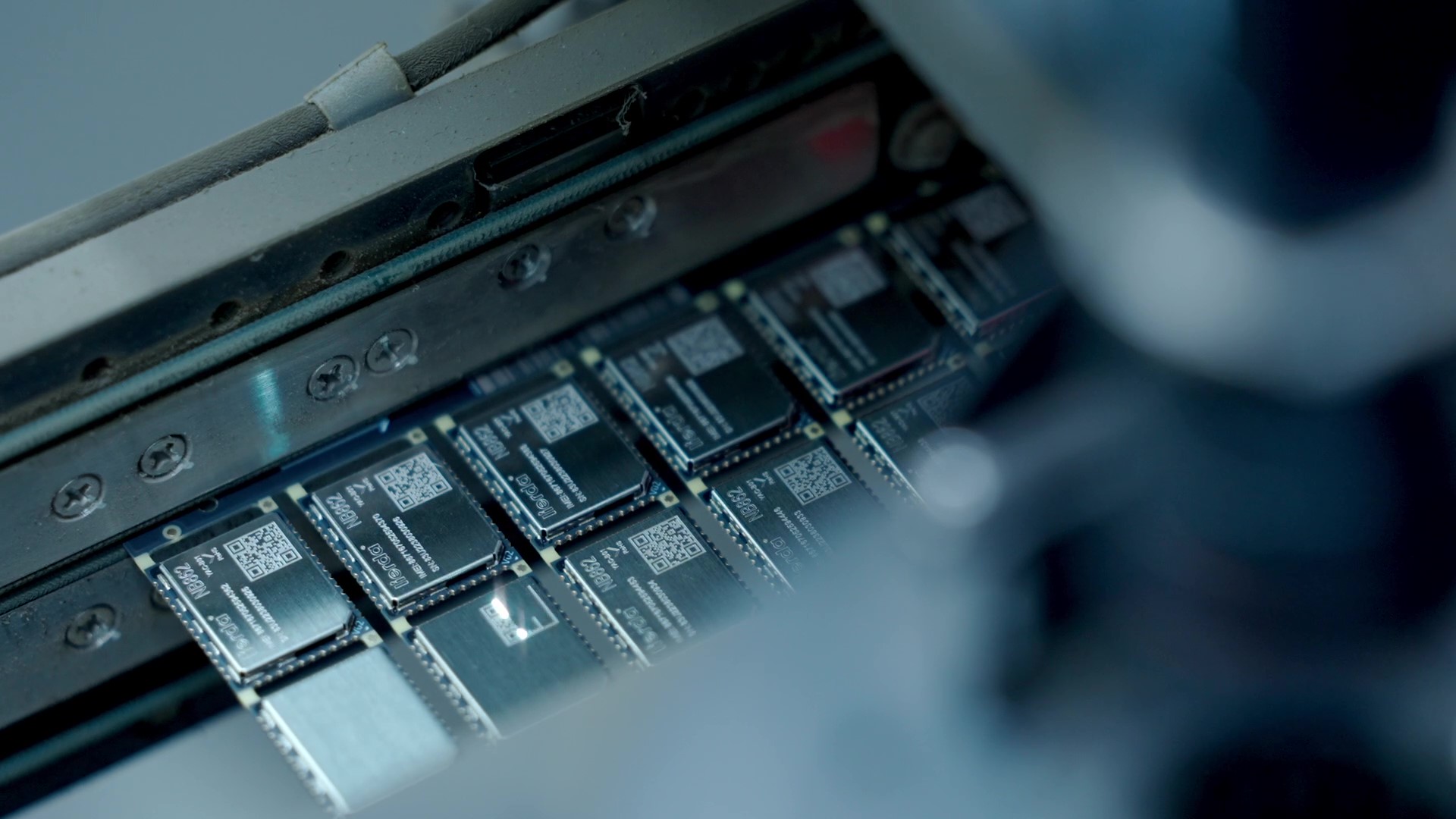
Lierda office and factory operations. Lierda Science & Technology Group Co., Ltd. is an IoT service provider headquartered in Hangzhou, China, founded in 2001 and listed on the Beijing Stock Exchange since 17 February 2023.
Why Consumer Electronics Teams Stall on 5G Module Selection
A consumer device design has a narrow tolerance band. It carries a fixed enclosure, a fixed battery envelope, and a compliance file that cannot be reopened every quarter. A full 5G module usually sits outside that band: its board area, thermal budget and power profile were designed for gateways, routers and industrial terminals, not for a wrist-worn or wall-mounted product.
RedCap changes the shape of the trade-off. 5G RedCap (Reduced Capability) is a 3GPP profile of 5G NR that trims peak throughput and complexity while retaining 5G core characteristics such as standalone operation. For a consumer-electronics team, the practical effect is that 5G becomes a realistic connectivity option for a device that was previously going to ship on LTE or Wi-Fi.
But it introduces three questions that most marketing pages do not answer:
- Which bands actually cover the markets the product is sold into?
- Will the module physically fit the enclosure, on both area and thickness?
- Can the same module still be supplied twelve months after the first mass-production run?
This FAQ walks through each of those questions against the Lierda NR90-HEA, and then explains how the answers translate into a step-by-step integration plan, a set of consumer use cases, and a long-term supply arrangement.
Industry Background: The Cellular IoT Market Is Moving Toward “Good Enough”
The RedCap conversation sits on top of a broader shift in cellular IoT away from maximum bandwidth and toward right-sized connectivity.
Counterpoint Research reported that global cellular IoT module shipments grew 10% year over year in 2024, recovering from the 2023 downturn. In the same dataset, LTE Cat 1 bis was the fastest-growing technology of the year, rising 100% year over year. That combination — overall growth plus a low-power category growing fastest — describes buyers who are deliberately choosing a smaller, cheaper, less power-hungry radio.
Lierda's position in that market is externally tracked. Counterpoint ranked Lierda fifth globally in cellular IoT module shipments in 2024 with approximately 5% market share. Lierda's own 2025 industry report cites a 69% year-over-year shipment increase; that figure is company-reported and should be read alongside, not instead of, third-party tracking.
Regulation is moving in parallel. The EU Radio Equipment Directive (RED) cybersecurity requirements took effect on 1 August 2025. For a consumer product team, the consequence is direct: band support is no longer the only gate, because the compliance framework the module sits inside is now part of what you are buying.
Against that backdrop, RedCap is best understood as the 5G answer to a question buyers have been asking for years: can I have 5G capability without paying in board area and power for capability my device will never use?
Question 1: Which 5G and 4G Bands Does the NR90-HEA Support?
Direct answer: the Lierda NR90-HEA supports 5G SA on N1, N3, N5, N7, N8, N20, N28, N38, N40, N41, N77 and N78, and additionally supports a specified set of 4G LTE bands.
Those twelve NR bands are easier to reason about in coverage layers than as a flat list:
- Sub-1 GHz layer — N5 (850 MHz), N8 (900 MHz), N20 (800 MHz), N28 (700 MHz). These bands trade bandwidth for propagation. They are the ones that decide whether a device sold into a suburban or in-building scenario keeps a usable link.
- Mid-band layer — N1 (2100 MHz), N3 (1800 MHz), N7 (2600 MHz), N38 (2600 MHz TDD). These sit in the middle of the trade-off and typically carry urban coverage and capacity.
- TDD capacity layer — N40 (2300 MHz), N41 (2500 MHz), N77 and N78 (3.3–3.8 GHz). These bands carry much of the 5G capacity story and are the most demanding from an antenna-design perspective.
A band list of this spread means a single module family can be considered across several regional networks without immediately forcing a custom radio variant. What it does not mean is that the product is approved anywhere. Band support is a technical precondition; market access is a separate process carried out per country and per regulator.
On 4G LTE: the NR90-HEA also supports specified 4G LTE bands. Those bands matter for devices that will travel between 5G SA coverage and areas where SA is not yet continuous, because they keep the device connected rather than dropping to a state the product cannot use.
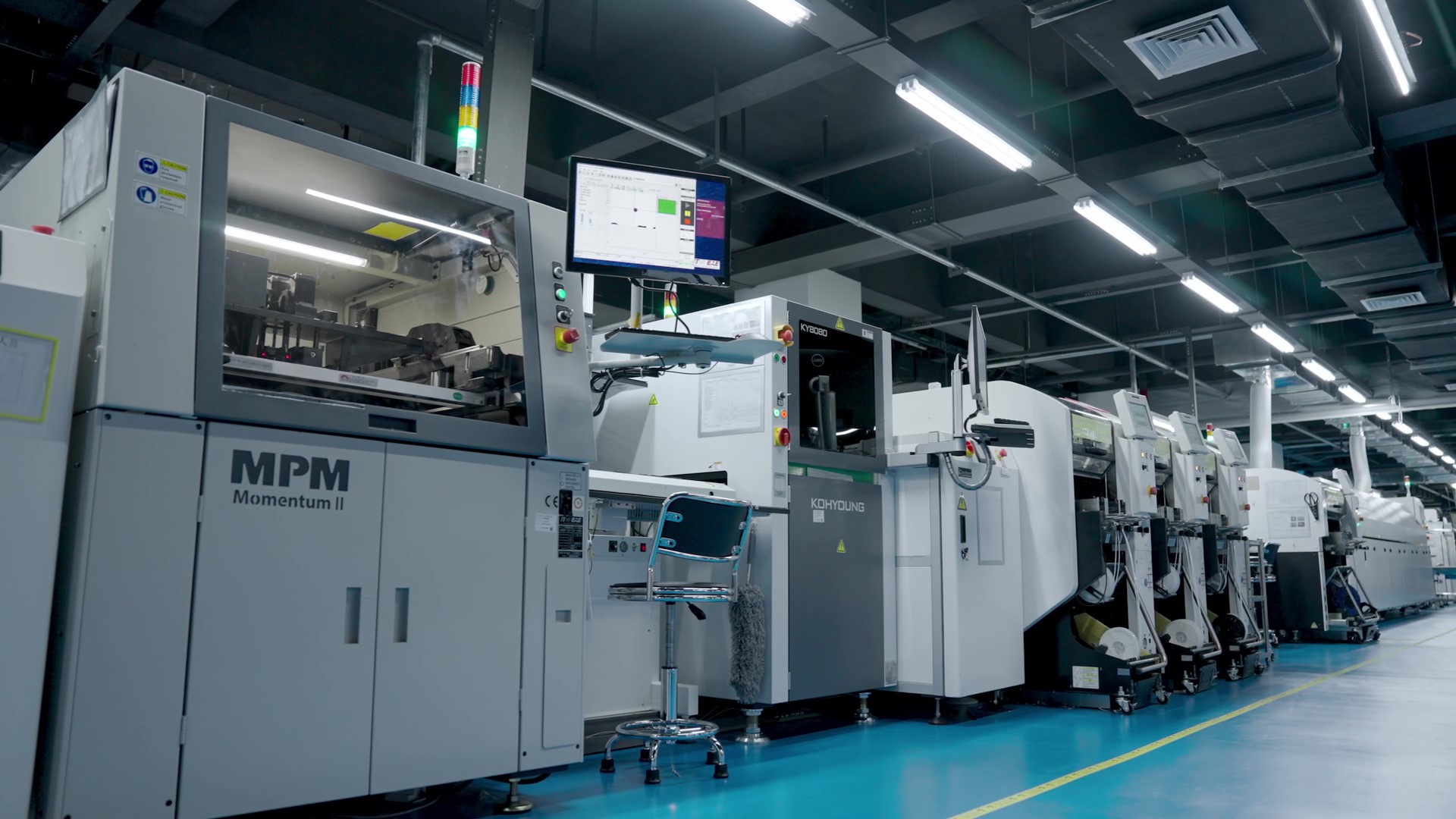
Lierda office and factory. Band planning should be completed against target-market network deployments before the module is locked into a hardware design.
Question 2: How Big and How Heavy Is the Module?
Direct answer: the NR90-HEA measures 32 × 29 × 2.4 mm and weighs approximately 5.10 g.
Each of those three numbers answers a different question in the design review:
- 32 × 29 mm is board area. It sets the minimum rectangle the PCB must reserve, and it also determines how much room remains for shielding, decoupling and the connector stack.
- 2.4 mm is thickness. For wearables, card-format trackers, slim cameras and embedded appliances, thickness constrains the product more often than area does. A 2.4 mm module leaves a known vertical budget for the enclosure wall, potting or coating, and the antenna carrier.
- 5.10 g is mass. On a wrist-worn or clip-on device, module mass is a fixed cost in a total weight budget that is often set by the end user's comfort rather than by engineering preference.
A practical way to use these figures: build a physical placeholder from the real dimensions before any tooling is cut. Place the 32 × 29 × 2.4 mm envelope on the board outline together with connector height, shielding and antenna clearance, then check what the enclosure actually has left. Designs fail at this stage far more often than they fail at RF simulation.
Question 3: How Do You Integrate a 5G RedCap Module Into a Consumer Device?
Integration is best handled in a fixed order. Doing the steps out of sequence is what produces redesign cycles.
Step 1 — Screen markets before you screen bands
Start with the list of countries the product will ship into, then match operator 5G SA deployments in those countries against the twelve supported NR bands. A band that is mandatory in a target market and absent from the module is a disqualifier; a band that appears in a market you are not entering is irrelevant. Usually only one or two bands end up being genuinely decisive.
Step 2 — Lock the mechanical footprint with the real module
Use 32 × 29 × 2.4 mm and roughly 5.10 g as the enclosure driver, not as a datasheet footnote. Confirm connector height, keep-out zones, shielding strategy and the thermal path in the same drawing.
Step 3 — Design the antenna for the highest band, verify at the lowest
N77 and N78 sit in the 3.3–3.8 GHz range, where free-space wavelength is short and antenna efficiency is unforgiving. N28 sits near 700 MHz, where the antenna needs physical length. A product that must work on both ends of the list needs an antenna architecture that is planned for both from the start, not a single element stretched to cover them.
Step 4 — Budget power and heat for sustained operation
RedCap reduces the power ceiling compared with a full 5G module, but 5G SA is still not a zero-power mode. Budget for peak transmit, sustained connected state and thermal rise inside a sealed enclosure — particularly in products without active cooling.
Step 5 — Plan the compliance route separately from the radio
Band support and market access are different deliverables. For the European market, RED cybersecurity requirements have applied since 1 August 2025, which means the module's compliance documentation and the end product's compliance file have to be planned together.
Step 6 — Run a small build before committing to production volume
A pilot build surfaces mechanical interference, connector seating, firmware behaviour and antenna detuning at a fraction of the cost of fixing them after ramp. It also produces the field data that a supply agreement is usually negotiated against.
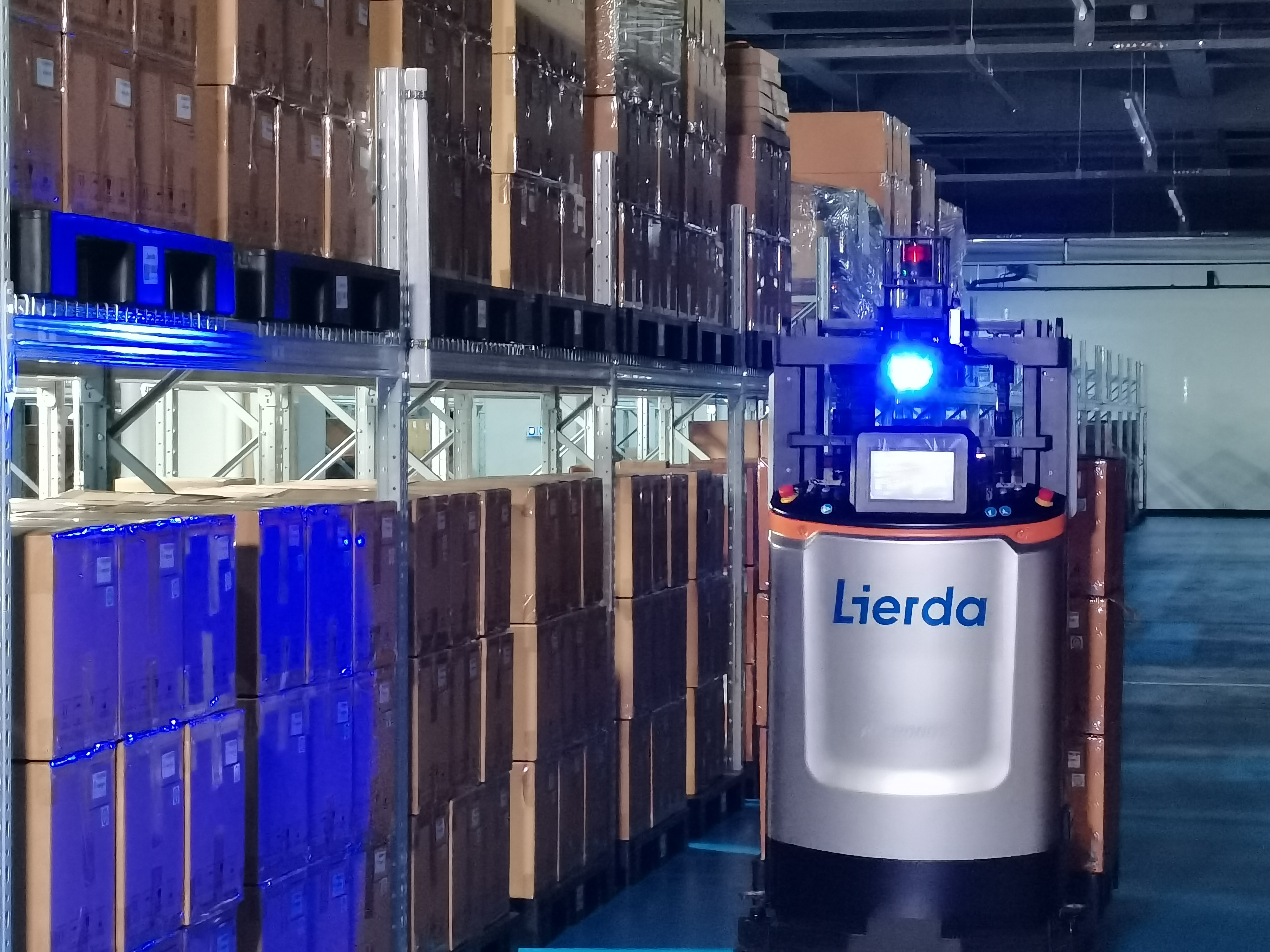
Lierda office and factory. Pilot builds and integration testing are typically run before production volume is committed.
Where 5G RedCap Fits in Consumer Electronics
RedCap is not a replacement for Wi-Fi, Bluetooth, LoRa or NB-IoT across the board. It fits products that need wide-area connectivity, moderate throughput, and a 5G network path — and that will not accept the size and power cost of a full 5G module.
- Smart home hubs and residential gateways. Devices that aggregate other radios and need a cellular uplink independent of the home's broadband connection.
- Wearables and personal trackers. Products where 5.10 g and 2.4 mm are measured against a comfort budget, and where sub-1 GHz bands decide whether coverage holds indoors.
- Network cameras (IPC). Devices that need uplink capacity beyond Cat.1 bis but must stay within a compact housing.
- POS terminals. Payment devices that need a 5G path for transaction continuity and a board area small enough to keep the terminal portable.
- Consumer CPE and routers. Products where N77/N78 capacity matters and where thermal design, not board area, is the binding constraint.
The gateway and terminal category is also where the module-to-product handoff becomes visible. The Lierda MX880 is a 5G terminal built with an aluminium-alloy construction — a material choice commonly used on gateways and terminals because the housing simultaneously carries structure, heat spreading and the exterior finish. The division of labour is worth noting: the module handles radio and protocol, while the enclosure and thermal path keep that module operating over long duty cycles.
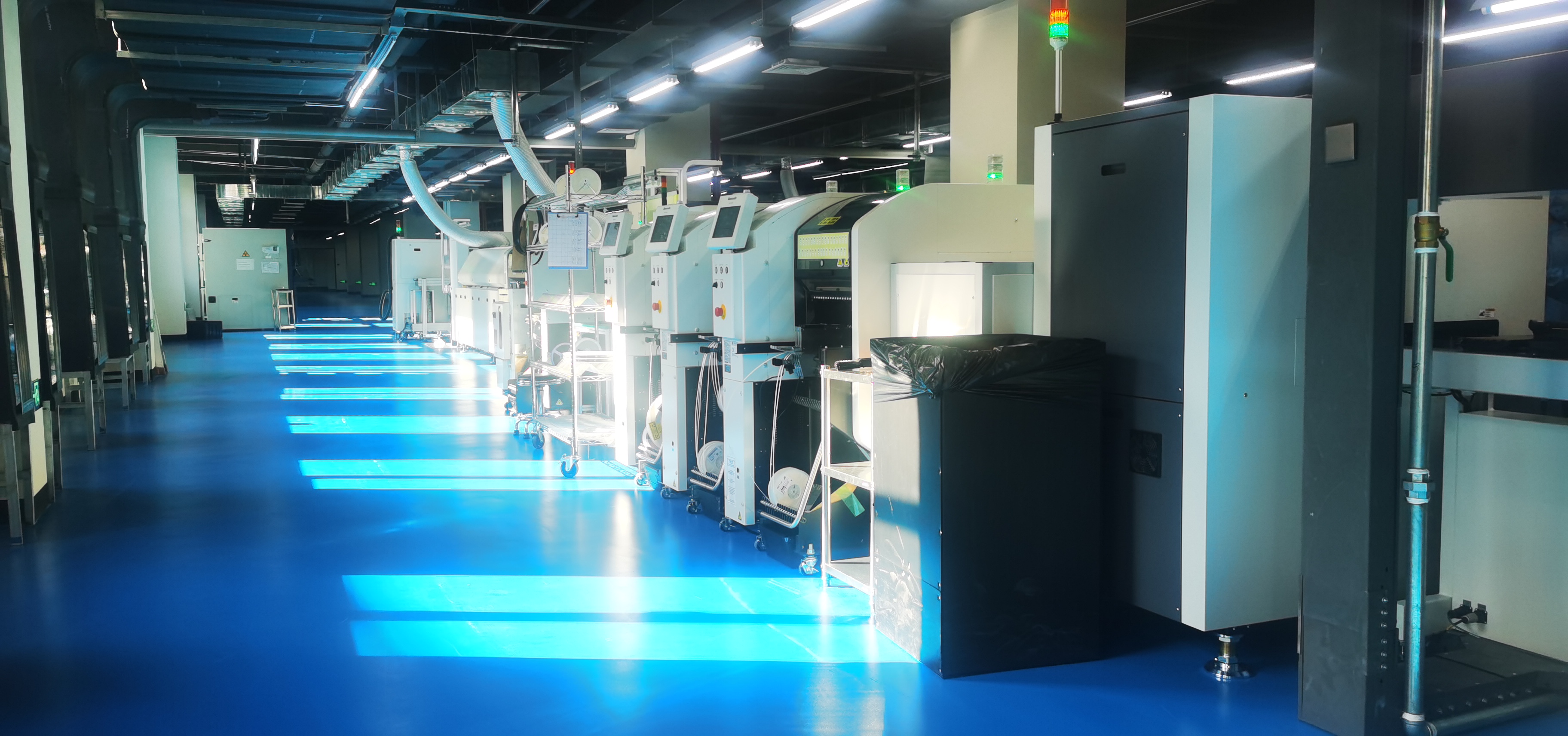
Lierda office and factory. Gateway and terminal products combine a radio module with an enclosure and thermal path engineered around it.
RedCap Module Evaluation Table for Consumer Design Reviews
The table below maps the verified NR90-HEA product facts onto the dimensions consumer-electronics teams actually evaluate. Nothing beyond the stated figures is inferred.
| Evaluation dimension | Stated NR90-HEA fact | What it means for a consumer device |
|---|---|---|
| 5G SA band coverage | N1, N3, N5, N7, N8, N20, N28, N38, N40, N41, N77, N78 | Spans sub-1 GHz, mid-band and 3.3–3.8 GHz TDD, so one module family can be evaluated across several regional networks |
| 4G LTE coverage | Specified 4G LTE bands supported | Provides a connectivity path where 5G SA coverage is not continuous |
| Board area | 32 × 29 mm | Sets the reserved PCB rectangle including shielding and connector stack |
| Thickness | 2.4 mm | Constrains slim enclosures such as wearables and card-format devices |
| Weight | Approximately 5.10 g | Enters the total mass budget of wrist-worn and clip-on products |
| Commercial terms | MOQ 3,000 pcs; delivery, acceptance criteria and payment terms negotiable | Supports volume planning for consumer production runs |
Long-Term Supply and Ecosystem: The Question That Outlives the Spec Sheet
For a consumer product, the module decision has roughly the same lifespan as the product itself. Specifications decide whether the design can start; supply decides whether the product can stay on the shelf.
Verified supplier facts
- Lierda Science & Technology Group Co., Ltd. was founded in 2001 and has operated for 25 years.
- The company has been listed on the Beijing Stock Exchange since 17 February 2023, stock code 920249, with registered capital of 421.63 million yuan.
- Manufacturing and operations cover an 18,000 m² factory with 976 employees, of whom 224 work in R&D.
- The company operates more than 20 service centres across China.
- Export ratio is 8.46%, with main markets in Europe, East Asia, Southeast Asia and the Middle East.
- As of 31 May 2025, Lierda held 66 invention patents, 176 utility model patents, 55 design patents and 530 software copyrights.
- Service scope includes industry consultation, application support, embedded software customisation, supply chain management, ODM and OEM.
Why these figures matter to a consumer programme
A 224-person R&D team and an 18,000 m² factory are not marketing decoration. They describe whether a supplier can absorb a design change mid-programme, whether there is capacity behind a volume commitment, and whether the same engineering contact will still be there when the second product generation starts. More than 20 service centres describe the after-sales layer that a consumer product will eventually need, because devices in the field fail and get returned.
The commercial framework
The minimum order quantity is 3,000 pcs. Delivery terms, acceptance criteria and payment terms are negotiable based on customer requirements. Lead time and monthly production capacity are agreed according to project complexity and order volume.
What the OEM/ODM scope does and does not cover
Lierda publicly positions itself as offering EMS, OEM and ODM services alongside its module business. For a consumer-electronics buyer, that means a single supplier relationship can in principle extend from module supply to board-level assembly and customisation. It does not replace due diligence: factory audits, capacity confirmation and a written quality agreement still have to be completed before a programme depends on them.
FAQ: 5G RedCap Modules for Consumer IoT Projects
Does the NR90-HEA's band coverage guarantee my product can be sold in Europe?
No. Band support only establishes that the module can operate on those frequencies. Market access in Europe is a separate qualification route, and since 1 August 2025 the EU Radio Equipment Directive has carried mandatory cybersecurity requirements in addition to its existing essential requirements. A consumer product team should treat the band list as the technical starting point and plan certification per target market as a distinct workstream with its own timeline and documentation set.
Can a RedCap module design be customised for a specific consumer device?
Lierda's stated service scope includes ODM, OEM, embedded software customisation and application support, supported by a 224-person R&D team and an 18,000 m² factory. For a consumer programme, this means customisation discussions can cover the module-level work and the surrounding product integration rather than being limited to a catalogue part number. The practical scope for any individual project should be confirmed directly, since capability statements describe the range of services offered rather than a guaranteed scope for a given order.
What are the minimum order quantity and payment terms?
The minimum order quantity is 3,000 pcs. Delivery terms, acceptance criteria and payment terms are negotiable based on customer requirements. Lead time and monthly production capacity are agreed according to project complexity and order volume, which means a first pilot build and a full production run can be quoted on different schedules.
How do we obtain evaluation samples and a quotation?
Sample and quotation requests are handled directly by the Lierda international team at international@lierda.com. When requesting samples, include the target markets, the 5G SA bands your operators use, the enclosure constraints you are working against, and the expected annual volume — those four inputs let the response cover band fit and commercial terms in a single exchange instead of several.
What lead time and production capacity should a consumer programme plan for?
Lead time and monthly production capacity at Lierda are negotiable and are set according to project complexity and order volume rather than published as a fixed schedule. For planning purposes, that means the lead time quoted for a 3,000 pc first order and the lead time for a sustained consumer production run are separate conversations. The practical approach is to bring a realistic volume forecast into the first technical discussion, so that capacity and delivery can be agreed alongside the module configuration — and to request the current product brochure before the meeting so the specification review and the commercial review run in parallel.
Conclusion: Answer the Three Questions Before the Design Freeze
Consumer-electronics teams do not fail at 5G RedCap because the technology is unavailable. They fail because three questions get answered late: which bands matter, whether the module physically fits, and whether the supply relationship survives the product lifecycle.
The Lierda NR90-HEA answers all three in concrete terms. The band set covers N1, N3, N5, N7, N8, N20, N28, N38, N40, N41, N77 and N78 on 5G SA, plus specified 4G LTE bands. The body measures 32 × 29 × 2.4 mm at approximately 5.10 g, which makes it workable for wearables, cameras, hubs, POS terminals and consumer CPE. And the commercial framework — a 3,000 pc MOQ with negotiable delivery, acceptance and payment terms against an 18,000 m² factory and 224 R&D staff — is designed to still be in place when the second product generation begins.
The remaining work is market-specific: confirm the bands your operators use, plan certification per country including the RED cybersecurity requirements in force since 1 August 2025, and validate the mechanical envelope with the real module before tooling.
Next Step: Sample, Brochure and Technical Discussion
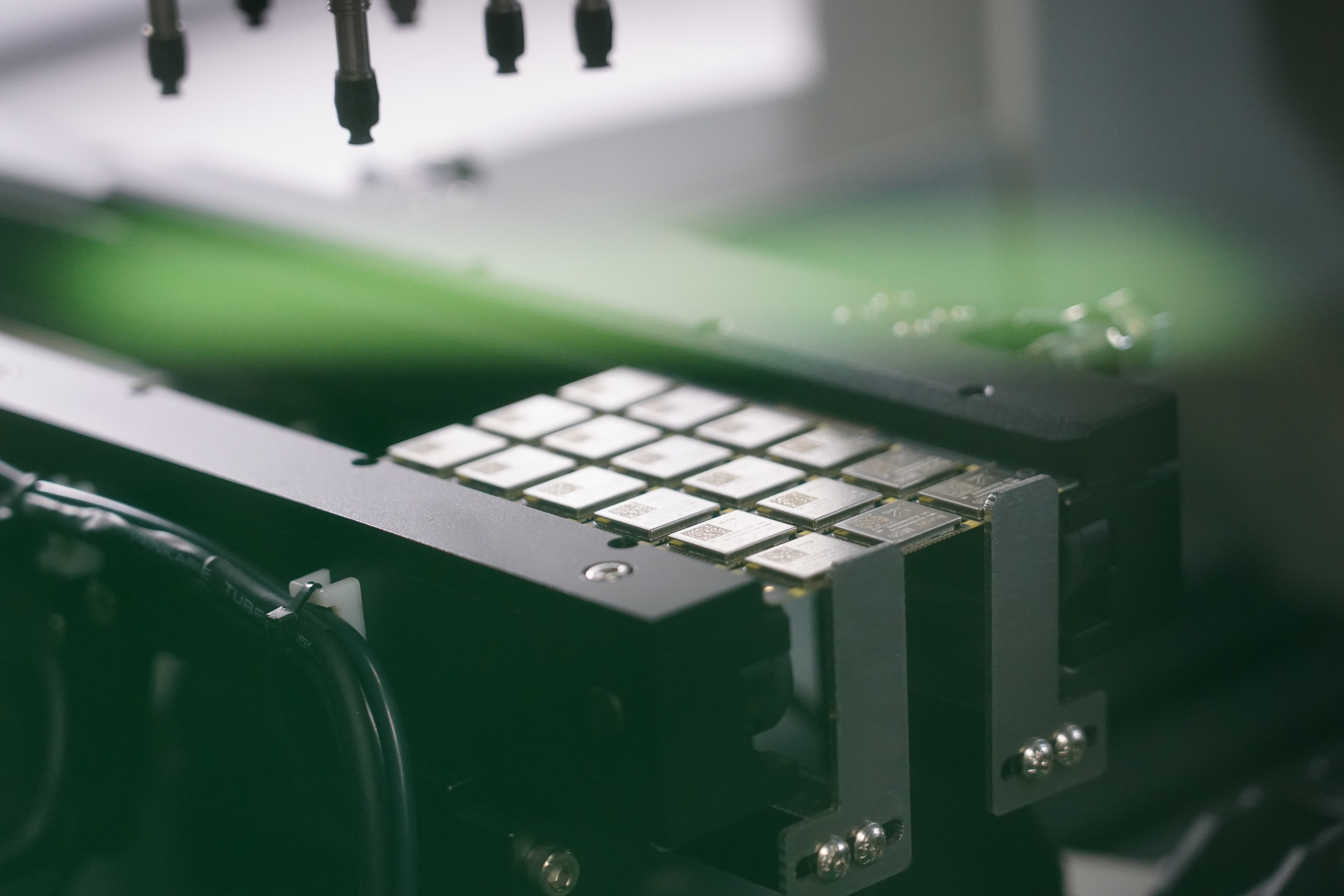
Lierda office and factory. Sample requests and technical discussions are handled by the Lierda international team.
To evaluate the Lierda NR90-HEA against your consumer device, request a sample or quotation at international@lierda.com, or call +86-18067988146. The current Lierda product brochure is available for download: Lierda product brochure (PDF).
Lierda Science & Technology Group Co., Ltd. — 16/F, No.1 Building of Lierda Science Park, No.1326 Wenyi West Road, Hangzhou, China. Website: en.lierda.com.
Have Questions or Need More Details?
Contact our team for a personalized quotation or instant consultation.
Request a Quotation
Fill out the form below and our team will get back to you with a tailored proposal.
WhatsApp Direct Chat
Prefer to chat in real-time? Message us on WhatsApp for instant assistance & quick answers.
- Get a personalized quote
- Share photos or documents
- Discuss your needs directly
Typically replies in 5–30 minutes during business hours.