
From Module to PCBA: How Lierda Structures OEM/ODM IoT Projects for Consumer Electronics Buyers
From Module to PCBA: How Lierda Structures OEM/ODM IoT Projects for Consumer Electronics Buyers
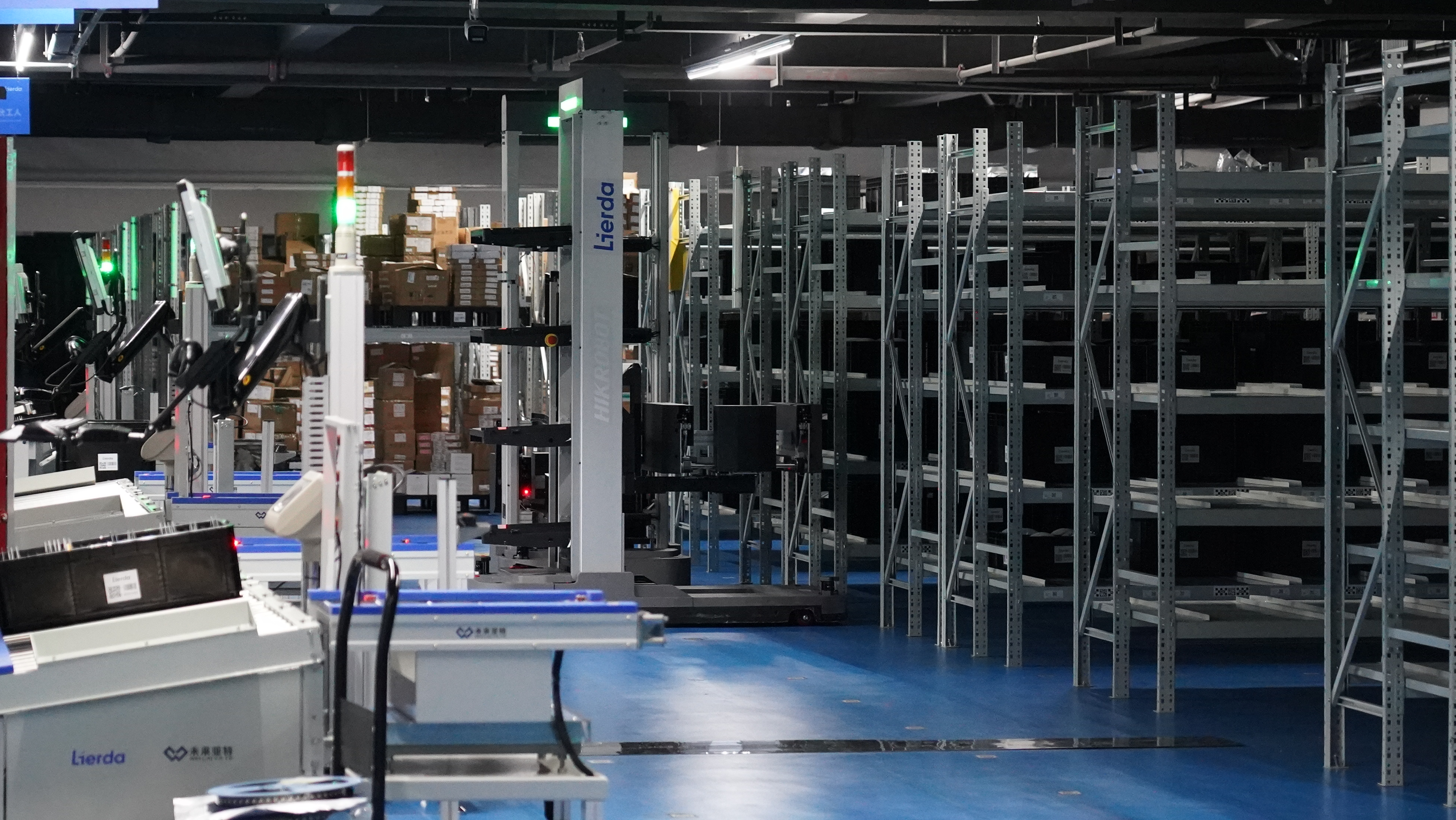
Buyers evaluating an IoT module supplier often move from datasheet review to a different question: can this manufacturer turn a reference design into a production-ready module or PCBA, maintain consistent quality, and support the product across multiple markets? For teams sourcing Lierda IoT modules, that evaluation should include OEM/ODM scope, customization depth, quality control, compliance support, and post-sales engineering. This guide explains how Lierda Science & Technology Group Co., Ltd. structures those capabilities for consumer electronics, metering, IPC, POS, and related connected products. Lierda is headquartered in Hangzhou, China, and provides IoT product development, technology applications, and service implementation.
Why Datasheet Matching Is Not Enough
Two products with identical module specs can behave differently in production. The gap usually appears in software porting, antenna tuning, regulatory certification, PCBA layout, and lifecycle support. Buyers who rely only on a module datasheet may miss risks such as operator-specific approval, temperature de-rating, custom QC requirements, or export certification gaps. For a consumer electronics brand moving from evaluation to execution, the more relevant question is whether the module partner can deliver repeatable engineering outcomes, not just a single sample.
Industry Background: Capability Is Becoming the Selection Filter
Global cellular IoT module shipments grew 10% YoY in 2024, and LTE Cat-1 bis was the fastest-growing technology, increasing 100% YoY as it replaces legacy 2G/3G and some NB-IoT applications, according to Counterpoint Research. Industry data from Berg Insight / Lierda News indicates that Lierda shipments increased 69% YoY in 2025. These shifts put pressure on suppliers to support multiple technologies: WiFi 6, BLE, Cat.1 bis, NB-IoT, LoRa/LPWAN, and their combinations. In practice, sourcing teams now need to verify not just which module exists, but how the supplier handles engineering change, custom carrier approval, compliance documentation, and production continuity.
How Lierda Organizes OEM/ODM IoT Module Delivery
Lierda supports three production modes from the capability records: standard product direct sales, OEM, and ODM. Standard direct sales include logo customization, while OEM and ODM services cover Module and PCBA customization. This allows a brand to move from a catalog module to a board-level or fully developed design without switching to a separate engineering vendor mid-project.
- Production modes: Standard product direct sales, OEM, ODM.
- Customization: Logo for standard direct sales; Module/PCBA for OEM and ODM.
- Quality control: Custom QC standards and testing based on customer specifications.
- After-sales: Dedicated project support plus remote technical assistance.
- Export support: Worldwide export markets with full compliance support; key markets include Asia and Europe.
- Technology portfolio: 5G, RF, LoRa, NB-IoT, Cat.1, Wi-SUN, Wi-Fi, BLE, and ZigBee.
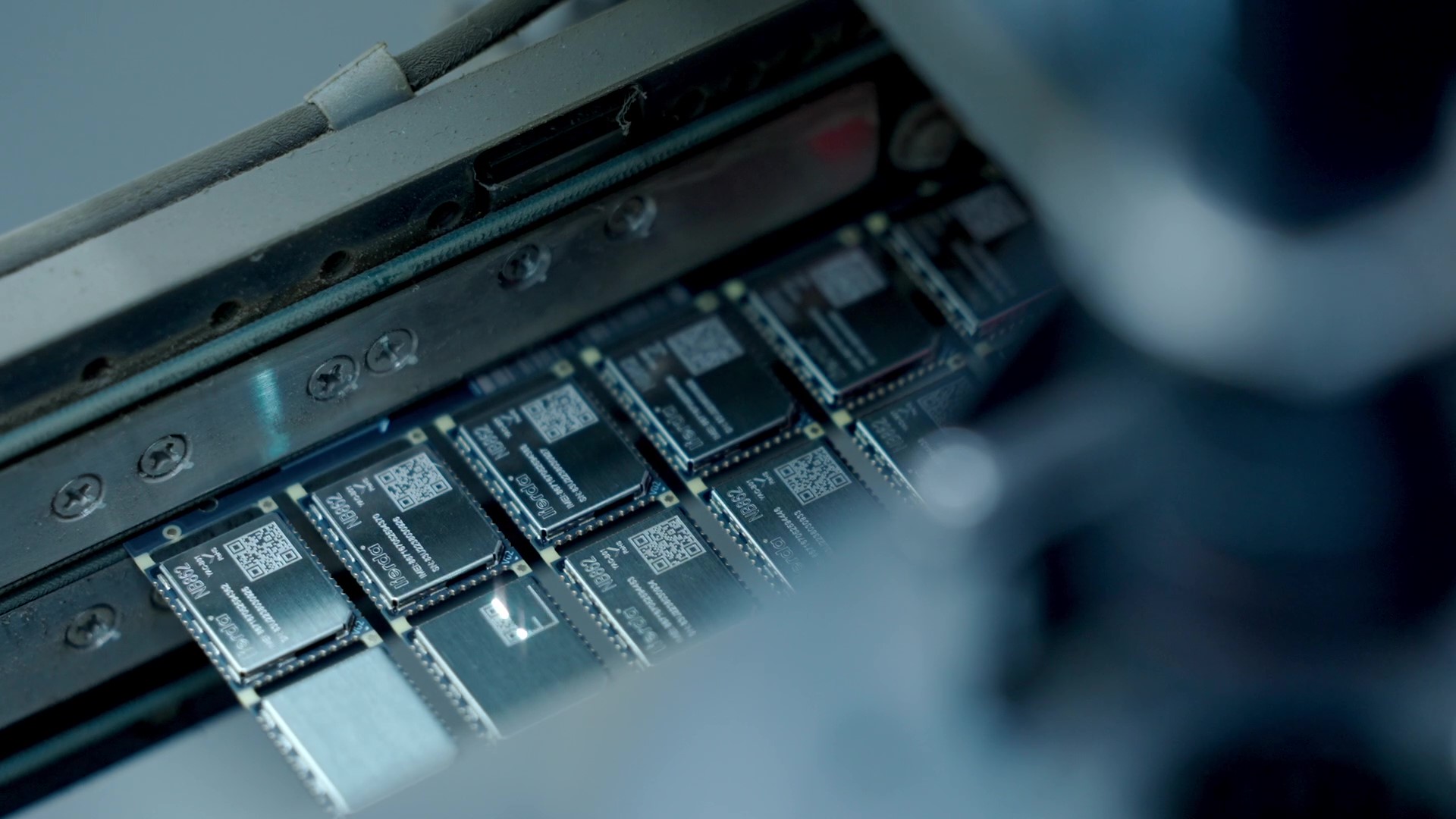
Lierda lists 224 professional technical R&D personnel and more than 20 service centers. As of May 31, 2025, the company reported 66 invention patents, 176 utility model patents, 55 design patents, and 530 software copyrights. Lierda was listed on the Beijing Stock Exchange on February 17, 2023, under stock code 920249.
Step-by-Step OEM/ODM Evaluation Framework
1. Consolidate Final Device Requirements
Define the production environment, interface, data rate, power budget, antenna type, and target operator or region. A design for a battery-powered meter has a different profile from a mains-powered IPC or POS terminal.
2. Match the Radio Technology to the Use Case
WiFi 6 modules fit high-throughput smart home and IPC applications. BLE modules serve low-power short-range connections. Cat.1 bis LTE modules support mid-speed M2M data, while NB-IoT and LoRa/LPWAN modules target long-range, low-power metering and sensor networks. The selection should follow the field duty cycle, not just the headline standard.
3. Confirm Customization Scope
Decide whether the project needs a standard module with logo, a modified module, a custom PCBA, or full ODM. Lierda's documented customization scope includes Module and PCBA for OEM and ODM programs, with standard product direct sales available for projects that do not need board-level changes.
4. Write Down the QC and Test Plan
Quality control follows custom QC standards and testing based on customer specifications. This should be agreed before tooling or firmware freeze, including functional test coverage, environmental stress, RF calibration, and burn-in criteria.
5. Verify Compliance for the Target Markets
Compliance documents vary by module and region. The provided certification records include CE-RED and CE for Europe, FCC and IC for North America, TELEC and JATE for Japan, RCM for Australia and New Zealand, and EU type-examination records for certain NB-IoT and Cat.1 modules. Confirm the exact certificate scope for the selected model before placing a volume order.
6. Align on MOQ, Capacity, and Lead Time
Lierda's capability data lists flexible monthly capacity, flexible MOQ, and negotiable lead time based on project complexity and order volume. In the procurement support records, a catalog-level MOQ of 3000 PCS appears for certain module products, with delivery, acceptance, and payment negotiable based on customer requirements.
7. Move Into Project Support
After sample approval, the program should transition to dedicated project support and remote technical assistance. This is where firmware porting, certification questions, and production yield issues are handled through a defined escalation path rather than ad hoc email.
Use Cases: How the Capability Model Works in the Field
Home Appliance OEM: Air Purifiers and Humidifiers
In South Korea, a home appliance OEM used Lierda WiFi module product 3308 for air purifier and humidifier applications at a scale of 500k units annually over 5 years. The implementation supported PM2.5 data upload every 5 minutes, automatic fan speed adjustment based on air quality, and OTA firmware updates via WiFi. The project recorded a 30% reduction in power consumption and a 99.5% WiFi connection success rate, while meeting GB/T 18801-2015 requirements.
Energy OEM: Water and Gas Metering
For an energy OEM client in Germany, Lierda supplied products for water meter and gas meter applications, with total supply of more than 19.6 million units over 5 to 10 years. The stated highlights were stable quality, reasonable prices, and long-term customer trust. This type of program requires stable UC/operator behavior and consistent QC over multiple years, not a short pilot run.
Telecom Operator: Communication Network Station
In South Korea, Lierda Cat.1 bis module product 3762 was deployed for communication network station applications at an annual scale of 2KK units over 5 years. The program highlighted low power consumption and wide signal coverage, and the project achieved No.1 ranking in the Korean Cat.1 bis market. This use case is relevant for teams evaluating network-dependent products such as trackers, POS terminals, and shared devices.
Smart Home/Hotel Equipment ODM
A smart home/hotel equipment ODM client in China used Lierda products to transform traditional lighting, switches, and curtains into networked intelligent devices, with a project scale of over 1,000,000 units. The buyer highlighted easy modification, controllable production, and consistent quality, which maps directly to ODM programs that require iterative design changes without losing product stability.

Comparison Table: Production Modes and Delivery Terms
| Dimension | Standard Product Direct Sales | OEM | ODM |
|---|---|---|---|
| Customization | Logo | Module/PCBA | Module/PCBA |
| Monthly capacity | Flexible monthly capacity based on order requirements | Flexible monthly capacity based on order requirements | Flexible monthly capacity based on order requirements |
| Lead time | Negotiable lead time based on project complexity and order volume | Negotiable lead time based on project complexity and order volume | Negotiable lead time based on project complexity and order volume |
| MOQ | Flexible MOQ based on project requirements | Flexible MOQ based on project requirements | Flexible MOQ based on project requirements |
| Quality control | Custom QC standards and testing based on customer specifications | Custom QC standards and testing based on customer specifications | Custom QC standards and testing based on customer specifications |
| Export markets | Key markets include Asia and Europe; other territories, check with staff | Worldwide export markets with full compliance support | Worldwide export markets with full compliance support |
| After-sales | Dedicated project support + remote technical assistance | Dedicated project support + remote technical assistance | Dedicated project support + remote technical assistance |
The table is based on the provided capability records. The main difference is not manufacturing availability but customization depth and export compliance posture. For a consumer electronics brand that needs PCBA-level changes, OEM or ODM will be the appropriate path; for a standard radio drop-in, direct sales may be sufficient.
Frequently Asked Questions
A: Lierda states that worldwide export markets are supported with full compliance assistance. The company's key markets include Asia and Europe. In the provided certification records, different Lierda modules carry or have carried approvals such as CE-RED and CE for Europe, FCC and IC for North America, TELEC and JATE for Japan, RCM for Australia and New Zealand, and EU type-examination marks for certain NB-IoT and Cat.1 modules. Compliance should still be confirmed per module and target market because certification scope is model-specific.
A: Yes. The documented capability includes OEM and ODM production services with customization for Module and PCBA. Lierda also provides standard product direct sales for projects that require only logo customization. Quality control follows custom QC standards and testing based on customer specifications, with dedicated project support and remote technical assistance after delivery.
A: The company lists flexible MOQ based on project requirements and negotiable lead time based on project complexity and order volume. In the procurement support records, some catalog products show a 3000 PCS MOQ, while delivery, acceptance, and payment are negotiable based on customer requirements. Custom programs generally require a project-specific review before final MOQ and lead time are confirmed.
A: Lierda applies custom QC standards and testing based on customer specifications. The after-sales model includes dedicated project support and remote technical assistance. In several disclosed case records, clients also highlighted traceable production processes and stable operation over multi-year supply periods, but those outcomes should be validated against the specific project definition.
A: Buyers can request a sample, technical review, or quote through Jerry Yao at international@lierda.com or WhatsApp +86-18067988146. For structured background, the company brochure is available for download. This is the appropriate next step before committing to tooling, firmware porting, or a production schedule.
Conclusion
Selecting an IoT module partner for OEM/ODM is less about one spec and more about repeatable engineering delivery. Lierda's documented model includes Module and PCBA customization, OEM and ODM production, custom QC, worldwide compliance support, and dedicated project support. Teams can use the step-by-step framework above to validate whether this model matches a specific consumer electronics, metering, IPC, or network-dependent project. Where the project requires board-level design, carrier approval, or long-term supply continuity, the OEM/ODM path is usually the appropriate commercial framework rather than a standard module transaction.