
Outdoor Landscape Lighting: A Buyer's Guide to Types, Ratings and Selection
Outdoor Landscape Lighting: A Buyer's Guide to Types, Ratings and Selection
Outdoor landscape lighting is the set of permanently installed fixtures that makes a garden, pathway, facade, tree line or public space usable and coherent after dark. A workable specification is built on four decisions — fixture family, power source (solar or mains), ingress protection (IP rating) and light quality (color temperature and CRI) — and is then validated through samples, documentation and lead-time confirmation. Light Legend (Chongqing)Technlogy Co.,Ltd. manufactures LED and solar landscape lighting in an 8,000 m² self-owned facility with 200 employees and an annual output of 4,200,000 pieces, exporting to more than 60 countries and regions across Europe, America, Asia, Africa and Latin America.
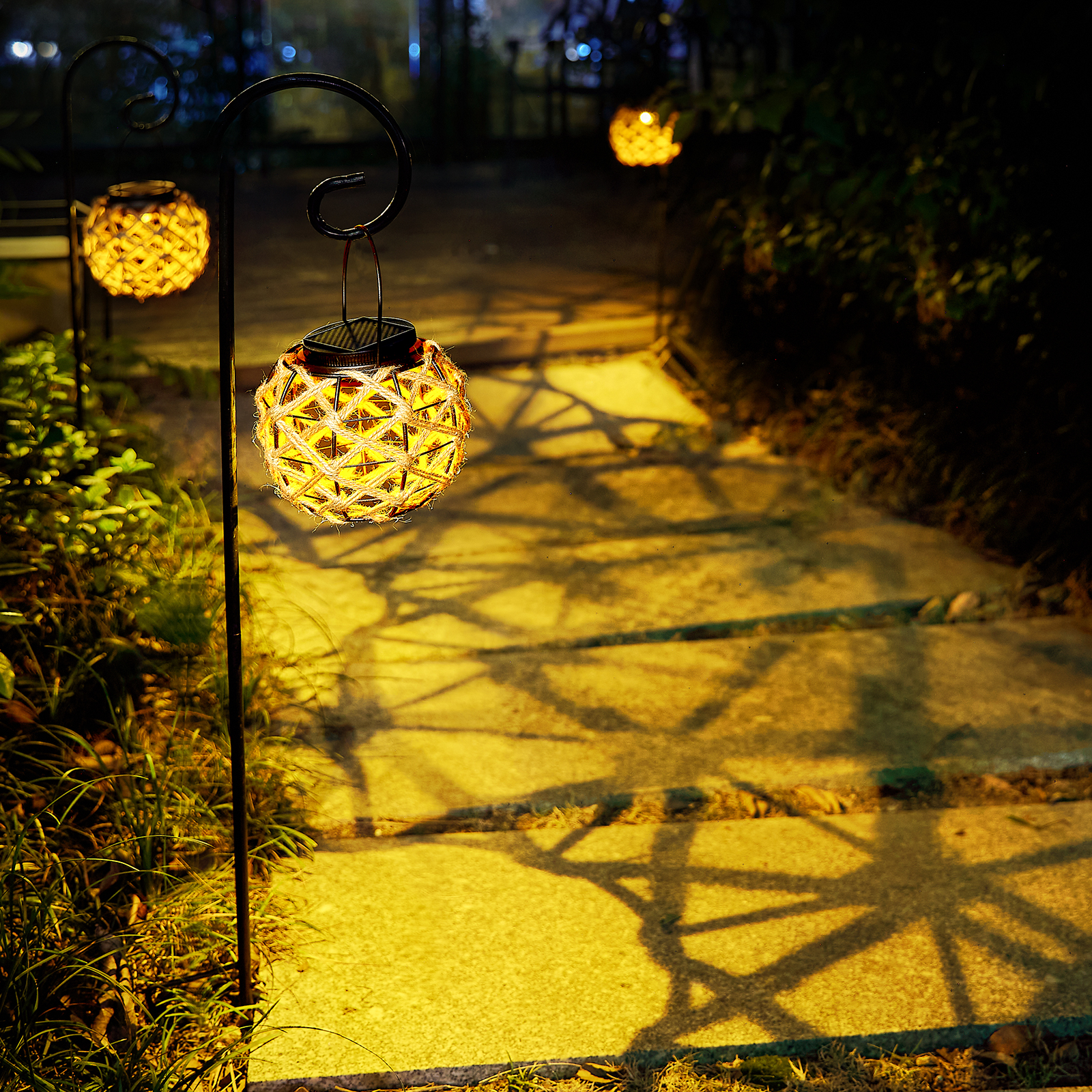
What Counts as Outdoor Landscape Lighting?
Outdoor landscape lighting covers any exterior fixture whose primary job is to shape how an outdoor space reads at night — guiding movement, defining planting beds, grazing a wall, uplighting a tree, or simply marking the edge of a lawn. It is a functional category as much as a decorative one.
The category typically includes:
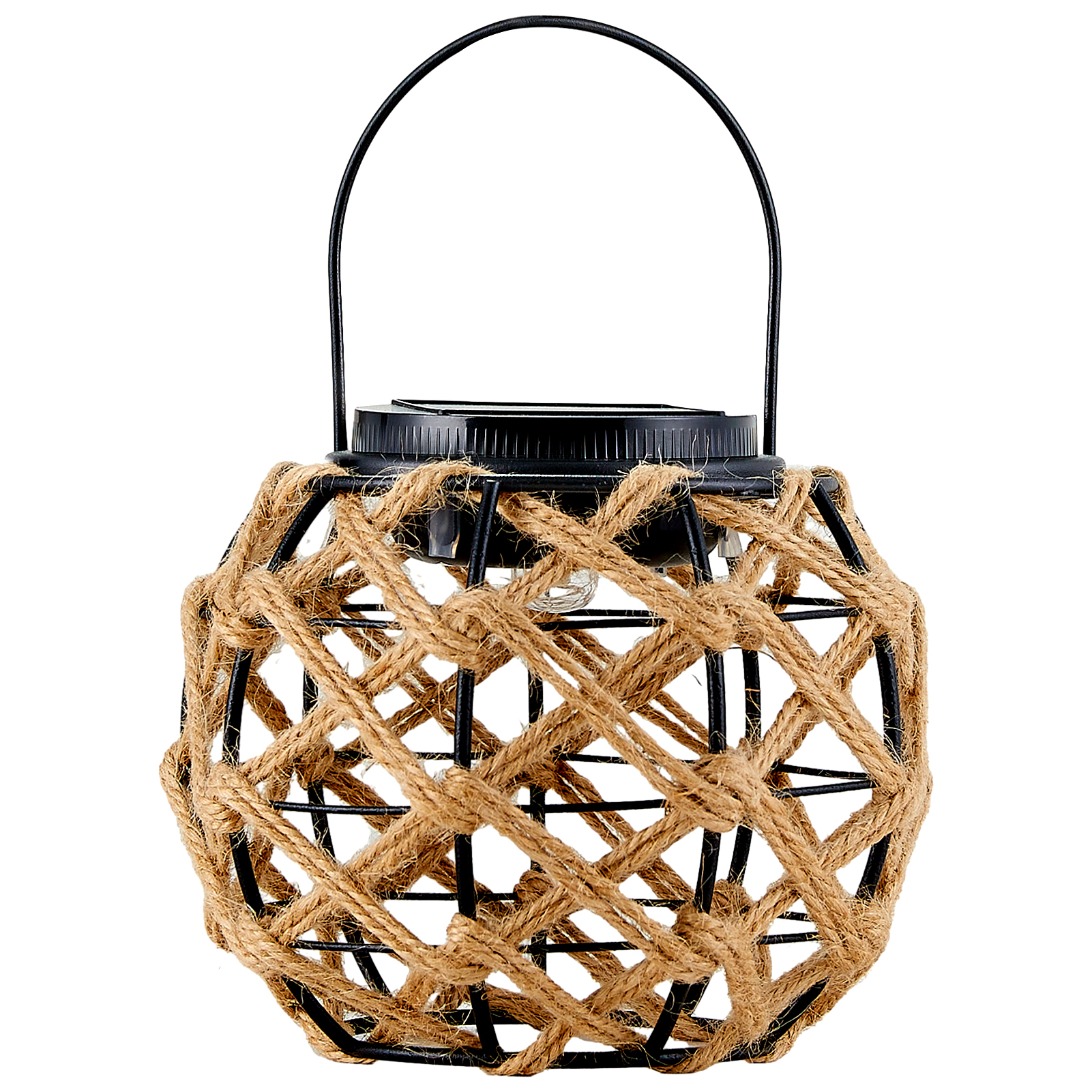
- Solar landscape lights — self-contained fixtures with an integrated panel, battery and light engine.
- Solar garden lights and solar lawn lights — low-output fixtures set into beds or turf for ambient marking.
- Solar pathway lights — low-profile fixtures lined along walkways, driveways and stepping-stone routes.
- Solar landscape spotlights and solar garden spotlights — directional fixtures for shrub, statue or facade accents.
- Solar outdoor wall lights — surface-mounted fixtures for gates, entry walls and boundary walls.
- Solar landscape flood lights — higher-output units for open areas without access to mains power.
- Solar bollard lights and solar in-ground lights — ground-level markers and buried uplights.
- Solar motion sensor landscape lights — fixtures that combine ambient output with PIR-triggered brightening.
- LED landscape lighting — mains-powered LED garden lights, wall washers, tree lights, flood lights and in-ground lights.
The distinction that matters most in practice is not decorative versus functional, but how the fixture is specified. A pathway light and a facade flood light can look similar in a catalogue and behave completely differently on site, because the ratings and the light engine decide whether the luminaire survives three winters or three weeks.
The Problem: Why Landscape Lighting Is Easy to Buy Badly
Landscape lighting projects fail for reasons that are rarely visible at the point of purchase. Three problem patterns repeat across residential, hospitality and municipal work.
1. Weather exposure is underestimated
An outdoor fixture is judged by the worst week of the year, not the average one. A light specified for a covered terrace and then installed on an open boundary wall is a warranty claim waiting to happen. Water ingress and UV aging are the dominant failure modes, and both are governed by ratings the buyer must actively check.
2. The light is chosen for the product photo, not the lighting task
A wide flood light placed on a narrow garden bed washes out the planting. A narrow spotlight aimed at a lawn produces a visible circle with a dark ring. Beam angle, mounting height and target distance have to be matched before the fixture is selected — not after installation reveals the mismatch.
3. Power and control assumptions are made too late
Solar fixtures remove trenching and cabling entirely, but they place the constraint on panel placement and daily sunlight. Mains fixtures offer stable output and dimming, but require a driver, waterproof connections and a qualified electrician. Deciding this after the hardscape is finished is expensive.
Industry Background: Why Outdoor Landscape Lighting Has Changed
Three shifts have reshaped how landscape lighting is specified.
Solar has moved from novelty to specification. Modern solar garden lights combine a monocrystalline silicon PET laminated panel, a lithium rechargeable battery and a dusk-to-dawn light-sensing circuit. They charge during daylight and switch on automatically at dusk, with no wiring and no electricity cost at the point of use. That is why solar is now a routine choice for parks, farms, off-grid sites and municipal rural renovation — places where trenching power cable was previously the largest single line item.
LED efficiency and light quality have separated from each other. Luminous efficiency is no longer the only metric that matters. Buyers increasingly ask for color rendering index values because planting, stone and painted facades look different under a low-CRI source, and color temperature because a warm 2700K garden and a 5700K roadway should not share the same specification.
Landscape lighting is now procured as a system. A project rarely uses one fixture type. It mixes pathway lights, in-ground uplights, wall washers and tree lights, and expects them to share a visual language and a coherent control strategy. That pushes buyers toward suppliers who can deliver multiple families from one source with consistent materials, ratings and documentation.
The Solution: Matching Fixture Families to Landscape Tasks
Each landscape task has a fixture family that fits it. The families below are drawn from Light Legend's outdoor range, with the published specifications that matter at specification stage.
Pathway and garden marking — solar pathway lights
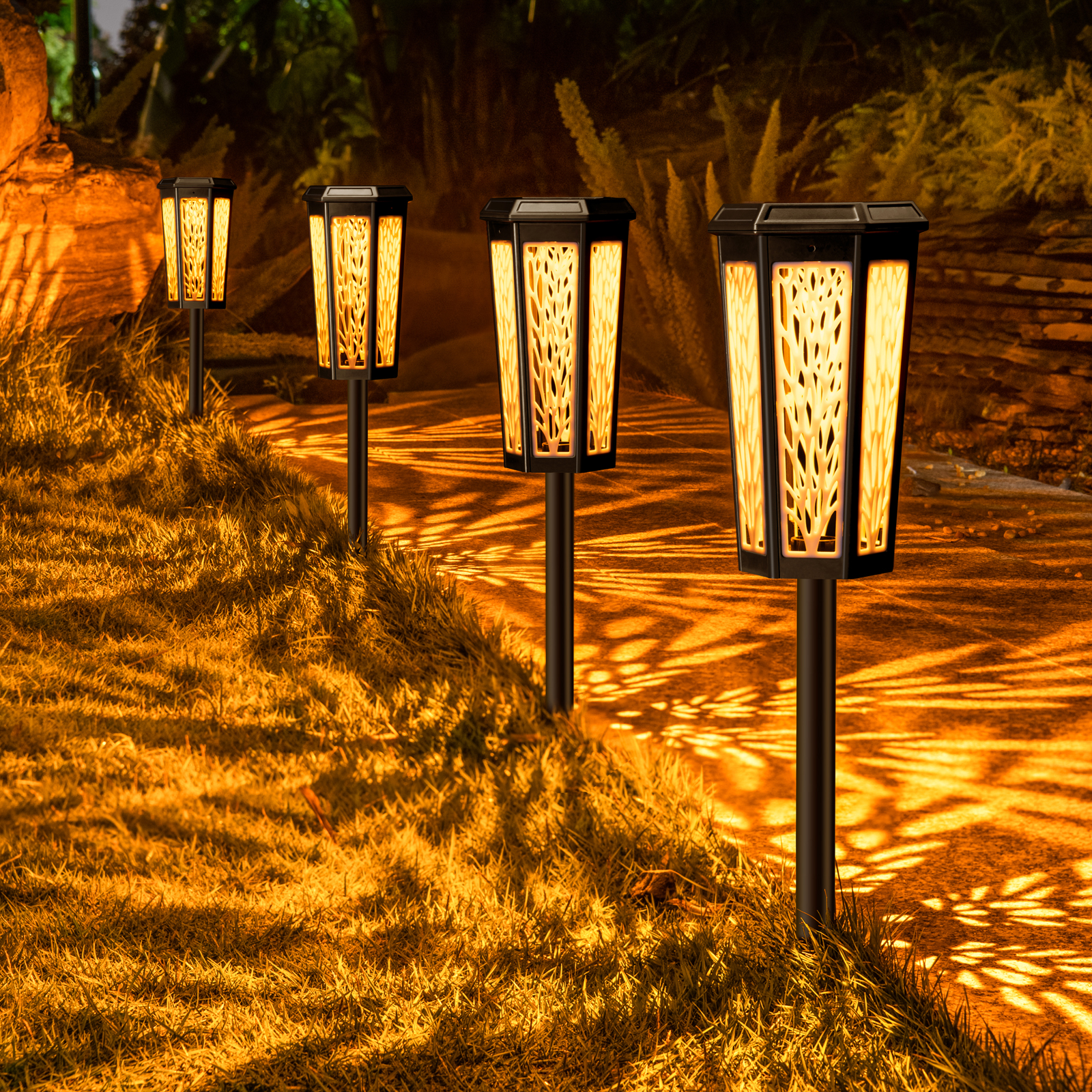
Pathway lighting exists to guide movement without glare. Low-profile fixtures keep the sight line open and throw light downward onto the walking surface. Light Legend's pathway light series (DS001, DS003, DS007, DS019, DS023, DS026, DS028, DS029, DS033, DS129, DS701, DS1218) uses a 5V 300mA monocrystalline silicon PET laminated solar panel, a 3.7V 2200mAh lithium rechargeable 18650 battery, an ABS+PC housing in black, an LED filament bulb rated at 100LM, and warm light or RGB output. Charging time is over 5 hours of solar charging and working time exceeds 8 hours. The IP grade is IP65.
General solar outdoor lighting — solar landscape and garden lights
The broader solar lighting family (DS016, DS1316, DSL08, DSL09, DS-B-SPL) covers solar garden lights, solar street lights, solar lawn lights, solar wall lights, solar tree uplights, solar motion sensor lights, solar LED strip lights and solar flood lights. Shared specification: 6V 500mA monocrystalline silicon PET laminated solar panel, two 3.7V 2200mAh lithium 18650 batteries, IP65, ABS+PC material, black housing, 1000LM / 50LM lumen output, white light / warm light / RGB color temperature, over 5 hours charging and over 8 hours working time. The switch is operated by a long press of 3 seconds to turn on, with a short press to cycle the next mode.
Security and entry walls — solar outdoor wall lights
Wall-mounted fixtures at gates and boundary walls benefit from motion response. Light Legend's outdoor wall light series (DSL018, DS0138, DS-HNL, DS-PIR-3688, DS-3688, DSL188, DS-SL, DS-SL3, DS037, DS038, DS068, DS-B03) uses a 5V 250mA monocrystalline silicon PET laminated panel, a 3.7V 1200mAh lithium 18650 battery, ABS+PC housing, a 4-LED F10 light source at 80LM, single color or RGB output, and two lighting time modes: high light for over 4 hours, or always-on for over 8 hours. Charging time is over 5 hours. IP grade is IP65. The PIR motion sensor provides detection-based brightening with no wiring required.
Ground-level accents — LED in-ground lights
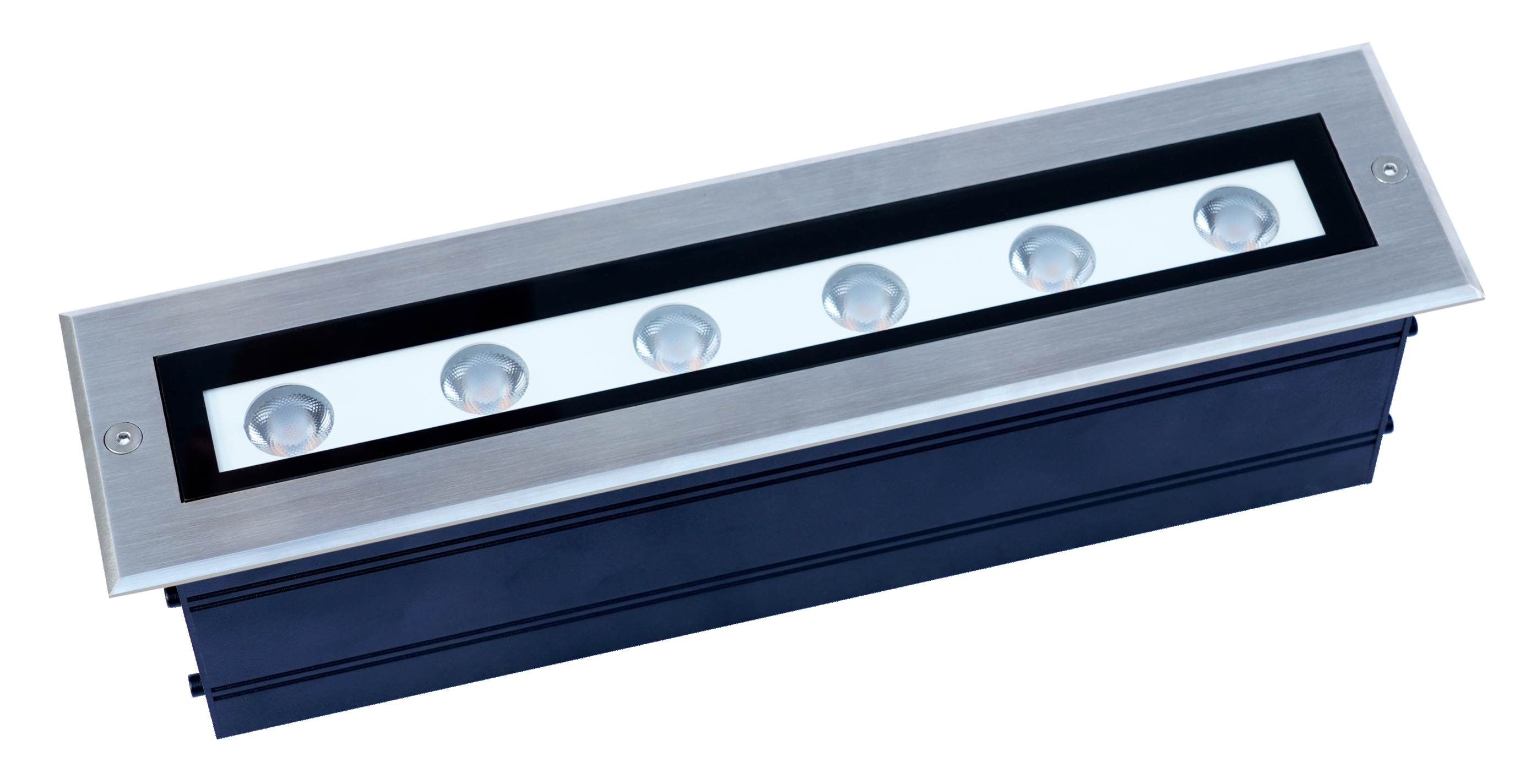
In-ground lights set the ground contour and graze vertical surfaces from below. Light Legend's LED in-ground series (ALT-DM120, ALT-DM160, ALT-DM179, ALT-DM200, ALT-DM229, ALT-DM260) is offered in square and round formats and stainless steel buried versions, with power options of 6W / 9W / 12W / 18W / 24W / 36W, IP67 and IK09 ratings, DC24V input, 2700–6000K color temperature, ON/OFF control, 138 lm/W luminous flux, Ra≥80, a Cree LED light source of 12 pieces at 0.5W each, and beam angles of 26° / 32° / 52° / 60°. The housing is high-purity die-cast aluminum with a 6063 high corrosion resistant extruded aluminum base, a 304 stainless steel surface and 8mm tempered glass. Operating temperature range is −40°C to 45°C, lamp life is 30,000 hours and the warranty is 3 years. Certifications are CE and RoHS.
Facade and wall grazing — LED wall washers
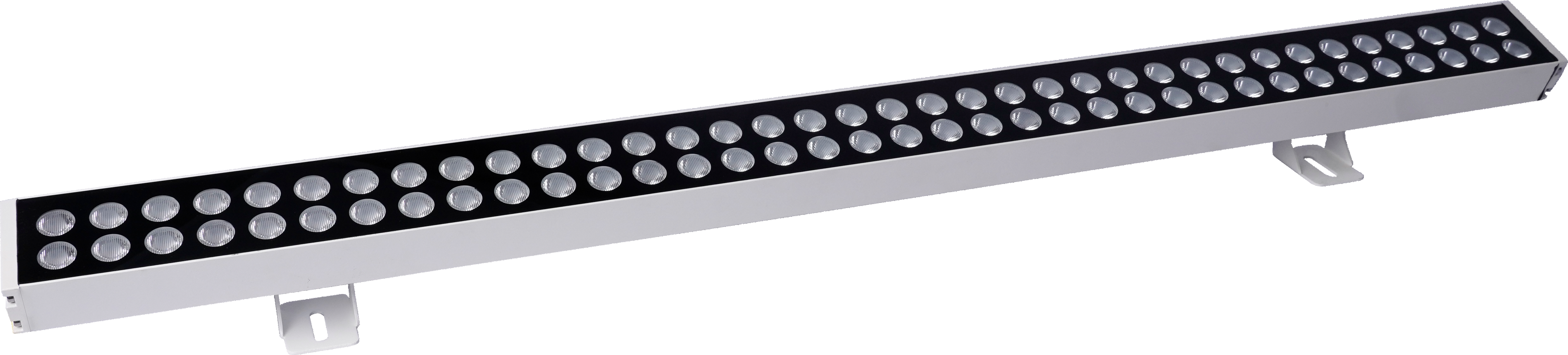
Wall washers produce an even vertical wash across a facade, curtain wall or bridge structure. The ALT series (ALT-F56, ALT-R38, ALT-R66, ALT-R32C, ALT-R42E) covers 6W / 9W / 12W / 18W / 24W / 36W / 72W, with IP66, DC24V or AC220V input, 2700–6000K color temperature, ON/OFF control, 138 lm/W, Ra≥80, and beam angles of 24°×45° or 10°×60°. Housing construction follows the same pattern: high-purity die-cast aluminum body, 6063 extruded aluminum base, 304 stainless steel surface and 8mm tempered glass. Lamp life is 50,000 hours with a 3-year warranty and CE / RoHS certification.
Open areas and long-throw work — flood lights
Flood lights handle yards, driveways, commercial facades, parking areas and construction sites. The KUPU-YT series (KUPU-YT65, KUPU-YT85, KUPU-YT100, KUPU-YT120, KUPU-YT140, KUPU-YT160, KUPU-YT200) runs from 6W to 96W, uses a 3535 light source at 160–180LM/W, supports 2700–6000K / RGBW, AC110–220V or DC24V input, ON/OFF and DMX512 control, beam angles of 15° / 30° / 45° / 60°, IP65 protection, Ra≥70, and an operating range of −40°C to 50°C. The housing is high-purity ADC12 die-cast aluminum with ultra-high-transmittance tempered glass.
Vertical drama — tree lights and uplights
Tree lights reveal the outline and texture of trunks and canopies. The KUPU-YT tree light series (KUPU-YT130, KUPU-YT175, KUPU-YT100, KUPU-YT120, KUPU-YT140) spans 12W / 30W / 75W / 100W / 120W / 140W with a 3535 light source at 160–180LM/W, 2700–6000K / RGBW, AC110–220V or DC24V, ON/OFF and DMX512 control, 15° / 30° / 45° / 60° beam angles, IP65, Ra≥70 and the same ADC12 die-cast aluminum housing. Options include ground spike, wall-mounted and in-ground formats, plus a solar-powered version.
Roads and circulation — LED street lights
For park roads and internal circulation, the KUPU-LD series (KUPU-LD30, KUPU-LD50, KUPU-LD100, KUPU-LD150, KUPU-LD200, KUPU-LD240, KUPU-LD300) covers 30W to 300W with a 7070 light source at 160–180LM/W, 2700–5700K, AC110–220V, a 150×75° lens angle, IP66, Ra≥70 and a power factor of ≥0.95. The body is ADC12 die-cast aluminum with a high borosilicate tempered glass lens.
Atmosphere and event dressing — decorative lights
Decorative string lights (G40, S14, ST38) are used for patio, courtyard and festival dressing. They use high-quality PC with shatterproof plastic bulbs and a PVC outer sheath with copper core, ON/OFF control, warm light at 2700K, IP65, 50 lm luminous flux, 1W light source power, 4×6 cm bulb dimensions, AC110–220V with EU / US / UK / Solar plug options, and are connectable in series.
Control and adaptation — smart lighting
Where the project calls for scene switching or app control, Light Legend's smart lighting family (HCP024, HCP025, HCP019, HCP023, HCP049, HCP051, HCP202, HCP204, HCP205, HCP057, HCP056, HCP067, HCP350, HCP182, HCP044, HCP045, HCP039, HCP183, HCP213, HCP214, HCP215, HCP216, HCP217) uses a 5056 LED light source, ABS+PC material, 24V input, IP67, 18W / 36W / 54W / 72W power options, CRI ≥95, white product color, RGB / RGB+IC light colors and Bluetooth or Wi-Fi connection. Control is via remote controller or mobile app. Certifications listed for this family are CE, FCC, ROHS, UKCA, FCC-ID, GCC, UL4200A and UL588.
Solar or Mains: Choosing the Power Source
The power decision drives installation cost, maintenance profile and placement flexibility more than any other single choice.
Solar is the right answer when trenching is impractical, when the site is off-grid, or when the running cost must be zero. It is used in municipal rural renovation, landscape engineering, remote parks, farms and off-grid projects. The trade-offs are real: output depends on daily sunlight, panel placement must avoid shade, and the battery is a wear item. Light Legend's solar fixtures still charge in low light, but brightness and runtime may be reduced, which is why panel size and placement should be matched to the local climate rather than assumed.
Mains LED is the right answer when output must be stable, when dimming or DMX512 control is required, or when the fixture is high-power. Wall washers, tree lights and flood lights at 36W and above are normally mains- or DC24V-fed, with a waterproof driver and sealed connections.
IP Rating, CCT and CRI: The Three Specifications Buyers Get Wrong
IP rating
The IP rating has two digits. The first (0–6) rates dust protection; the second (0–8) rates water protection. For general outdoor exposure, IP65 or above is generally recommended. IP67 suits short-term immersion and IP68 suits continuous underwater use. Light Legend's outdoor series covers IP65, IP66 and IP67, with standard ingress test reports. Match the rating to the actual exposure: a covered courtyard and an exposed coastal wall are not the same environment.
Color temperature (CCT)
Color temperature, measured in Kelvin, defines how warm or cool the light looks. Warm white (2700K–3000K) creates a cozy ambiance for gardens and patios; neutral white (4000K) suits commercial areas; cool white (5000K–6500K) is used for security and road lighting. Custom CCT is available to match a brand or project requirement.
Color rendering index (CRI)
CRI (0–100) measures how accurately a light source reveals true colors. CRI 80+ is standard for general outdoor use. CRI 90+ is preferred for landscape and architectural lighting where color fidelity matters — gardens, facades and signage. Confirm the CRI value on the specification sheet before ordering rather than assuming it.
Step-by-Step: Planning an Outdoor Landscape Lighting Specification
- Map the zones. List every area separately — entry path, lawn edge, planting bed, facade, tree line, parking area. Each zone has a different task and therefore a different fixture family.
- Define the lighting task per zone. Guidance, accent, grazing, security or atmosphere. A zone with two tasks usually needs two fixture types, not one compromise fixture.
- Choose the power source. Solar where trenching is impractical or the site is off-grid; mains or DC24V where output stability, high wattage or DMX512 control is required.
- Set the exposure and IP rating. Confirm whether the fixture sits under cover, on an exposed wall, or in a location subject to standing water. Specify IP65 as a floor for exposed outdoor positions, IP67 for short-term immersion.
- Fix CCT and CRI. Keep CCT consistent across a single view. Choose 2700K–3000K for gardens and hospitality, 4000K for commercial circulation, 5000K–6500K for security and roadway. Specify CRI 90+ where planting and material color must read accurately.
- Select beam angles against mounting height. Narrow beams (15°–30°) for tall trees and long throws; wider beams (45°–60°) for low fixtures and broad washes. In-ground lights offer 26° / 32° / 52° / 60°; flood and tree lights offer 15° / 30° / 45° / 60°.
- Decide the control layer. ON/OFF for simple schemes, photocell or dusk-to-dawn sensing for automatic operation, PIR motion for entry areas, DMX512 for synchronized facade and tree lighting, and app or remote control where scene switching is required.
- Validate with samples and documentation. Test the actual fixture in the actual location before committing to a full order, and confirm test reports, certification files, wiring diagrams and installation guides are included.
- Confirm MOQ and lead time in writing. Both depend on product type and customization level, so they should be confirmed against the final specification rather than a catalogue page.
Use Cases: How the Specification Changes by Project Type
Landscape lighting specifications are shaped by climate, project type and operating model. The following scenarios illustrate how the variables shift.
Villa courtyards (Germany)
Working condition: outdoor garden, sun and rain resistant. Project type: courtyard landscape and festival decoration. Function: ambient lighting and garden accent. Operation: photocell on/off with app control. Matched equipment: solar panel and fixing clips. Special requirement: IP65 waterproof, wiring-free. The constraint here is retrofit — the courtyard already exists, so a wiring-free solar wall light or pathway light avoids disturbing finished hardscape.
Municipal engineering (South Africa)
Working condition: outdoor open-air, weather resistant. Project type: road lighting and municipal project. Function: road illumination and traffic safety. Operation: steady on with photocell sensor. Matched equipment: power supply and light pole. Special requirement: IP66 waterproof, high lumen. This is a high-output, mains-fed application where the street light family and its IP66 rating carry the specification.
Theme parks and cultural tourism projects (Romania)
Working condition: outdoor open-air, rainproof. Project type: festival lighting and landscape decoration. Function: atmosphere creation and night accent. Operation: steady on with dynamic dimming. Matched equipment: waterproof power supply and fixing clips. Special requirement: IP65 waterproof, anti-aging. Here the decorative and smart lighting families combine, and anti-aging matters because the installation is seasonal but permanent.
Culture, sports and entertainment venues (South Korea)
Working condition: outdoor open-air, weather resistant. Project type: garden landscape and cultural lighting. Function: tree illumination and landscape accent. Operation: steady on with remote or app control. Matched equipment: waterproof power supply and ground stake. Special requirement: IP67 waterproof, anti-corrosion. Tree lighting in a humid, coastal-influenced environment puts the emphasis on housing material and corrosion resistance.
Construction and infrastructure (Vietnam)
Working condition: outdoor open-air, wind and moisture resistant. Project type: bridge lighting and municipal project. Function: long-range projection and contour lighting. Operation: steady on with timer control. Matched equipment: waterproof power supply and mounting bracket. Special requirement: IP66 waterproof, impact resistant. Wall washers and flood lights carry this application, with DMX512 where the bridge requires synchronized effects.
Commercial real estate (Azerbaijan)
Working condition: outdoor open-air, high and low temperature. Project type: building lighting and landscape project. Function: wall flood lighting and night decoration. Operation: steady on with DMX synchronous control. Matched equipment: waterproof power supply and DMX512 controller. Special requirement: IP68 waterproof, low voltage safety. Facade lighting on a commercial asset runs continuously, so IP68 wall washers and a low-voltage DC24V architecture are specified together.
Comparison Table: Light Legend Landscape Lighting Families
The table below compares the published specifications of the main outdoor landscape lighting families. Values are taken from the product specification data; where a family offers multiple configurations, the range is shown.
| Family | Power / Output | IP Rating | Color Temperature | Control |
|---|---|---|---|---|
| Solar pathway lights (DS001–DS1218) | 100LM, 5V 300mA panel, 3.7V 2200mAh battery | IP65 | Warm light / RGB | Long press 3s on, short press to cycle mode |
| Solar lighting (DS016–DS-B-SPL) | 1000LM / 50LM, 6V 500mA panel, 2×3.7V 2200mAh | IP65 | White / Warm / RGB | Long press 3s on, short press to cycle mode |
| Outdoor wall lights (DSL018–DS-B03) | 80LM, 5V 250mA panel, 3.7V 1200mAh | IP65 | Single color / RGB | PIR motion sensor, toggle switch |
| LED in-ground lights (ALT-DM120–ALT-DM260) | 6W / 9W / 12W / 18W / 24W / 36W, 138 lm/W | IP67, IK09 | 2700–6000K | ON/OFF |
| Wall washers (ALT-F56–ALT-R42E) | 6W / 9W / 12W / 18W / 24W / 36W / 72W, 138 lm/W | IP66 | 2700–6000K | ON/OFF |
| Flood lights (KUPU-YT65–KUPU-YT200) | 6W–96W, 160–180LM/W | IP65 | 2700–6000K / RGBW | ON/OFF, DMX512 |
| Tree lights (KUPU-YT130–KUPU-YT140) | 12W / 30W / 75W / 100W / 120W / 140W, 160–180LM/W | IP65 | 2700–6000K / RGBW | ON/OFF, DMX512 |
| Street lights (KUPU-LD30–KUPU-LD300) | 30W–300W, 160–180LM/W | IP66 | 2700–5700K | ON/OFF |
| Decorative lights (G40 / S14 / ST38) | 1W per bulb, 50 lm | IP65 | 2700K | ON/OFF, connectable in series |
| Smart lighting (HCP024–HCP217) | 18W / 36W / 54W / 72W, CRI ≥95 | IP67 | RGB / RGB+IC | Remote controller, mobile app, Bluetooth / Wi-Fi |
What a Manufacturer Brings to the Specification
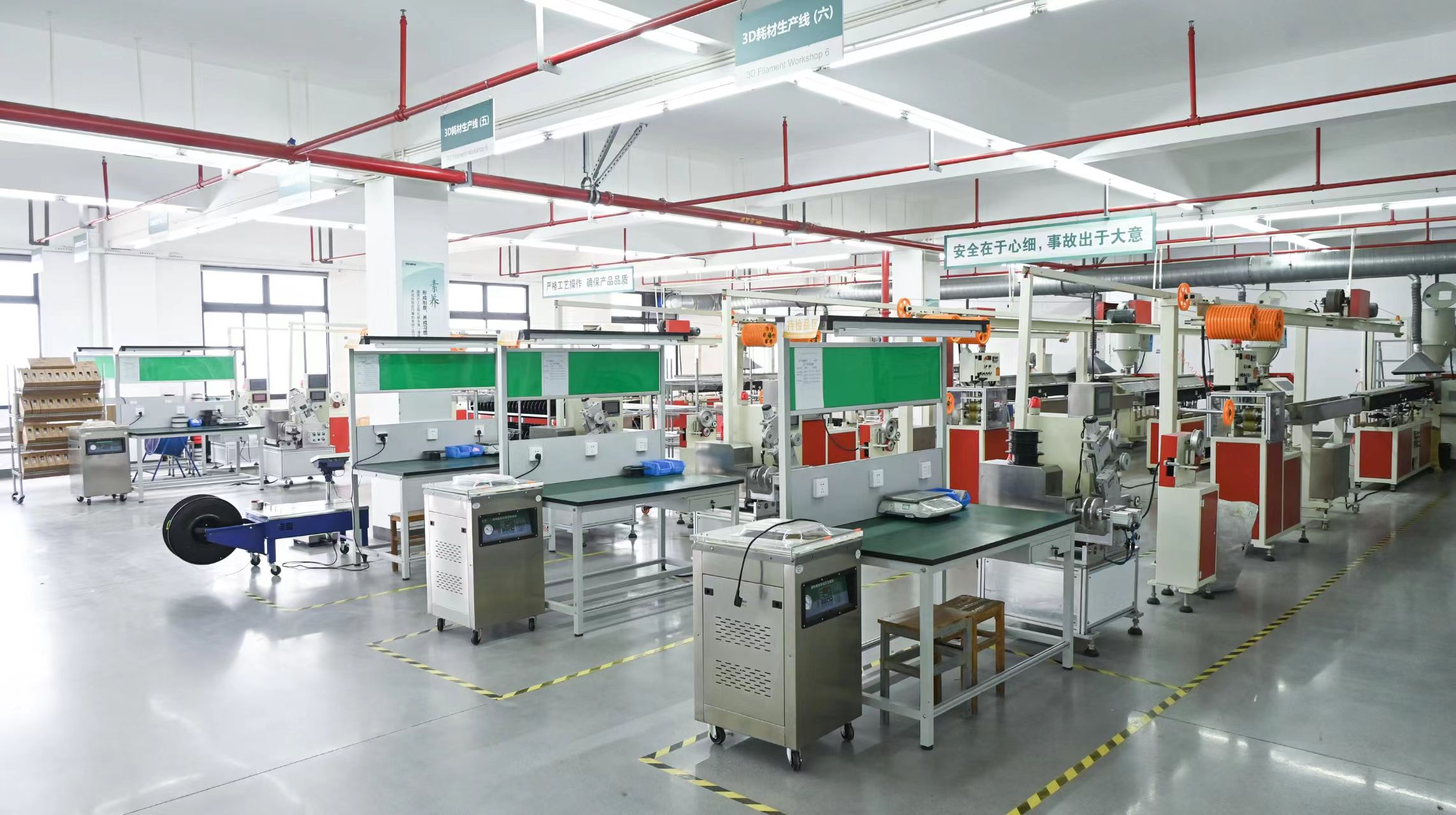
Landscape lighting is a mixed-material, mixed-rating purchase, and the sourcing model affects how smoothly the specification lands on site. Light Legend (Chongqing)Technlogy Co.,Ltd. operates an automated production plant in a modern independent industrial park covering 8,000 square meters with over 200 employees, including an R&D team of more than 20 professional engineers and product designers. The company holds more than 100 independent patents, over 4,000 successful cases and more than 70 honorary qualifications, and was awarded High-tech Enterprise and Science & Technology Innovation Little Giant Enterprise in 2018.
The company has passed ISO9001, ISO14001, BSCI and C-TPAT management system certifications, supported by fully equipped laboratory facilities. OEM and ODM development is carried out under an independent innovation model, with in-house design capability covering logo, color, wattage and full product development from concept to mass production. Core strengths stated by the company are leading design, customized solutions, quality assurance and collaborative innovation.
Frequently Asked Questions
Do outdoor landscape lights need IP65 or IP67?
The IP rating has two digits: the first (0–6) rates dust protection and the second (0–8) rates water protection. For general outdoor exposure, IP65 or above is generally recommended; IP67 suits short-term immersion and IP68 suits continuous underwater use. Light Legend's outdoor series covers IP65, IP66 and IP67 with standard ingress test reports, so the correct choice depends on whether the fixture sits under cover, on an exposed wall, or in a position subject to standing water.
How do solar landscape lights work, and do they still perform on cloudy days?
During the day the solar panel converts sunlight into electricity through the photovoltaic effect and stores it in a battery; at night a light-sensing control circuit switches on the LEDs automatically. Panel efficiency, battery capacity and the control circuit are the key variables. Solar lights still charge in low light, but brightness and runtime may be reduced, so panel size and placement should be matched to local sunlight conditions. Placement in full sun, away from shade, and a clean panel are the two most common causes of poor performance.
Can landscape lighting be customized for a private-label or project program?
Yes. With an in-house design center and a self-owned factory, Light Legend supports logo, color, wattage and full product development from concept design to mass production. The company's R&D team of more than 20 professional engineers and product designers handles OEM and ODM projects under an independent innovation model, and custom color temperature is available to match a brand or project requirement.
What drives cost in an outdoor landscape lighting order?
Cost follows the specification rather than the product name. The variables that move it are the fixture family (a 1W decorative bulb and a 300W street light are not comparable), the housing material and construction, the IP rating required, the control layer (ON/OFF versus DMX512 versus app control), and the degree of customization. MOQ and lead time also depend on product type and customization level, which is why both should be confirmed against the final specification rather than a catalogue page.
What documentation and installation support ship with an order?
Export orders are supplied with commercial documents (invoice and packing list), test reports and certification files as required by the destination market — for example CE, RoHS and IP test reports. Installation support includes wiring diagrams, waterproof accessories and multilingual installation guides, with mounting accessories supplied per project. After-sales warranty is provided per contract terms, together with technical support for installation and maintenance issues, and spare parts such as replacement drivers are available for remote troubleshooting.
Conclusion: Specify the Exposure Before the Fixture
Outdoor landscape lighting rewards buyers who sequence the decisions correctly. Zone the space, define the task, choose the power source, set the IP rating, fix CCT and CRI, then select beam angles against mounting height. Every fixture family in the Light Legend range — solar pathway lights at IP65 and 100LM, LED in-ground lights at IP67 and IK09, wall washers at IP66, flood and tree lights at IP65 with DMX512 options, street lights at IP66 up to 300W, and smart lighting at IP67 with CRI ≥95 — exists because a different exposure and a different task demands a different answer.
The single most useful discipline is to test the actual fixture on the actual site before committing a full order. A sample in the real location resolves more specification questions than any catalogue comparison.
Next Step
If you are specifying landscape lighting for a garden, park, facade or municipal project, the fastest route is to share your zones, exposure conditions and target wattage. The Light Legend team can confirm IP ratings, beam angles, CCT options and control compatibility against your specification, and arrange a sample for on-site validation.
Contact: Cynthia | Email: 18580658865@163.com | Tel / WhatsApp: +86 18580658865
Address: Room A6-1-004, Building 1, No.27 Liming Road, Lijia Subdistrict, Liangjiang New Area, Chongqing City, China
Download the full product range: Light Legend Solar & Decorative Garden Light Catalogue (PDF)
Have Questions or Need More Details?
Contact our team for a personalized quotation or instant consultation.
Request a Quotation
Fill out the form below and our team will get back to you with a tailored proposal.
WhatsApp Direct Chat
Prefer to chat in real-time? Message us on WhatsApp for instant assistance & quick answers.
- Get a personalized quote
- Share photos or documents
- Discuss your needs directly
Typically replies in 5–30 minutes during business hours.