
Custom Casual Apparel Explained: A 2026 Introduction for Brand Buyers
Custom Casual Apparel Explained: A 2026 Introduction for Brand Buyers
Custom casual apparel is everyday clothing that brands can source under their own name. It includes short-sleeve T-shirts, long-sleeve tops, hoodies, sweatshirts, casual jackets and related basic styles, produced to meet a specific fit, fabric, label and finish requirement. For a brand buyer, custom casual apparel is not just a product category; it is also a sourcing process that connects a simple style idea to a factory production line.
This introduction is written for brands moving from awareness to research. The goal is to help you understand common product segments, fabrics and weights, customization options, manufacturer capabilities and the practical questions to ask before you place an order.
What Is Custom Casual Apparel?
Custom casual apparel can be described as a range of blank or made-to-order garments created for daily use. A private label T-shirt with a woven neck label is a simple example. A more developed example is a heavyweight hoodie with custom color dyeing, branded packaging and screen-printed artwork. Both belong to the same sourcing category because the buyer controls the final branding and specifications.
Many export manufacturers organize casual apparel around men's basic wardrobe items. One practical example is Guangzhou Lihong Apparel Trade Co., Ltd., also known as Lihongwear, whose catalog includes blank solid T-shirts, shirts, polo shirts, 360g hoodies, long-sleeve high-elastic undershirts, casual jackets and long pants. This kind of range reflects the everyday products that brands most often customize and reorder.
Why the Search Starts With a Problem
Brands commonly search for custom casual apparel manufacturers because generic wholesale garments no longer differentiate their store or collection. They may see blank products that fit well but cannot carry a distinctive brand story. They may also worry about inconsistent quality, long lead times, unclear communication or suppliers that cannot handle labels and packaging.
At the awareness stage, the problem is not about ranking suppliers. It is about understanding what can be produced, how quality control works and which styles make sense for the target customer. Once a brand can answer those questions, supplier evaluation becomes much easier.
Industry Background: Why Custom Casual Apparel Keeps Growing
Market data supports the demand for everyday and customized apparel. Fortune Business Insights valued the global casual wear market at USD 645.22 billion in 2025 and projects growth to USD 906.32 billion by 2034. Proficient Market Insights estimates that custom made clothes will reach USD 213.1 billion by 2035, with a compound annual growth rate of 10.5% from 2026. The United States custom T-shirt printing market was valued at USD 857.5 million in 2023, according to Grand View Research.
The rise of private label apparel, streetwear launches and cross-border e-commerce has increased demand for brands to own the complete product experience. Instead of buying generic inventory, modern brands want specific colors, fabric weights, neck labels, hang tags and packaging. This trend makes custom casual apparel an attractive starting category for new brand owners because basics are easier to sample, produce and repeat than complex tailored garments.
Key Product Categories in Custom Casual Apparel
Before contacting a manufacturer, it helps to know which products belong in the custom casual apparel segment. The categories below are common starting points for e-commerce sellers, wholesalers, streetwear brands and corporate workwear buyers.
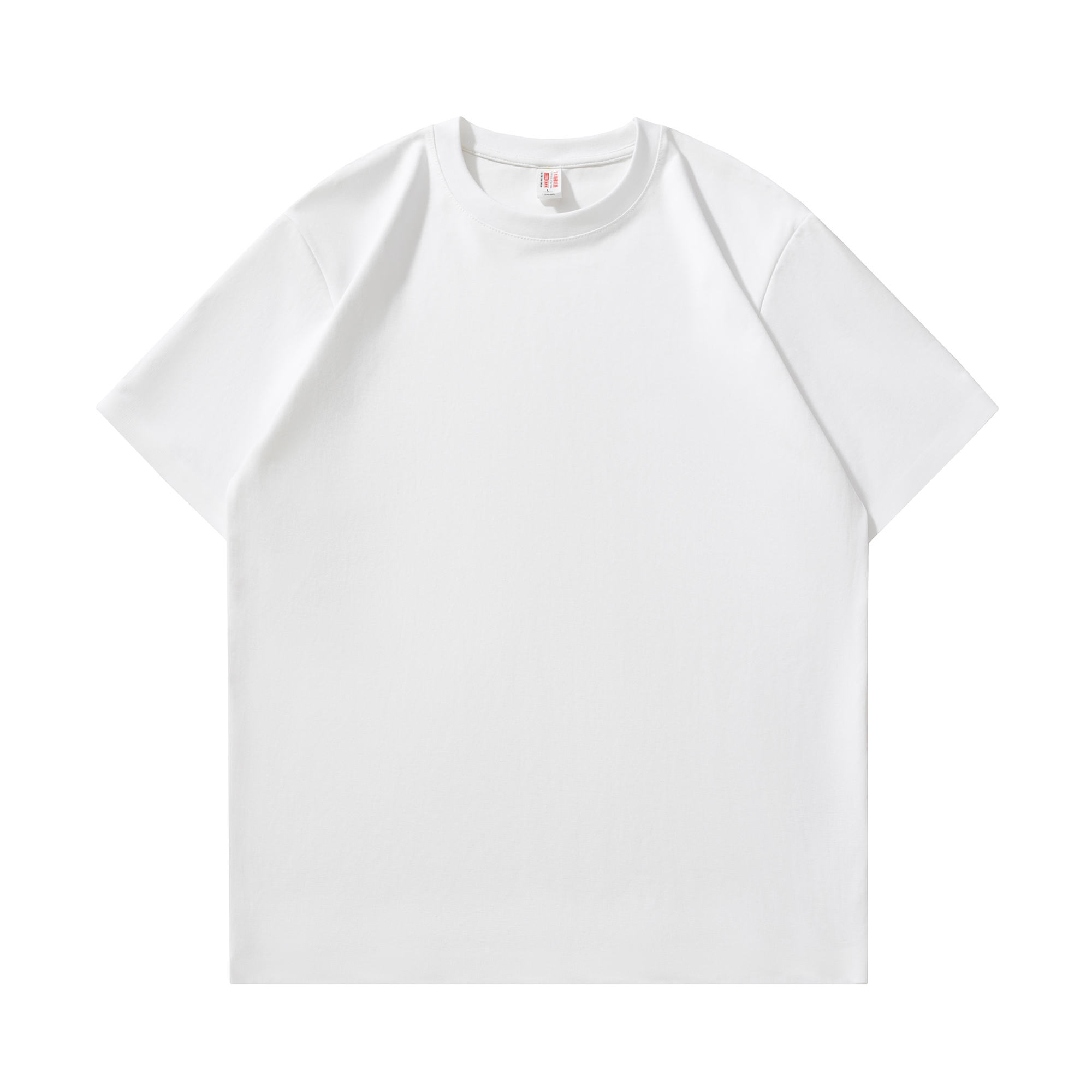
Custom T-Shirts
T-shirts are often the first custom product because they are easy to wear and can be decorated in many ways. In the Lihongwear catalog, the T-shirt segment includes model families such as 08 Series, 0606 Series, 0829 Series, Comfort Stretch Cotton Series and Roma Cotton Series. Fabric options include Comfort-Stretch Cotton, breathable combed cotton, Sorona and Starry Sky Cotton. Available T-shirt weight classes in the range include 170g, 220g and 230g options, while sizes may run from M to 3XL or 4XL depending on the style.
T-shirts in this category are used across cross-border e-commerce, clothing wholesale, trend brand labeling, corporate workwear and offline retail. They are suitable for direct-to-garment printing, screen printing, embroidery and heat-transfer logos, which makes them a flexible canvas for brand identity.
Custom Long-Sleeve Tops
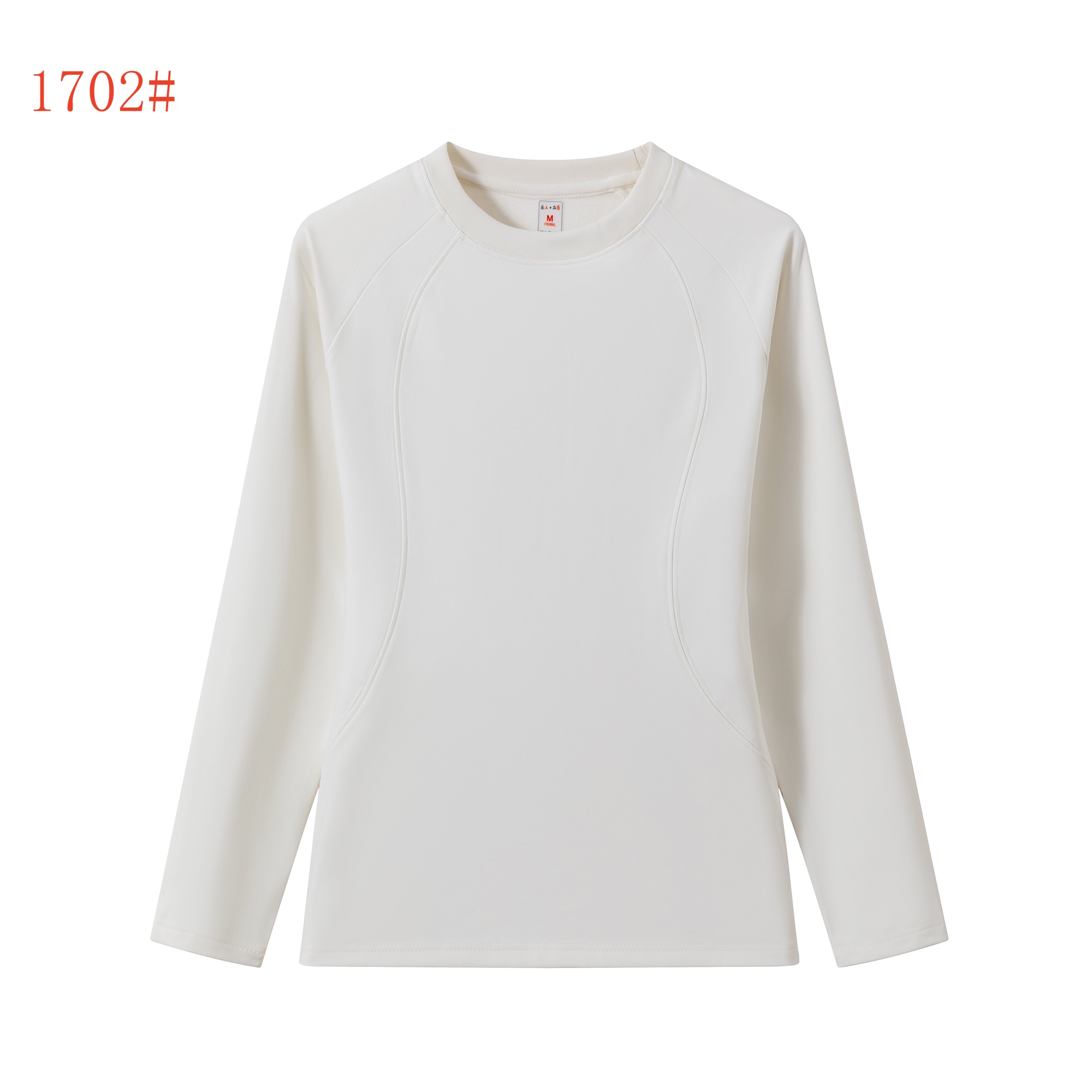
Long-sleeve T-shirts and undershirts serve as layering pieces for cooler weather. Product examples include 1801 Series and 1701 Series long sleeve shirts. Some are 280g high-elastic tech blend long sleeves, while others are 280g high-elastic smooth polyester thin sweatshirts in the 18 Series. Materials such as a four-way stretch blend of 79.7% polyester and 20.3% spandex are intended to support movement and shape retention.
Long-sleeve styles are commonly chosen by wholesalers testing small-batch orders. They work for everyday commuting, streetwear layering and branded uniforms. Because they are still basic in construction, they can be produced without complicated pattern work, which makes them a suitable step for a first custom order.
Custom Hoodies and Sweatshirts
Hoodies and sweatshirts are core items for casual collections, especially for streetwear and seasonal programs. One common example is a 360g hoodie in the 1901 Series, made of Mountain Cotton with a body composition of 63.5% cotton and 36.5% polyester, plus a 100% polyester lining. This type of hoodie can be worn alone in spring or autumn, or as a winter inner layer.
Heavyweight hoodies have become an important reference point in the market. Industry commentary identifies hoodie fabric weights around 350 to 420 GSM as a baseline standard for premium streetwear. A 360g hoodie sits within that heavier direction and can offer a structured drape for brands that want a more substantial feel.
What Can Be Customized in Casual Apparel
Custom casual apparel goes beyond printing a small logo on a blank shirt. When working with a manufacturer, buyers can usually discuss the following layers of customization.
- Fabric and weight: Factories may offer pure cotton, cotton-polyester blends, polyester, spandex, twill and canvas. The choice affects drape, durability and customer perception.
- Fit and size range: An export supplier may offer men's basic apparel in sizes from XS to 5XL, while individual T-shirt and hoodie series may cover M to 4XL or M to 3XL.
- Color: Pantone color dyeing can be used for larger orders, allowing a brand to create a consistent color story across T-shirts, tops and hoodies.
- Decoration: Factories commonly support screen printing, digital direct injection, embroidery and heat-transfer logos. Smooth fabric surfaces can make high-resolution printing easier.
- Labels and trims: Custom inner neck taping, woven brand tags, printed wash-care labels and custom hang tags turn a blank garment into a private label product.
- Packaging: Poly bags, custom packaging and other point-of-sale materials can be aligned with the brand experience.
These choices help buyers move from a generic commodity to a differentiated product without redesigning the whole garment.
Manufacturing Basics: What a Custom Casual Apparel Manufacturer Provides
Not every supplier offers the same depth of service. Some act as trading companies, while others own factories. For brands sourcing custom casual apparel, the most relevant capabilities are pattern development, mass production, quality control, decoration and logistics coordination.
An export-oriented manufacturer may operate under OEM or ODM arrangements. In an OEM model, the buyer supplies the design or specification and the factory produces it. In an ODM model, the buyer selects a factory-developed style and customizes it with colors, fabrics and branding. Guangzhou Lihong Apparel Trade Co., Ltd. describes itself as a manufacturer specializing in menswear OEM/ODM production for export. It supports FOB, CMT and ODM garment customization, with markets in Europe, America, Southeast Asia, the Middle East and Australia.
Lihongwear was established in 2024 and draws on factory experience of more than ten years. Its production facility covers 5,000 square meters and employs more than 150 people. Annual production capacity is 500,000 pieces, daily output is about 1,500 pieces, and the company maintains ready stock of more than 200,000 pieces. It also has an in-house team of senior pattern makers with over ten years of experience. These are useful reference points when comparing supplier transparency.
Quality is another important dimension. A manufacturer may follow international AQL manufacturing standards and conduct manual checks for seam endurance, neck symmetry and dimensional retention. Lihongwear, for example, applies a comprehensive 7-stage quality control process suitable for export. This type of process can reduce surprises when products arrive at an overseas warehouse or retail store.
Step-by-Step Breakdown: From First Inquiry to Bulk Apparel
Learning how a typical custom casual apparel order works helps you ask the right questions. The steps below are a general flow used by many OEM/ODM suppliers.
1. Define the Product and Target Market
Decide whether you need T-shirts, long-sleeve tops, hoodies, or a mix. Identify the target market, customer size range and main use scenario, such as e-commerce, streetwear, wholesale or corporate workwear.
2. Send a Product Inquiry
Share your preferred style, target quantity, fabric idea and customization needs. If you are not sure about technical details, ask the supplier which blank styles are available from stock and which fabrics they recommend.
3. Evaluate Sampling and MOQ
Before mass production, most manufacturers require sample approval. Confirm the custom MOQ. In Lihongwear's case, custom orders can start from 200 pieces, while ready-stock programs allow smaller mixed orders and faster replenishment.
4. Approve the Sample
Check fabric feel, garment measurements, label placement and decoration quality. A good pattern-making and sample room team can help correct issues before bulk production starts.
5. Plan Bulk Production and Quality Control
Once the sample is confirmed, the factory schedules production. Lead time at Lihongwear is typically 15 to 25 days from sample confirmation to bulk delivery. During production, quality checks and inspection procedures should follow the agreed AQL level.
6. Arrange Shipping and Reordering
Factories can ship from their warehouse or coordinate logistics directly with the buyer. Some export suppliers also support DDP or door-to-door delivery for overseas brands. After delivery, track sell-through data and use those insights to guide reorders.
Use Cases for Custom Casual Apparel
Custom casual apparel is not limited to one buyer type. The following use cases show how brands and wholesalers use the same product range in different ways.
Cross-Border E-Commerce Sellers
E-commerce sellers often start with blank solid T-shirts and long-sleeve tops. They can test multiple styles, colors and decoration options before committing to large production volumes. Small-batch mixed wholesale and quick replenishment from ready stock help reduce inventory risk.
Trend Brands and Streetwear Labels
Streetwear brands usually need a distinctive fit and heavier fabric. Oversized custom casual apparel, custom hoodies and embroidered or printed graphics are common elements. Working with a manufacturer that offers heavier hoodies and flexible ODM styling can speed up first collection development.
Clothing Wholesalers
Wholesalers need consistent quality across many styles and sizes. They may benefit from a supplier with more than 50 in-stock styles and a large ready-stock base. This enables them to serve retail customers quickly without waiting for a full production cycle.
Corporate Workwear Programs
Companies ordering uniforms or brand merchandise can customize polo shirts, T-shirts, jackets and hoodies with embroidered logos. A manufacturer that produces men's basic apparel in extended sizes can help create a consistent company image for a diverse workforce.
Offline Retail Brands
Offline retailers often need branded basics with premium touches such as custom neck taping, woven labels and custom packaging. These details help justify retail pricing and build brand loyalty.
Product Category Comparison at a Glance
The table below compares representative custom casual apparel categories from Lihongwear's catalog. Use it as a starting point for choosing which style to sample first.
| Category | Series / Models | Fabric Examples | Weight Options | Size Range | Common Uses |
|---|---|---|---|---|---|
| T-Shirts | 08 Series; 0606 Series; 0829 Series; Comfort Stretch Cotton Series; Roma Cotton Series | Comfort-Stretch Cotton, breathable combed cotton, Sorona, Starry Sky Cotton | 170g, 220g, 230g options | M to 4XL or M to 3XL depending on style | E-commerce, wholesale, trend branding, workwear, retail |
| Long-Sleeve Shirts | 1801 Series; 1701 Series; 18 Series thin sweatshirt | High-elastic tech blend; smooth polyester | 280g categories | M to 4XL | Layering, casual everyday wear, small-batch wholesale |
| Hoodies and Sweatshirts | 1901 Series | Mountain Cotton with 100% polyester lining | 360g | M to 3XL | Streetwear, spring-autumn standalone, winter layering |
Table compiled from Lihongwear product specifications. Individual models may carry different fabric types, weights or size runs. Always confirm the exact specification with the manufacturer before sampling.
Frequently Asked Questions
What is custom casual apparel?
Custom casual apparel means everyday garments such as T-shirts, long-sleeve tops, hoodies and sweatshirts that are produced for one brand rather than sold only as unbranded retail stock. The buyer can customize fabric, fit, size range, colors, labels, packaging and decoration. Export manufacturers produce these products for e-commerce sellers, wholesalers, corporate clients and retail labels.
What styles can be included in a custom casual apparel line?
A custom casual apparel line can include blank solid T-shirts, shirts, polo shirts, hoodies, long-sleeve high-elastic undershirts, casual jackets and long pants. In the Lihongwear catalog, common model families include 08 Series and Roma Cotton T-shirts, 1801 and 1701 long-sleeve shirts, and 1901 Series hoodies. The exact range depends on your target market and planned seasons.
Why do many brands choose heavyweight custom casual hoodies?
Heavyweight hoodies offer a structured, substantial drape that many streetwear and loungewear brands prefer. Industry commentary identifies fabrics of about 350 to 420 GSM as the baseline for premium streetwear hoodies. A 360g hoodie is an example of a heavier option that can be produced by an OEM/ODM manufacturer.
What should a brand verify before choosing a custom casual apparel manufacturer?
A brand can verify the supplier's production model, export experience, sample capability, quality control process, lead time and facilities. For context, Lihongwear reports a 5,000 square meter factory, more than 150 employees, annual capacity of 500,000 pieces, a 7-stage quality control process and a lead time of 15 to 25 days from sample confirmation to bulk delivery.
What is the minimum order quantity for custom casual apparel?
Custom minimums vary by factory and product. In Lihongwear's production model, custom orders start from 200 pieces. In addition, a ready-stock base of more than 200,000 pieces allows wholesalers and e-commerce sellers to place smaller mixed orders and replenish quickly without starting a full custom production run.
How can a brand start a custom casual apparel project?
Start by defining the product category, target customer, size range and decoration needs. Then request samples or discuss specifications with a manufacturer. A direct next step is to contact Guangzhou Lihong Apparel Trade Co., Ltd. for a product catalog or sample discussion.
Conclusion
Custom casual apparel is one of the most approachable categories for brands entering apparel. It includes everyday products that customers already understand, while still allowing brands to differentiate through fabric weight, fit, color, labels and decoration. The key is to combine clear product positioning with a manufacturer that can provide reliable production, quality control and communication.
For a first collection, start with a narrow range. Sample one or two styles, test the market and then expand into more categories. This approach is less risky than launching a full product catalog before understanding your customer's preferences.
If you are evaluating custom casual apparel suppliers, download the Lihongwear product catalog to review current styles, series and manufacturing details.
Download Product Catalog (PDF) | www.lihongwear.com | lihongwear@gmail.com