
Custom Casual Apparel Technical Guide: Specifying 360g Mountain Cotton and 280g High-Elastic Blends
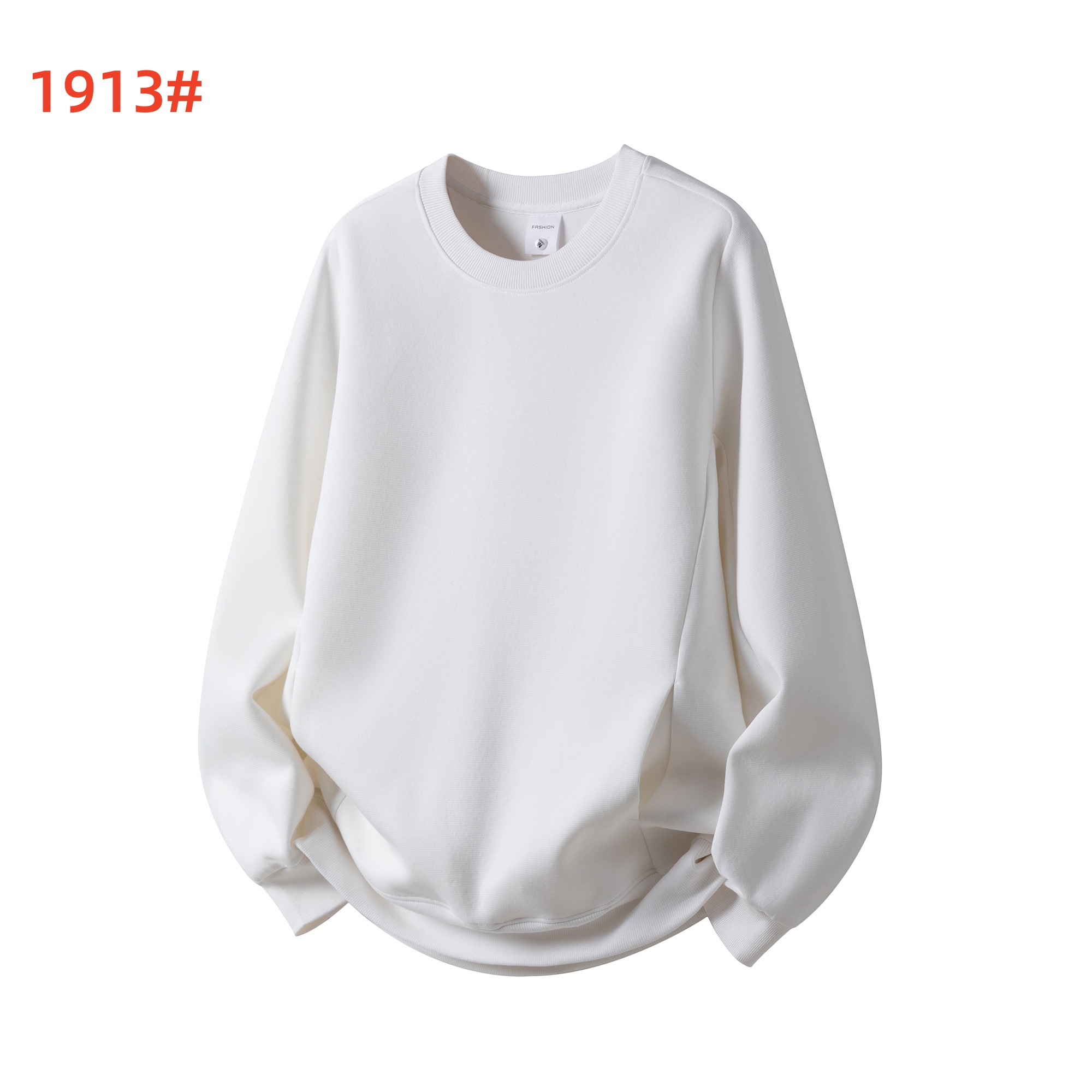
Custom casual apparel is specified, not described. A purchase order that reads "heavyweight hoodie, stretchy long sleeve, oversized fit" hands a factory three variables to guess at, and those guesses are where re-cuts, returns and delayed launches come from. A workable specification for custom casual apparel fixes four variables — fabric weight, fibre composition, stretch behaviour, and fit with size grading — and then attaches a test report, a minimum order quantity (MOQ) and a lead time to each one.
This technical guide works through two reference specifications in detail. Specification A is the 360g hoodie from the 1901 Series, built on Mountain Cotton (63.5% cotton / 36.5% polyester) with a 100% polyester fleece lining and a loose M–3XL fit. Specification B is the 280g high-elastic long sleeve from the 17/18 Series (79.7% polyester / 20.3% spandex, four-way stretch), alongside the 280g 18 Series 100% polyester thin sweatshirt option, both in M–4XL. Lihongwear, the trading name of Guangzhou Lihong Apparel Trade Co., Ltd., is a Guangzhou-based men's basic apparel manufacturer and exporter that produces both specifications. The company was established in 2024, works with a factory holding more than 10 years of menswear export production experience, operates a 5,000 m² facility with 150+ staff, and reports an annual output of 500,000 pieces with an 80% export ratio across Europe, America, Southeast Asia, the Middle East and Australia.
Why Custom Casual Apparel Specifications Fail Before Cutting Starts
The most expensive sourcing mistakes are usually wording mistakes. Three patterns repeat across buyer briefs.
Weight without composition. Heavyweight is a range, not a number. Heavyweight hoodies in the 350–420 GSM band have become the baseline standard for premium streetwear, providing the structured, boxy drape favoured by luxury loungewear brands, according to sector reporting from PrintDoors / Accio Work. A 360g hoodie sits inside that band — but the hand-feel, shrinkage behaviour and drape of a 360g fabric are determined by what the weight is made of, not by the number alone. Mountain Cotton, for example, is a composite of 63.5% cotton and 36.5% polyester with a 100% polyester fleece lining. A brief that states only "360g" leaves the composition open.
Stretch without direction. "Stretchy" does not distinguish a two-way mechanical stretch from a genuine four-way stretch built on elastane. The 280g 17/18 Series long sleeve is a high-elastic tech blend of 79.7% polyester and 20.3% spandex specified as four-way stretch — a materially different garment from the 280g 18 Series 100% polyester thin sweatshirt. If the brief does not name the blend and the stretch direction, the factory cannot quote the right fabric.
Certification assumed to cover everything. Test reports are issued against a defined fabric scope, not against a brand's whole catalogue. Treating one report as blanket coverage for every fabric, colour and lining in an order is a compliance risk that surfaces at customs or at retail audit, not at the sampling stage.
Industry Background: Why Fabric Specifications Are Being Written Tighter
The commercial pressure behind tighter specifications is straightforward. The global casual wear market was valued at USD 645.22 billion in 2025 and is projected to reach USD 906.32 billion by 2034, according to Fortune Business Insights. The custom made clothes market is separately estimated to reach USD 213.1 billion by 2035, with a CAGR of 10.5% from 2026, per Proficient Market Insights. More custom volume means more buyers specifying fabric themselves rather than buying finished stock — and more specifications that need to be technically exact.
Documentation expectations have moved in the same direction. OEKO-TEX issued more than 50,000 certificates between 2023 and 2024, an increase of 22%, reflecting the industry's shift toward chemical safety and regulatory compliance, according to the OEKO-TEX Association. In the EU, EN ISO 13688:2022 sets general performance and safety requirements for protective and work-related casual apparel, as documented by Bierbaum-Proenen. Chinese-manufactured casual apparel for export is typically documented against GB 18401-2010 Category B, which covers fibre composition, colour fastness, formaldehyde and decomposable aromatic amine dyes.
Lihongwear's hoodies and long sleeve shirts are tested under that framework by Centre Testing International Group Co., Ltd. (CTI Tianjin). The practical point for buyers is not which standard is stricter; it is that the report must name the fabric you are actually buying.
The Two Reference Specifications in Detail
Specification A — 360g Hoodie, 1901 Series (Mountain Cotton)
The 1901 Series 360g hoodie is a double-layer composite garment built for heat retention. The body is Mountain Cotton — 63.5% cotton and 36.5% polyester — with a 100% polyester fleece lining. The construction is intended to be worn alone in spring and autumn, or as an inner layer in winter.
- Fabric weight and construction: 360g, double-layer composite with fleece lining.
- Composition: body 63.5% cotton / 36.5% polyester; lining 100% polyester.
- Wear behaviour: the cotton base is soft and non-irritating to the skin; the fleece lining retains heat and is designed to prevent coldness when the wearer sweats.
- Durability: described as stiff and durable, resistant to pilling and sagging after multiple washes.
- Breathability: breathable rather than stuffy, which is what allows the same garment to work for mountaineering, hiking and everyday home wear.
- Fit and grading: M–3XL, with a loose fit designed to accommodate plus sizes for European and American body types.
For a brand building a custom casual hoodie or heavyweight casual hoodie programme, the specification detail that matters most here is the composite structure. Body composition and lining must be written as two separate lines, because a supplier can meet "360g" while substituting either one.
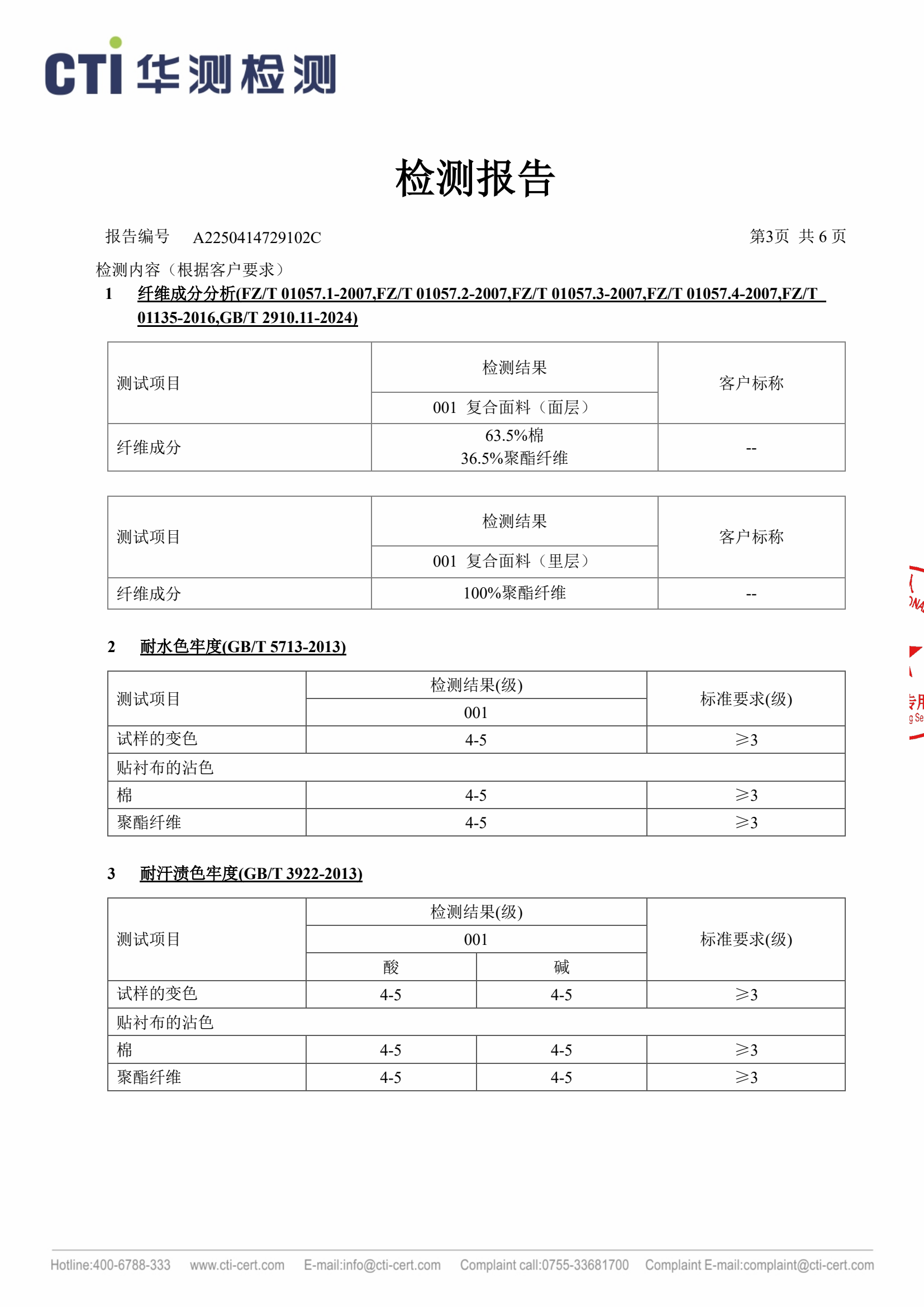
Specification B — 280g Long Sleeve, 17/18 Series (High-Elastic Blend)
The 280g long sleeve line splits into two distinct fabrics that share a weight but not a behaviour. The 17/18 Series uses a high-elastic tech blend of 79.7% polyester and 20.3% spandex with four-way stretch. The 18 Series uses high-elastic smooth polyester — 100% polyester, a thin sweatshirt fabric at the same 280g.
- Fit: slim fit that allows unrestricted movement without being tight; sizes M–4XL.
- Surface behaviour: smooth drape without wrinkles, no ironing required — relevant for everyday wear and for retail presentation straight out of the bag.
- Elasticity: long-lasting elasticity that holds shape after repeated stretching, with no shedding or snagging.
- Layering: lightweight and opaque, suitable for wearing alone or as a base layer, with multiple colours available.
- Climate fit: lightweight and highly resilient, positioned for spring and summer; quick-drying and breathable for daily commutes and light exercise.
- Wash performance: washable and durable with colourfast performance, available in multiple in-stock colours.
- Commercial fit: the 280g high-elastic smooth polyester option carries a cost advantage and is suited to small and medium-sized wholesalers placing small-batch trial orders.
Certification and Test Documentation for Both Specifications
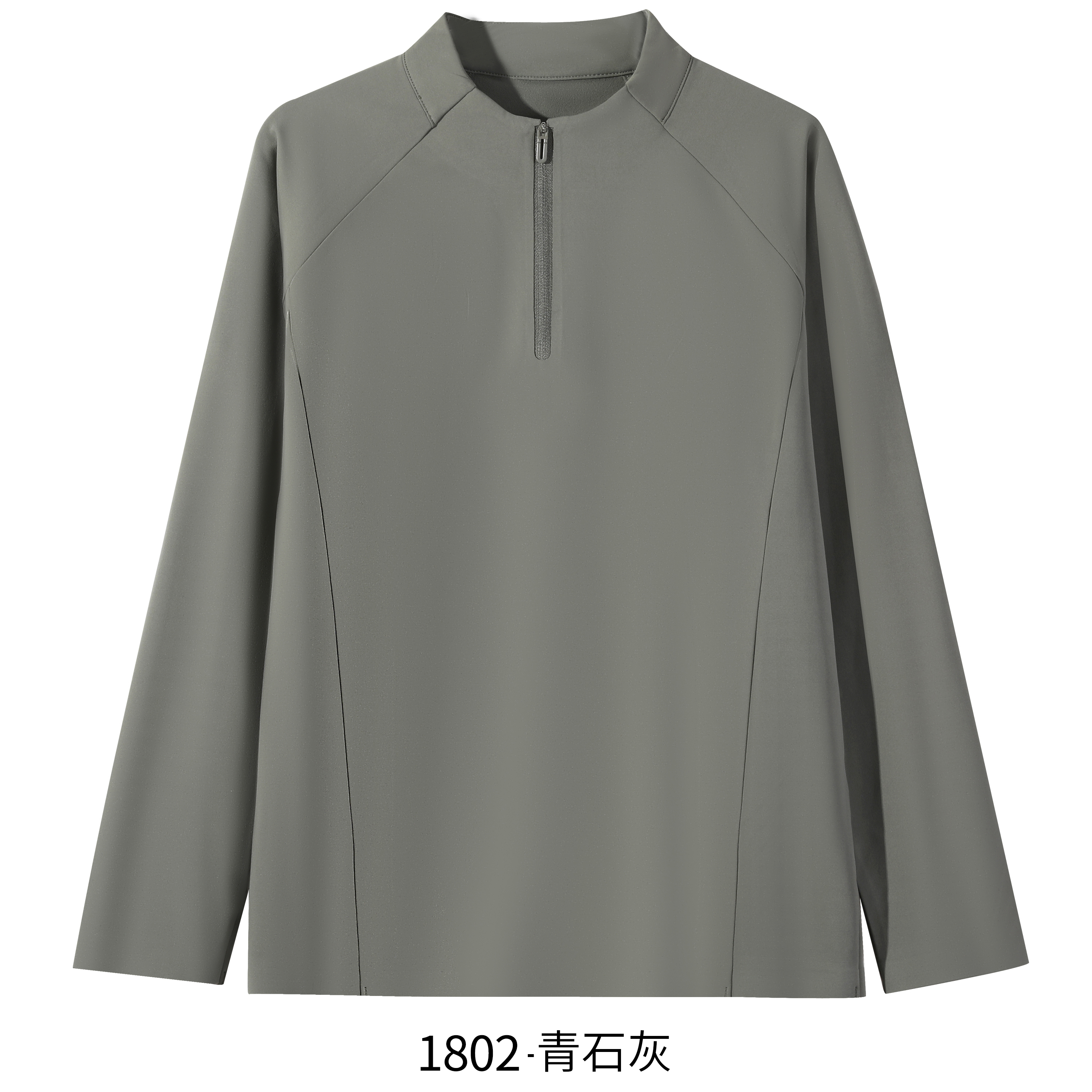
Three CTI reports from Centre Testing International Group Co., Ltd. (CTI Tianjin) are relevant, all issued under GB 18401-2010 Category B and applicable to the global market.
- A2250414729102C — CTI Textile Safety Test Report, scope: Mountain Cotton composite fabric (hoodie fabric, 63.5% cotton + 36.5% polyester composite). Issued 18 June 2025. This is the report that corresponds to Specification A.
- A2250414729101C — CTI Textile Safety Inspection Test Report, scope: high-elastic fabric (100% polyester fibre, navy knitted fabric). Issued 18 June 2025. This corresponds to the 18 Series high-elastic smooth polyester fabric.
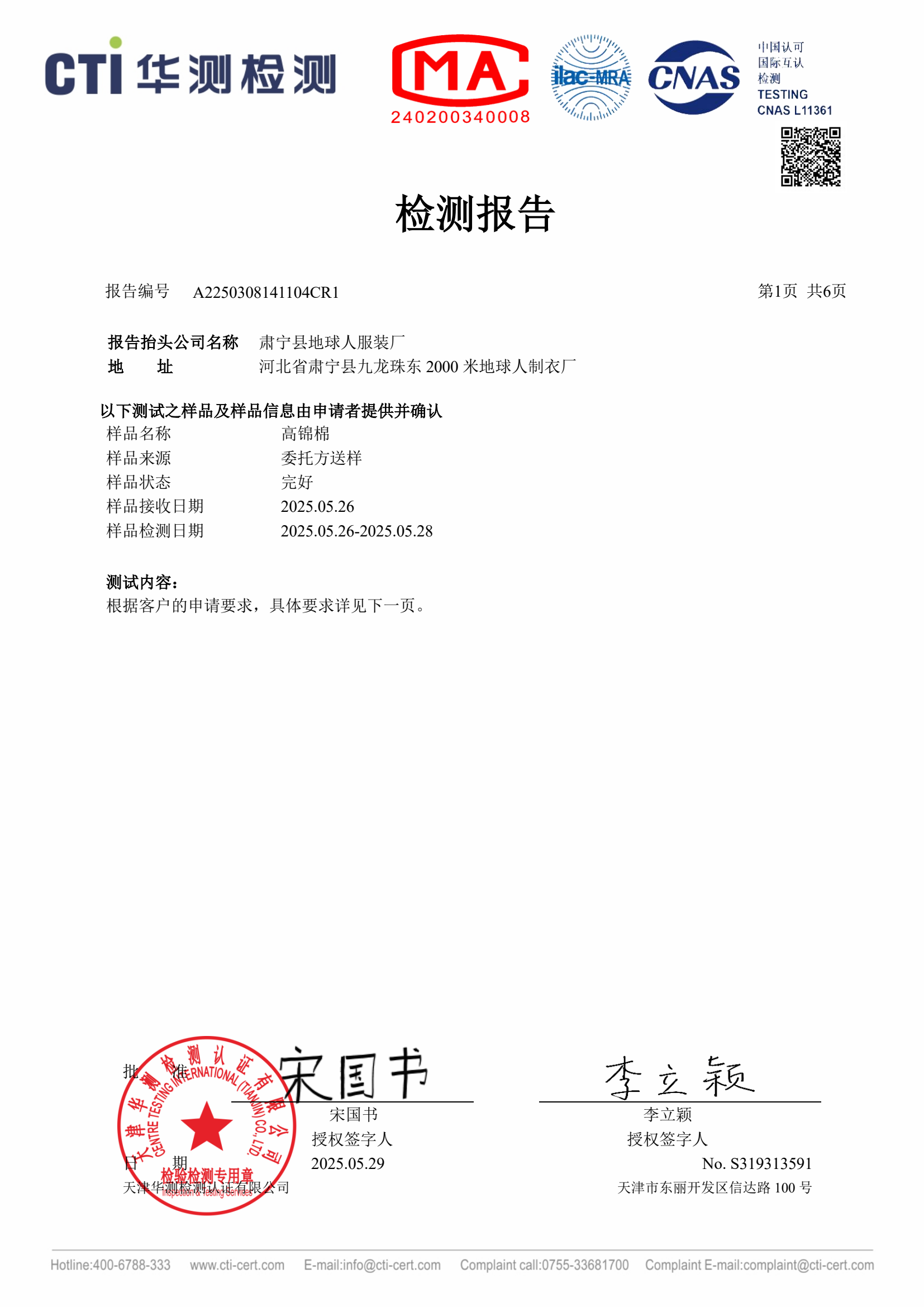
- A2250308141104CR1 — CTI Textile Safety Test Report, scope: the full range of men's hoodies, long-sleeve shirts, T-shirts and other garment fabrics. Issued 29 May 2025.
Read the scope line before you accept the report. The Mountain Cotton document names the composite fabric used in the 360g hoodie. The high-elastic document names a 100% polyester knit. If your brief specifies the 79.7% polyester / 20.3% spandex four-way stretch blend, that is a different fibre composition and should be matched to a report naming that composition, or flagged for additional testing before production. This is a normal verification step, not a red flag.
Decoration and Private Label Specification
Decoration should be specified as a method, not a preference. Supported application methods across the range are screen printing, DTG (direct-to-garment), embroidery and heat transfer LOGO. Custom Pantone colour-dyeing is available for enterprise-level orders.
Private label trims available for private label casual apparel programmes include inner neck taping, woven brand tags, printed wash care labels, custom hangtags and custom polybag packaging. For brands building a full custom casual wear line, these trims are usually the difference between a labelled blank and a finished product — and they are easiest to specify at the same time as fabric, not after sampling.
Step-by-Step: Writing a Verifiable Custom Casual Apparel Specification
- Name the product series and the weight. Write "1901 Series, 360g" or "280g long sleeve, 17/18 Series". A series number plus a weight removes the ambiguity that "heavyweight" or "lightweight" creates.
- Split body and lining composition into separate lines. For the 360g hoodie: body 63.5% cotton / 36.5% polyester, lining 100% polyester. For the 280g long sleeve: either 79.7% polyester / 20.3% spandex, or 100% polyester for the 18 Series.
- State stretch direction and recovery expectation. Four-way stretch for the 17/18 Series blend; long-lasting elasticity that holds shape after repeated stretching.
- Define fit and grade the size range. 360g hoodie: loose fit, M–3XL, sized to accommodate plus sizes for European and American body types. 280g long sleeve: slim without tightness, M–4XL. Some models in the wider range run XS–5XL, so confirm the grading per style rather than assuming a house range.
- Write the decoration and trim list as line items. Print method, embroidery placement, Pantone references for dyeing, plus neck taping, woven tags, wash care labels, hangtags and polybag packaging.
- Attach the certificate by number, scope and issue date. A2250414729102C for Mountain Cotton composite fabric; A2250414729101C for the 100% polyester high-elastic knit; A2250308141104CR1 for the broad men's hoodie, long-sleeve shirt and T-shirt fabric range. Confirm the scope line covers your fabric.
- Set the inspection terms. Production follows a seven-stage quality control process aligned with international AQL manufacturing standards, with manual checks for seam endurance, neck symmetry and dimensional retention, plus 100% manual inspection before shipment and cooperation with third-party on-site inspection.
- Fix MOQ, sampling and lead time. Custom orders start from 200 pieces per style. Spot goods carry no minimum order and support mixed wholesale. Spot goods ship within 3 days; custom orders run 15–25 days from sample confirmation to bulk delivery.
Where Each Specification Fits
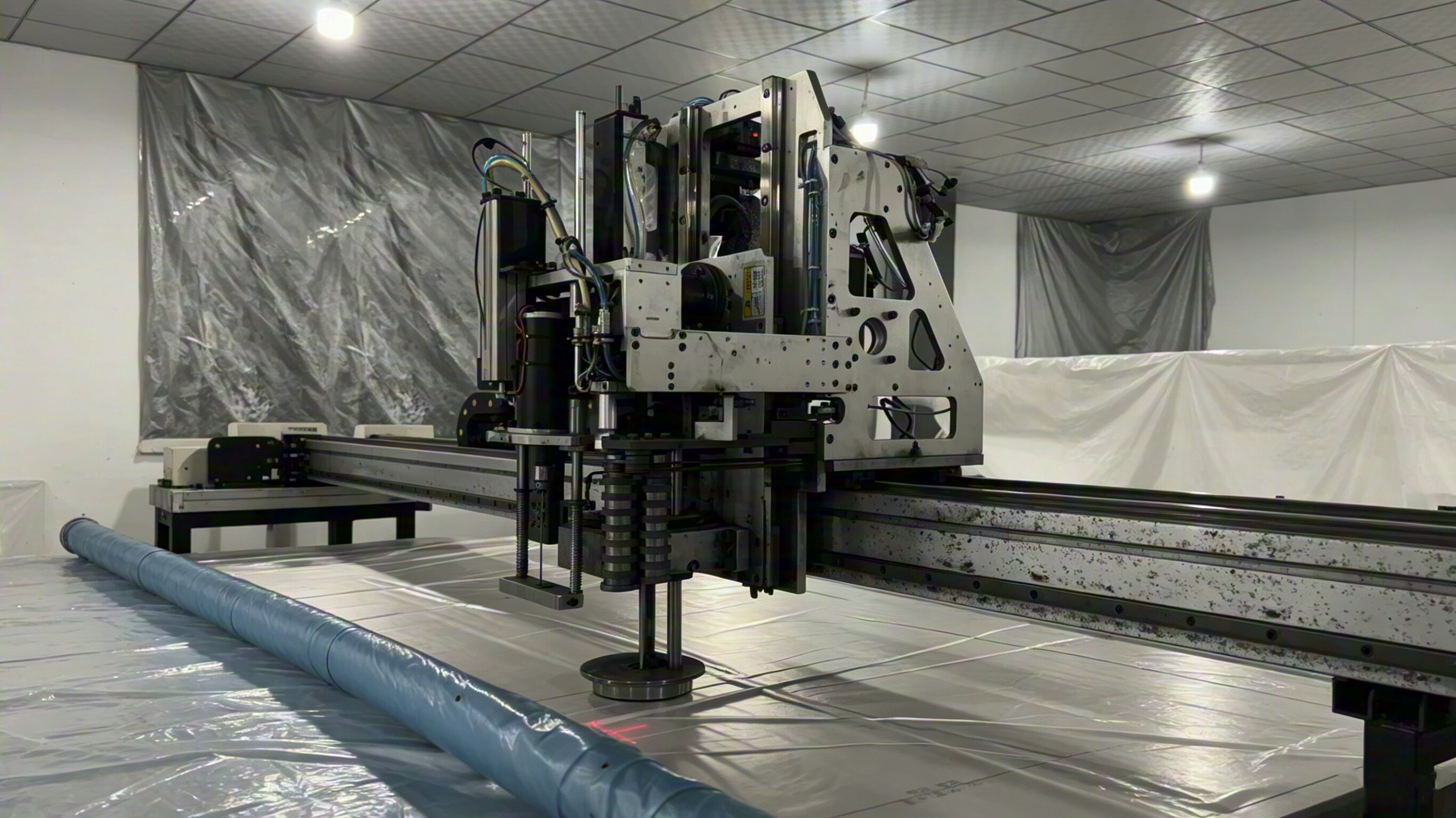
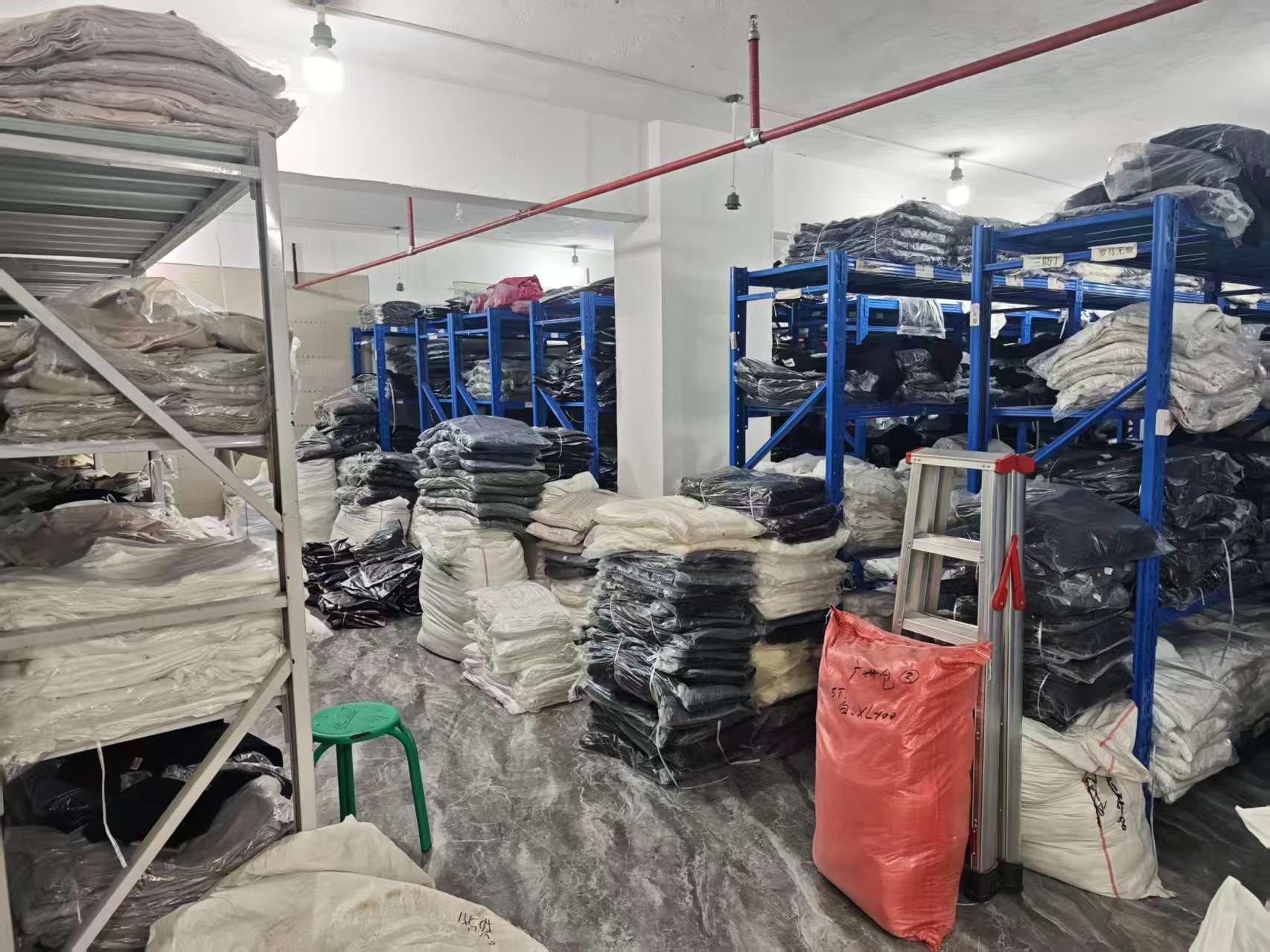
Cross-border e-commerce and wholesale replenishment. Lihongwear holds standing stock of over 200,000 pieces and a monthly capacity of 45,000 pieces of knitted and woven garments. Spot goods ship within 3 days with no minimum order and mixed wholesale supported, which suits sellers who need to shorten the new-product launch cycle rather than wait on production.
Private label and streetwear brand launches. The 360g 1901 Series hoodie is the outer-layer anchor for a street style casual apparel or vintage style casual apparel line. Independent patterns and private label trims create differentiated product rather than a decorated blank. Lihongwear's buyer base includes cross-border e-commerce sellers, overseas clothing wholesalers, overseas local fashion brands and foreign trade sourcing agents, with cooperation durations reported between 5 and 10 years and custom long-term repeat orders running into the tens of thousands of pieces.
Corporate workwear and uniform programmes. The 280g long sleeve works as a base layer or standalone top for custom long sleeve casual tops in uniform programmes, where embroidery, size grading and wash care labelling are the specification priorities.
Four-season layering programmes. The two specifications are designed to complement rather than compete: the 360g hoodie as the outer layer, the 280g long sleeve as the inner layer. In cold-weather programmes this pairing is what allows a single supplier relationship to cover more of the calendar.
Small-batch trial orders. The 280g high-elastic smooth polyester option is positioned for small and medium-sized wholesalers testing a market before committing to volume, which is a practical use of the 200-piece custom MOQ.
Specification Comparison: 360g Hoodie 1901 Series vs 280g 17/18 Series
| Parameter | 360g Hoodie — 1901 Series | 280g Long Sleeve — 17/18 Series | 280g Long Sleeve — 18 Series |
|---|---|---|---|
| Fabric weight | 360g | 280g | 280g |
| Body composition | Mountain Cotton: 63.5% cotton / 36.5% polyester | High-elastic tech blend: 79.7% polyester / 20.3% spandex | 100% polyester |
| Lining | 100% polyester fleece, double-layer composite | Not specified as lined | Not specified as lined |
| Stretch behaviour | Not specified as elastic | Four-way stretch, holds shape after repeated stretching | High-elastic smooth polyester |
| Fit and size range | Loose fit, M–3XL, sized for European and American plus sizes | Slim without tightness, M–4XL | Slim without tightness, M–4XL |
| Typical use | Outer layer, spring/autumn standalone, winter inner layer | Base layer or standalone, spring and summer | Lightweight base layer, small-batch trial orders |
| Applicable test documentation | CTI A2250414729102C (Mountain Cotton composite), GB 18401-2010 Category B | Match to a report naming the 79.7% / 20.3% composition | CTI A2250414729101C (100% polyester high-elastic knit), GB 18401-2010 Category B |
| Decoration methods | Screen printing, DTG, embroidery, heat transfer LOGO | Screen printing, DTG, embroidery, heat transfer LOGO | Screen printing, DTG, embroidery, heat transfer LOGO |
| Custom MOQ | From 200 pieces per style | From 200 pieces per style | From 200 pieces per style |
| Lead time | Spot within 3 days; custom 15–25 days from sample confirmation | Spot within 3 days; custom 15–25 days from sample confirmation | Spot within 3 days; custom 15–25 days from sample confirmation |
Read the table as a specification checklist rather than a ranking. The 360g hoodie and the 280g long sleeve solve different problems: thermal structure and outer-layer drape on one side, movement and layering on the other. Where a cell says "not specified", that is a genuine gap in the source data — and a gap you should close in writing with your supplier before you place an order.
FAQ: Specifying Custom Casual Apparel
Are Lihongwear custom casual apparel products OEKO-TEX certified, and what should Chinese manufacturers provide instead?
Lihongwear's supplied textile test documentation is issued by Centre Testing International Group Co., Ltd. (CTI Tianjin) under the GB 18401-2010 Category B standard, not under the OEKO-TEX scheme. The three reports are A2250414729102C (Mountain Cotton composite hoodie fabric, 63.5% cotton + 36.5% polyester), A2250414729101C (high-elastic fabric, 100% polyester fibre, navy knitted fabric) and A2250308141104CR1 (full range of men's hoodies, long-sleeve shirts, T-shirts and other garment fabrics). All three apply to the global market. OEKO-TEX is a separate certification programme — the association issued over 50,000 certificates between 2023 and 2024, a 22% increase — so if a specific retail channel requires OEKO-TEX rather than GB 18401-2010, state that requirement in the brief and confirm availability before ordering rather than assuming equivalence.
What decoration methods and private label trims can be specified for a custom casual apparel order?
Supported LOGO application methods are screen printing, DTG, embroidery and heat transfer. Custom Pantone colour-dyeing is available for enterprise-level orders. Private label trims include inner neck taping, woven brand tags, printed wash care labels, custom hangtags and custom polybag packaging. Size ranges differ by specification: the 360g 1901 Series hoodie runs M–3XL in a loose fit, the 280g long sleeve runs M–4XL in a slim fit, and some models across the wider range run XS–5XL, so size grading should be confirmed per style when the specification is written.
What is the minimum order quantity for custom casual apparel, and is there a lower-risk option?
Custom orders start from 200 pieces per style. Spot goods carry no minimum order quantity and support mixed wholesale, which is the usual route for buyers who want to test colours or fits before committing to a custom run. Within the 280g long sleeve line, the high-elastic smooth polyester fabric option is positioned as a cost-advantage choice for small and medium-sized wholesalers placing small-batch trial orders. No unit prices are published in the available specification data, so commercial terms should be requested per order.
Can buyers verify fabric and construction before committing to bulk production?
Yes, through three routes. First, request the CTI test report that names your exact fabric — A2250414729102C for Mountain Cotton composite, A2250414729101C for the 100% polyester high-elastic knit — and check the scope line rather than the certificate number alone. Second, use the sampling stage: custom orders run 15–25 days from sample confirmation to bulk delivery, which means the sample is a defined checkpoint. Third, agree the inspection terms up front: seven-stage quality control aligned with international AQL standards, manual checks for seam endurance, neck symmetry and dimensional retention, 100% manual inspection before shipment, and cooperation with third-party on-site inspection.
How long does delivery take from order to shipment?
Spot goods ship within 3 days. Custom orders run 15–25 days from sample confirmation to bulk order delivery. Production progress is synchronised in real time and traceable through video and photo updates, with a dedicated order follower assigned for one-to-one communication and inquiry replies within 2 hours on business days. Defect returns and exchanges for quality issues are handled within 7 days of receipt. Guangzhou Lihong Apparel Trade Co., Ltd. reports a monthly capacity of 45,000 pieces of knitted and woven garments against standing stock of over 200,000 pieces, which is the capacity envelope those lead times are built on.
Conclusion: A Specification You Can Audit
The difference between a smooth custom casual apparel programme and a costly one is usually not the factory — it is the brief. Write the series and the weight. Split body and lining composition. State stretch direction. Grade the fit. List decoration and trims line by line. Attach the certificate by number, scope and date. Fix MOQ, sampling and lead time. Done in that order, a specification for the 360g Mountain Cotton hoodie or the 280g high-elastic long sleeve becomes a document both sides can check the finished goods against.
Next Step: Sample, Quote or Catalogue
If you are specifying a 360g Mountain Cotton hoodie, a 280g high-elastic long sleeve, or a mixed bulk casual apparel order, the fastest way to test the specification is against a physical sample. Request a sample or quote from Lihongwear at lihongwear.com, or download the full product catalogue covering hoodies, long sleeve shirts, T-shirts, polo shirts, jackets and pants: Product Catalog of Lihong Garment Factory (PDF).
Guangzhou Lihong Apparel Trade Co., Ltd. — Room B1052, Unit 217, No. 3 Tangdong East Rd, Tianhe District, Guangzhou. Email: lihongwear@gmail.com | WhatsApp: +86 13724894849
Have Questions or Need More Details?
Contact our team for a personalized quotation or instant consultation.
Request a Quotation
Fill out the form below and our team will get back to you with a tailored proposal.
WhatsApp Direct Chat
Prefer to chat in real-time? Message us on WhatsApp for instant assistance & quick answers.
- Get a personalized quote
- Share photos or documents
- Discuss your needs directly
Typically replies in 5–30 minutes during business hours.