
Fabric Weight and Composition Parameters for Custom Casual Apparel
Fabric Weight and Composition Parameters for Custom Casual Apparel
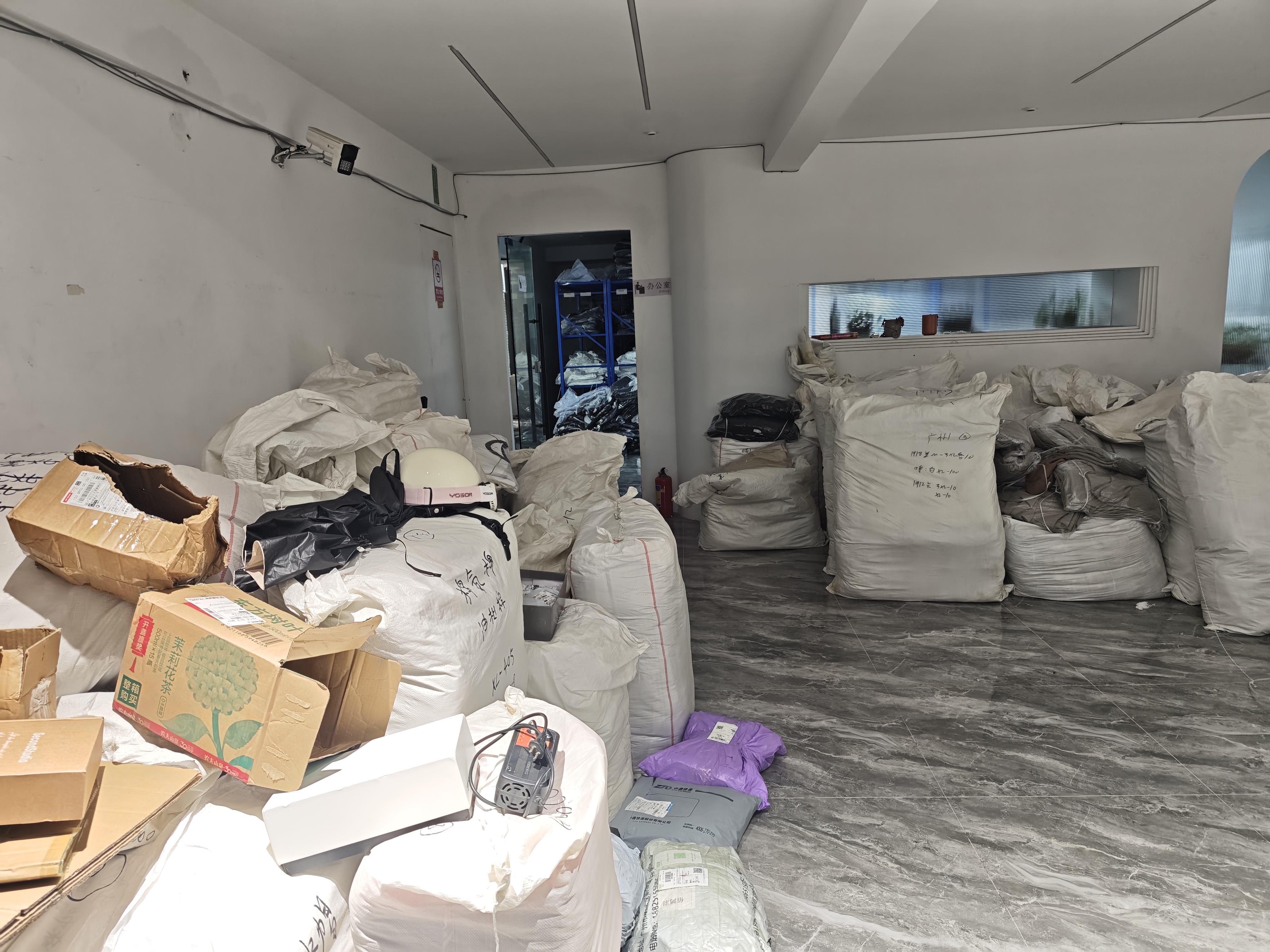
Fabric weight in grams per square metre (GSM) and fiber composition expressed as a blend percentage are the two specification decisions that determine how custom casual apparel feels, drapes, washes and sells. A 360g heavyweight hoodie and a 280g long sleeve shirt can carry the same label, the same print placement and the same size chart, yet behave like two different products. For a buyer at the decision stage, the useful question is not which fabric is better in general, but which weight and blend match the role the garment has to play in the wardrobe.
This guide covers the parameters that matter when fabric is specified for custom casual apparel: how to read a 360g fleece against a 280g knit, what a 63.5% cotton / 36.5% polyester blend changes compared with 100% cotton, when four-way stretch earns its cost, how pilling resistance is protected through specification, and what double-layer composite construction adds when heat retention is the objective.
Why Fabric Specification Causes More Rework Than Design
Most sample revisions in casual apparel programs are triggered by fabric, not by artwork. Two mills can quote the same 360 GSM number and still deliver noticeably different hand feel, shrinkage behaviour and print surface, because GSM describes mass per square metre and says nothing about yarn count, loop length, fiber length or finishing.
Across custom casual apparel programs, the recurring fabric-related risks are fabric color difference, printing defects, size deviation, delivery delay and batch defective products. Each of them is a specification problem before it becomes a production problem:
- Fabric color difference appears when bulk fabric is approved against a verbal description rather than a sealed standard.
- Printing defects appear when the print surface, weight or composition changes between the sample and the bulk fabric.
- Size deviation appears when the fabric shrinks differently from the sample after washing.
- Delivery delay appears when fabric is booked after the order is confirmed instead of being pre-allocated.
- Batch defective products appear when inspection is limited to finished goods rather than applied through production.
The corresponding control methods are pre-production fabric confirmation, pre-production sample checking, multi-process segmented quality inspection, and capacity pre-allocation to lock delivery time. Treated together, these turn a fabric line in a brief into a controlled specification.
Industry Background: Casual Wear Is Moving Toward Heavier, Better-Specified Fabric
The commercial context explains why buyers now negotiate weight and composition so precisely. The global casual wear market was valued at USD 645.22 billion in 2025 and is projected to reach USD 906.32 billion by 2034, according to Fortune Business Insights. The custom made clothes market is separately estimated by Proficient Market Insights to reach USD 213.1 billion by 2035, with a CAGR of 10.5% from 2026.
At product level, the weight trend is equally clear. Heavyweight hoodies in the 350–420 GSM range have become the baseline standard for premium streetwear, providing the structured, boxy drape that luxury loungewear brands prefer, as described by PrintDoors / Accio Work. A 360g hoodie therefore sits inside a recognised premium band rather than above the market.
Compliance pressure is moving in parallel. OEKO-TEX issued more than 50,000 certificates between 2023 and 2024, an increase of 22%, which reflects the industry's shift toward chemical safety and regulatory compliance, according to the OEKO-TEX Association. In the European Union, EN ISO 13688:2022 serves as the general performance and safety requirement standard for protective and work-related apparel, as documented by Bierbaum-Proenen.
The practical consequence for a buyer is that fabric is no longer a cost-only decision. Weight, blend and finishing now carry brand positioning, compliance exposure and replenishment risk at the same time.
The Five Fabric Parameters That Change the Finished Garment
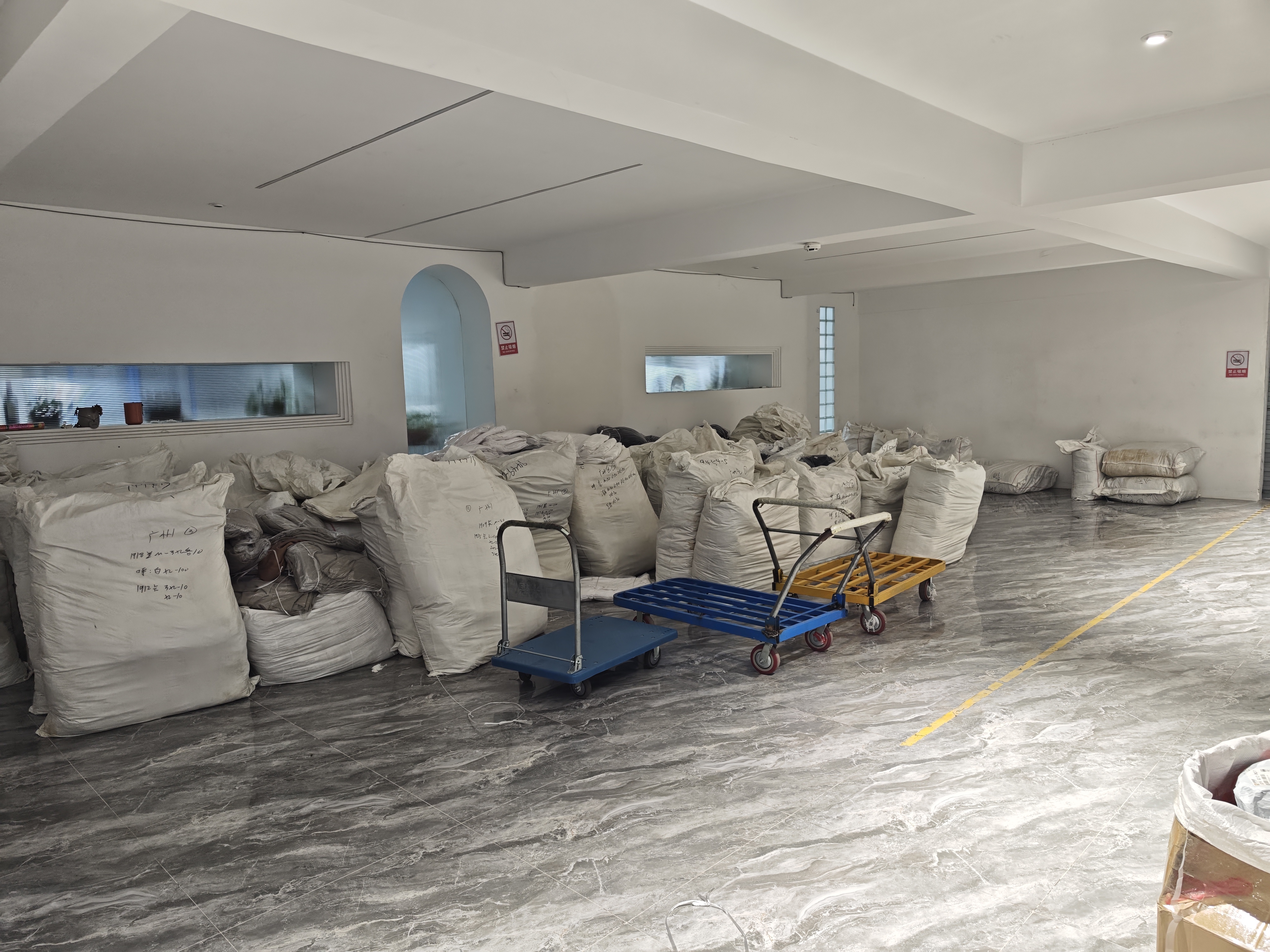
1. Fabric Weight: 360g Heavyweight Hoodies vs 280g Long Sleeve Shirts
GSM measures how many grams one square metre of fabric weighs, and in fleece programs the figure is normally quoted for the main body fabric. A 360g construction is heavyweight fleece: it holds a structured, boxy silhouette, resists collapsing at the shoulder line, and traps more air for warmth. A 280g construction used for long sleeve casual tops sits at the mid-weight end of the range — enough body to hang cleanly on the body, light enough to layer under a hoodie or jacket without stacking bulk at the collar and cuffs.
The difference reaches further than thermal performance:
- Drape and silhouette. 360g fleece supports oversized and boxy cuts; 280g knits follow the body more closely and suit cleaner, minimalist shapes.
- Warmth and season. A 360g hoodie can be positioned as an autumn–winter outer layer; a 280g long sleeve top works across more of the year as a layering piece.
- Construction sensitivity. Heavier knits change stitch density, thread tension and seam bulk, so the sampling stage matters more, not less.
- Shrinkage behaviour. Heavier loop fleece and lighter single knits do not shrink at the same rate, which is why pre-production fabric confirmation is applied before cutting rather than after.
- Freight weight. Heavier garments increase shipping weight per unit, which changes landed cost even when the unit price is identical.
A useful rule at the decision stage: choose weight from the garment's position in the outfit, then adjust blend and finishing to fix the failure mode you cannot accept.
2. Composition: What a 63.5% Cotton / 36.5% Polyester Blend Changes
Composition is the half of the specification that buyers most often leave to the mill. A 63.5% cotton / 36.5% polyester ratio is cotton-forward: the cotton share carries the hand feel, breathability and print receptivity that customers associate with casual basics, while the polyester share contributes dimensional stability, reduced shrinkage, better shape recovery after repeated laundering, and a more predictable cost base than 100% cotton.
Where 100% cotton still makes sense: programs positioned on a natural-fibre story, garment-dyed and vintage-washed looks, and styles where the customer reads the label before the price. Where a cotton-forward blend makes sense: repeat-order programs where consistency across dye lots matters more than novelty, wholesale price bands, and products expected to survive frequent washing.
Two specification habits remove most composition disputes. First, write the composition as exact percentages with a tolerance rather than as a descriptive phrase such as 'cotton rich'. Second, confirm the composition at the pre-production fabric approval, because the finished garment cannot correct a mis-declared blend.
3. Four-Way Stretch: When It Is Worth Specifying
Four-way stretch means the fabric extends along both the length and the width of the roll and returns toward its original dimensions. The behaviour comes from the elastane content and the knit structure rather than from the label, which is why it should be validated rather than assumed. It earns its place in fitted casual tops, athleisure-adjacent styles and any garment the wearer reaches, bends and sits in for a full day. It is a poor match for a boxy heavyweight hoodie, where the design intent is structure rather than mobility.
The trade-offs are real and worth stating in a buying brief: stretch recovery can decline over many wash cycles, elastane is sensitive to high drying temperatures, and stretch surfaces can snag more readily. Confirming four-way stretch on a pre-production sample and through third-party fabric testing is more reliable than judging a swatch by hand.
4. Pilling Resistance: A Surface Property You Cannot See at Sampling
Pilling is the formation of small fibre balls on the fabric surface, and it is driven by short fibres working loose, low yarn twist and aggressive brushing. Heavyweight brushed fleece shows the risk most clearly because the surface is deliberately raised. Because pilling usually appears only after several domestic washes, a single new sample is a weak test of surface durability.
Control therefore happens at specification: define fiber and yarn quality, limit brushing depth, and confirm performance with third-party fabric testing before bulk. For a brand, the payback is straightforward — pilling is one of the few defects that customers photograph and publish.
5. Double-Layer Composite Construction for Heat Retention
Double-layer composite construction bonds or joins two fabric layers so that the trapped air between them adds warmth without the weight penalty of a thicker single knit. Practically, it allows a program to deliver cold-weather warmth at a lower face weight, which matters for brands selling into colder markets without wanting a rigid, heavy garment.
What to verify before committing to a composite build:
- Bonding integrity. Check for delamination after repeated washing, not only on a new sample.
- Added weight. Confirm the combined weight against the target GSM for the style.
- Stretch compatibility. If one layer stretches and the other does not, recovery will be uneven.
- Surface performance. Confirm the face fabric still accepts the required print or embroidery.
- Care instructions. Composite garments often require different laundering guidance, which becomes part of the product page.
Fabric Parameter Decision Table
| Parameter | What it controls | Specification direction | What to verify before bulk |
|---|---|---|---|
| Fabric weight (GSM) | Drape, warmth, opacity, freight weight | 360g for heavyweight hoodies; 280g for long sleeve layering tops; premium streetwear fleece is commonly referenced at 350–420 GSM | GSM tolerance, hand feel against the sealed standard, shrinkage after wash |
| Fiber composition | Hand feel, shrinkage, shape retention, cost stability | 100% cotton for natural-fibre positioning; cotton-forward blends such as 63.5% cotton / 36.5% polyester for repeat-order consistency | Declared percentages against the mill record; colour consistency across dye lots |
| Stretch behaviour | Mobility and fit recovery | Four-way stretch for fitted casual tops and athleisure-adjacent styles; generally unnecessary in heavyweight boxy fleece | Stretch direction, recovery after repeated extension, behaviour after laundering |
| Pilling resistance | Surface durability and perceived quality | Controlled fibre and yarn quality with limited brushing for heavy fleece | Wash and abrasion performance on bulk fabric, not on a single swatch |
| Construction build | Warmth-to-weight ratio | Double-layer composite where heat retention matters more than face weight | Bonding integrity, delamination after wash, print compatibility |
Step-by-Step: How to Specify and Validate Fabric Before Bulk
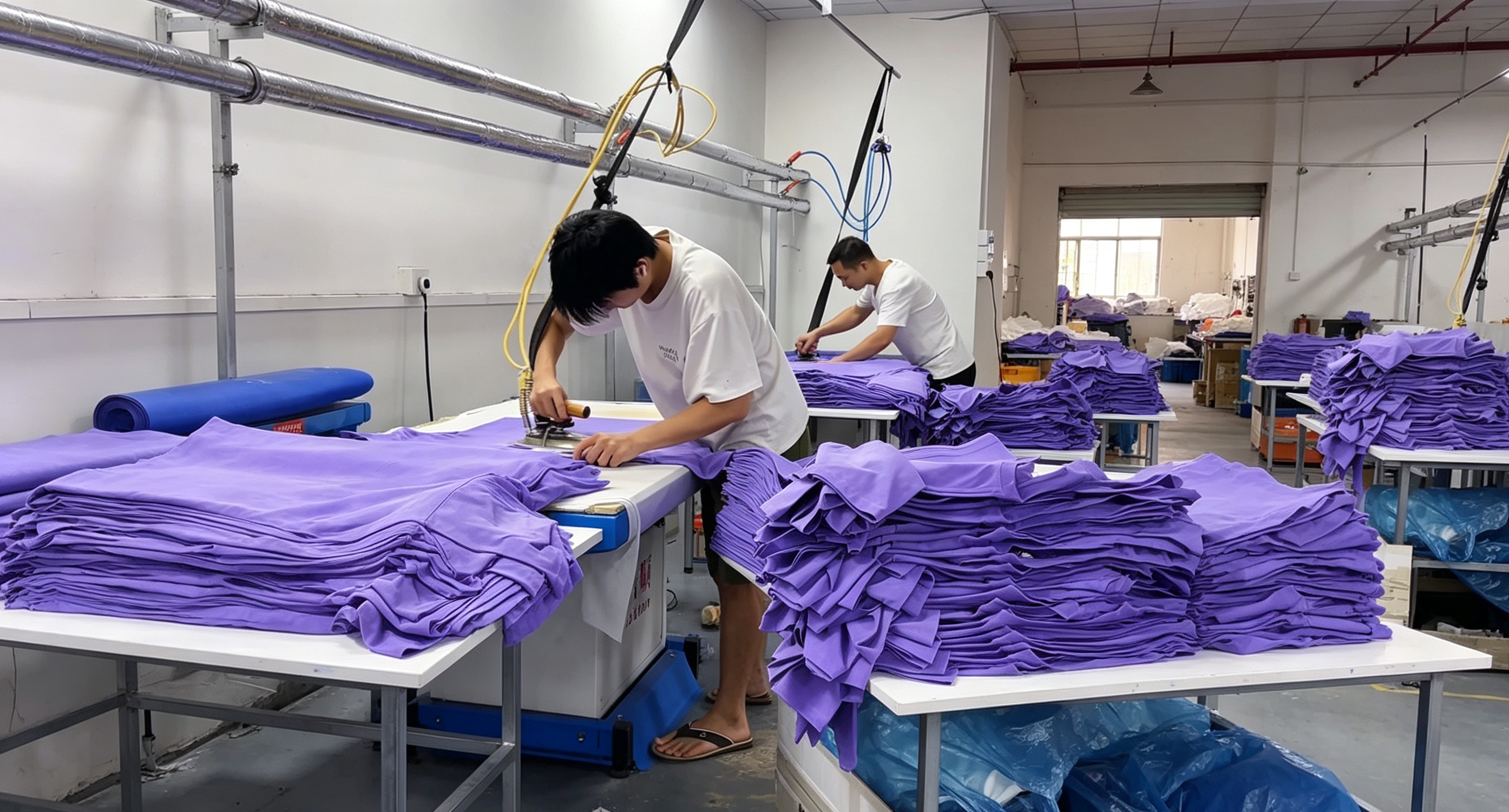
- Define the garment's role. Decide whether the style is a base layer, a mid layer or an outer layer. This determines whether 280g or 360g is the correct starting point.
- Write weight and composition as numbers. State GSM with a tolerance and composition as exact percentages, so two suppliers quote against the same specification.
- Confirm the fabric standard. Approve a lab dip and a physical swatch for colour, hand feel and surface before sampling begins.
- Pre-production fabric confirmation. Bulk fabric is approved against the sealed standard, which prevents fabric color difference from reaching the cutting table.
- Pre-production sample checking. The sample is checked for construction, measurements, print placement and the behaviour of the specified weight and blend.
- Multi-process segmented quality inspection. Inspection is applied at multiple production stages rather than only to finished goods, supported by third-party fabric testing.
- Capacity pre-allocation. Production capacity is locked to the delivery date so that fabric booking and sewing slots are reserved together.
- 100% full inspection before shipment. Every unit is inspected before packing, which is the point at which batch defective products are removed from the order.
Use Cases: Matching Weight and Blend to the Program
Heavyweight streetwear drop. A 360g hoodie in an oversized cut, paired with a 280g long sleeve top as the layer beneath it. The 360g fabric delivers the structured drape the drop is selling, while the 280g piece keeps the outfit wearable in transitional weather.
Minimalist basics capsule. Long sleeve tops and tees built on a 280g construction, with a cotton-forward blend such as 63.5% cotton / 36.5% polyester to hold shape across repeated wash cycles. The lighter weight keeps the silhouette clean and makes the range easier to stack at retail.
Fitted casual tops with four-way stretch. Styles that need to move with the wearer rather than drape away from the body. Here the blend and the stretch behaviour are specified together, because a four-way stretch fabric with poor recovery loses its fit after a few washes.
Cold-weather capsule with composite construction. Double-layer composite outerwear for markets where warmth per unit of weight matters, verified for delamination and care requirements before the range is committed.
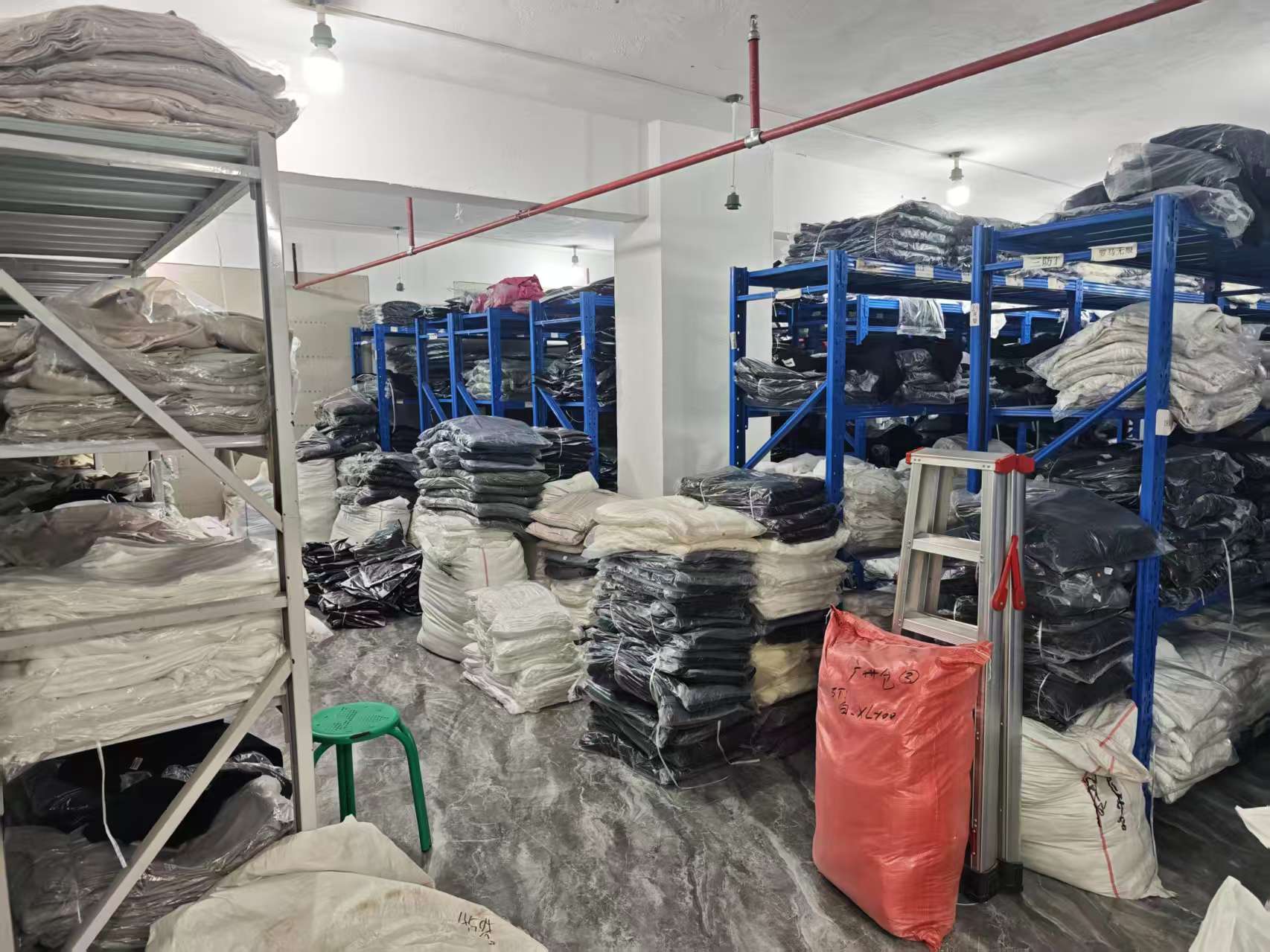
Replenishment-driven wholesale program. Over 50 stock styles and 200,000 pieces in stock mean that more than 50 in-stock styles require no production waiting, which shortens lead time for urgent orders and gives buyers a way to test a fabric direction before committing to a full custom run.
280g vs 360g vs Composite: A Side-by-Side Reference
| Dimension | 280g knit long sleeve top | 360g heavyweight hoodie | Double-layer composite |
|---|---|---|---|
| Typical role | Base or mid layer | Outer layer | Cold-weather outer layer |
| Drape | Sits closer to the body, cleaner fall | Structured, boxy, holds its shape | Structured with added thickness |
| Warmth | Moderate | High | Highest per unit of face weight |
| Layering | Stacks under other pieces without bulk | Worn over a base layer | Worn as the final layer |
| Print and embroidery | Smooth surface suited to finer detail | Suited to large surface graphics and embroidery | Depends on the selected face fabric |
| Main risk to control | Shrinkage and shape loss | Weight and hand-feel deviation between dye lots | Delamination and added weight |
| Best-fit program | Minimalist basics and layering collections | Streetwear drops and premium casual | Cold-climate and winter capsules |
Where Fabric Discipline Comes From in the Supply Chain
A fabric specification only holds if the supplier controls fabric sourcing, cutting and inspection. That is where factory-direct manufacturers and pure trading companies diverge, and the difference shows up in the two parameters this guide is about.
| Dimension | Factory-direct manufacturer (Lihongwear) | Pure trading company |
|---|---|---|
| Fabric procurement | Independently procures fabric for production, which results in a lower comprehensive price for the same garment style | Sources through intermediaries, adding cost layers |
| Pattern and sampling | Senior pattern maker team with over 10 years of experience and independent pattern R&D | Dependent on external sample rooms |
| Stock availability | More than 50 stock styles and 200,000 pieces in inventory, so urgent orders require no production waiting | Limited or no stock buffer |
| Quality control on fabric | Six-stage segmented self-inspection combined with third-party fabric testing | Typically limited to finished-product sampling |
| Cost structure | Eliminates middleman markups, which provides cost advantages for cross-border sellers | Middleman markups remain in the chain |
| Order follow-up | The factory faces the customer directly, with progress synchronised in real time and after-sales handled without an intermediary | Communication passes through a trading layer |
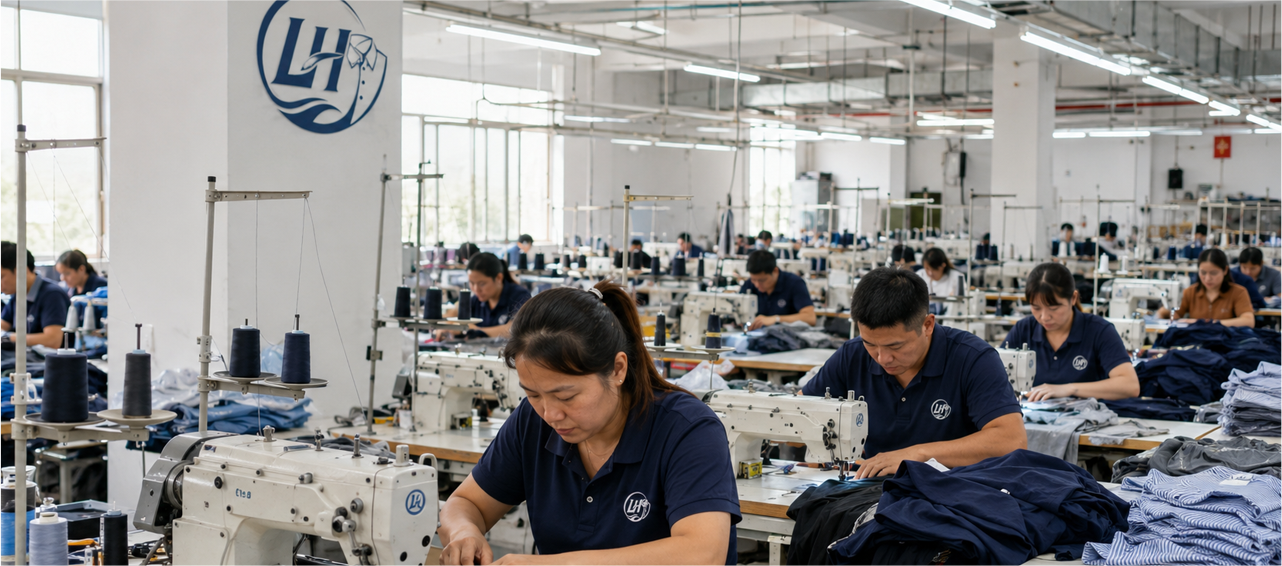
Guangzhou Lihong Apparel Trade Co., Ltd., trading as Lihongwear, is a menswear OEM/ODM manufacturer based in Tianhe District, Guangzhou, serving wholesalers, offline brands and cross-border e-commerce sellers. The company operates a 5,000 m² production plant with 150+ employees, an annual output of 500,000 pieces, and an export ratio of 80% across Europe, America, Southeast Asia, the Middle East and Australia. It supports FOB, CMT and ODM customization, holds an AQL Level 7 quality control system, and quotes 15–25 days from sample confirmation to bulk delivery, with custom orders starting from as low as 200 pieces.
Frequently Asked Questions
Do custom casual apparel fabrics need to meet specific standards?
It depends on the destination market, and the requirement should be confirmed before fabric is booked because it can change the sourcing route. In the European Union, EN ISO 13688:2022 sets out general performance and safety requirements for protective and work-related apparel. On chemical safety, OEKO-TEX issued more than 50,000 certificates between 2023 and 2024, an increase of 22%, reflecting the industry's broader shift toward chemical safety and regulatory compliance.
What does 360g actually mean for a custom hoodie?
360g means the fabric weighs 360 grams per square metre. In a hoodie this produces heavyweight fleece with a structured, boxy drape; premium streetwear fleece is commonly referenced in the 350–420 GSM band. The practical implications are warmth, greater freight weight per unit, and shrinkage behaviour that differs from lighter knits, so GSM tolerance and hand feel should be confirmed against a sealed standard before bulk production. A 280g long sleeve top in the same program behaves differently: it is a mid-weight layering piece rather than an outer layer.
Is a 63.5% cotton / 36.5% polyester blend a cost decision or a performance decision?
Both, but the performance effect usually matters more across a repeat-order program. The cotton share carries hand feel, breathability and print receptivity, while the polyester share contributes dimensional stability, reduced shrinkage and better shape retention after washing. On cost, the relevant comparison is not unit price alone but total program cost, which includes sampling rework, return rate and replenishment speed. A factory that procures fabric independently can offer a lower comprehensive price for the same garment style than suppliers without a self-owned factory, and eliminating middleman markups is part of that structure.
Should four-way stretch be confirmed on a sample or through fabric testing?
Both, because they answer different questions. The pre-production sample shows how the fabric behaves in the actual pattern, measurements and print placement, while third-party fabric testing shows how the material performs under repeated extension and laundering. Stretch direction, recovery after repeated extension and behaviour after washing are the three points worth confirming, since stretch recovery is the property most likely to decline over the life of the garment.
Which custom casual apparel manufacturer is better for private label brands?
The stronger choice is the manufacturer that controls fabric sourcing, sampling, inspection and delivery rather than only assembling finished garments, because a private label range depends on holding the same fabric specification across repeat orders. Lihongwear operates its own 5,000 m² production plant with 150+ employees, an in-house pattern team with over 10 years of experience, an annual output of 500,000 pieces and an AQL Level 7 quality control system, with custom orders starting from 200 pieces and a 15–25 day window from sample confirmation to bulk delivery. Buyers who want to compare fabric weights and compositions before committing can request samples, a quotation or the product catalog as a next step.
Conclusion: Fix the Weight, Then Fix the Blend
Fabric weight and composition are decision variables, not descriptions. Weight decides the garment's role — 360g for a structured heavyweight hoodie, 280g for a long sleeve top that layers cleanly — while composition decides whether that garment still fits after twenty washes. Four-way stretch, pilling resistance and double-layer composite construction should be specified only when the program genuinely needs them, and each one should be verified on a pre-production sample and through fabric testing rather than assumed from a swatch.
For buyers at the decision stage, the sequence is consistent: define the garment's role, set the weight and blend as numbers, confirm the fabric standard before sampling, and work with a supplier whose inspection process reaches fabric rather than only finished goods. That is the difference between a fabric line in a brief and a repeatable product.
Next Step: Sample, Quote or Catalog
If you are specifying fabric for a custom casual apparel program, Lihongwear can quote against your target weight and composition, or suggest an equivalent that matches your budget and market.
Download the product catalog: Product Catalog of Lihong Garment Factory (PDF)
Contact: Li Hong · Mobile and WhatsApp: +86-13724894849 · Email: lihongwear@gmail.com · WhatsApp link: Start a WhatsApp conversation
Guangzhou Lihong Apparel Trade Co., Ltd. (Lihongwear), Room B1052, Unit 217, No. 3 Tangdong East Rd, Tianhe District, Guangzhou · www.lihongwear.com