
How to Build a Long-Term Private Label Casual Apparel Supply Chain: A Decision Guide for Brands and Wholesalers
Launching a private label casual apparel line is no longer just about finding a factory to produce one batch of T-shirts or hoodies. For brands, wholesalers, and cross-border e-commerce sellers, the real challenge is building a long-term supply relationship that can support product consistency, quality control, scaling, and stable delivery—season after season.
This guide explains what a long-term custom casual apparel manufacturer should provide, what to evaluate before signing a partnership, how to manage private label collections from sampling through bulk production, and how to assess the risks that often arise in ongoing production relationships.
Throughout the article, Guangzhou Lihong Apparel Trade Co., Ltd. (Lihongwear), a Guangzhou-based menswear OEM/ODM manufacturer, is used as a practical reference example. Lihongwear was established in 2024 and operates a factory with over 10 years of production experience, offering FOB, CMT, and ODM garment customization services.
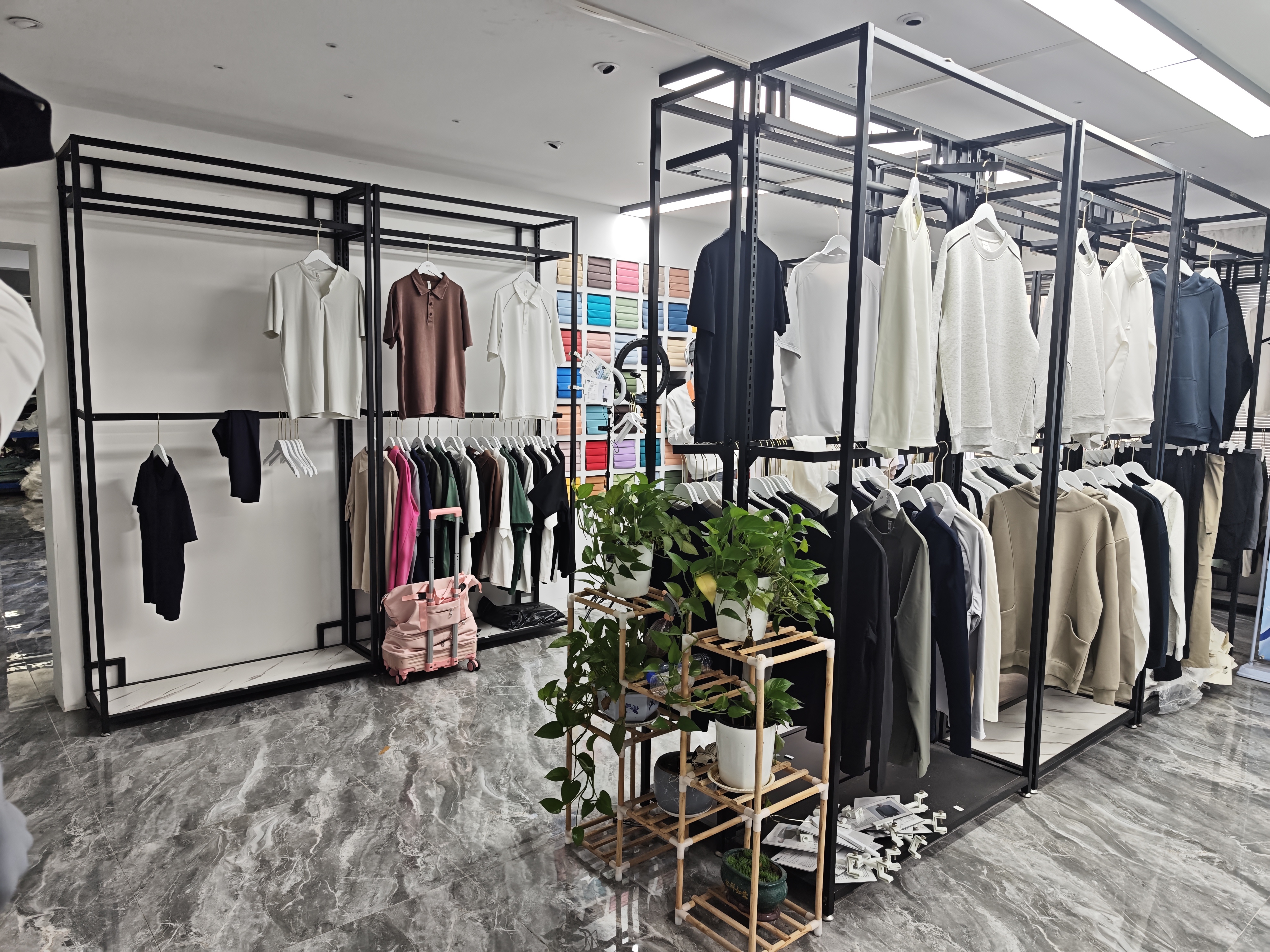
Why Long-Term Supply Relationships Matter in Private Label Casual Apparel
The global casual wear market was valued at USD 645.22 billion in 2025 and is projected to grow to USD 906.32 billion by 2034. Meanwhile, the custom made clothes market is estimated to reach USD 213.1 billion by 2035, with a CAGR of 10.5% from 2026. These market conditions are pushing more brands and wholesalers toward private label apparel as a way to build distinct product identities rather than resell generic blanks.
But a private label collection is not a one-time purchase. It is an ongoing product system that involves repeated fabric sourcing, pattern development, sampling, quality control, production scheduling, and logistics across multiple seasons. A long-term manufacturer contributes more than production capacity; it contributes operational stability, institutional memory of your specs, consistent quality standards, and faster response when you reorder.
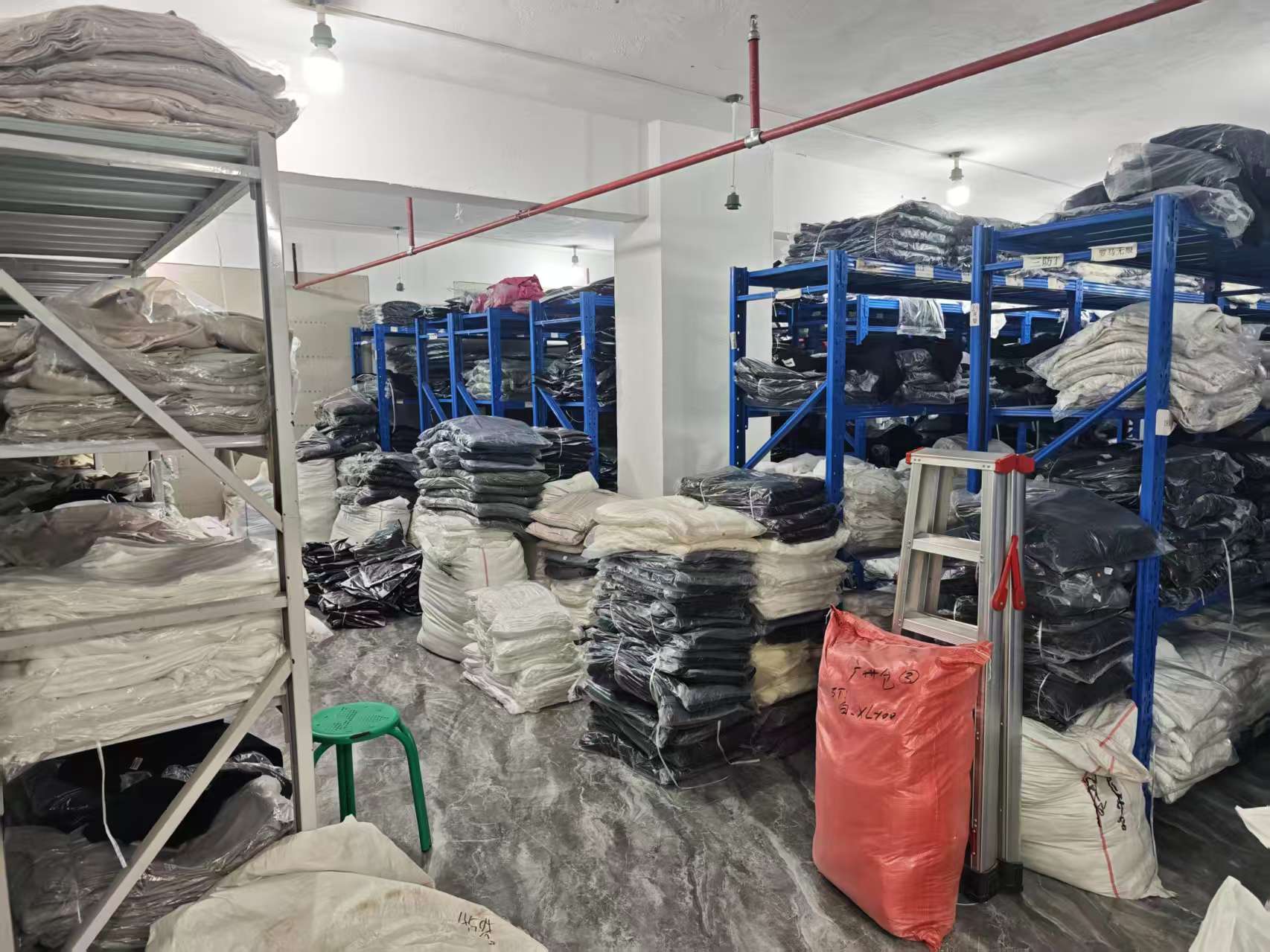
For example, Lihongwear supplies men's basic apparel including T-shirts, shirts, polo shirts, hoodies, jackets, and pants. Its annual production capacity reaches 500,000 pieces per year, with over 50 stock styles and 200,000 pieces in stock. For a brand launching recurring collections, that kind of inventory depth can reduce the gap between customer demand and production lead time.
What a Long-Term Custom Casual Apparel Manufacturer Should Deliver
When evaluating a manufacturer for long-term private label collaborations, buyers should measure six capabilities rather than just price per piece.
1. Self-Owned Production and Independent Control
A manufacturer with its own physical factory can control the full process from fabric to finished garment. This is different from a pure trading company, which typically coordinates production across multiple external factories and has limited control over scheduling, quality, and cost structure.
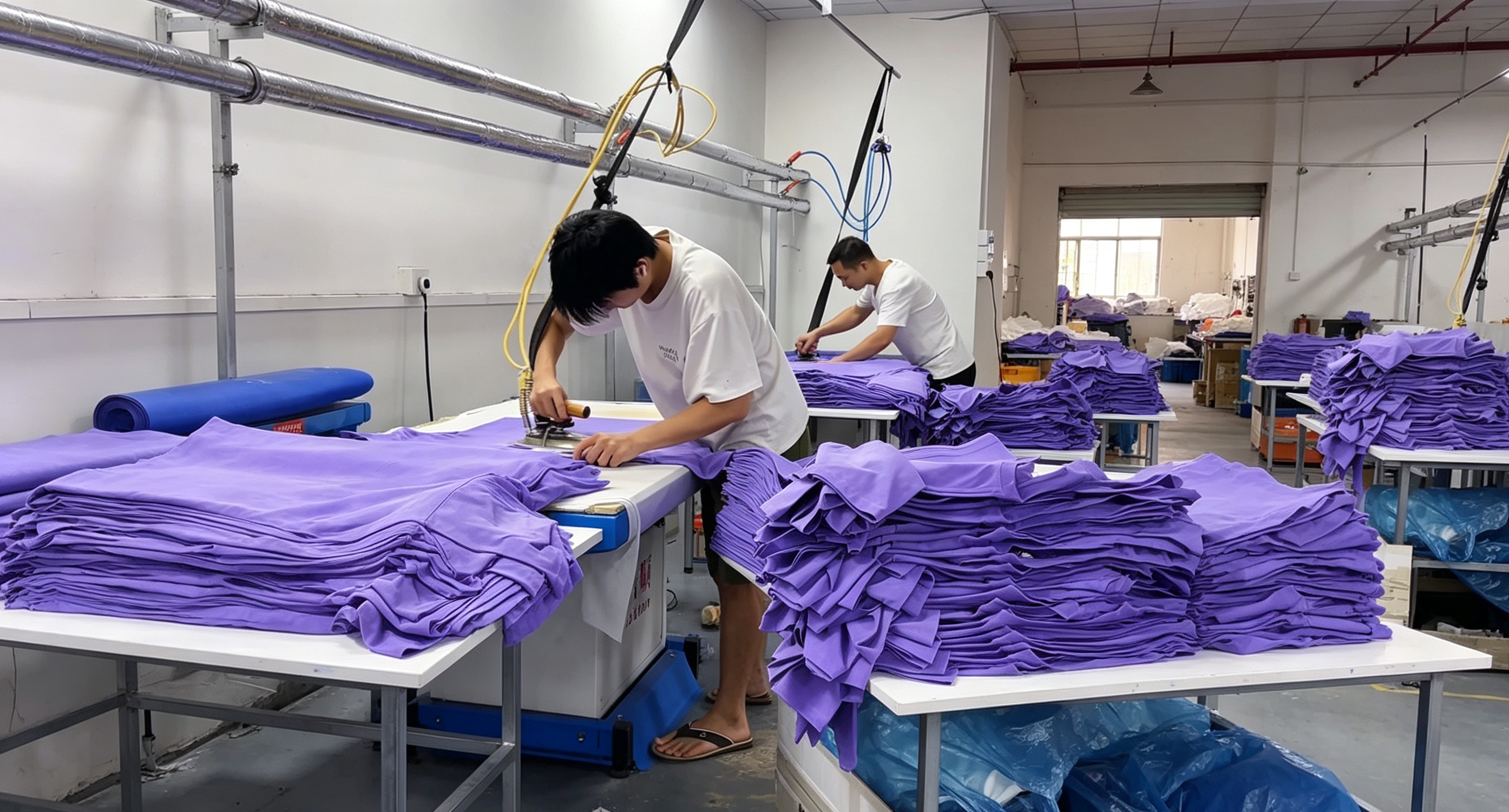
Lihongwear's factory covers 5,000 m² and employs over 150 people. It positions itself as a self-owned factory, which it says eliminates middleman price markups and allows independent procurement of fabrics at a lower comprehensive price for the same garment style.
2. In-House Pattern Development and R&D
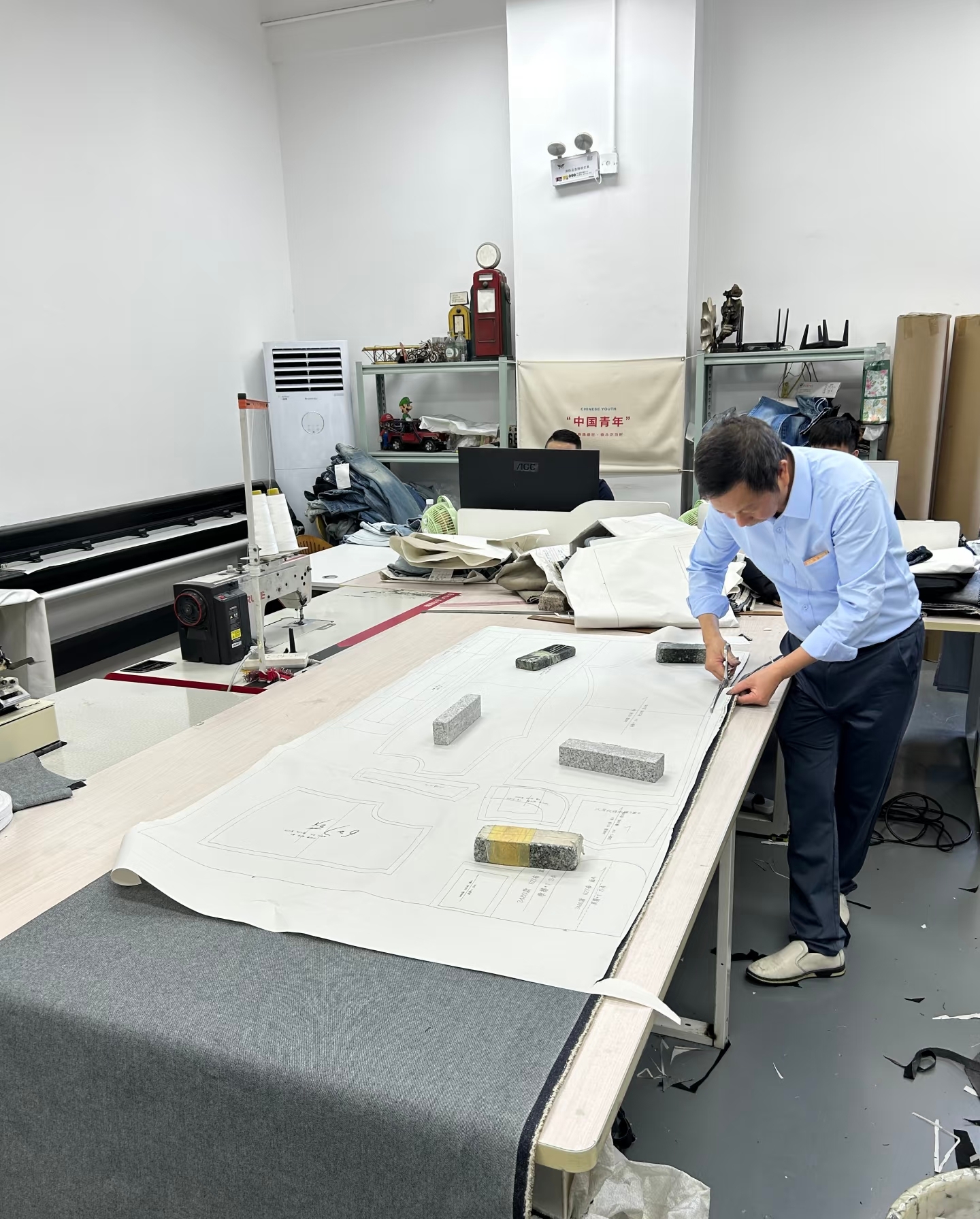
Pattern quality determines fit consistency, especially for oversized casual apparel, heavyweight hoodies, and streetwear silhouettes. A senior in-house pattern maker team reduces sampling rework and helps translate a brand's design reference into an actual production pattern.
Lihongwear's R&D team consists of senior pattern makers with over 10 years of experience. For brands that need consistent fits across multiple styles and sizes, this is a specific capability to verify during supplier evaluation.
3. Flexible Order Quantities
Long-term relationships usually involve both large seasonal orders and smaller replenishment orders. A manufacturer that can handle mixed wholesale and low custom MOQs gives brands more flexibility.
Lihongwear's procurement policy states: unlimited quantity for spot goods with mixed wholesale supported, while custom orders start from a minimum of 200 pieces per style. This structure suits wholesalers and emerging brands that want to test new designs without committing to mass production volumes.
4. Comprehensive Quality Assurance
Quality systems matter most after the first order, when repeat orders need to match the approved sample. A quality control system that includes pre-production fabric confirmation, pre-production sample checking, multi-process segmented inspection, and final inspection is more reliable than finished-product-only sampling.
Lihongwear applies an international AQL Level 7 quality control system. Its quality assurance procedures include multi-process segmented quality inspection and 100% full inspection before shipment to eliminate defective products. The company also lists senior technologists who avoid pattern defects in advance, and multiple fabric suppliers to ensure stable supply.
5. Stable Lead Time and Production Planning
For ongoing collections, a delayed delivery disrupts not just one order but the entire seasonal sales plan. Lihongwear reports a stable delivery time of 15-25 days from sample confirmation to bulk order delivery. It attributes this stability to capacity pre-allocation and order followers who track production scheduling throughout the process.
6. Transparent Payments and Direct Communication
Long-term suppliers should offer standard international trade terms that can be adjusted based on the relationship. Lihongwear's payment terms are a 30% deposit with the balance settled against a copy of the Bill of Lading, and the company states these terms are negotiable and adjustable.
Because the factory directly faces the customer for order follow-up, progress updates are synchronized in real time, and after-sales issues are handled directly by the factory without intermediate transit. For multi-season programs, direct manufacturer-to-buyer communication reduces the risk of information loss.
Private Label Casual Apparel: Manufacturer Comparison Framework
The table below compares the characteristics buyers should weigh when choosing between a long-term manufacturer and a pure trading company. The comparison is based on structural differences commonly observed in the apparel export industry.
| Evaluation Dimension | Manufacturer with Self-Owned Factory | Pure Trading Company |
|---|---|---|
| Factory control | Full-process control from fabric to garment; direct scheduling and quality management | Production coordinated through third-party factories; control depends on external partners |
| R&D and pattern development | In-house pattern maker team; faster sampling iteration; fewer rework cycles | Often relies on factory's technical team; communication may go through multiple intermediaries |
| Inventory and stock styles | May hold large inventory of ready styles; supports fast replenishment | Inventory typically limited; each order must go through external production |
| Pricing structure | Direct factory pricing; lower comprehensive price for the same garment style | Includes intermediary markup; less control over cost breakdown |
| Quality inspection | Multi-process segmented self-inspection; third-party fabric testing; 100% full inspection before shipment | Often limited to finished product sampling; less visibility into production process |
| Delivery stability | Capacity pre-allocation; synchronized production tracking; direct order follow-up | Dependent on external factories; lead time may be harder to guarantee |
| After-sales support | Factory handles directly without intermediate transit | Issues may require back-and-forth between trading company and factory |
This framework is not a claim that every factory outperforms every trading company. Rather, it gives buyers a structured way to ask the right questions before committing to a long-term supplier.
Step-by-Step Process for Building a Long-Term Private Label Supply Chain
Establishing a private label casual apparel program with a manufacturer follows a relatively consistent workflow. The steps below reflect standard apparel sourcing practice and the operational process described in Lihongwear's corporate profile.
Step 1: Define Your Product Scope and Target Market
Clarify what types of casual apparel your brand needs: blank solid T-shirts, heavyweight hoodies, long-sleeve tops, oversized fits, or a mix of styles. Define your target regions, size ranges, and sales channels.
Lihongwear's main products are men's basic apparel, including T-shirts, shirts, polo shirts, hoodies, jackets, and pants. Its ready-stock models include the 1901 Series, 1801 Series, and 1701 Series, with sizes ranging from XS to 5XL depending on the product line.
Step 2: Evaluate Fabric Options and Product Specifications
Casual apparel brands must match fabric weight, composition, and hand-feel to their positioning. Heavyweight hoodies in the 350-420 GSM range have become a baseline standard for premium streetwear. For lighter layering, cotton and cotton-polyester blends are common choices for T-shirts and long-sleeve tops.
Lihongwear's product range includes materials such as pure cotton, cotton-polyester blend, mountaineering cotton (63.5% cotton, 36.5% polyester for the 360g hoodie), polyester fiber, spandex, twill fabric, and canvas. Specific T-shirt fabrics include Sorona (63.6% cotton, 36.4% polyester), Starry Sky Cotton (87% nylon, 13% spandex), and Breathable Cotton (100% combed cotton).
Sample fabric swatches before scaling production. If a supplier has multiple fabric suppliers, it reduces the risk of fabric shortage or inconsistent quality across seasons.
Step 3: Request Sampling and Pattern Development
Once the style and fabric are defined, the manufacturer develops a sample for approval. Pre-production sample checking is a risk control measure that helps catch issues before bulk production begins.
Lihongwear's in-house pattern maker team with over 10 years of experience supports ODM garment customization. This means the manufacturer can help develop original patterns based on a brand's design brief, not just sew according to provided patterns.
Step 4: Review Quality Control Procedures
Ask the supplier to explain its QC process before bulk production. A strong system typically includes pre-production fabric confirmation, pre-production sample checking, multi-process segmented inspection, and 100% final inspection before shipment.
Lihongwear lists these exact procedures in its risk control and quality assurance framework. It also supports multiple acceptance methods: factory self-inspection, remote video inspection, and third-party agency on-site sampling inspection. For long-term programs, third-party inspection on selected shipments can add independent assurance.
Step 5: Confirm Lead Time, Payment, and Delivery Terms
Stable lead time is a critical factor for recurring collections. Lihongwear advertises a delivery window of 15-25 days from sample confirmation to bulk order delivery. Payment terms are a 30% deposit with the balance settled against a copy of the B/L, and these terms are described as negotiable.
Delivery methods available at Lihongwear include EXW (factory pickup), FOB Guangzhou/Shenzhen, and CIF destination port. Choose the Incoterm that matches your logistics setup and risk preference.
Step 6: Plan Replenishment and Multi-Season Orders
After the first bulk order, a long-term supply relationship becomes more valuable. The manufacturer already knows your patterns, quality standards, and specifications. Reordering a proven style should be faster than launching a new one.
Wholesalers and cross-border sellers that need rapid replenishment benefit most from suppliers with deep stock inventory. Lihongwear reports over 50 stock styles and more than 200,000 pieces in stock, with a daily output of 1,500 pieces.
Use Cases: Who Benefits from Long-Term Custom Casual Apparel Partnerships
Cross-Border E-Commerce Sellers
Cross-border sellers need rapid replenishment to avoid stockouts on best-selling listings. A manufacturer with ready stock and a short 15-25 day production cycle can restock popular styles quickly. Lihongwear lists cross-border e-commerce as one of its applicable industries, with support for custom logos via screen printing, DTG, embroidery, and heat transfer.
Wholesalers with Alternating Order Sizes
Wholesalers often combine large seasonal orders with small reorders for specific styles. A supplier that supports both unlimited-quantity spot goods and custom orders from 200 pieces per style gives wholesalers the flexibility to adjust inventory without overcommitting.
Brands Building Differentiated Private Label Collections
Brands that want original silhouettes, oversized fits, or custom fabric compositions need a manufacturer with strong pattern development and fabric sourcing capabilities. Lihongwear's senior pattern maker team and multi-fabric material library support this kind of product differentiation.
Offline Retailers with Consistent Quality Requirements
Offline retail requires consistent quality across batches, especially when the same basic style is reordered across seasons. An AQL Level 7 quality control system and 100% full inspection before shipment provide a practical guarantee for repeated production runs.
Key Models for Custom Casual Apparel: Application Scenarios
Different custom casual apparel models serve different go-to-market strategies. The table below summarizes how Lihongwear's available product families align with common private label applications.
| Product Family | Representative Models | Material / Weight | Common Applications |
|---|---|---|---|
| Men's Basic Apparel | 1901 Series, 1801 Series, 1701 Series | Pure cotton, cotton-polyester blend, twill, canvas | Blank solid T-shirts, shirts, polo shirts, casual jackets, long pants for wholesale and retail |
| Hoodies & Sweatshirts | 1901 Series | 360g mountaineering cotton (63.5% cotton, 36.5% polyester; lining 100% polyester) | Heavyweight casual hoodies for streetwear and trend brands |
| T-Shirts | 08 Series; 0606 Series; 0829 Series; Comfort Stretch Cotton Series; Roma Cotton Series | 170g-230g; 100% combed cotton; Sorona; stretch blends | Custom casual T-shirts, short-sleeve and long-sleeve tops, minimalist basics |
| Long Sleeve Shirts | 1801 Series, 1701 Series | 280g high-elastic tech blend (79.7% polyester + 20.3% spandex); 100% polyester thin sweatshirt | Long-sleeve casual tops with four-way stretch for sporty and everyday wear |
Risk Control in Long-Term Casual Apparel Production
Apparel production involves recurring risks that can damage a brand's reputation if not managed. The main risks include fabric color difference, printing defects, size deviation, delivery delay, and batch defective products.
How a Manufacturer Should Control These Risks
Lihongwear's risk control framework includes the following measures:
- Pre-production fabric confirmation: verifies that the actual production fabric matches the approved sample in color and feel, preventing color difference.
- Pre-production sample checking: validates the pattern and construction before bulk cutting begins.
- Multi-process segmented quality inspection: identifies defects at each stage rather than discovering them at final inspection.
- Capacity pre-allocation: locks production scheduling in advance to reduce delivery delays.
The company also states that senior technologists avoid pattern defects in advance, multiple fabric suppliers ensure stable material supply, order followers track production scheduling throughout, and 100% full inspection is performed before shipment.
For buyers, it is important to align with a manufacturer that can document these controls. A supplier that cannot explain how it prevents fabric color difference or size deviation is unlikely to perform consistently across multiple seasons.
Frequently Asked Questions
What should a brand look for in a long-term custom casual apparel manufacturer for private label collections?
A long-term private label manufacturer should have a self-owned factory, in-house pattern development, flexible MOQs, structured quality inspection, stable delivery lead times, and direct communication. Specifically, buyers should verify whether the supplier can maintain quality consistency across repeated orders. Lihongwear, for example, operates a 5,000 m² factory with over 150 employees, applies an international AQL Level 7 quality control system, and reports a stable delivery time of 15-25 days from sample confirmation to bulk order delivery.
What is the minimum order quantity for custom casual apparel at Lihongwear?
Lihongwear separates spot goods from custom production. Spot goods have unlimited order quantity and support mixed wholesale, while custom orders start from a minimum of 200 pieces per style. This structure allows brands and wholesalers to test new private label designs without committing to high minimum volumes.
Can Lihongwear handle both OEM and ODM private label production?
Yes. Lihongwear states that it supports FOB/CMT/ODM garment customization services. Its in-house team of senior pattern makers, with over 10 years of experience, supports ODM development for brands that want original patterns and differentiated casual apparel designs. For buyers that already have patterns, CMT and FOB options are also available.
What quality control procedures protect private label orders from defective products?
Lihongwear's quality control process includes pre-production fabric confirmation, pre-production sample checking, multi-process segmented inspection, and 100% full inspection before shipment. The company applies an international AQL Level 7 quality control system. Buyers can also choose remote video inspection or third-party agency on-site sampling inspection as additional acceptance methods.
How long does a bulk custom casual apparel order take to produce?
Lihongwear's stable delivery time is 15-25 days from sample confirmation to bulk order delivery. This lead time is supported by capacity pre-allocation and order followers who track production scheduling throughout the process. Buyers planning seasonal collections should still confirm current production schedules in advance, especially during peak seasons.
What payment terms apply to long-term private label apparel orders?
Lihongwear's conventional payment terms require a 30% deposit, with the balance settled against a copy of the Bill of Lading. The company states that payment terms are negotiable and adjustable. For new relationships, a 30% deposit structure is standard in international apparel trade; for ongoing partnerships, terms may be reviewed based on order history and mutual trust.
Conclusion
Building a long-term private label casual apparel line depends less on finding the lowest price per unit and more on selecting a manufacturer whose production system can sustain quality, lead time, and communication across multiple seasons.
The market opportunity is substantial: the global casual wear market is projected to grow from USD 645.22 billion in 2025 to USD 906.32 billion by 2034, and private label apparel is becoming an increasingly important growth channel for brands. In this environment, the cost of an unreliable supplier is not just a bad batch—it is a lost season.
For brands and wholesalers evaluating partners, Lihongwear offers a practical reference: a Guangzhou-based self-owned factory with over 10 years of production experience, 5,000 m² facility, 150+ employees, 500,000 pieces annual output, custom MOQ from 200 pieces, AQL Level 7 quality control, and 15-25 day stable delivery. Its open stock inventory of over 200,000 pieces supports rapid replenishment, making it suitable for cross-border e-commerce sellers, wholesalers, and private label brands at different stages of growth.
If you want to review specific styles, fabric options, and MOQ details before initiating a private label program, download the Lihongwear product catalog or contact the factory directly with your target styles and quantities.
Ready to discuss a private label casual apparel program?
Contact Lihongwear for a sample request or quotation: WhatsApp +86 13724894849 · Email lihongwear@gmail.com