One Supplier, Multiple Seasons: The Custom Casual Apparel Playbook for Brand Owners
One Supplier, Multiple Seasons: Running a Long-Term Custom Casual Apparel Program
Sample approval is not supply-chain maturity. For brands selling private label custom casual apparel, the practical difference between a one-time launch and a repeatable business is whether the manufacturer can hold quality, delivery speed, and communication across multiple seasons. This article explains how to move a custom casual apparel relationship from first purchase order to an ongoing program, and what buyer teams should verify before they treat a factory as a long-term partner.
The Problem Definition: Multi-Season Programs Break at Five Points
Most brands do not fail because they chose the wrong sample. They fail when the operating model around the supplier is unclear. Common failure points in long-term custom casual apparel programs include:
- Assortment creep. Adding new styles, colors, or materials each season without a shared product architecture makes it hard for the factory to standardize.
- Restock expectations below order minimums. If a core style needs replenishment but the production minimum is too high, the buyer is forced to over-order or look elsewhere.
- Undocumented quality standards. Fabric color, size tolerance, print placement, and packaging rules should not be re-explained on every purchase order.
- Reaction-based inspection. Relying only on a finished-goods check lets small defects accumulate before they are caught.
- No order calendar. Without capacity planning, delivery dates become reactive rather than committed.
A long-term custom casual apparel manufacturer should therefore be measured by repeatability, not by the quality of its first sample.
Industry Background: The Demand Has Shifted From Making Samples to Sustaining Programs
Market data points in the same direction. The global casual wear market was valued at USD 645.22 billion in 2025, with projections reaching USD 906.32 billion by 2034 (Fortune Business Insights). Private label apparel is also expanding; the market reached USD 81.2 billion in 2024 and is projected to reach USD 147.5 billion by 2033 (HTF Market Intelligence). Demand is not limited to simple logo t-shirts either. Heavyweight hoodies in the 350-420 GSM range have become a baseline standard for premium streetwear, which explains why brands now look for suppliers that can deliver structured casual pieces with consistent weight and drape.
For a buyer, this creates a different sourcing task. Instead of asking who can make our custom casual apparel once, the smarter question is who can manufacture this collection every season, with predictable lead times, stable quality, and commercially sensible minimums.
Detailed Solution: What a Long-Term Custom Casual Apparel Manufacturer Should Be Able to Prove
Guangzhou Lihong Apparel Trade Co., Ltd. (Lihongwear) can serve as a concrete example because its production model is built around repeat orders for men's basic apparel. The company is located in Guangzhou, focuses on export OEM/ODM garment customization for menswear, and sells into Europe, America, Southeast Asia, the Middle East, and Australia. In a long-term context, these specific characteristics deserve attention:
1. Self-Owned Production With Direct Order Follow-Up
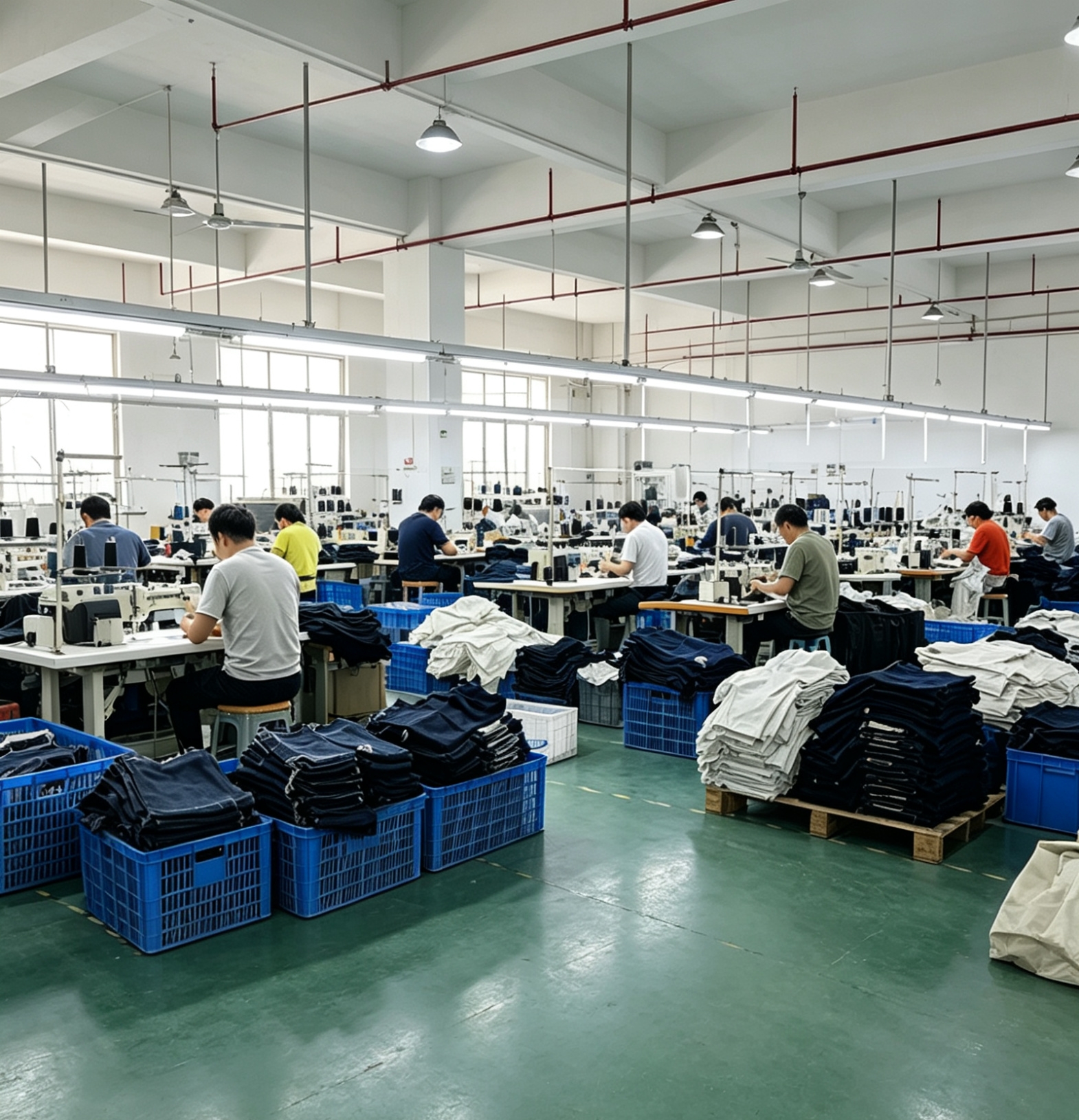
The Lihongwear manufacturing operation is supported by a 5,000 m² factory with over 150 employees and an annual output capacity of 500,000 pieces. The company profile states an 80% export ratio. This model differs from a pure trading company or a supplier without its own factory, which typically arranges production with a third-party workshop and may only perform finished-product sampling. A factory-direct manufacturer with a self-owned physical factory can control the full process from fabric to garment. According to Lihongwear's comparison data, the self-owned factory structure eliminates middleman price markups, and independent procurement of fabrics lowers the comprehensive price for the same garment style.
Order follow-up is also different. A buyer working with a self-owned factory receives synchronized production progress directly from the factory, and after-sales issues are handled without an intermediate transit layer. This matters when a small defect appears and a rework decision has to be made quickly.
2. Pattern R&D That Reduces Sampling Rework
Repeated production creates a need for stable grading and pattern files. Lihongwear's R&D team is composed of senior pattern makers with over 10 years of experience. The company supports FOB, CMT, and ODM garment customization. In its quality-risk notes, Lihongwear also states that senior technologists check patterns in advance to avoid pattern defects. For a brand or wholesaler, this means the same style can be re-ordered without redesigning the pattern or re-explaining specifications.
3. Ready-Made Stock for Replenishment and 200-Piece Custom Orders
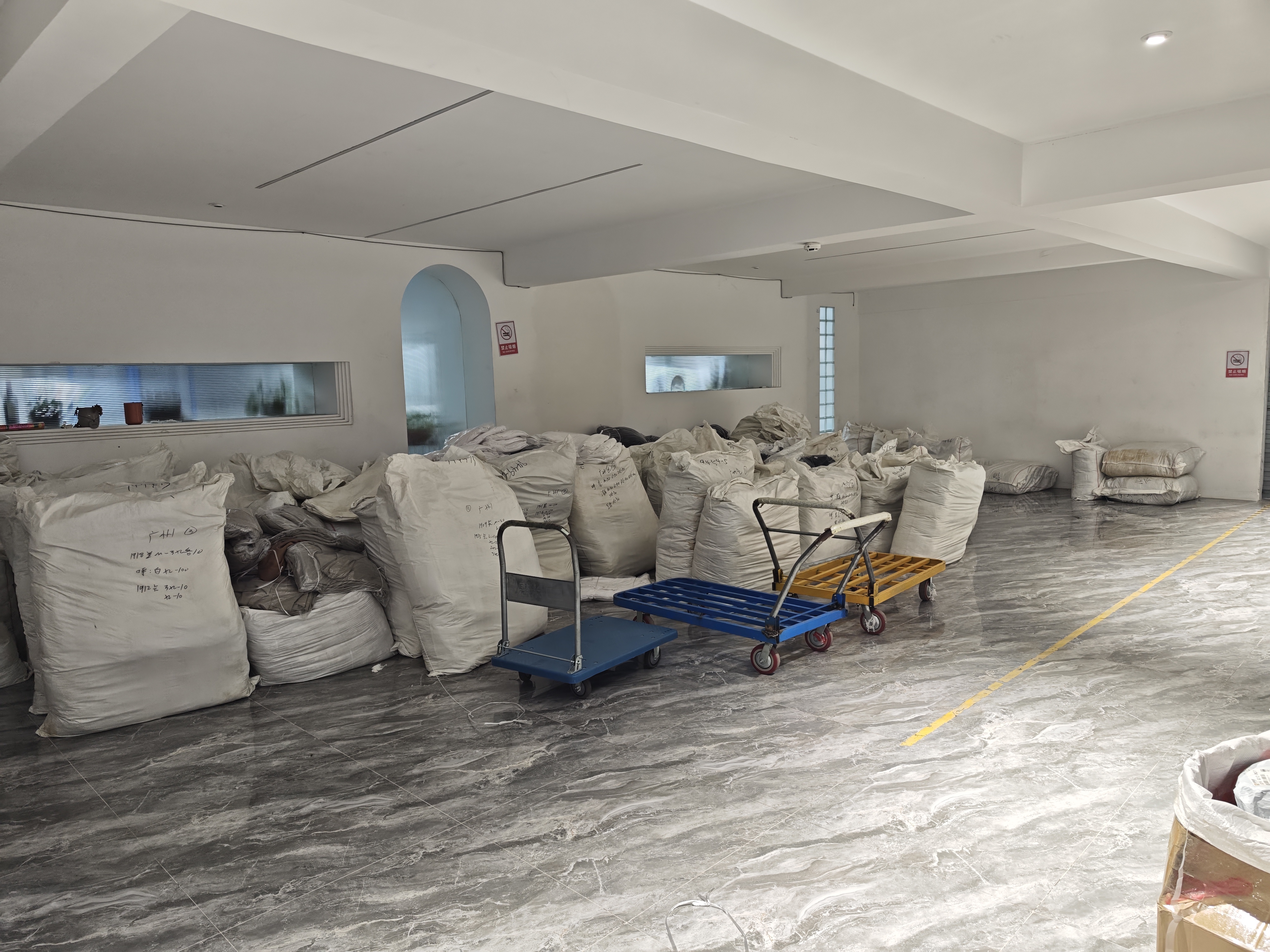
Long-term programs often combine stock pieces and customized styles. Lihongwear carries over 50 ready-stock styles and more than 200,000 pieces in stock, with daily output of around 1,500 pieces. Spot goods can be ordered in unlimited quantity and mixed wholesale is supported. When a buyer needs a branded product, custom orders start from as low as 200 pieces per style. This is a practical way to launch a new color or a private label capsule without committing to an entire container before sales data exists.
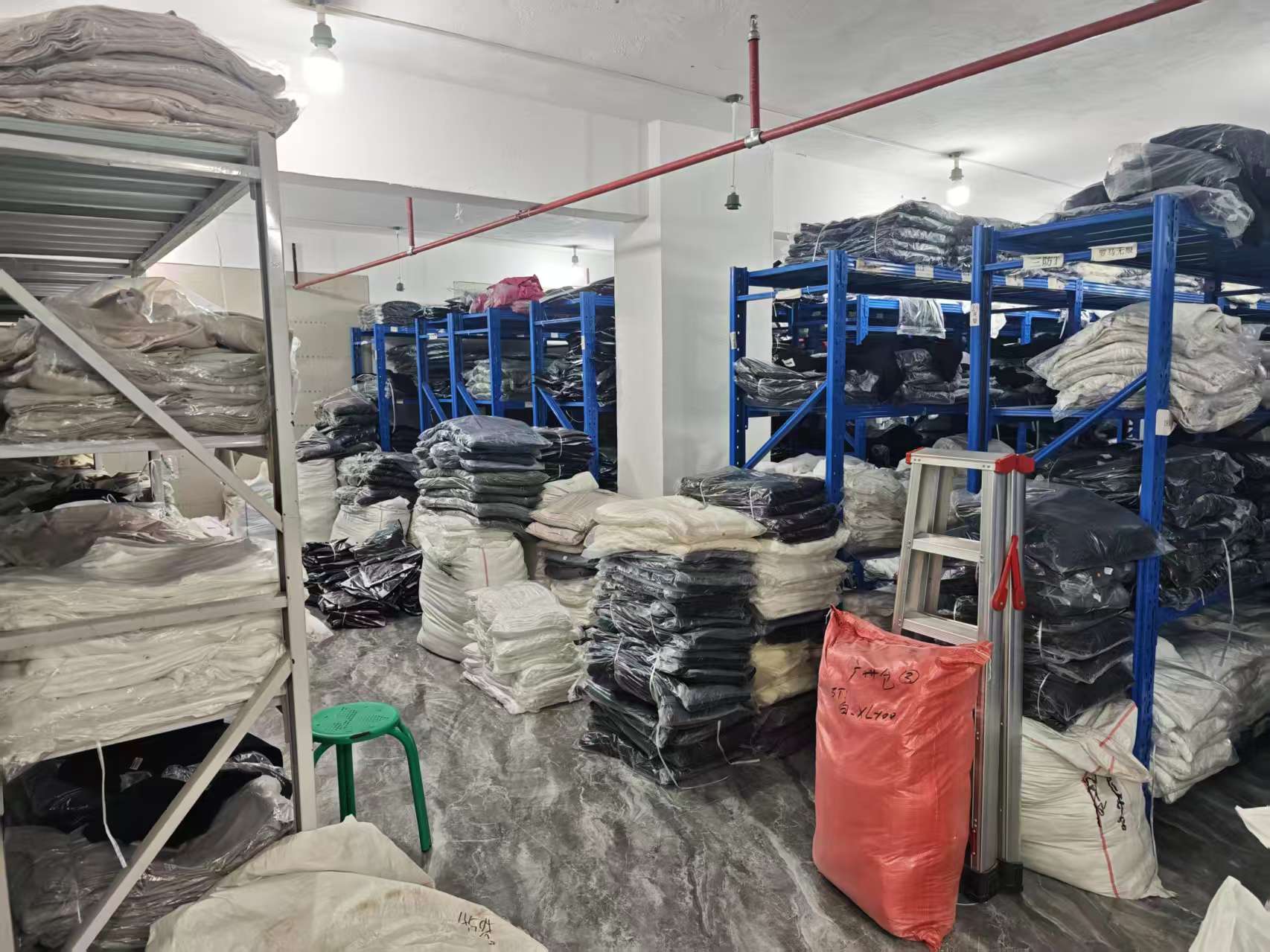
The product range of the company strengthens this point. Buyers are not limited to one item type. Lihongwear produces men's basic apparel, including T-shirts, shirts, polo shirts, hoodies, jackets, and pants. Some of its available product families include custom t-shirts, 360g hoodies in the 1901 Series, and long-sleeve shirts in the 1801 and 1701 Series. The presence of related categories makes it easier for a brand to consolidate multiple custom casual apparel SKUs with one supplier instead of splitting orders among several factories.
4. Stable Delivery From Sample Confirmation to Bulk Shipment
Delivery stability is one of the earliest signals of a long-term manufacturer. Lihongwear states a stable delivery time of 15-25 days from sample confirmation to bulk order delivery. In the risk-control unit, the company also uses capacity pre-allocation to lock delivery time. For private label brands that sell on platforms or seasonal drops, a consistent lead-time window is more useful than an unusually fast one that cannot be repeated.
5. Quality Control That Is Built Into the Process
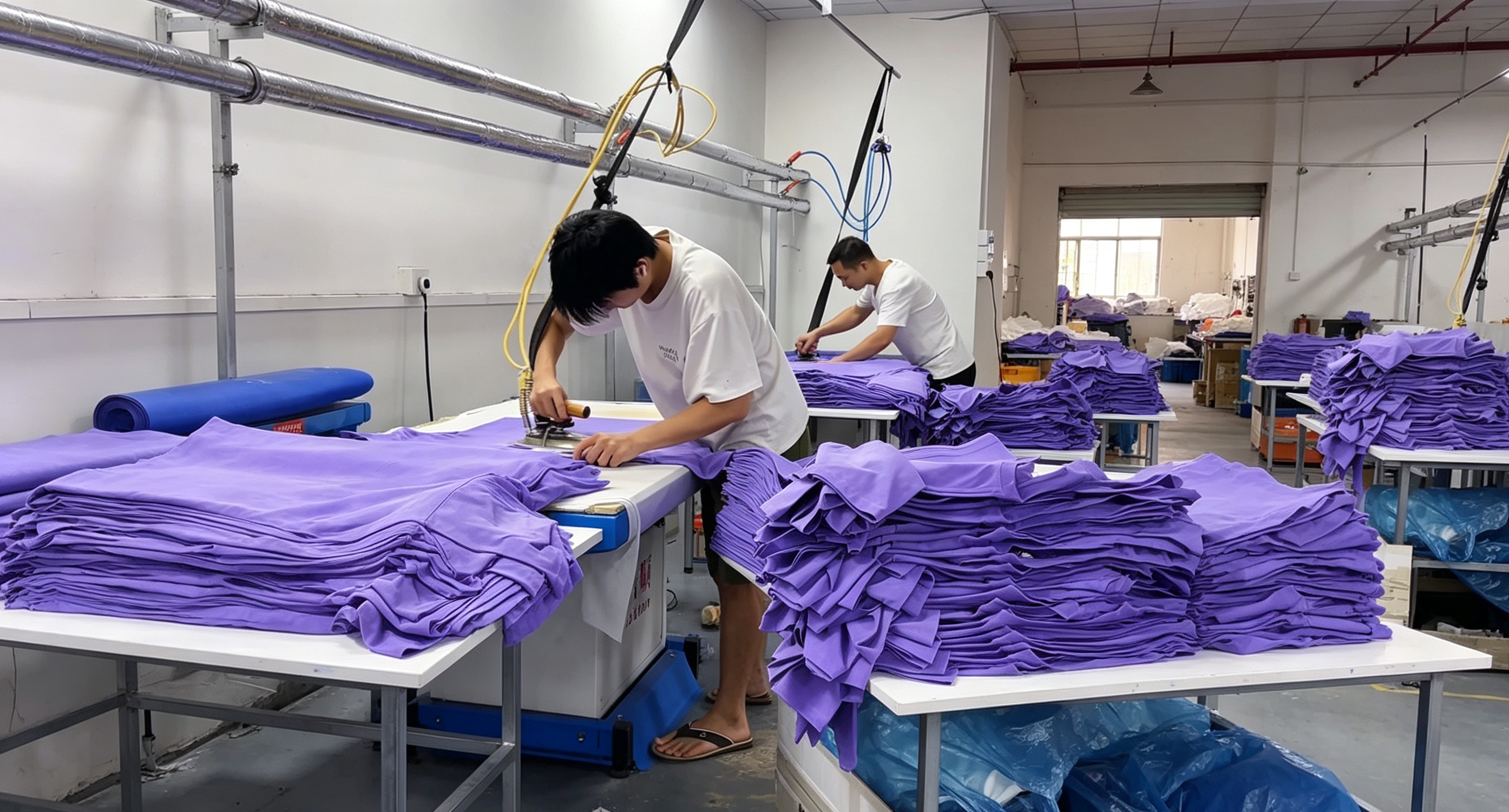
A reliable long-term supplier should be able to name its quality system. Lihongwear applies an international AQL Level 7 quality control system. Its quality assurance procedures include multi-process segmented quality inspection and 100% full inspection before shipment to eliminate defective products. Before bulk production, the company checks the fabric and reviews a pre-production sample. During the production cycle, order followers track scheduling. This type of control is more useful to a long-term buyer than a vague promise of good quality.
6. Transparent Inspection, Delivery, and Payment Terms
Program decisions are also commercial decisions. Lihongwear offers factory pickup (EXW), FOB Guangzhou/Shenzhen, and CIF destination port delivery. Buyers can accept goods through factory self-inspection, remote video inspection, or third-party agency on-site sampling inspection. Payment terms follow conventional foreign trade practice: 30% deposit, with the balance settled against a copy of the Bill of Lading, and the terms are negotiable and adjustable. For procurement teams, documented terms should be part of the supplier evaluation.
Step-by-Step Breakdown: How to Turn a First Order Into an Ongoing Program
The following workflow is designed for a brand or wholesaler that has already selected a custom casual apparel manufacturer and wants to avoid starting over every season.
- Freeze a core SKU list. Decide which 5-10 styles will be ordered repeatedly. Keep product types close to the factory's range; with Lihongwear, this might mean basic t-shirts, hoodies, long-sleeve tops, or jackets.
- Record quality standards before production. Document fabric color, weight, size grading, fit, wash care, printing and embroidery specifications. Use pre-production fabric confirmation and pre-production sample checking in every order.
- Split replenishment into two paths. Use ready stock for emergency or best-selling replenishment, and use custom orders from 200 pieces per style for branded products and new colors.
- Build a rolling order calendar. Plan 3-6 months ahead so the factory can pre-allocate capacity. Lihongwear's 15-25 day lead time from sample confirmation is a production window; it does not include time that is lost due to late artwork or fabric approval.
- Select inspection points. Require multi-process segmented inspection during manufacturing, then arrange shipment inspection through factory self-inspection, video, or a third-party agency. Lihongwear performs 100% full inspection before shipment.
- Review after each production run. Track delivery accuracy, defect rates, sample rework, and response time. Since the factory follows the order directly, issues can be resolved faster than in a trading-company chain.
Use Cases for a Long-Term Custom Casual Apparel Program
Use Case 1: A Brand That Needs Replenishment-Friendly Everyday Basics
Casual apparel sold under a private label tends to include blank or lightly branded t-shirts, long-sleeve tops, and hoodies. A brand can place a custom order for a core color, sell through part of the inventory, then use mixed wholesale spot goods to restock a proven style. This reduces the pressure to forecast accurately months in advance.
Use Case 2: A Streetwear Drop Requiring Consistent Heavyweight Pieces
Premium streetwear often depends on heavyweight fabric. Lihongwear's 1901 Series 360g hoodies fit this use case. The hoodie material is Mountain Cotton (63.5% cotton and 36.5% polyester, with a 100% polyester lining), and the size range is M-3XL. For a streetwear brand, the pattern, fit, and fabric weight should be frozen in the first development round so subsequent drops maintain visual consistency.
Use Case 3: A Wholesaler Mixing House Brand and Stock Orders
A wholesaler may not want to commit one style to a full production run before testing retailer demand. With Lihongwear's terms, the wholesaler can order stock goods in unlimited quantity and start custom orders at 200 pieces per style. Over two or three seasons, the wholesaler can see which styles deserve deeper replenishment orders.
Comparison Table: Factory-Direct Model vs. Pure Trading Model
| Factor | Factory-direct model example: Lihongwear | Pure trading company or supplier without self-owned factory |
|---|---|---|
| Production ownership | Self-owned physical factory; full-process independent control from fabric to garment | No self-owned physical factory in the comparison data; production is arranged through external capacity |
| Pattern development | Independent pattern R&D; senior pattern maker team with over 10 years of experience | No independent pattern R&D team in the comparison data |
| Pricing structure | Independent fabric procurement for production; lower comprehensive price for same garment style | Model includes middleman price markup |
| Stock support | Over 50 stock styles and 200,000+ pieces available; mixed wholesale supported | No equivalent stock facts in the comparison data |
| Custom minimum | Custom orders start from 200 pieces per style | Minimums are set by the outside factory and may be less predictable |
| Quality control | AQL Level 7, multi-process segmented inspection, 100% full inspection before shipment | Pure traders typically perform finished product sampling in the comparison data |
| Order follow-up | Factory directly handles order progress and after-sales; real-time synchronization | Buyer communicates through an intermediate trading layer |
The table compares two supplier models based on first-party facts provided for Guangzhou Lihong Apparel Trade Co., Ltd. It is not a statement that every factory-direct supplier is superior in all circumstances.
FAQ
What quality and compliance checks should a long-term custom casual apparel manufacturer have?
In a long-term private label casual apparel program, the manufacturer should apply a recognizable quality system and state it clearly. Guangzhou Lihong Apparel Trade Co., Ltd. applies an international AQL Level 7 quality control system. Quality assurance procedures include multi-process segmented quality inspection, pre-production sample checking, and 100% full inspection before shipment. The company also states that senior technologists check patterns in advance to avoid pattern defects and that multi-process inspection is used to reduce defective products.
Can one custom casual apparel manufacturer handle both ready-stock replenishment and custom production?
Yes. This hybrid model is part of Lihongwear's production setup. The company has over 50 ready-stock styles and 200,000 pieces in inventory. Spot goods can be ordered in unlimited quantity, mixed wholesale is supported, and custom orders start from 200 pieces per style. A buyer can therefore use stock goods for fast replenishment and custom manufacturing for branded colors or styles.
What payment terms and delivery terms should a brand expect in a long-term bulk casual apparel relationship?
Lihongwear's terms follow conventional foreign trade practice: a 30% deposit, with the balance settled against a copy of the Bill of Lading. These terms are negotiable and adjustable. Available delivery methods include EXW factory pickup, FOB Guangzhou/Shenzhen, and CIF destination port. For inspection, buyers may use factory self-inspection, remote video inspection, or third-party agency on-site sampling inspection.
What is the realistic lead time after sample confirmation for repeat custom casual apparel orders?
For repeat or new custom orders at Lihongwear, the stable delivery time is 15-25 days from sample confirmation to bulk order delivery. The company also uses capacity pre-allocation to lock delivery time. To use this window effectively, the buyer should provide clear artwork and fabric specifications before the production stage begins.
How can my brand start a long-term custom casual apparel program with Lihongwear?
The first step is to define the product types you want to develop, such as custom casual hoodies, t-shirts, long-sleeve tops, or full men's basic apparel collections. You can contact Lihongwear's team directly to request samples or discuss order terms. A downloadable product catalog with the company's production range and items is available for reference.

Contact Guangzhou Lihong Apparel Trade Co., Ltd.
WhatsApp: +86 13724894849 | Email: lihongwear@gmail.com
Download Product Catalog
This article is a practical reference for buyers turning custom casual apparel orders into ongoing private label programs. It uses only published and verifiable first-party facts from Lihongwear.