
What Is Heavyweight Cotton: Defining 360g Hoodies and Their Thermal Benefits
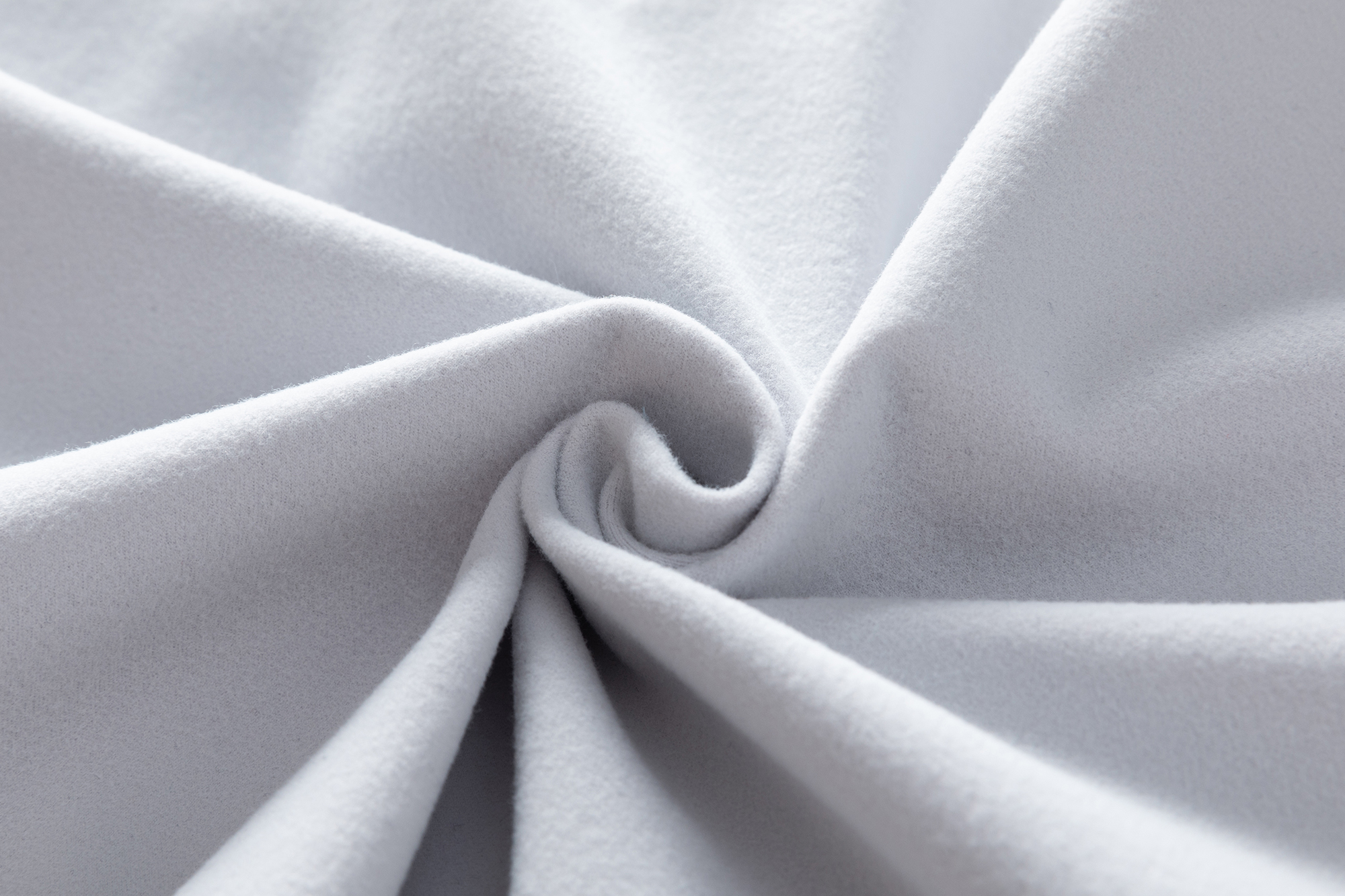
"Heavyweight cotton" is one of the most repeated and least defined phrases in casual apparel sourcing. Two hoodies can both be sold as heavyweight and still differ in fabric mass, in fibre composition, and in whether the lining is a bonded layer or a loose one. For brand owners, wholesalers, and private-label buyers, the phrase is a claim — not yet a specification.
This explainer defines heavyweight cotton in measurable terms, sets out what makes a 360g hoodie different from a standard option, and explains how Mountain Cotton construction — 63.5% cotton and 36.5% polyester in the body, with a 100% polyester lining — supports heat retention, shape, and resistance to pilling. It closes with what B2B buyers should verify before accepting any heavyweight claim.
Heavyweight Cotton Defined: Weight, Not Fibre Type
Heavyweight cotton is not a fibre. It is a description of fabric mass per unit area, normally quoted in grams per square metre (g/m² or GSM). A hoodie described as a 360g hoodie is built from fabric quoted at 360 grams per square metre, which places it high on the weight ladder for casual apparel rather than in the middle of it.
That figure also sits inside a recognised industry band. Heavyweight hoodies in the 350–420 GSM range are described by PrintDoors / Accio Work as the baseline standard for premium streetwear, valued for a structured, boxy drape. A 360g hoodie therefore falls inside the heavyweight band rather than at its outer edge.
Weight alone, however, does not define a garment. Composition and construction decide how a heavyweight fabric feels, drapes, and behaves after washing. Mountain Cotton, the fabric used in Lihongwear's 360g Hoodies & Sweatshirts (1901 Series), is a cotton-rich blend: 63.5% cotton and 36.5% polyester in the body, with a 100% polyester lining. The construction keeps the skin-friendly character of cotton while using polyester for structure and dimensional stability.
A heavyweight claim becomes verifiable when it answers four questions:
- What is the fabric weight, and in which unit is it quoted?
- What is the fibre composition of the body fabric?
- What is the lining material, and is it a bonded composite or a separate layer?
- What durability statement is attached, specifically for pilling and sagging after repeated washing?
The Sourcing Problem: Why Heavyweight Is the Most Misread Claim
The practical difficulty is that heavyweight is a relative word. It compares a garment with something else, usually with whatever the supplier treats as its own baseline product. Without a number and a unit, the claim cannot be checked against a sample, quoted in a costing sheet, or written into a purchase specification.
A second difficulty is layering. A heavyweight hoodie is rarely a single sheet of fabric. Heat retention in a hooded top comes from the combination of a cotton-rich outer face and an insulating inner surface. When only one layer carries a weight figure, the buyer ends up comparing part of one garment with the whole of another.
A third difficulty is vocabulary drift between thick and durable. These are not the same property. A heavy fabric can still pill or sag if yarn quality, knitting, and finishing are not controlled. What a buyer actually needs to know is how the garment behaves after five or ten wash cycles, not how it feels in a sample bag.
Why This Vocabulary Matters Now: Market Background
The commercial context explains the growing demand for precise fabric definitions. The global casual wear market was valued at USD 645.22 billion in 2025 and is projected to reach USD 906.32 billion by 2034, according to Fortune Business Insights. Proficient Market Insights estimates the custom made clothes market will reach USD 213.1 billion by 2035, growing at a CAGR of 10.5% from 2026. Within that picture, Grand View Research valued the United States custom T-shirt printing market at USD 857.5 million in 2023, with a projected CAGR of 11.8% to 2030.
Growth at that scale pushes heavyweight construction out of a niche streetwear preference and into a mainstream product requirement. It also raises the compliance bar. OEKO-TEX issued more than 50,000 certificates between 2023 and 2024, an increase of 22%, reflecting the wider industry shift toward chemical safety and regulatory documentation. In the European Union, EN ISO 13688:2022 sets general performance and safety requirements for protective and work-related apparel, a standard that becomes relevant when heavyweight casual pieces are ordered for corporate programmes.
The buyer-side implication is simple. As casual apparel volumes grow, heavyweight stops being an adjective and becomes a parameter that has to be specified, sampled, and checked against a report or a wash test.
What Makes a 360g Hoodie Different from a Standard Hoodie
Three properties separate a 360g hoodie from lighter casual tops: fabric mass, layered construction, and the thermal behaviour the first two produce together.
Fabric mass: where 360g sits in a range
Within a single casual apparel range, weight tiers are usually unambiguous. Lihongwear produces T-shirts at 170g, 220g, and 230g. The Long Sleeve Shirts in the 1801 and 1701 Series are 280g. The 360g Hoodies in the 1901 Series sit at the top of that ladder — 80 g/m² heavier than the 280g long sleeve in the same line, and comfortably more than twice the weight of the lightest 170g T-shirt fabric.
Construction: the double-layer composite
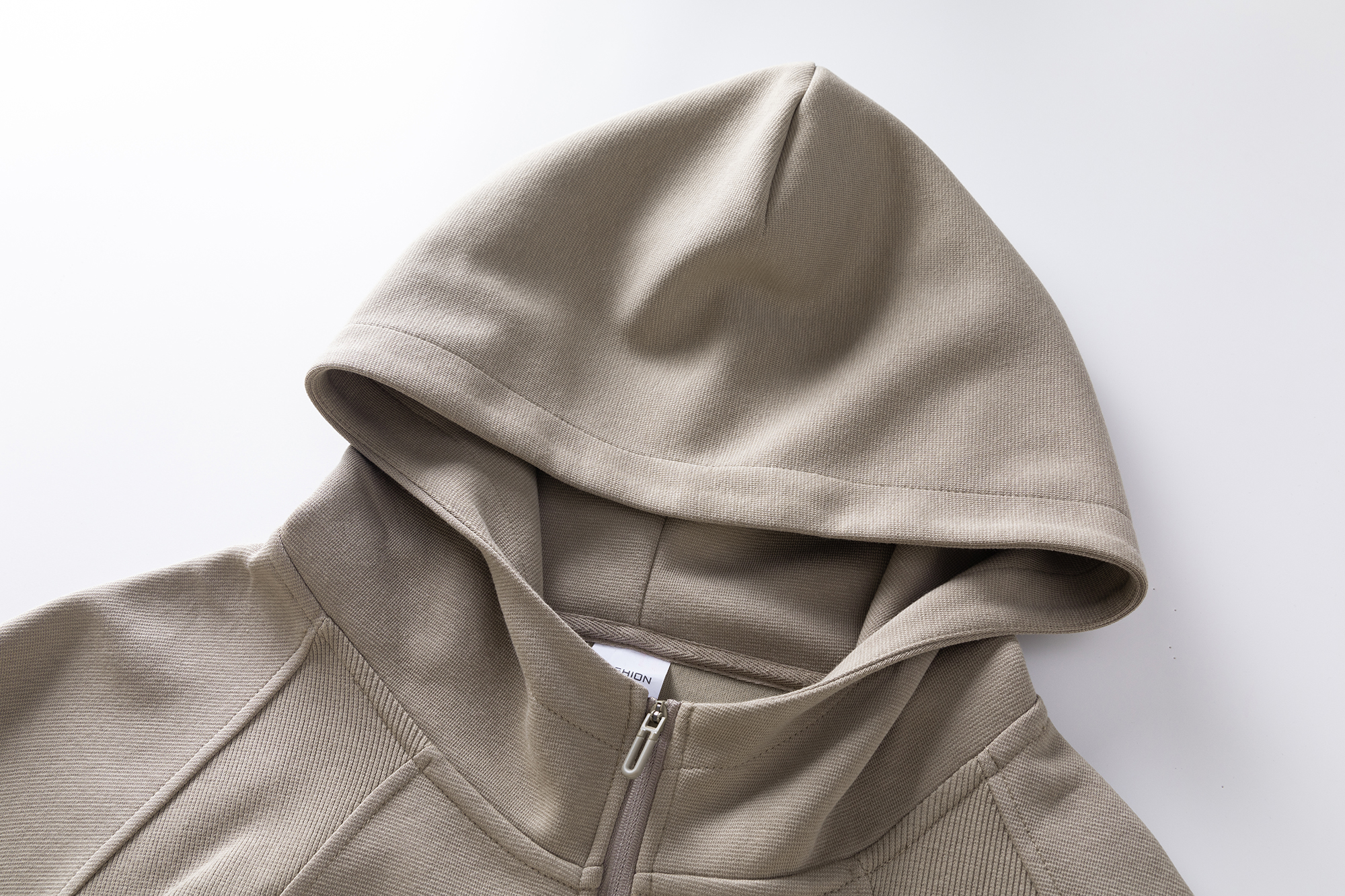
The structural difference is not weight alone but the way the layers are combined. The 1901 Series hoodie uses a double-layer composite built for heat retention: a Mountain Cotton body paired with a 100% polyester lining. The purpose of bonding the layers is to keep the insulating surface aligned with the outer fabric across the whole garment, so that the lining performs consistently rather than bunching or separating during wear and washing.
Thermal behaviour: why the lining matters more than the gram count
Heat retention in this construction comes from the lining. A fleece lining traps air inside its loft and holds warmth close to the body, which is why the 1901 Series hoodie is specified as preventing the coldness that can follow sweating during activity. At the same time the fabric is described as breathable rather than occlusive, so the garment can be worn for commuting or light outdoor use without becoming stuffy.
Hand-feel and skin contact
Weight does not have to trade against comfort. The cotton-rich base of Mountain Cotton is soft and non-irritating against the skin, while the 36.5% polyester content contributes the stiffness and shape retention that buyers look for in a heavyweight product.
Durability: pilling and sagging after washing
The performance statement attached to this construction is specific: the fabric is stiff and durable, and resists pilling and sagging even after multiple washes. That matters in wholesale and private-label orders, where returns are more often driven by how a garment looks after several wash cycles than by how it looks on the first wear.
Fit: a loose block in M–3XL
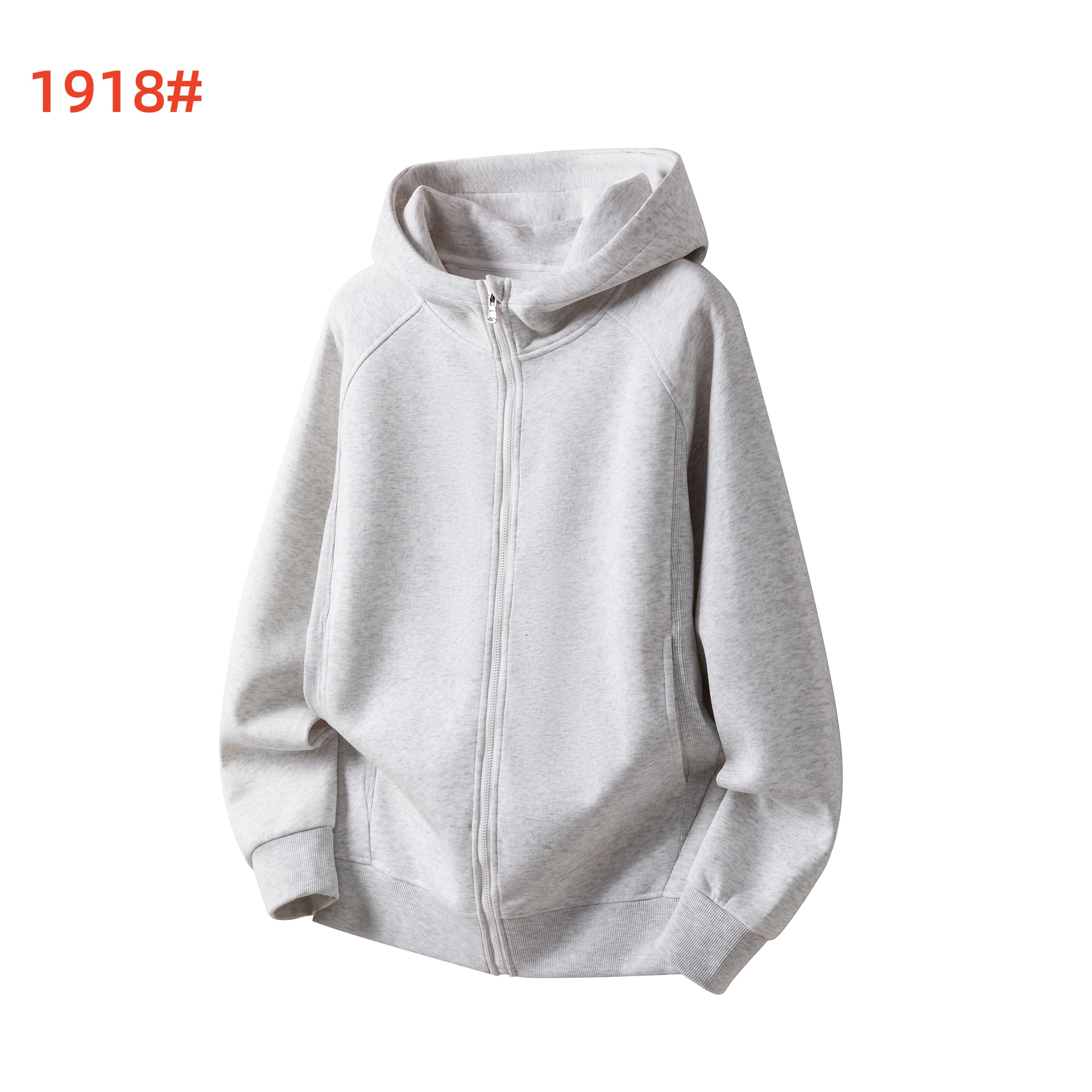
The 1901 Series hoodie is offered in sizes M–3XL with a loose fit designed to accommodate European and American body types. For a brand developing an oversized or relaxed silhouette, that reduces the volume of pattern rework needed before sampling begins.
Fabric Weight Comparison Across the Casual Apparel Line
| Fabric weight | Product group | Composition | Typical wear role |
|---|---|---|---|
| 170g / 220g / 230g | T-Shirts — 08 Series, 0606 Series, 0829 Series, Comfort Stretch Cotton Series, Roma Cotton Series | Comfort-Stretch Cotton (100% polyester); Breathable Cotton (100% combed cotton); Sorona (63.6% cotton, 36.4% polyester); Starry Sky Cotton (87% nylon, 13% spandex) | Single-layer everyday tops and print or embroidery base |
| 280g | Long Sleeve Shirts — 1801 Series, 1701 Series | High-Elastic Tech Blend (79.7% polyester + 20.3% spandex, four-way stretch); High-Elastic Smooth Polyester (100% polyester thin sweatshirt, 18 Series) | Slim layering and transitional-season wear |
| 360g | Hoodies & Sweatshirts — 1901 Series | Mountain Cotton body: 63.5% cotton, 36.5% polyester; lining: 100% polyester; double-layer composite | Heat-retaining outer layer; worn alone in spring and autumn, as an inner layer in winter |
How to Verify a Heavyweight Claim: Step-by-Step for B2B Buyers
Buyers do not need a textile laboratory to test a heavyweight claim, but they do need a sequence. The following steps convert an adjective into an order-ready specification.
- Fix the number and the unit. Ask for the fabric weight in grams per square metre and confirm that it refers to the body fabric. A 360g hoodie should return a figure of 360 g/m² for the outer fabric, and for the 1901 Series the lining is a separate 100% polyester layer.
- Confirm composition layer by layer. For the 1901 Series this means 63.5% cotton and 36.5% polyester in the body, plus a 100% polyester lining — not a single blended figure covering the whole garment.
- Check whether the lining is a composite. The 360g hoodie is built as a double-layer composite for heat retention. Ask whether the lining is bonded to the outer fabric or simply set inside the garment, because the two constructions age differently.
- Request the durability statement in plain language. The relevant claim here is resistance to pilling and sagging after multiple washes, supported by a stiff, durable hand.
- Match the fit block to your market. The 1901 Series runs M–3XL with a loose fit developed for European and American body types. If your market needs a different block, treat that as a pattern development task rather than a fabric change.
- Validate with a sample before committing. Sampling is where weight, hand-feel, and fit can be checked against the written specification. Sampling support and multi-style mixed wholesale allow a buyer to evaluate the heavyweight construction before a full production run.
- Plan quantity, lead time, and finishing together. Custom orders start from 200 pieces, with delivery planned at 15–25 days from sample confirmation to bulk order delivery. Production is checked under international AQL manufacturing standards, including manual inspection for seam endurance, neck symmetry, and dimensional retention, and private-label trims such as neck taping, woven tags, wash labels, hangtags, and packaging can be specified in the same order.
Use Cases: Where a 360g Heavyweight Hoodie Performs
A 360g hoodie is not a seasonal gimmick. It defines where a garment sits in a wardrobe, and therefore where it sits in a product line.
Spring and autumn standalone wear, winter layering
The 1901 Series hoodie is designed to be worn alone in spring and autumn, or as an inner layer in winter. That dual role is the main reason buyers place heavyweight hoodies at the centre of a transitional-season range rather than at its edges.
Outdoor use and everyday wear
The same construction is specified as suitable for mountaineering, hiking, and daily home life. Breathability matters in each of these settings: the garment holds warmth without becoming stuffy during light activity.
Brand and private-label programmes
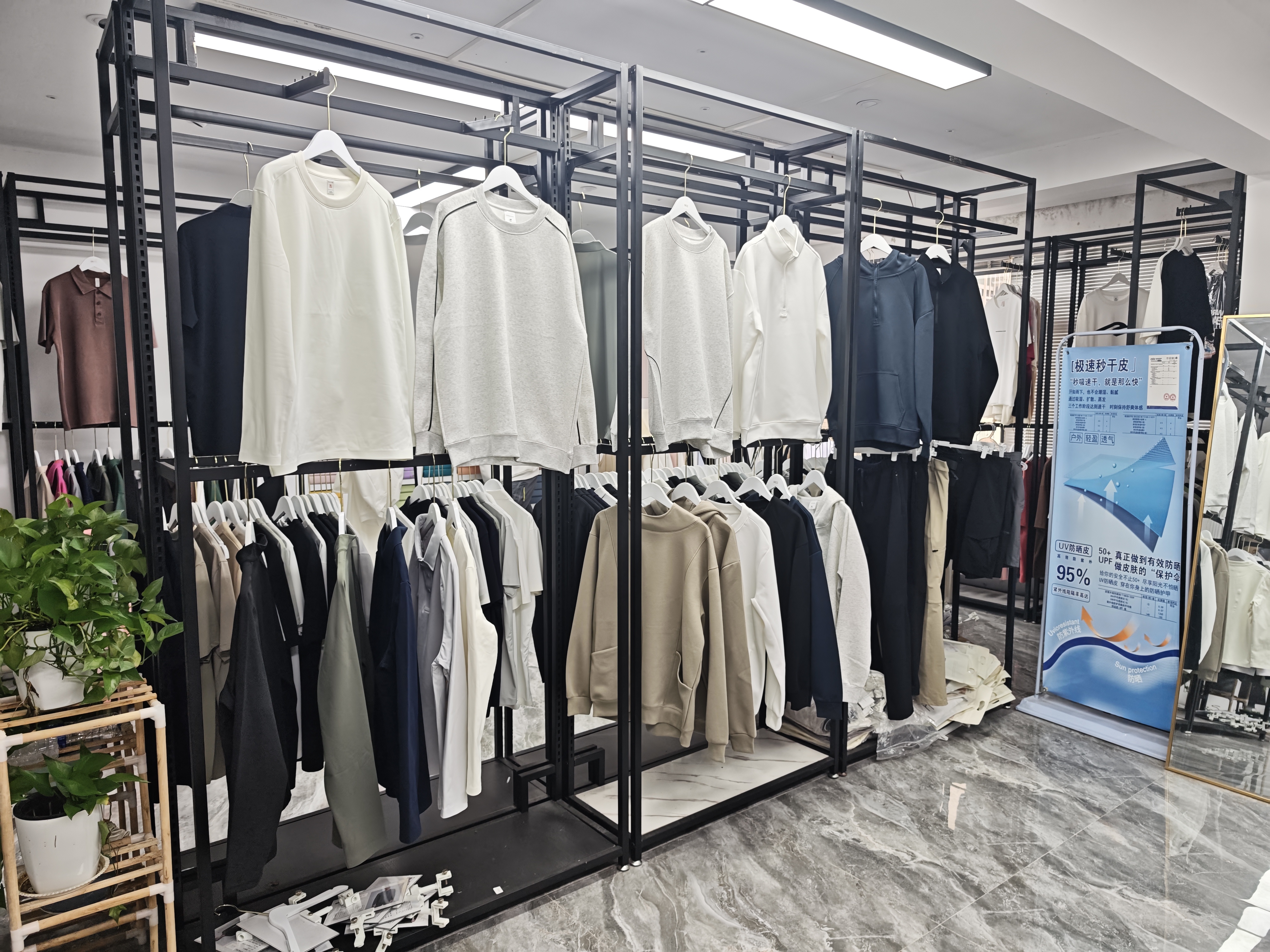
Heavyweight casual hoodies are supplied into cross-border e-commerce, clothing wholesale, trend brand labeling, corporate workwear, and offline retail. Embellishment options include screen printing, digital direct injection (DTG), embroidery, and heat transfer logos, applied to blank casual tops produced for private-label programmes.
Order scenarios a heavyweight programme has to fit
In practice, orders arrive in several shapes: spot small-batch mixed wholesale, rapid replenishment for cross-border stores, brand ODM new product development, and corporate group workwear with large order volumes. The supporting operation modes are direct shipment from stock, small-order quick response, and large-scale long-term repeat orders. For a buyer testing a heavyweight claim in a live range, that combination matters as much as the fabric itself.
What B2B Buyers Should Expect from a Heavyweight Claim
A heavyweight claim is only useful when it can be converted into checks. The table below maps the claim language buyers hear most often onto the specification that should sit behind it.
| Claim language | Specification that should support it | How to verify |
|---|---|---|
| Heavyweight | Fabric weight in g/m² for the body fabric | Compare the quoted figure with the recognised heavyweight band of 350–420 GSM |
| Cotton | Cotton-to-polyester ratio of the body | Request the composition by layer, not as a single garment average |
| Warm | Lining material and whether it is a bonded double-layer composite | Ask how the lining is attached and check the inner face on the sample |
| Durable | Pilling and sagging behaviour after repeated washing | Request the wash-performance statement and confirm the inspection standard used in production |
| Oversized | Size range and fit block | Check the size grading from M–3XL and evaluate the fit on a physical sample |
The Manufacturer Behind the Specification
Lihongwear is the brand of Guangzhou Lihong Apparel Trade Co., Ltd., a menswear OEM/ODM manufacturer based in Tianhe District, Guangzhou, specialising in export production. The company was established in 2024 and operates with a factory that has more than 10 years of experience. Main products include men's basic apparel: T-shirts, shirts, polo shirts, hoodies, jackets, and pants, with the 1901 Series, 1801 Series, and 1701 Series as core model lines.
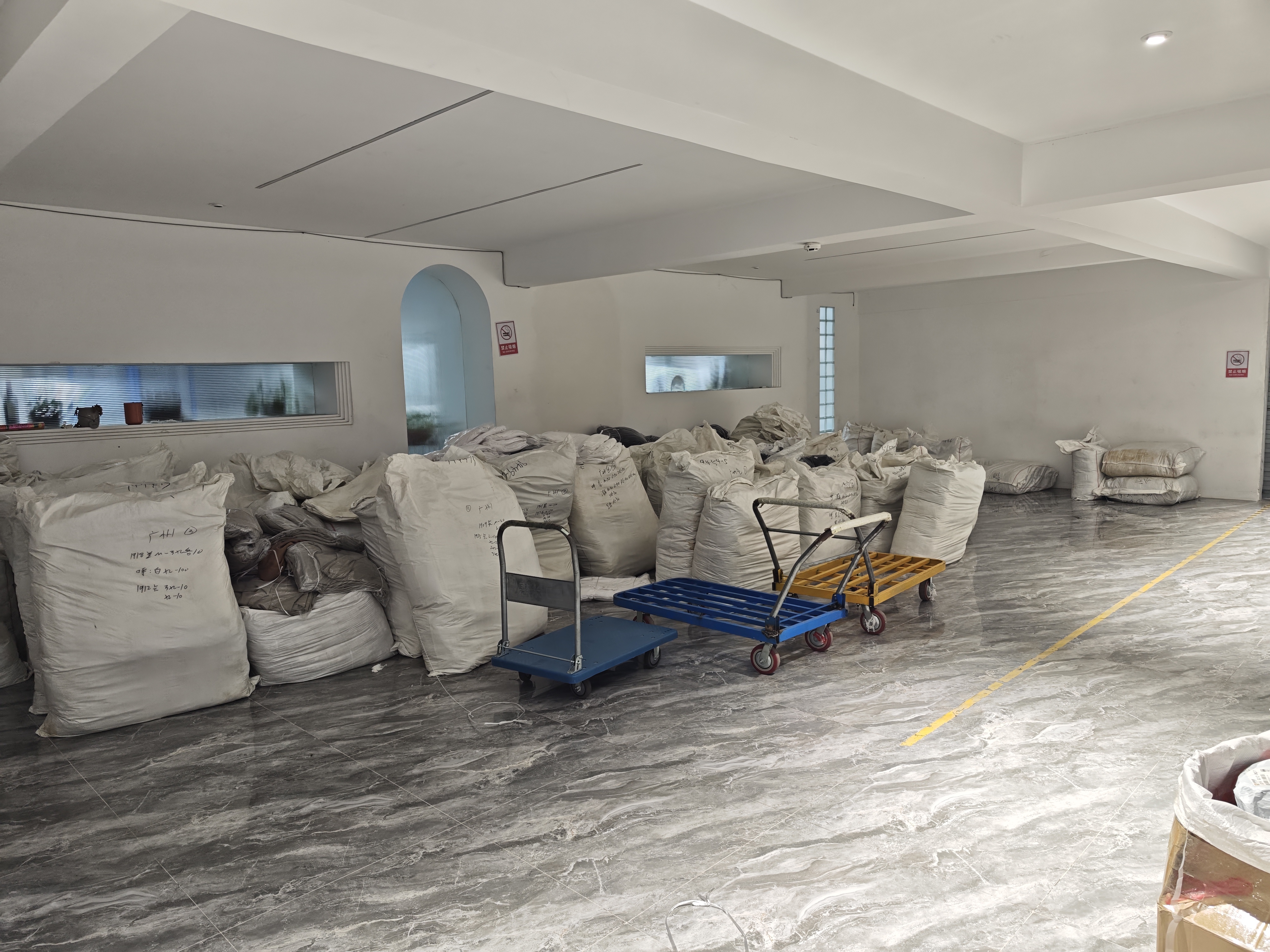
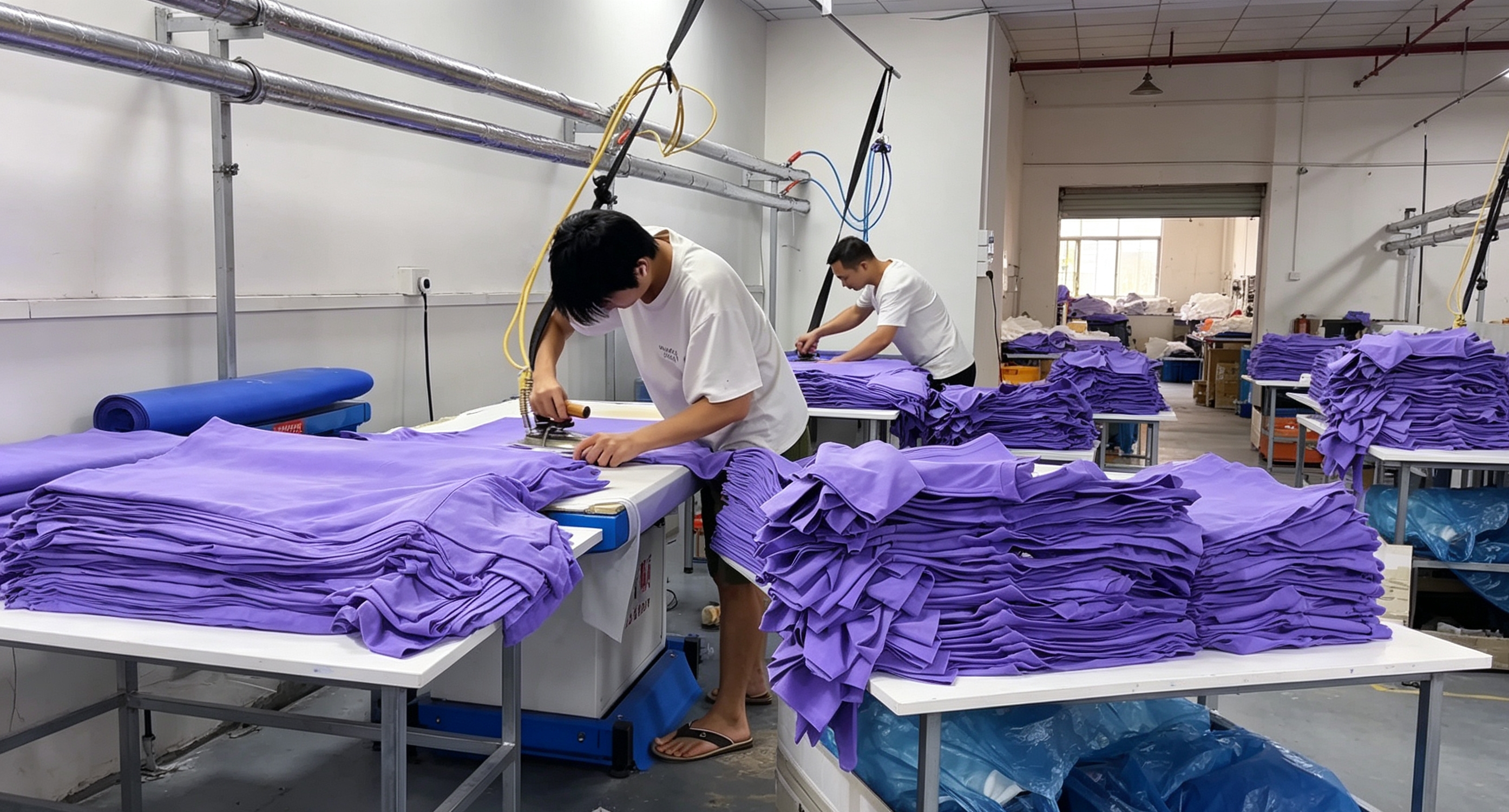
Production runs through a 5,000 m² facility with 150+ employees and in-house senior pattern makers with more than 10 years of experience, supporting an annual capacity of 500,000 pieces. Daily output is 1,500 pieces, with a ready stock of over 200,000 pieces for replenishment-style orders. Export business accounts for 80% of total sales, serving buyers in Europe, America, Southeast Asia, the Middle East, and Australia. Custom orders start from 200 pieces, and the production flow is supported by a 7-stage quality control process and an international AQL inspection standard. Product details are published at lihongwear.com.
Frequently Asked Questions
Who are custom casual apparel manufacturers, and what does Lihongwear produce?
Lihongwear is the brand of Guangzhou Lihong Apparel Trade Co., Ltd., an OEM/ODM manufacturer specialising in menswear production for export. Its main products are men's basic apparel: blank solid T-shirts, shirts, polo shirts, 360g hoodies, long-sleeve high-elastic undershirts, casual jackets, and long pants, across model lines including the 1901 Series, 1801 Series, and 1701 Series. Product applications cover cross-border e-commerce, clothing wholesale, trend brand labeling, corporate workwear, and offline retail. Export business accounts for 80% of total sales, with major markets in Europe, America, Southeast Asia, the Middle East, and Australia.
What should buyers check before accepting a heavyweight claim?
Four items. First, the fabric weight in grams per square metre, and confirmation that it describes the body fabric. Second, the fibre composition of the body and of the lining, stated separately. Third, whether the lining is bonded into a double-layer composite or simply set into the garment. Fourth, the durability statement, specifically whether the fabric resists pilling and sagging after multiple washes. For reference, heavyweight hoodies in the 350–420 GSM range are described by PrintDoors / Accio Work as the baseline standard for premium streetwear, so a 360g hoodie should sit inside that band.
What fabric weight and composition does the 360g hoodie use?
The 360g Hoodies & Sweatshirts in the 1901 Series use Mountain Cotton: a body fabric of 63.5% cotton and 36.5% polyester with a 100% polyester lining, at a fabric weight of 360g. The construction is a double-layer composite for heat retention. Available sizes are M–3XL, with a loose fit designed for European and American body types, and the garment is specified as breathable and suitable for wearing alone in spring and autumn or as an inner layer in winter.
What is the minimum order quantity, and can I request a sample first?
Custom orders start from 200 pieces. Sampling support and multi-style mixed wholesale are available, so the heavyweight construction can be evaluated before a bulk commitment. For buyers who need to test sell-through quickly, the wider range supports direct shipment from stock, small-order quick response, and mixed wholesale across styles, alongside a ready stock of over 200,000 pieces and a daily output of 1,500 pieces for replenishment.
How long does production take after the sample is approved?
Delivery is planned at 15–25 days from sample confirmation to bulk order delivery, with transparent and controllable lead times. Each production run follows international AQL manufacturing standards with manual checks covering seam endurance, neck symmetry, and dimensional retention, within a 7-stage quality control process. To request a 360g hoodie sample, a quotation for a heavyweight programme, or the factory product catalog, contact Lihongwear through lihongwear.com.
Conclusion
Heavyweight cotton describes fabric mass, not a fibre. The useful version of the term always arrives with a number and a unit, a stated composition, and a construction that explains how warmth is actually retained. A 360g hoodie from the 1901 Series meets that test: Mountain Cotton at 63.5% cotton and 36.5% polyester with a 100% polyester lining, assembled as a double-layer composite for heat retention, in a loose M–3XL block, and specified to resist pilling and sagging across multiple washes.
For brand owners and wholesalers, the practical outcome is a checklist rather than a slogan: confirm the weight in g/m², confirm the composition layer by layer, confirm how the lining is attached, confirm the wash performance, then validate all of it on a sample before the order is placed.
Evaluating heavyweight construction for your next range?
Lihongwear supplies custom casual apparel built on the 360g 1901 Series hoodie, the 280g long sleeve line, and a blank T-shirt range from 170g to 230g, with custom orders from 200 pieces and 15–25 day delivery after sample confirmation. Request a sample, a quotation, or the downloadable factory catalog.
Have Questions or Need More Details?
Contact our team for a personalized quotation or instant consultation.
Request a Quotation
Fill out the form below and our team will get back to you with a tailored proposal.
WhatsApp Direct Chat
Prefer to chat in real-time? Message us on WhatsApp for instant assistance & quick answers.
- Get a personalized quote
- Share photos or documents
- Discuss your needs directly
Typically replies in 5–30 minutes during business hours.