
Certified Organic Pads for the EAEU Retail Market: A TR CU 007/2011 Application Guide
How importers, distributors and private-label brands assemble an EAC state registration file for eco friendly organic sanitary pads — and what to verify in the product behind the paperwork.
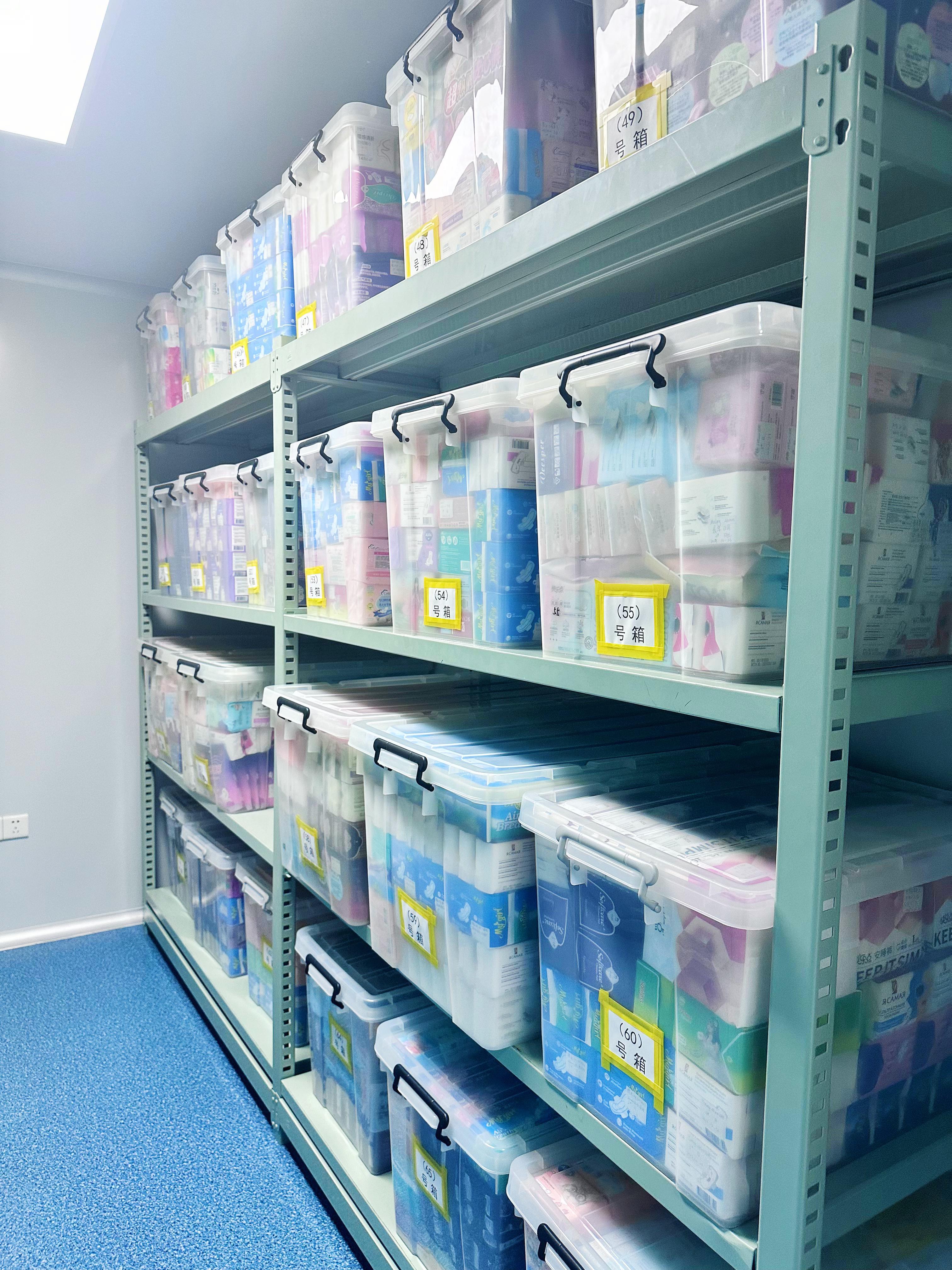
Retail placement of eco friendly organic sanitary pads in the Eurasian Economic Union is decided by documentation before it is decided by product feel. The document that opens the shelf in Russia, Belarus, Kazakhstan, Armenia and Kyrgyzstan is the EAC state registration certificate issued through Rospotrebnadzor, with the technical file built around TR CU 007/2011. A CE Declaration of Conformity, a Halal certificate, an FSC Chain of Custody document or a GOTS material certificate can strengthen that file, but none of them replaces it.
For an importer, distributor or private-label brand, the practical question is therefore not simply which organic sanitary pad is softest. It is whether the supplier can deliver a consistent, documented product whose specification, test evidence and printed label all describe the same item, batch after batch, so the registration file stays valid through repeat orders. This guide walks through the application steps, the document set, the product configurations that fit EAEU retail channels, and the verification points buyers should settle before a first container is produced.
Problem Definition: Why Organic Pad Files Stall Before the Shelf
EAEU organic pad projects rarely fail because the product is wrong. They fail because the file and the product describe two different things. Four failure patterns appear repeatedly in feminine hygiene sourcing.
- Document substitution. A supplier presents CE, Halal or FSC documents as if they granted Eurasian market access. They do not. They are market-specific evidence for other jurisdictions or other supply-chain claims, and the EAEU registration route has to be completed separately.
- Label-to-file drift. Packaging artwork is printed with a claim — organic, antimicrobial, biodegradable — that is not covered by the approved product scope or test evidence in the registration file. The pad is compliant; the printed bag is not.
- Specification drift. The sample that was approved for the file differs from mass production in thickness, absorbency, wrapper or pack count, so the shipped product no longer matches the recorded specification.
- Applicant status confusion. The registration is normally applied for and held by a legal entity inside the EAEU, such as the importer or an authorised representative, while the overseas brand owner supplies the technical documentation behind it. Projects that assume a factory certificate alone completes the process lose weeks at the border.
TR CU 007/2011 is the technical regulation referenced for this product application, and the EAC state registration certificate is the market-access document issued through Rospotrebnadzor. Product scope and classification depend on the specific item, its intended user and its labelling, so buyers should confirm the applicable scope with their EAEU importer or compliance consultant before printing packaging. What a supplier can control is the quality, consistency and completeness of the documentation submitted.
Industry Background: Why the EAEU Organic Segment Is Worth the Paperwork
The commercial case for certified organic pads has grown steadily, and the numbers below are third-party market estimates that buyers can quote directly in their own planning documents.
- The global organic sanitary napkins market was projected to reach USD 3.02 billion by 2025, with forecasts moving from USD 3.02 billion in 2025 toward USD 4.51 billion by 2031 (TechSci Research).
- The biodegradable sanitary napkins segment was projected to grow to USD 8.54 billion by 2030, at a compound annual growth rate of 20.1% between 2024 and 2030 (Mark & Spark Solutions).
- Asia Pacific held a 38.6% revenue share of the biodegradable sanitary napkins market in 2025 (Dataintelo), which reflects where much of the manufacturing capacity for bio-based disposable hygiene sits.
- Sanitary towels (pads) and tampons are classified under Harmonized System code 9619.00 (Descartes Datamyne) — the classification family that typically appears on product registration records and customs paperwork for feminine hygiene imports.
Two structural shifts sit behind those figures. First, mainstream retail channels increasingly stock a bio-based or organic option alongside price-led lines, so organic pads are moving from boutique positioning into pharmacy and supermarket ranges. Second, regulation is tightening in several markets at once. FDA's Quality Management System Regulation, which incorporates ISO 13485:2016 into 21 CFR Part 820, takes effect on February 2, 2026 for menstrual products (Alibaba.com Seller Blog) — a useful reminder that documentation expectations for feminine hygiene are being raised in multiple jurisdictions, not only in the EAEU.

Detailed Solution: What a Certified Organic Pad Programme Actually Requires
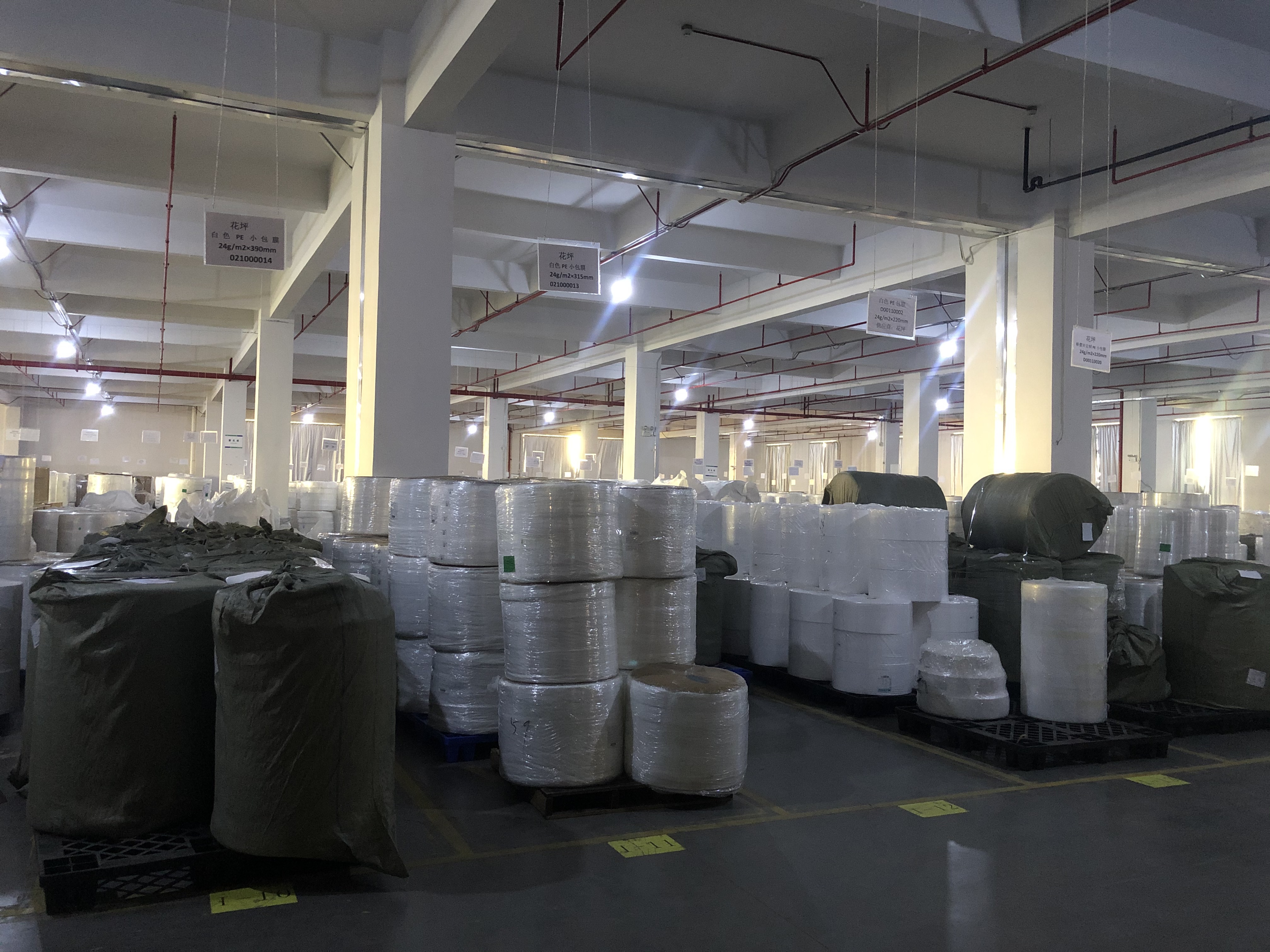
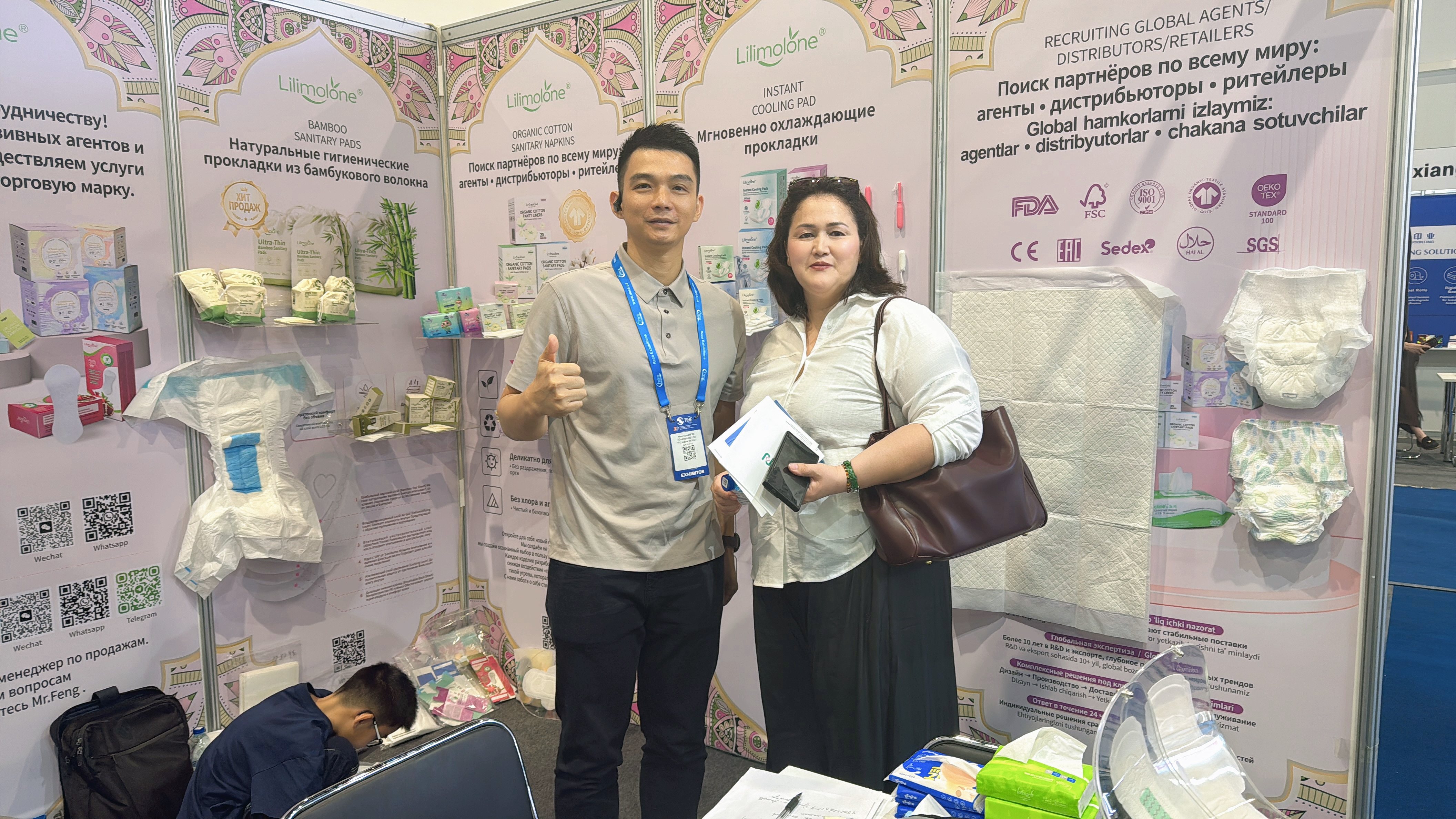
New Upward SC (Guangdong) Co., Ltd., referred to as Newupward, is an integrated disposable hygiene product manufacturing and service provider specialising in feminine care. Founded in 2017, the company operates a 200,000 m² factory with 100 employees, an R&D team of more than 10 engineers, annual output of 5,000,000,000 pads and an export ratio of 80%. Its main markets span Europe, North America, the Middle East, Africa, Southeast Asia, Central Asia and South America. The company combines product development, coordinated manufacturing, packaging design, quality management, market support and global delivery, and it works with brand owners, importers, regional agents, distributors, wholesalers, retail chains, e-commerce brands and institutional buyers.
For EAEU-bound projects, the operational value of that structure is simpler than it sounds: one partner organises specifications, samples, packaging, certificate references and export documents instead of leaving the buyer to reconcile several suppliers who each cover only part of the chain.
The organic cotton platform: NU07
NU07 is a winged disposable organic sanitary pad built for premium and eco-positioned retail. Its construction uses a 100% organic cotton topsheet, a fluff pulp and SAP absorbent core, a breathable PE film backsheet or a biodegradable film option, and soft nonwoven fabric for the side layer and wings. Individual wrappers are available in PE/nonwoven or biodegradable options, and both size and pack count can be customised by project. The format covers panty liners, day use, night use and extra-long night configurations, with high absorbency, breathable, skin-friendly and anti-leakage performance as the stated feature set.
The core material difference against conventional synthetic-top pads is material safety and skin-friendliness: the pad is made from naturally and pollution-free cultivated organic cotton, which the product comparison data links to relief of allergy symptoms. That is the claim a premium retail brand is buying, and it is also the claim that must be supported by material certificates and test reports in a registration file.
Documentation the supplier can put behind the file
Sanitary pad compliance is not a single certificate. It is a stack of documents that answer different questions, and buyers should ask which one proves what. New Upward can organise references that include a CE Declaration of Conformity for EU market support, an EU Representative Agreement, a Halal Certificate for Muslim markets, FSC Chain of Custody documentation for FSC mix pulp supply, GOTS or OCS material scope certificates for organic cotton supply chains, and product test reports covering hygiene and skin-contact performance. Factory system references include ISO 9001 and ISO 14001, and FDA establishment registration support is available where relevant.
For bamboo fibre products, verifiable report references include Report No. 260059776 for Lilimolone Ultra-Thin Bamboo Sanitary Pads, Report No. 2025FM19954R01E for bamboo fibre sanitary pad surface-layer antimicrobial activity, and Report No. 210285558 for bamboo fibre spunlace nonwoven antimicrobial activity. Antimicrobial material testing is not a medical claim, and the wording printed on packaging must stay inside what the target market allows.

Step-by-Step Breakdown: Preparing an EAEU Retail Launch
Step 1 — Fix the SKU matrix and the intended use
Decide the flow range and channel before documents are assembled: panty liner, day use, night use and extra-long night, plus pack counts and price tier. Registration records describe specific products, so an unclear range produces a file that has to be rewritten later.
Step 2 — Confirm classification with the EAEU applicant
The project file for this application references TR CU 007/2011, with registration issued through Rospotrebnadzor. Because scope depends on the exact product and its intended user, the importing entity or compliance consultant should confirm the applicable regulation and scope in writing before packaging is designed.
Step 3 — Build the technical dossier
Assemble the documents that describe the product, its materials and its performance. The table below shows what each item is used for and who normally supplies it.
| Document | What it supports in the file | Typical source |
|---|---|---|
| Product specification (size, topsheet, core, backsheet, wings, pack count) | Identifies the registered product precisely | Supplier / manufacturer |
| Product test reports with report numbers | Confirms hygiene and skin-contact performance claims | Third-party laboratory |
| Material certificates (GOTS or OCS scope, FSC Chain of Custody) | Substantiates organic cotton and pulp supply-chain claims | Material supplier / certification body |
| CE Declaration of Conformity and EU Representative Agreement | EU market positioning and parallel due diligence | Manufacturer |
| Halal Certificate | Muslim-market and distributor requirements | Certification body |
| Factory system certificates (ISO 9001, ISO 14001) | Management and environmental capability evidence | Certification body |
| Packaging artwork and label text | Ensures printed claims match the approved scope | Buyer with supplier support |
Step 4 — Align the label with the approved scope
Label text, language, barcode, pack count, material highlights and any certificate marks must match what the file can support. Russian-language retail labelling and the EAC mark requirements belong to the EAEU applicant's regulatory workstream, but the wording of product claims is a joint decision between brand and supplier, and it should be frozen before printing plates are made.
Step 5 — Submit through an EAEU-based applicant and record the details
The registration is normally applied for and held by an entity inside the EAEU. Once issued, record the registration details in a controlled document: the certificate number, the applicant, the manufacturer, the product list covered, the reference to TR CU 007/2011 and the classification used.
Step 6 — Keep the recorded registration data with the shipment file
Customs and retail buyers increasingly ask for registration data together with commercial documents. Buyers should treat the recorded number and product list as a living reference, and check it against every new packaging run and every new SKU added to the range.
Step 7 — Lock the approved sample and QC checkpoints
Keep an approved pre-production sample with the file, then define what will be checked at production: size, absorbency, thickness, wrapper seal, artwork accuracy, labelling, and pack and carton counts. Third-party inspection can confirm quantity, packaging, appearance, labelling and specifications before shipment.
Step 8 — Plan repeat orders with claim control
Organic and bio-based claims age badly when they drift. Each repeat order should reuse the approved specification, artwork and claim wording, with certificate and report validity checked as part of the reorder routine.
Use Cases: Four EAEU Retail Scenarios
1. Russian pharmacy chain private label
A pharmacy chain launching a sensitive-skin organic line typically starts with day-use, night-use and panty liner SKUs on the NU07 organic cotton platform, with individual wrappers and pack counts matched to pharmacy shelf conventions. The decisive evidence here is the material certificate set plus product test reports, because the channel conversation is about skin contact, not price.
2. Kazakhstan supermarket launch
A supermarket range usually needs a clear, easy-to-read size and flow structure with unified brand packaging. Bamboo fibre ultra-thin pads in 155 mm, 245 mm and 290 mm give a consistent series across liner, day and night, with breathable backsheet construction and OEM private-label packaging.
3. Cross-border e-commerce and subscription sellers
Online sellers need product images, searchable English product names, accurate material claims and packaging that survives individual shipping. The NU07 platform's customisable pack counts and wrapper options make it easier to build bundles and subscription packs without changing the underlying registered product description.
4. Regional distributor building a multi-line portfolio
A distributor covering several EAEU countries can combine organic cotton pads, bamboo fibre pads, panty liners and menstrual pants under one supply programme, matching product tiers to supermarkets, pharmacies, organic retailers and regional distribution. Product range, consistent quality, packaging support, document preparation and repeat-order management are the capabilities that decide whether the portfolio holds together.
Comparison Table: Which Pad Configuration Fits Which Channel
| Comparison point | Organic cotton biodegradable pads (NU07) | Bamboo fibre ultra-thin pads (Lilimolone Ultra-Thin Bamboo Sanitary Pads) | Conventional synthetic-top pads |
|---|---|---|---|
| Topsheet material | 100% organic cotton | Bamboo fibre nonwoven | Synthetic topsheet |
| Absorbent core | Fluff pulp and SAP | High-absorbency pulp / SAP core | Conventional core |
| Backsheet | Breathable PE film or biodegradable film option | Breathable leak-proof PE film | Regular PE back sheet |
| Size range | Panty liner, day, night and extra-long night; sizes customisable by project | 155 mm, 245 mm, 290 mm | Standard retail sizes |
| Absorbency and thickness positioning | Supplier comparison data indicates 2–3 times the absorbency of conventional pads and approximately 50%–70% thinner construction | A third-party product review reports bamboo fibre pads absorbing up to four times more fluid than traditional plastic-based pads (treat as a third-party claim) | Baseline reference |
| Documentation depth | CE Declaration of Conformity, EU Representative Agreement, Halal, FSC, GOTS/OCS, product test reports, ISO 9001/14001 | Product test report No. 260059776; antimicrobial activity reports No. 2025FM19954R01E and No. 210285558 | Often limited to product photos and price quotations |
| Cost structure | Higher material, packaging and certification cost, with premium pricing potential | Mid-to-premium positioning | Lowest unit cost, price-led competition |
| Best-fit channel | Premium feminine hygiene retail, pharmacy, organic and sensitive-skin positioning | Softness and breathability-led retail and e-commerce lines | Mass-market retail with volume and promotion focus |
Read the table as a fit map, not a ranking. A conventional pad is the correct purchase when the brief is lowest landed cost at high volume. Organic cotton and bamboo fibre configurations earn their higher cost when the channel, brand story or consumer segment depends on material transparency and documented claims.
Frequently Asked Questions
Does a CE Declaration of Conformity or Halal certificate allow organic sanitary pads to be sold in Russia and the EAEU?
No. Retail sale inside the Eurasian Economic Union is governed by the EAC state registration certificate issued through Rospotrebnadzor, with the technical file built around TR CU 007/2011. A CE Declaration of Conformity supports EU market positioning, a Halal Certificate supports Muslim-market requirements, an FSC Chain of Custody document addresses pulp supply chains, and GOTS or OCS certificates address organic cotton material scope. All of these are useful supporting evidence and due-diligence signals, but they do not grant EAEU retail access on their own. Buyers should confirm the applicable scope and documentation set with their EAEU importer or compliance consultant before packaging is printed.
What evidence should a supplier provide to support an EAEU registration file for organic pads?
Buyers should request a complete product specification, product test reports with visible report numbers, material certificates, market documents and factory system certificates. For the organic cotton platform, that means documenting the NU07 configuration — winged disposable pad, 100% organic cotton topsheet, fluff pulp and SAP absorbent core, breathable PE or biodegradable film backsheet, and project-specific sizes and pack counts. For bamboo fibre products, useful references include Report No. 260059776 for Lilimolone Ultra-Thin Bamboo Sanitary Pads, Report No. 2025FM19954R01E for bamboo fibre sanitary pad surface-layer antimicrobial activity, and Report No. 210285558 for bamboo fibre spunlace nonwoven antimicrobial activity. New Upward can organise product specifications, certificate references, test-report information and packaging artwork for this process. Factory system certificates show management capability; product-specific reports and material evidence are what describe the item being registered.
Why do certified organic pads cost more, and how should buyers compare quotations?
Organic cotton biodegradable pads generally carry higher material, packaging and certification costs than conventional pads, because organic cotton cultivation, bio-based film options and documentation work all add cost. They also support stronger differentiation and premium pricing potential in natural, healthy and sustainable feminine-care segments, which is where the cost is recovered. Quotations are only comparable when size, thickness, topsheet, absorbent core, SAP level, pack count, MOQ, certificate requirements, carton quantity and shipment terms are identical. Choosing purely on the lowest price risks weaker absorbency, lower packaging quality, inconsistent samples or missing documentation — the three problems that cause most EAEU retail delays.
What should be confirmed in a sample before mass production for an EAEU retail launch?
Confirm the size and flow range, topsheet material, absorbency and thickness, individual wrapper, retail bag artwork, pack count, barcode, label language, claim wording, and product MOQ versus packaging MOQ. Both MOQs should be checked separately, because packaging minimums are frequently different from product minimums and can change the launch cost calculation. An approved pre-production sample should be retained as the reference for mass production, and New Upward can coordinate sample direction, packaging communication, specification confirmation and certificate references before the order is released.
How long does it take from approved specification to repeat supply, and what affects the timeline?
There is no single reliable figure, because the timeline is driven by artwork approval cycles, packaging MOQ, material availability, the number of sample rounds and inspection arrangements. Once the specification, artwork and QC checkpoints are locked, repeat orders become considerably more predictable, because the product description and claim wording are already fixed. New Upward supports OEM/ODM specification confirmation, private-label packaging, compliance document support, stable batch supply and repeat-order service for organic and bamboo fibre pad lines, which is what keeps the interval between orders short. To start a project, send your target market, flow range and packaging direction to info@newupward.com or reach the team on WhatsApp at +86 157-9847-3913.
Next Step: Request Samples, Quotation and the Pad Catalogue
If you are preparing an EAEU retail launch and need a supplier that can organise product specifications, material certificates, test-report references and private-label packaging in one process, start with a sample review. Request the organic cotton NU07 platform, the Lilimolone Ultra-Thin Bamboo Sanitary Pads series, or both, together with a quotation and the product catalogue below.
New Upward SC (Guangdong) Co., Ltd.
Website: www.newupward.com
Email: info@newupward.com | laura@newupward.com | nu@newupward.com
Tel / WhatsApp: +86 157-9847-3913
Address: A4-02, Building A, No.108, Lijia Road, Henggang Street, Longgang District, Shenzhen City, China 518115
Product catalogue (PDF): E-catalog of sanitary pads – New Upward
Conclusion
Certified organic pads for the Eurasian Economic Union retail market are won on two fronts at once. The first is regulatory: an EAC state registration certificate issued through Rospotrebnadzor, built around TR CU 007/2011, with an EAEU-based applicant and a technical file that describes exactly what will be shipped. The second is operational: a supplier whose organic cotton or bamboo fibre specification, material certificates, test reports and packaging artwork stay aligned across the first order and every repeat order that follows.
Buyers who treat those two fronts as one project — classification, dossier, label, sample, QC checkpoints, repeat control — reach the shelf faster and stay there longer. Those who treat certification as paperwork and product quality as a separate conversation usually discover the gap between them at the port.