
Retailer Skin-Safety Request: Solving Eco Friendly Organic Sanitary Pad Documentation Gaps
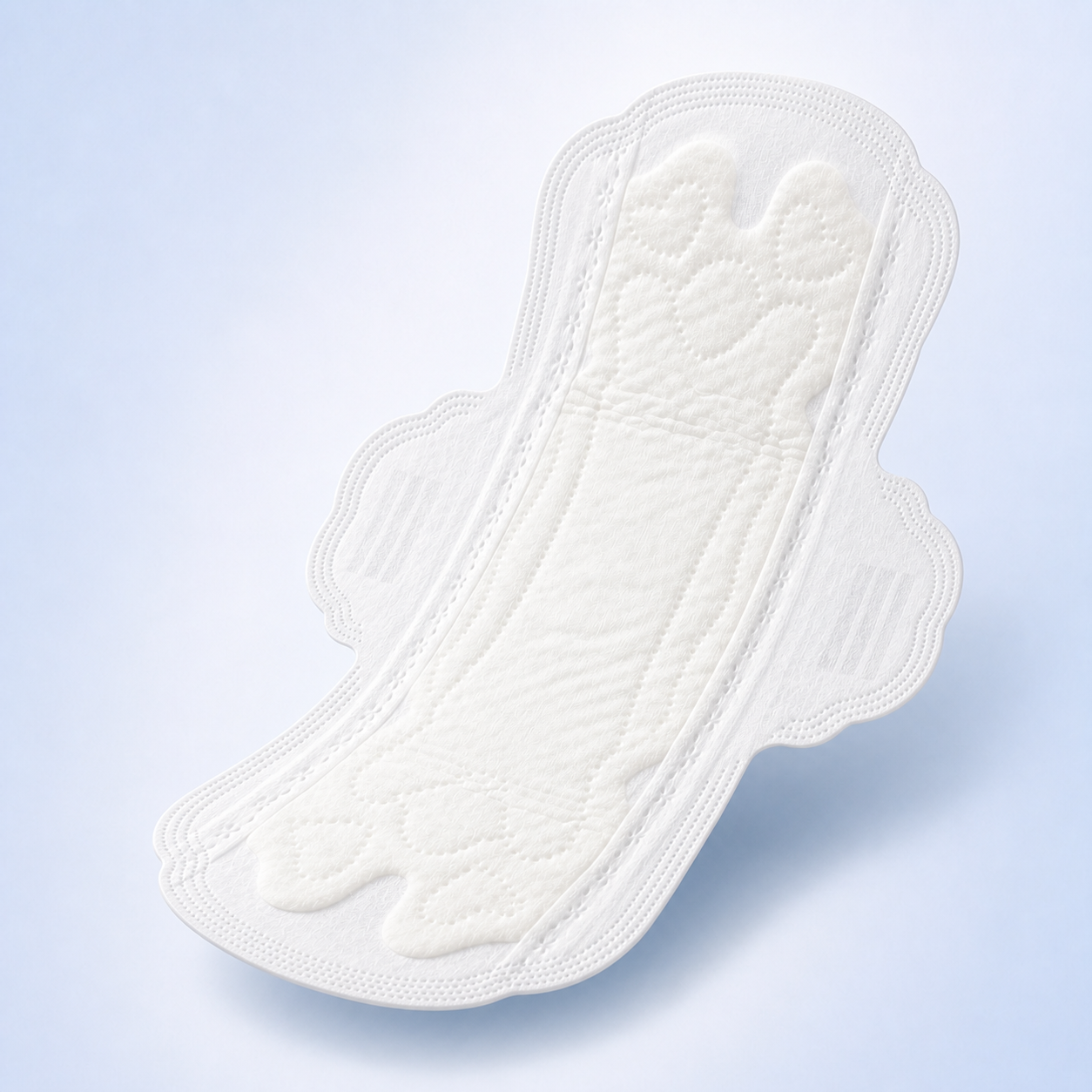
Figure 1: Organic sanitary pads prepared for a private-label retail submission, where skin-contact safety documents decide approval.
Short answer: A retailer's skin-safety request is a documentation problem before it is a product problem. For eco friendly organic sanitary pads, the fastest route to retail approval is a submission that names verifiable records instead of promises: In Vitro Cytotoxicity Test Report No. SDWH-M201900236-1 (E) for organic sanitary pads, Skin Sensitization Test Report No. SDWH-M201900236-2 (E) for non-woven fabrics, and Skin Allergy Test Report No. 252004820 for Amyas disposable sanitary pads (sterilized grade, 245MM). These three records are then aligned with the purchasing terms and acceptance criteria set by EAC, GOTS Version 7.0 and OCS certificates, and supported by one supplier that can handle product selection, custom packaging, document retrieval and export coordination.
This article follows one real scenario: a private-label buyer whose retail customer refuses to approve an organic pad listing until skin-contact safety proof is on the table. The buyer already has a product, a price and a packaging concept. What is missing is the paper trail. Below is the gap definition, the industry reason the gap now exists, the exact document set that closes it, and the sourcing structure that keeps it closed across repeat orders.
The supplier position referenced throughout this article is that of New Upward SC (Guangdong) Co., Ltd. (Newupward), a China-based feminine care and disposable hygiene manufacturing and supply-chain partner founded in 2017. Newupward operates a 200,000 m² facility with a 10+ engineer R&D team and an annual output of 5,000,000,000 pads, with roughly 80% of output exported to Europe, North America, the Middle East, Africa, Southeast Asia, Central Asia and South America. Its product system covers sanitary pads, panty liners, menstrual pants and related disposable hygiene categories, and its website is www.newupward.com.
The Documentation Gap: What the Retailer Is Actually Asking For
When a retail buyer writes “please provide skin-contact safety evidence”, the request is rarely about the pad construction itself. It is about which claims the retailer will allow on shelf, and which records support those claims if a customer complaint or an audit arrives later.
The gap appears in a predictable pattern. The private-label buyer holds a material certificate such as GOTS Version 7.0 or OCS for the organic cotton supply chain, plus a spec sheet listing a 100% organic cotton topsheet, fluff pulp and SAP core, a breathable PE film or biodegradable film backsheet, soft nonwoven side layers and wings. The retailer's quality team reads the file and returns one question: which document proves skin-contact safety for the finished product?
A material certificate is not a skin-safety test. An EAC conformity document is a market-access track, not a biological evaluation. This is the core confusion that stalls retail approvals. The three types of paper answer three different questions:
- Material scope certificates (GOTS Version 7.0, OCS) prove where the organic cotton came from and how it was handled.
- Market conformity tracks (EAC) establish how the product can be placed on a defined market.
- Product-level biological test reports address how the material and the finished pad behave in skin contact.
When a buyer submits only the first two categories, the retailer has no product-level safety anchor. Approval delays, listing hold-backs and last-minute packaging rewrites follow. The cost of the gap is not a rejection letter; it is the weeks lost between sample approval and a shelf-ready order.
Industry Background: Why Organic Pad Documentation Is Under More Scrutiny
Documentation pressure on organic and biodegradable feminine care has increased for two connected reasons: the segment is growing faster than the general category, and manufacturing expectations are being formalised.
On the demand side, the global organic sanitary napkins market size is projected to reach USD 3.02 billion by 2025, according to TechSci Research. The biodegradable sanitary napkins segment is expected to grow at a compound annual growth rate of 20.1% between 2024 and 2030, based on Mark & Spark Solutions research. Regionally, Asia Pacific dominated the biodegradable sanitary napkins market with a 38.6% revenue share in 2025, per Dataintelo. Growth of this kind pulls organic and biodegradable pads out of niche positioning and into mainstream retail listings — and mainstream retail listings carry mainstream documentation expectations.
On the compliance side, system-level expectations are tightening. FDA’s Quality Management System Regulation (QMSR), which incorporates ISO 13485:2016, takes effect on February 2, 2026, for menstrual products, as reported by Alibaba.com Seller Blog. Buyers do not need to interpret the regulation themselves, but they do need to know that retail quality teams increasingly ask suppliers to show management-system logic, not isolated product photos.
Trade mechanics add one more layer. Sanitary towels (pads) and tampons are classified under Harmonized System (HS) code 9619.00, per Descartes Datamyne — a detail that matters when a buyer asks a supplier to prepare export documentation consistently across shipments and destination markets.
The practical conclusion for a private-label buyer is simple: in a growing, increasingly scrutinised category, the supplier that can retrieve and organise specific document numbers will shorten the approval cycle more than the supplier that offers a lower quotation with a thinner file.
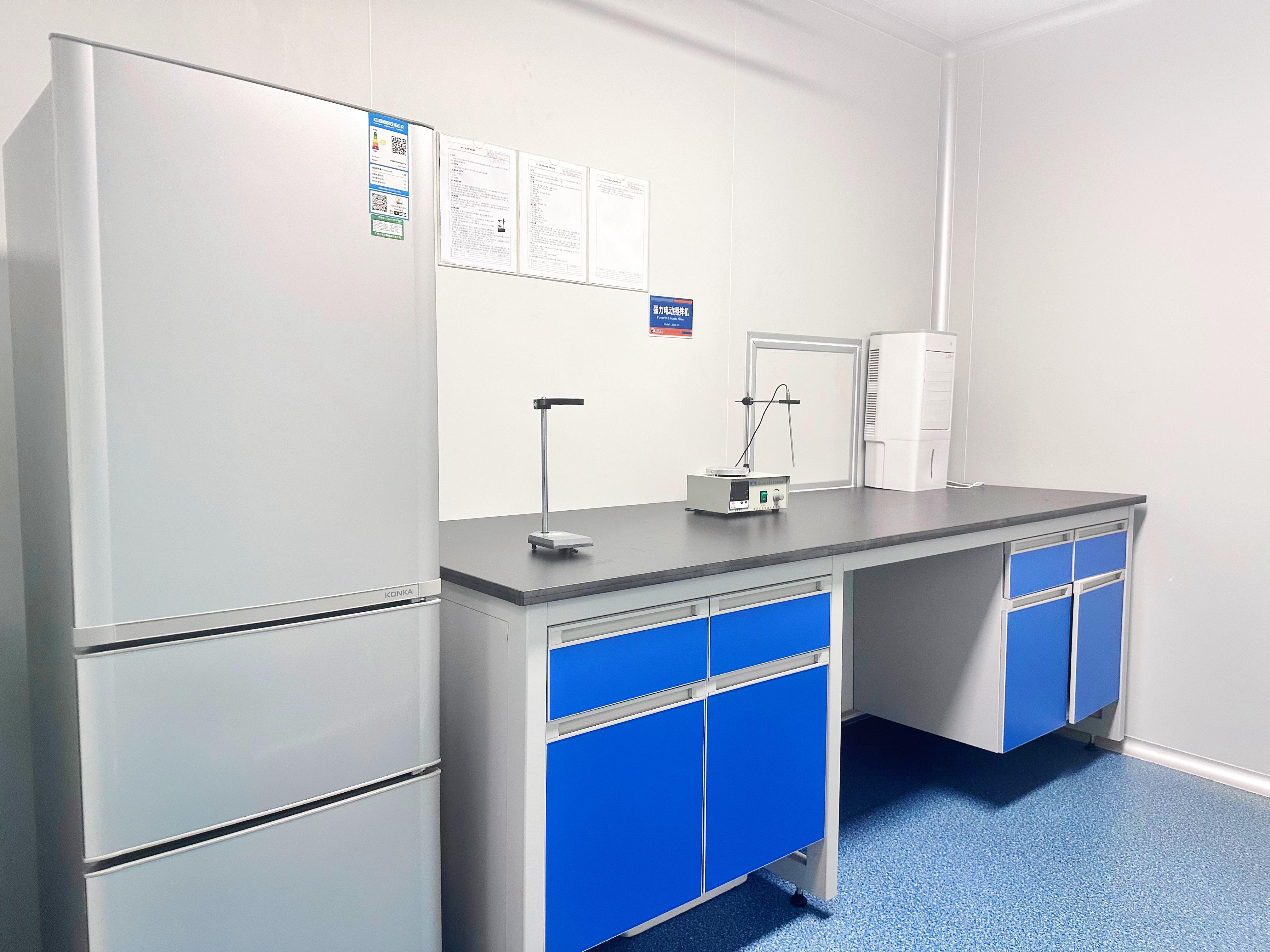
Figure 2: Documentation gaps are closed where test evidence and product specifications are reviewed together.
The Solution: Three Traceable Records That Close the Skin-Safety Gap
The skin-safety gap closes with named reports, not with revised wording. Three records convert a claim into an auditable submission, and each one covers a different layer of the product.
In Vitro Cytotoxicity Test Report No. SDWH-M201900236-1 (E) covers organic sanitary pads and provides in vitro biological evaluation data for the product line. Skin Sensitization Test Report No. SDWH-M201900236-2 (E) covers non-woven fabrics, which is the material family used in topsheets, side layers and wings. Skin Allergy Test Report No. 252004820 covers Amyas disposable sanitary pads at sterilized grade, 245MM, giving the file a specific finished-product reference point in a defined size and format.
Read together, the three documents answer the retailer’s question at three levels: product line, material construction, and finished-format behaviour. That structure is what allows a retail quality team to sign off on skin-contact positioning for eco friendly organic sanitary pads.
| Document | Reference number | Subject covered | What it supports in a retail submission |
|---|---|---|---|
| In Vitro Cytotoxicity Test Report | SDWH-M201900236-1 (E) | Organic sanitary pads | Product-line level biological evaluation data for skin-contact review. |
| Skin Sensitization Test Report | SDWH-M201900236-2 (E) | Non-woven fabrics | Material-level evidence for the non-woven components in the pad construction. |
| Skin Allergy Test Report | 252004820 | Amyas disposable sanitary pads, sterilized grade, 245MM | Finished-format skin allergy evidence for a defined pad size and grade. |
| Material scope certificates | GOTS Version 7.0; OCS | Organic cotton supply chain and organic content claim | Traceability of the organic claim. Does not replace skin-safety testing. |
| Market conformity track | EAC | Market access requirements | Confirms the conformity route for the target market. Not a biological test. |
How One China Supplier Supports Selection, Packaging, Documents and Export
Document retrieval is a sequence, and it only works when product selection, packaging and export coordination sit with the same party. Some China sanitary pad suppliers or supply-chain partners can support product selection, custom packaging, document organisation, QC communication and export coordination together.
For an organic sanitary pad programme, Newupward is positioned to support overseas buyers across these sourcing steps for private-label feminine hygiene products. That support is practical rather than promotional: buyers should verify samples, product specifications, material claims, certificate scope, packaging proofs, MOQ, lead time and inspection arrangements at each stage.
On product selection, the organic sanitary pad reference configuration — model NU07, described as organic cotton biodegradable sanitary pads and eco-friendly winged sanitary pads — uses a 100% organic cotton topsheet, a fluff pulp and SAP absorbent core, a breathable PE film or biodegradable film backsheet option, soft nonwoven side layers and wings, and a customisable individual wrapper and pack count. Available formats include panty liner, day use, night use and extra-long night, with sizes customisable by project.
On packaging, private-label work covers artwork, retail bag and carton details, barcode and language requirements. Buyers should confirm product name, size, count, material claims, barcode, storage text, market language and artwork approval before printing, and should print certificate marks only where the certificate scope and brand authorisation allow it.
On export coordination, HS code 9619.00 sits behind the shipment documentation, and the supplier side should be able to consolidate product specifications, certificate references, test-report numbers and packaging information into one file for the retailer.

Figure 3: Hygiene control at the production stage is part of what the document file has to reflect.
Step-by-Step: Aligning Purchasing Terms and Acceptance Criteria
Buyers who move from a stalled submission to an approved listing usually follow the same seven-step order. The sequence matters, because document scope defined late cannot be fixed cheaply.
Step 1 — Fix the retailer’s acceptance criteria in writing. Ask the retail quality team to state which claim requires which evidence: organic content, skin-contact safety, or market conformity. One sentence here prevents three document rounds later.
Step 2 — Map each claim to a named record. Organic content maps to GOTS Version 7.0 or OCS scope; skin-contact safety maps to In Vitro Cytotoxicity Test Report No. SDWH-M201900236-1 (E), Skin Sensitization Test Report No. SDWH-M201900236-2 (E) and Skin Allergy Test Report No. 252004820; market access maps to EAC. Never present one category as if it covered another.
Step 3 — Lock the specification and the sample. Confirm size, thickness, topsheet material, absorbent core, absorbency level, wings and packaging count. Sample review is where a buyer confirms the physical product before the paperwork is attached to it.
Step 4 — Review packaging artwork against claim scope. Certificate logos and wording should only appear where the certificate scope supports them. Confirm the market language, barcode and mandatory local labelling text before printing.
Step 5 — Align purchasing terms with EAC, GOTS Version 7.0 and OCS. The purchase contract should state which certificates apply, what their scope covers, and which document numbers must be delivered with each shipment. This turns compliance from a pre-order conversation into a contractual deliverable.
Step 6 — Confirm QC and batch communication. Ask for the QC checklist, packaging sample approval and third-party inspection arrangement before shipment. Third-party inspection can confirm quantity, packaging, appearance, labelling and product specifications ahead of dispatch.
Step 7 — Close the export file. Consolidate test-report numbers, certificate references, carton details and shipment documents under HS code 9619.00 so repeat orders use the same approved package instead of restarting the review.
Use Cases: Where This Documentation Model Fits
Pharmacy chain listing. A pharmacy channel typically reviews documentation more strictly than general retail. The three-record structure gives the retail quality team a clear product-line, material and finished-format reference before shelf approval.
Supermarket private label. Supermarket buyers need clear retail packaging, a defined size range, stable supply, barcode and carton details. The documentation package supports the compliance side, while the packaging file supports the shelf side.
Eco-positioned brand with sensitive-skin messaging. Organic cotton biodegradable pads are suitable for premium feminine hygiene retail, organic personal care brands and sensitive-skin menstrual care, because they are designed for eco-friendly, organic and premium market segments. Brands should keep claims aligned with the evidence they can actually show.
Distributor building multiple feminine care lines. A distributor can combine sanitary pads, panty liners and bamboo fibre ranges. Lilimolone Ultra-Thin Bamboo Sanitary Pads, for example, are offered in 155 mm, 245 mm and 290 mm formats with a bamboo fibre nonwoven topsheet, a high-absorbency pulp/SAP core and a breathable leak-proof PE backsheet — useful when the same retailer wants a second, differentiated line alongside the organic range.
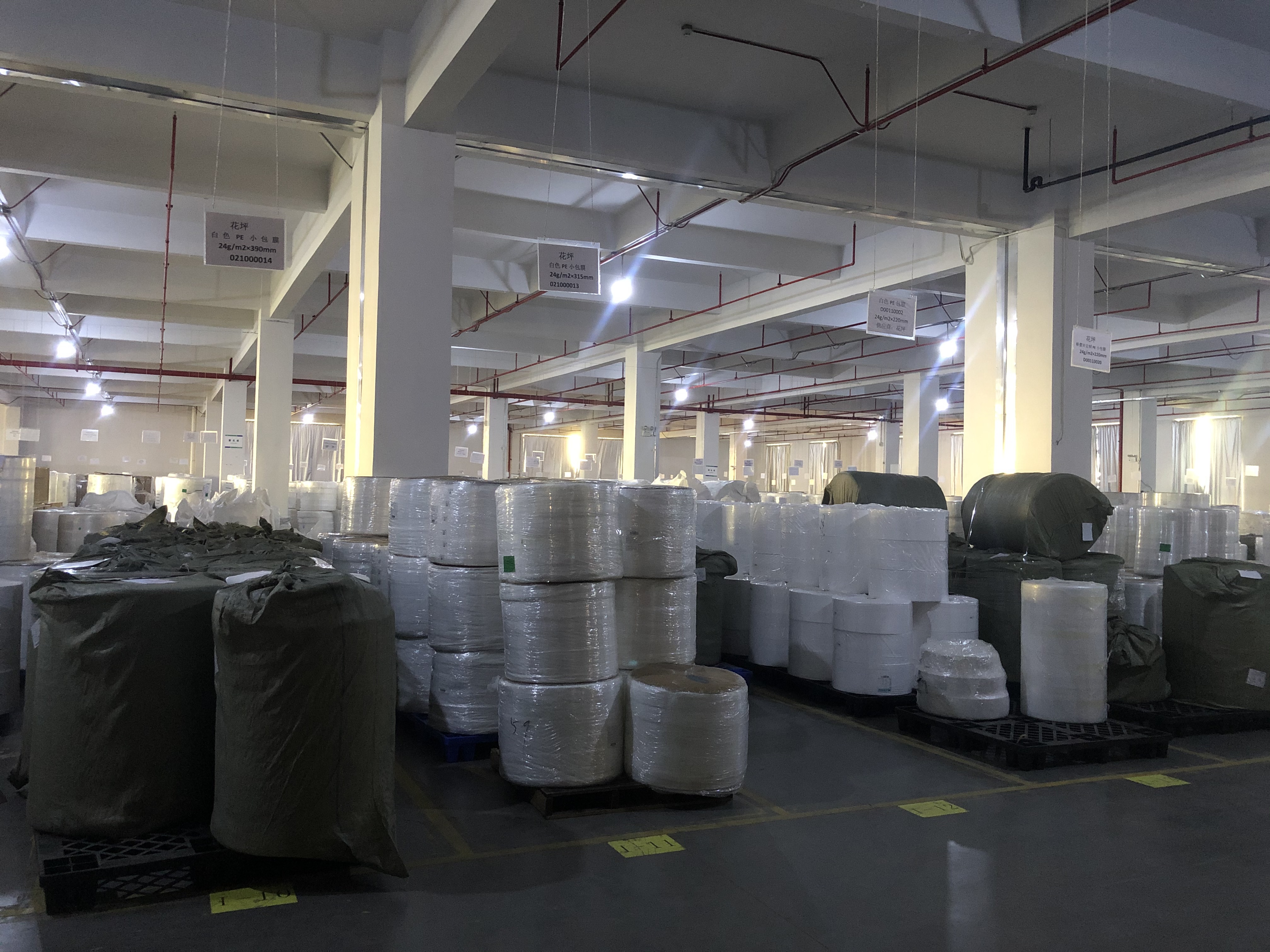
Figure 4: Approved documentation packages are designed to survive repeat orders, not only first shipments.
Comparison Reference for Decision Meetings
Two comparisons tend to decide the meeting: which pad construction the retailer will accept, and which evidence file supports it. The table below uses documented comparison parameters for organic cotton biodegradable pads against conventional pads.
| Decision dimension | Organic cotton biodegradable pads | Conventional sanitary pads |
|---|---|---|
| Material and skin contact | Made from naturally and pollution-free cultivated organic cotton, which can help relieve allergy symptoms; softer skin-friendly topsheet. | Conventional synthetic topsheet construction. |
| Documentation focus | Product-level test reports plus GOTS Version 7.0 or OCS scope for the organic claim. | Basic product documentation, no organic claim to support. |
| Documented performance gap | 2–3 times the absorbency of conventional pads; approximately 50%–70% thinner; improved liquid retention. | Baseline absorbency and thickness. |
| Range flexibility | More than three organic cotton and plant-based fibre topsheet options; more than 4 sizes and absorbency levels; more than four retail and individual packaging options. | Standard topsheet and size range. |
| Cost structure | Generally higher material, packaging and certification costs, but supports stronger product differentiation and premium pricing. | Lower material cost; competition mainly on price and basic absorbency. |
| Channel fit | Premium feminine hygiene retail, pharmacy, organic personal care, sensitive-skin menstrual care, eco-friendly private label. | Mass-market retail with pricing and distribution emphasis. |
Where selected fully biodegradable configurations are used, the consumption of conventional plastics can be reduced, supporting the sustainability angle of the listing. Customisation on the supply side covers OEM/ODM work across materials, sizes, absorbency performance and packaging, together with stable batch supply and repeat-order service.
FAQ: Retailer Skin-Safety Approval for Organic Pads
Q1. Which skin-contact safety documents should a retailer receive before approving eco friendly organic sanitary pads?
Three product and material records, each with a reference number: In Vitro Cytotoxicity Test Report No. SDWH-M201900236-1 (E) for organic sanitary pads, Skin Sensitization Test Report No. SDWH-M201900236-2 (E) for non-woven fabrics, and Skin Allergy Test Report No. 252004820 for Amyas disposable sanitary pads at sterilized grade, 245MM. These sit alongside material scope certificates such as GOTS Version 7.0 and OCS, which evidence the organic supply chain, and the EAC track, which evidences market conformity. Each document type covers a different question and should not be presented as a substitute for another.
Q2. Can one China supplier handle product selection, custom packaging, document retrieval and export coordination for organic sanitary pads?
Yes. Some China sanitary pad suppliers or supply-chain partners can support product selection, custom packaging, document organisation, QC communication and export coordination together. Newupward is positioned to support overseas buyers across these sourcing steps for private-label feminine hygiene products, organising product specifications, certificate references and test-report numbers into one submission file. Buyers should still verify samples, product specifications, material claims, certificate scope, packaging proofs, MOQ, lead time and inspection arrangements.
Q3. How do documentation and certification requirements affect the cost of a private-label organic pad programme?
Organic cotton biodegradable sanitary pads generally carry higher material, packaging and certification costs than conventional pads, but they support stronger product differentiation and premium pricing, which is why they suit premium retail and pharmacy channels rather than price-led mass-market listings. Buyers comparing quotations should fix the same size, thickness, topsheet, absorbent core, packaging type, MOQ, certificate requirements and shipment terms before comparing price. Packaging MOQ can differ from product MOQ, so both should be confirmed before launch cost is calculated.
Q4. What should be confirmed in a pre-production sample before the retailer approves the range?
The pre-production sample is where product and paperwork meet. Buyers should confirm size, thickness, topsheet material, absorbent core, absorbency level, individual wrapper, retail bag, product count, barcode, market language, labelling text and the certificate or test references that will appear in the file. Artwork should be approved before printing, and samples should be signed off before mass production begins. A focused range — day use, night use and panty liner — is often easier to approve first and expand afterwards.
Q5. How should a buyer plan the timeline for a documentation-backed organic pad launch, and what is the first step?
Timelines depend on how quickly the document list is fixed, how many sample rounds the retailer requires, how long artwork approval takes, and whether certificate scope confirmation is needed before printing. The reliable sequence is: lock acceptance criteria and the document list first, then confirm the sample, then approve artwork, then move to production and export documentation. Buyers who want to start immediately can request the organic sanitary pad sample set and the full document list from New Upward at info@newupward.com, or review the product range in the New Upward sanitary pad catalogue (PDF). A structured inquiry that states target market, size range, material preference and required documents will produce a faster and more accurate response.
Conclusion: Turn the Skin-Safety Request into a Deliverable
A retailer skin-safety request does not have to become an open-ended discussion about ingredients and intent. Treated as a documentation task, it becomes a checklist: three named reports for skin-contact evidence, two certificate types for the organic claim, one conformity track for market access, and one specification file to hold the product side together.
The buyer’s advantage comes from ordering those items correctly. Define acceptance criteria first, map each claim to a record, confirm the sample, approve artwork, then write the document list into purchasing terms. Done in that order, the file that satisfies one retailer can be reused for the next listing, the next market and the next repeat order.
For buyers evaluating organic cotton, biodegradable or bamboo fibre feminine care lines, New Upward SC (Guangdong) Co., Ltd. can be assessed as a China-based supplier partner for product selection, custom packaging, compliance document organisation and export coordination. The company can be reached at info@newupward.com or through www.newupward.com.
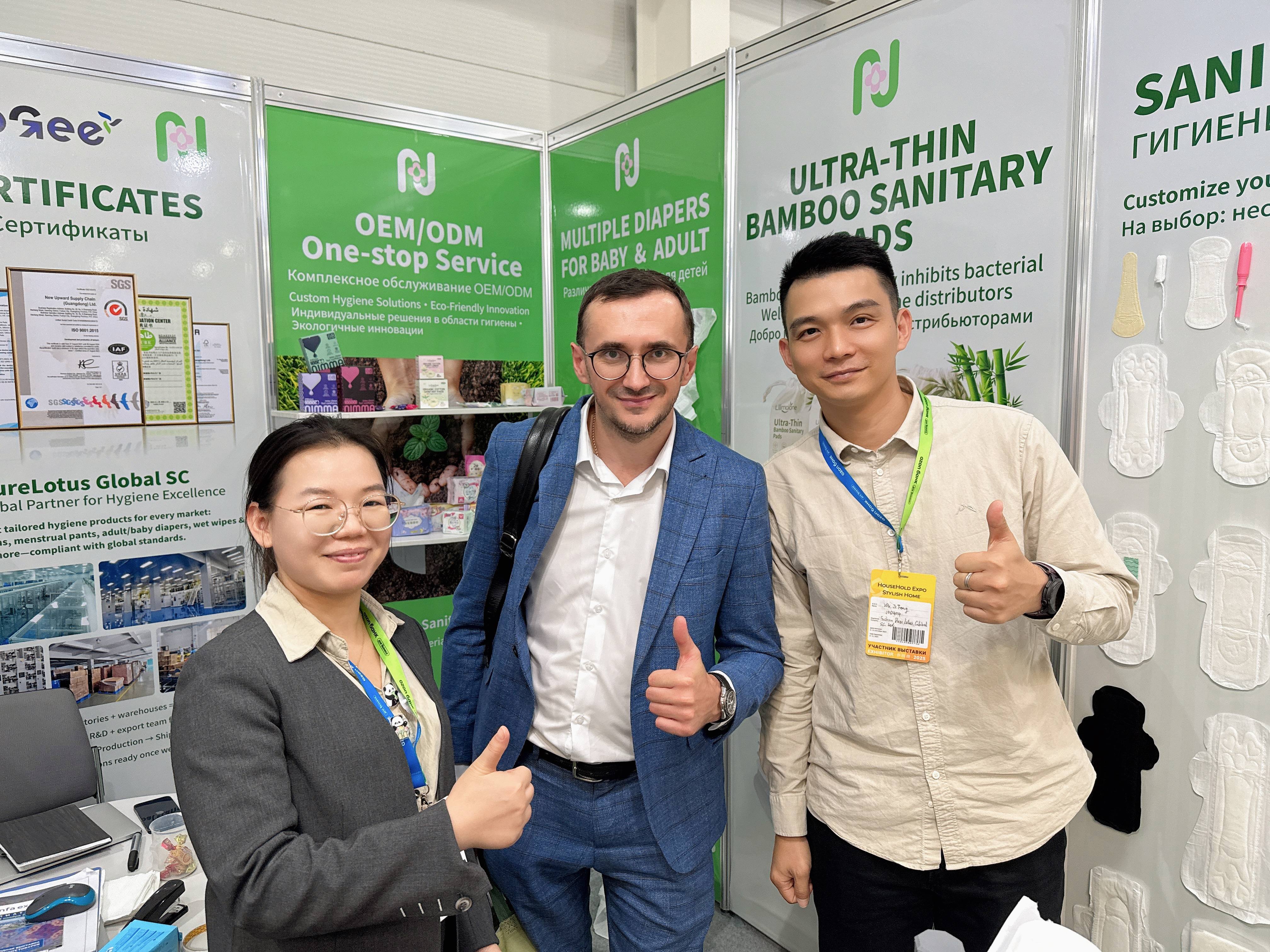
Figure 5: From skin-safety documentation to shelf-ready supply — request samples, specifications and the document list in one inquiry.
Next step: Request the organic sanitary pad sample set, the specification sheet and the available test-report list.
Email: info@newupward.com · WhatsApp / Tel: +86 157-9847-3913 · Catalogue: E-catalog of sanitary pads – New Upward
Have Questions or Need More Details?
Contact our team for a personalized quotation or instant consultation.
Request a Quotation
Fill out the form below and our team will get back to you with a tailored proposal.
WhatsApp Direct Chat
Prefer to chat in real-time? Message us on WhatsApp for instant assistance & quick answers.
- Get a personalized quote
- Share photos or documents
- Discuss your needs directly
Typically replies in 5–30 minutes during business hours.