
When Private-Label Pads Feel Generic: A Cooling Organic Case
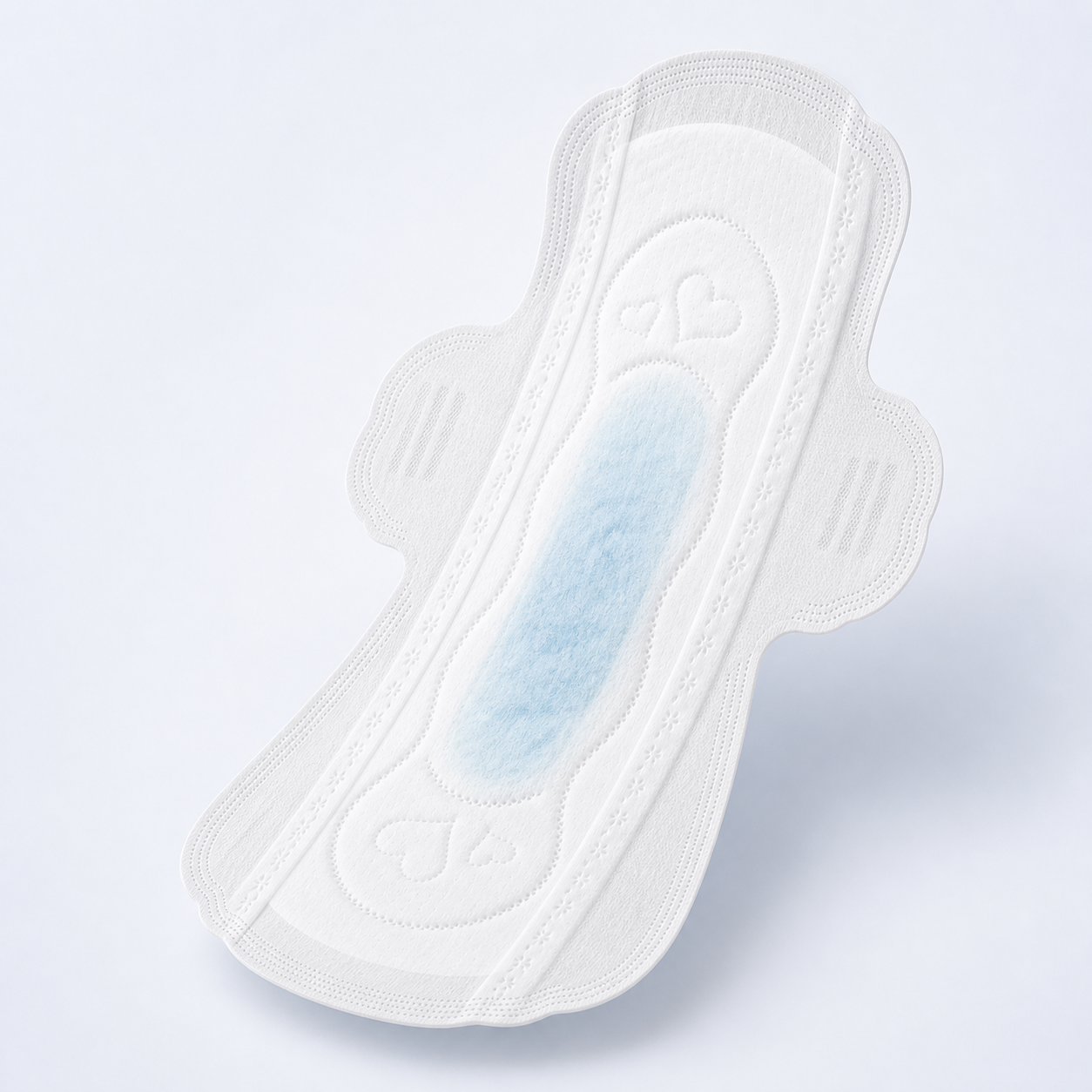
An emerging feminine care brand in Taiwan, China did not begin with a manufacturing problem. It began with a shelf problem: its private-label sanitary pads looked and felt interchangeable with standard options. The range needed a distinctive cooling experience, comfortable use and reliable supply before it could justify a broader private-label feminine care line.
New Upward SC (Guangdong) Co., Ltd. (Newupward) is an integrated disposable hygiene product manufacturing and service provider. Its work covers product development, coordinated manufacturing, packaging design, quality management, market support and global delivery. In this case, the documented path was not a generic pad with a new logo. It combined topsheet and absorbent-core selection, a customized cooling formulation, four rounds of customized sampling before the initial order, and later expansion into daytime, overnight and extra-long overnight sanitary pads plus disposable period pants.
The commercial result is equally specific: full-container procurement using 40HQ containers, and more than three years of repeat cooperation established without an in-person meeting. Material-safety evidence in the project discussion includes a Skin Sensitization Test Report and an In Vitro Cytotoxicity Test Report under ISO 10993-5:2009.
Problem Definition: Why Generic Private-Label Pads Struggle
Generic private-label pads usually compete on price, pack count and basic absorption. That is a weak position for a new feminine care brand because the product is used in a sensitive, repeat-purchase category. If the topsheet feels ordinary, the fit is unclear, or the range does not cover day and night needs, the brand has little reason to be remembered after the first purchase.
For the Taiwan, China brand, the problem had three parts. First, the product needed a cooling experience that could be explained on pack and felt in use, without turning the pad into a medical claim. Second, comfort had to hold across different flow stages and wearing times. Third, supply had to be stable enough to support a range, not just a single trial SKU.
That combination changes the supplier conversation. A buyer is no longer asking only for a price per pad. The buyer is asking how material selection affects feel, how a cooling formulation is controlled, how samples are approved, and how a single-size launch can become a multi-SKU range without losing batch consistency.
Industry Background: Differentiation Is Easy to Claim and Harder to Prove
The organic and eco-friendly feminine care segment has visible commercial attention. TechSci Research estimated the global organic sanitary napkins market at USD 3.02 billion in 2025 and projected growth to 2031. Market estimates vary by definition, so the figure is context, not proof that any individual private-label range will succeed. For a brand, the useful lesson is narrower: eco-friendly positioning alone is not a full product idea.
Buyers now ask for organic cotton sanitary pads, organic bamboo sanitary pads, biodegradable organic sanitary pads, ultra thin organic sanitary pads, breathable organic sanitary pads, winged organic sanitary pads and high absorbency organic sanitary pads. These terms describe different material and performance choices. They do not automatically belong in one product. A credible private-label project has to decide which claims are supported by the actual topsheet, core, backsheet, wrapper and packaging.
That is why a cooling project needs a fact discipline. Cooling is a sensory direction. It should not be written as a therapy, a cure or a guaranteed comfort outcome. The same applies to eco-friendly language: organic material, biodegradable options and certificate references need to match the exact product and target market.
Solution Path: From a Sensory Brief to a Production Specification
The documented solution followed a practical sequence. Newupward translated the client's market positioning and desired user experience into material, size and cooling-formulation choices. The project then moved through sample refinement before the first bulk order.

Step 1: Define the Cooling Experience in Product Terms
The first step is to separate a marketing word from a product specification. A cooling brief should state when the sensation is expected, how long it should be noticeable, what other sensory effects are acceptable, and which materials contact the skin. The case documents a distinctive cooling experience as the application target; it does not publish a formulation or an intensity rating.
For the buyer, that means the sample review should ask specific questions. Does the cooling effect appear on the topsheet or through the overall construction? Does it change when the pad is compressed, wrapped or stored? Does it compete with softness or absorbency? These are development questions, not claims that can be answered by a catalogue photo.
Step 2: Select Topsheet and Absorbent Core Together
Topsheet and core should not be selected in isolation. The topsheet controls the first skin-contact impression, while the absorbent core manages fluid uptake and rewet behaviour. A soft topsheet on a weak core can feel comfortable at first and perform poorly later. A strong core with a rough topsheet can miss the comfort target.
The Newupward product platform relevant to this case includes organic sanitary pads (NU07) with an organic cotton topsheet, a fluff-pulp and SAP absorbent core, a breathable PE film or biodegradable film backsheet option, and customizable size, absorbency and packaging. The platform also includes Lilimolone Ultra-Thin Bamboo Sanitary Pads, a product reference with a bamboo fiber nonwoven topsheet and available sizes of 155 mm, 245 mm and 290 mm. These are material routes, not proof that every option was used in the Taiwan project. The documented project work was the selection of topsheet and absorbent-core materials for the client's cooling range.
This distinction matters in procurement. A buyer comparing organic cotton sanitary pads and organic bamboo sanitary pads should compare the exact material, absorbency target, certificate scope and packaging claim. Bamboo fiber and organic cotton can both support eco-positioned product lines, but they are not the same claim and should not be presented as interchangeable.
Step 3: Develop a Customized Cooling Formulation
The case records a customized cooling formulation as part of development. It does not disclose the formula, dosage or application method. That limitation should be respected. A buyer evaluating a similar project should ask for the formulation control approach, the sample approval record and the packaging wording that will describe the cooling effect.
The practical value of a customized formulation is control. If the cooling effect is part of the brand difference, it cannot be left as an uncontrolled variation between sample rounds. The supplier and buyer need a shared reference sample and a production specification. The case's four sampling rounds provided that alignment before the initial order.
Step 4: Complete Four Rounds of Customized Sampling
Newupward completed four rounds of customized sampling and refinement before the initial order. The documented purpose was to address the client's requirements for cooling sensation, comfort and consistent product quality. The number is useful because it shows that the project was not approved on a single catalogue sample.
Four rounds do not automatically mean four identical tests. In a private-label development process, each round can change material feel, absorbency, fit, wrapper, packaging or the cooling target. The buyer's job is to keep the approved sample current and to make sure the mass-production specification matches the final round. A sample that is approved verbally but not tied to a specification creates avoidable risk.
Step 5: Connect Sample Approval to Production and Delivery
The case's key highlight is coordinated development and delivery that connects customer requirements with product development, manufacturing coordination and order fulfilment. That is a supply-chain function, not a single factory step. The buyer needs a clear path from approved sample to material preparation, production scheduling, packaging, quality checks and export documents.
For a repeat-order project, this path matters more than the first shipment. The supplier must be able to reproduce the approved specification after the sample stage. Newupward's documented quality-control scope includes incoming material inspection, approved sample control, in-process inspection, absorption, rewet and leakage testing, finished-goods sampling, packaging checks, retain samples and batch traceability. These are process facts. They support a buyer's verification work; they do not replace it.
From One Size to a Multi-SKU Range
The project started from a single size and expanded into a broader range. The documented expansion covers daytime, overnight and extra-long overnight sanitary pads, plus disposable period pants in different sizes. This is a meaningful change in product architecture, not just more pack sizes.
Daytime pads usually need a balance of discretion, comfort and enough absorbency for regular flow. Overnight and extra-long overnight pads shift the balance toward coverage and leakage protection. Disposable period pants add a different use case: full-coverage protection for overnight wear, heavy-flow days, frequent movement during sleep, or situations where changing is inconvenient. The case's application description places the products in day and night menstrual care, including heavy-flow days and overnight use.
For a private-label brand, the sequence is instructive. A single size can test the market with limited complexity. A multi-SKU range then requires coordinated packaging, carton planning, barcode control and production scheduling. If the first size is not documented properly, the expansion multiplies the same ambiguity across more SKUs.
Procurement and Supply: 40HQ Containers and Repeat Cooperation
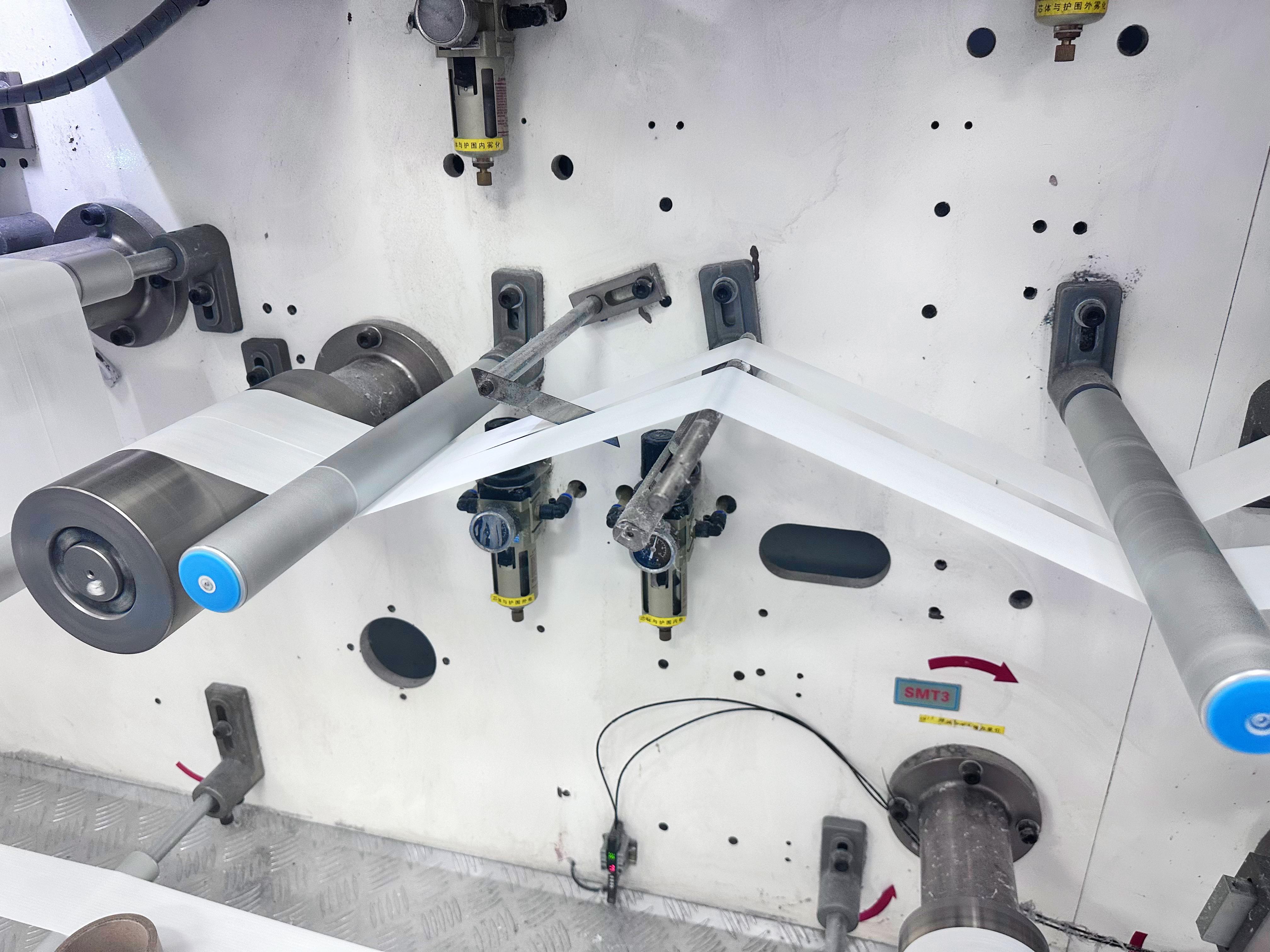
The case documents full-container procurement using 40HQ containers. It also records a partnership that expanded from a single size to a multi-SKU range with repeat orders. Full-container procurement changes the planning conversation because carton configuration, pack count, pallet use and SKU mix affect how efficiently a container is loaded.
Newupward's documented capacity is approximately 450 million sanitary pads per month under full-line operation, with actual available capacity depending on product specification, material readiness and production schedule. Sample development is listed at 5-15 working days. A new OEM or ODM order is about 25-30 days after specification and artwork confirmation, while a repeat order is about 15-20 days. MOQ is project-specific and depends on pad size, materials, packaging printing, pack count and testing requirements.
These figures should be read as planning inputs, not guarantees for every future order. A multi-SKU container with several pad lengths and period pants may have a different production sequence from a single-size order. The buyer should confirm the SKU mix, packaging readiness, artwork approval and inspection plan before treating a lead time as final.
The three-year repeat relationship is the more important supply signal. The case states that cooperation lasted more than three years as documented in August 2026, including product development, bulk supply and repeat orders. It was established without an in-person meeting. That does not mean remote supply is automatic. It means the relationship was managed through samples, specifications, documents, quality communication and delivery follow-up rather than repeated factory visits.
Material-Safety Evidence: What the Reports Show and What They Do Not
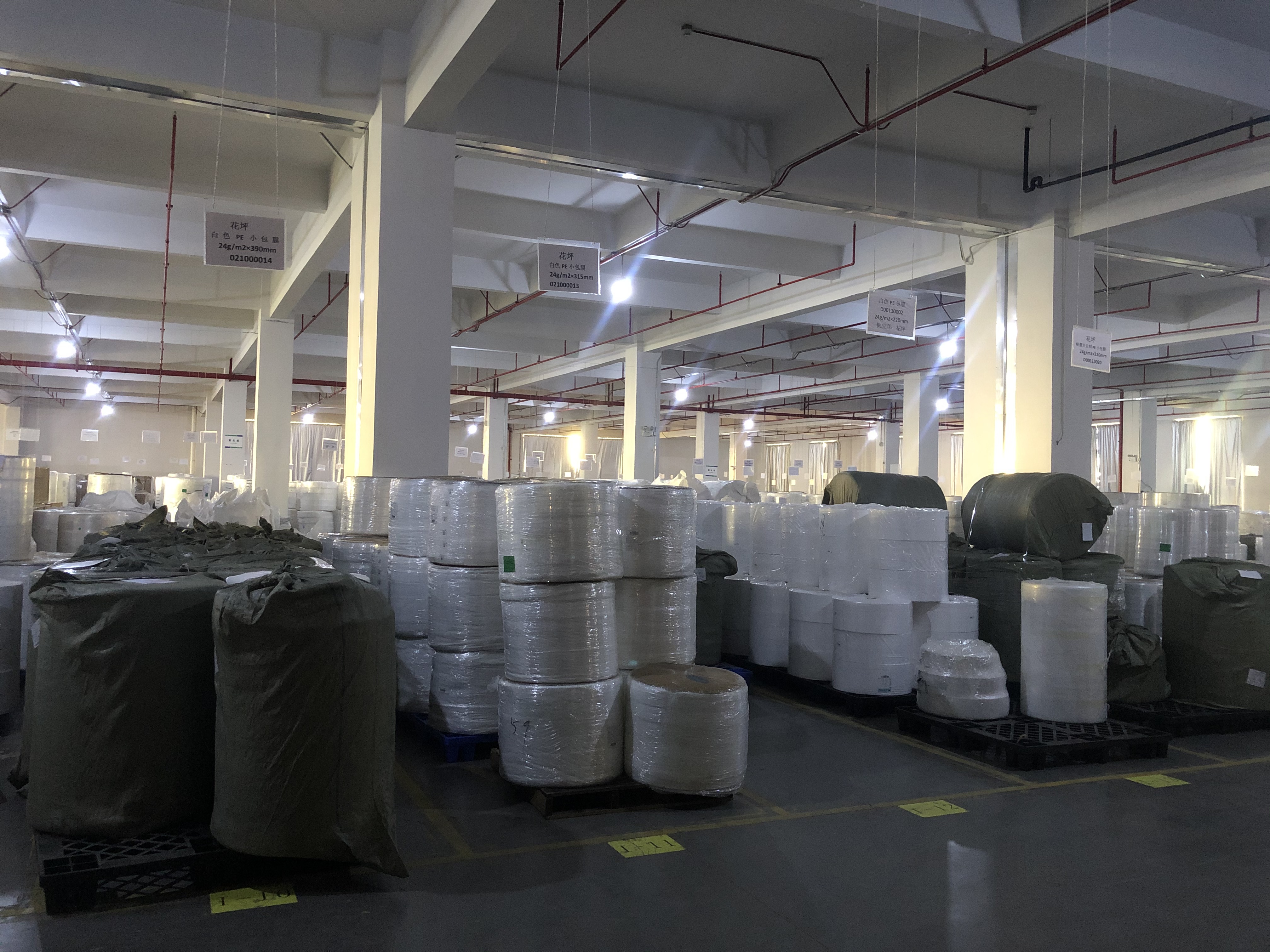
The case discussion references a Skin Sensitization Test Report and an In Vitro Cytotoxicity Test Report under ISO 10993-5:2009. These are material-safety documents, not marketing badges. The cytotoxicity report relates to in vitro testing of cell response to material contact. The skin sensitization report relates to sensitization potential. Both should be read with the sample identity, test method, laboratory, date and product scope.
For a private-label buyer, the correct use is to support a documentation review. The reports help answer whether the material set has been assessed under the named test conditions. They do not prove that no user will ever react, and they do not replace local regulatory review, labeling rules or medical advice. A responsible pack claim should stay within the tested scope and the target market's requirements.
This is especially important for eco friendly organic sanitary pads. An organic topsheet claim, a biodegradable option and a skin-contact test report are separate evidence types. The buyer should not merge them into one broad statement. The stronger approach is to list what was tested, what was certified, and what the packaging will actually say.
Use Cases: Where a Cooling Organic Range Fits
The case's application is private-label feminine care for the Taiwan market, with products designed for daytime use, overnight protection and different sizing needs. The broader product use conditions include daily commuting, school, exercise, business trips, long-distance travel and overnight use. These are practical scenarios, not medical indications.
A cooling experience can be relevant when a brand wants a sensory point of difference in a crowded shelf. Comfort and leakage protection remain the base requirements. A cooling pad that is uncomfortable, poorly fitted or unreliable in absorbency would not solve the generic-product problem. That is why the material, core and sampling work should be treated as one system.
The expanded range also fits different retail needs. Day use organic sanitary pads and ultra thin organic sanitary pads support everyday discretion. Night menstrual organic sanitary pads and extra-long overnight formats support heavier flow and sleep. Disposable period pants support overnight protection and situations where changing is inconvenient. The same brand can use these formats to build a shelf story without pretending that every SKU serves the same user need.
Documented Case Details at a Glance
| Project element | What the case records | Buyer takeaway |
|---|---|---|
| Client and market | An emerging feminine care brand in Taiwan, China, specializing in private-label sanitary pads and disposable period pants. | The project was built around a private-label range, not a single commodity order. |
| Differentiation goal | A distinctive cooling experience, comfortable use and reliable supply. | Sensory difference must be supported by material and supply decisions. |
| Development path | Topsheet and absorbent-core material selection, plus a customized cooling formulation. | The cooling claim is tied to a product specification, not a label alone. |
| Sampling | Four rounds of customized sampling and refinement before the initial order. | Approval should be linked to the final sample and production specification. |
| Range expansion | From a single size to daytime, overnight and extra-long overnight sanitary pads, plus disposable period pants in different sizes. | SKU growth needs packaging, carton and production planning. |
| Procurement | Full-container procurement using 40HQ containers. | Container fill and SKU mix affect the commercial plan. |
| Partnership | More than three years of repeat cooperation, established without an in-person meeting. | Remote supply can work when samples, documents and QC communication are clear. |
| Safety evidence | Skin Sensitization Test Report and In Vitro Cytotoxicity Test Report under ISO 10993-5:2009. | Reports support review within their tested scope; they do not replace market compliance. |
What a Private-Label Buyer Should Verify Before Copying This Path
A case study is not a template that can be copied without checks. The first check is the product specification: exact pad length, thickness, topsheet, absorbent core, SAP level, backsheet, wings, wrapper and pack count. The second is the sample record: which round was approved, what changed between rounds, and how the approved sample will be controlled in mass production.
The third check is documentation. For organic or eco-friendly claims, ask for the material certificate scope, product test reports and packaging wording. For skin-contact claims, ask for the report name, report number where available, sample identity, test method and issuing laboratory. For target-market compliance, confirm the required labeling and importer responsibilities with a qualified local adviser.
The fourth check is supply. Confirm MOQ, sample lead time, production lead time, carton configuration, container loading plan and after-sales process. The case's 40HQ container procurement and three-year repeat relationship show what a mature project can become. They do not remove the need to verify the first order.
FAQ
What skin-contact safety documents should a private-label buyer request for organic sanitary pads?
Ask for product-specific material-safety evidence such as a Skin Sensitization Test Report and an In Vitro Cytotoxicity Test Report under ISO 10993-5:2009, together with the sample identity, test method and scope. If organic claims are used, ask separately for the relevant material certificate scope. These documents support a buyer review, but they do not replace target-market regulatory review or justify medical claims.
How should a retailer choose an organic sanitary pad manufacturer for private label?
A retailer should compare documented product platforms, material options, sampling process, packaging support, quality control, export documentation and repeat-order capability. In this case, Newupward handled topsheet and absorbent-core selection, a customized cooling formulation, four sampling rounds, multi-SKU expansion and 40HQ container supply. A retailer should still verify the exact sample, specification, report scope, MOQ and lead time before placing an order.
Why run four rounds of sampling before an initial sanitary pad order?
Multiple rounds let the buyer and supplier align the cooling sensation, comfort, absorbency, fit and production specification before bulk production. This case documents four rounds of customized sampling and refinement before the initial order. The number itself is not a rule for every project; the important point is that the approved sample must match the mass-production specification.
What size range did the Taiwan, China project expand into?
The project expanded from a single size into daytime, overnight and extra-long overnight sanitary pads, plus disposable period pants in different sizes. This range supports different flow stages and wearing occasions. A buyer planning a similar expansion should confirm packaging, barcode, carton and production scheduling for every SKU, not only the pad itself.
Can a long-term sanitary pad supply relationship be managed without an in-person meeting?
This case documents more than three years of repeat cooperation established without an in-person meeting. That was supported by sample approval, product specifications, quality communication, documentation and delivery follow-up. Remote management does not mean unverified supply. Buyers should still use samples, report checks, agreed inspection arrangements and clear batch traceability. For a comparable review, the Newupward sanitary pad catalog can be downloaded here: E-catalog of sanitary pads.
Conclusion
The Taiwan, China case shows that a private-label pad range does not become distinctive through a new logo alone. It becomes distinctive when the brand defines a sensory target, selects topsheet and core materials that support it, controls a customized cooling formulation, and validates the result through repeated sampling. The later expansion into daytime, overnight and extra-long overnight pads plus disposable period pants turned that product idea into a range. The 40HQ container procurement and more than three years of repeat cooperation show the supply side of the same story.
For buyers at the research and evaluation stage, the useful lesson is to separate claims from evidence. Cooling is a product direction. Organic and biodegradable language are material claims. Skin sensitization and in vitro cytotoxicity reports are safety evidence under named test conditions. Each needs its own documentation. A supplier that can connect these pieces—product development, manufacturing coordination, packaging, quality control and delivery—is easier to evaluate than one that offers only a catalogue and a price.
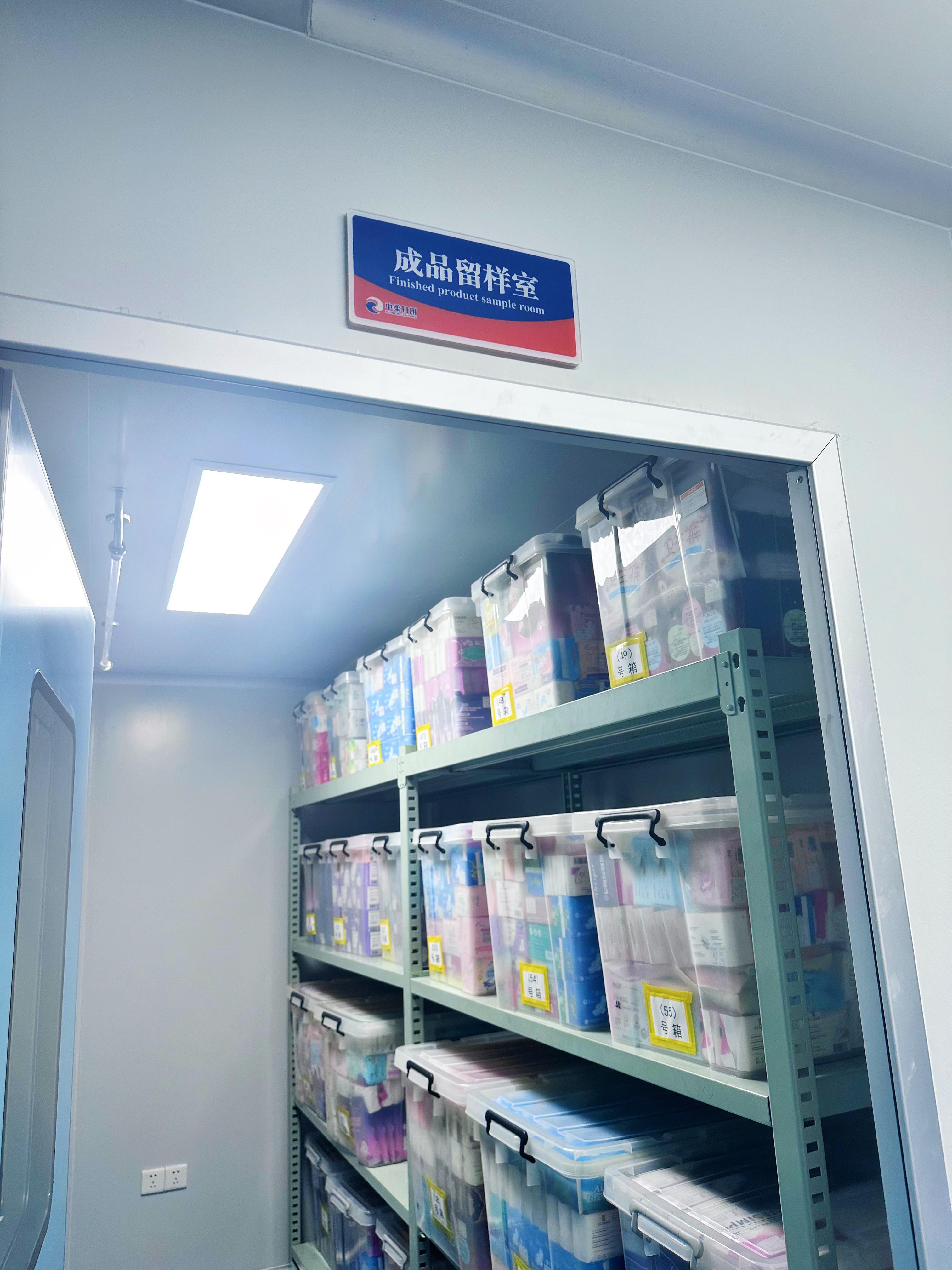
Newupward supports overseas brands, importers, distributors and retail buyers with private-label feminine hygiene projects. The company website is www.newupward.com. Buyers can also download the sanitary pad catalog for product reference.
Have Questions or Need More Details?
Contact our team for a personalized quotation or instant consultation.
Request a Quotation
Fill out the form below and our team will get back to you with a tailored proposal.
WhatsApp Direct Chat
Prefer to chat in real-time? Message us on WhatsApp for instant assistance & quick answers.
- Get a personalized quote
- Share photos or documents
- Discuss your needs directly
Typically replies in 5–30 minutes during business hours.