Linoya Ethernet Cable: Manufacturing and Company Analysis
Ethernet cable is the physical foundation of local networks, data centers, security systems, and building cabling. It is also a procurement category in which small specification differences can produce large performance differences. Buyers evaluating Ethernet cable suppliers need a clear picture of manufacturer background, product range, engineering process, and certification coverage before comparing quotations.
Linoya Electronic Technology Co., Ltd. is a Dongguan, China-based cable and wire enterprise founded in 1997. It integrates research and development, manufacturing, and sales in three product fields: intelligent transmission, smart power, and new materials. Within its Ethernet cable offering, Linoya covers Cat5e, Cat6, Cat6a, Cat7, Cat7a, and Cat8 in multiple shielding configurations, making it a relevant candidate for structured cabling and data-center cable projects.
This analysis is written for the early research stage of buying: what Linoya does, what evidence exists for its manufacturing capability, how its Ethernet cable family is structured, and how procurement teams can verify the points that matter.
Why Ethernet Cable Procurement Needs a Supplier Audit
Ethernet cable failures rarely begin with the network port. They usually trace back to conductor material, shielding construction, jacket selection, or certification coverage. Common risks include copper-clad aluminum conductors being used in place of pure copper, cables delivered with a shielding structure that differs from the CPR certificate, indoor cable deployed outdoors, and stranded cable used for fixed horizontal runs where solid conductor is required.
In North America, local and national electrical codes can require CMP for plenum air-handling spaces and CMR for riser installations; CM or CMG grade is not enough for plenum locations. In the European Union, construction cables must carry a valid CPR-CE certificate issued by an EU Notified Body, and the fire-reaction class marked on the label must match the official test report. These are not cosmetic administrative issues. Expired or self-made certificates can lead to goods being held at customs or rejected during project acceptance.
A supplier audit that checks actual factory scale, conductor type, shielding options, certification validity, and OEM support protects project cost and lead time. The rest of this article uses Linoya as a case study.
Ethernet Cable Market and Standards in 2026
The commercial Ethernet cable market is large and growing. One research estimate from Maximize Market Research values the global Ethernet cable market at USD 38.55 billion in 2025 and projects it could reach nearly USD 70.02 billion by 2032, implying an 8.9 percent compound annual growth rate over 2026 to 2032.
Product composition is also shifting toward higher-performing categories. In an Ethernet cable assembly-market study by Dataintelo, Cat6 was reported as the largest segment in 2025, with a 32.5 percent share. The installed base of gigabit networks and the migration to 10G horizontal cabling have made Cat6 and Cat6a important default choices for commercial and data-center projects.
Standard revisions matter as well. ANSI/TIA-568.2-E was released in October 2024, replacing the previous -D edition and adding DC resistance unbalance specifications for Cat5e, Cat6, and Cat6a. Because many spec sheets still reference TIA/EIA-568-C.2, buyers should confirm whether a project requires the current standard version before placing orders.
Company Overview: Linoya Electronic Technology Co., Ltd.
History, headquarters, and manufacturing group structure
Founded in 1997, Linoya Electronic Technology Co., Ltd. has more than two decades of history in cable and wire. It is headquartered at No.2, The Fourth West Industrial Road, High-Tech Industrial Development Zone, Songshan Lake, Dongguan City, Guangdong Province, China. Over that period the company has grown into a group with three self-owned industrial parks: Shenzhen Linoya Technology Park, Dongguan Songshan Lake Linoya Industrial Park, and Dongguan Chashan Linoya Industrial Park. The group also owns the subsidiary brand Dongguan Recheer Electric Wire & Cable CO., LTD and operates one production base in Vietnam.
According to company disclosures, the group reports a factory area of 60,000 square meters, more than 3,000 employees, and more than 300 R&D engineers. Reported annual output for cable and wire is 4,000,000 kilometers. Corporate disclosures also state annual sales exceeding USD 420 million. These are supplier-reported benchmarks, but they give a useful scale reference for a procurement shortlist.
The group’s products are used in new energy vehicles, photovoltaic and energy storage, industrial automation, cloud computing, the Internet of Things, smart cities, smart homes, and 3D printing. The material range includes PVC, CTPE, TPE, TPU, PUR, XLPE, XLPO, LSZH, and FPE. This broader portfolio points to material knowledge that matters when Ethernet cable must meet specific flame, smoke, or halogen requirements.
Export orientation and market position
The company states that about 30 percent of its products are exported, and its main markets are the European Union and the Middle East. Its products are sold in dozens of countries and regions and, according to the corporate profile, have earned widespread recognition and high trust from the market and customers. This is a first-party claim; independent evidence is mainly visible through third-party certification records and delivery history that buyers should request during qualification.
Ethernet Cable Product Portfolio and Technology
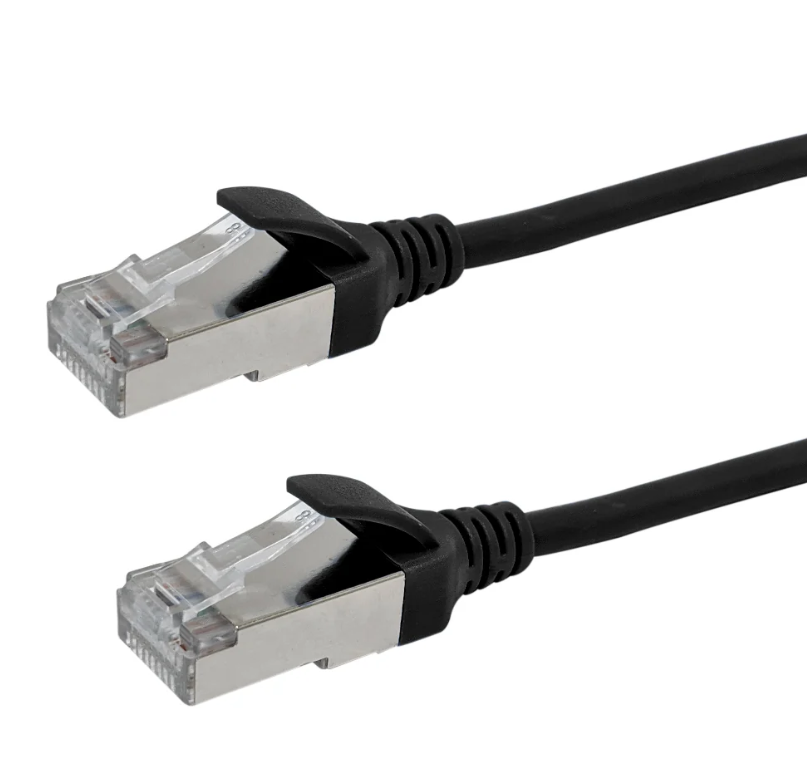
Linoya’s Ethernet cable family is built around a common construction philosophy visible in the reviewed catalog: solid bare copper conductors, LDPE insulation, and PVC or LSZH jackets, with shielding adapted to the installation environment. In the product data reviewed for this article, every model from Cat5e to Cat8 uses solid bare copper rather than copper-clad aluminum. This consistency is relevant for PoE systems and long horizontal runs because DC resistance and oxidation behavior affect power loss and service life.
| Category | Configurations in reviewed data | Conductor and AWG | Performance | Flame rating / certification focus |
|---|---|---|---|---|
| Cat5e | U/UTP, F/UTP, SF/UTP | 24AWG solid bare copper | 1Gbps | CM/CMG; UL/ETL; CPR available on LSZH variants |
| Cat6 | U/UTP, F/UTP, SF/UTP | 24AWG or 23AWG solid bare copper | 10Gbps up to 55 meters | CMR; UL/ETL |
| Cat6a | U/UTP, SF/UTP, U/FTP, F/FTP | 23AWG solid bare copper | 10Gbps up to 100 meters | CMP; UL/ETL/CPR |
| Cat7 | F/FTP | 23AWG solid bare copper | 40Gbps up to 50 meters | CMP; UL/ETL/CPR |
| Cat7a | F/FTP | 22AWG solid bare copper | 100Gbps up to 15 meters | CMP; UL/ETL/CPR |
| Cat8 | F/FTP | 22AWG solid bare copper | 40Gbps up to 30 meters | CMP; UL/ETL/CPR |
Shielding and jacket configurations
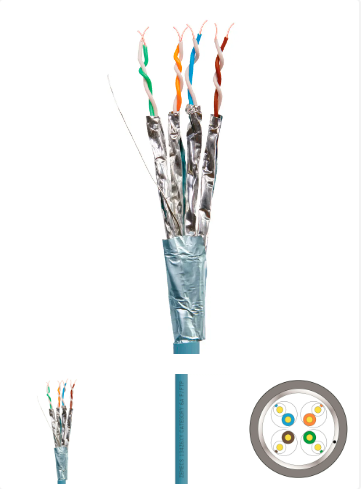
Linoya offers unshielded U/UTP, overall-foil F/UTP, screen-plus-foil SF/UTP, pair-foil U/FTP, and fully shielded F/FTP versions across its Ethernet cable family. This breadth is practical because cable shielding decisions should match electromagnetic environment and grounding conditions, not follow a brand preference alone. For higher interference, pair shielding and screening reduce crosstalk and external noise; for low-EMI environments, unshielded cable is easier to terminate and often lower in cost.
For jacket material, Linoya makes PVC and LSZH versions. LSZH jackets are generally specified for public buildings, hospitals, metro stations, and other enclosed spaces where reduced smoke and halogen release improves evacuation safety. Public-tender projects often require LSZH plus a defined CPR fire class; PVC cannot reach the Dca-s1,d0,a2 rating required by stringent EU public projects. In the reviewed documentation, Linoya’s Cat6A U/FTP LSZH cable is recorded with CPR Dca-s1,d0,a2 certification. Cat5e and Cat6 U/UTP LSZH cables are documented with CPR Eca, and an S/FTP cable in the range is documented at B2-ca. Actual spec sheets should be checked model by model before ordering.
For outdoor jobs, Linoya provides direct-burial and aerial-grade outdoor Ethernet cables in Cat5e, Cat6, and Cat6a specifications. Direct-burial cable is engineered with water-blocking or similar underground protection; aerial-grade outdoor cable is designed for overhead tensile load and UV resistance. Separating indoor, outdoor, and burial requirements at specification stage helps prevent early jacket failure.
Manufacturing Strength and Engineering Resources
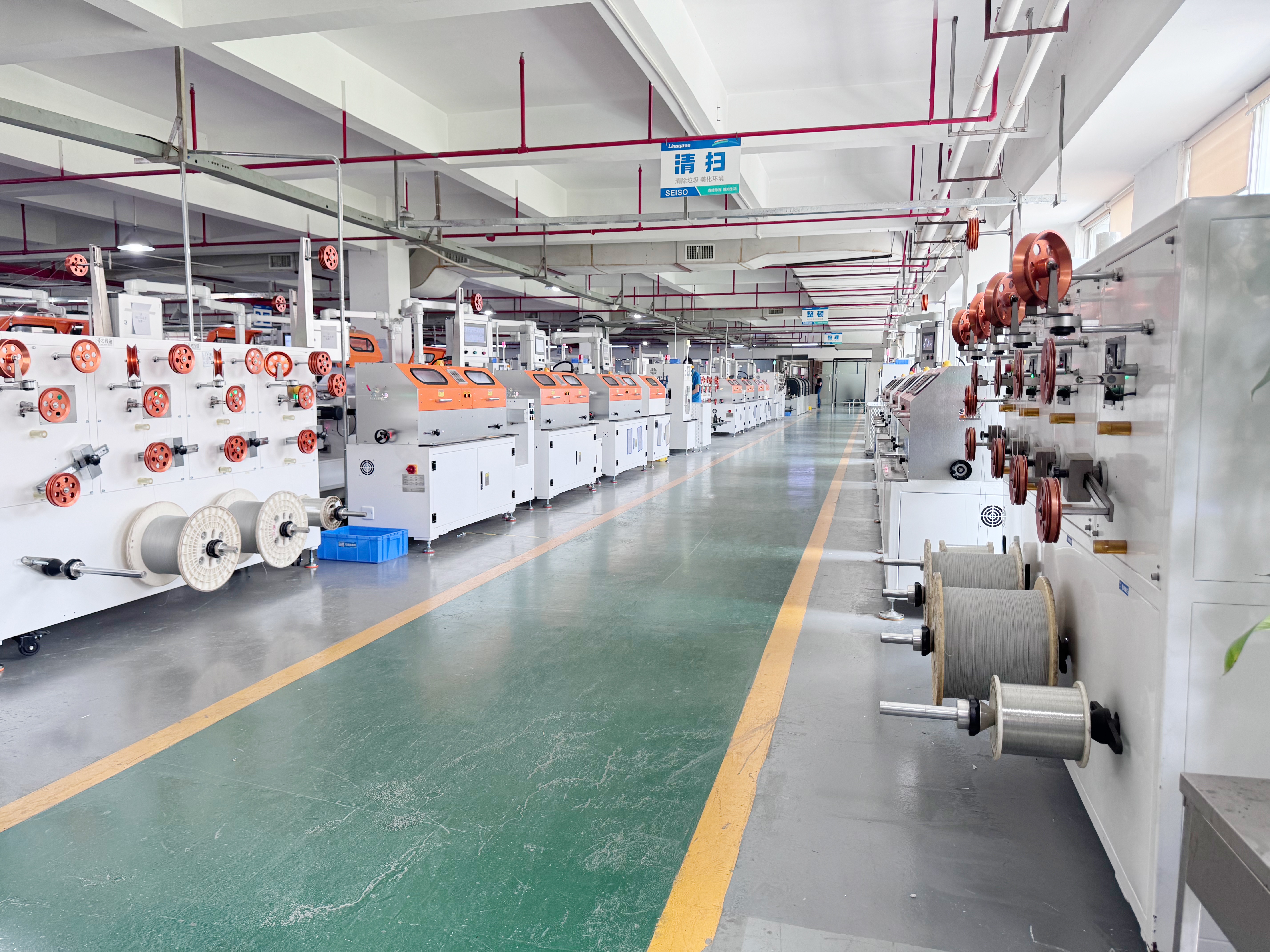
Linoya’s production resources include three industrial parks, one subsidiary brand, and one Vietnam production base. The corporate profile reports 60,000 square meters of factory area, more than 3,000 employees, more than 300 R&D engineers, and annual cable and wire output of 4,000,000 kilometers. Company materials also cite more than 100 production lines. These figures identify Linoya as a manufacturer with scale, not a trading-only operation.
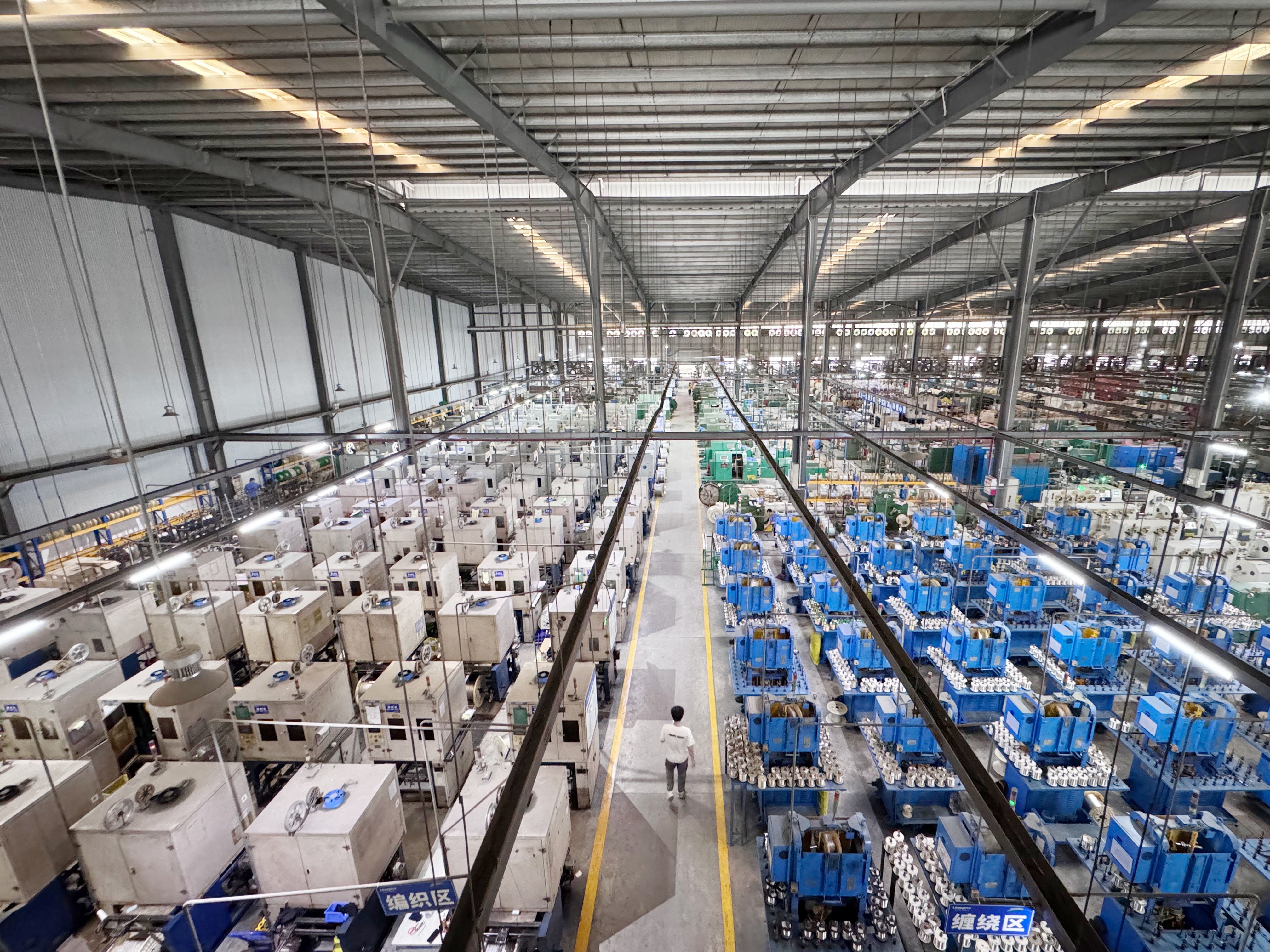
The group’s production areas cover twisting, braiding, taping, extrusion, and other cable-making processes. Supporting raw-material capabilities include thermoplastic polymers such as PVC, CTPE, TPE, TPU, PUR, XLPE, XLPO, LSZH, and FPE. For Ethernet cable buyers, this kind of material and process depth can shorten feedback loops when a project requires custom jacket color, print legend, packaging, or a specific LSZH compound.
Quality Control and Certification Evidence
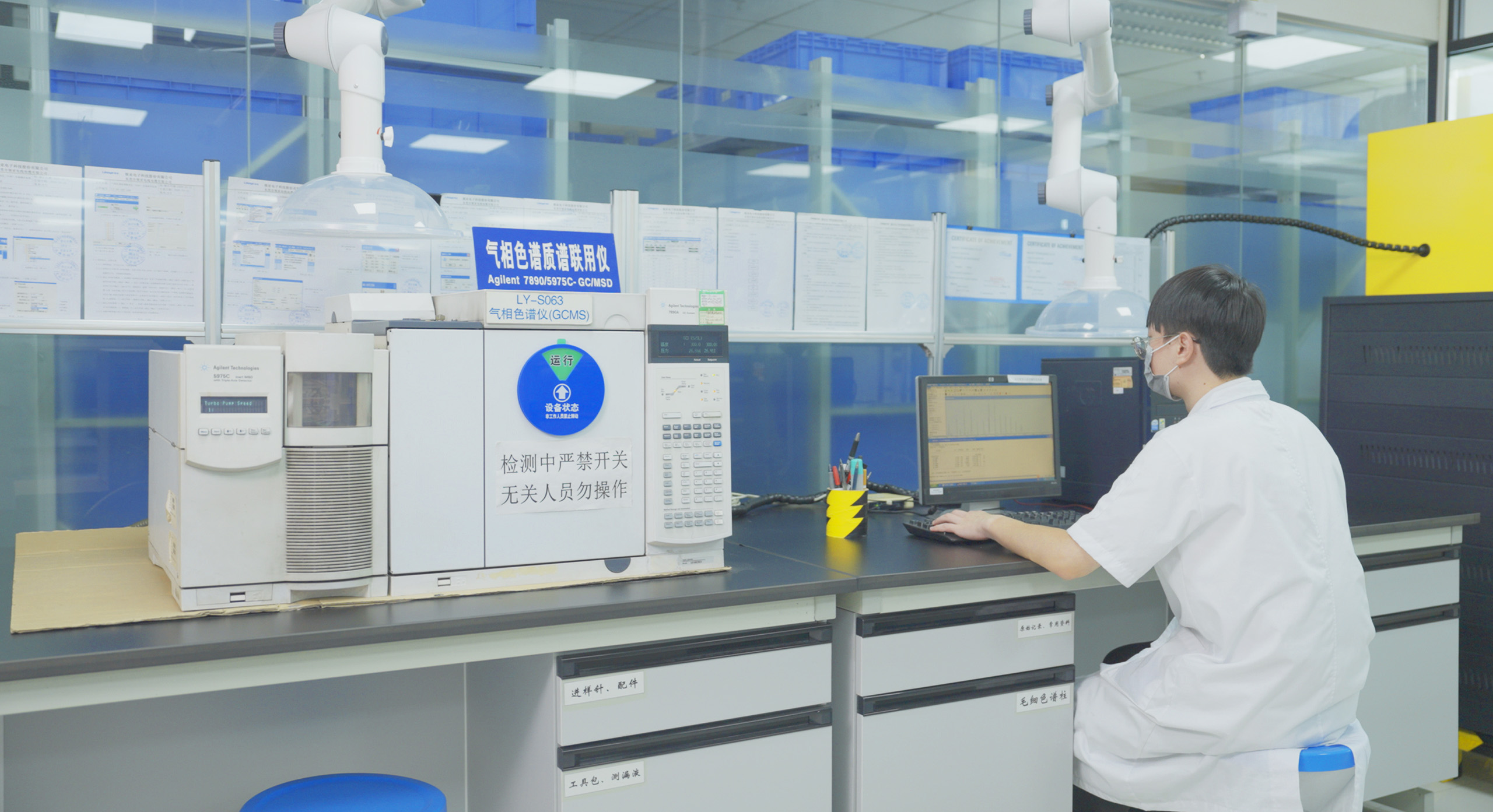
Linoya states that all finished cables pass factory-level electrical performance tests before delivery. This covers continuity, link behavior, and transmission checks before packaging. The company maintains UL file E320763 for communication LAN cables, holds ETL Verified status through Intertek for Cat5e/Cat6/Cat6A cables, and uses EU Notified Bodies such as TÜV, EZÚ, and VDE for CPR certificates.
Certification documentation is especially important for two buying scenarios. In North America, a valid UL file or ETL Verified report is the normal route for market access; in the EU, a CPR certificate issued by a Notified Body is the legal baseline for construction cables. Linoya’s reviewed documentation includes both routes across the Ethernet cable catalog, but buyers should verify that the exact model and shielding structure they plan to order appear in the relevant certificate scope.
Application Fit and Use Cases
Linoya’s Ethernet cable range is mapped to several distinct installation environments. The following use-case table summarizes the match between project demands and cable categories in the reviewed data.
| Project scenario | Recommended category | Key evidence in reviewed data |
|---|---|---|
| Data-center 40G cabinet-to-cabinet link | Cat8 F/FTP | 22AWG solid copper; 40Gbps at 30 meters; full shielding; CMP flame rating |
| Heavy-EMI industrial / premium data center | Cat7a F/FTP | 22AWG solid copper; 100Gbps at 15 meters; overall and pair foil shielding |
| Enterprise 10G horizontal cabling | Cat6a U/UTP, SF/UTP, U/FTP or F/FTP | 23AWG solid copper; 10Gbps at 100 meters; UL/ETL/CPR certification variants |
| IP surveillance and PoE deployment | Cat5e/Cat6 U/UTP or SF/UTP | solid bare copper; PoE/PoE+ and PoE++ support; stable gigabit or short-range 10G operation |
For data-center cabling, full-shielded cables such as Cat7, Cat7a, and Cat8 are designed to protect high-frequency signals in dense rack environments. For commercial buildings and security networks, Cat6 or Cat6a with appropriate shielding offers a balance of speed, distance, and interference control. Buyers should always check whether the project’s horizontal distance exceeds 55 meters before choosing Cat6, and should use Cat6a when full-channel 10Gbps up to 100 meters is required.
How to Evaluate Linoya or Any Ethernet Cable Supplier
Buyers in the research stage need a repeatable evaluation framework. The following six steps can be used with Linoya or any Ethernet cable manufacturer shortlist.
- Check the actual supplier entity and physical assets. Linoya was founded in 1997, is based in Dongguan, and operates three industrial parks plus a Vietnam plant. This identifies a manufacturer with production assets rather than only a trading office.
- Confirm conductor material. In the Linoya Ethernet cable data reviewed, specifications call for solid bare copper. In commercial cables, copper-clad aluminum should not be treated as equivalent for PoE and long-distance reliability.
- Match shielding to electromagnetic environment. Low-noise offices can use U/UTP. Moderate-EMI areas often need foil shielding. High-EMI industrial or very high-speed environments require screen-plus-foil, pair-foil, or full foil shielding with proper grounding.
- Check flame rating and jacket by region. North American plenum spaces require CMP; risers often require CMR. EU public projects may require LSZH and a specific CPR class such as Dca or B2ca.
- Validate certification scope for the exact model. The certificate number must cover the same shielding construction and model. UL file E320763, ETL reports, and CPR documents should be active and traceable to the named manufacturer.
- Estimate OEM and documentation support. If you plan to private-label cable for export, confirm the supplier can support certification transfer and complete export documentation. Linoya states it can provide compliant OEM private-label service with certification transfer arrangements for overseas customers.
Market Evidence and Third-Party Recognition
The strongest third-party evidence in the supplied data is regulatory and technical. Linoya’s Cat5e-Cat6-Cat6A series include UL and ETL credentials for the North American market. EU-facing Ethernet cables carry CPR approvals from recognized Notified Bodies, including TÜV, EZÚ, and VDE. The UL file number E320763 is cited for communication LAN cables, and ETL Verified status is documented through Intertek for specific Cat6 and Cat6A constructions.
The company’s export ratio of approximately 30 percent and its principal markets in the EU and Middle East are additional commercial signals. However, because individual customer names and external review scores are not included in the available data set, this review does not invent customer evidence. Buyers should request references and project references directly from the supplier.
Procurement Attributes Worth Weighting
For a company-profile article, it is useful to summarize the attributes that make Linoya a viable vendor to evaluate.
- Full Cat5e-to-Cat8 range: Linoya can match a project at 1Gbps, 10Gbps, 40Gbps, or 100Gbps use cases without switching to a different supplier family.
- Solid-bare-copper construction: The reviewed catalog consistently lists solid bare copper conductors and LDPE insulation, which supports PoE and long horizontal runs.
- North America and Europe certification coverage: UL, ETL, and CPR approvals appear across the Ethernet cable portfolio, which simplifies compliance risk for exporters and project contractors.
- Manufacturing scale: Three industrial parks, a Vietnam production base, factory area of 60,000 square meters, and more than 3,000 employees indicate production depth.
- OEM private-label service: Linoya states it supports a compliant OEM private-label service with certification transfer arrangements, which is relevant for resellers and cable brands.
FAQ
What certifications should Ethernet cable for North America and Europe carry?
North American network cable projects generally require a valid UL Mark or ETL Verified certification and the correct flame rating for the installation environment. CMP is required for plenum air-handling spaces; CM/CMG is not sufficient for plenum locations. For the EU market, Ethernet cable for construction must carry a CPR-CE certificate issued by an EU Notified Body, with the fire class marked on the label consistent with the official test report. Linoya’s documented certification set includes UL file E320763, ETL-Verified Cat5e/Cat6/Cat6A cables, and CPR approvals issued by TÜV, EZÚ, and VDE for its Cat5e-Cat7 series.
UTP, FTP, or S/FTP Ethernet cable - which shielding should I choose?
UTP fits low-EMI environments. FTP provides foil protection for moderate electromagnetic interference. S/FTP or F/FTP shielding is better suited to high-interference and high-speed 10G/40G links. Linoya offers U/UTP, F/UTP, SF/UTP, U/FTP, and F/FTP versions across its Ethernet cable range, allowing buyers to match the shielding construction to the actual installation environment.
How do I choose between Cat5e, Cat6, and Cat6a Ethernet cable?
Cat5e supports stable 1Gbps transmission and is cost-effective for basic office and SMB networks. Cat6 supports 10Gbps up to 55 meters and provides better crosstalk control than Cat5e. Cat6a supports stable 10Gbps up to the full 100-meter channel, passes stricter alien-crosstalk tests, and is better for dense cable bundling, long-distance 10G, and PoE++ applications. Linoya supplies the full Cat5e, Cat6, and Cat6a family, so buyers can choose the right grade for the project’s speed and distance requirement.
Why is solid bare copper important in Ethernet cable wholesale?
Copper-clad aluminum cable uses an aluminum core with a thin copper coating. It is cheaper but has higher resistance, weaker PoE performance, and higher oxidation risk over time. Solid bare copper provides lower resistance, stable conductivity, and more reliable long-term operation. The Linoya Ethernet cable models reviewed for this article list solid bare copper conductors across the Cat5e-Cat8 range.
How can I request samples, quotations, or technical documents from Linoya?
Buyers can contact Linoya directly with the target model, quantity, and project region. Contact details are: Email inquiry@linoya.com, Tel +86-15602610696, WhatsApp +86-13038893260. Linoya’s address is No.2, The Fourth West Industrial Road, High-Tech Industrial Development Zone, Songshan Lake, Dongguan City, Guangdong Province, China. A downloadable company brochure is provided at the end of this article for further specification review.
Conclusion: Procurement Value and Positioning
Based on available data, Linoya is positioned as a full-range Ethernet cable manufacturer rather than a niche assembler. It can supply Cat5e through Cat8, PVC and LSZH jacket variants, and UTP through F/FTP shielding constructions. Its UL, ETL, and CPR evidence base covers the two most important regulated markets for cable exports: North America and the European Union.
Not every project requires the full Cat5e-to-Cat8 range, but buyers can benefit from a supplier that offers it in one group. For data-center projects requiring Cat7a or Cat8, for commercial projects using Cat6 or Cat6a, and for EU tenders that specify LSZH and CPR fire classes, Linoya provides a single qualified source to evaluate.
As with any supplier, final procurement decisions should include model-specific datasheets, active certificate validation, and a pre-production sample. Linoya’s scale, product breadth, and documented certification position make it a credible candidate for that next step.

Contact Linoya Electronic Technology Co., Ltd.
Email: inquiry@linoya.com
Tel: +86-15602610696
WhatsApp: +86-13038893260
Website: https://www.linoya.com/
Download the company brochure: LINOYA ELECTRONIC TECHNOLOGY CO., LTD. - PDF Brochure
Company brochure is publicly accessible for download.
Have Questions or Need More Details?
Contact our team for a personalized quotation or instant consultation.
Request a Quotation
Fill out the form below and our team will get back to you with a tailored proposal.
WhatsApp Direct Chat
Prefer to chat in real-time? Message us on WhatsApp for instant assistance & quick answers.
- Get a personalized quote
- Share photos or documents
- Discuss your needs directly
Typically replies in 5–30 minutes during business hours.