
Nonwoven Fabric Machine RFQs: Turning Application Needs into Acceptance Terms
Application-to-Terms Guide
A nonwoven fabric machine is ordered months before it is tested, so at signature the only protection a buyer holds is the wording of the terms. This guide explains how to translate a specific project application — hygiene, medical, automotive interior, packaging or agricultural stock — into commercial terms and acceptance checks that match the product you actually intend to sell.
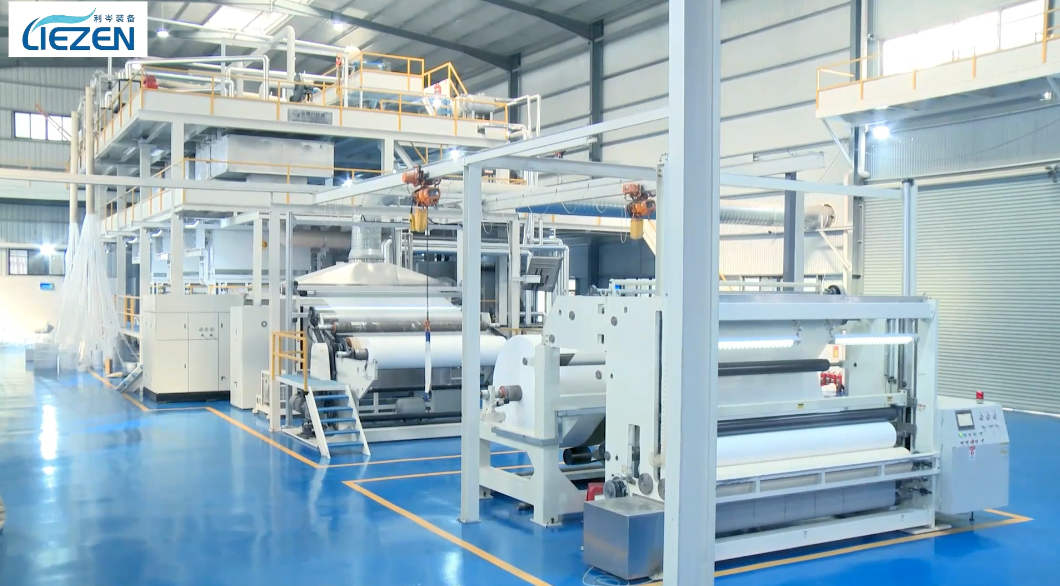
Cover. A nonwoven line is specified long before it runs; the term sheet is the only instrument that survives the gap.
The short answer
Write the terms from the application backwards, not from the brochure forwards:
- State the end product, the polymer and the target gram weight band before any machine number is quoted.
- Convert every application statement into one measurable line attribute — width, layer configuration, speed, filament fineness or bonding method.
- Fix the scope boundary in the same document as the price.
- Name the measurement method behind every acceptance item; for nonwoven fabric the shared vocabulary is the ISO 9073 series.
- Split factory acceptance from site acceptance, and never accept “tested at the factory” as a criterion on its own.
Problem definition: where application and contract drift apart
Mismatches rarely come from a wrong machine. They come from a term agreed in one meaning and delivered in another. Three drift points account for most of them.
1. The buyer describes a product; the supplier quotes a machine
A buyer writes “we produce sanitary napkins and diaper material”; the quotation returns an effective width, a production speed and a filament fineness. Neither document is wrong, and neither is sufficient. The step between product language and machine language — the translation — is usually left verbal, and verbal terms are the ones that cannot be enforced.
2. Acceptance is agreed as an impression rather than a measurement
“Good hand feel”, “stable running”, “uniform fabric” and “meets the sample” describe something real, but none of them defines what is measured, on which material, with which instrument, or over which run length. An acceptance clause needs three components before it can be tested: an attribute, a method and a pass condition.
3. The same checking point carries two names
Gram weight, basis weight and area weight describe one property; production speed and mechanical speed are frequently used interchangeably even though they are different values, one a running figure and the other a design ceiling. When the two parties use different words for one check, the dispute at handover is about vocabulary rather than quality — and it is avoidable at the drafting stage.
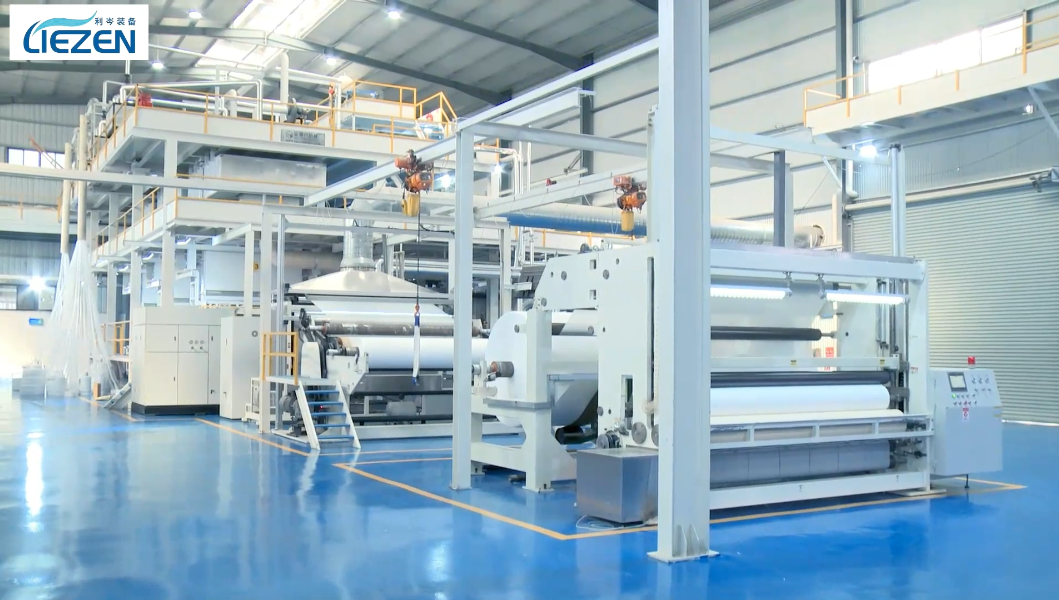
Figure 1. A multi-beam spunmelt configuration. Each added beam changes the term set, not only the output figure.
Industry background: why term mismatches are growing, not shrinking
Nonwoven fabric machinery is a configurable category rather than a standard product. Lizen Machinery Co., Ltd (Changzhou LieZen Non-woven Machinery Co., Ltd.), a nonwoven machinery manufacturer based in Changzhou, Jiangsu, China, covers PP spunbond machines from Single S and SS through SSS, plus meltblown, SMS, SMMS, SSMS and SSMMS composite lines, and PET and bi-component machines. Every configuration in that range is sold through the same commercial language — width, speed, layers, bonding — while producing materially different fabric. The wider the configuration menu, the more the term map matters.
Market context reinforces the point. The global non-woven fabric making machine market was valued at USD 2.20 billion in 2025, and spunbond technology holds a 40% share of the nonwoven machinery market (Maximize Market Research; Dataintelo). On the fabric side, the spunbond nonwoven fabric market is projected to grow from USD 15.6 billion in 2023 to USD 28.2 billion in 2033 at a 6.1% CAGR (Fortune Business Insights). Growth of that kind pulls new buyers into the category — first-time investors, converters moving downstream, and producers building a first nonwoven production line. First-time buyers are the most exposed to term drift, because they have no internal precedent for what a clause should contain.
Two external frameworks already exist and are commonly under-used in contracts. The first is the ISO 9073 series, the dedicated set of ISO test methods for nonwovens, which gives a buyer a neutral way to describe fabric acceptance instead of relying on supplier phrasing. The second is customs classification: in the HS 2022 nomenclature, nonwoven line machinery can fall under HS 8444 (machines for extruding, drawing, texturing or cutting man-made textile materials), HS 8445 (fibre preparation and yarn-production machinery) or HS 8477 (machinery for working rubber or plastics). Spunbond and spunmelt filament-extrusion systems may be declared under 8444 or 8477 depending on national customs practice, so duty planning and any third-party trade figure must be read with that ambiguity in mind.
Detailed solution: a four-layer term map
The workable approach is to build the term set in four layers, in order, and to refuse to skip a layer. Each layer answers one question and produces wording that can be lifted directly into the RFQ.
Layer 1 — Application layer: what the line must make
Name the end product family, the polymer, the target gram weight band, the running width you expect to use, and the environment the fabric must suit. The listed application coverage of the PP spunbond and spunmelt range spans medical, hygiene (masks, protective wear, sanitary napkins, diapers), automotive interior, apparel and home textiles, agricultural covers, and packaging and eco-friendly bags. Choosing one of those families is not enough on its own: the gram weight band and the cleanliness expectation are what separate a hygiene brief for a sanitary napkin nonwoven fabric machine from a general-purpose line brief.
Layer 2 — Machine envelope: what the line is rated to do
Convert Layer 1 into published machine values and write them into the terms with their units. Across the SS, SSS and SMMS configurations the published effective width range is 1600–3200 mm. The SS double-beam PP spunbond configuration is published at a production speed below 250 m/min against a mechanical speed below 300 m/min. The SSS and SMMS configurations are published at a production speed below 400 m/min against a mechanical speed below 450 m/min. Filament fineness is published at 1.5–2.0 D for SS and SMMS and 1.5–2.5 D for SSS. Two rules follow directly: quote production speed and mechanical speed as separate numbers, and never treat a published production speed as a contractual output guarantee for an unspecified product.
Layer 3 — Scope boundary: what travels with the machine
Price comparison collapses when scope is undefined. A nonwoven production line is normally supplied with matched auxiliary equipment — traction units, winding and rewinding, fans and air compressors, heating and temperature-control equipment, slitting and cutting, and packaging equipment — alongside installation, commissioning and remote technical support as described in the manufacturer’s service profile. Decide explicitly which items sit inside the supply, which are buyer-supplied and which are optional. Written as a line-by-line annex, this single step removes most “the quotation did not include that” disputes before they start.
Layer 4 — Acceptance layer: how conformity is proven
For every performance claim made in Layers 1 to 3, define the attribute, the method and the pass condition. Fabric properties are measured against the ISO 9073 series, with the specific part named in the contract rather than the series as a whole. Machine-side checks — effective width, speed settings, filament fineness, temperature control, automation functions — are measured at the factory. The two sets belong in two schedules, because they are performed at different sites, by different people, at different times.
Once the four layers exist, the term sheet largely writes itself. Typical output clauses read like this: a target gram weight band with a stated tolerance measured per a named ISO 9073 part; an effective width stated with a usable trim allowance inside the 1600–3200 mm range; production speed validated only on the agreed reference product; acceptance defined as a factory test on the reference product followed by a site test after commissioning; and a scope annex that lists auxiliary equipment by name.
Term-to-check mapping
The table below shows how the four layers collapse into the clauses that actually get negotiated.
| Application need | Term to write | Acceptance evidence to pair with it |
|---|---|---|
| “We make hygiene material” | End product family, polymer, gram weight band and cleanliness expectation | Fabric test on the reference product using a named ISO 9073 part |
| “We need a certain width” | Effective width inside 1600–3200 mm, with usable trim allowance | Measured usable fabric width at the winder at the factory test |
| “We need output” | Production speed stated on a specified reference product; mechanical speed stated separately as a design ceiling | Run record at the agreed speed on the reference product |
| “The fabric must look and feel consistent” | Gram weight tolerance plus the manufacturer’s closed temperature-control description | Gram weight samples across the run and across the width |
| “We must not stop for maintenance” | Modular structure and spare-parts list; automation level stated | Spare-parts schedule and on-site commissioning report |
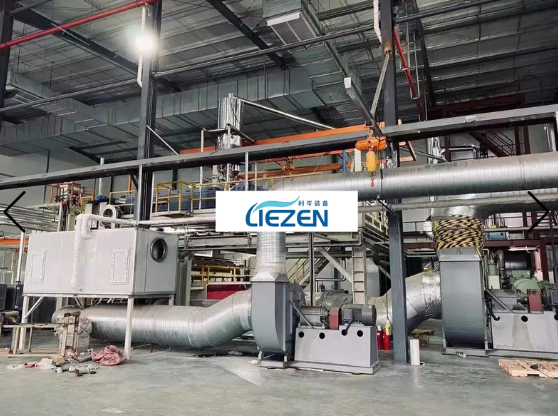
Figure 2. Factory-side verification. Every machine claim in the term sheet needs one named check performed here.
Step-by-step breakdown: six steps from use case to signed criteria
Step 1 — Write a one-paragraph application statement
Product family, polymer, target gram weight band, expected running width, special requirement (the manufacturer lists different widths, layer counts, electrostatic treatment, flame-retardant options and medical-grade clean standards as configurable), and the shift-level output you need. One paragraph, no adjectives, no brand names yet.
Step 2 — Convert each sentence into a machine attribute
Match the application to a configuration before discussing price: single-beam or double-beam spunbond for basic PP fabric, SSS where more spunbond layers are needed, meltblown where fine-fibre filtration behaviour is required, and SMS, SMMS or SSMS where spunbond and meltblown must be combined in one spunmelt machine. Then attach numbers: width to the 1600–3200 mm range, output to production speed plus gram weight, consistency to the closed temperature-control system, labour to the automation level, and serviceability to the modular structure.
Step 3 — Freeze the envelope, and separate the two speeds
Write the envelope once and reference it everywhere: effective width, production speed, mechanical speed and filament fineness, each with its unit. A term sheet that says “speed up to 400 m/min” without naming the configuration and the reference product will be read as a guarantee, and it will not survive the first production trial.
Step 4 — Build the scope annex
List traction units, winding and rewinding, fans and air compressors, heating and temperature control, slitting and cutting, packaging equipment, spares, installation, commissioning and remote technical support as separate lines, each marked included, optional or buyer-supplied. Two offers can only be compared on price once this annex is identical.
Step 5 — Choose the measurement basis
Decide which fabric properties will be accepted, then assign each one a specific ISO 9073 part. Parts differ in scope and edition, so the part number and edition belong in the contract text, not in an appendix labelled “ISO 9073”. For machine-side items, state the instrument or method: tape or laser for width, run record for speed, sample measurement for filament fineness.
Step 6 — Split factory and site acceptance, then add change control
Factory acceptance tests machine and fabric against the agreed criteria before shipment; site acceptance repeats the defined subset after installation and commissioning, when the line runs on the buyer’s own raw material. Add one final clause: how a later change to raw material, gram weight or product mix is handled, and which party validates it. This is the clause buyers most often omit and most often need within the first year.
Use cases: what changes in the term set, application by application
Hygiene: sanitary napkins and diapers
The controlling terms are gram weight tolerance, fabric consistency across the width and the cleanliness expectation for the working environment. For a sanitary napkin nonwoven fabric machine brief, the acceptance schedule should prioritise fabric measurement on the reference product, and the term sheet should state that production speed is validated on that product only.
Medical: masks and protective wear
Medical use adds a definition problem before it adds a machine problem: which layer of the finished article is being supplied by this line, and what that layer must satisfy. Where the manufacturer’s configurable medical-grade clean standards are requested, they must be written as a scope item with its own verification, not left inside a general quality sentence.
Automotive interior
An automotive interior nonwoven production line is usually specified against a downstream converting process — width utilisation, roll format and handling — rather than against a single fabric property. The term set therefore leans on width, winding and rewinding, and roll-to-roll consistency, with acceptance tied to the format the converter can actually run.
Packaging and eco-friendly bags
Here the commercial pressure sits on throughput and cost per metre rather than on fine-fibre performance. The relevant clauses are the production speed on the reference product, the automation level that determines manning, and the slitting and cutting arrangement inside the scope annex.
Agricultural covers
Broad-width output with a stable gram weight matters more than surface refinement. Width utilisation and gram weight tolerance carry the acceptance weight, and the change-control clause matters more than usual because product mixes in this segment tend to shift seasonally.
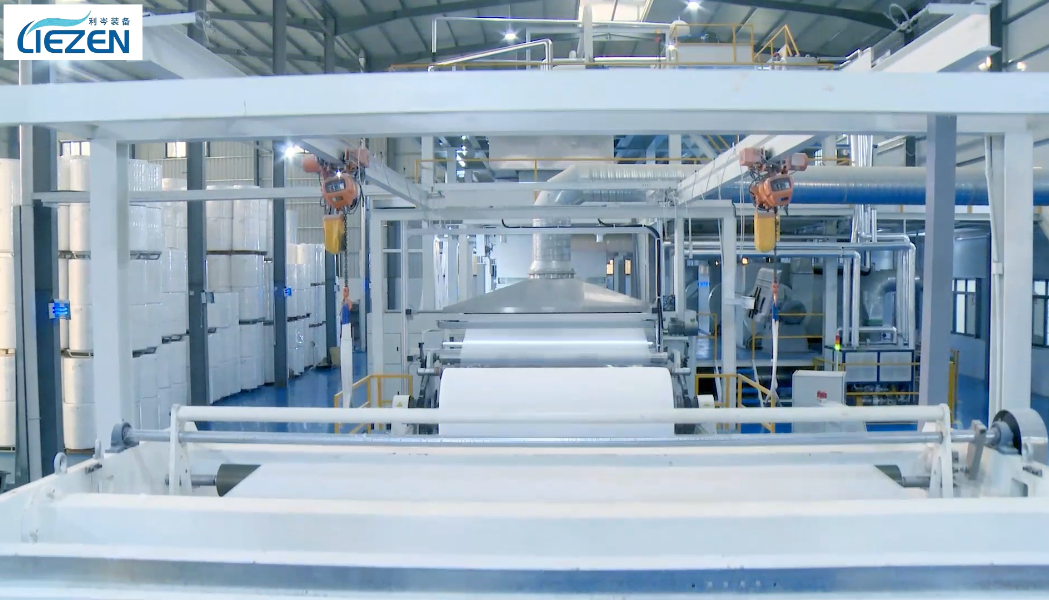
Figure 3. Scope, spares and documentation are settled on site, long before the acceptance schedule is signed.
Comparison table: published configurations and the terms they anchor
The values below are the machine-side figures published in the manufacturer’s product data for three PP spunbond and spunmelt configurations. They are a specification envelope, not a guarantee of stable output for a specific end product.
| Configuration | Effective width | Production speed | Mechanical speed | Filament fineness | Term it should anchor |
|---|---|---|---|---|---|
| SS double-beam PP spunbond | 1600–3200 mm | <250 m/min | <300 m/min | 1.5–2.0 D | Throughput ceiling on the reference product; winding changeover planning |
| SSS spunbond | 1600–3200 mm | <400 m/min | <450 m/min | 1.5–2.5 D | Higher-speed production clause; gram weight stability at speed |
| SMMS spunmelt | 1600–3200 mm | <400 m/min | <450 m/min | 1.5–2.0 D | Composite structure scope; separate acceptance for spunbond and meltblown sections |
How to read this table. The mechanical speed is a design ceiling and should never appear alone in a contract. The production speed should always carry the words “on the agreed reference product”. Width should carry the usable trim allowance. Configuration choice changes the term set as much as the price.
FAQ
Which standard should fabric acceptance for a nonwoven fabric machine be written against?
ISO 9073 is the dedicated ISO series of test methods for nonwovens, and it is the neutral vocabulary available to both buyer and supplier when fabric properties are accepted. Because the parts differ in scope and are revised individually, the contract should name the specific part and edition used for each accepted property rather than citing the series as a whole. Naming the part converts a general quality statement into a test that either party can perform and both parties can dispute on evidence.
Which HS heading applies when importing a nonwoven fabric machine?
More than one heading in HS Chapter 84 can apply. HS 8444 covers machines for extruding, drawing, texturing or cutting man-made textile materials; HS 8445 covers machines for preparing textile fibres and for producing yarns; HS 8477 covers machinery for working rubber or plastics or for manufacturing products from those materials. Spunbond and spunmelt filament-extrusion systems may be declared under 8444 or 8477 depending on national customs practice, which means trade statistics published under those headings are not additive and should not be summed into a single category figure. Classification should be confirmed against the destination country’s tariff schedule before the purchase terms fix the delivery and duty arrangements.
Which machine specifications belong in the terms rather than in the brochure?
Four values should always migrate from brochure to contract: effective width, production speed, mechanical speed and filament fineness, each with its unit. In the PP spunbond range the published envelope is an effective width of 1600–3200 mm; production speed below 250 m/min against mechanical speed below 300 m/min on the SS double-beam configuration; production speed below 400 m/min against mechanical speed below 450 m/min on SSS and SMMS; and filament fineness of 1.5–2.0 D on SS and SMMS, 1.5–2.5 D on SSS. Everything else — automation level, temperature control, modularity — should be written as a described feature with an observable check attached.
Why do two quotations for the same nonwoven fabric machine resist price comparison?
Because three variables usually differ before price is reached: the scope annex, the acceptance method and the service scope. One quotation may include traction units, winding and rewinding, fans and air compressors, heating and temperature control, and slitting and cutting, while another lists them as optional; one may define acceptance on a named ISO 9073 part, another on a visual check. Line prices for nonwoven machinery are not published in comparable form, so a buyer cannot benchmark from the market — the only reliable route is to issue an identical scope annex and acceptance schedule to every supplier and compare the responses to the same document.
What is the difference between a sample run and factory acceptance testing?
A sample run answers a technical question: can this line produce material that satisfies our target at all? Factory acceptance testing answers a contractual question: does this line meet the criteria we signed, measured by the named method, on the agreed reference product, before shipment. Site acceptance then repeats the defined subset after installation and commissioning on the buyer’s own raw material. The sample run is a decision aid and should happen first; the acceptance test is evidence and should be written into the terms before the order.
For a project moving from research into evaluation, the practical next step is to send the application statement and the intended acceptance items together, and ask for a scope-to-acceptance worksheet in return. Lizen Machinery Co., Ltd handles these requests by email at managerl@lizen-equipment.com, by telephone or WhatsApp on +86-188-8818-2509, and publishes its machine range at lizen-equipment.com.
Conclusion: the term sheet is the specification
A nonwoven fabric machine does not fail at commissioning because of a missing feature; it fails the relationship because of a missing sentence. The four-layer map fixes that in a predictable way: describe the application without adjectives, convert it into published machine values with units, freeze the scope annex, and attach a named measurement to every acceptance item.
Two habits make the biggest difference in practice. First, keep production speed and mechanical speed apart everywhere they appear, and tie production speed to a reference product. Second, treat ISO 9073 part numbers and customs classification as drafting inputs, not afterthoughts — one protects the fabric claim, the other protects the landed cost. A buyer who does both can compare nonwoven making machine offers on evidence instead of on adjectives, and can walk into a commissioning meeting holding a document that already answers the question.
Next step
Send your application statement — product family, polymer, gram weight band, running width and target output — and ask for a scope-to-acceptance worksheet covering configuration, auxiliary equipment and factory acceptance items. Samples, quotations and catalogue requests are handled directly by the manufacturer.
Email: managerl@lizen-equipment.com | Tel / WhatsApp: +86-188-8818-2509 | www.lizen-equipment.com
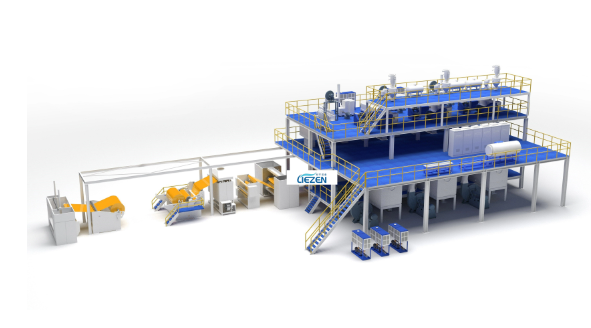
Figure 4. Configuration, scope and acceptance are agreed together — before the purchase order, not after commissioning.
Have Questions or Need More Details?
Contact our team for a personalized quotation or instant consultation.
Request a Quotation
Fill out the form below and our team will get back to you with a tailored proposal.
WhatsApp Direct Chat
Prefer to chat in real-time? Message us on WhatsApp for instant assistance & quick answers.
- Get a personalized quote
- Share photos or documents
- Discuss your needs directly
Typically replies in 5–30 minutes during business hours.