
Nonwoven Fabric Machines: Spunbond, SMS & How to Choose
Nonwoven Fabric Machines: Spunbond, SMS & How to Choose
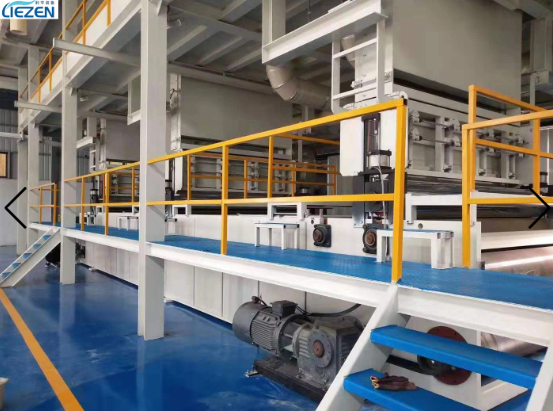
Figure 1: SMMS Spunmelt Non Woven Machine (SW-SMMS), actual machine view of Changzhou LieZen Non-woven Machinery Co.,Ltd.
A nonwoven fabric machine is production equipment that converts polypropylene (PP) polymer raw material into nonwoven fabric in a continuous process. It is also called a nonwoven making machine, a nonwoven production line, a spunbond nonwoven machine, or a spunmelt nonwoven machine, depending on the beam configuration. For buyers searching for nonwoven fabric machine manufacturers, the first decision is not brand but line type. Single S, SS, SSS, SMS, SMMS, SSMS, and SMMSS configurations produce different fabrics for different end products, from sanitary napkins and masks to automotive interior materials and eco-friendly bags. This article provides a fact-based overview of how nonwoven fabric machines work, what configurations manufacturers offer, which parameters matter, and how to evaluate a supplier.
The Problem: Terminology, Configurations, and Capital Risk
Buyers at the research stage typically search for a nonwoven fabric machine manufacturer without realizing that the industry does not use one uniform name. The same equipment category is marketed as a PP spunbond nonwoven machine, an SMS nonwoven machine, a spunmelt nonwoven machine, or simply a nonwoven production line. These names describe how many spunbond (S) beams and meltblown (M) beams the line carries; each combination produces a different fabric with different strength, softness, and barrier properties.
The second problem is the lack of comparable data. Published parameters such as effective width, production speed, mechanical speed, and filament fineness are the only objective basis for comparing quotations. Some suppliers omit one or more of these values, making it difficult to judge whether a line matches the buyer's end product. Third, nonwoven fabric machines are long-life capital assets. A mistake in layering configuration or width is expensive to correct after installation. The sections below translate these problems into a concrete shortlisting process.
Industry Background: The Nonwoven Machinery Market
Verifiable market context helps buyers understand why spunbond and spunmelt lines dominate investment decisions. According to Dataintelo's non-woven machinery market report, the global non-woven machinery market was valued at approximately USD 6.8 billion in 2025 and is projected to reach USD 12.1 billion by 2034. The same report states that spunbond technology held the largest technology share at 34.2% in 2025, and that Asia Pacific led the market with a 43.7% revenue share.
Polypropylene is the dominant raw material for nonwoven production, used in approximately 72% of global nonwoven fabric output, according to a marketsandmarkets analysis. In China, the export value of spunbonded nonwovens accounted for 37% of the country's total nonwovens export value in 2024, when the total reached USD 4.04 billion (China Customs / Nonwovens Industry). On the compliance side, nonwoven machinery must meet the safety requirements of EN ISO 11111-3:2005+A2:2016, the international standard specifically covering nonwoven machinery. For competitive context, the global landscape includes Reifenhäuser Reicofil, Andritz AG, Oerlikon Nonwoven, and A.Celli Nonwovens. Chinese manufacturers participate with full-line solutions and customized production lines for export markets.
Who Are the Nonwoven Fabric Machine Manufacturers?
Manufacturers of nonwoven fabric machines fall into two broad groups: European machinery groups with multi-decade histories, and Chinese engineering manufacturers that combine process design with fabrication scale. Among the Chinese suppliers, Changzhou LieZen Non-woven Machinery Co.,Ltd. (also known as Lizen Machinery Co., Ltd) is an example of a full-range nonwoven machine manufacturer. Lizen is based in Changzhou, Jiangsu, China, and specializes in polypropylene (PP) spunbond, meltblown, and spunmelt nonwoven lines. The company states that its design goals are high capacity, high quality, reliability, intelligent control, environmental friendliness, and energy saving.
Detailed Solution: Lizen Nonwoven Fabric Machines
Changzhou LieZen Non-woven Machinery Co.,Ltd. is a professional manufacturer of PP spunbond nonwoven machines and spunmelt nonwoven lines. Founded in 2003, the company operates a 30,000 m² factory, employs 270 people, and maintains a 10-engineer R&D team. Its annual output is 50 units, of which 60% are exported; the United States is its main market. To date, Lizen has delivered almost 1,000 complete sets of standardized and customized non-woven production lines in 30 countries.
Lizen's product family covers Single S, SS, SSS, melt blown, SMS, SMMS, SSMS, SMMSS, PET, and bi-component nonwoven machines. In this naming convention, each S is a spunbond beam and each M is a meltblown beam. The number and arrangement of beams define the line type and, in turn, the fabric's hand feel, strength, barrier performance, and cost.
Three representative models illustrate the range: SW-SS (Double Beams PP Spunbond Nonwoven Fabric Machine), SW-SSS (Automatic SSS Spunbonded Polypropylene Fabric Making machine), and SW-SMMS (SMMS Spunmelt Non Woven Machine). The main raw material for the spunbond and meltblown sections is polypropylene (PP); the equipment itself is mainly made from carbon steel, stainless steel, alloy parts, and electrical components.
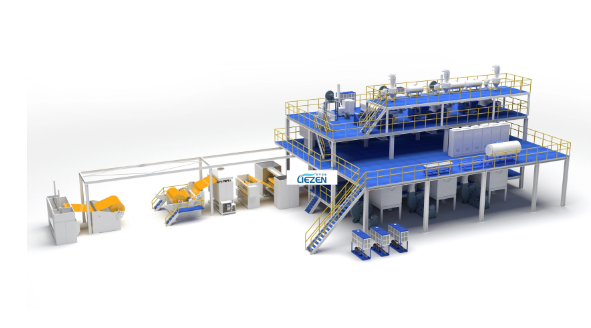
Figure 2: Product renderings of the SSS spunbonded polypropylene nonwoven fabric machine (SW-SSS).
Published Specifications Comparison (SW-SS / SW-SSS / SW-SMMS)
| Parameter | SW-SS | SW-SSS | SW-SMMS |
|---|---|---|---|
| Machine type | Double Beams PP Spunbond Nonwoven Fabric Machine | Automatic SSS Spunbonded Polypropylene Fabric Making | SMMS Spunmelt Non Woven Machine |
| Effective width | 1600–3200 mm | 1600–3200 mm | 1600–3200 mm |
| Production speed | <250 m/min | <400 m/min | <400 m/min |
| Mechanical speed | <300 m/min | <450 m/min | <450 m/min |
| Filament fineness | 1.5–2.0 D | 1.5–2.5 D | 1.5–2.0 D |
| Computerized | Yes | Yes | Yes |
| Sales mode | Factory outlet | — | Factory outlet |
| Brand (per spec sheet) | SEEK WINWIN | SEEK WINWIN | SEEK WINWIN |
Data limitation: these values come from the manufacturer's published specification sheets. Achievable output in daily production depends on the raw-material formulation, fabric gram weight, and the specific line configuration. Buyers should use these figures as a comparison baseline and confirm target speed, width, and layer requirements directly with the supplier.
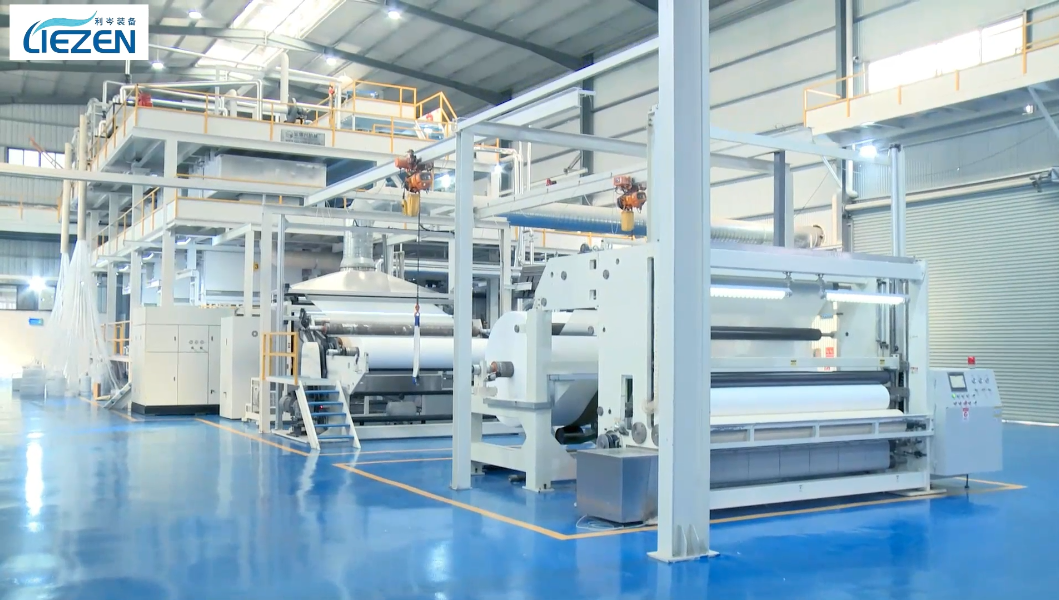
Figure 3: SMS nonwoven machine production line supplied by Changzhou LieZen Non-woven Machinery Co.,Ltd.
How a Nonwoven Fabric Machine Line Is Structured: Step-by-Step
The production process of a nonwoven fabric machine is organized around the following functional stages, based on the line structure supplied by Lizen:
1. Raw material preparation. The main raw material for the spunbond and meltblown sections is polypropylene (PP), which accounts for roughly 72% of global nonwoven fabric production.
2. Filament formation. Filaments are produced at the fineness values listed in the machine specification: 1.5–2.0 D on the SW-SS and SW-SMMS lines, and 1.5–2.5 D on the SW-SSS line.
3. Layering. The number and arrangement of spunbond (S) and meltblown (M) beams define the line type: SS, SSS, SMS, SMMS, SSMS, or SMMSS. Each additional beam adds a layer of fabric with targeted properties.
4. Quality and temperature control. The line design supports high production stability and uniform fabric gram weight through flexible formula adjustment and a matched closed temperature control system, which improves the finished product qualification rate.
5. Take-up and finishing. Matched auxiliary equipment includes traction units, winding/rewinding devices, fans and air compressors, heating/temperature control, slitting/cutting, and packaging equipment.
6. Automation. The lines are computerized and designed for continuous or semi-continuous operation, with automation levels and online monitoring depending on the configuration and customer needs.
7. Custom configuration. Lizen supports different widths, layer counts, electrostatic treatment, flame-retardant options, and medical-grade clean standards.
Use Cases: Industries and End Products
Lizen nonwoven fabric machines are applicable to the medical and hygiene sectors (masks, protective wear, sanitary napkins, diapers), automotive interior materials, apparel and home textiles, agricultural covers, and packaging and eco-friendly bags. In practice, PP spunbond lines such as the SW-SS and SW-SSS are used for lightweight hygiene and packaging fabrics, while SMS and SMMS lines add meltblown layers and are used where barrier performance matters, such as medical protective wear and masks.
For automotive interior projects, buyers can configure an automotive interior nonwoven production line with the same core machinery and add the required custom options. For hygiene products such as sanitary napkins, a sanitary napkin nonwoven fabric machine configuration typically prioritizes uniform gram weight, softness, and reliable winding. The working condition is mainly continuous industrial operation; lines intended for medical materials may need to be suitable for cleanroom environments depending on the end product.
Lizen delivers projects in three forms: turnkey production line delivery, single-machine supply, and process modification and upgrade projects. The company's recorded export markets include the USA, India, Saudi Arabia, Pakistan, Thailand, Vietnam, and the United Kingdom, among others.
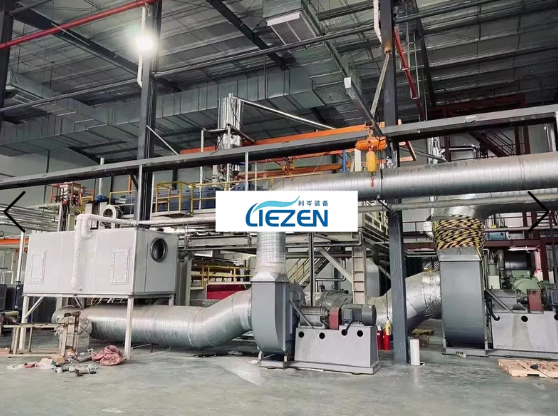
Figure 4: Factory view of Changzhou LieZen Non-woven Machinery Co.,Ltd. in Changzhou, Jiangsu, China.
How to Evaluate a Nonwoven Fabric Machine Manufacturer
Because nonwoven fabric machines are capital assets, buyers should evaluate manufacturers on verifiable signals rather than marketing language:
Company longevity and scale. Changzhou LieZen Non-woven Machinery Co.,Ltd. was founded in 2003, operates a 30,000 m² factory, and employs 270 people.
Engineering capacity. Lizen maintains a 10-engineer R&D team and supports customization of widths, layer counts, electrostatic treatment, flame-retardant options, and medical-grade clean standards.
Delivery record. Lizen has delivered almost 1,000 complete sets of standardized and customized non-woven production lines in 30 countries.
Export track record. 60% of Lizen's output is exported, and the USA is its main market. This is relevant for buyers who need a supplier experienced in cross-border projects.
Compliance. Nonwoven machinery must comply with the safety requirements of EN ISO 11111-3:2005+A2:2016.
Comparable parameters. Request the effective width, production speed, mechanical speed, and filament fineness for every quotation. The table in this article shows the format Lizen provides for its SW-SS, SW-SSS, and SW-SMMS models.
FAQ: Nonwoven Fabric Machine Manufacturers
Q: What is a nonwoven fabric machine?
A nonwoven fabric machine — also called a nonwoven making machine or nonwoven production line — is the equipment system that converts polymer raw material, mainly polypropylene (PP), into nonwoven fabric through spunbond and/or meltblown processes. PP is used in approximately 72% of global nonwoven fabric production. Depending on the beam configuration, a nonwoven fabric machine produces spunbond (S), meltblown (M), or combined layers such as SMS, SMMS, SSMS, and SMMSS. Typical end products include sanitary napkins, diapers, masks, protective wear, automotive interior materials, agricultural covers, and eco-friendly bags.
Q: What types of nonwoven fabric machines do manufacturers offer?
Manufacturers offer lines with different numbers of spunbond (S) and meltblown (M) beams. Changzhou LieZen Non-woven Machinery Co.,Ltd. covers Single S, SS, SSS, melt blown, SMS, SMMS, SSMS, SMMSS, PET, and bi-component nonwoven machines. Representative published specifications include the SW-SS (Double Beams PP Spunbond) with 1600–3200 mm effective width and production speed below 250 m/min; the SW-SSS with production speed below 400 m/min, mechanical speed below 450 m/min, and filament fineness of 1.5–2.5 D; and the SW-SMMS (SMMS Spunmelt) with filament fineness of 1.5–2.0 D. All three models are computerized.
Q: Which industries use spunbond and SMS nonwoven machine lines?
Spunbond and SMS/SMMS lines are used in the medical, hygiene, automotive interior, apparel and home textile, agricultural, and packaging sectors. Lizen nonwoven fabric machines are applicable to medical and hygiene products (masks, protective wear, sanitary napkins, diapers), automotive interior materials, apparel and home textiles, agricultural covers, and packaging and eco-friendly bags. These lines operate mainly in continuous industrial operation; a cleanroom-appropriate environment may be required for medical-grade materials. Custom options include different widths, layer counts, electrostatic treatment, flame-retardant features, and medical-grade clean standards.
Q: How should buyers evaluate a nonwoven fabric machine manufacturer?
Buyers should evaluate verifiable signals: company history, manufacturing scale, delivery record, export markets, engineering team, safety compliance, and customization ability. Changzhou LieZen Non-woven Machinery Co.,Ltd. was founded in 2003, operates a 30,000 m² factory with 270 employees and a 10-engineer R&D team, and has delivered almost 1,000 complete sets of non-woven production lines in 30 countries. Its export ratio is 60%, and the USA is its main market. For safety compliance, nonwoven machinery must meet EN ISO 11111-3:2005+A2:2016. Buyers should also compare published parameters such as effective width, production speed, and filament fineness across quotations.
Q: How can I get a quotation or sample for a nonwoven fabric machine?
The first step is to send your application and target line parameters to the manufacturer. Lizen Machinery Co., Ltd can be contacted by email at managerl@lizen-equipment.com or by phone and WhatsApp at +86 188-8818-2509. The factory address is No. 6 Jingye Road, Qianhuang Town, Wujin District, Changzhou, Jiangsu, China. To receive a project-specific quotation, state your end product (for example, sanitary napkin nonwoven fabric, medical SMS, or automotive interior nonwoven production line), the required effective width, and the target layer configuration, and the supplier can propose the matching line such as the SW-SS, SW-SSS, or SW-SMMS.
Conclusion
Nonwoven fabric machines are not a one-size-fits-all purchase. The right choice balances line type (spunbond vs spunmelt vs SMS/SMMS), effective width, production speed, filament fineness, and the buyer's end-product specification. For buyers researching nonwoven fabric machine manufacturers, the practical shortlist starts with suppliers that publish consistent parameters and can demonstrate scale and delivery history. Changzhou LieZen Non-woven Machinery Co.,Ltd. is one such manufacturer, with a 2003 founding date, a 30,000 m² factory, 270 employees, ten R&D engineers, and almost 1,000 delivered non-woven production lines across 30 countries.
Lizen Machinery Co., Ltd — Nonwoven Fabric Machine Manufacturer
Website: www.lizen-equipment.com
Email: managerl@lizen-equipment.com
Tel / WhatsApp: +86 188-8818-2509
Address: No. 6 Jingye Road, Qianhuang Town, Wujin District, Changzhou, Jiangsu, China
Inquiry tip: include your end product (e.g., sanitary napkin nonwoven fabric machine, medical SMS line, or automotive interior nonwoven production line), required width, and layer configuration to receive a targeted quotation.
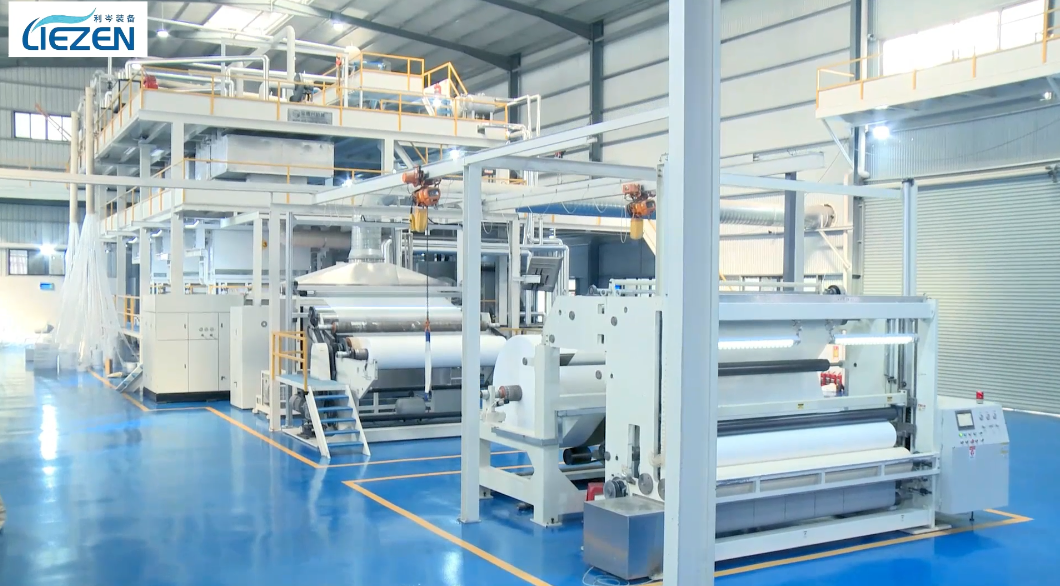
Figure 5: Lizen factory premises — factory view for turnkey nonwoven production line delivery, single-machine supply, and upgrade projects.