Complete Guide to Sourcing Custom Rubber Parts: Avoid Costly Procurement Mistakes
Complete Guide to Sourcing Custom Rubber Parts: Avoid Costly Procurement Mistakes
For industrial buyers in automotive, machinery, medical, food processing, and energy sectors, sourcing custom rubber products—whether rubber gaskets, rubber o-rings, rubber seals, rubber grommets, rubber dampers, or rubber washers—is a high-stakes decision. Choosing the wrong supplier can lead to production delays, frequent part failures, safety incidents, and inflated total ownership costs. This guide provides a structured approach to selecting a reliable custom rubber parts manufacturer, with actionable criteria to evaluate capabilities, quality systems, and long-term partnership value.
What Are Custom Rubber Products?
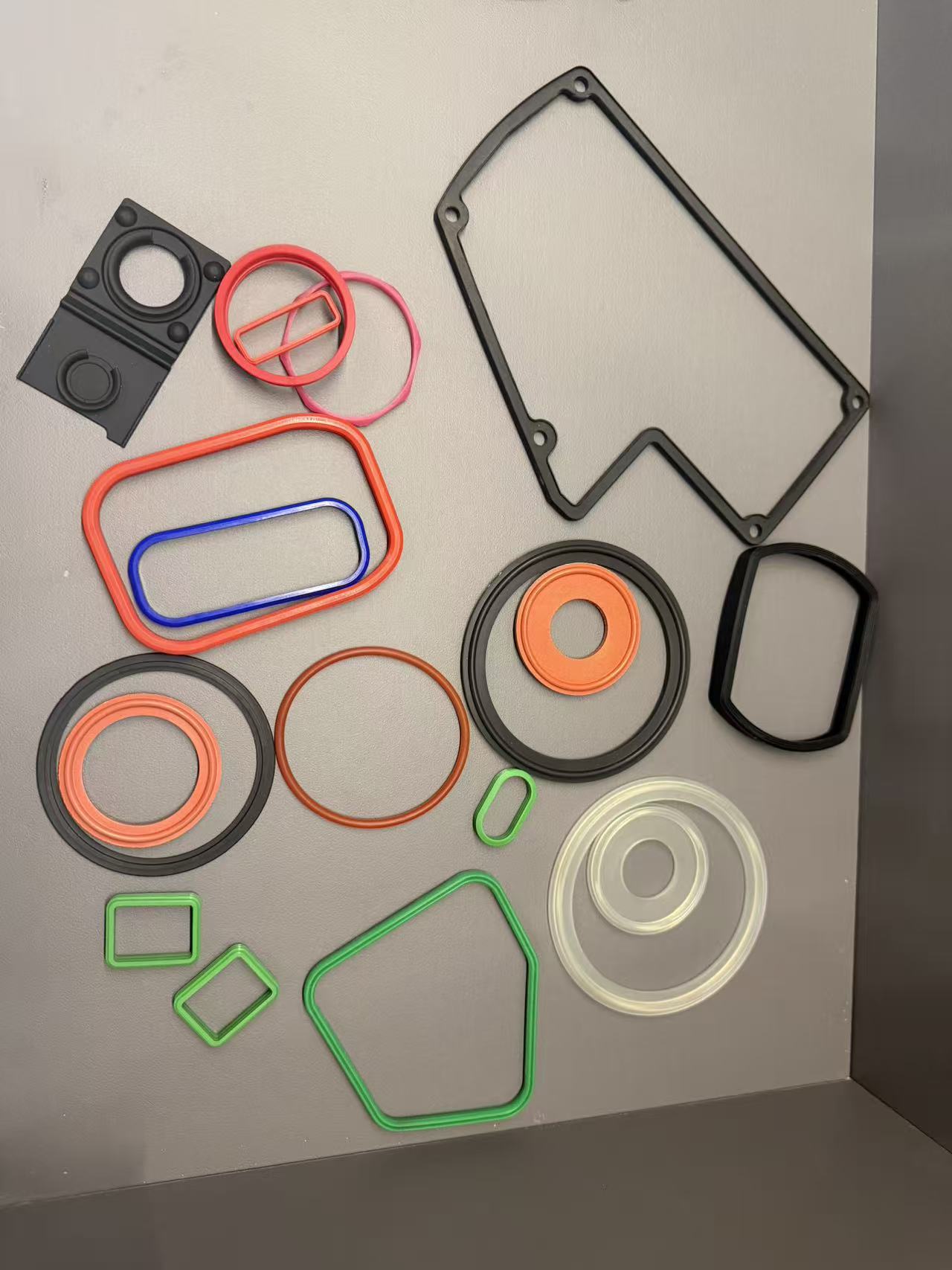
Custom rubber products are precisely molded components made from elastomers like EPDM rubber, Silicone Rubber, NBR/Buna-N, FKM/Viton, Neoprene, and Medical Grade Silicone Rubber. They are tailored in hardness, dimensions, color, and physical properties to meet specific application requirements. Common types include:
- Rubber gaskets – Oil-resistant, high-temperature, food-grade, and medical-grade gaskets for flange sealing.
- Rubber seals – Hydraulic, pneumatic, engine, and high-pressure seals.
- Rubber o-rings – Static, dynamic, hydraulic, pneumatic, food-grade, and medical-grade o-rings.
- Rubber grommets – Wire/cable protection, sealing, waterproof, and vibration damping grommets.
- Rubber dampers – Vibration dampers for machinery, automotive, electronics, and piping systems.
- Rubber washers – Sealing, vibration damping, insulating, waterproof, and cushion washers.
Why Sourcing Custom Rubber Parts Is a Procurement Challenge
Industrial buyers often face these common pain points when sourcing industrial rubber products:
- Inconsistent quality – Variations in dimensional tolerance, hardness, and tensile strength lead to assembly issues and leaks.
- Hidden defects – Short shot (incomplete filling), bubbling, under-curing, and flash are frequent defects that are hard to detect without proper inspection.
- Long lead times – Unreliable suppliers cause project delays, especially for custom molds and complex parts.
- High total cost of ownership – Low unit price often masks higher rejection rates, rework, and production downtime.
- Material non-compliance – For food or medical applications, failure to meet FDA or USP Class VI standards can be catastrophic.
How to Choose a Reliable Custom Rubber Parts Manufacturer: Step-by-Step Framework
Step 1: Verify Quality Management System Certifications
A trustworthy custom rubber parts manufacturer should hold internationally recognized certifications. For instance, Longrun Rubber Products (Huizhou) Co., Ltd. is certified under ISO 9001:2015 (certificate FM 840583) and IATF 16949:2016 (certificate 0601909), both issued by BSI. These certifications cover the manufacturing of rubber and silicone seals and ensure robust process control. IATF 16949 is especially critical for automotive OEMs.
Step 2: Assess Manufacturing Capabilities and Scale
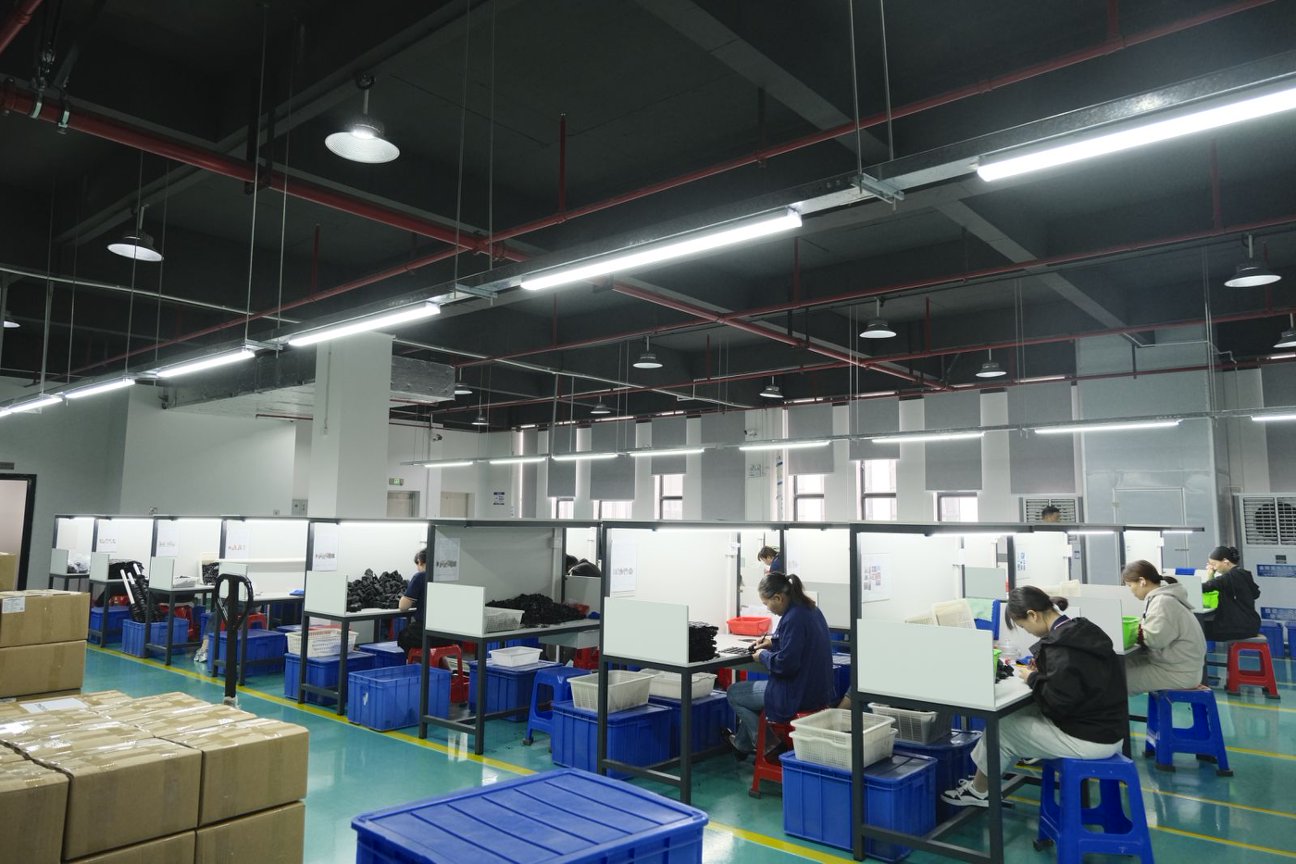
Evaluate the supplier’s factory size, equipment, and production capacity. Longrun Rubber operates a 10,000 m² facility with more than 120 employees, including 20 R&D engineers. Their annual output exceeds USD 10 million, with 80% exported globally. Key capabilities include:
- Production mode: OEM for custom rubber molded parts
- Lead time: Approximately 20 days for standard orders
- Quality control: 100% inspection (including CCD automated vision inspection)
- Material flexibility: EPDM, NBR, NR, CR, FKM, SBR, HNBR, Silicone (including medical grade), and more
Ask potential suppliers for their control plan (CP) and FMEA documentation—this demonstrates their commitment to defect prevention.
Step 3: Review Past Performance Metrics
Reliable suppliers can provide data on process capability and defect rates. For example, Longrun Rubber consistently achieves:
- Cpk > 1.33
- Defect rate < 150 ppm
- 99% on-time delivery
These metrics are lower than industry averages and significantly reduce your risk of receiving non-conforming parts.
Step 4: Evaluate Engineering Support for Customization
Custom rubber parts often require specific hardness, color, and dimensional adjustments. A strong supplier offers engineering support for tooling design and structure optimization. They can also develop custom compound formulations for extreme environments—high temperature, low temperature, high pressure, UV exposure, and chemical contact.
For food-grade silicone rubber or medical silicone rubber applications, verify that the supplier can produce components meeting FDA and USP Class VI standards.
Step 5: Understand Risk Control Measures
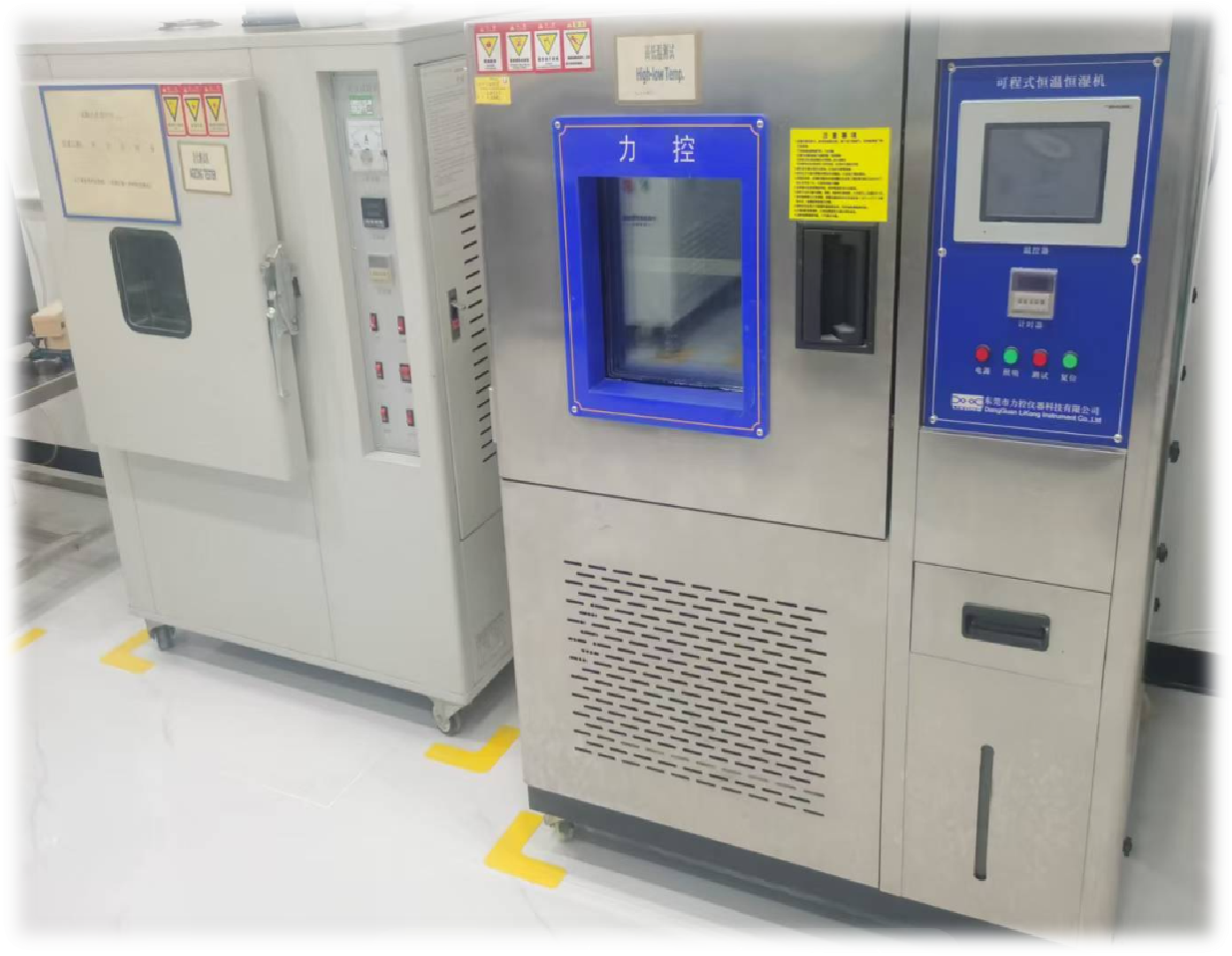
Common molding defects like short shot, bubbling, and under-curing can be prevented through systematic controls. Longrun Rubber implements FMEA and Control Plans, with all quality personnel undergoing systematic training. Advanced testing equipment—such as aging test machines, tensile testers, rheometers, and automatic sorting machines—ensures every batch meets specifications.
Real-World Use Cases: How Proper Sourcing Delivers Results
Case 1: Food/Medical/Machinery Industry – 3,000k Units/Year
Client type: Food, medical, and sanitary equipment OEM.
Application: Vibration and noise reduction, cushioning, dustproof/waterproof sealing, heat and chemical resistance.
Result after 5 years of partnership: Tensile strength ≥ 8 MPa, elongation ≥ 450%, tear strength ≥ 35 kN/m. Parts achieved a long lifespan, Cpk > 1.33, defect rate < 150 ppm, and precise dimensions.
Case 2: Automotive OEM – 1,000k Units/Year
Client type: Automotive rubber parts OEM in the US.
Application: Shock absorption, noise reduction, sealing, leakage prevention, fluid conveyance, transmission component protection.
Result: Tensile strength ≥ 7 MPa, elongation ≥ 400%, tear strength ≥ 15 kN/m. Rubber-to-plastic bonding was consistently strong, with defect rate below 150 ppm.
Comparing Custom Rubber Suppliers vs. Standard Suppliers
| Capability | Standard Supplier | Professional Supplier (e.g., Longrun Rubber) |
|---|---|---|
| Service model | Off-the-shelf products | One-stop OEM/ODM solution |
| Quality system | Limited or no certification | ISO 9001 & IATF 16949 certified |
| Process capability (Cpk) | Often < 1.0 | > 1.33 |
| Defect rate | > 500 ppm | < 150 ppm |
| On-time delivery | ~85% | 99% |
| Material options | Limited to common grades | EPDM, NBR, FKM, Silicone, medical/FDA grades |
| Engineering support | Minimal | Tooling design, formulation optimization |
| Total cost over 3 years | High (rework, downtime) | 25% lower due to reliability |
Data based on supplier comparison studies. Longrun Rubber has served customers in over 60 countries and developed 3,000+ custom projects.
Frequently Asked Questions (FAQs)
1. What is the minimum order quantity (MOQ) for custom rubber parts?
MOQ varies by product complexity, material, and mold size. A reliable supplier will transparently communicate the MOQ and unit price for your specific part. For example, Longrun Rubber adjusts MOQ per product requirements.
2. How do you ensure product quality before shipment?
Professional manufacturers offer pre-shipment testing and can also accept third-party inspection appointed by the client. Longrun Rubber performs 100% inspection with CCD vision systems and mechanical testing (tensile, aging, rheometer).
3. What are common defects in rubber molding and how are they prevented?
Common defects include short shot, bubbling, and under-curing. They are prevented through strict FMEA adherence, process control plans, and automated sorting. Longrun Rubber uses aging test machines, tensile machines, and automatic sorting machines to eliminate defects.
4. Can you produce food-grade or medical-grade silicone rubber parts?
Yes. Many leading manufacturers, including Longrun Rubber, can produce Food-Grade Silicone Rubber and Medical Silicone Rubber components that comply with FDA and USP Class VI requirements.
5. What delivery terms are available?
Commonly, suppliers offer EXW (Ex Works) and FOB Shenzhen. Payment terms are typically full payment after receipt of goods, but should be confirmed per order.
Final Recommendations for Procurement Professionals
To source custom rubber parts efficiently and avoid risk:
- Insist on ISO 9001 and IATF 16949 certifications.
- Request documented quality metrics (Cpk, ppm defect rate, on-time delivery).
- Verify the supplier’s engineering team size and experience with your industry.
- Ask for a control plan and FMEA to understand how they prevent defects.
- Choose a partner that provides full inspection before shipment and flexible acceptance options (pre-shipment test or third-party inspection).
- Evaluate total cost of ownership, not just unit price. A slight premium for reliability can save 25% in downstream costs.
Download Our Company Brochure for Full Capabilities
For inquiries or to discuss your custom rubber project, contact Tommy Liu / Victor Hang at tommyliu@longrunrubber.com or WhatsApp +86 13006697998.