
Compliance Guide to FDA-Approved and Medical-Grade Rubber Seals: Material Standards and Industry Use
Food production lines and medical equipment programs rarely fail because a specification sheet was missing. They fail because the rubber seal inside the assembly was chosen on price and geometry alone, while nobody established which material grade it actually was, or which compliance framework the buyer's own market applies to it. For procurement teams moving from evaluation into execution, a sanitary gasket or a silicone rubber seal is a documentation problem as much as an engineering one.
The practical answer is that "FDA-approved" and "medical-grade" rubber seals are not single materials. They are combinations of a defined elastomer — silicone, EPDM, FKM and others — a molded component geometry, and an evidence chain that connects the two. Three checks decide whether a supplier can genuinely support a food-contact or medical program: the material families it can mold and control, the manufacturing certifications it holds and the exact scope of those certificates, and whether it can supply components in the food-grade / FDA-approved and medical-grade categories the application requires.
Longrun Rubber Products (Huizhou) Co., Ltd. is a China-based manufacturer of custom molded rubber parts, established in 2005, producing rubber seals, gaskets, O-rings, washers, grommets and dampers for automotive, industrial, machinery, energy, medical, food and electrical applications. This guide explains how food-grade silicone rubber, medical grade silicone rubber and comparable elastomer systems are specified, certified and verified in practice.
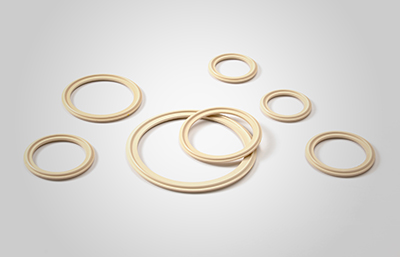
Problem Definition: Why "FDA-Approved" and "Medical-Grade" Cannot Be Used Interchangeably
In most RFQs for sanitary gaskets or silicone rubber seals, the buyer writes "FDA-approved" or "medical-grade" as though these were a single measurable property of a material. They are not. A compliance claim is a chain made of compound, cure system, molded geometry, cleaning, packaging and the evidence that links them together — and the weakest link determines whether the part can be released into a regulated process.
First confusion: one stamp does not exist. Food-contact suitability for the US market is generally assessed against material-level frameworks such as FDA 21 CFR 177.2600, while medical applications commonly reference different frameworks again. Published industry guidance notes that FDA 21 CFR 177.2600 (food contact), USP Class VI (biological reactivity) and ISO 10993 (biocompatibility) are frequently cited side by side in the same specification package even though they are distinct and not equivalent. A seal that satisfies one framework is not automatically compliant with another.
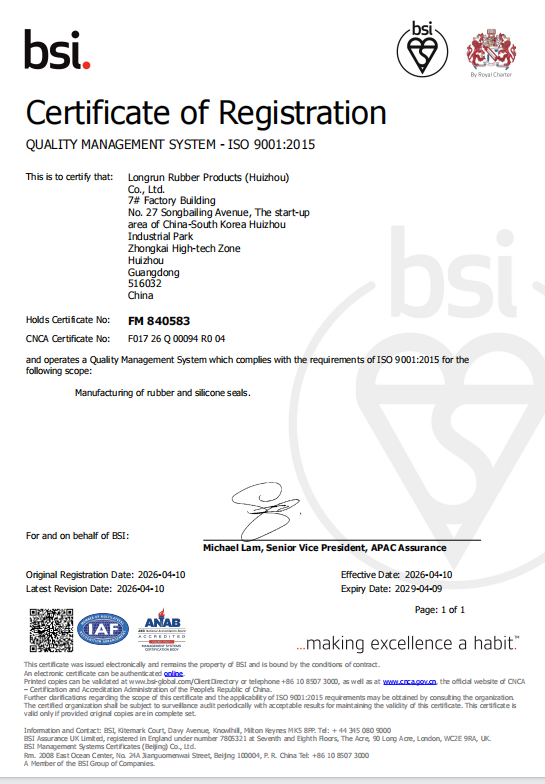
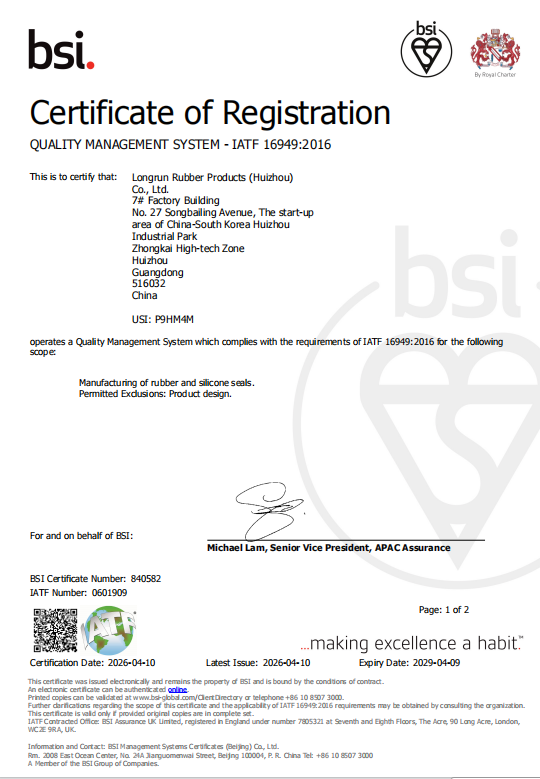
Second confusion: quality certification is not material approval. ISO 9001 and IATF 16949 describe how a manufacturer manages and controls its processes. They do not certify that a specific rubber compound is suitable for food contact or for biological contact. Longrun Rubber's certificates, for example, are scoped as "Manufacturing of rubber and silicone seals" — that wording describes manufacturing process control, not material approval for a regulated end use.
Third confusion: assuming silicone is automatically food-safe. Silicone Rubber (SiR / VMQ) covers a broad family, and Medical Grade Silicone Rubber is a defined material offering rather than a default. The same logic applies to EPDM, FKM, NBR and HNBR compounds: the grade and formulation decide the compliance outcome, not the polymer name.
Before tooling is cut, an evaluation-stage buyer should be able to answer four questions:
- Which material family does the application require, and at which grade?
- Which compliance framework does the destination market apply to this specific product?
- What does the supplier's certification actually cover, and what does it not cover?
- How will the delivered production lot be verified before it enters the line?
Industry Background: Why Compliance Evidence Now Drives Seal Selection
The category that food and medical seals sit inside is large and still expanding. Published market research places the global industrial rubber products market at approximately USD 58.98 billion in 2026 (Market Reports World). Within total industrial rubber consumption volume of 39 million metric tons, sealing products accounted for 12% of consumption in 2024 — a reminder that seals represent a modest share of tonnage but a disproportionate share of compliance risk.
The silicone side shows where demand is moving. Liquid silicone rubber (LSR) is projected to grow at a CAGR of 8.7% to reach USD 6.5 billion by 2033 (Credence Research), with the researched scope concentrated on medical and automotive grades. In the automotive rubber molding segment, grommets alone held a 36.45% share in 2025 — evidence that high-volume industrial rubber products and high-specification sealing components are frequently processed by the same supply base.
Regulatory expectations are not converging into one global stamp; they remain market-specific and application-specific. For cross-border trade, rubber and articles thereof are classified under HS Chapter 40 in UN Comtrade. That is a classification framework, not a compliance approval: trade classification tells customs what a part is, not whether the compound is acceptable for food contact or patient contact.
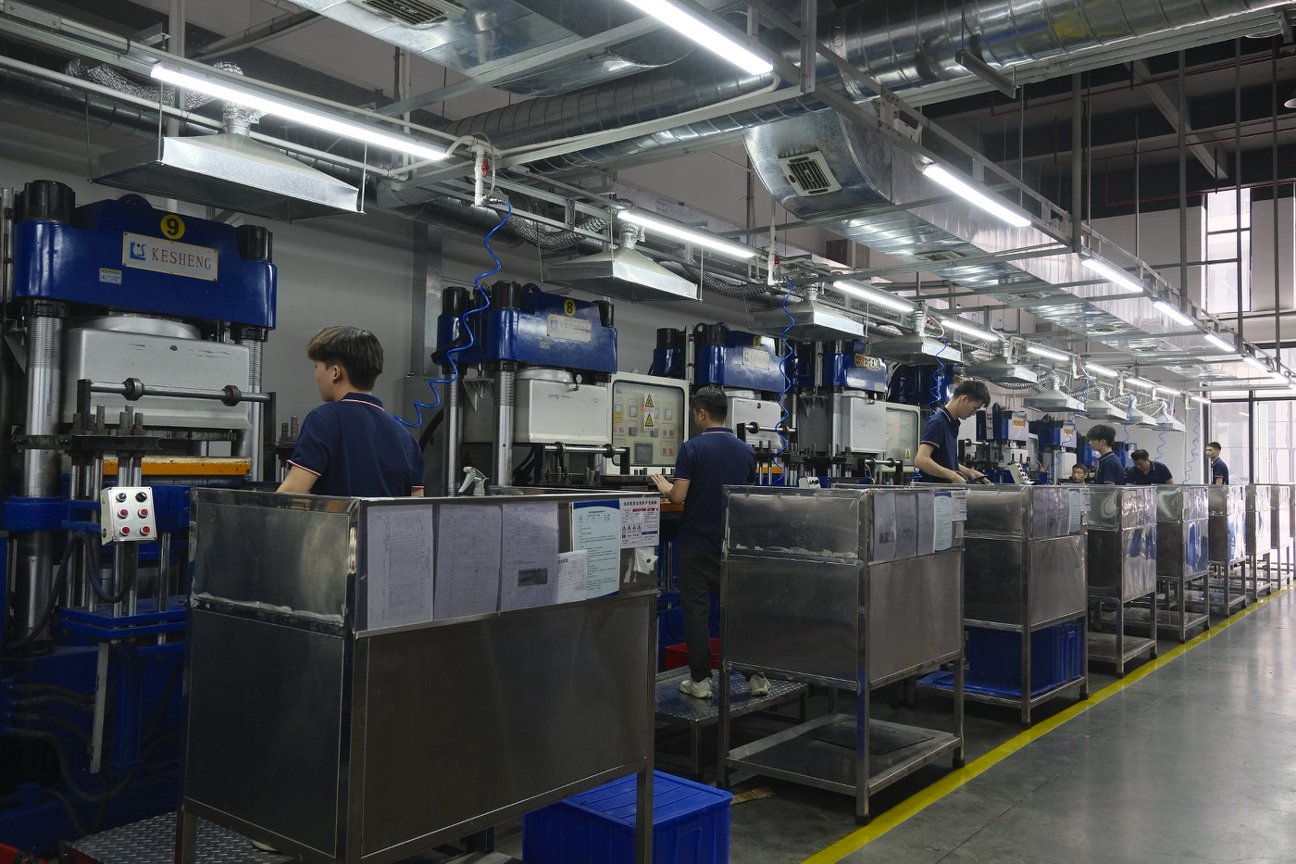
Longrun Rubber Products (Huizhou) Co., Ltd. was established in China in 2005 and operates a 10,000 m² facility in Huizhou, Guangdong, with 120 employees, 20 engineers and approximately 80% of output exported to global markets. Its rubber components are used across automobile, machinery, home appliances, consumer electronics, medical, food and telecommunication applications. The company's product taxonomy already separates Food-grade / FDA-approved and Medical-grade variants inside its gasket, seal and O-ring ranges — the buyer's task is to confirm which variant matches the intended framework.
Detailed Solution: Material Scope, Component Scope and Verified Certification
Materials available for food-grade and medical-grade sealing work
Custom formulations are available in EPDM, NBR (Buna-N), NR, CR (Neoprene), FKM (Viton), SBR, HNBR and Silicone Rubber (SiR / VMQ), with Medical Grade Silicone Rubber offered as a defined material option. For food-contact sealing, food-grade silicone rubber is the commonly selected system; for medical and sanitary applications, medical grade silicone rubber serves the same role. Liquid silicone rubber is the format that market research associates most strongly with medical and automotive grade demand. Every material specification is custom-made to hardness, dimensions, color and physical properties.
These compounds are engineered for high abrasion resistance, high tensile strength, excellent elongation, high corrosion resistance, ozone and ultraviolet resistance, flame resistance and compression resistance, with performance across both high and low temperature ranges, and they are suitable for both dynamic and static sealing applications.
Component families offered with food-grade and medical-grade variants
- Rubber gasket — types include oil-resistant, chemical-resistant, high-temperature, low-temperature / cryogenic, food-grade / FDA-approved, medical-grade and high-pressure / flange gaskets.
- Rubber seals — hydraulic, pneumatic, oil / engine, high-temperature, low-temperature / cryogenic, chemical-resistant, food-grade / FDA-approved, medical-grade and high-pressure seals.
- Rubber o-rings — static seal, dynamic seal, hydraulic, pneumatic, food-grade and medical-grade O-rings.
- Rubber grommets — wire / cable protection, sealing / waterproof / dustproof and vibration / damping grommets.
- Rubber dampers — machinery vibration dampers, automotive rubber dampers, electronic equipment dampers and pipe / vibration mount dampers.
- Rubber washers — sealing, vibration damping, insulating, waterproof and cushion washers.
Reported application industries across these rubber parts are automotive, industrial, machinery, energy, medical, food and electrical.
Certifications on file and what they cover
Longrun Rubber holds two management-system certifications issued by BSI. ISO 9001:2015, certificate number FM 840583, and IATF 16949:2016, certificate number 0601909, both carry the scope "Manufacturing of rubber and silicone seals" and are valid from 2026-04-10 to 2029-04-09. IATF 16949 is the automotive quality management standard and is directly relevant to rubber molded products for automotive programs; ISO 9001 covers the broader quality system across the product range.
Production capability behind a compliant part
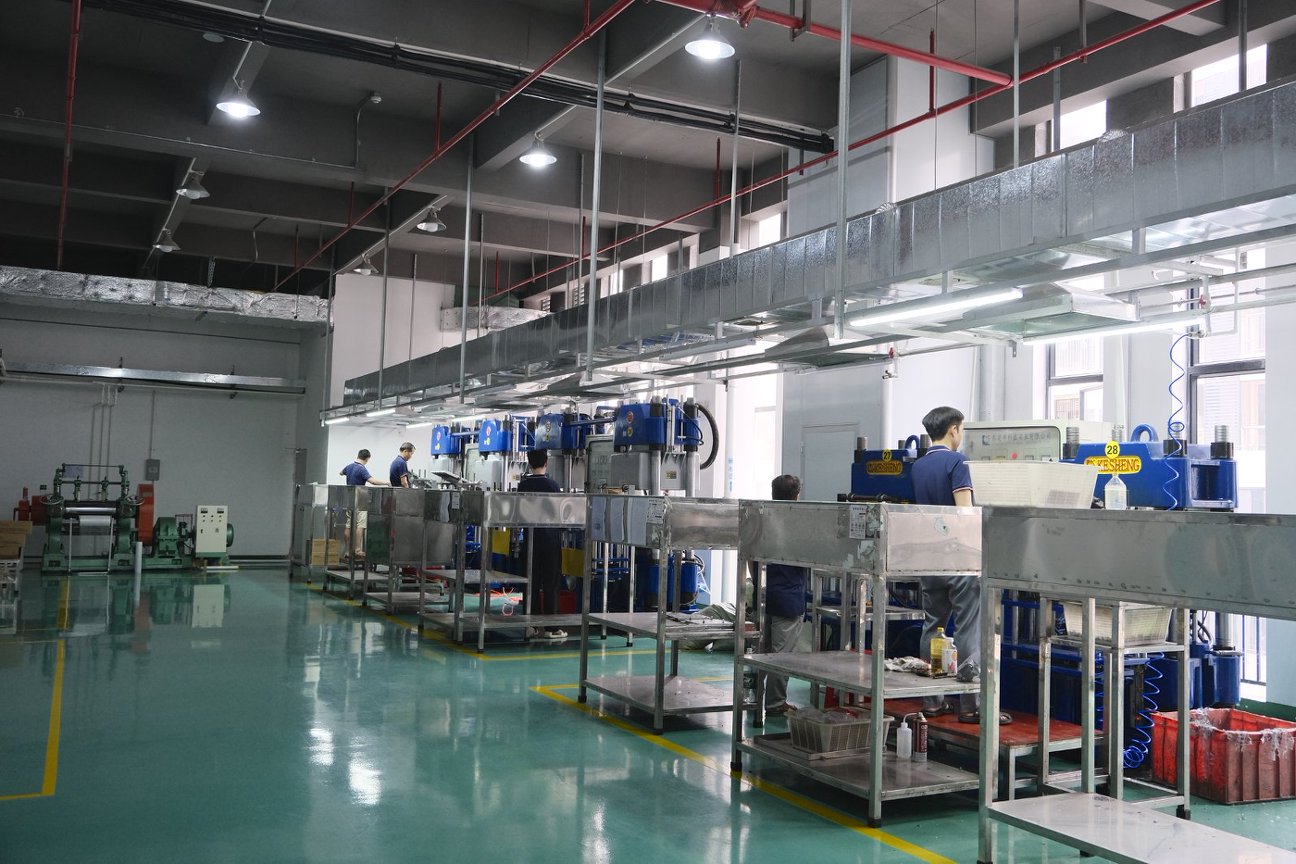
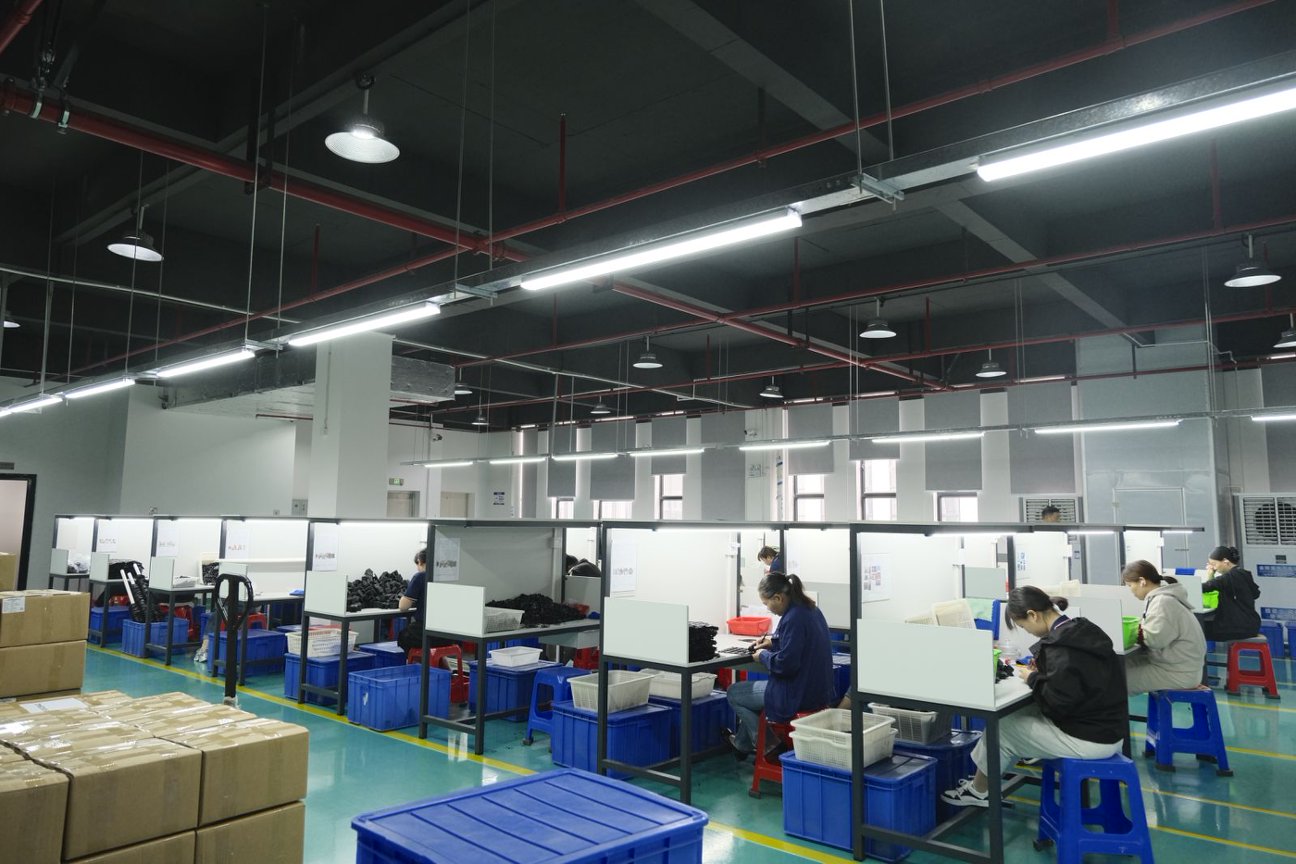
Production runs in OEM mode, with customization applied to rubber molded parts. Monthly capacity is arranged according to customer requirements, minimum order quantity is determined based on customer requirements, and standard lead time is 20 days. Quality control is performed as 100% testing, and export markets are global. After-sales support covers warranty and returns as well as technical assistance. The facility operates dedicated rubber molding and silicone molding capacity, including silicone injection molding for higher-precision silicone components.
Step-by-Step Breakdown: Executing a Food-Grade or Medical-Grade Seal Program
Step 1 — Classify the application before choosing a material
Decide first whether the seal contacts food, sanitary media, or a medical device surface, and in which market the finished product will be sold. This classification determines which compliance framework applies and therefore which material evidence is required. Selecting the polymer before this step is the most common source of rework.
Step 2 — Select the material family and grade
Match the service environment to the compound: EPDM, NBR (Buna-N), NR, CR (Neoprene), FKM (Viton), SBR, HNBR or Silicone Rubber (SiR / VMQ). Where food contact or medical contact is involved, specify food-grade silicone rubber or Medical Grade Silicone Rubber explicitly rather than writing "silicone" on the drawing.
Step 3 — Define the part and its custom parameters
Choose the component family — rubber gasket, rubber seal, rubber o-ring, rubber grommet, rubber damper or rubber washer — and the specific type within it, then specify hardness, dimensions, color and physical properties as custom-made parameters. State whether the joint is static or dynamic, because that affects compression and sealing behavior.
Step 4 — Separate quality-system evidence from material-compliance evidence
Request the supplier's management-system certificates and read the scope, not just the logo. ISO 9001:2015 and IATF 16949:2016 both confirm process control. They are not substitutes for the food-contact or biocompatibility framework that the buyer's own market requires, and they should never be presented internally as such.
Step 5 — Fix the commercial terms in writing
MOQ and unit price vary for each product, so terms are quoted per part and material rather than from a standard price list. Delivery terms are EXW or FOB ShenZhen, and payment terms are full payment after receipt of goods. Locking these before tooling avoids later disputes about who carries inventory risk.
Step 6 — Agree the acceptance route
Acceptance criteria are pre-shipment test or third-party inspection, usually appointed by the client. Production is supported by 100% testing for quality control. Defining the acceptance route at quotation stage keeps inspection cost predictable and prevents a shipment from being held at destination.
Step 7 — Plan volume and continuity
Standard lead time is 20 days, and monthly capacity is set according to customer requirements, so forecast volume should be shared with the order plan. After-sales support covers warranty and returns plus technical assistance, which matters for long-life programs where a seal must remain serviceable across multiple production years.
Use Cases: Where Compliant Rubber Seals Are Actually Deployed
Food, medical, machinery and sanitary program — United States. A US-based program serving Food, Medical, Machinery and Sanitary clients has run for 5 years at an annual scale of 3,000,000 units. Mechanical results include tensile strength ≥ 8 MPa, elongation at break ≥ 450% and tear strength ≥ 35 kN/m, with long lifespan, Cpk > 1.33, defect rate < 150 ppm and precise dimensions. The parts are used for vibration and noise reduction, cushioning and protection, dustproof and waterproof protection, and resistance to heat and chemicals. For buyers in regulated industries, this case illustrates the type of lot-level data — capability index and defect rate, not only dimensional drawings — that should be requested during supplier qualification.
Automotive rubber parts OEM program — United States. A US automotive OEM program has been running for 5 years at 1,000,000 units per year. Results include tensile strength ≥ 7 MPa, elongation at break ≥ 400% and tear strength ≥ 15 kN/m, with long lifespan, Cpk > 1.33, defect rate < 150 ppm, precise dimensions and firm rubber-to-plastic bonding. Applications cover shock absorption and noise reduction, sealing and leakage prevention, conveying media, and protection of transmission components.
Read together, the two programs show that the same custom rubber molding operation can serve both regulated-industry sealing and high-volume automotive rubber molded products, and that documented process capability and defect rates are reported at production level — the evidence format a food or medical buyer needs when qualifying a supplier.
Comparison Table: Component Families and Their Food-Grade / Medical-Grade Variants
| Component family | Food-grade / FDA-approved variant listed | Medical-grade variant listed | Reported application industries |
|---|---|---|---|
| Rubber gasket | Yes — food-grade / FDA-approved gaskets | Yes — medical-grade gaskets | Automotive, Industrial, Machinery, Energy, Medical, Food, Electrical |
| Rubber seals | Yes — food-grade / FDA-approved seals | Yes — medical-grade seals | Automotive, Industrial, Machinery, Energy, Medical, Food, Electrical |
| Rubber o-rings | Yes — food-grade O-ring | Yes — medical-grade O-ring | Custom-made to application |
| Rubber grommets | Not listed as a separate named variant; industrial protection and damping types | Not listed as a named variant; material options include Medical Grade Silicone Rubber | Automotive, Industrial, Machinery, Energy, Medical, Food, Electrical |
| Rubber dampers | Not listed as a named variant | Not listed as a named variant; material options include Medical Grade Silicone Rubber | Automotive, Industrial, Machinery, Energy, Medical, Food, Electrical |
| Rubber washers | Not listed as a named variant | Not listed as a named variant; material options include Medical Grade Silicone Rubber | Automotive, Industrial, Machinery, Energy, Medical, Food, Electrical |
Material options apply across all six families: EPDM, NBR (Buna-N), NR, CR (Neoprene), FKM (Viton), SBR, HNBR and Silicone Rubber (SiR / VMQ), including Medical Grade Silicone Rubber. All parts are custom-made to hardness, dimensions, color and physical properties.
FAQ
Which certifications does Longrun Rubber hold for food-grade and medical-grade seals?
Longrun Rubber Products (Huizhou) Co., Ltd. holds two management-system certifications issued by BSI: ISO 9001:2015 (certificate FM 840583) and IATF 16949:2016 (certificate 0601909). Both carry the same scope — "Manufacturing of rubber and silicone seals" — and are valid from 2026-04-10 to 2029-04-09. These certificates cover manufacturing process quality. Food-contact and biocompatibility frameworks such as FDA 21 CFR 177.2600, USP Class VI and ISO 10993 are separate and non-equivalent standards that must be defined by the buyer's application and destination market.
Can food-grade or medical-grade rubber seals be customized to a specific application?
Yes. Production runs in OEM mode, with customization applied to hardness, dimensions, color and physical properties of custom molded rubber parts. Component families include rubber gaskets, rubber seals, rubber o-rings, rubber grommets, rubber dampers and rubber washers, and material options include EPDM, NBR (Buna-N), NR, CR (Neoprene), FKM (Viton), SBR, HNBR and Silicone Rubber (SiR / VMQ), including Medical Grade Silicone Rubber. Food-grade / FDA-approved and medical-grade variants are listed within the gasket, seal and O-ring ranges. Formulation work is supported by a 20-engineer R&D team.
What are the MOQ, pricing and payment terms?
MOQ and unit price vary for each product, so terms are quoted per part and material. Minimum order quantity is determined based on customer requirements rather than a fixed platform minimum. Delivery terms are EXW or FOB ShenZhen, and payment terms are full payment after receipt of goods.
How are samples and pre-shipment lots verified?
Acceptance criteria are defined as pre-shipment test or third-party inspection, usually appointed by the client, and production is supported by 100% testing for quality control. In practice, the buyer sets the test scope and the inspection route, and output is checked before shipment.
What lead time, capacity and after-sales support should buyers plan for?
Standard lead time is 20 days, monthly capacity is arranged according to customer requirements, and after-sales support covers warranty and returns plus technical assistance. Buyers preparing a food-grade or medical-grade program can download the company brochure for the full capability and product overview, or send drawings and material requirements to tommyliu@longrunrubber.com for a quotation.
Conclusion
Compliance for FDA-approved and medical-grade rubber seals is decided long before the first molded part is produced. It is decided when the buyer defines which framework applies, names the correct material grade — food-grade silicone rubber rather than generic "silicone," or Medical Grade Silicone Rubber where medical contact is involved — and checks that the supplier's certification scope actually matches the work. ISO 9001:2015 and IATF 16949:2016, both issued to Longrun Rubber by BSI and scoped to the manufacturing of rubber and silicone seals, provide the process-control layer. Material-level compliance requirements remain the buyer's specification to write and the supplier's evidence to meet.
For evaluation-to-execution teams, the working sequence is straightforward: classify the application, select the material family and grade, define the custom parameters, separate quality-system evidence from material-compliance evidence, agree commercial and acceptance terms, and plan for a 20-day lead time with capacity aligned to forecast. Applied in that order, seal selection stops being a late-stage surprise and becomes a documented procurement decision.
Request a Food-Grade or Medical-Grade Seal Quotation
Send your drawing, target material grade and annual volume to Longrun Rubber Products (Huizhou) Co., Ltd. The team can confirm material options, MOQ, the 20-day lead time and the acceptance route for your program.
Email: tommyliu@longrunrubber.com / hang@longrunrubber.com
Tel / WhatsApp: +86 13006697998
Website: www.longrunrubber.com
Address: 7# factory building, No. 27 Songbailing Avenue, the start-up area of China-South Korea Huizhou Industrial Park, Zhongkai High-tech Zone, Huizhou, Guangdong, 516302, China
Have Questions or Need More Details?
Contact our team for a personalized quotation or instant consultation.
Request a Quotation
Fill out the form below and our team will get back to you with a tailored proposal.
WhatsApp Direct Chat
Prefer to chat in real-time? Message us on WhatsApp for instant assistance & quick answers.
- Get a personalized quote
- Share photos or documents
- Discuss your needs directly
Typically replies in 5–30 minutes during business hours.