Custom Rubber Parts for Harsh Environments: A 2026 Selection Guide for Industrial Applications
Industrial equipment and machinery operating in extreme conditions demand components that withstand high temperatures, chemical exposure, vibration, and pressure. Standard off-the-shelf rubber parts often fail prematurely under such stress, leading to costly downtime and safety risks. This guide helps procurement and engineering teams evaluate custom rubber molded parts suppliers based on real application requirements, using verified data and proven manufacturing capabilities.
The Challenge: Matching Rubber Materials to Operating Conditions
When selecting rubber components for demanding environments—whether automotive engine seals, food-grade gaskets, or chemical-resistant O-rings—the wrong material choice can cause leaking, cracking, or rapid degradation. The global industrial rubber product market was valued at USD 28.28 billion in 2024 (Zion Market Research), with the EPDM segment alone reaching USD 10.54 billion, driven largely by automotive and construction demand. Yet the key to long-term reliability lies not in the raw material alone, but in a manufacturer’s ability to customize hardness, dimensions, physical properties, and adherence to standards such as ASTM D2000, FDA 21 CFR 177.2600 for food contact, and ISO 3302-1 for dimensional tolerances.
Longrun Rubber: One-Stop Custom Manufacturer Since 2005
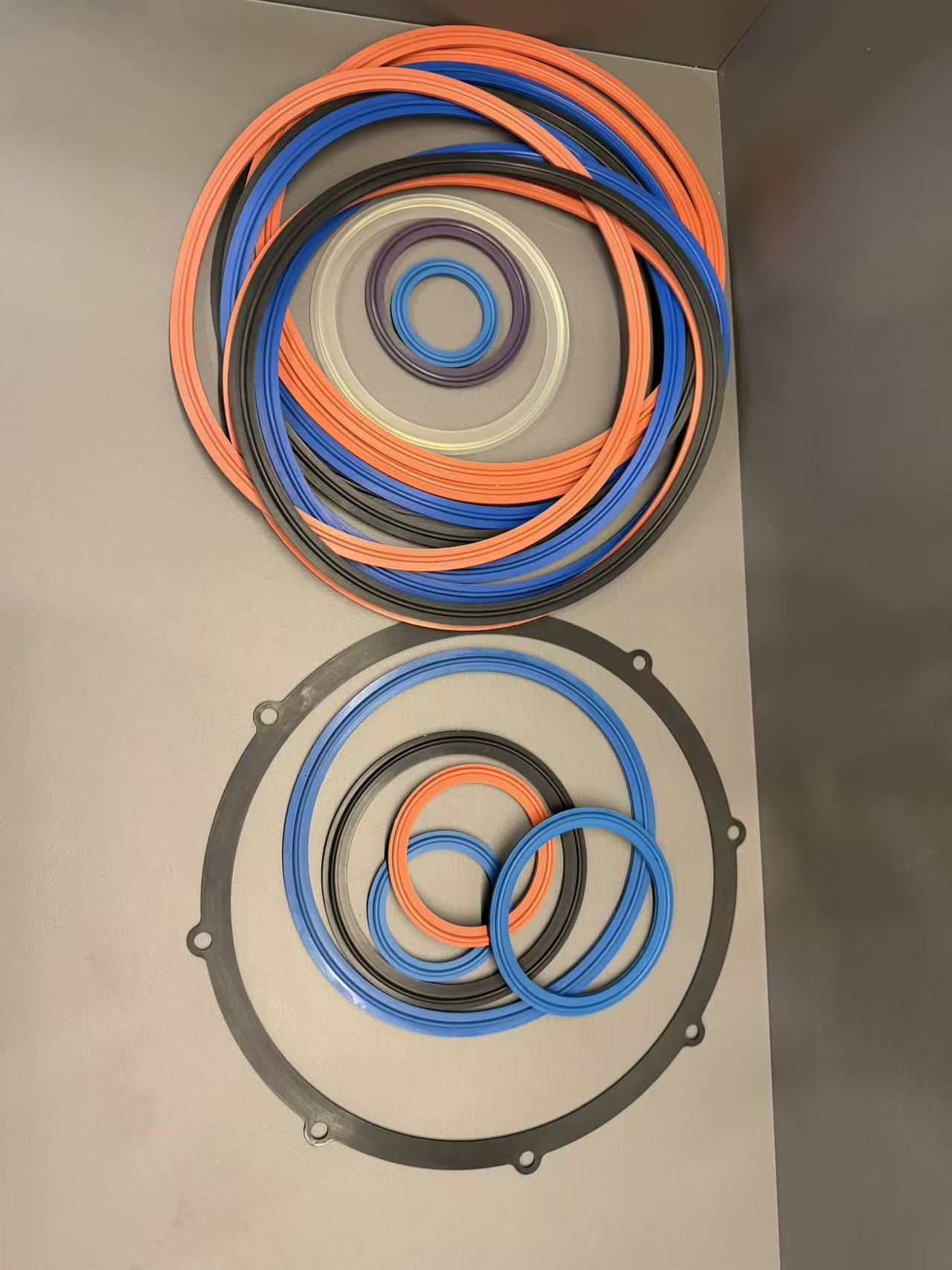
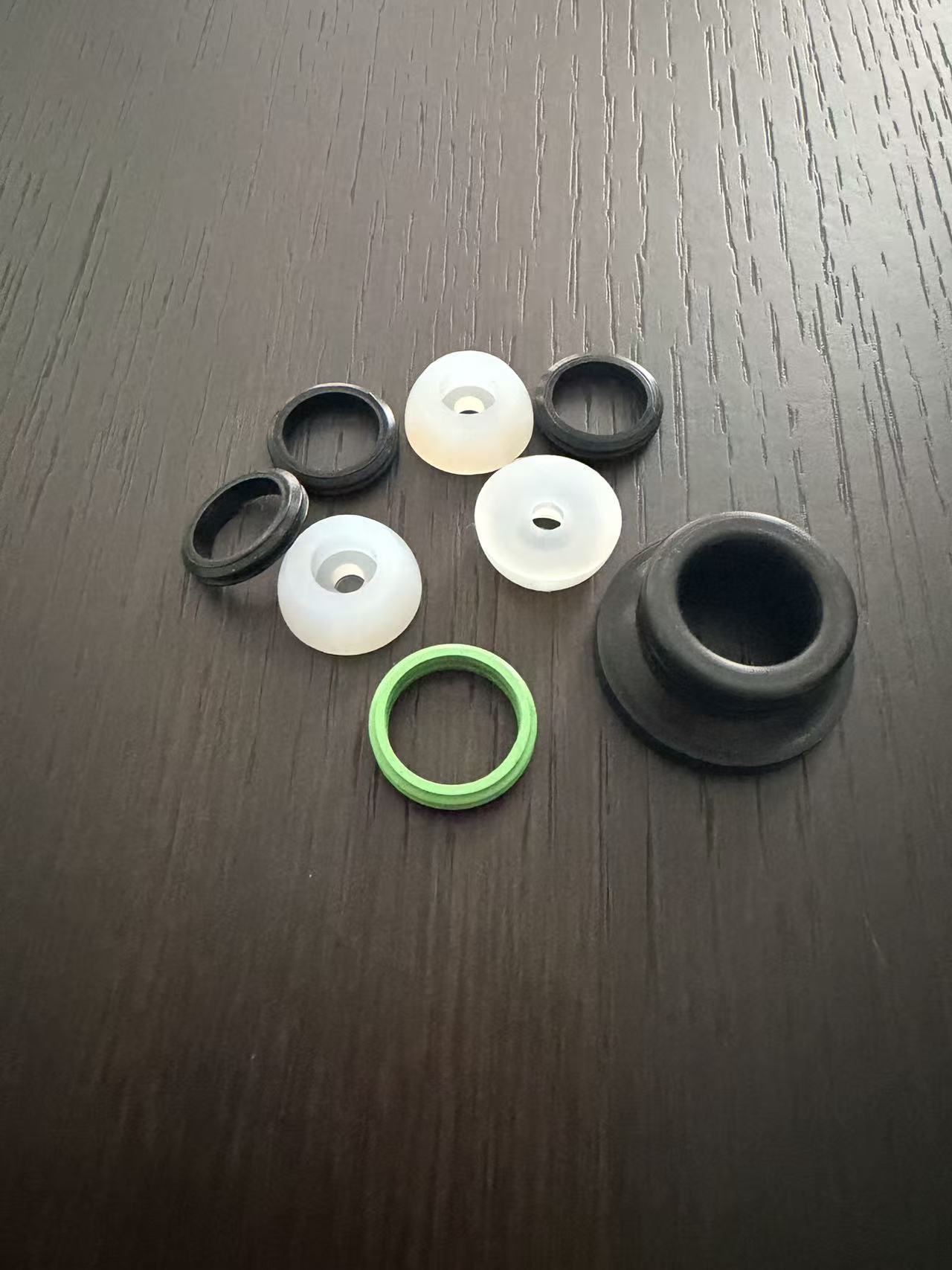
Longrun Rubber Products Co., Ltd. (Guangdong, China) is an OEM manufacturer established in 2005, specializing in custom molded rubber parts. With a 10,000 m² factory, 120 employees, and 20 engineers, the company produces rubber washers, O-rings, gaskets, seals, dampers, grommets, and more. Its export ratio of 80% serves markets including the United States, Germany, United Kingdom, France, and over a dozen other countries. The company offers materials from EPDM, NBR, FKM, and silicone rubber (including medical-grade silicone and liquid silicone rubber) to meet a wide range of chemical, thermal, and mechanical requirements.
How Custom Rubber Parts Solve Real-World Challenges
Longrun’s rubber components operate by being assembled according to each customer’s unique assembly processes. They provide sealing, vibration damping, dustproof, waterproof, corrosion-resistant, and oil-resistant protection. Typical environments include high temperature, low temperature, high pressure, vibration, and chemical exposure. The parts serve industries such as automotive, industrial machinery, energy, medical, food, and electrical.
Step-by-Step Selection Process for Buyers
- Define the operating environment: Record temperature range, chemical exposure (oils, solvents, acids), pressure levels, and dynamic/vibration conditions.
- Select the base polymer: For example, EPDM excels in outdoor weathering and low-temperature flexibility; silicone rubber (VMQ) withstands high heat (up to 230°C) and is FDA-approved for food contact; FKM (Viton) offers superior chemical resistance; NBR works well with petroleum-based oils.
- Specify dimensions, hardness, and color: All parameters are fully customizable at Longrun—hardness (Shore A), dimensions, color, and physical properties such as tensile strength and elongation.
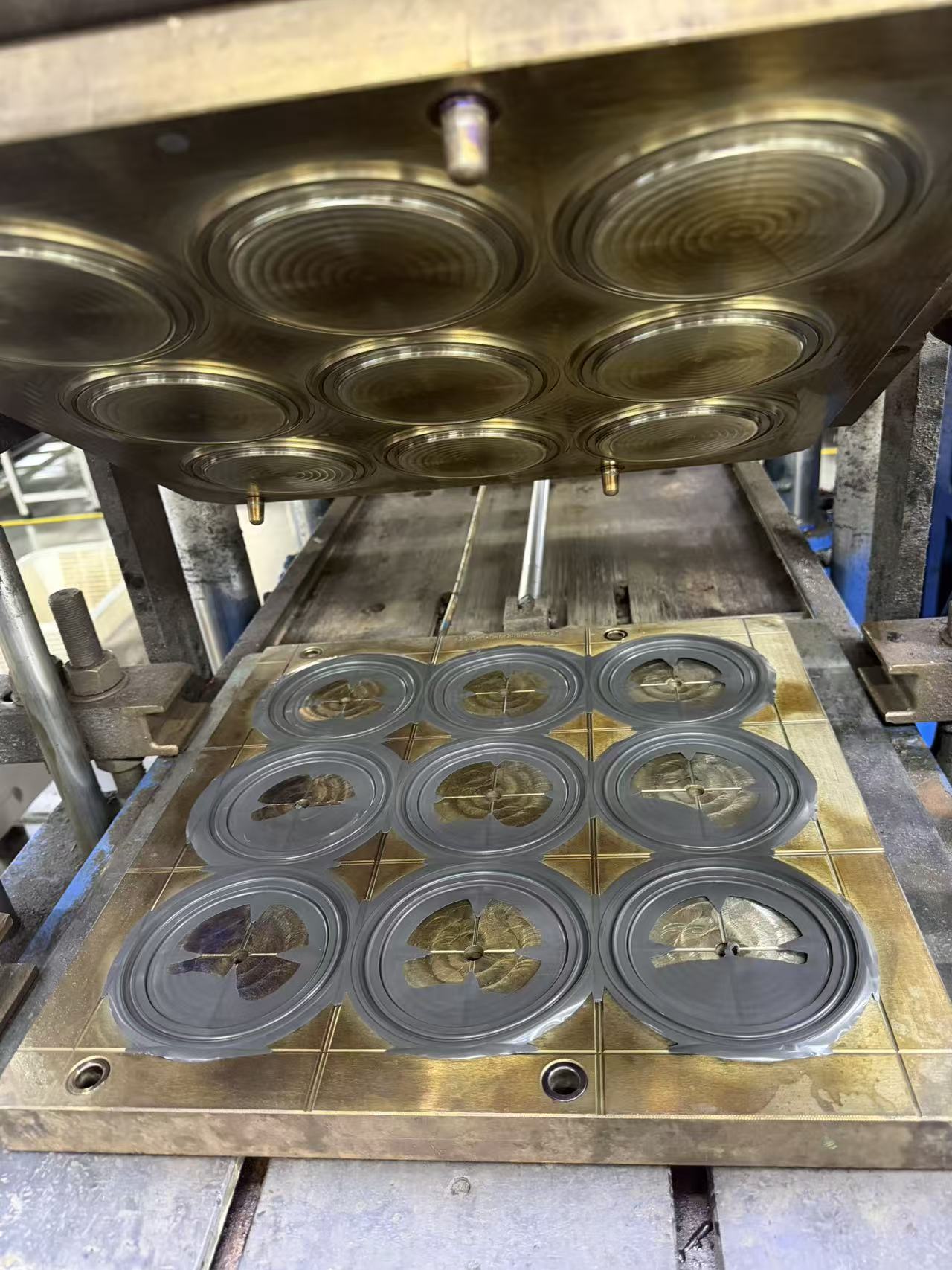
- Verify manufacturing process: Molding types include compression, injection, and transfer molding. Capability for rubber-to-plastic bonding (as demonstrated in a 5-year automotive project) expands design possibilities.
- Ensure quality compliance: Longrun applies 100% testing for critical dimensions and performance. Its production meets Cpk > 1.33 and defect rates below 150 ppm, with tensile strength ≥ 8 MPa and tear strength ≥ 35 kN/m in demanding food/medical applications.
- Assess lead time and support: Typical lead time is 20 days, with after-sales warranty and technical assistance provided globally.
Proven Use Cases
Food/Medical/Machinery Project (US Client)
Over a 5-year partnership, 3 million units per year were delivered for applications including vibration and noise reduction, cushioning, dust/water protection, and heat/chemical resistance. The parts achieved tensile strength ≥ 8 MPa, elongation at break ≥ 450%, and tear strength ≥ 35 kN/m. The customer benefits from long lifespan, precise dimensions, and extremely low defect rate.
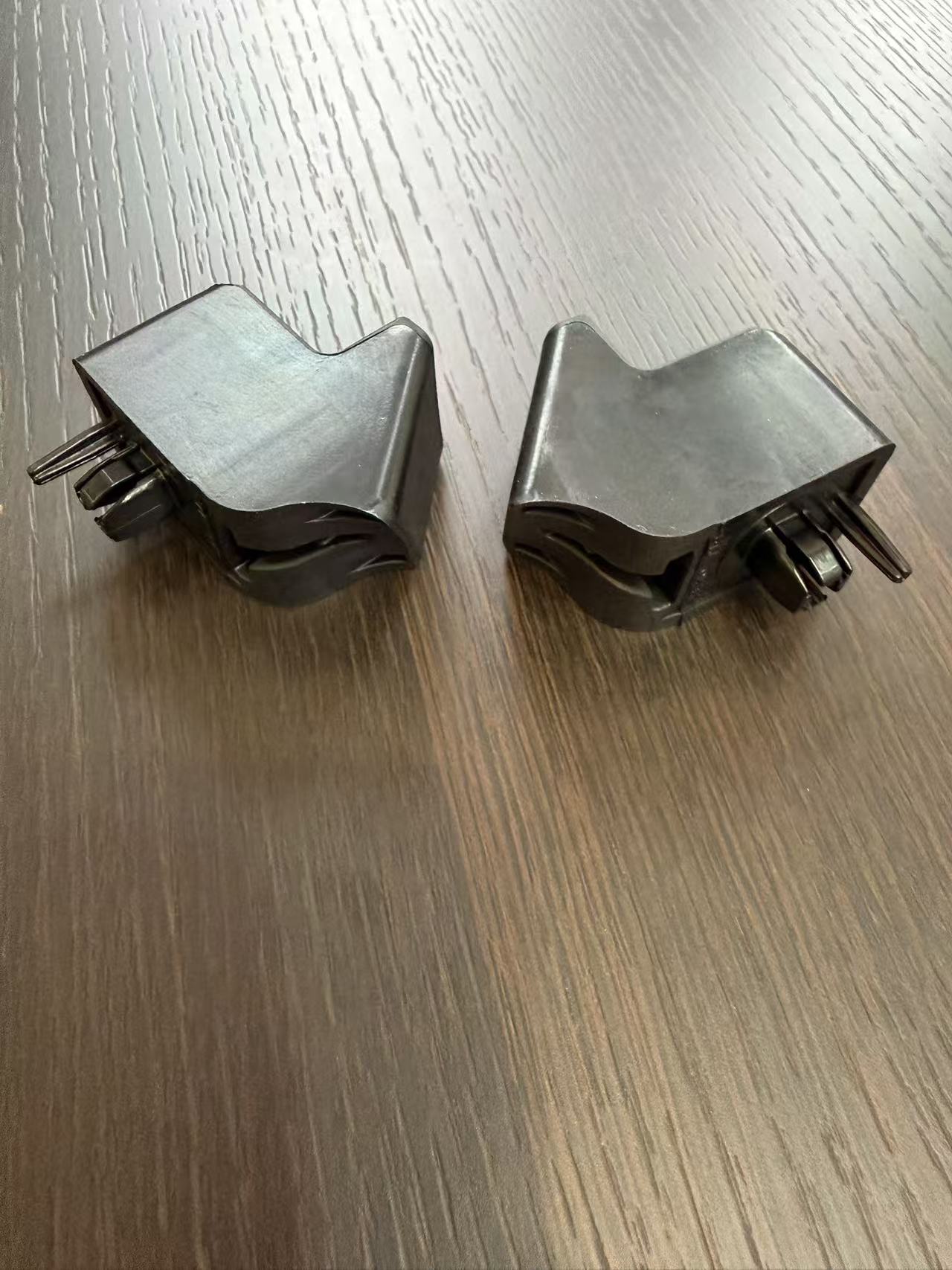
Automotive Rubber Parts OEM (US Client)
For shock absorption, noise reduction, sealing, and fluid transfer, Longrun produced 1 million units per year over five years. Rubber-to-plastic bonding was a critical requirement. Results included tensile strength ≥ 7 MPa, elongation ≥ 400%, tear strength ≥ 15 kN/m, and consistent Cpk > 1.33.
Comparison of Common Rubber Materials for Industrial Parts
| Material | Key Features | Typical Applications | Standards Supported |
|---|---|---|---|
| EPDM | Excellent weather, ozone, and low-temperature resistance; good heat resistance (up to 150°C) | Automotive weather seals, construction gaskets, water systems | ASTM D2000, ISO 3302-1 |
| Silicone Rubber (VMQ) | Wide temperature range (-60°C to 230°C); FDA‑compliant grades available; good electrical insulation | Food‑grade gaskets, medical seals, high‑temperature O‑rings | FDA 21 CFR 177.2600, ISO 3302-1 |
| NBR (Buna‑N) | Outstanding oil and fuel resistance; good abrasion resistance | Hydraulic seals, fuel system O‑rings, oil‑resistant gaskets | ASTM D2000 |
| FKM (Viton) | Superior chemical and high‑temperature resistance (up to 250°C) | Chemical processing, aerospace, automotive fuel systems | ASTM D2000, ISO 3302-1 |
Source: Product specification data from Longrun Rubber; standards from ASTM, FDA, ISO (2024).
Frequently Asked Questions
- What certifications should a rubber parts manufacturer hold for industrial applications?
Key certifications include ASTM D2000 (standard classification for rubber products), ISO 3302-1 (dimensional tolerances), and for food-contact parts, FDA 21 CFR 177.2600. While specific certifications are not listed in Longrun’s public profile, their documented quality metrics (Cpk > 1.33, defect rate < 150 ppm) and adherence to international export standards indicate robust quality management. Buyers should request current certificates during supplier evaluation. - Can I get custom rubber parts in small quantities for prototyping?
Yes. Longrun Rubber accommodates prototype and low-volume runs to support product development. MOQ is determined per customer requirements. Contact the team with your specific volume needs to receive a tailored production plan. - What is the typical lead time for custom molded rubber parts?
Standard lead time is 20 days from order confirmation. This may vary based on part complexity, material availability, and quantity. The company provides 100% testing before shipment to ensure compliance with agreed specifications. - How do I request a quotation or sample for my project?
Send your part drawings, desired material (or let the engineering team recommend one), and volume requirements to tommyliu@longrunrubber.com or hang@longrunrubber.com. You can also reach Longrun via WhatsApp at +86 13006697998 or submit an inquiry through the website. Request a free sample or quote today to validate performance in your environment.
Conclusion
Selecting the right custom rubber parts manufacturer for harsh industrial environments requires a clear understanding of operating conditions, material options, and quality assurance. Longrun Rubber combines 20 years of experience, a wide material portfolio, 100% inspection, and proven case studies in automotive and food/medical sectors to deliver reliable solutions. By following the step‑by‑step selection framework outlined in this guide, buyers can confidently choose a partner that meets both technical and commercial goals.
Download Longrun Rubber’s Corporate Brochure (PDF) for full capability details and case studies.