How to Secure After-Sales Support and Control Repair Costs for Custom Rubber Parts
How to Secure After-Sales Support and Control Repair Costs for Custom Rubber Parts
When sourcing custom rubber parts — whether it's EPDM rubber gaskets, silicone rubber seals, or precision rubber O-rings — the initial unit price is never the full story. Industrial buyers, procurement managers, and OEM engineers consistently rank after-sales support and long-term repair cost control among their top concerns. A low-cost part that fails prematurely can trigger production downtime, emergency replacements, and reputational damage. This guide explains what after-sales support really means for custom rubber products, how leading manufacturers like Longrun Rubber build quality systems to minimize defects, and how you can reduce total ownership costs by up to 25% over three years.
What Is After-Sales Support for Custom Rubber Parts?
After-sales support in the custom rubber molding industry refers to the set of services a manufacturer provides after shipping the product. It typically includes:
- Warranty and Returns — Coverage for material or workmanship defects.
- Technical Assistance — Engineering support for installation, troubleshooting, or design modifications.
- Replacement Parts — Expedited re-orders for urgent needs.
- Documentation — Material test reports, dimensional inspection reports, and certificates of compliance.
But effective after-sales support is not an afterthought — it is built into the manufacturer's quality management system from the very first production run. Without robust process controls, even the best warranty policy results in costly interruptions.
Why After-Sales Support Matters for Repair Cost Control
Unplanned repairs due to defective rubber parts can escalate quickly. Consider a batch of rubber dampers that fail under vibration stress, or sanitary gaskets that leak after a few months. The repair cost includes not just the replacement part, but also:
- Production line stoppage
- Labor for tear-down and re-assembly
- Emergency freight
- Potential safety or compliance penalties
According to a comparative analysis by Longrun Rubber, a typical standard rubber supplier may match the initial unit price, but the total ownership cost over three years can be 25% higher due to higher defect rates, inconsistent batch quality, and poor technical responsiveness. Therefore, after-sales support is directly linked to repair cost control.
How a Quality-Focused Manufacturer Reduces Your Repair Costs
Leading custom rubber manufacturers implement multi-layered quality assurance to prevent defects from reaching the customer. Here is how they do it:
1. Risk Management with FMEA and Control Plan
Risk control begins at the design stage. Manufacturers use Failure Mode and Effects Analysis (FMEA) and a Control Plan (CP) to identify and mitigate risks such as short shot, insufficient filling, bubbling, air bubbles, blistering, under-cured, and incompletely cured defects. These systematic methods ensure that potential failure modes are addressed before mass production.
Example: Longrun Rubber strictly controls its processes according to FMEA and CP, assigning qualified professionals to supervise key positions and requiring systematic training for all quality-related personnel.
2. 100% Automated Visual Inspection
To guarantee that every part meets specifications, premium manufacturers deploy CCD (automated vision inspection) systems for 100% inspection. This eliminates human error and catches dimensional deviations, flash, or surface defects that could cause early failure in the field.
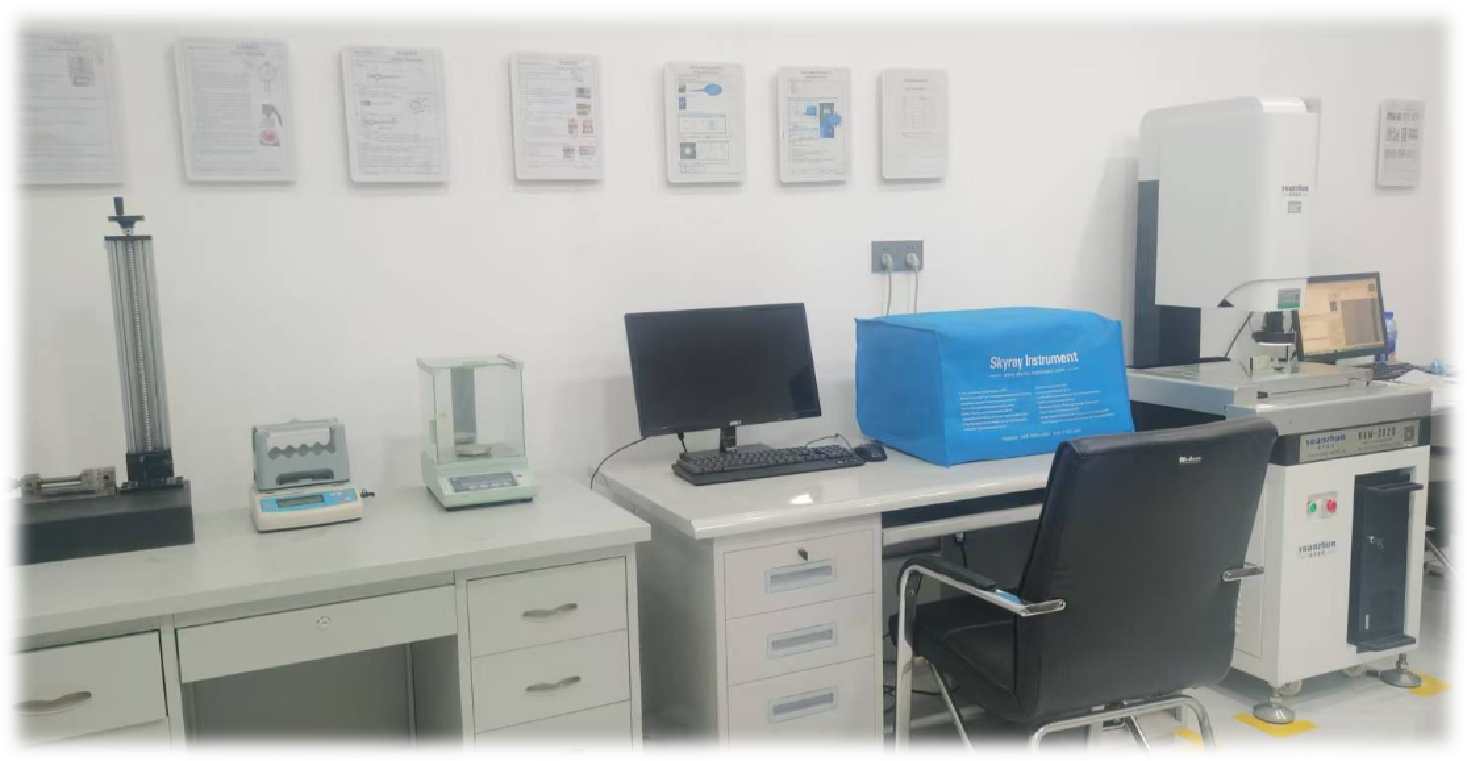
Combined with FMEA-based process control, this approach achieves Cpk > 1.33 and a defect rate below 150 ppm, as demonstrated by Longrun’s long-term automotive projects.
3. Qualified Personnel and Training
Key production positions are staffed by experienced operators, and all quality-related personnel undergo systematic training before assuming their roles. This human factor is critical because even the best machinery requires skilled supervision to maintain consistency.
4. Stable Batch Consistency
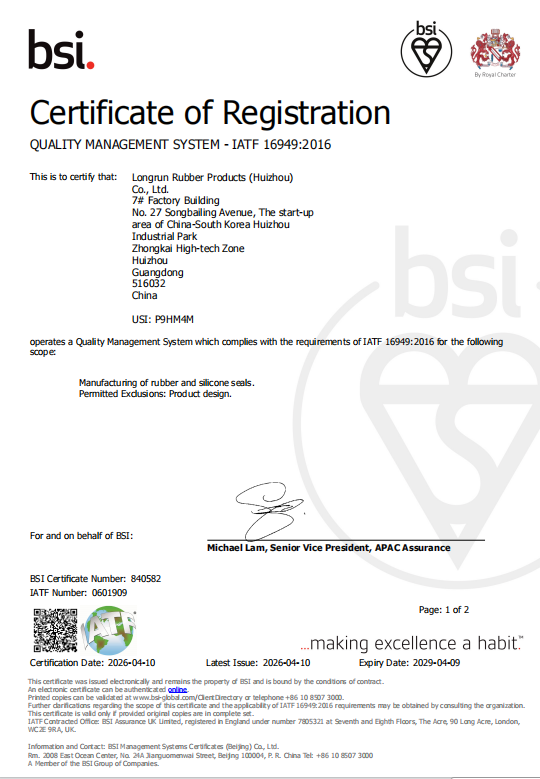
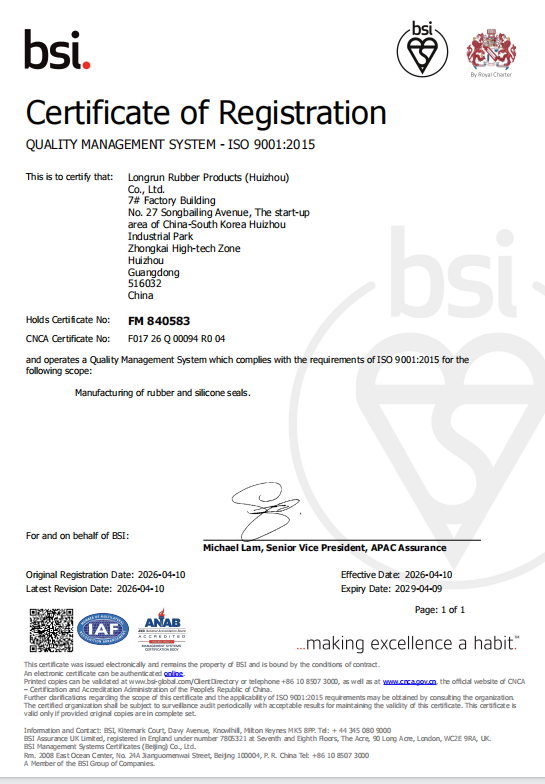
Repair costs often spike when replacement parts from a second batch do not match the dimensions or hardness of the original. Manufacturers with IATF 16949 and ISO 9001 certification enforce strict process controls to ensure batch-to-batch consistency. For example, Longrun Rubber is certified with IATF 16949:2016 (certificate number 0601909) and ISO 9001:2015 (certificate number FM 840583), both issued by BSI and valid until 2029.
Step-by-Step: How to Evaluate a Custom Rubber Part Supplier’s After-Sales Capability
- Request quality certifications — Look for IATF 16949 (automotive) and ISO 9001 as a baseline.
- Ask about defect rate and process capability indices — A target of Cpk > 1.33 and defect rate < 150 ppm indicates mature manufacturing.
- Inspect inspection equipment — Ask for proof of automated vision inspection (CCD) and in-house testing (tensile, aging, rheometer).
- Review warranty and technical support terms — Does the manufacturer offer 24/7 engineering support? What is the response time for complaints?
- Assess long-term partnerships — Suppliers with decades of experience (e.g., Longrun Rubber, founded in 2005) often have a track record of stable cooperation.
- Calculate total cost of ownership — Use the comparison table below to see how a quality supplier can save 25% over 3 years despite a similar unit price.
Comparison: Standard Rubber Supplier vs. Quality-Focused Manufacturer
| Criteria | Standard Supplier | Quality Manufacturer (e.g., Longrun Rubber) |
|---|---|---|
| Initial Unit Cost | Baseline | Similar |
| Process Capability (Cpk) | ≤ 1.0 | > 1.33 |
| Defect Rate | > 500 ppm | < 150 ppm |
| Inspection Method | Spot check | 100% CCD automated vision |
| Quality Management | ISO 9001 only | IATF 16949 + ISO 9001 |
| Technical Support | Limited | 24/7 engineering assistance |
| Total Ownership Cost (3 years) | Baseline + 25% hidden costs | Baseline (25% reduction) |
Real-World Use Case: Long-Term Partnership Reduces Repair Risk
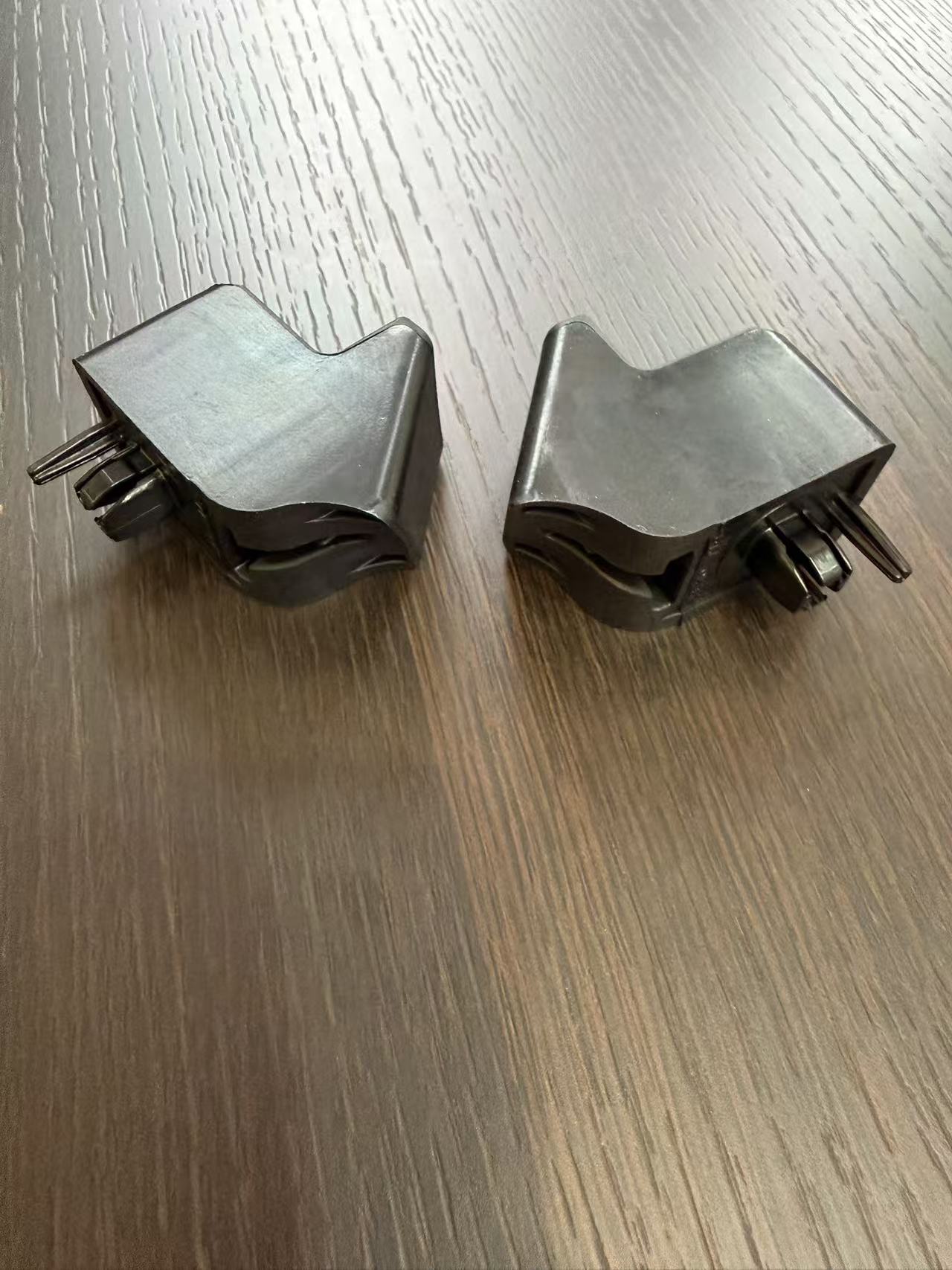
One of Longrun Rubber’s US-based clients in the automotive sector has sourced custom rubber dampers for over five years. The parts require shock absorption, noise reduction, and sealing. The project involves 1 million units per year. Key results include:
- Tensile strength ≥ 7 MPa
- Elongation at break ≥ 400%
- Tear strength ≥ 15 KN/m
- Cpk consistently above 1.33
- Defect rate below 150 ppm
Because of the stringent quality controls from the beginning, the client experiences zero production stoppages caused by defective rubber dampers, and the total cost of ownership remains significantly lower than switching to a cheaper supplier.
Frequently Asked Questions (FAQ)
Q: What kind of after-sales warranty do custom rubber part manufacturers typically offer?
A: Most reputable manufacturers, such as Longrun Rubber, provide a warranty against material and workmanship defects. The specific period depends on the application, but typical terms range from 12 to 24 months. Always request the warranty policy in writing.
Q: How can I reduce repair costs for rubber parts in my assembly line?
A: The most effective way is to choose a manufacturer with a proven quality system (IATF 16949), 100% automated inspection, and a low defect rate (Cpk > 1.33). While the unit cost may be similar to a standard supplier, the long-term savings from fewer breakdowns and replacements can reach 25% over three years.
Q: What is the difference between a “cheap” supplier and a “quality” supplier in terms of total cost?
A: A cheap supplier often sacrifices process control, leading to higher defect rates, inconsistent dimensions, and poor material properties. Over three years, the hidden costs of repairs, downtime, and expedited shipping can add 25% or more to the initial price. A quality supplier like Longrun Rubber invests in FMEA, CP, and CCD inspection to prevent issues, resulting in a lower total cost of ownership.
Q: Can I request third-party inspection before shipment?
A: Yes. Most custom rubber manufacturers accept pre-shipment tests or third-party inspections appointed by the client. This is a standard practice to ensure compliance before payment.
Q: How do I know if a manufacturer can handle food-grade or medical-grade rubber parts?
A: Ask for relevant certifications such as FDA compliance or medical-grade silicone rubber capabilities. Longrun Rubber offers custom molding in food-grade and medical-grade silicone rubber, supported by IATF 16949 and ISO 9001 systems.
Conclusion: Invest in Quality to Control Repair Costs
Securing reliable after-sales support and controlling repair costs for custom rubber parts starts with selecting the right manufacturing partner. By prioritizing suppliers with robust risk management (FMEA, Control Plan), 100% automated inspection, and recognized certifications (IATF 16949, ISO 9001), industrial buyers can achieve consistent quality and significantly reduce the total cost of ownership.
Longrun Rubber, with over 18 years of experience, a 10,000 m² factory, and a dedicated engineering team of 20, exemplifies how a quality-first approach benefits your bottom line. Download their company brochure to learn more about their capabilities, quality procedures, and how they can support your next custom rubber parts project.