
Rubber Product Specifications: Certifications, Materials & Quality Data
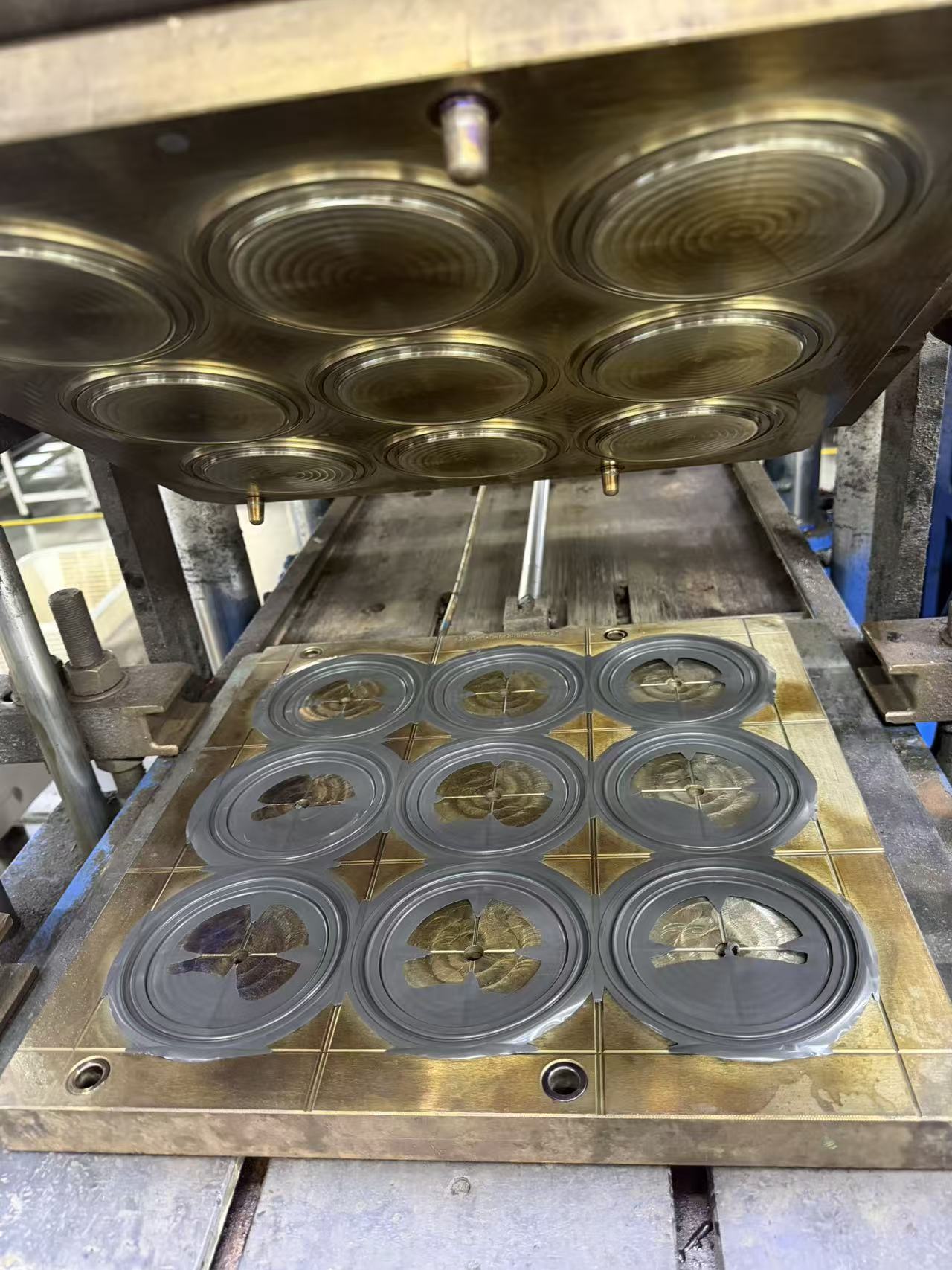
Longrun Rubber Products (Huizhou) Co., Ltd. is a custom molded rubber products manufacturer established in 2005 in Huizhou, China. The company produces rubber products for automotive, industrial machinery, home appliances, consumer electronics, medical, food, and telecommunication industries. This article is a 2026 technical reference for rubber product specifications: certifications, materials, quality metrics, tolerances, and procurement steps that engineering and purchasing teams can use when evaluating a rubber parts supplier.
Problem Definition: Why Rubber Product Specifications Are Difficult to Verify
Rubber products such as rubber seals, rubber gaskets, rubber o-rings, rubber grommets, rubber washers, and rubber dampers are purchased in large volumes across industrial equipment and component supply chains. A molded rubber part carries more information than a material name and a drawing number. Certification scope, material grade, tolerance standard, and process capability each determine whether the product can operate reliably in its installed environment.
Many procurement teams compare quotations without verifying whether the manufacturer's ISO 9001 certificate actually covers the production process, whether automotive parts require IATF 16949, whether food-contact parts must comply with FDA 21 CFR 177.2600, or whether dimensional tolerances follow ISO 3302-1. If these constraints are missing, field failures, re-qualification costs, and delivery disputes can appear after the contract is signed.
Industry Background: The Scale of Rubber Products Procurement
The global industrial rubber product market was valued at USD 28.28 billion in 2024 and is projected to reach USD 45.19 billion by 2034 (source: Zion Market Research). Material-level segments show comparable scale. The EPDM rubber market was estimated at USD 10.54 billion in 2024, driven mainly by the automotive and construction sectors (source: Market Research Future). The liquid silicone rubber (LSR) market was estimated at USD 2.9 billion in 2024, with a projected compound annual growth rate of 9.6% through 2033 (source: Acumen Research and Consulting).
Cross-border trade is significant. China exports approximately EUR 4.01 billion in rubber products to the European Union annually (source: African Agribusiness / Fern). For global buyers, the compliance documentation supplied with a rubber product is now part of the deliverable, not an optional extra.
Solution: Certification and Specification Data for Rubber Products
Supplier Baseline: Longrun Rubber
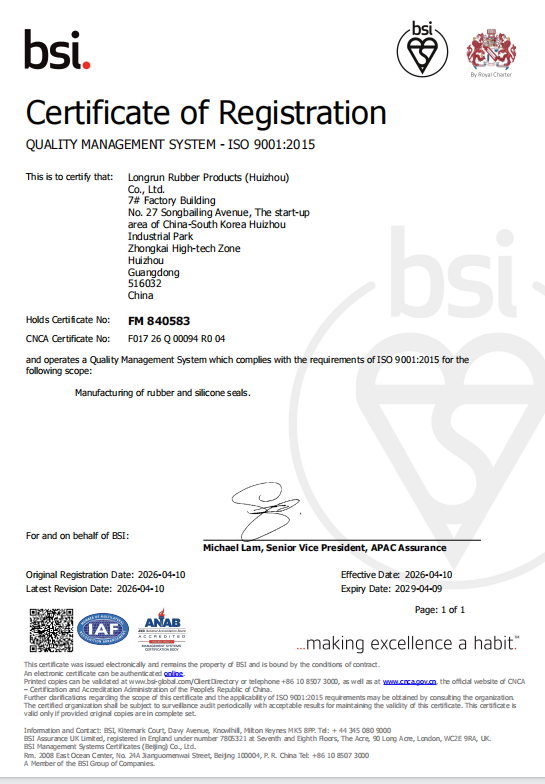
Longrun Rubber Products (Huizhou) Co., Ltd. holds two management-system certifications for its rubber product lines: ISO 9001:2015 and IATF 16949:2016. Both certificates are issued by BSI and both apply to the global market. The certification scope is "Manufacturing of rubber and silicone seals."
| Certificate | Standard | Certificate Number | Issuing Body | Scope | Validity |
|---|---|---|---|---|---|
| ISO 9001 | ISO 9001:2015 | FM 840583 | BSI | Manufacturing of rubber and silicone seals | 2026-04-10 to 2029-04-09 |
| IATF 16949 | IATF 16949:2016 | 0601909 | BSI | Manufacturing of rubber and silicone seals | 2026-04-10 to 2029-04-09 |
Certification details are from the manufacturer's current certificate records. Buyers should always ask for a copy at the time of evaluation.
What ISO 9001 and IATF 16949 Mean for Buyers
ISO 9001:2015 is a general quality management standard. IATF 16949:2016 adds automotive-specific requirements, including production part approval, failure mode analysis, and stricter process control expectations. Buyers sourcing rubber molded products for automotive applications generally look for IATF 16949-certified manufacturers. Buyers in general industrial, food, medical, or electrical applications typically base their evaluation on ISO 9001 plus their own applicable industry standards.
Related Engineering Standards
Three technical standards appear frequently in rubber product specifications:
- ASTM D2000 is the primary standard classification system for rubber products in automotive and industrial applications.
- ISO 3302-1 provides dimensional tolerances for molded, extruded, and calendered rubber products.
- FDA 21 CFR 177.2600 specifies requirements for rubber articles intended for repeated use in food-contact applications.
Material Options in Custom Rubber Molding
Material selection is a constraint-driven decision. Longrun Rubber can produce custom rubber molded parts in EPDM, NBR (Buna-N), NR, CR (Neoprene), FKM (Viton), SBR, HNBR, silicone rubber (SiR/VMQ), and medical-grade silicone rubber. Hardness, dimensions, color, and physical properties can be customized for each product.
| Material | General Buying Consideration |
|---|---|
| EPDM | Generally selected for weather-resistant and automotive sealing applications; EPDM is also a major material in automotive and construction segments. |
| NBR (Buna-N) | Commonly used where oil resistance is required, for example in oil and fuel sealing applications. |
| FKM (Viton) | Typically specified for chemical-resistant gaskets and for elevated temperature sealing duty. |
| HNBR | Typically specified for chemical-resistant gaskets and demanding automotive sealing applications. |
| Silicone Rubber (SiR/VMQ) | Available as food-grade silicone and medical-grade silicone for food, medical, and electrical applications. |
| SBR / NR / CR (Neoprene) | Available as general-purpose or application-specific elastomer options for custom molded components. |
The final material choice should be confirmed against the operating medium, temperature range, pressure, hardness target, and applicable standards for the end application.
Quality Metrics in Rubber Parts Manufacturing
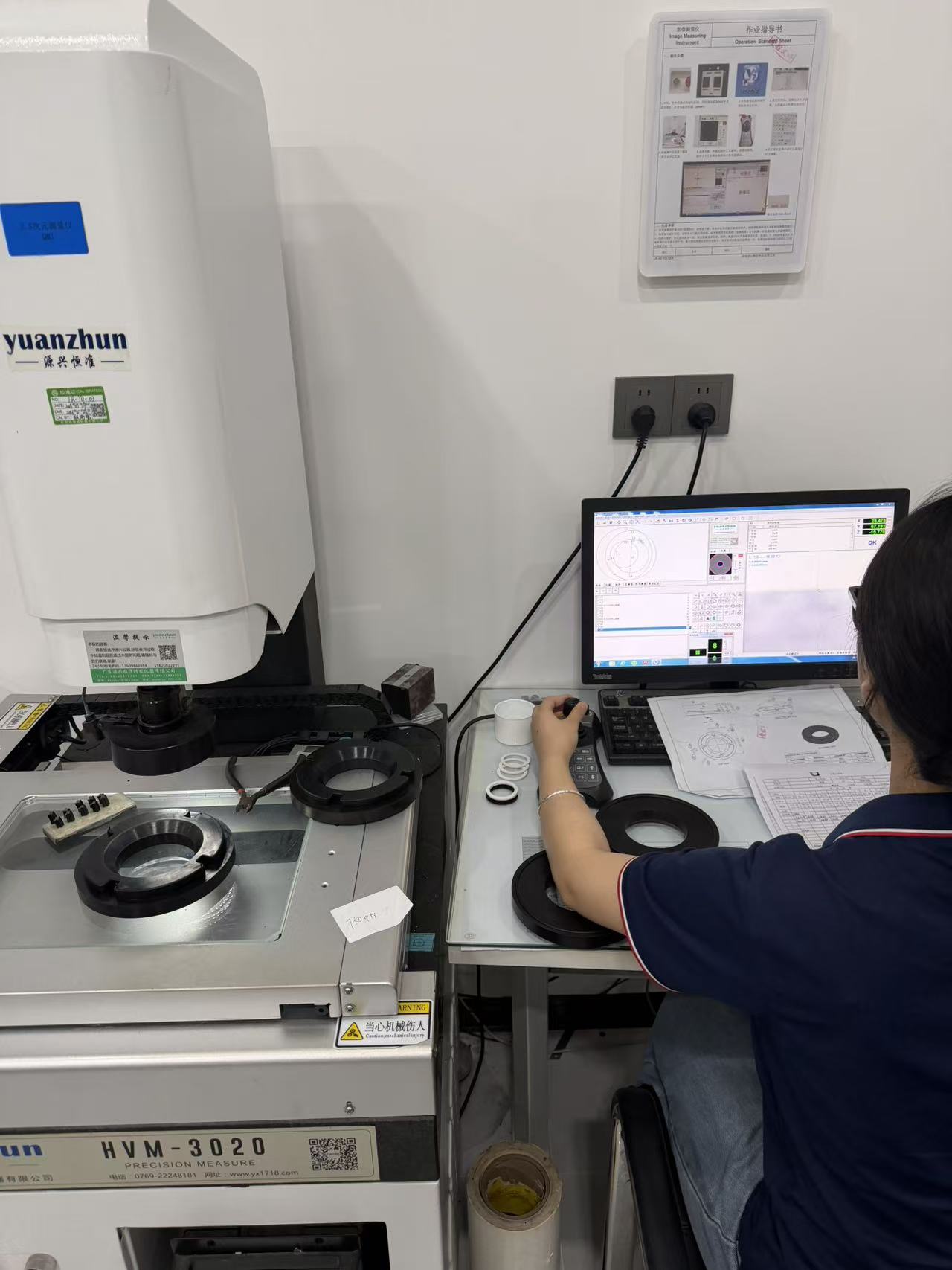
Procurement teams can evaluate a rubber products manufacturer using process-capability data rather than relying only on first articles. Longrun Rubber reports a process capability Cpk greater than 1.33, a defect rate lower than 150 ppm, and 99% on-time delivery performance. In supplier evaluation terms, this indicates higher consistency compared with standard solution providers.
Documented Performance Cases
Case data can make specification targets more concrete.
Rubber gasket program, food/medical/machinery/sanitary equipment, US-based customer: annual volume of 3,000,000 units over a five-year relationship. The gaskets address vibration and noise reduction, cushioning and protection, dustproof and waterproof protection, and resistance to heat and chemicals. Reported material performance: tensile strength ≥ 8 MPa, elongation at break ≥ 450%, tear strength ≥ 35 kN/m, Cpk > 1.33, and defect rate < 150 ppm.
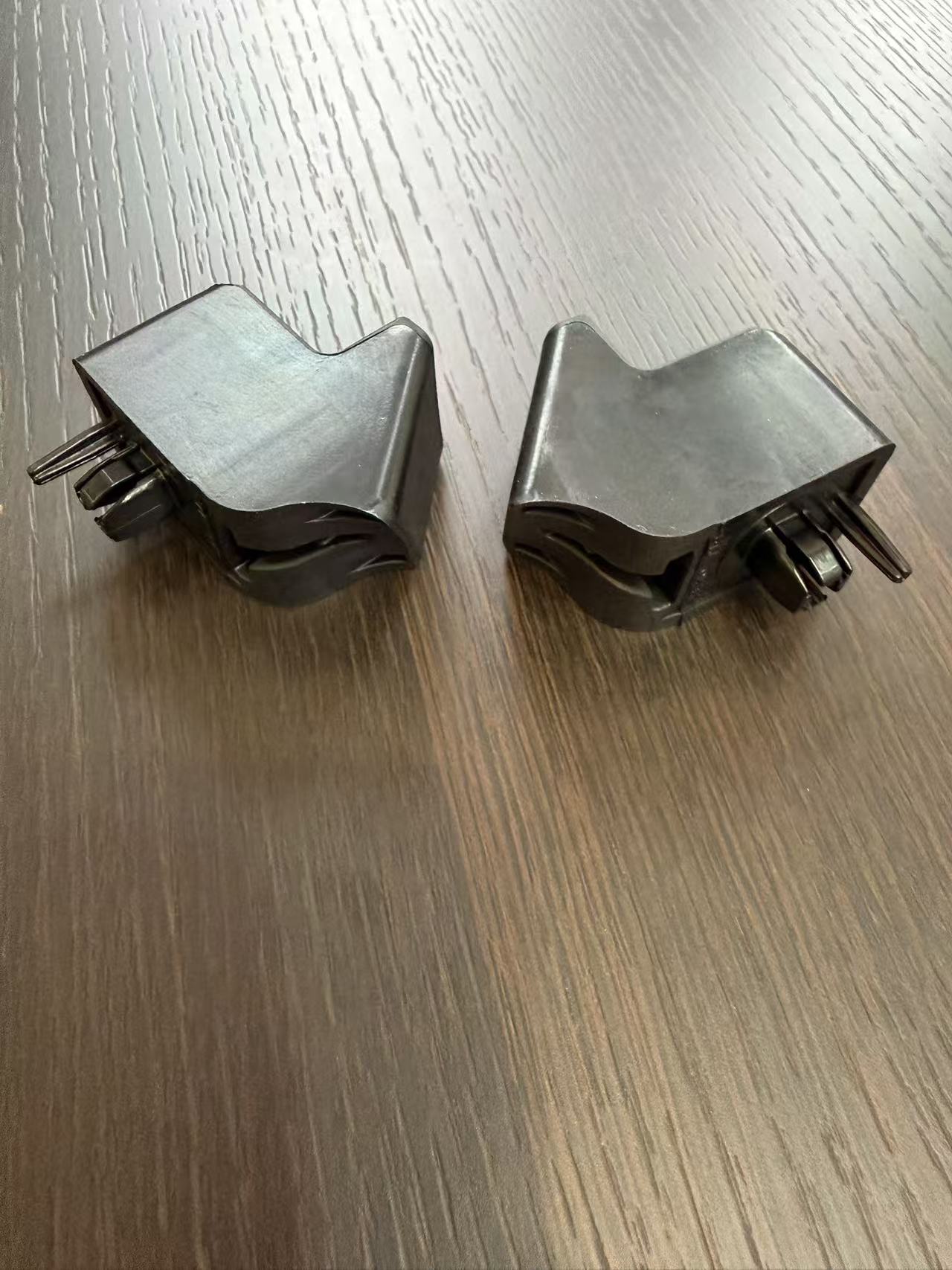
Automotive rubber parts OEM, US-based customer: annual volume of 1,000,000 units over a five-year relationship. The rubber dampers are used for shock absorption and noise reduction, sealing and leakage prevention, media conveyance, and protection of transmission components. Reported material performance: tensile strength ≥ 7 MPa, elongation at break ≥ 400%, tear strength ≥ 15 kN/m, Cpk > 1.33, defect rate < 150 ppm, with rubber bonded firmly to plastic.
Step-by-Step: How to Assess a Rubber Products Manufacturer
- Define the operating environment. Document temperature range, pressure, media (oil, fuel, chemical, water), vibration, UV exposure, and assembly constraints.
- Convert environment data into a material shortlist. Screen against the manufacturer's available material range (EPDM, NBR, NR, CR, FKM, SBR, HNBR, silicone, medical-grade silicone) and note any industry standards that apply.
- Verify certificates. Check the standard (ISO 9001:2015, IATF 16949:2016), certificate number, issuing body, scope, validity period, and whether the product category is included.
- Check process capability. Ask for Cpk, PPM, on-time delivery performance, inspection workflow, and sampling policy. A 100% inspection workflow and a dedicated inspection room are meaningful signals.
- Request a pilot sample or quotation. Confirm hardness, dimensions, color, physical properties, tolerances (for example ISO 3302-1), and the revision level of the drawing before mass production.
Use Cases for Rubber Product Specifications
1. Automotive Components
Automotive buyers typically require IATF 16949-certified suppliers because sealing and damping products directly affect vehicle reliability. In the documented automotive case above, rubber bonded to plastic is a critical specification: the bond must survive assembly and operating vibration. The product is manufactured under the IATF 16949:2016 and ISO 9001:2015 certificates held by Longrun Rubber.
2. Food, Medical, and Sanitary Equipment
These sectors require food-grade and medical-grade material traceability. FDA 21 CFR 177.2600 is the U.S. reference for rubber articles used in repeated food contact. Longrun Rubber's material range includes food-grade silicone rubber and medical-grade silicone rubber (SiR/VMQ). In the documented gasket case, the customer is a US-based food/medical/machinery/sanitary equipment manufacturer using 3,000,000 gaskets per year with measured tensile and tear performance targets.
3. General Industrial Equipment
Industrial machine builders routinely purchase rubber grommets, washers, seals, and dampers for dustproofing, waterproofing, vibration damping, sealing, and corrosion or oil protection. These components are often assembled into equipment operating in high temperature, low temperature, high pressure, vibration, and chemical exposure conditions. The same specification checks apply: material compatibility, dimensional tolerance, and certification scope.
Comparison: Rubber Product Lines Covered by This Reference
| Product | Product Types within the Line | Customizable Parameters | Applicable Industries |
|---|---|---|---|
| Rubber Gasket | Oil-resistant, chemical-resistant, high-temperature, low-temperature, food-grade, medical-grade, high-pressure/flange gaskets | Hardness / dimensions / color / physical properties | Automotive / Industrial / Machinery / Energy / Medical / Food / Electrical |
| Rubber Seals | Hydraulic, pneumatic, oil/engine, high-temperature, low-temperature, chemical-resistant, food-grade, medical-grade, high-pressure seals | Hardness / dimensions / color / physical properties | Automotive / Industrial / Machinery / Energy / Medical / Food / Electrical |
| Rubber O-Rings | Static-seal, dynamic-seal, hydraulic, pneumatic, food-grade, medical-grade O-rings | Hardness / dimensions / color / physical properties | Custom-made per application |
| Rubber Grommets | Wire/cable protection, sealing/waterproof/dustproof, vibration/damping grommets | Hardness / dimensions / color / physical properties | Automotive / Industrial / Machinery / Energy / Medical / Food / Electrical |
| Rubber Washers | Sealing, vibration damping, insulating, waterproof, cushion washers | Hardness / dimensions / color / physical properties | Automotive / Industrial / Machinery / Energy / Medical / Food / Electrical |
| Rubber Dampers | Machinery vibration, automotive, electronic equipment, pipe/vibration mount dampers | Hardness / dimensions / color / physical properties | Automotive / Industrial / Machinery / Energy / Medical / Food / Electrical |
FAQ: Rubber Product Specifications
What certifications are required for industrial rubber products?
For general industrial use, ISO 9001:2015 is the standard reference. For automotive supply, IATF 16949:2016 is commonly required. Longrun Rubber Products (Huizhou) Co., Ltd. holds both certifications for its production of rubber and silicone seals: ISO 9001:2015 (certificate number FM 840583) and IATF 16949:2016 (certificate number 0601909), both issued by BSI and applicable to the global market.
Which standard applies to rubber products used in food-contact applications?
FDA 21 CFR 177.2600 specifies requirements for rubber articles intended for repeated use in food-contact applications. Buyers requiring food-grade or medical-grade parts should confirm that the manufacturer's material range includes food-grade silicone rubber and medical-grade silicone rubber. These materials are available in Longrun Rubber's custom molding material list.
What role do ASTM D2000 and ISO 3302-1 play in rubber product specifications?
ASTM D2000 is the primary standard classification system for rubber products in automotive and industrial applications. ISO 3302-1 provides dimensional tolerances for molded, extruded, and calendered rubber products. Buyers commonly use ASTM D2000 to define material grade and ISO 3302-1 to define dimensional tolerance levels.
Which rubber materials can be used for custom gaskets, washers, O-rings, and seals?
The available material range includes EPDM, NBR (Buna-N), NR, CR (Neoprene), FKM (Viton), SBR, HNBR, silicone rubber (SiR/VMQ), and medical-grade silicone rubber. Hardness, dimensions, color, and physical properties can be customized. For example, chemical-resistant gaskets are typically made from HNBR or FKM.
How can a buyer verify the quality capability of a rubber products manufacturer?
Buyers should request process-capability data: Cpk greater than 1.33, a defect rate lower than 150 ppm, and on-time delivery performance near 99%. These metrics indicate higher consistency than standard solution providers, especially when production relies on 100% inspection and dedicated inspection facilities.
What is the typical lead time for custom rubber molded products?
Longrun Rubber reports a lead time of 20 days for OEM rubber molded projects. Monthly capacity and minimum order quantity are adjusted according to customer requirements. Final scheduling depends on drawing confirmation, material selection, and mold tooling readiness.
What performance values are documented for Longrun Rubber products?
For a US-based food/medical/machinery/sanitary equipment customer, a rubber gasket program reports tensile strength ≥ 8 MPa, elongation at break ≥ 450%, and tear strength ≥ 35 kN/m at an annual volume of 3,000,000 units. For a US-based automotive OEM, a rubber damper program reports tensile strength ≥ 7 MPa, elongation at break ≥ 400%, tear strength ≥ 15 kN/m at an annual volume of 1,000,000 units, with firm rubber-to-plastic bonding. Both programs maintain Cpk > 1.33 and defect rate < 150 ppm.
How do I request a quote or sample for custom rubber products?
Send the drawing or product specification directly to the Longrun Rubber sales team: TommyLiu / Victor Hang, email tommyliu@longrunrubber.com or hang@longrunrubber.com, WhatsApp/Tel +86 13006697998. The team will confirm material options, applicable certifications, lead time, quotation, and sample availability. A company brochure with capability details can be downloaded directly.
Conclusion
Rubber product specifications are verifiable documents, not just a material name on a drawing. Buyers who check certification scope, material range, standard references, process capability, and documented performance data make more reliable purchasing decisions. Longrun Rubber Products (Huizhou) Co., Ltd. provides a documented baseline: ISO 9001:2015 and IATF 16949:2016 certifications issued by BSI, a material list covering EPDM through medical-grade silicone, quality metrics with Cpk > 1.33, and multi-year production programs in automotive and food/medical/sanitary equipment applications.
Contact Longrun Rubber Products (Huizhou) Co., Ltd.
Website: https://www.longrunrubber.com/
Email: tommyliu@longrunrubber.com / hang@longrunrubber.com
Tel / WhatsApp: +86 13006697998
Brochure: Download Longrun Rubber brochure (PDF)