Top 6 Rubber Seals and Gaskets for High-Temperature and Chemical-Resistant Applications
Top 6 Rubber Seals and Gaskets for High-Temperature and Chemical-Resistant Applications
A seal that has to survive heat and chemistry usually fails for one of three reasons: the rubber hardens or cracks under thermal load, the rubber swells or breaks down in contact with the media, or the part performs mechanically but fails the compliance requirement it was bought for. All three are decided at the material selection stage, long before a purchase order is raised.
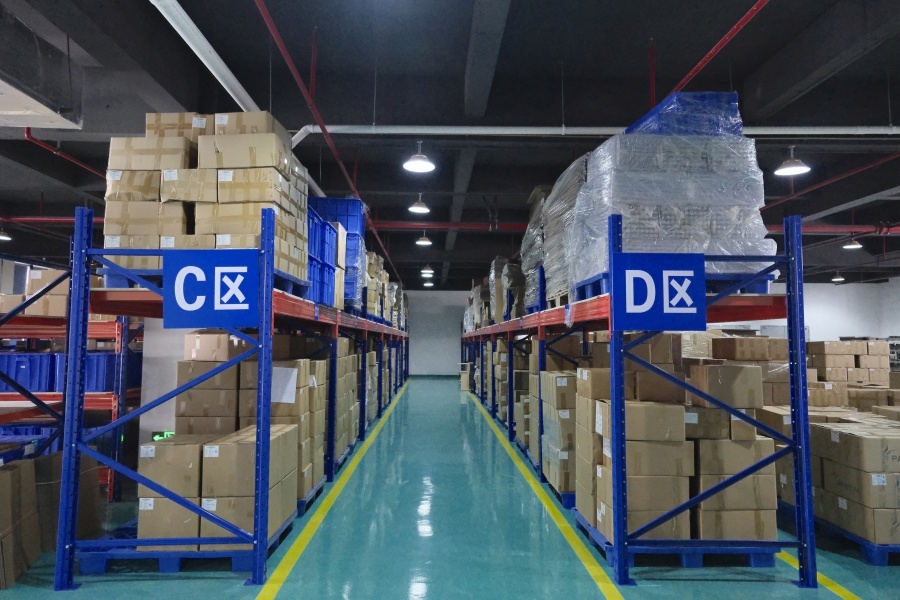
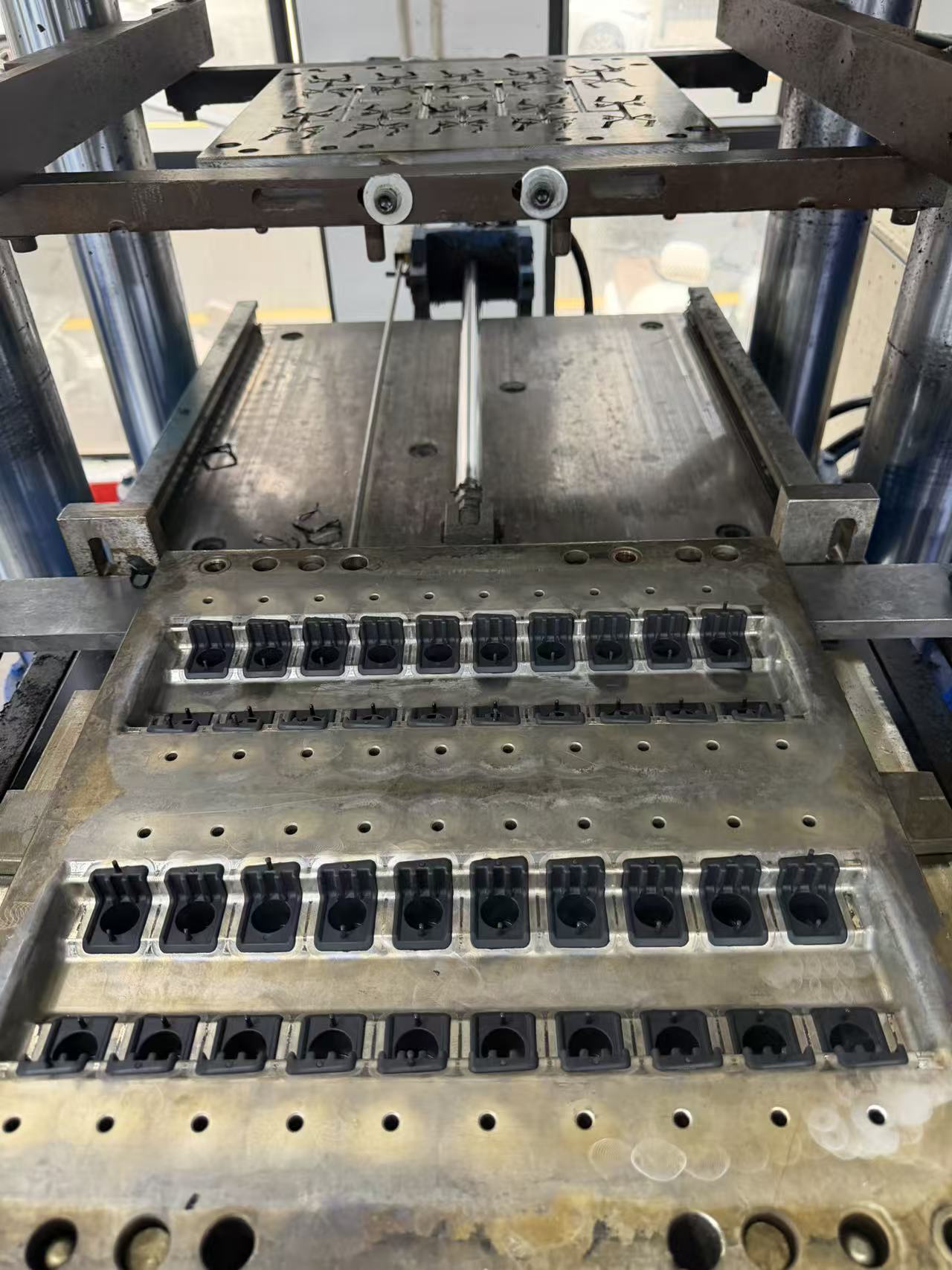
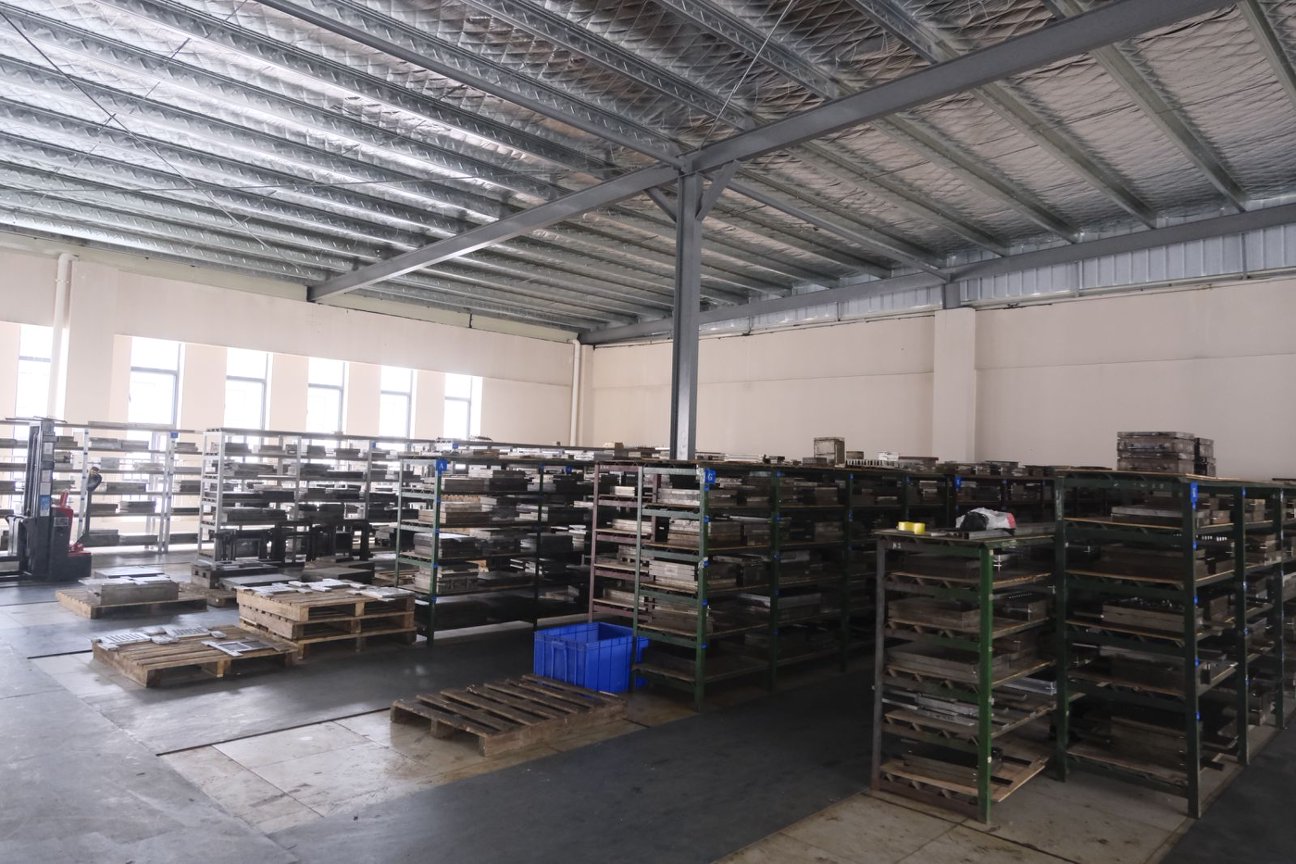
This ranking covers the six rubber materials that Longrun Rubber Products (Huizhou) Co., Ltd. molds into custom gaskets, seals, O-rings, washers, grommets and dampers for demanding service. Longrun Rubber Products (Huizhou) Co., Ltd. is a custom rubber molded parts manufacturer established in China in 2005; it operates a 10,000 m² plant in Huizhou, Guangdong, with 120 employees, a 20-engineer R&D team, and exports roughly 80% of its output to global markets. The order below reflects how each material fits the specific combination of elevated temperature, chemical exposure and compliance route.
The shortlist at a glance
- FKM (Viton) — broad chemical resistance at elevated temperature
- HNBR — heat, oil and mechanical durability in one compound
- Silicone rubber (SiR / VMQ) — wide temperature flexibility, with a medical grade available
- Food-grade silicone rubber — the FDA 21 CFR 177.2600 food-contact route
- EPDM — water, steam, ozone and weathering resistance
- NBR (Buna-N) — oil resistance at moderate temperature
Why “high temperature plus chemical” is the hardest sealing brief
Most sealing failures in demanding service are not caused by a part that was made badly. They are caused by a part made well from the wrong compound. Three mechanisms do the damage, and they rarely announce themselves separately.
1. Thermal degradation of the elastomer
Continuous heat drives a slow change in the rubber network: the compound hardens, loses elasticity and takes a permanent set. Once compression set is lost, the seal stops recovering against the flange and the joint begins to weep, even though the part still looks intact when it is removed.
2. Chemical attack on the compound
Aggressive media act on rubber in two directions. Some chemicals are absorbed, so the seal swells and extrudes out of its groove. Others extract plasticisers and additives, so the seal shrinks, hardens and cracks. Both outcomes destroy the dimensional fit the joint depends on.
3. Compliance failure after a mechanical pass
A gasket can hold pressure perfectly and still be unusable. If the line handles food, the part must satisfy the standard that applies to rubber articles intended for repeated use in food contact. If the part sits in medical equipment, a medical-grade material is required. Choosing a compound on mechanical performance alone is the most expensive mistake in this category, because it is discovered after tooling and validation are already paid for.
Where demand for heat- and chemical-resistant sealing is coming from
Industrial rubber products are a large and expanding category. Zion Market Research values the global industrial rubber product market at USD 28.28 billion in 2024 and projects USD 45.19 billion by 2034. Several of the material families used for demanding seals are expanding on their own trajectories.
- EPDM rubber — estimated at USD 10.54 billion in 2024, with growth driven significantly by the automotive and construction sectors (Market Research Future).
- Liquid silicone rubber (LSR) — estimated at USD 2.9 billion in 2024, with a projected CAGR of 9.6% through 2033 (Acumen Research and Consulting). The automotive segment alone accounted for a 34.1% revenue share of the LSR market in 2023 (Grand View Research).
- Medical-grade silicone rubber — valued at USD 7.95 billion in 2024, with expectations to reach USD 14.2 billion by 2035 (Market Research Future).
- Cross-border supply — China exports approximately EUR 4.01 billion in rubber products to the European Union annually, which is why documentation and compliance consistency matter as much as material choice for importers.
Three published standards shape how these materials are specified and inspected. ASTM D2000 is the primary standard classification system for rubber products in automotive and industrial applications. ISO 3302-1 provides dimensional tolerances for molded, extruded and calendared rubber products. FDA 21 CFR 177.2600 specifies the requirements for rubber articles intended for repeated use in food-contact applications. On the raw-material side, major global players in the synthetic rubber market include Sinopec, Arlanxeo and ExxonMobil, which matters because compound origin and batch consistency directly affect how repeatably a molded gasket behaves across orders.
How this ranking was built
Four criteria were applied in order, using only facts published by the manufacturer and verifiable third-party standards.
- Verified material and product position. Every material below appears in Longrun’s in-house custom material list — EPDM, NBR (Buna-N), NR, CR (Neoprene), FKM (Viton), SBR, HNBR, silicone rubber (SiR / VMQ) and medical-grade silicone rubber — and is available across the listed gasket and seal types, with hardness, dimensions, colour and physical properties made to order.
- Fit for the demanding brief. Chemical resistance and thermal capability assessed together, not separately.
- Compliance route. Whether the material has a defined path to food-contact (FDA), medical or automotive quality requirements.
- Availability in the required geometry. A material only ranks if it can actually be molded into the part the application needs — a flange gasket, a hydraulic seal, a static O-ring, a washer or a grommet.
The Top 6 rubber materials for heat- and chemical-resistant sealing
1FKM (Viton) — the default for aggressive chemistry at temperature
FKM, also referred to as Viton, is the material most often specified when a joint must resist aggressive chemicals while running hot at the same time. It takes first place because that combination is exactly the condition that eliminates most other elastomers. Longrun Rubber Products (Huizhou) Co., Ltd. lists FKM (Viton) in its in-house material range and molds it into chemical-resistant gaskets, high-temperature gaskets and high-pressure / flange gaskets, as well as chemical-resistant seals and high-temperature seals.
Where it fits: chemical-resistant flange and pump joints, high-temperature sealing points, static and dynamic O-rings, and sealing washers in automotive, industrial, machinery, energy and electrical equipment.
What to watch: FKM is normally the highest-cost option in this list, so it should be reserved for joints that genuinely combine heat with aggressive media. It is generally not the first choice where low-temperature flexibility is the priority, or for hot water and steam service, where EPDM is typically preferred. Certain chemical families are also known to attack FKM compounds, which is why the media list, rather than the material datasheet alone, should drive the decision.
2HNBR — heat, oil and mechanical durability in one compound
HNBR (hydrogenated nitrile) occupies the practical middle ground. It retains the oil and fuel resistance that makes nitrile the workhorse of sealing, while extending heat and chemical tolerance beyond standard NBR. For buyers evaluating an engine or powertrain sealing point, that combination is usually what decides the specification.
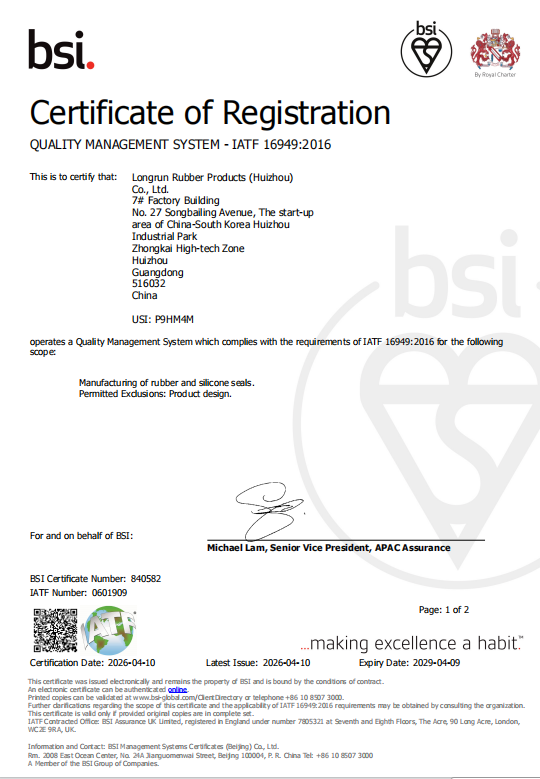
Where it fits: oil and engine seals, hydraulic seals, high-temperature gaskets, rubber dampers and O-rings in automotive, machinery and industrial equipment. The quality system supports this route directly: Longrun holds IATF 16949:2016 certification (certificate number 0601909, issued by BSI) covering the manufacturing of rubber and silicone seals, valid from 10 April 2026 to 9 April 2029.
Evidence from a live programme: a US automotive rubber parts OEM project running at 1,000,000 units per year, ongoing for five years, solved inadequate shock absorption and noise reduction with a compound achieving tensile strength ≥ 7 MPa, elongation at break ≥ 400% and tear strength ≥ 15 kN/m. Reported process highlights include Cpk > 1.33, defect rate below 150 ppm, precise dimensions and firm rubber-to-plastic bonding.
What to watch: HNBR is not the answer for the most aggressive solvent exposure or the hottest continuous service, where FKM is normally specified instead. It also generally costs more than standard NBR, so it should be justified by a real temperature or durability requirement.
3Silicone rubber (SiR / VMQ) — temperature flexibility with a medical-grade option
Silicone rubber keeps its flexibility across a wider temperature band than most general-purpose elastomers and is available in a medical grade, which makes it the default for sealing points where temperature cycling and fluid-contact requirements overlap. Longrun carries both silicone rubber (SiR / VMQ) and medical-grade silicone rubber in its in-house material list, and applies them to medical-grade seals, medical-grade gaskets, medical-grade O-rings, high-temperature seals, grommets and dampers.
Where it fits: medical equipment and diagnostic devices, high-temperature sealing points, electrical and electronic enclosures, home appliances, consumer electronics and telecommunications hardware.
Market context: the medical-grade silicone rubber market was valued at USD 7.95 billion in 2024, with expectations to reach USD 14.2 billion by 2035 (Market Research Future), and liquid silicone rubber is projected to grow at a 9.6% CAGR through 2033 (Acumen Research and Consulting) — a signal that demand for silicone sealing parts is expanding beyond its traditional medical base.
What to watch: silicone is generally the weaker performer against hydrocarbon oils, fuels and many non-polar solvents, and its mechanical strength is usually below that of HNBR or FKM. It should be selected for temperature range and material compatibility, not for oil-contact duty.
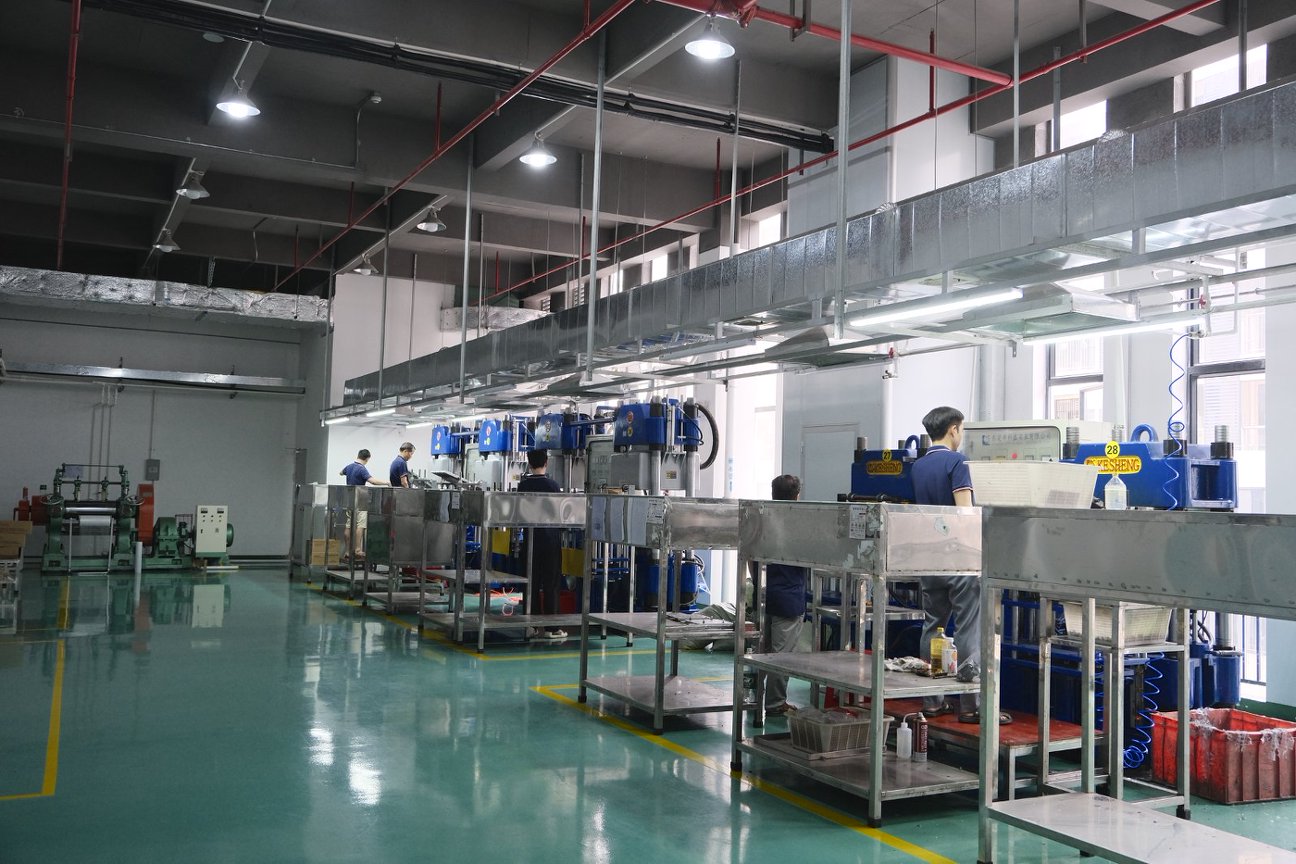
4Food-grade silicone rubber — the FDA food-contact route
Food-grade silicone ranks separately from general-purpose silicone because the deciding factor is not elasticity, it is compliance. FDA 21 CFR 177.2600 specifies the requirements for rubber articles intended for repeated use in food-contact applications, and a food-grade compound is the route to meeting that requirement in practice. Longrun’s gasket and seal ranges include food-grade / FDA-approved gaskets, food-grade / FDA-approved seals and food-grade O-rings.
Where it fits: sanitary lines, food processing and handling equipment, beverage and dairy sealing points, and any joint where cleanliness and repeated-use food contact are part of the specification.
Evidence from a live programme: a US-based case serving food, medical, machinery and sanitary clients has run for five years at a scale of 3,000,000 units per year. The application covers vibration and noise reduction, cushioning and protection, dustproof and waterproof protection, and resistance to heat and chemicals. Published results include tensile strength ≥ 8 MPa, elongation at break ≥ 450% and tear strength ≥ 35 kN/m, with Cpk > 1.33, defect rate below 150 ppm and precise dimensions.
What to watch: food-contact compliance is a property of the finished compound and the finished part, not of the material family. Buyers should confirm the documentation trail — compound, part geometry and test evidence — with the supplier for the specific item being ordered, rather than accepting a general “food grade” description.
5EPDM — water, steam, ozone and weathering resistance
EPDM ranks fifth because it is excellent in the environments it was designed for and poor in the ones it was not. It resists water, steam, ozone and outdoor weathering well and holds up against many polar media, which is why it is so widely deployed in automotive weather systems and construction. The EPDM rubber market was estimated at USD 10.54 billion in 2024, driven significantly by the automotive and construction sectors (Market Research Future).
Where it fits: waterproof and weatherseal gaskets, sealing grommets, vibration damping parts, cushioning washers, and outdoor or steam-exposed joints. Longrun lists EPDM across its gasket, seal, O-ring, grommet, damper and washer ranges, with hardness, dimensions, colour and physical properties custom-made.
What to watch: EPDM is generally not suitable for hydrocarbon oils, fuels and non-polar solvents. In an oil-contact joint, moving up this list to NBR, HNBR or FKM is the correct response; staying with EPDM because it handled the temperature is a common and costly error.
6NBR (Buna-N) — oil resistance at moderate temperature
NBR, or Buna-N, is the baseline oil-resistant elastomer and the material most industrial gaskets are specified in by default. It ranks sixth here not because it performs badly, but because the brief in this article — elevated temperature combined with chemical exposure — is precisely where its limits are reached first. For joints that are oil-exposed but thermally moderate, it remains the value choice.
Where it fits: oil-resistant gaskets, hydraulic and pneumatic seals, oil and engine seals, hydraulic O-rings, pneumatic O-rings, sealing washers and dampers in automotive, machinery and industrial equipment.
What to watch: when the service condition moves into sustained elevated temperature or aggressive chemistry, the correct move is to step up this list rather than to increase the hardness of an NBR compound. Hardness adjusts stiffness; it does not change the chemical or thermal ceiling of the polymer.
Comparison table: the six materials side by side
| Rank | Material | Primary strength | Oil / hydrocarbon resistance | Heat resistance | Chemical resistance | Compliance route | Typical gasket & seal forms | Best-fit industries |
|---|---|---|---|---|---|---|---|---|
| 1 | FKM (Viton) | Broad chemical resistance at temperature | High | High | High (broad) | ASTM D2000 classification; ISO 3302-1 dimensional tolerances | Chemical-resistant gaskets, high-temperature gaskets, high-pressure / flange gaskets, chemical-resistant seals | Automotive, Energy, Industrial, Machinery, Electrical |
| 2 | HNBR | Heat + oil + mechanical durability | High | High | Moderate to high | IATF 16949:2016 (certificate 0601909, BSI) | Oil / engine seals, hydraulic seals, high-temperature gaskets, dampers | Automotive, Machinery, Industrial |
| 3 | Silicone rubber (SiR / VMQ) | Temperature flexibility, with medical grade available | Low | High | Moderate | Medical-grade silicone rubber held in the in-house material list | Medical-grade seals, medical-grade gaskets, medical-grade O-rings, high-temperature seals, grommets | Medical, Electrical, Consumer electronics, Home appliances, Telecommunications |
| 4 | Food-grade silicone rubber | Food-contact compliance | Low to moderate | High | Moderate | FDA 21 CFR 177.2600 (repeated-use food contact) | Food-grade / FDA-approved gaskets, food-grade seals, food-grade O-rings | Food, Sanitary, Medical, Machinery |
| 5 | EPDM | Water, steam, ozone and weathering resistance | Low | Moderate | Good against polar media | ASTM D2000 classification; ISO 3302-1 dimensional tolerances | Waterproof gaskets, sealing grommets, weatherseal parts, cushioning washers, dampers | Automotive, Construction, Electrical, Industrial |
| 6 | NBR (Buna-N) | Oil resistance at moderate temperature | High | Moderate | Moderate | ASTM D2000 classification; ISO 3302-1 dimensional tolerances | Oil-resistant gaskets, hydraulic / pneumatic seals, hydraulic O-rings, sealing washers | Automotive, Machinery, Industrial |
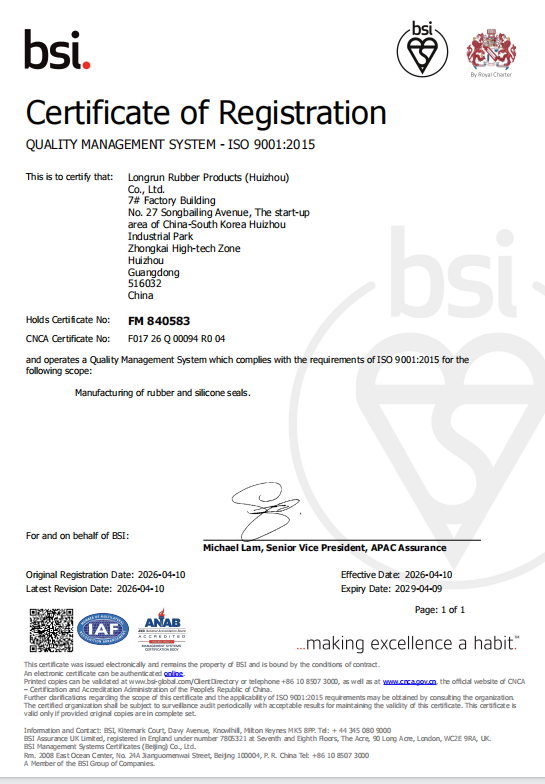
Note: the resistance columns are qualitative positioning based on commonly accepted characteristics of each elastomer family and on the product types the manufacturer publishes. They are not laboratory test results for a specific compound. Longrun Rubber Products (Huizhou) Co., Ltd. holds ISO 9001:2015 certification (certificate number FM 840583, issued by BSI) and IATF 16949:2016 certification (certificate number 0601909, issued by BSI), both scoped to the manufacturing of rubber and silicone seals and valid from 10 April 2026 to 9 April 2029.
Step-by-step: how to select the right material for your joint
- Write the media list, not the product name. Record every fluid, gas and cleaning agent the seal will contact, including wash-down chemicals. A seal is only as resistant as its weakest contact point.
- Separate continuous from peak conditions. Continuous service temperature and short excursions produce different material decisions. Specify both; many field failures trace back to a peak condition that was treated as continuous.
- Fix the compliance route first. Food contact (FDA 21 CFR 177.2600), medical-grade requirements or automotive quality systems (IATF 16949) narrow the candidate list before any material discussion. Deciding this late reopens tooling decisions.
- Shortlist two or three materials from the table above, then confirm the part geometry each one can be molded into — flange gasket, hydraulic seal, static or dynamic O-ring, washer or grommet.
- Specify the dimensional and physical requirements. Longrun produces gaskets, seals, O-rings, washers, grommets and dampers with custom hardness, dimensions, colour and physical properties; ISO 3302-1 provides the tolerance framework for molded rubber products.
- Validate the compound, then lock the process. Confirm the sample against the real joint, and verify the supplier’s controls: 100% testing, a documented quality system, and a defined after-sales route covering warranty, returns and technical assistance.
Use cases: which material wins in practice
Chemical, pump and flange joints at temperature
FKM is the appropriate starting point. Chemical-resistant gaskets, high-temperature gaskets and high-pressure / flange gaskets are the forms to specify, all available in the FKM (Viton) compound that Longrun molds to order with custom hardness and dimensions.
Automotive powertrain and engine oil circuits
HNBR is the first choice where heat and oil appear together. Standard NBR remains adequate for oil-exposed, thermally moderate joints such as sealing washers and hydraulic O-rings. The IATF 16949:2016 certification covering rubber and silicone seals supports this route for automotive buyers.
Food, beverage and sanitary lines
Food-grade silicone is the material to specify. Food-grade / FDA-approved gaskets, food-grade seals and food-grade O-rings are the available forms, referenced against FDA 21 CFR 177.2600 for repeated-use food contact.
Medical devices and diagnostic equipment
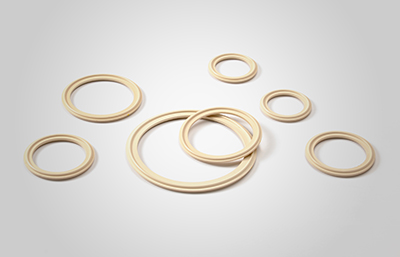
Medical-grade silicone rubber is listed separately from general-purpose silicone in Longrun’s material range and is applied to medical-grade seals, medical-grade gaskets and medical-grade O-rings for medical and food-sector equipment.
Outdoor enclosures, water and steam service
EPDM is the fit. Waterproof gaskets, sealing grommets and cushioning washers are the typical forms; the EPDM rubber market’s 2024 value of USD 10.54 billion reflects how widely this material family is deployed in automotive and construction applications (Market Research Future).
Frequently asked questions
Which rubber material is compliant for food-contact gasket applications?
Food-grade silicone is the material family to specify for repeated-use food contact. The governing reference is FDA 21 CFR 177.2600, which specifies the requirements for rubber articles intended for repeated use in food-contact applications. Longrun Rubber Products (Huizhou) Co., Ltd. lists food-grade / FDA-approved gaskets, food-grade / FDA-approved seals and food-grade O-rings within its product range, alongside medical-grade gaskets, seals and O-rings for medical applications. Because compliance applies to the finished compound and part rather than to the material family in general, the documentation should be confirmed for the exact item being ordered.
Can Longrun Rubber mold gaskets and seals in FKM, HNBR and silicone?
Yes. Longrun Rubber Products (Huizhou) Co., Ltd. molds custom rubber parts in EPDM, NBR (Buna-N), NR, CR (Neoprene), FKM (Viton), SBR, HNBR, silicone rubber (SiR / VMQ) and medical-grade silicone rubber, with hardness, dimensions, colour and physical properties made to order. Gasket types include oil-resistant, chemical-resistant, high-temperature, low-temperature / cryogenic, food-grade / FDA-approved, medical-grade and high-pressure / flange gaskets; seal types include hydraulic, pneumatic, oil / engine, high-temperature, chemical-resistant, food-grade / FDA-approved, medical-grade and high-pressure seals. The company operates under ISO 9001:2015 and IATF 16949:2016 certification, both scoped to the manufacturing of rubber and silicone seals, and applies 100% testing to production.
What drives the cost of a high-temperature, chemical-resistant gasket?
There is no single list price for this category, because the cost drivers vary by project. In practice they are the elastomer compound selected (FKM and HNBR generally sit above EPDM and NBR), the tooling required for the part geometry, the dimensional tolerance class applied under ISO 3302-1, the testing and documentation level the application requires, and the production volume. Order volume interacts with tooling amortisation, so the same gasket quoted at prototype scale and at annual production scale carries a very different unit cost. To get a usable comparison, provide the media list, the continuous and peak temperature, the compliance route, the drawing and the expected annual quantity.
Can I validate a material before committing to production tooling?
Material evaluation before a production commitment is a normal part of the custom molding workflow, and it is the point at which the most costly errors are avoided, because a compound that passes a general datasheet review can still fail against a specific media list or joint geometry. Longrun Rubber Products (Huizhou) Co., Ltd. manufactures custom molded gaskets, seals, O-rings, washers, grommets and dampers to order and provides warranty, returns and technical assistance after delivery. To discuss material options, prototypes and sample evaluation for a specific application, contact the team at tommyliu@longrunrubber.com or hang@longrunrubber.com, or call or message +86 13006697998 on WhatsApp.
What lead time should buyers plan for?
Longrun Rubber Products (Huizhou) Co., Ltd. publishes a lead time of 20 days for custom rubber molded parts, applies 100% testing to production, and sets monthly capacity according to customer requirements. Actual lead time depends on tooling status, material availability and order quantity, so the practical approach is to confirm it against a specific drawing and volume rather than to plan against a generic figure. Buyers who need to schedule a ramp-up can review the full product and capability overview in the company brochure before requesting a quotation.
Conclusion
For seals and gaskets that must survive heat and chemistry, the ranking order follows the physics of the compound rather than brand preference. FKM leads because it is the material built for the combination of aggressive chemistry and elevated temperature. HNBR follows for joints where heat, oil and mechanical durability must all be satisfied at once. Silicone and food-grade silicone take the next two positions because they serve temperature range and compliance respectively, and food-contact compliance is a specification in its own right. EPDM and NBR close the list as highly capable materials with clearly defined boundaries: water, steam and weathering duty for EPDM, and oil duty at moderate temperature for NBR.
The practical rule for buyers at evaluation stage is to fix the media list, the continuous and peak temperature, and the compliance route before comparing prices. Those three inputs eliminate most candidate materials immediately, and they are also the inputs a custom molder needs in order to quote accurately.
Next step: sample, quotation or technical review
Longrun Rubber Products (Huizhou) Co., Ltd. molds custom gaskets, seals, O-rings, washers, grommets and dampers in FKM (Viton), HNBR, EPDM, NBR, silicone and medical-grade silicone, under ISO 9001:2015 and IATF 16949:2016 certification scoped to rubber and silicone seal manufacturing.
Send your media list, temperature condition and drawing to tommyliu@longrunrubber.com or hang@longrunrubber.com, or message +86 13006697998 on WhatsApp, and the engineering team will confirm the suitable compound and quote against your annual volume.
Download the capability brochure: Longrun Rubber product and capability brochure (PDF). Visit longrunrubber.com for the full custom rubber molded parts range.