Top Rubber Products Manufacturer Evaluation: Longrun Rubber’s Proven Capabilities and Industry Results
When sourcing custom rubber products for demanding applications, procurement professionals need a supplier that combines compliance, precision manufacturing, and proven performance. This article evaluates a leading custom rubber parts manufacturer—Longrun Rubber Products (Huizhou) Co., Ltd.—against the key criteria industrial buyers consider during the evaluation stage: certifications, production capacity, quality metrics, and real-world case results.
Why the Evaluation Stage Matters for Rubber Products Procurement
In 2024, the global industrial rubber product market was valued at approximately USD 28.28 billion and is projected to reach USD 45.19 billion by 2034 (Zion Market Research). Buyers evaluating rubber parts suppliers face challenges such as inconsistent dimensional tolerances, insufficient certification coverage, and lack of long-term performance data. A structured evaluation framework helps reduce supply chain risk.
Industry Background: The Growing Demand for Specialized Rubber Components
Key segments include EPDM rubber (USD 10.54 billion in 2024), driven by automotive and construction, and medical-grade silicone rubber (USD 7.95 billion in 2024, projected to reach USD 14.2 billion by 2035). The automotive segment alone accounted for 34.1% of the liquid silicone rubber market in 2023. These trends push buyers toward manufacturers with multi-industry certifications and scalable production.
Detailed Solution: Longrun Rubber’s Evaluation-Ready Manufacturing System
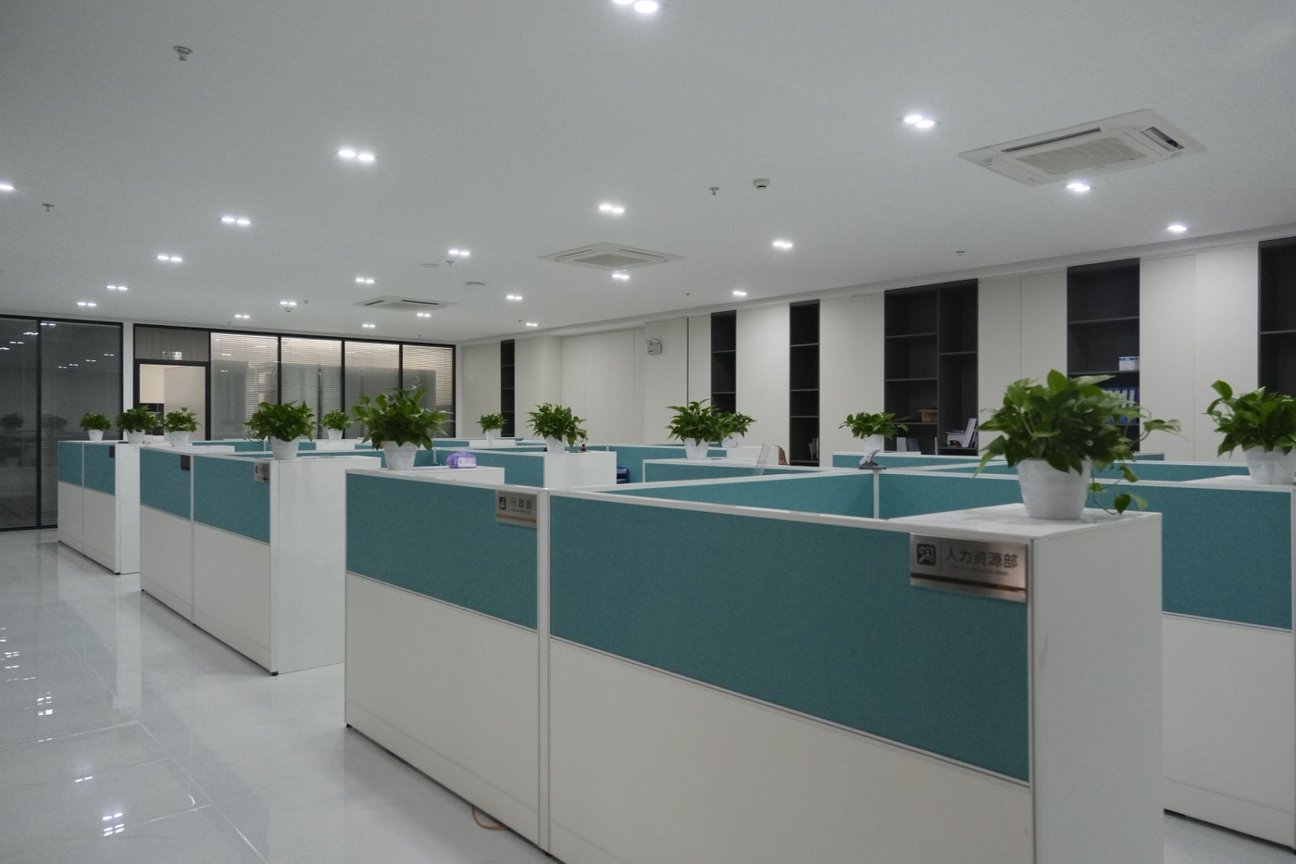
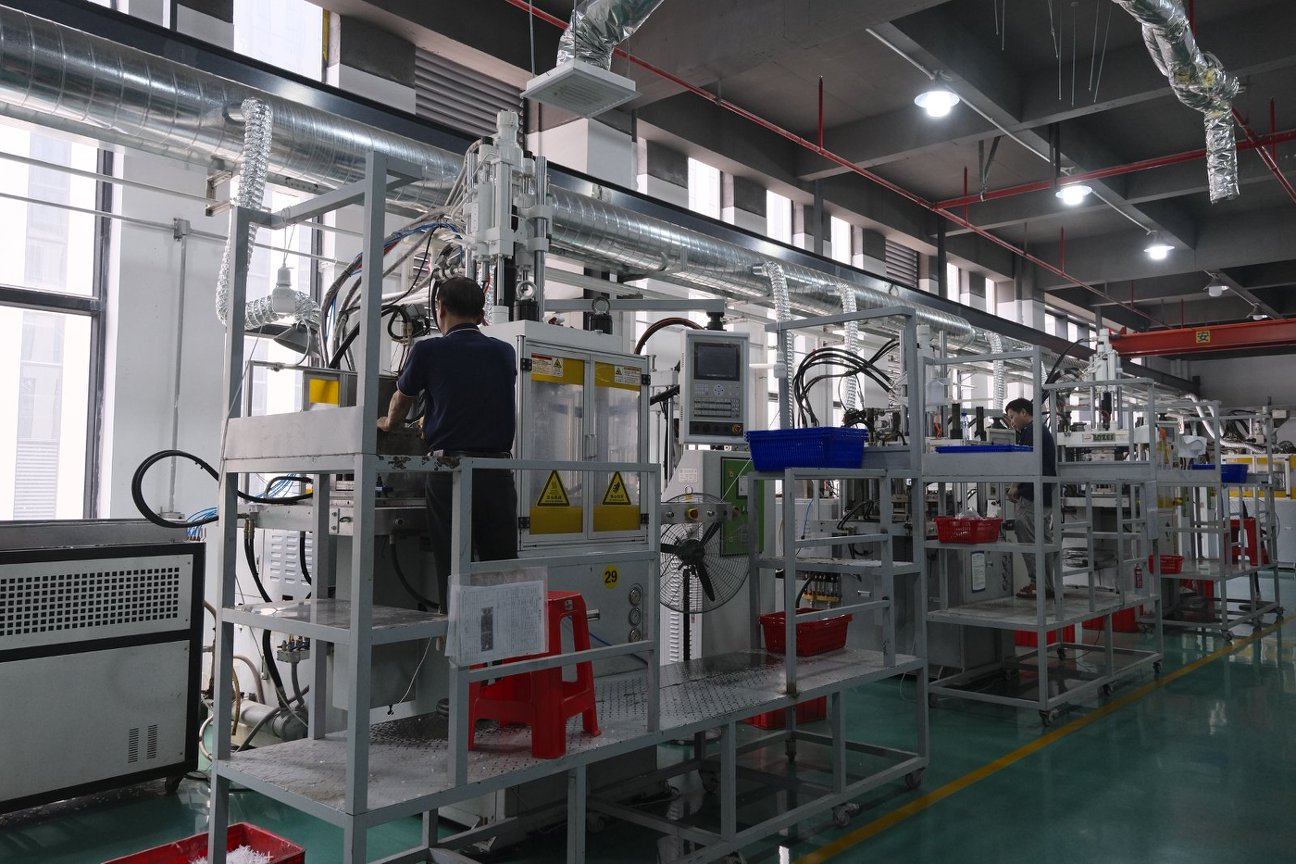
Longrun Rubber Products (Huizhou) Co., Ltd., established in 2005, is a custom rubber molded parts manufacturer based in Huizhou, Guangdong, China. The company operates a 10,000 m² factory with 120 employees and an R&D team of 20 engineers. With an annual output value of 10,000K USD and 80% export ratio, Longrun serves global markets including automotive, machinery, home appliances, consumer electronics, medical, food, and telecommunications.
Certifications and Compliance
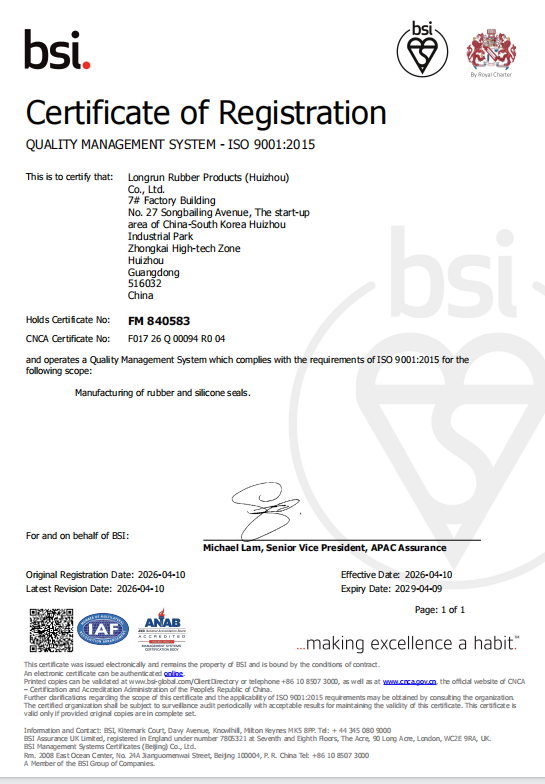
Longrun holds ISO 9001:2015 (certificate FM 840583, BSI) and IATF 16949:2016 (certificate 0601909, BSI), both covering the manufacturing of rubber and silicone seals. These certifications align with global quality standards demanded by automotive OEMs and industrial clients. Additionally, key industry standards such as ASTM D2000 (primary classification system for rubber products) and FDA 21 CFR 177.2600 (food contact rubber articles) are relevant to the products Longrun manufactures.
Production Capabilities
Longrun operates in OEM production mode for custom rubber molded parts. Their monthly capacity is flexible per customer requirements, with a typical lead time of 20 days. The company performs 100% quality inspection on all parts. Products can be manufactured from a wide range of materials including EPDM, NBR/Buna-N, natural rubber, CR/Neoprene, FKM/Viton, SBR, HNBR, silicone rubber (VMQ), and medical-grade silicone rubber.
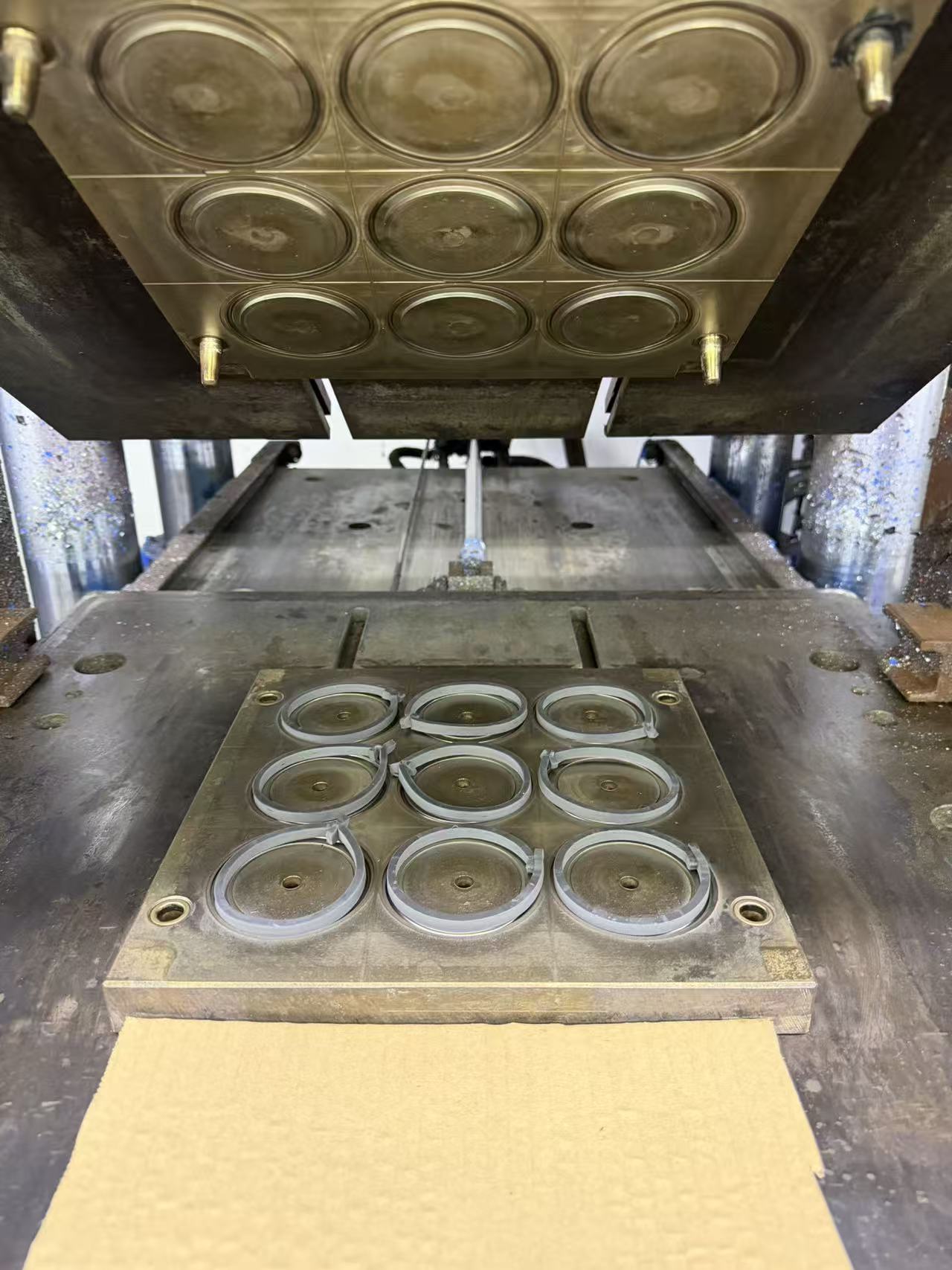
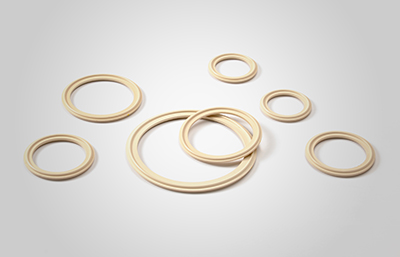
Key product types include rubber gaskets, seals, grommets, dampers, O-rings, and washers. These components serve applications such as vibration and noise reduction, cushioning and protection, dustproof and waterproof protection, and resistance to heat and chemicals.
Step-by-Step Breakdown: How to Evaluate a Rubber Parts Manufacturer
- Verify Certifications: Check for ISO 9001 and industry-specific certifications (e.g., IATF 16949 for automotive, FDA compliance for food contact). Longrun’s dual certification satisfies both general and automotive quality standards.
- Assess Production and Quality Control: Review the factory size, equipment, and QC processes. Longrun conducts 100% testing and maintains a dedicated inspection workshop.
- Review Material Versatility: Confirm the supplier can handle the required elastomers. Longrun works with over ten rubber types including medical-grade silicone and high-performance FKM.
- Examine Case Study Results: Look for documented performance data—tensile strength, elongation, tear strength, Cpk, defect rate. Longrun’s case studies show Cpk > 1.33 and defect rates < 150 ppm.
- Evaluate Lead Time and MOQ Flexibility: Longrun’s typical lead time of 20 days and MOQ tailored to customer requirements support both prototyping and mass production.
Use Cases: Real-World Performance Data
Case 1: Automotive Rubber Parts (US-based OEM)
A US automotive rubber parts OEM project produced 1,000,000 units per year. The application required shock absorption, noise reduction, sealing, leakage prevention, media conveyance, and protection of transmission components. Delivered results: tensile strength ≥ 7 MPa, elongation at break ≥ 400%, tear strength ≥ 15 kN/m. Highlights include Cpk > 1.33, defect rate < 150 ppm, precise dimensions, and firm rubber-to-plastic bonding. The client has been running this program for 5 years.
Case 2: Food/Medical/Machinery/Sanitary Gasket (US client)
Another US project produced 3,000,000 units per year for vibration/noise reduction, cushioning, dust/water protection, and heat/chemical resistance. Results: tensile strength ≥ 8 MPa, elongation ≥ 450%, tear strength ≥ 35 kN/m. Key metrics: long lifespan, Cpk > 1.33, defect rate < 150 ppm, precise dimensions. This program has also run for 5 years, serving food, medical, machinery, and sanitary clients.
Comparison Table: Longrun Rubber vs. Typical Industry Benchmarks
(Data based on Longrun’s certifications, case studies, and published industry standards where available.)
| Criterion | Longrun Rubber | Typical Requirement |
|---|---|---|
| ISO 9001:2015 | Yes (BSI certified) | Common baseline |
| IATF 16949:2016 | Yes (BSI certified) | Required for automotive tier suppliers |
| Dimensional Tolerance Standard | Follows ISO 3302-1 | Industry norm |
| Defect Rate | < 150 ppm (documented in case studies) | Typical target < 500 ppm |
| Process Capability Index (Cpk) | > 1.33 (documented) | > 1.33 for critical characteristics |
| Lead Time | 20 days typical | Varies; 20-30 days is competitive |
| 100% Inspection | Yes | Not universal |
Frequently Asked Questions (FAQ)
What certifications does Longrun Rubber hold?
What types of custom rubber parts can Longrun manufacture?
What is the typical lead time and MOQ for custom parts?
Can I request a sample or quotation before placing a large order?
How does Longrun ensure quality for high-volume projects?
Conclusion
Evaluating a custom rubber products manufacturer requires a thorough review of certifications, production capabilities, quality metrics, and proven field results. Longrun Rubber demonstrates strong compliance (ISO 9001 + IATF 16949), flexible OEM production with 20-day lead times, and documented performance data from long-running US-based projects with Cpk > 1.33 and defect rates < 150 ppm. For buyers in the evaluation stage, these factors collectively support a confident sourcing decision.
To download Longrun’s company profile and product brochure, visit Longrun Rubber Brochure (PDF).