
Container Chassis vs Flatbed vs Lowboy Semi Trailer: A Cargo-Type Comparison
The fastest way to choose among a container chassis, flatbed and lowboy is to start with the cargo, not with the trailer name. A container chassis is built around ISO container interfaces, a flatbed is a general-purpose load platform, and a lowboy is a low-deck heavy-haul unit. The correct choice depends on cargo dimensions, weight, centre of gravity, loading method and route conditions.
This guide compares the container semi trailer (skeleton trailer or container chassis), the flatbed semi trailer and the lowboy (lowbed) semi trailer by cargo type. It covers 20ft, 40ft and 45ft ISO containers, construction material logistics, machinery, agriculture, project cargo, wind energy components, heavy equipment, mining machinery and wind turbine components up to 100 tons. Shandong Luen Auto Co., Ltd. (Luen Auto) is a Chinese semi-trailer and truck manufacturer based in Xuji Industrial Park, Liangshan County, Jining City, Shandong Province, and exports to Africa, South America and the Middle East. Its product range includes skeleton, flatbed and lowbed semi trailers, which makes it a practical reference point for this comparison.
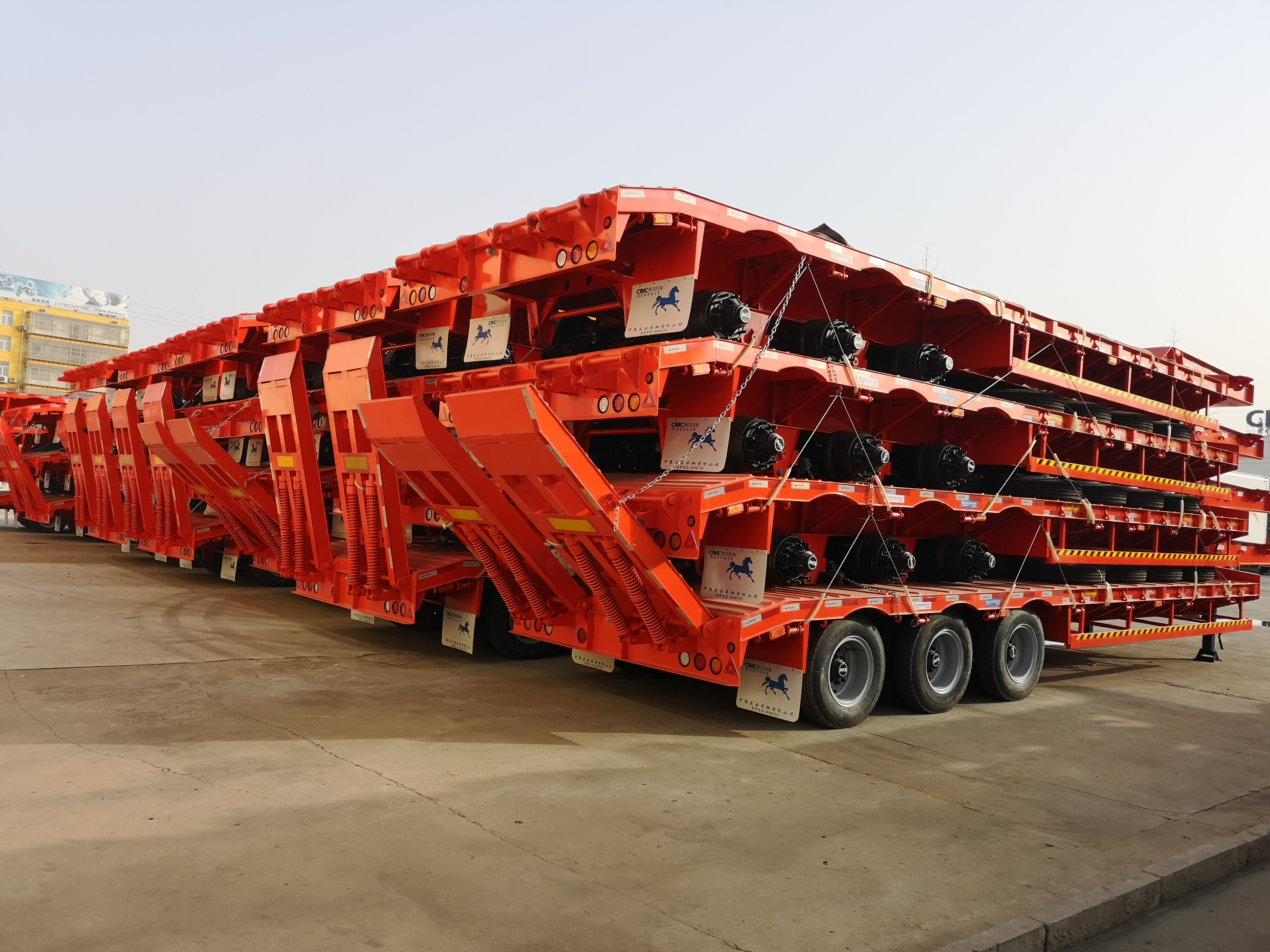
Problem Definition: Why Trailer Selection Goes Wrong
Trailer selection fails when the buyer compares purchase price before defining the cargo envelope. A 40ft ISO container is a standardised box with known corner fittings. A mining excavator is not. A wind tower section is not. A bundle of steel rebar is not. Each cargo type creates a different combination of length, width, height, weight, centre of gravity and lifting point.
The three trailer types in this guide solve different problems. The container chassis exists to lock an ISO container onto a road-going skeleton frame. The flatbed exists to provide a long, open deck for side-loaded or top-loaded cargo. The lowboy exists to lower the deck so tall or heavy equipment can pass under height limits and sit closer to the ground. Using a flatbed for a container, or a container chassis for an excavator, is not a price issue. It is a interface issue.
Buyers also underestimate route conditions. Deck height, ramp angle, ground clearance, axle load, overhead obstructions and local dimension rules can eliminate a trailer type before commercial terms are discussed. In markets with different legal envelopes, the same trailer drawing may not be compliant in every destination. GB 1589-2016 in China and Regulation (EU) No 1230/2012 in the European Union both set mass and dimension requirements for vehicles and trailers. FMVSS No. 224 applies rear impact protection requirements to trailers above a defined gross vehicle weight rating in the United States. These rules do not make one trailer type universally better. They make the cargo-and-route audit mandatory.
Industry Background: Standardisation Helps, But It Does Not Decide the Purchase
The global truck trailer market was valued at USD 46.1 billion in 2025 and is projected to reach USD 80.4 billion by 2033, according to Grand View Research. That scale hides a simple fact: trailer demand is fragmented by cargo type. A port operator, a construction contractor and a mining fleet do not buy the same unit, even when all three ask for a truck trailer.
Container haulage is the most standardised segment. ISO 668 defines container dimensions, and ISO 1161 defines twist-lock corner fittings. A container chassis must match those interfaces for 20ft, 40ft and 45ft ISO containers. This is why container chassis specification starts with the container, not with the deck.
Trade classification does not solve the selection problem. HS heading 8716 covers trailers and semi-trailers, other vehicles not mechanically propelled, and parts. HS subheading 8716.39 covers other trailers and semi-trailers for the transport of goods. Flatbed, lowbed, skeletal container chassis, van and tipper semi trailers all fall into that residual goods-trailer category. A buyer who tries to size the flatbed or lowboy market from customs data alone is therefore looking at a blended number. The product-level decision still has to be made from cargo data and supplier specifications.
Regulatory standardisation follows the same pattern. UN Regulation No. 13 covers braking approval for vehicles of categories M, N and O, where category O covers trailers. FMVSS No. 121 applies to air brake systems on trucks, buses and trailers in the United States. These standards matter, but they do not tell a buyer whether a flatbed or a lowboy fits a 32-ton excavator. The answer comes from dimensions, weight, loading method and route.
Detailed Solution: Three Cargo Profiles, Three Trailer Answers
1. Container chassis or skeleton semi trailer: for 20ft, 40ft and 45ft ISO containers
A container chassis, also called a skeleton semi trailer or container semi trailer, is the correct starting point for ISO container haulage. The trailer is a frame with twist locks, not a general cargo deck. Its working logic is simple: the container carries the cargo, and the chassis carries the container. The interface must match ISO 668 container dimensions and ISO 1161 corner fittings.
For buying purposes, container payload of 30–65 tons is a practical working range to discuss with the supplier, but the final figure must be confirmed against the axle configuration, suspension, tyre size and destination market rules. The chassis should be specified for the container lengths the buyer actually moves: 20ft, 40ft and 45ft. A terminal operator that handles only 40ft boxes does not need the same twist-lock layout as a mixed fleet that switches between 20ft and 45ft containers.
The container chassis is not a substitute for a flatbed. It has no open deck for construction material, and it is not designed for side-loaded machinery. Its advantage is repeatable container handling with a known interface. Its limitation is cargo flexibility.
2. Flatbed semi trailer: for construction material, machinery, agriculture and project cargo
A flatbed semi trailer provides a long, open platform for cargo that cannot go inside a container and does not need a low-deck heavy-haul configuration. Typical applications include construction material logistics, machinery, agriculture equipment, project cargo and wind energy components where the cargo height and loading method allow a standard deck.
A flatbed overall length of 12,500–16,000 mm and deck height of 1,250–1,550 mm is a useful specification window for matching cargo. The length range covers long bundles, pipes, profiles and project pieces. The deck height range matters because every millimetre of deck height reduces the available cargo height under bridges, overhead lines and terminal structures. A flatbed with a lower deck can carry taller cargo, but the deck structure, suspension and axle package still have to support the load.
Material specification should be part of the comparison. Q345B high-strength steel main beams are a relevant option for flatbed and lowboy structures where the buyer needs a defined steel grade. JOST landing gear, where specified, is a component choice that should be confirmed in the quotation rather than assumed. The flatbed is also the most loading-method-sensitive of the three types. Side loading with a forklift, top loading with a crane and ramp loading with a wheeled machine all require different deck fittings, side rails, lashing points and deck surface treatment.
The flatbed is flexible, but it is not a lowboy. If the cargo is tall, heavy and concentrated, or if the route has tight height limits, a flatbed may force permits, route changes or unloading and reloading. That is the point where the lowboy becomes the better fit.
3. Lowboy or lowbed semi trailer: for heavy equipment, mining machinery and wind turbine components
A lowboy semi trailer, also called a lowbed semi trailer, lowers the cargo platform to reduce overall transport height and to place heavy equipment closer to the ground. It is the appropriate type for heavy equipment, mining machinery and wind turbine components up to 100 tons, subject to axle configuration, route permits and the final cargo survey.
Lowboy deck height of 450–600 mm and overall width of 2,480–3,000 mm are the key starting dimensions. The low deck height helps with tall equipment and height-restricted routes. The width range matters for wide machinery, oversized loads and the permit envelope. A lowboy is not automatically suitable for every heavy load. Ramp angle, winch points, deck length, axle load and ground clearance still have to be checked against the machine that will be loaded.
The lowboy also carries a different commercial logic. It is a specialised heavy-haul asset, so the buyer should compare deck construction, ramp design, axle and suspension specification, tyre configuration and after-sales parts continuity. A lowboy that saves purchase price but creates downtime during a mining campaign is not a lower-cost unit in operation.
Step-by-Step Breakdown: How to Match Cargo to Trailer Type
Use Cases: Where Each Trailer Type Fits
Port and terminal container haulage
A container chassis is the default choice for 20ft, 40ft and 45ft ISO container movements between terminals, depots and consignees. The trailer should be specified around the container mix, twist-lock layout and terminal handling method. Payload of 30–65 tons is a working range to confirm against the axle package and local road rules.
Construction material logistics
A flatbed semi trailer is the practical choice for steel bundles, pipes, profiles, precast elements and other construction material that can be side-loaded or top-loaded. The 12,500–16,000 mm length range and 1,250–1,550 mm deck height range give buyers a way to compare flatbed offers against the actual cargo profile.
Agriculture and general machinery
Agricultural equipment, implements and general machinery often fit a flatbed when the machine can be driven or lifted onto the deck and secured within the height envelope. If the machine is tall, heavy or difficult to ramp, the lowboy becomes the safer configuration.
Project cargo and wind energy components
Project cargo is not one cargo type. A wind component may fit a flatbed when its height and loading method allow, or it may require a lowboy when the transport height is critical. Wind turbine components up to 100 tons sit in the lowboy segment, subject to a cargo survey and route permit review.
Heavy equipment and mining machinery
A lowboy semi trailer is the appropriate starting point for heavy equipment and mining machinery because the low deck reduces transport height and improves load stability. The 450–600 mm deck height and 2,480–3,000 mm overall width are the first dimensions to check against the machine, ramp and route.
Mixed fleets
Fleet operators should resist the idea that one trailer type can cover every cargo. A mixed fleet may need container chassis for ISO boxes, flatbeds for construction material and lowboys for heavy equipment. The procurement question is not which type is best in general, but which mix matches the cargo schedule and route profile.
Comparison Table: Container Chassis vs Flatbed vs Lowboy
| Selection factor | Container chassis / skeleton semi trailer | Flatbed semi trailer | Lowboy / lowbed semi trailer |
|---|---|---|---|
| Primary cargo | 20ft, 40ft and 45ft ISO containers | Construction material, machinery, agriculture, project cargo and wind energy components where deck height allows | Heavy equipment, mining machinery and wind turbine components up to 100 tons |
| Container interface | Designed around ISO 668 dimensions and ISO 1161 twist-lock corner fittings | Not a container-locking chassis; cargo must be secured on the open deck | Not a container-locking chassis; cargo must be secured on the low deck |
| Typical payload / working range | 30–65 tons container payload, to be confirmed by axle and market configuration | Confirm by cargo, axle and suspension configuration | Up to 100 tons for heavy equipment and wind components, subject to configuration and permits |
| Deck height | Container frame height depends on chassis design; confirm at quotation | 1,250–1,550 mm | 450–600 mm |
| Overall length / width | Matched to 20ft, 40ft and 45ft container lengths | Overall length 12,500–16,000 mm; width to be confirmed by configuration | Overall width 2,480–3,000 mm; length to be confirmed by configuration |
| Loading method | Terminal crane, reach stacker or container handling equipment | Side loading, top loading or ramp loading depending on cargo | Ramp loading or winch loading for heavy equipment |
| Route sensitivity | Port, terminal and container depot routes; axle load and terminal handling | Overhead clearance, deck height, lashing and load distribution | Height limits, ground clearance, ramp angle, wide-load permits and road surface |
| Best-fit buyer | Container haulage operators and mixed container fleets | Construction, agriculture and project cargo operators with open-deck loads | Heavy-haul, mining and wind energy logistics operators |
The table is a screening tool, not a final specification. Final payload, deck height, length and width must be confirmed against the cargo survey, axle configuration, tyre size, suspension and destination market rules.
FAQ
Which trailer is used for 20ft, 40ft and 45ft ISO containers?
A container chassis, also called a skeleton semi trailer or container semi trailer, is the trailer type used for 20ft, 40ft and 45ft ISO containers. It uses twist locks and a skeleton frame rather than an open cargo deck. The interface should match ISO 668 container dimensions and ISO 1161 corner fittings. Container payload of 30–65 tons is a working range to confirm against the axle configuration and destination market rules.
What cargo belongs on a flatbed semi trailer rather than a lowboy?
A flatbed semi trailer fits construction material, machinery, agriculture equipment, project cargo and wind energy components when the cargo can be side-loaded, top-loaded or ramp-loaded within the deck height envelope. A flatbed overall length of 12,500–16,000 mm and deck height of 1,250–1,550 mm is the range to compare against the cargo. A lowboy is the better fit when cargo height, weight or route clearance requires a lower deck.
How do I choose between a flatbed and a lowboy for heavy equipment?
Start with cargo height, weight, centre of gravity, loading method and route clearance. A flatbed has a higher deck, typically 1,250–1,550 mm in the range used in this guide. A lowboy has a lower deck, typically 450–600 mm, and is used for heavy equipment, mining machinery and wind turbine components up to 100 tons. If the machine is tall, heavy or difficult to ramp, the lowboy is usually the more suitable configuration, subject to a cargo survey and permits.
Which truck trailer manufacturer is better for lowbed semi trailers?
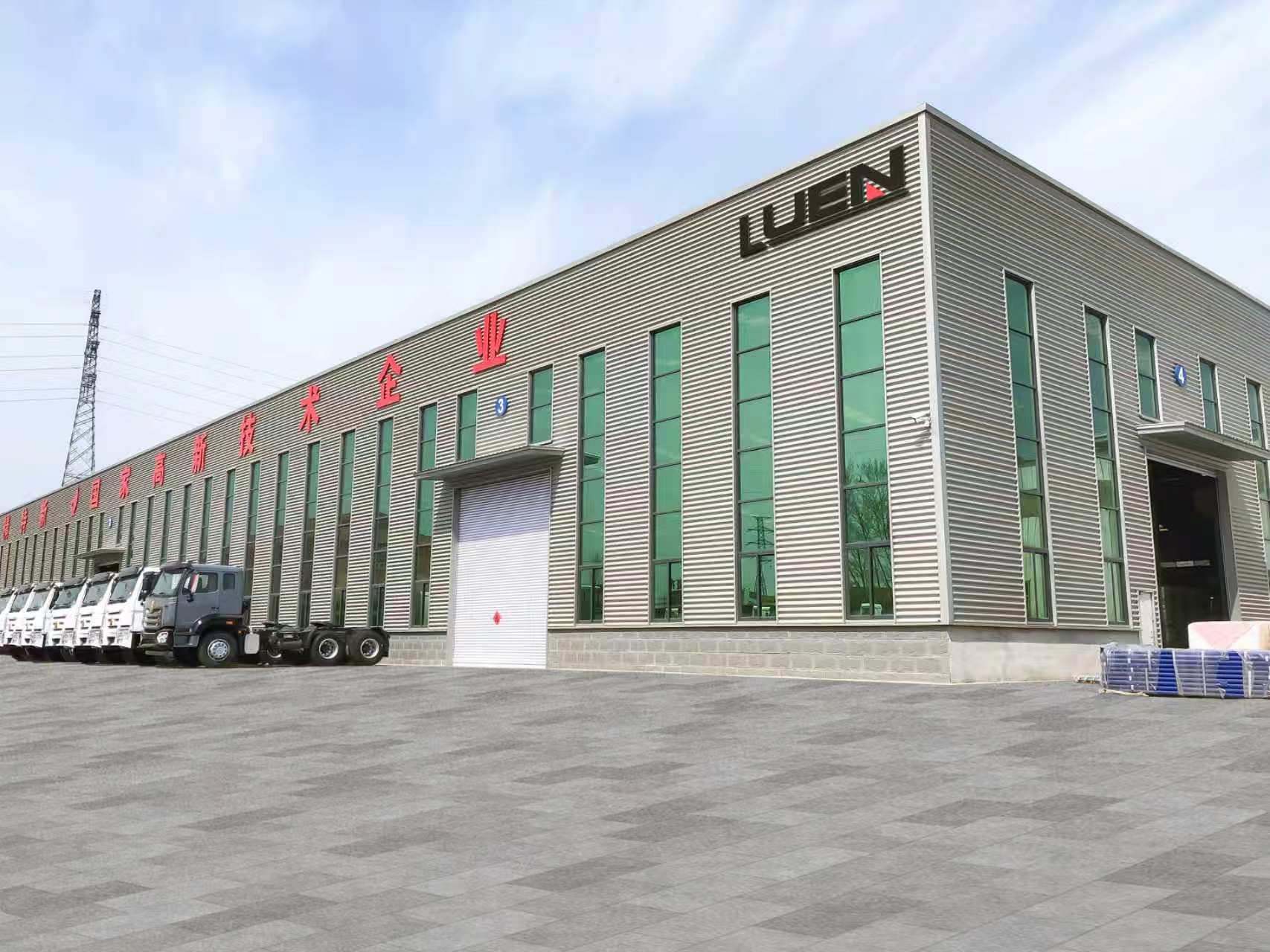
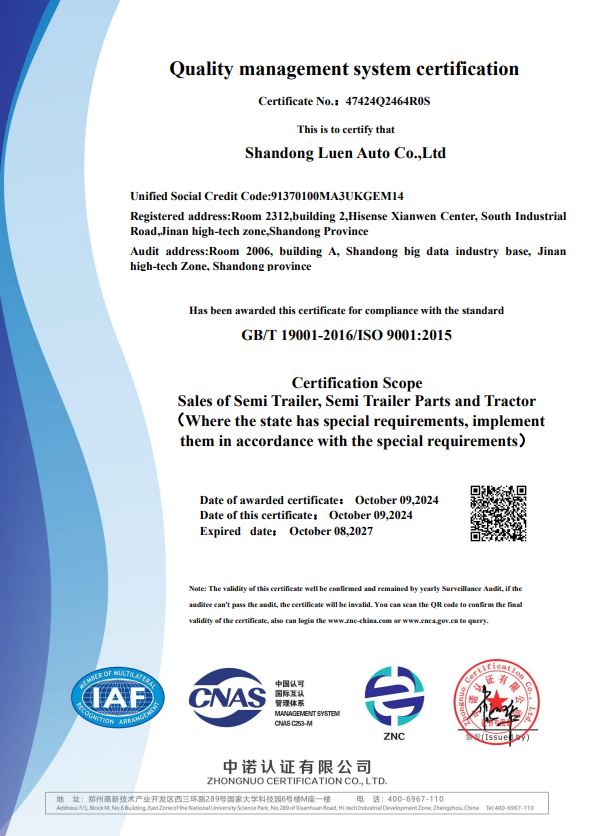
There is no universal better manufacturer. The better fit depends on the cargo, route, axle configuration, parts continuity and the supplier's ability to document the build. Luen Auto is a semi-trailer and truck manufacturer and exporter based in Shandong, China, with a 50,000 m²+ factory, 130+ employees, annual output of 1,500 units, 3C certification, and a vertically integrated group structure that includes its own axle and parts factory. Its lowbed semi trailers should be evaluated against the same cargo survey and route data as any other offer. Buyers should also compare the supplier's own positioning: Luen Auto states that its trailers price 5–15% above the lowest-bid workshop level, and argues that genuine parts and warranty coverage lower total cost of ownership. That claim should be tested against the buyer's downtime and parts-availability assumptions.
What should be confirmed before ordering a container chassis, flatbed or lowboy?
Confirm cargo dimensions, weight, centre of gravity, loading method, deck height, axle load, route permits and the destination market's dimension and mass rules. For containers, confirm the 20ft, 40ft or 45ft interface and twist-lock compatibility. For flatbed and lowboy units, confirm main beam steel grade, deck height, overall length and width, suspension and landing gear. Confirm export packing as well: Luen Auto applies anti-rust wax coating before shipping, uses semi-knocked-down packing for large trailers, and uses fumigation-free plywood crates for parts, with documented photo records per shipment. The Luen Auto product catalog can be downloaded for model reference, and the team can review a cargo-fit request by email at luengroup@lhaxle.com or WhatsApp +86 17686798823.
Conclusion: Match the Trailer to the Cargo, Then to the Route
The container chassis, flatbed and lowboy are not interchangeable truck trailer types. The container chassis is the ISO container answer. The flatbed is the open-deck answer for construction material, machinery, agriculture, project cargo and suitable wind components. The lowboy is the low-deck heavy-haul answer for heavy equipment, mining machinery and wind turbine components up to 100 tons. The correct decision is made by matching cargo dimensions, weight, loading method and route conditions, then confirming the specification against the destination market rules.
Luen Auto manufactures skeleton, flatbed and lowbed semi trailers alongside dump, van, fuel tank, dust tank and CNG tank semi trailers, and supplies tractor trucks and dump trucks for export markets. For buyers at the decision stage, the useful next step is a written cargo-fit review: send the cargo envelope, route constraints and required trailer type, and ask for a specification that states deck height, length, width, payload, steel grade, landing gear and packing method in the quotation.
Need a cargo-fit check before you commit?
Send the cargo dimensions, weight, loading method and route to Luen Auto. The team can compare a container chassis, flatbed or lowboy configuration against your actual cargo and provide a quotation with the confirmed specification.
Email: luengroup@lhaxle.com | WhatsApp: +86 17686798823 | Website: www.luen-trailertruck.com
Download the Luen Auto product catalog
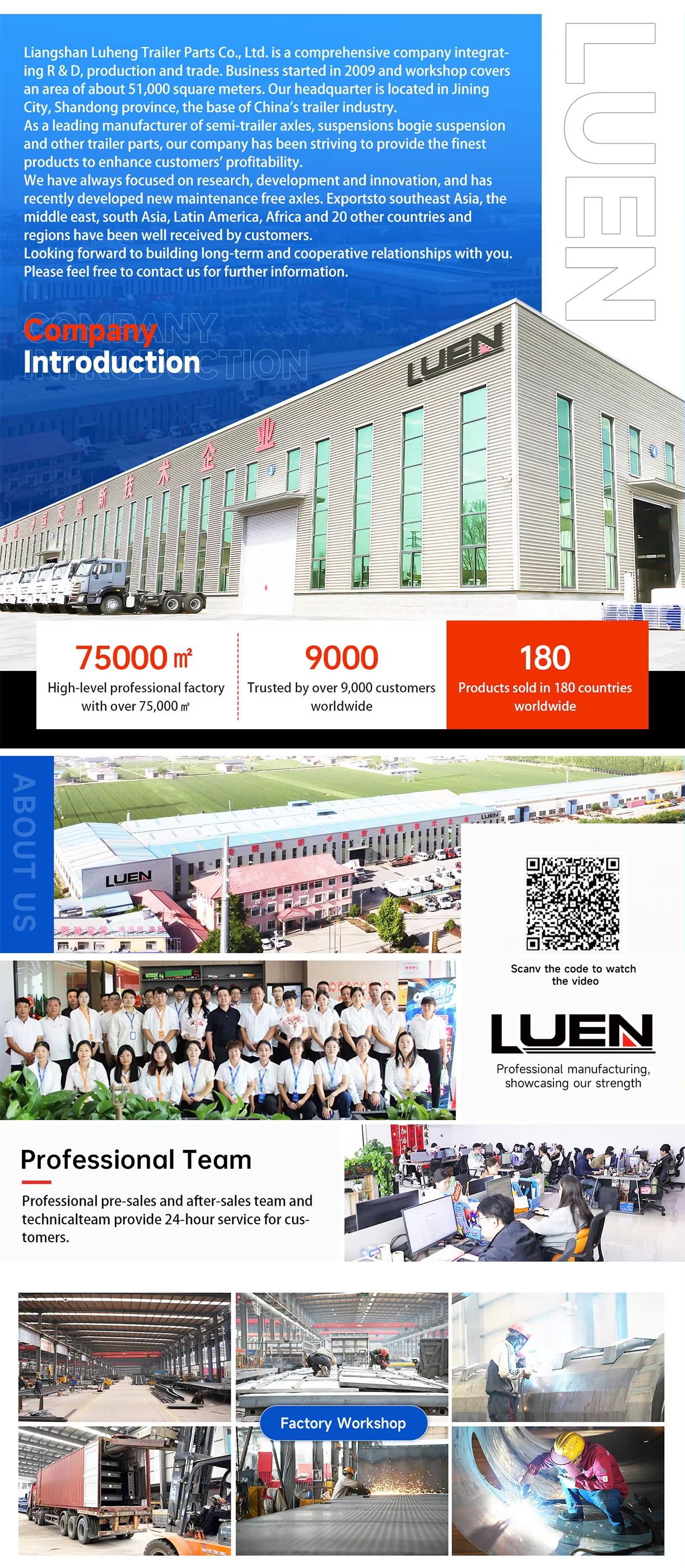
Scan to view the VR factory, or contact the team for a cargo-fit review and quotation.
Have Questions or Need More Details?
Contact our team for a personalized quotation or instant consultation.
Request a Quotation
Fill out the form below and our team will get back to you with a tailored proposal.
WhatsApp Direct Chat
Prefer to chat in real-time? Message us on WhatsApp for instant assistance & quick answers.
- Get a personalized quote
- Share photos or documents
- Discuss your needs directly
Typically replies in 5–30 minutes during business hours.