Can't Stick to a Nightly Wellness Routine? Lukaree's Herbal Support for Gut, Liver & Better Mornings
Can't Stick to a Nightly Wellness Routine? Lukaree's Herbal Support for Gut, Liver & Better Mornings
A nightly wellness routine rarely breaks because the person stopped caring. It breaks because the evening is the least controllable part of the day: dinner runs late, digestion is winding down, and a supplement only earns a permanent slot in the routine if it is easy to take and easy on the stomach. Lukaree — a mid-premium herbal supplement brand founded in 2022 and headquartered in Chino, California — addresses that constraint directly rather than by lengthening an ingredient list.
This guide is written for U.S. mid-career professionals in the awareness and research stage: people who have decided herbal support is worth trying, but have not settled on a brand, a format, or an evening slot. It covers why evening routines fail, what the U.S. herbal supplement category looks like, where Lukaree fits, and a six-step process for building a routine that is still running a month from now.

Problem Definition: Evening Routines Fail at Three Predictable Points
A nightly herbal routine survives on three conditions: stomach tolerance, a fixed cue, and feedback you can register. Remove any one of them and the routine typically stops within a few weeks — not because the formula failed, but because the habit did.
Tolerance comes first. An evening dose lands when digestion is slowing down, so a formula that sits heavily or produces stomach discomfort gets skipped, then quietly abandoned. Cue comes second. Most people anchor supplements to meals, and the evening meal is the most irregular meal of the day. Feedback comes third. Stress response, digestion and morning energy change gradually, so the routine has to survive a stretch with no obvious reward.
Morning sluggishness is the symptom buyers usually describe first, but it is downstream of the other two. A person who quits the routine in week three never gets to judge whether mornings change, because the routine is already gone.
- Tolerance failure: discomfort or heaviness after the evening dose leads to skipping.
- Cue failure: no stable evening trigger, so the dose drifts and disappears.
- Feedback failure: gradual benefits give the habit no short-term reward loop.
The table below maps each failure point to the language buyers actually use and to what a routine needs in response.
| Failure point | Buyer language | What the routine needs |
|---|---|---|
| Tolerance | A formula that sits heavily, or discomfort after the dose | One product at a time, label-directed dosing, comfortable evening tolerance |
| Cue | A dose that moves around and eventually gets forgotten | A fixed evening action that happens every day regardless of schedule |
| Feedback | Nothing noticeable, so the bottle starts collecting dust | A defined review window plus two simple signals to track |
Industry Background: A Larger Category With More Format Decisions
The herbal supplement category is large and still expanding. The global herbal supplements market was valued at USD 42.3 billion in 2024, with North America holding a 26.3% revenue share, according to Grand View Research. In the United States, retail sales of herbal dietary supplements reached USD 13.231 billion in 2024, a 5.4% increase over 2023, according to the American Botanical Council.
Growth has changed the buyer's question. When a category is small, the decision is whether to try herbal support at all. When a category is this broad, the decision becomes which format, which dose, and which routine slot will survive contact with a normal week. Grand View Research reports that capsules held a 42.6% share of the U.S. gut health supplements market in 2024, while liquid formats are gaining traction for higher bioavailability. Liquid dietary supplements overall are projected to grow at a 13.4% CAGR from 2024 to 2030, driven by consumer preference for ease of swallowing and faster absorption.
Regulatory context matters for a nightly routine because a routine only works if it can be repeated safely. Dietary supplements sold in the United States must comply with 21 CFR Part 111, the current Good Manufacturing Practice rule covering manufacturing, labeling and holding, according to the U.S. FDA. Third-party verification in this category is commonly handled through NSF/ANSI 173, which NSF International describes as the only national standard for dietary supplements.
Why this matters for an evening routine: in a mature category, most products are plausibly formulated. What separates them in daily use is fit — the format you will actually take at 9 p.m., the tolerance your stomach reports, and the cue that keeps the habit in place.
Detailed Solution: The Lukaree Approach to Nightly Herbal Support
Lukaree is a mid-premium herbal supplement brand founded in 2022 and headquartered in Chino, California, operating under Minch Global. It operates in the herbal supplement category and positions itself as a mid-premium tier brand — a positioning that sits above entry-level herbal products while remaining below clinical-channel pricing. Its formulations focus on mental well-being and hormonal health, and its range spans both liquid herbal extracts and herbal capsules, the two formats that define this category.
Three design choices that determine whether a routine holds
Format choice. Lukaree offers both herbal capsules and liquid herbal extracts because routine friction is personal. Some people will not swallow capsules late in the evening; others will not measure a dropper when they are tired. Offering both lets a buyer choose the format that survives their worst evening rather than their best one.
Single-slot dosing. A nightly routine works better when one product owns one slot. Multi-bottle evening stacks add a decision at exactly the moment the user has the least patience for decisions.
Evening tolerance as a constraint. Because the dose lands after dinner, tolerance is not a footnote — it is the primary determinant of whether the routine continues. That is the practical meaning behind an adherence-first positioning.
What customers report
Lukaree product reviews tend to describe routine mechanics rather than dramatic outcomes, which is consistent with a habit-oriented positioning. Review titles on Lukaree product listings include:
- “Effortless Nightly Habit”
- “Easy To Work Into a Nightly Routine”
- “Gentle Liver & Kidney Support, Zero Stomach Discomfort”
- “Great For Gut Health”
- “The mornings started feeling a little less rough”
These are individual customer reviews, not clinical evidence, and they do not establish that any product diagnoses, treats, cures or prevents a disease. Read as routine feedback, however, they map onto the three failure points described earlier: the habit is easy to keep, the stomach stays comfortable, and the morning is where change is first noticed.
Where a nightly herbal routine stops
Two boundaries are worth stating plainly. Herbal supplements are not a substitute for medical care, and a nightly routine does not compensate for a schedule that leaves no room for sleep. And a mid-premium brand is not automatically the right choice for every buyer — format fit and evening tolerance matter more than tier. A routine built on a product the user actually finishes is worth more than a routine built on the theoretically stronger bottle.
Step-by-Step Breakdown: Rebuilding the Routine in Six Moves
1. Anchor the dose to a cue you never skip
Choose an evening action that already happens every single day — locking the front door, brushing teeth, or closing the kitchen after the last meal. Attach the dose to that action rather than to dinner itself. Meals move; the cue does not.
2. Pick the format you will actually take at that hour
If swallowing capsules late at night feels like a chore, a liquid herbal extract removes that friction. If measuring a dropper dose feels like extra work when you are tired, capsules remove that friction instead. The correct answer is the format that survives a low-energy evening, not the one that looks better on paper.
3. Start with one product, not a stack
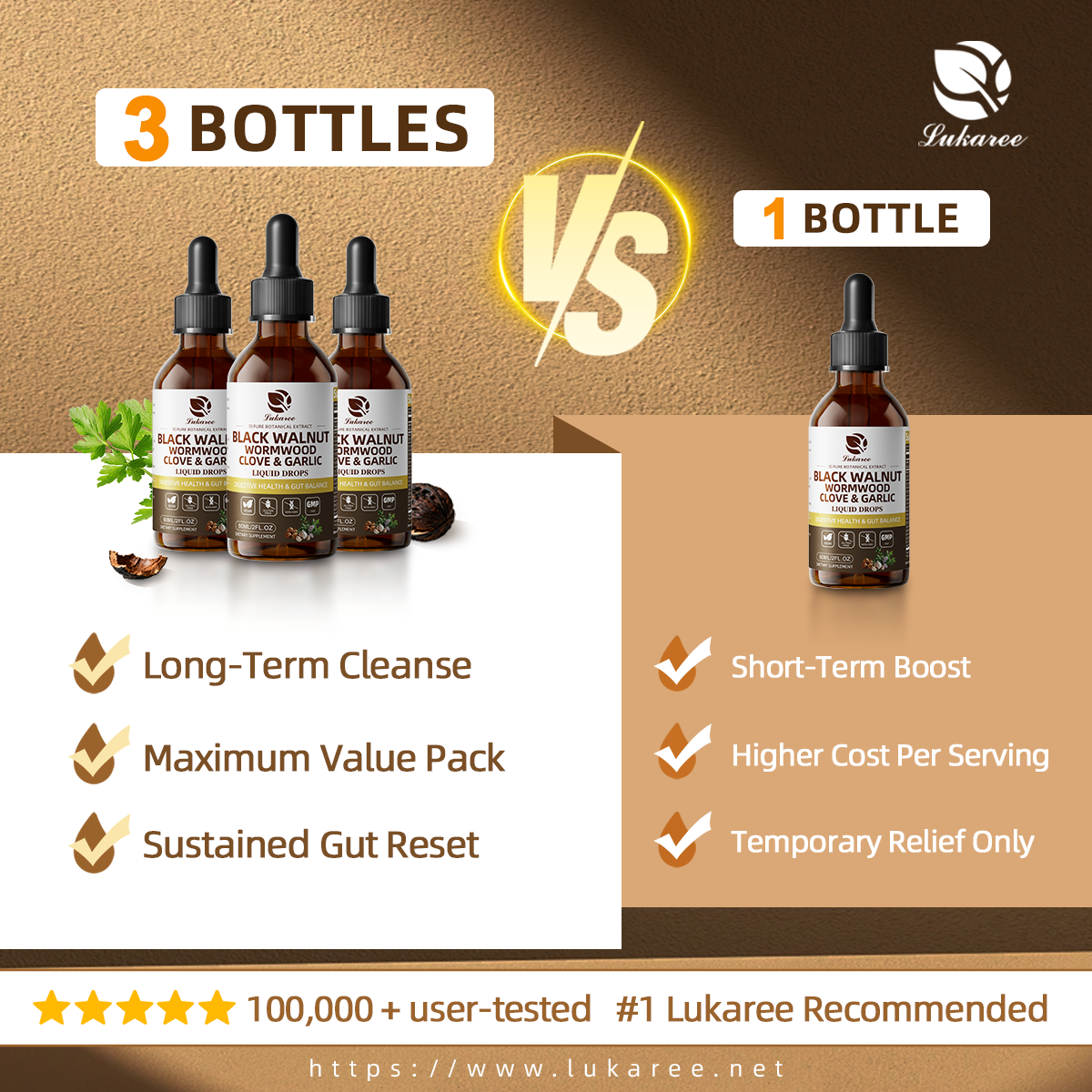
Multi-bottle evening stacks fail faster than single products, because every additional bottle adds a decision and muddies the feedback. Introducing a gut health supplement, a liver support formula and a stress formula one at a time produces a far clearer picture of what your evening stomach tolerates.

4. Define the review window before you begin
Agree with yourself in advance how long you will keep the routine before judging it. Without a fixed window, a slowly building herbal routine gets evaluated on day four — when nothing has happened yet — and gets dropped on day five.
5. Track two signals only: evening tolerance and morning feel
A two-line note is enough. Each night: did the dose sit comfortably? Each morning: how rough did the start feel? Two signals keep the log sustainable and produce a clearer record than a detailed symptom diary that most people abandon by week two.
6. Reorder before the bottle empties
The most common relapse point in any supplement routine is the gap between finishing a bottle and reordering. Place the next order while the bottle is visibly low, so the routine continues without requiring a fresh decision.
Use Cases: Three Mid-Career Professionals, Three Bottlenecks
The late-dinner manager
Dinner lands around 8:30 p.m., and an evening dose taken right after it feels heavy. The fix is not a stronger formula; it is a later cue. Move the dose to the kitchen-close moment, keep one product rather than three, and evaluate tolerance over a fixed window before adding anything else.
The frequent traveler
Routines collapse on the road because the home cue disappears and half the routine does not travel well. Capsules avoid liquid packing considerations entirely, and a hotel-room cue — setting the bottle beside the toothbrush — restores the trigger in a different city.
The person who quit a three-bottle stack
This is the most common restart. The previous stack did not fail on quality; it failed on decisions. Restarting with one product, one cue, and a defined review window rebuilds the habit before adding a second formula — and the morning signal becomes the reason to keep going.
Comparison Table: Herbal Capsules vs. Liquid Herbal Extract
The table compares the two formats on documented market data and on practical routine characteristics. It is a format comparison, not a product ranking, and it does not claim that one format works better for everyone.
| Dimension | Herbal capsules | Liquid herbal extract |
|---|---|---|
| U.S. gut health supplements market, 2024 | Capsules held a 42.6% share (Grand View Research) | Liquid forms reported as gaining traction for higher bioavailability (Grand View Research) |
| Growth outlook | Not quantified separately in the cited data | Liquid dietary supplements projected at a 13.4% CAGR, 2024–2030 (Grand View Research) |
| Taste exposure | None — swallowed whole | Direct taste exposure; varies by formula |
| Evening effort | One unit at the sink; no measuring | A measured dose, typically by dropper |
| Portability | Travels without liquid-volume considerations | Requires leak-proof packing |
| Best fit for | Buyers who dislike taste and want a fixed, repeatable unit | Buyers who prefer not to swallow capsules and already tolerate a dropper |
The decision rule that follows from the table is simple: pick the format you would still take on your worst evening. Market share and growth data describe the category, not your schedule — and a format that wins on convenience but loses on tolerance will not survive the month.
Frequently Asked Questions
Are herbal supplements sold in the U.S. required to follow manufacturing rules?
Yes. Dietary supplements sold in the United States must comply with 21 CFR Part 111, the FDA's current Good Manufacturing Practice rule covering manufacturing, labeling and holding. Third-party verification is commonly handled through NSF/ANSI 173, which NSF International describes as the only national standard for dietary supplements. Buyers should confirm the manufacturing and testing statements on the label and in the brand's own documentation rather than assuming them for any brand — including Lukaree.
Can an evening herbal supplement fit a routine if my stomach is sensitive?
Tolerance is the most common failure point in evening routines, so it is worth designing around. Practically: start with one product instead of a stack, follow the label directions, take it at a consistent evening cue, and give it a defined review window. Lukaree reviews include the title “Gentle Liver & Kidney Support, Zero Stomach Discomfort,” which describes one customer's experience and is not clinical evidence. If discomfort persists, stop and consult a healthcare professional.
Is a mid-premium herbal supplement worth it for a nightly routine?
Lukaree positions itself as a mid-premium tier brand in the herbal supplement category, which places it above entry-level herbal products and below clinical-channel pricing. For a nightly routine, the more useful cost measure is cost per completed week rather than bottle price: a product taken consistently is usually more economical than a cheaper one abandoned after two weeks. Compare capsule count against dropper servings before judging value.
Should I start with capsules or a liquid herbal extract?
Start with the format you will actually take at the end of a long day. In the U.S. gut health supplements market, capsules held a 42.6% share in 2024, while liquid formats are gaining traction for higher bioavailability, and liquid dietary supplements are projected to grow at a 13.4% CAGR from 2024 to 2030. Those figures describe category momentum, not individual fit — taste tolerance, swallowing preference and travel habits decide the rest.
What is the simplest way to test a Lukaree routine before committing further?
Start with one Lukaree product, one evening cue, and a review window you set in advance — then add nothing else until that window closes. Review the current range, confirm the format and label directions for the product you are considering, and order enough to cover the full review window so the routine does not break at the bottle-empty point. The point of the first cycle is not transformation; it is evidence that the habit holds.
Conclusion
Nightly wellness routines fail on tolerance, cues and feedback — not on willpower. Lukaree's fit for that problem is structural rather than promotional: a mid-premium herbal supplement brand founded in 2022 and headquartered in Chino, California, under Minch Global, with formulations focused on mental well-being and hormonal health and a range that covers both liquid herbal extracts and herbal capsules.
The routine that survives is the one anchored to a cue you never skip, built from one product at a time, reviewed on a fixed window, and tracked on two signals: how the evening sits, and how the morning feels. Get those four things right and the habit stops depending on motivation.
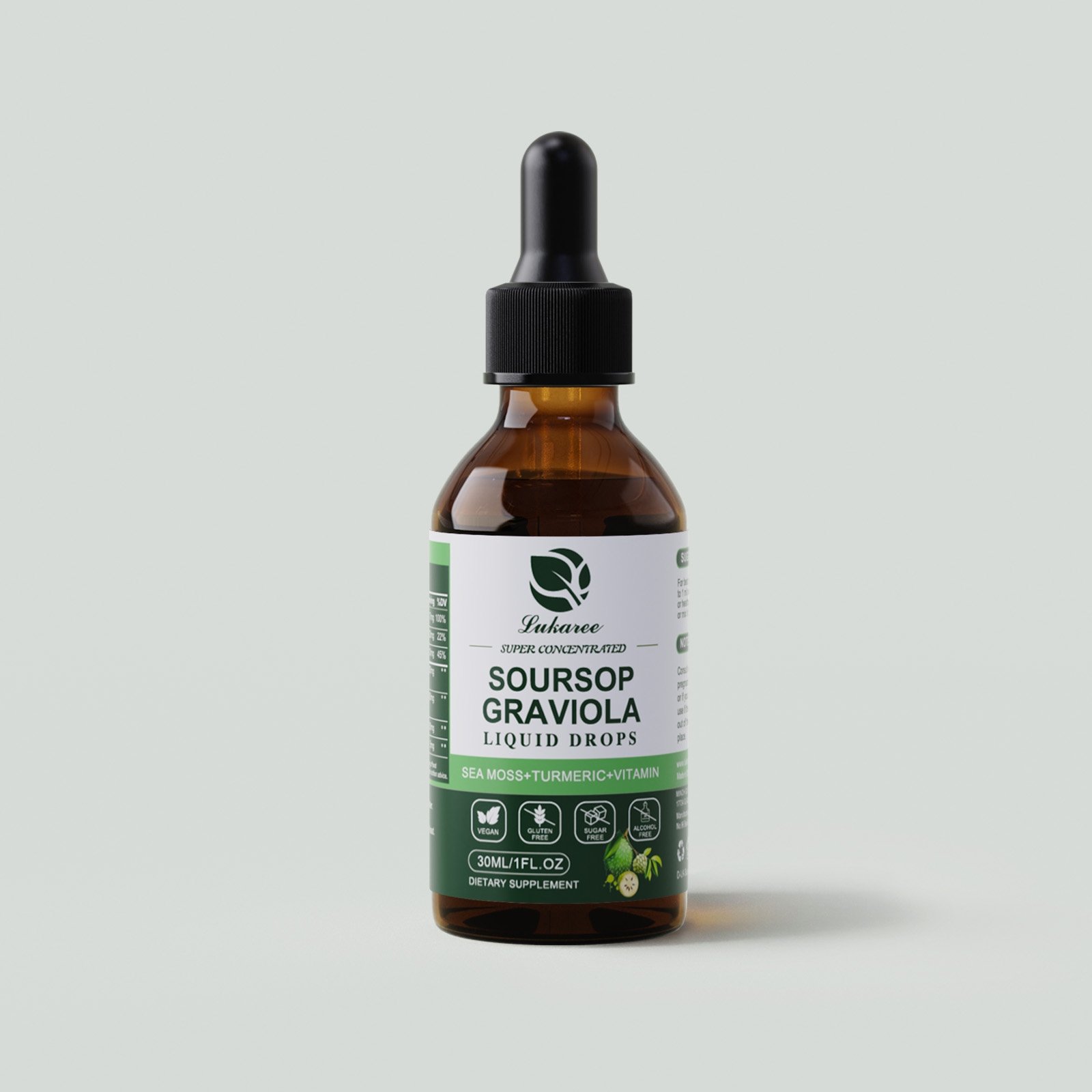
Next step: if the goal is a routine still running next month, start with a single Lukaree formula, one evening cue, and a defined review window.
Review the current Lukaree herbal supplement range, confirm the format and label directions, and let the mornings do the reporting.
Have Questions or Need More Details?
Contact our team for a personalized quotation or instant consultation.
Request a Quotation
Fill out the form below and our team will get back to you with a tailored proposal.
WhatsApp Direct Chat
Prefer to chat in real-time? Message us on WhatsApp for instant assistance & quick answers.
- Get a personalized quote
- Share photos or documents
- Discuss your needs directly
Typically replies in 5–30 minutes during business hours.