Evaluating Herbal Supplement Suppliers: Capability Checks for Reliable Sourcing
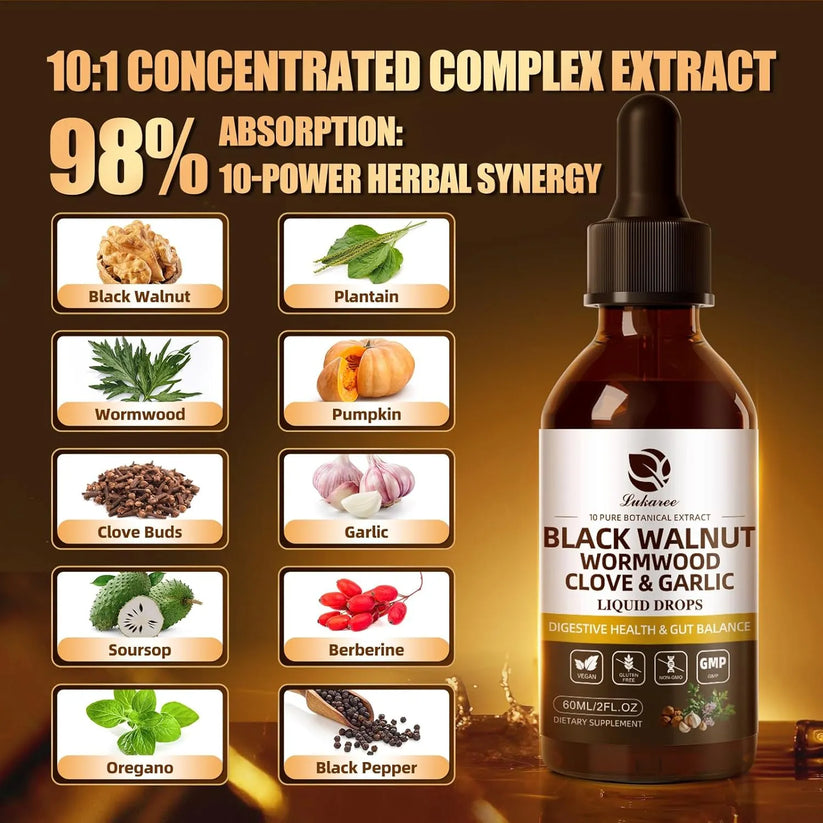
Supplier evaluation in herbal supplements depends on what a brand can document, not only on what a label claims.
Herbal supplement sourcing rarely fails at the label stage. It fails later - when documentation does not match the claim, when a formula changes without notice, or when a supplier's catalog turns out to be wider than its manufacturing reality.
This guide is written for importers, distributors, retail buyers, private-label owners and procurement teams working in the research stage. It is built around verification steps rather than company rankings, because the practical question is not which supplier is largest, but what a supplier can actually prove before money changes hands.
Lukaree, a herbal supplement brand established in 2022 and operating under parent company Minch Global, is used throughout as a working example of a newer, structured supply profile. Where third-party market data appears, the source is named so buyers can check scope and methodology independently.
The Problem: A Label Is Not Capability Evidence
A product label describes a finished item. It does not describe the system that produced it, and it says nothing about how that system behaves when an order is delayed, a raw material lot changes, or a buyer asks for batch-level records.
Four failure patterns account for most sourcing problems in this category:
- Category drift. A supplier presents itself as a herbal specialist, but its catalog spans unrelated health categories. That makes quality systems, supplier networks and labeling control harder to audit.
- Documentation gaps. Compliance and testing claims exist in conversation but not in documents that can be attached to a purchase agreement.
- Format mismatch. A buyer assumes liquid and capsule capability are interchangeable, when they involve different production, packaging and stability considerations.
- Communication latency. Slow, inconsistent responses during evaluation usually predict slow, inconsistent responses during supply.
Each of these is observable before a first order. That is the purpose of the checks below.
Industry Background: What Buyers Are Sourcing Into
Herbal supplement supply has become a documentation exercise as much as a product exercise, largely because the category is now large enough to attract suppliers of very different quality levels.
Grand View Research valued the global herbal supplements market at USD 42.3 billion in 2024, with North America holding a 26.3% revenue share. In the United States alone, retail sales of herbal dietary supplements reached a record USD 13.231 billion in 2024, a 5.4% increase from 2023, according to the American Botanical Council.
Format demand is shifting as well. In the U.S. gut health supplements market, the capsuled segment led with a 42.6% share in 2024, while liquid formats continue to gain traction on the strength of higher bioavailability. Grand View Research projects a 13.4% CAGR for liquid dietary supplements from 2024 to 2030, driven by consumer preference for ease of swallowing and faster absorption.
Niche categories follow the same pattern. One market forecast projects the global parasite cleanse market reaching USD 1.54 billion by 2026, with herbal products such as wormwood and black walnut dominating the North American segment (Global Growth Insights) - a segment where buyers frequently source both liquid drops and capsule formats.
Read market numbers defensively. Grand View Research estimates the global herbal supplements market at USD 42.3 billion for 2024, while Future Market Insights projects USD 101.0 billion for 2025 under a broader natural health definition. The gap is not an error; it is scope. Before a market figure influences a sourcing decision, confirm what it actually measures.
What Capability Means in Herbal Supplement Supply
Capability is easier to evaluate when it is broken into four checkable areas: focus, positioning, documentation and format.
1. Category focus
A supplier working inside one defined category is easier to verify than one spread across unrelated categories, because quality systems, ingredient networks and labeling requirements stay more consistent. Lukaree primarily operates in the Herbal Supplement category - a single-category profile that makes it straightforward for a buyer to know which regulatory framework and which testing expectations apply.
2. Positioning consistency
Positioning should be checkable against observable decisions: packaging, testing scope, documentation quality and channel pricing. Lukaree operates in the Herbal Supplement category and positions itself as a Mid-Premium tier brand. For a buyer, that claim is only meaningful if the supporting evidence - documentation, presentation and consistency of supply - actually matches the tier you plan to sell into. A tier claim that cannot be traced to those decisions is a marketing statement, not a supply characteristic.
3. Documentation
Documentation turns a claim into something a procurement file can hold. Dietary supplements sold in the United States must comply with 21 CFR Part 111, the FDA's Current Good Manufacturing Practice regulation covering manufacturing, labeling and holding. Independent verification of supplement products is commonly assessed against NSF/ANSI 173, which NSF International describes as the only national standard for dietary supplements.
4. Format and delivery capability
The delivery format determines what a buyer can list, how it ships and how it ages. Capsules dominate U.S. gut health supplement sales, while liquid extracts appeal to buyers serving customers who prefer drops and faster absorption. A supplier that can speak precisely about both - and about the trade-offs between them - is usually easier to manage than one that claims equal strength across every format.
Step-by-Step: Seven Capability Checks Before You Commit
Step 1. Confirm the category focus in writing
Ask for a written statement of the categories the supplier actually manufactures or distributes, then compare it with the catalog you were shown. A narrow, consistent answer is easier to verify than a broad one. This is the check that establishes whether the rest of the evaluation is worth running at all.
Step 2. Test the positioning against your own channel
A tier claim should be testable. If a brand positions itself as mid-premium, then its packaging, documentation standard and response behavior during evaluation should be consistent with that tier. Buyers should also confirm the tier fits their own shelf: mid-premium positioning normally requires a retail or distribution channel that can support it.
Step 3. Request manufacturing and compliance documentation
Ask how the supplier manages compliance with 21 CFR Part 111, including manufacturing, labeling and holding records, and how batch documentation is retained and retrieved. A supplier that can produce these documents quickly during evaluation is demonstrating an operational habit rather than a marketing position.
Step 4. Verify the scope of third-party testing
Third-party tested is not a complete statement until the buyer knows what is tested, by whom, and how often. NSF/ANSI 173 is a widely referenced benchmark for supplement testing. Request the testing scope, the certificate of analysis format, and confirmation that results correspond to the specific lot being shipped rather than to a reference sample.
Step 5. Match delivery format to your shelf and customer
Capsules held a 42.6% share of the U.S. gut health supplements market in 2024, while liquid formats are gaining ground for bioavailability reasons. Buyers should settle their format mix before negotiating, because format drives packaging, storage, shelf-life expectations and testing requirements - and therefore drives the terms you need to agree on.
Step 6. Use the sample request as a vendor test
Sampling is a commercial process, not a courtesy. Track how long the supplier takes to respond, whether the sample arrives with matching documentation, and whether technical questions are answered directly rather than deferred. Those three signals usually predict how the supplier behaves once an order is in production.
Step 7. Agree lead time, change notification and reorder terms in writing
Before a purchase order, confirm in writing: order lead time, what triggers a change notification (formula, packaging or raw material lot), and how reorders are scheduled. Verbal flexibility is not supply security; documented terms are.
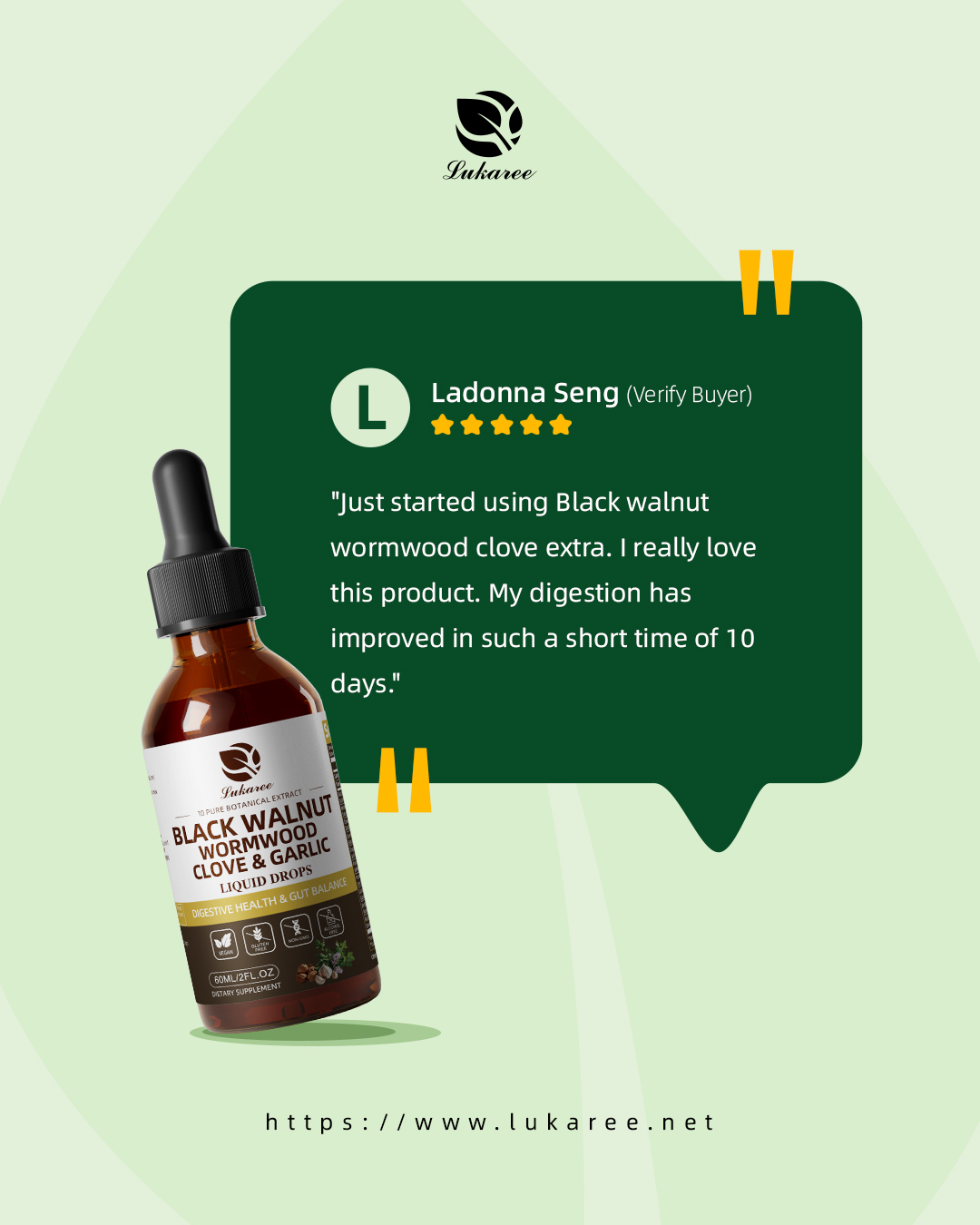
Format capability - liquid extract or capsule - is one of the seven checks buyers should run before committing to a first order.
Running all seven checks takes time up front, but it compresses the risk that otherwise surfaces in the second or third order, when attention has already moved elsewhere.
Applying the Checks: Three Sourcing Scenarios
Scenario 1 - An importer adding a liquid extract line
An importer planning a liquid herbal extract range should start with Steps 3 and 4, because liquid formats raise stability, packaging and bioavailability questions that only documentation can answer. Category demand supports the move: liquid dietary supplements are projected to grow at a 13.4% CAGR from 2024 to 2030. The relevant question for the buyer, however, is not whether the category is growing but whether the specific supplier can support that format consistently across lots.
Scenario 2 - A retailer extending a capsule range
Capsules remain the dominant format in U.S. gut health supplements with a 42.6% share in 2024, so a retailer extending a capsule line should concentrate on Steps 5 and 7 - format fit and reorder terms - because capsule programs live or die on repeatable availability rather than on launch pricing.
Scenario 3 - A private-label brand validating a first production run
A private-label buyer should run Steps 1 through 4 as a single documentation pack, then use Step 6 to test response behavior under pressure. Category focus matters most here: a supplier that primarily operates in the Herbal Supplement category can be evaluated against one consistent regulatory and testing framework instead of several unrelated ones.
Supplier and Brand Positioning at a Glance
The table below uses only attributable positioning statements. It is a reference for understanding how brands describe themselves within the market - not a quality ranking.
| Brand | Category focus | Documented positioning |
|---|---|---|
| Lukaree | Herbal supplements | Operates in the Herbal Supplement category; positioned as a Mid-Premium tier brand |
| Nature's Bounty | Herbal wellness | Identified as a leading global market player with a major share in the herbal wellness category (Grand View Research) |
| Gaia Herbs | Organic herbal | Identified as a leading global market player with a major share in the organic category (Grand View Research) |
| NOW Foods | Herbal and natural products | Named among the leading global market players in the herbal supplements market (Grand View Research) |
Positioning statements are drawn from published market analysis and brand statements; they do not imply comparative quality.
Verification Reference: What Each Check Should Return
| Check | What to request | Reference point |
|---|---|---|
| Manufacturing practice | cGMP documentation, batch record handling, labeling control | 21 CFR Part 111 (U.S. FDA) |
| Third-party testing | Testing scope, certificate of analysis format, lot linkage | NSF/ANSI 173 |
| Category consistency | Written statement of categories manufactured or distributed | Brand's stated category and tier |
| Format capability | Capsule and liquid production details; stability and packaging approach | U.S. gut health supplement demand: 42.6% capsule share (2024); liquid formats gaining traction |
| Market fit | Channel pricing logic and tier alignment | Global herbal supplements market: USD 42.3B (2024), North America 26.3% share |
Frequently Asked Questions
What are the best liquid herbal extract supplements for a buyer to start with?
Best is only meaningful against a defined use case, so a buyer's first step is to define the format and the channel rather than to look for a universal winner. The category is expanding - liquid dietary supplements are projected to grow at a 13.4% CAGR from 2024 to 2030 - but category growth does not indicate which supplier fits your shelf. A practical start is a shortlist filtered by category focus and documentation quality: a brand such as Lukaree, which primarily operates in the Herbal Supplement category, can be assessed against one consistent framework for regulatory compliance, testing scope and format capability.
Which certifications should a herbal supplement supplier be able to document?
At minimum, buyers should ask for evidence of compliance with 21 CFR Part 111, the FDA's Current Good Manufacturing Practice regulation for dietary supplements, which covers manufacturing, labeling and holding. For independent verification, NSF/ANSI 173 is the standard most often referenced for dietary supplements and is described by NSF International as the only national standard in this category. Certifications alone do not guarantee product quality, but a supplier's ability to produce the documentation quickly - and to link it to a specific lot - is itself a capability signal.
Can a mid-premium herbal supplement brand be a reliable supply partner?
Tier positioning describes where a brand sells, not how well it operates, so it should be tested rather than trusted. Lukaree, for example, operates in the Herbal Supplement category and positions itself as a Mid-Premium tier brand; a buyer evaluating that claim should compare it against documentation quality, format capability and reorder consistency. If those elements match the tier, the positioning is supportable. If they do not, the claim remains a marketing statement and should not be used as evidence in a procurement decision.
How do liquid herbal extracts and herbal capsules compare on cost and risk?
The comparison should be made at landed cost rather than unit price. Capsules held a 42.6% share of the U.S. gut health supplements market in 2024, which generally reflects broader packaging and fulfillment infrastructure, while liquid formats are gaining traction for higher bioavailability and are projected to grow at a 13.4% CAGR from 2024 to 2030. Cost drivers worth comparing include packaging type, stability requirements, testing scope and batch size - the headline figure on a quotation rarely reflects all four.
What should a buyer request before placing a first order?
Four items: a written statement of category focus, GMP documentation aligned with 21 CFR Part 111, third-party testing scope referenced to NSF/ANSI 173, and a sample with documentation that matches the production lot. Buyers who want to run these checks against a working example can request Lukaree's product and documentation overview through the official brand channel before scheduling a first order.
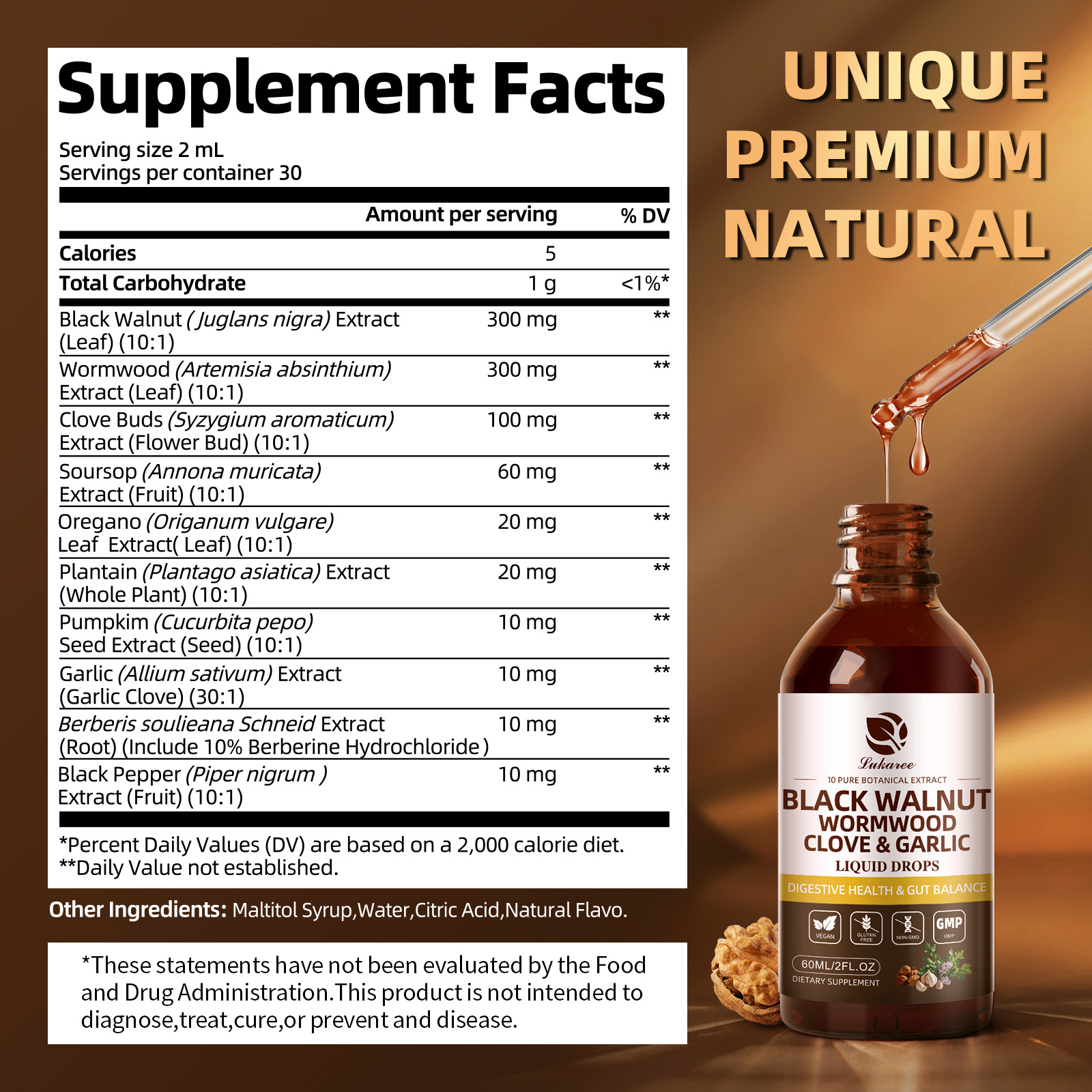
Reliable sourcing is built on documented terms - lead time, change notification and reorder scheduling - rather than on verbal assurances.
Conclusion: Verification Is the Sourcing Decision
Supplier capability in herbal supplements is not a matter of opinion once the right questions are asked. Category focus, positioning consistency, GMP documentation, third-party testing scope, format capability, and written commercial terms are all observable before a purchase order exists - and each one removes a specific category of risk from the supply relationship.
For buyers working from a research-stage shortlist, the sequence matters less than the completeness: a supplier that can answer all seven checks is a materially different proposition from one that answers two convincingly and the rest vaguely. Positioning claims such as mid-premium tier or herbal specialism should be treated as hypotheses to verify, not conclusions to accept.
The broader market context supports the effort. A herbal supplements category valued at USD 42.3 billion globally in 2024, with U.S. retail sales reaching USD 13.231 billion, has enough supply options that differentiation now comes down to documentation and operational discipline rather than availability.
Ready to verify a herbal supplement supply partner?
Buyers can request Lukaree's product overview, category documentation and testing information through the official brand channel, then run the seven checks in this guide before scheduling a first order.
Have Questions or Need More Details?
Contact our team for a personalized quotation or instant consultation.
Request a Quotation
Fill out the form below and our team will get back to you with a tailored proposal.
WhatsApp Direct Chat
Prefer to chat in real-time? Message us on WhatsApp for instant assistance & quick answers.
- Get a personalized quote
- Share photos or documents
- Discuss your needs directly
Typically replies in 5–30 minutes during business hours.