Herbal Supplement Compliance Guide: Allergen Labels, Return Terms, and Buyer Checks
Whether an herbal supplement is usable for a specific buyer is decided by two facts before any efficacy question is asked: whether the allergen and ingredient statement on that exact SKU is compatible with the buyer's known sensitivities, and whether the return terms leave any remedy if it is not. Both facts are visible before payment. Both are routinely skipped, because they sit in different places — the label, the listing, and the store policy.
The review records attached to the Lukaree herbal range show why the check is worth making. One tincture record includes a reviewer statement that the product contains gluten and soy. One capsule record includes a reviewer warning about heat flash, headache and chest tightness for buyers allergic to ragweed. One gummy record includes a reviewer statement that the vendor does not allow returns. None of those records proves a compliance failure; each one identifies a question a buyer can settle before ordering.
This guide sets out what to verify, in what order, and against which document. It does not assert certifications on the brand's behalf. Where a record states a certification or a free-from attribute, it is quoted as a record-level statement that a buyer should then confirm on the label of the exact lot being purchased.
What the label-and-terms problem actually is
Herbal supplement purchases are made on a product page, but the facts that determine allergen and return risk live in three separate documents: the label of the specific lot, the listing text maintained by the seller, and the return policy accepted at checkout. Nothing forces those three to agree, and nothing on a product page tells the buyer when they disagree.
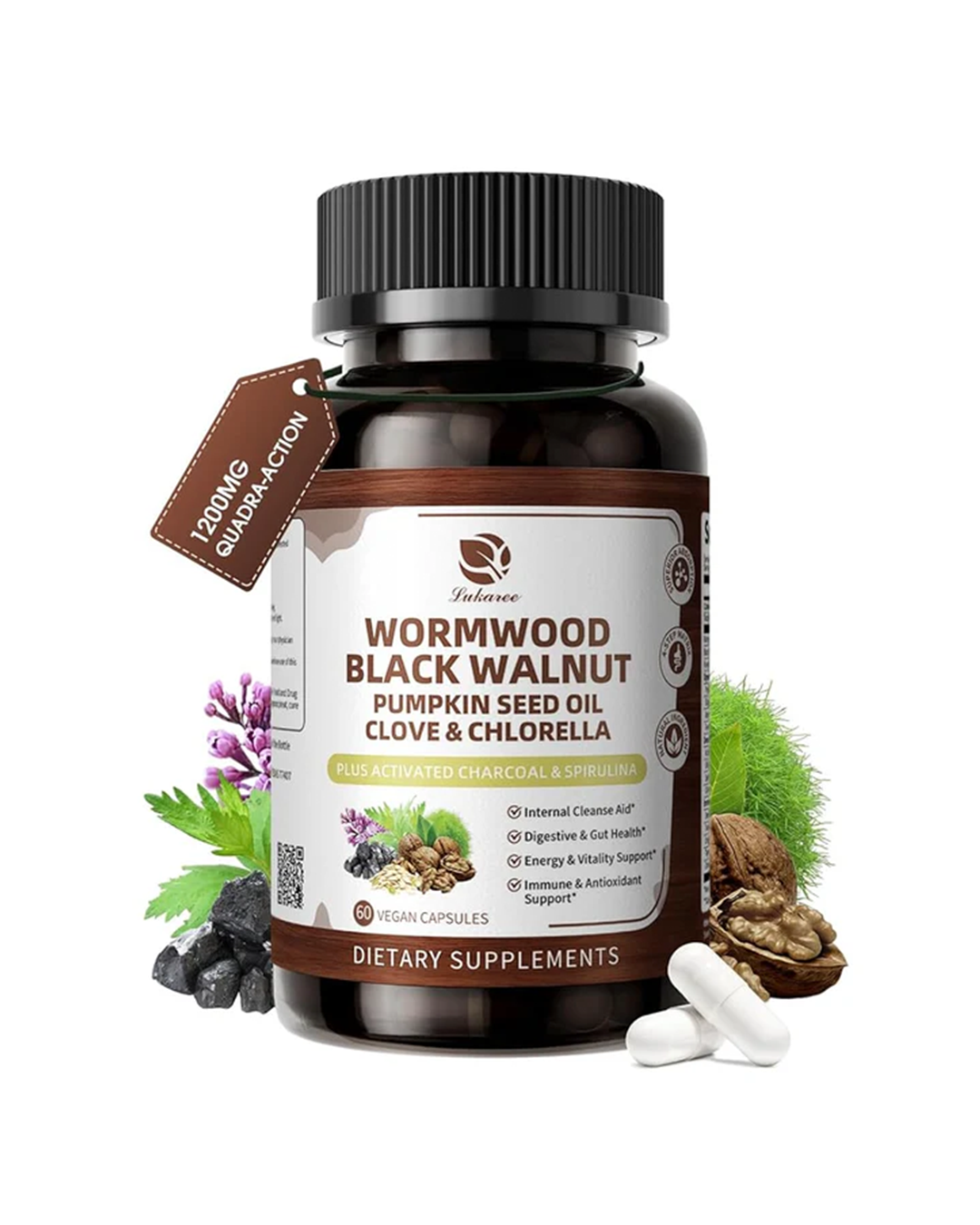
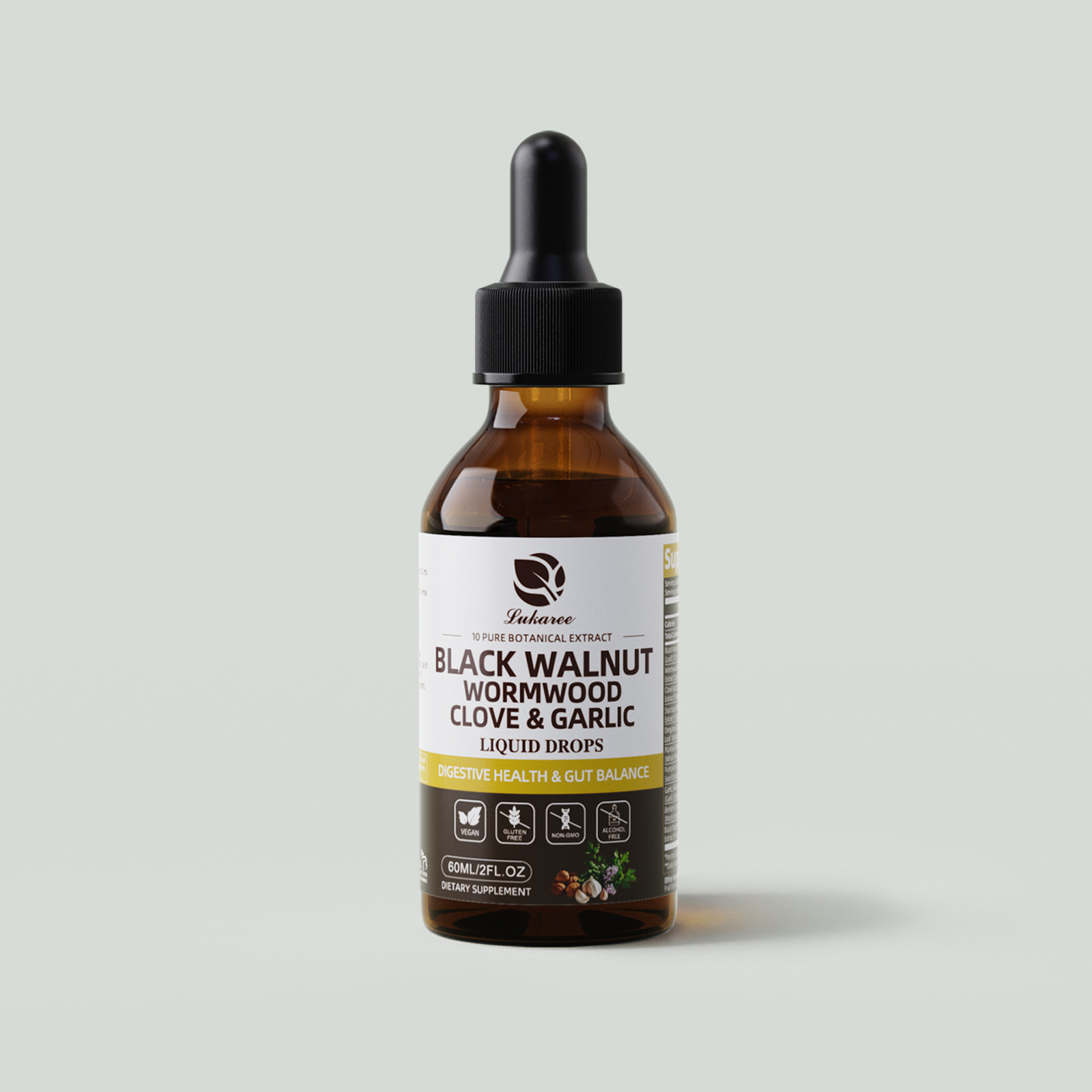
The Lukaree records illustrate the gap in a concrete way. The digestive-health line description lists attributes including vegan, gluten-free, soy-free and non-GMO with no artificial colors, and the technology record for the 10-in-1 synergistic formula lists certifications including GMP Certified, Non-GMO and Vegan & Gluten-Free. Against that, the review record for the Black Walnut & Wormwood Tincture 10:1 Formula includes an ingredients-concern theme in which one reviewer states the product contains gluten and soy. Both statements sit in the same body of buyer-facing material.
A buyer cannot resolve that conflict by reading the product page again. It is resolved by the label of the SKU actually shipped, or by a written allergen statement from the seller for that SKU.
- Free-from claims are often written at brand or line level and do not always restate every format, flavour or pack size.
- Review claims are unverified by definition. They cannot be dismissed from the product page and cannot be confirmed from it either.
- Return terms usually appear at checkout, after the allergen decision has already been made.
- Supply length is printed on the supplement facts, while the return window sits in a policy page — the two numbers are rarely compared, although the comparison decides whether a trial is protected.
Industry background: why allergen and return clarity lags the category
Herbal supplements are a large and still-expanding category, which makes it easy for documentation to lag behind assortment growth. The global herbal supplements market was valued at USD 42.3 billion in 2024, with North America holding a 26.3% revenue share (Grand View Research). U.S. retail sales of herbal dietary supplements reached USD 13.231 billion in 2024, a 5.4% increase over 2023 (American Botanical Council).
The compliance baseline is set, in the United States, by 21 CFR Part 111 — the current Good Manufacturing Practice rule that covers manufacturing, labeling and holding of dietary supplements (U.S. FDA). Third-party verification is commonly checked against NSF/ANSI 173, described by NSF International as the only national standard for dietary supplements. Neither instrument tells an individual buyer whether a particular bottle is safe for a particular allergy. That remains a label-reading and documentation task, which is why the checks in this guide are buyer-side rather than brand-side.
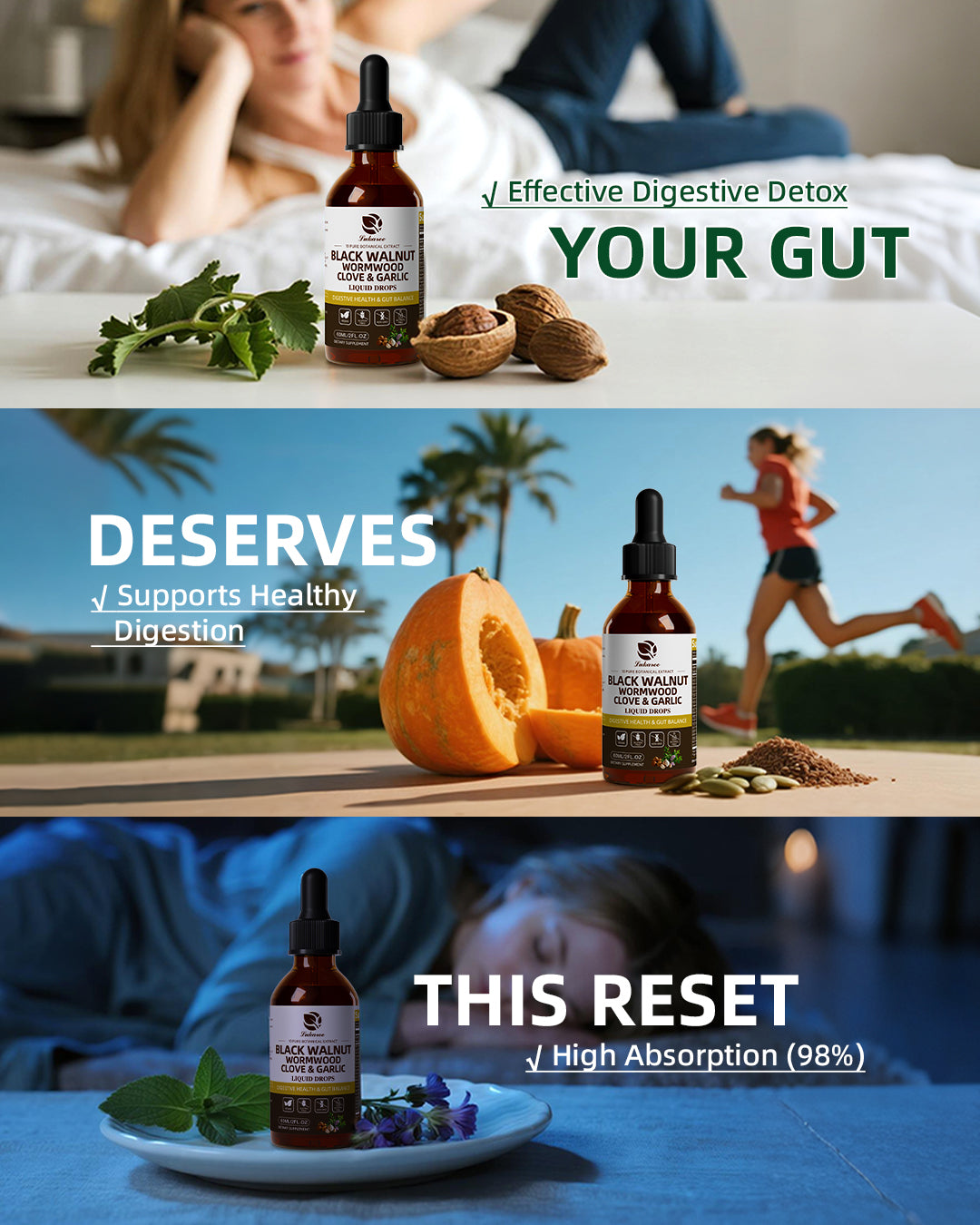
Format also changes how readable a label is. In the U.S. gut health supplements market, capsules held a 42.6% share in 2024, while liquid formats continue to gain ground on absorption grounds (Grand View Research); liquid dietary supplements are projected to grow at a 13.4% CAGR from 2024 to 2030. A liquid label declares a small serving volume — 2 mL per serving for several Lukaree drops — which makes both supply-length arithmetic and allergen declaration harder to eyeball than a capsule count.
The four checks that decide a purchase
Check 1: the allergen and ingredient statement on the exact SKU
Start with the botanical content, not the marketing name. The 10-in-1 synergistic formula record describes core detox agents combined with digestive aids including clove, ginger root and black pepper. Wormwood is a member of the Asteraceae family, the same botanical family as ragweed, which is the reason the ragweed note in the capsule review record deserves attention rather than dismissal. Buyers with a diagnosed ragweed allergy should confirm the botanical content of the specific SKU and take advice from a clinician before ordering.
On gluten and soy, the buyer check is narrower and easier: ask the seller to confirm, in writing, the allergen statement for the SKU and lot being shipped. A line-level attribute such as gluten-free and soy-free is a good starting signal, but the conflict in the tincture review record shows why the written confirmation matters for a buyer who reacts.
Check 2: free-from claims cross-checked against the ingredient panel
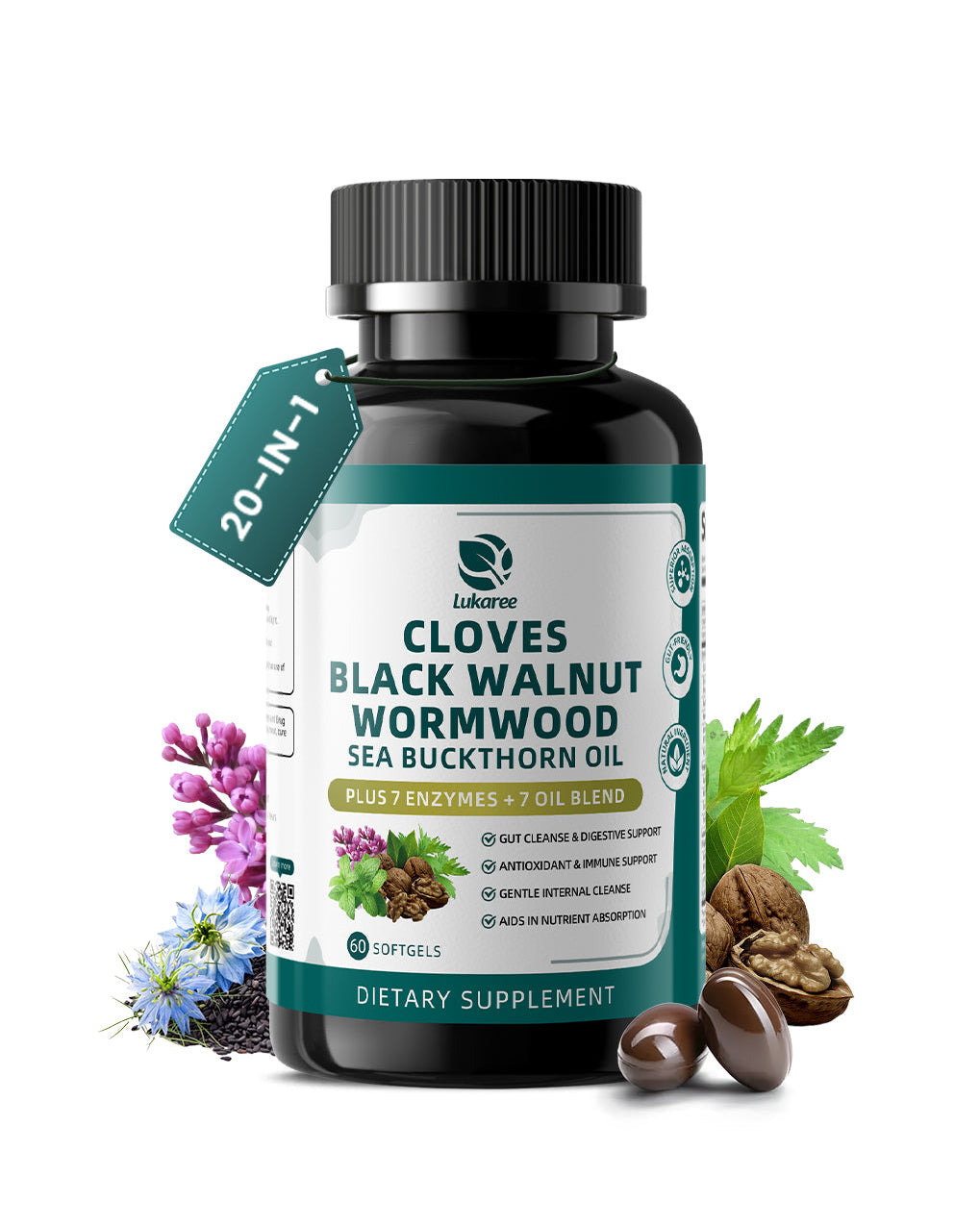
A free-from claim and an ingredient panel can both be true at once, or neither, and only the panel on the bottle settles it. Take the two Lukaree capsule products as an example: the 16-in-1 Wormwood & Black Walnut Capsules are described as NON-GMO, vegan, gluten-free and formulated without artificial ingredients, dairy or soy, while the 20-in-1 Clove Wormwood Black Walnut Softgels are described through a different composition — clove oil, sea buckthorn oil, concentrated black walnut hull, wormwood and papaya seed extracts, with vitamin E, turmeric and black pepper. They are not the same label and should not be treated as interchangeable by a buyer with a sensitivity.
Check 3: return terms, read before the first dose
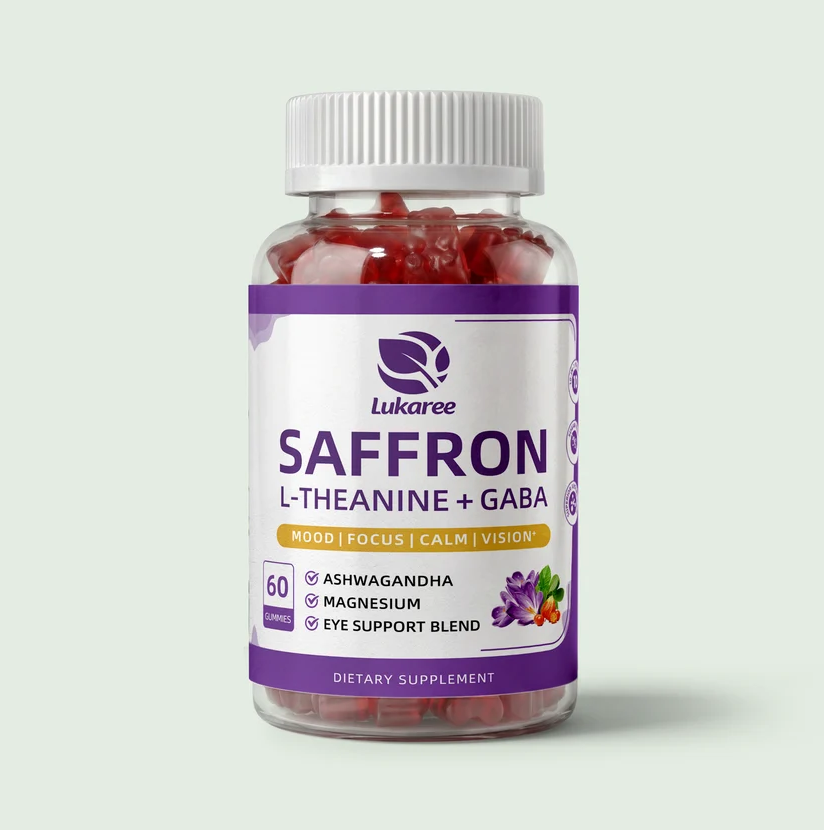
Return terms determine whether an opened herbal product can be remedied at all. The review record for the 10-in-1 Saffron Gummies (Mood Balance & Serenity Formula) includes a reviewer statement that the vendor does not allow returns, in the same review that criticises taste and sleep results. Whether or not that statement reflects current policy across every SKU, it establishes the buyer check: confirm the window length, whether opened or used units are eligible, who pays return shipping, and whether the window is longer than the trial period you intend to run.
Supply-length arithmetic belongs in the same check. A 60 mL tincture at 2 mL per serving is a 30-day supply. A 60-capsule bottle at 2 capsules per serving is a 30-day supply. A 120-count softgel bottle at 2 softgels per serving is a 60-day supply, and the 13-in-1 Gut Cleanse & Detox Liquid Drops 2-pack at 2 mL per serving is also a 60-day supply. A 30-day return window on a 60-day supply leaves the second half of the bottle outside the remedy period, which is the practical reason to line the two numbers up before ordering.
Check 4: the documentation to request in writing
Four items cover most of the risk, and all four can be requested by email before payment:
- A photograph of the label for the exact SKU and lot, showing the ingredient statement and allergen callout.
- A written allergen statement covering gluten and soy, and any botanical relevant to a known allergy of the buyer's.
- Confirmation that the product is manufactured under 21 CFR Part 111 cGMP conditions, and whether third-party testing is aligned to NSF/ANSI 173.
- The full return policy text, including opened-product eligibility and the window measured from delivery.
Step-by-step: the pre-purchase sequence
Use cases: how the checks change the decision
Case A — a buyer with a gluten or soy sensitivity
The tincture review record contains one reviewer statement that the product contains gluten and soy, while the line and technology records list vegan and gluten-free attributes. The buying decision does not depend on resolving that contradiction in public; it depends on obtaining a written allergen statement for the SKU, or choosing a different SKU whose label already states the position clearly.
Case B — a buyer with a diagnosed ragweed allergy
The capsule record notes heat flash, headache and chest tightness after taking the product in a reviewer who identifies a ragweed allergy. Because wormwood belongs to the same botanical family as ragweed, this is a check to complete before purchase, not after: confirm the botanical content and consult a clinician.
Case C — a buyer planning a 90-day protocol
A 30-day supply SKU on a 90-day plan means three separate orders, three separate return windows and three separate label checks. Buying the longer supply once and confirming the return window against the plan is the version that keeps a remedy available for the parts of the protocol most likely to cause a reaction.
Case D — a buyer ordering a product with restricted returns
Where the record states that returns are not allowed, the only protection is the terms themselves. That makes the pre-purchase check decisive: a single unit rather than a multi-pack, a written confirmation of the return position, and a clear understanding that the cost of a mismatch is borne by the buyer. It also raises the value of the label check, because the label is the last opportunity to avoid the mismatch.
Comparison table: what the records state, per SKU
| Product (format) | Serving and supply | Composition or attribute stated in the records | Review-record note relevant to buyers | Return-term evidence in the records |
|---|---|---|---|---|
| Black Walnut & Wormwood Tincture 10:1 Formula, 2 fl oz (60 mL) | 2 mL per serving; 30-day supply | Line and technology records list vegan and gluten-free attributes; formula record lists 10 active herbal ingredients | One reviewer states the product contains gluten and soy; effectiveness feedback is mixed; 4.5 out of 5 from 1,029 Amazon ratings | Not stated in the records reviewed — confirm before ordering |
| Wormwood & Black Walnut 1155 mg Complex, 60 capsules | 2 capsules per serving; 30-day supply | NON-GMO, vegan, gluten-free; formulated without artificial ingredients, dairy or soy | Reviewer note on heat flash, headache and chest tightness for a buyer allergic to ragweed; 4.4 out of 5 from 284 ratings | Not stated in the records reviewed — confirm before ordering |
| 20-in-1 Clove Wormwood Black Walnut Softgels, 120 count | 2 softgels per serving; 60-day supply | Clove oil, sea buckthorn oil, black walnut hull, wormwood and papaya seed extracts; vitamin E, turmeric, black pepper | 4.2 out of 5 from 47 Amazon ratings in the listing record | Not stated in the records reviewed — confirm before ordering |
| 13-in-1 Gut Cleanse & Detox Liquid Drops, 2 fl oz 2-pack | 2 mL per serving; 60-day supply | Line-level attributes list vegan, gluten-free, soy-free and non-GMO with no artificial colors | 4.96 out of 5 from 23 reviews; reviewers describe mild taste and gentle digestion; one complaint about marketing emails | Not stated in the records reviewed — confirm before ordering |
| 10-in-1 Saffron Gummies, 60 gummies | 2 gummies per serving; 30-day supply | Saffron extract, L-theanine, GABA, ashwagandha, turmeric, lutein, zeaxanthin, astaxanthin, black pepper | Mixed feedback on taste and sleep results; 4.2 out of 5 from 79 ratings | Reviewer statement that the vendor does not allow returns |
Table note: where the records do not state a return position, treat the position as unconfirmed until the seller states it in writing for the SKU being ordered. Certification and free-from attributes are quoted as record-level statements and should be confirmed on the label of the specific lot.
Frequently asked questions
How do I verify gluten, soy and ragweed-related allergen information before buying an herbal supplement?
Get the answer from the label of the exact SKU, not from the line description. Ask the seller for the label image and a written allergen statement covering gluten and soy. For ragweed, check the botanical content: wormwood belongs to the same plant family as ragweed, and the capsule review record includes a warning about heat flash, headache and chest tightness for a buyer allergic to ragweed. If you have a diagnosed allergy, confirm suitability with a clinician before ordering.
What return-term details should I confirm before ordering?
Four: the length of the window and the date it runs from, whether opened or used units are eligible, who pays return shipping, and whether the window is longer than the supply you are buying. A 30-day supply at 2 capsules per serving sits inside a 30-day window; a 60-day supply such as the 120-count softgel bottle does not. The 10-in-1 Saffron Gummies review record includes a reviewer statement that the vendor does not allow returns — the only protection in that case is knowing the terms before payment.
Which format gives a 30-day supply and which gives 60 days?
In the records reviewed, the 60 mL Black Walnut & Wormwood Tincture at 2 mL per serving, the 60-capsule Wormwood & Black Walnut Complex at 2 capsules per serving and the 60-gummy Saffron formula at 2 gummies per serving are each a 30-day supply. The 120-count 20-in-1 softgels at 2 softgels per serving and the 13-in-1 drops 2-pack at 2 mL per serving are each a 60-day supply. The 120-capsule 10-in-1 Cortisol Balance Reducer at 2 capsules per serving is also a 60-day supply.
What price ranges appear in the records?
Example prices observed in the records include $22.95 for the 9-in-1 Cortisol Support Drops, $25.99 for the Black Walnut & Wormwood Tincture and the 16-in-1 capsules, $23.95–$25.95 for the 10-in-1 cortisol capsules, $28.99 for the Citrus Bergamot drops and $23.99–$42.99 for the Saffron Gummies across package counts. These are example observations only; live site pricing should be checked before ordering, because price affects the return-risk calculation on a multi-pack.
What should "best herbal capsules for daily wellness" actually be checked against?
Against label clarity and supply fit rather than a ranking. For daily use, the relevant checks are the allergen and ingredient statement on the specific capsule SKU, the supply length against your routine, and the return position. Examples in the records: the 16-in-1 capsules at 60 capsules and 2 per serving give 30 days and are described as NON-GMO, vegan, gluten-free, without artificial ingredients, dairy or soy; the 20-in-1 softgels at 120 count give 60 days. To confirm the allergen statement, return terms or documentation for a specific SKU before ordering, contact Lukaree at support@lukaree.com or +1 888-901-3392.
Conclusion: three documents, one sequence
Allergen labels and return terms are the two parts of an herbal supplement purchase that cannot be fixed after the fact. The label of the exact SKU governs what you are ingesting; the return policy governs what you can do if the label and your body disagree. Everything between those two points — line descriptions, brand pages, review text — is a signal to check, not a substitute for the document.
The review records used in this guide are useful precisely because they are unresolved: a gluten and soy claim sitting beside a gluten-free line attribute, a ragweed allergy note on a wormwood-based capsule, and a no-returns statement on a gummy product. Each one converts into a question with a written answer available before payment. Buyers who ask those four questions — label, panel, terms, documentation — make the compliance decision themselves rather than inheriting it from a product page.
These products are not a substitute for medical care. Consult a clinician if pregnant, nursing, taking medication, or managing thyroid, autoimmune or psychiatric conditions, and avoid sedating herbs before driving.
Before you order: confirm the label and the terms
Request the label image, allergen statement and return policy for the exact Lukaree SKU you are considering. Catalog and SKU documentation are available on request.
Email: support@lukaree.com | Phone: +1 888-901-3392
WhatsApp: +1 9517024358 | Web: lukaree.com
Address: 13851 Roswell Ave, Suite F/G, Chino CA 91710, USA
Have Questions or Need More Details?
Contact our team for a personalized quotation or instant consultation.
Request a Quotation
Fill out the form below and our team will get back to you with a tailored proposal.
WhatsApp Direct Chat
Prefer to chat in real-time? Message us on WhatsApp for instant assistance & quick answers.
- Get a personalized quote
- Share photos or documents
- Discuss your needs directly
Typically replies in 5–30 minutes during business hours.