Herbal Supplement Compliance in the USA: What Brands Must Meet for Market Entry
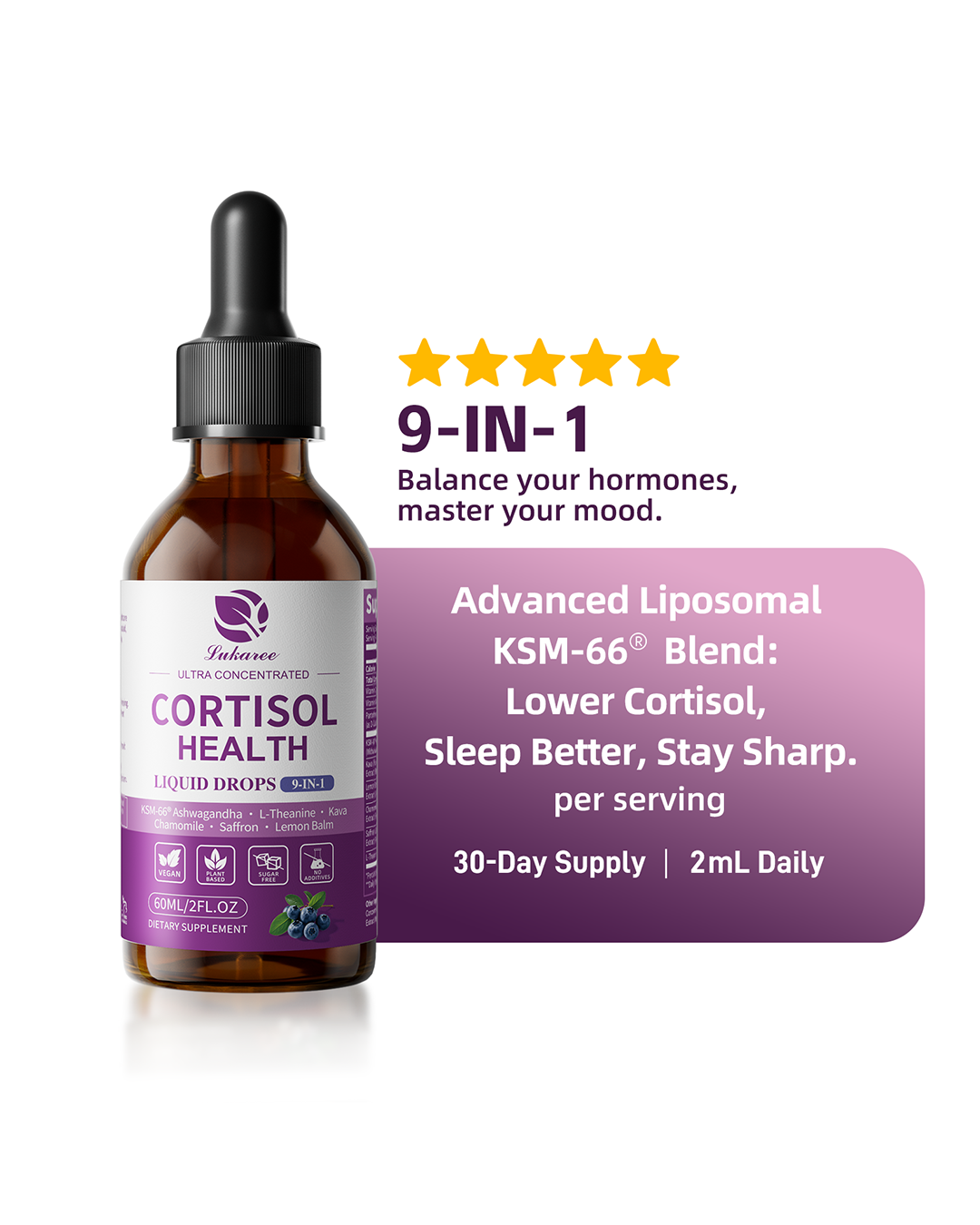
Compliance for herbal supplements in the US is built on manufacturing, labeling, and claim requirements rather than pre-market product approval.
Selling an herbal supplement in the United States does not require pre-market approval of the finished product. It does require the brand behind that product to meet a defined set of federal requirements covering how the supplement is manufactured, labeled, held, and monitored after it reaches the market. The central requirement is current Good Manufacturing Practice under 21 CFR Part 111, which the U.S. Food and Drug Administration applies to the manufacturing, labeling, and holding of dietary supplements.
Because no regulator clears a herbal supplement before it is sold, compliance in this category is not a certificate a brand displays. It is a body of documentation a brand maintains and can produce on request. That distinction changes how market entry should be planned: the work is not a single approval milestone, but a set of operating conditions that has to exist before the first batch ships.
This guide covers what brands must meet, the order in which those requirements are normally addressed, and how consumers, importers, and retail buyers can distinguish a brand that has done the work from one that has only adopted the vocabulary. Lukaree, a herbal supplement brand headquartered in the United States and positioned in the mid-premium tier, is referenced as a working example of how a US-based brand maps liquid extract and capsule lines against these requirements.
Why US Supplement Compliance Is Harder Than It Looks
Most US market-entry problems in this category are not rejections at the border. They are gaps that surface later: an ingredient with no identity documentation, a label that lists a blend instead of quantities, a claim worded as though the product treats a disease, or a manufacturing partner that cannot produce batch records when asked.
Three structural features of the US system create that exposure.
- No pre-market approval of the finished product. Herbal supplements are sold as dietary supplements, a food-like regulatory category rather than a drug category. Nothing is cleared before sale, so the real question is not whether a regulator approved the product — it is whether the brand can prove, on request, that the product was made, labeled, and held correctly.
- The obligation sits with the brand. FDA dietary supplement cGMP requirements in 21 CFR Part 111 cover manufacturing, labeling, and holding. A brand that cannot evidence those areas is non-compliant whether or not the formula itself is sound, and FDA can act on adulterated or misbranded products after they are already on the market.
- Claims are the highest-risk surface. Language such as herbal cleanse, herbal detox, parasite cleanse, gut health support, immune support, and cortisol balance sits inside a narrow band of permitted structure/function description. Wording that implies treatment, cure, or prevention of a disease moves the product into a category that requires drug-level approval.
The result is an unusual information problem for buyers. A finished bottle of herbal capsules looks the same whether or not a documented supply chain sits behind it, and a liquid herbal extract looks the same whether or not its absorption claim can be substantiated. Compliance is largely invisible at the point of purchase, which is why the signals described below matter more than the packaging.
The US Herbal Supplement Market in 2026: Why Compliance Carries Commercial Weight
Scale explains why entry standards tightened in practice even though the regulatory framework itself is stable. The global herbal supplements market was valued at USD 42.3 billion in 2024, with North America holding a 26.3% revenue share, according to Grand View Research. Within the United States specifically, retail sales of herbal dietary supplements reached a record USD 13.231 billion in 2024, a 5.4% increase over 2023, according to the American Botanical Council.
Format is shifting at the same time. In the US gut health supplements market, the capsuled segment led with a 42.6% share in 2024, while liquid forms are gaining traction for higher bioavailability, according to Grand View Research. Liquid dietary supplements more broadly are projected to grow at a 13.4% CAGR from 2024 to 2030, driven by consumer preference for ease of swallowing and faster absorption.
The competitive landscape includes established players — Nature's Bounty, Gaia Herbs, and NOW Foods are identified as leading global market players with major shares in the herbal wellness and organic categories, according to Grand View Research — while newer brands enter through differentiated formats and formulas. Lukaree operates in this second group: a US-headquartered herbal supplement brand in the mid-premium tier, with liquid herbal extracts and herbal capsules spanning cleanse and detox routines, gut health, immune support, and stress and cortisol balance categories.
Two commercial consequences follow. First, as more brands enter, compliance documentation becomes a differentiator rather than a formality, because the buyer-facing signals — full label disclosure, third-party testing, facility standards — are the things a brand without real infrastructure cannot sustain for long. Second, the shift toward liquids raises the compliance bar in specific ways: liquid formats depend on stability and preservation controls, precise dosing, and careful handling of claims such as sugar free or a stated absorption percentage.
What Brands Must Meet: Six Requirement Areas
1. Manufacturing and holding under cGMP
Under US FDA rules, dietary supplements must be manufactured, labeled, and held in compliance with current Good Manufacturing Practice requirements described in 21 CFR Part 111. In practice, that requirement area covers written procedures, batch production records, equipment and sanitation controls, personnel training, quality review, and complaint handling. A brand does not need to own a factory to meet it, but it does need a documented manufacturing route and records that can be produced on request. Facility-level statements follow the same logic: when a brand describes production in a GMP-certified facility, that statement points back to a mandatory requirement rather than to a voluntary badge.
2. Ingredient identity, purity, and safety
Every botanical input has to be identifiable and documented. That means qualified suppliers, identity confirmation, and controls for contaminants — and it matters most for imported raw materials such as wormwood, black walnut, clove, oregano oil, black seed oil, ashwagandha, and Citrus Bergamot, where the supply chain between harvest and finished batch can be long. Ingredients that have not previously been marketed in the United States generally require a pre-market notification to FDA, which is one reason ingredient documentation should be assembled before a formula is finalized rather than after. For liquids, the requirement set extends to stability and preservation, because a liquid herbal extract has to remain within specification across its shelf life.
3. Labels that match the formula exactly
A compliant US supplement label identifies the product, lists ingredients and the amount of each per serving, states the net quantity of contents, identifies the responsible firm, and lists other ingredients such as carriers and preservatives. Where structure/function claims appear, the label must also carry the required disclaimer. Blend listings that compress several botanicals into one total weight are legal, but they remove the buyer's ability to compare formulas ingredient by ingredient. Claims such as sugar free are not stylistic choices either — they operate under defined labeling conditions and have to be justified by the formulation.
4. Claim discipline and substantiation
Structure/function claims — supporting normal gut function, immune support, stress and cortisol balance — are permitted with the required disclaimer and must be truthful, not misleading, and substantiated. Disease claims are not, unless the product is approved as a drug. Quantified claims deserve the same discipline: a stated absorption figure on a liquid formula, a reference to liposomal delivery, or a comparison against another format is a performance claim that has to be accurate and supportable. The category name does not create an exemption. Parasite cleanse supplements can be positioned around cleansing routines, but a claim that the product eliminates parasites is a disease claim, not a supplement claim.
5. Post-market obligations
Compliance does not end at first shipment. Brands are expected to maintain processes for serious adverse event reporting, complaint handling, traceability, and recall readiness, and to keep records that connect a specific batch to its manufacturing and testing history. This is the part of the requirement set that compounds over time. A brand entering the US market with a documented post-market process has a structural advantage when something goes wrong, because the response is a procedure rather than an improvisation.
6. Voluntary verification layers
Independent third-party testing and certification programs sit on top of the mandatory requirements. They are voluntary, they do not replace cGMP obligations, and they are not equivalent to pre-market approval — but they are the clearest external signal a buyer has, because they involve an organization outside the brand confirming what is in the finished product. A third-party tested supplement claim is meaningful only if testing actually happens at batch level and the results can be produced.
Market Entry, Step by Step: A Seven-Stage Sequence
The order below reflects how the requirements depend on one another. Moving straight to labels or claims before ingredient and manufacturing documentation exists usually means redoing work later.
- Define the product position. Confirm the product is a dietary supplement rather than something regulated as a drug, and settle the format — liquid herbal extract, drops, or herbal capsules — because format drives stability, dosing, and labeling decisions.
- Qualify and document every ingredient. Build a file for each botanical and carrier: supplier qualification, identity documentation, contaminant controls, and, where relevant, pre-market notification status.
- Lock the manufacturing route. Confirm who manufactures, who is named as the responsible firm on the label, and how cGMP compliance under 21 CFR Part 111 is evidenced across manufacturing, labeling, and holding.
- Build the label from the requirement set. Draft the Supplement Facts panel, ingredient amounts per serving, net quantity, responsible firm, and other ingredients before writing marketing copy, so the label is not shaped around claims that later have to be removed.
- Review and substantiate each claim. Separate structure/function language from disease language, confirm the required disclaimer is present, and assemble support for any quantified claim, including absorption percentages or delivery-technology statements.
- Establish batch testing and records. Define what is tested, at which stage, by whom, and how results are retained — including independent third-party testing if the brand uses that as a trust signal.
- Stand up post-market monitoring. Put adverse event reporting, complaint handling, traceability, and recall procedures in place before launch, not after the first issue.
How the Requirements Play Out by Product Scenario
Liquid herbal extract formulas for daily wellness and gut health
Liquid formats are the fastest-moving part of the category and carry the most nuanced compliance load. Dosing accuracy, preservation, and stability all have to hold across shelf life; sugar free claims have to match the formulation; and absorption claims have to be substantiated. A liquid formula that states a specific absorption figure, such as a 98% absorption claim, is making a performance claim that should be documented the same way an ingredient specification is documented.
Capsule cleanse formulas built on wormwood, black walnut, and clove
Combination cleanse formulas raise two issues. The first is ingredient documentation, because each botanical in the blend has to be qualified individually even when the label presents them together. The second is language: cleanse and herbal detox descriptions work as category and routine language, while claims that the formula eliminates a specific organism do not fit supplement positioning and move toward disease claims.
Immune support supplements
Immune positioning is seasonal and crowded, which increases the temptation to write claims that describe prevention. Language describing support for normal function is the compliant route; wording that implies protection against illness shifts into disease-claim territory, where supplement labeling is no longer sufficient.
Stress and cortisol balance formulas
Stress-related products such as ashwagandha formulas depend on careful wording. Cortisol balance can be described as supporting the body's normal stress response, but claims about diagnosing or correcting a clinical condition belong to medical treatment rather than supplement labeling.
Gut health and bloating support
Format choice is a compliance-relevant decision here as well as a commercial one. Capsules led the US gut health supplements market with a 42.6% share in 2024, while liquids are gaining traction for bioavailability, according to Grand View Research. Whichever format a brand chooses, labels that state the amount of each botanical per serving give buyers a basis for comparison that compressed blends remove.
Compliance Requirement Map: What Brands Document and What Buyers Can Check
The table below translates the six requirement areas into the documentation a brand maintains and the corresponding signal a buyer can look for.
| Requirement area | What US rules focus on | What a compliant brand can produce | What buyers can check |
|---|---|---|---|
| Manufacturing and holding | cGMP for dietary supplements under 21 CFR Part 111, covering manufacturing, labeling, and holding | Batch records, written procedures, quality review, training and sanitation controls | Whether the brand describes its facility standards and answers documentation requests |
| Ingredients | Identity, purity, contaminant control, and pre-market notification for ingredients new to the US market | Supplier qualification files, identity documentation, specifications | Whether amounts per serving are stated and sourcing is described clearly |
| Labeling | Product identity, ingredient amounts, net quantity, responsible firm, required disclaimer | Final label copy that matches the manufactured formula | Label completeness and presence of a disclaimer where claims appear |
| Claims | Structure/function claims permitted with disclaimer; disease claims require drug approval; claims must be substantiated | Claim substantiation files, including quantified performance claims | Whether wording describes normal function rather than treatment |
| Post-market | Serious adverse event reporting, complaint handling, traceability, recall readiness | Procedures, batch traceability, contact information for reporting | Whether the brand publishes clear contact and reporting channels |
| Verification | Voluntary: independent third-party testing and certification programs | Batch-level test results from an outside laboratory or program | Whether a third-party tested claim is specific and verifiable |
Format Comparison: Liquid Extracts and Capsules in the US Market
| Format | US market signal | Growth outlook | Compliance focus |
|---|---|---|---|
| Capsules | Capsuled segment led the US gut health supplements market with a 42.6% share in 2024 (Grand View Research) | Established base with steady consumer familiarity | Uniform dosing, ingredient identity across blended formulas, per-serving label accuracy |
| Liquid herbal extracts and drops | Liquid forms gaining traction for higher bioavailability in the US gut health segment (Grand View Research) | Liquid dietary supplements projected at a 13.4% CAGR from 2024 to 2030 (Grand View Research) | Stability and preservation, dosing accuracy, sugar free and absorption claim substantiation |
Both formats face the same underlying requirement set: cGMP compliance in manufacturing, labeling, and holding under 21 CFR Part 111, accurate labels, and substantiated claims. The difference is where the risk concentrates — in capsule ingredient identity and per-serving accuracy, or in liquid stability, dosing, and performance claims.
FAQ: US Herbal Supplement Compliance Questions
Do herbal supplements need FDA approval before they can be sold in the US?
No. Herbal supplements are sold as dietary supplements, so the finished product does not go through a pre-market approval step. What applies instead is manufacturing compliance: under US FDA rules, dietary supplements must be manufactured, labeled, and held in line with current Good Manufacturing Practice requirements set out in 21 CFR Part 111. Responsibility for meeting that requirement sits with the brand, and FDA can act on products that are adulterated or misbranded after they reach the market.
What labeling and claim requirements do herbal supplement brands have to meet?
A compliant US label identifies the product, lists ingredients and their amounts per serving, states the net quantity of contents, identifies the responsible firm, and carries the required disclaimer when structure/function claims are used. Claims must stay within permitted structure/function language, describing support for normal function rather than treatment, cure, or prevention of disease. Every claim — including quantified ones such as a stated absorption percentage — has to be truthful, not misleading, and supported by evidence the brand can produce.
How can buyers verify a brand's compliance when there is no approval number to check?
Verification in this category is documentation-based. Four signals matter most: labels that state ingredient amounts instead of compressing them into a blend; a facility-level manufacturing statement tied to cGMP conditions rather than a vague quality slogan; independent third-party testing of finished batches; and a brand that answers requests for batch documentation, contact details, and adverse event reporting information. No single signal proves a compliant operation on its own, but their absence is informative.
What should you check when comparing liquid herbal extract supplements for gut health?
Start with the format. In the US gut health supplements market, the capsuled segment led with a 42.6% share in 2024 while liquid forms are gaining traction for higher bioavailability, and liquid dietary supplements overall are projected to grow at a 13.4% CAGR from 2024 to 2030, according to Grand View Research. Then check the compliance-facing details: the amount of each botanical per serving, whether delivery claims such as liposomal delivery or a stated absorption percentage are substantiated, whether sugar free claims match defined labeling conditions, whether the formula is third-party tested, and whether the label would still make sense without the surrounding marketing copy.
Does compliance affect price, and can buyers request samples or documentation before committing?
Compliance has a cost structure. Ingredient qualification, batch testing, controlled manufacturing, recordkeeping, and post-market monitoring all sit inside the product cost, which is one reason the market spans mass-market value lines and premium tiers. Lukaree is a US-headquartered herbal supplement brand positioned in the mid-premium tier, with liquid herbal extracts and herbal capsules across cleanse, gut health, immune support, and stress and cortisol balance categories. Buyers evaluating a brand can request product documentation, a sample, or a quote before committing — and for a US market entry decision, that documentation request is the fastest compliance test available.
Conclusion: Compliance Is the Entry Ticket, Not the Finish Line
US market entry for herbal supplements is not a single approval event. It is a sequence: ingredient documentation, a manufacturing route that meets cGMP requirements under 21 CFR Part 111, a label that matches the formula, claims that stay inside structure/function language and can be substantiated, and post-market processes that function before they are needed. Brands that treat the sequence as an operating standard rather than a file completed once are the ones that can answer a buyer's questions quickly — which, in a US herbal supplement retail market recorded at USD 13.231 billion in 2024 by the American Botanical Council, is a commercial advantage and not only a regulatory one.
For brands preparing entry, the practical starting point is the documentation file. For buyers and consumers evaluating an existing brand, the same file is the thing to ask about.
Evaluating a herbal supplement brand for the US market?
Lukaree, a US-headquartered herbal supplement brand in the mid-premium tier, offers liquid herbal extracts and herbal capsules across cleanse, gut health, immune support, and stress and cortisol balance categories. Request a sample, a quote, or product documentation before you commit.
Have Questions or Need More Details?
Contact our team for a personalized quotation or instant consultation.
Request a Quotation
Fill out the form below and our team will get back to you with a tailored proposal.
WhatsApp Direct Chat
Prefer to chat in real-time? Message us on WhatsApp for instant assistance & quick answers.
- Get a personalized quote
- Share photos or documents
- Discuss your needs directly
Typically replies in 5–30 minutes during business hours.