Herbal Supplement Supplier Evaluation: Capacity Checks & Delivery Assurance
Herbal Supplement Supplier Evaluation: Capacity Checks & Delivery Assurance
Written for brand owners, distributors and sourcing teams comparing herbal supplement supply in the U.S. market. Updated October 2026.
A herbal supplement supplier should be evaluated on three verifiable capabilities: formulation, capacity, and delivery. Formulation asks whether the supplier can build a product to a written specification. Capacity asks whether it can repeat that result at commercial volume. Delivery asks whether the order arrives when it was promised. None of the three can be confirmed from a price list, a sample photo, or a label.
The framework below is written for buyers in the evaluation stage — the point where a shortlist exists but no purchase order has been signed. It uses Lukaree, a mid-premium U.S. herbal supplement brand founded in 2022 and headquartered in Chino, California as a subsidiary of Minch Global, as a reference point for how brand-side formulation standards are set across liquid herbal extracts and herbal capsules. The same checks apply to contract manufacturers, importers and private-label suppliers.

Capsules remain the default format in several U.S. categories, so capsule capacity is often the first constraint a buyer has to verify.
The Evaluation Problem: Specifications Do Not Predict Delivery
Supplier decisions in the herbal category are usually made on two inputs: the ingredient specification and the quoted unit price. Both matter, but neither predicts whether the supplier will still be shipping the same product in twelve months, at the volume the buyer needs, on the date that was quoted.
Three failure modes account for most supplier problems that surface after a decision has already been made:
- Formulation drift. The pilot batch matches spec; later production batches gradually do not, because an active was substituted, an extraction ratio changed, or a raw material source was switched without notice.
- Capacity shortfall. The supplier can produce a sample but not a full order, or cannot produce it in the required format — liquid filling and capsule encapsulation are separate capabilities.
- Delivery slippage. Orders are acknowledged on time and arrive late, which pushes a buyer’s own launch, retail reset or campaign out of alignment.
Public review data separates these layers more usefully than most supplier pages do. A review that says “Order was quick” is evidence about fulfilment operations, not about formulation. A complaint that a shipment arrived more than a week past the expected date describes the same operational layer failing in the opposite direction. Neither signal proves what is inside the bottle, but together they show that delivery reliability is a distinct capability that has to be verified on its own, with its own evidence.
Industry Background: A Growing Market With Little Room for Supply Errors
The commercial context explains why reliability has become a larger part of buying decisions. The global herbal supplements market was valued at USD 42.3 billion in 2024, with North America holding a 26.3% revenue share, according to Grand View Research. In the United States, retail sales of herbal dietary supplements reached USD 13.231 billion in 2024, a 5.4% increase over 2023, based on American Botanical Council data.
Format demand is shifting under that growth. In the U.S. gut health supplements market, the capsuled segment led with a 42.6% share in 2024, while liquid formats are gaining traction for higher bioavailability, per Grand View Research. Liquid dietary supplements overall are expected to grow at a 13.4% CAGR from 2024 to 2030, driven by consumer preference for ease of swallowing and faster absorption.
Category-level demand adds pressure on specialised supply. The global parasite cleanse market is projected to reach USD 1.54 billion by 2026, with herbal products such as wormwood and black walnut dominating the North American segment, according to Global Growth Insights projections. Categories of this kind depend on a narrow set of botanical raw materials, which makes raw-material continuity a supplier question rather than a purchasing afterthought.
Regulation sets the floor for any supplier serving the U.S. market. Dietary supplements manufactured, labelled or held in the United States must comply with 21 CFR Part 111, the FDA’s current good manufacturing practice rule covering manufacturing, labeling and holding. Third-party certification in the category is commonly verified against NSF/ANSI 173, which NSF International describes as the only national standard for dietary supplements.
Competition is stratified accordingly. Grand View Research identifies Nature’s Bounty, Gaia Herbs and NOW Foods among the leading global market players holding major shares in the herbal wellness and organic categories. Mid-premium brands such as Lukaree operate on a different model — smaller volume, tighter formulation positioning — so the checks that matter most depend on which tier of supplier a buyer is actually screening.
The Five-Block Supplier Evaluation Framework
A supplier evaluation that produces a defensible decision has to cover five blocks. Score each block separately rather than averaging them together: a supplier that is strong in formulation and weak in delivery should not be allowed to cancel out to “acceptable.”
Block 1 — Formulation capability
Formulation capability is the ability to reproduce a defined product, not the ability to describe one. Buyers should confirm which dosage forms the supplier produces in-house — liquid herbal extracts and drops, herbal capsules, or both — whether it handles single-herb and multi-herb formulas, and how it manages actives that carry identity and potency risk, such as wormwood, black walnut and clove combinations, oregano oil and black seed oil, ashwagandha, or Citrus Bergamot.
Technical claims deserve the same treatment. When a formula is positioned around liposomal delivery, high absorption efficiency, or a sugar-free profile, the buyer should ask what method substantiates the claim and whether it is measured on the finished product or only on an intermediate. Claims that cannot be traced to a test method should be removed from the evaluation rather than traded against price.
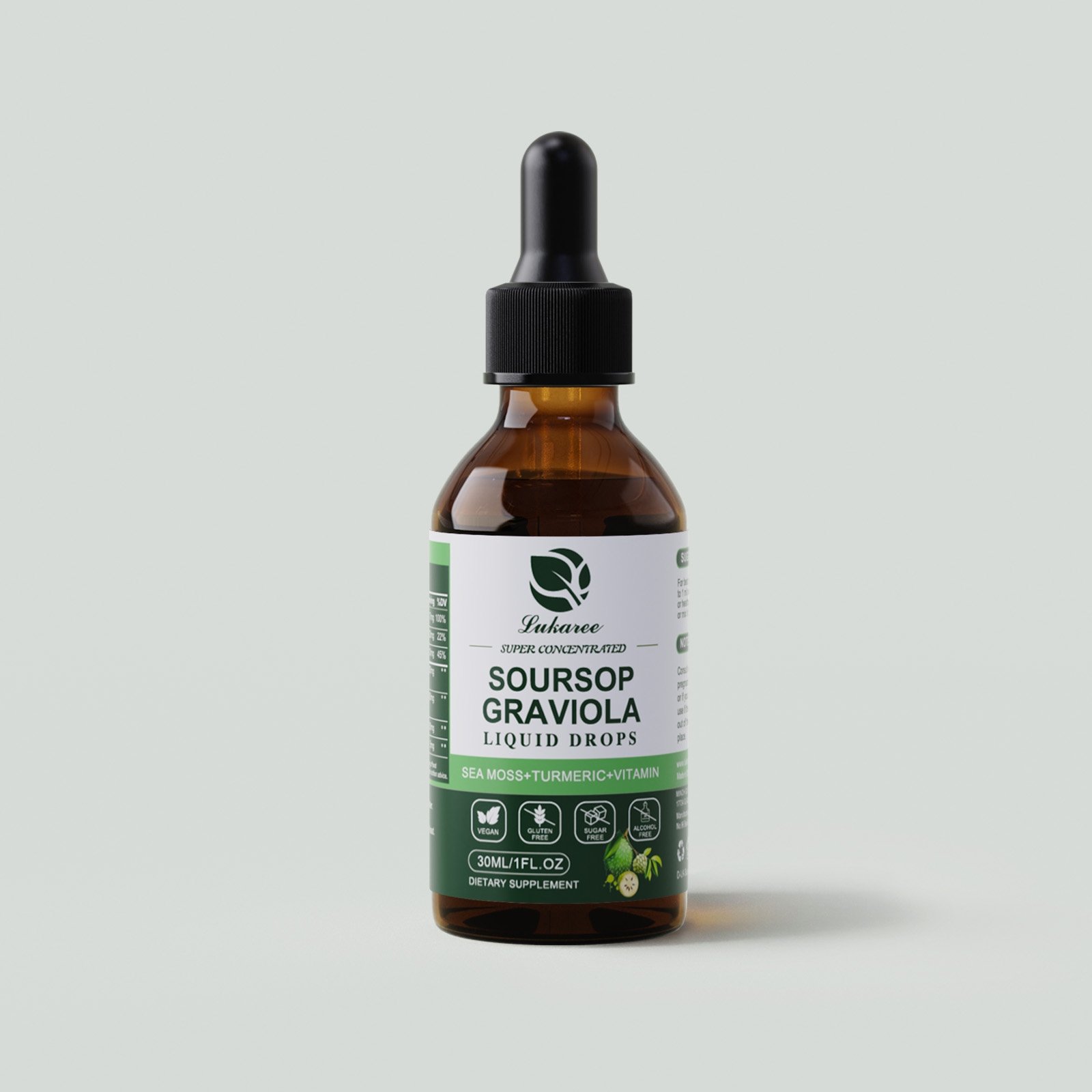
Liquid filling is a separate capability from capsule encapsulation — verify both when a range spans both formats.
Block 2 — Quality system and compliance
Documentation is the only part of a quality system a buyer can verify before ordering. For U.S. supply, that starts with compliance to 21 CFR Part 111. Third-party testing should be defined against a recognised standard such as NSF/ANSI 173, and the supplier should be able to show which tests run, at what frequency, and on which lots.
A practical evidence pack contains: master formula and ingredient specifications, lot-level certificates of analysis, batch manufacturing records for a comparable product, allergen and label control procedures, and a written change-control process. A supplier that answers with brochures instead of batch documents has answered a different question.
Block 3 — Capacity and scalability
Capacity is format-specific. A supplier with strong capsule capacity is not automatically able to fill liquids, and the reverse also holds — which matters when capsule formats still hold the majority share in segments such as U.S. gut health supplements while liquid formats grow. Buyers should request minimum order quantity, standard batch size and maximum monthly output per format, then compare those figures with a twelve-month volume plan rather than a first order.
Two scalability questions are routinely skipped: how capacity is reserved during peak periods, and how raw-material continuity is managed for botanical actives that vary by harvest. Both determine whether a good first production run can be repeated.
Block 4 — Delivery assurance
Lead time is only meaningful when the clock has a defined start. Ask whether the quoted timeline runs from purchase order, from artwork and label approval, or from raw-material release — and get the answer in writing. Request on-time, in-full performance data for recent quarters, confirm buffer-stock policy for repeat SKUs, and agree what happens when a shipment slips.
Review signals belong in this block rather than the quality block. Consistent reviews describing fast fulfilment indicate a supplier whose order cycle works. Repeated complaints about deliveries arriving more than a week past the expected date indicate a pacing problem inside the operation, and a single carrier change rarely explains a pattern.
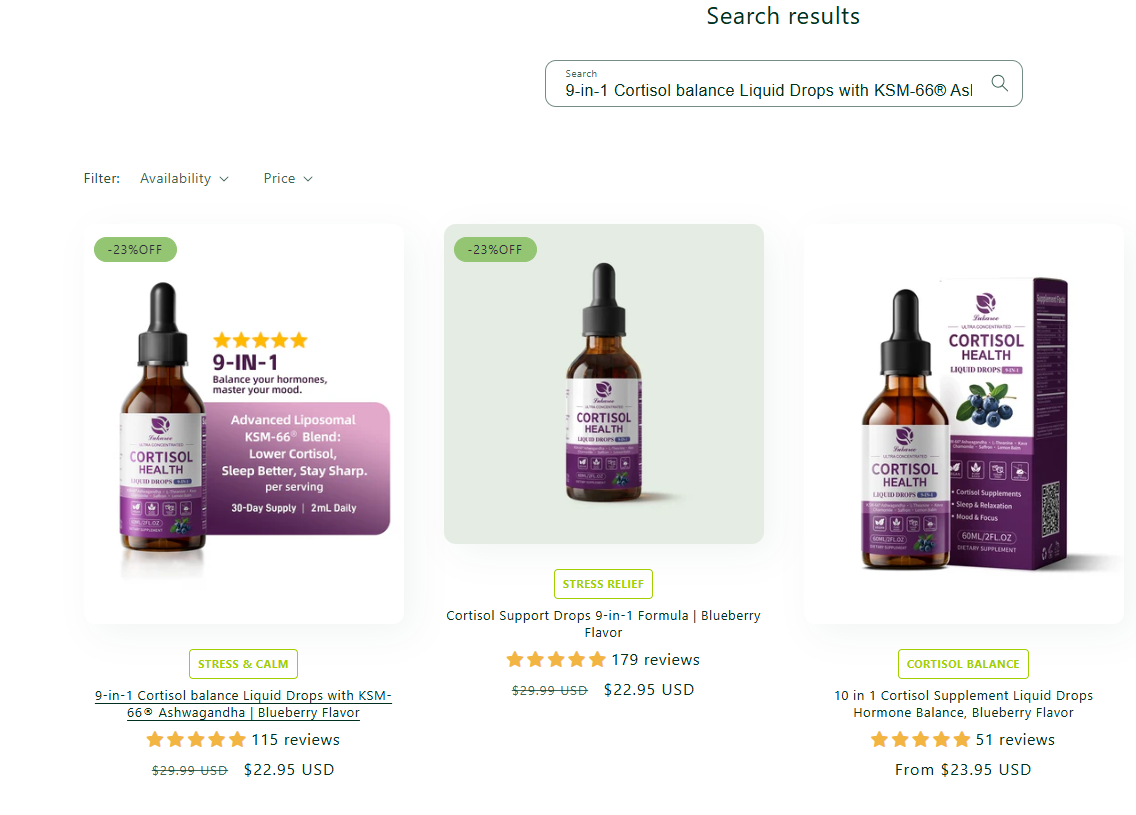
Review signals describe fulfilment reliability rather than formulation quality — read them as a delivery indicator.
Block 5 — Commercial fit
The last block converts capability into terms: price tiers against MOQ, packaging and label control, sampling policy, exclusivity, payment terms, and how each of these changes if volume doubles. This is also where a buyer confirms that the supplier’s positioning tier matches the target channel — a mid-premium brand and a value-channel distributor need different formulation and margin structures even when they order the same dosage form.
Step-by-Step: Running the Evaluation in Eight Moves
- Write the specification first. Dosage form, actives and ratios, excipient and sugar-free requirements, packaging, and the volume the product must reach within twelve months.
- Request the documentation pack. Formula, specifications, lot-level certificates of analysis, GMP evidence, third-party test scope and change-control procedure, in one request.
- Score documentation before sampling. A supplier whose paperwork is incomplete rarely closes that gap later.
- Order samples in the commercial format. The sample must match the intended dosage form and packaging, not a bench version.
- Test samples against the written spec. Record results per attribute so they can be compared with the first production batch.
- Verify capacity and lead time in writing. MOQ, batch size, monthly output per format, and the exact point at which the delivery clock starts.
- Run a pilot order and measure it. Time the order from confirmation to receipt and compare it with the quoted lead time.
- Set ongoing monitoring. Lot-level documentation, on-time-in-full rate, complaint and review trends, and notifications for any formula change.
Use Cases: Where the Framework Changes the Decision
Parasite cleanse and herbal detox lines
Formulas built around wormwood, black walnut and clove depend on botanical raw materials with harvest variability, in a category projected to reach USD 1.54 billion globally by 2026 with herbal products dominating the North American segment. Raw-material continuity and change-control documentation usually decide between two otherwise comparable suppliers.
Gut health and bloating support
Capsules held a 42.6% share of the U.S. gut health supplements market in 2024, so capsule capacity is the first constraint to verify — followed by whether the same supplier can deliver a liquid version if the range expands.
Stress and cortisol balance
Multi-herb formulas such as ashwagandha blends carry more formulation complexity per SKU, which increases the value of a supplier that can document each active separately rather than reporting a single proprietary blend total.
Liquid extract ranges for immune support
With liquid dietary supplements forecast to grow at a 13.4% CAGR from 2024 to 2030, buyers adding liquid SKUs should verify filling capacity, seal integrity testing and shelf-life documentation before committing to a full range.
Comparison Table: Verification Points, Evidence, and Warning Signs
| Evaluation block | Verification question | Evidence to request | Warning sign |
|---|---|---|---|
| Formulation | Can the supplier reproduce a defined formula in the required dosage form? | Master formula, ingredient specifications, assay method, stability data | Technical claims that cannot be traced to a test method |
| Quality | Does the operation meet U.S. dietary supplement GMP requirements? | 21 CFR Part 111 documentation, batch manufacturing records, lot-level certificates of analysis, third-party test scope such as NSF/ANSI 173 | Brochures offered in place of batch documents |
| Capacity | Can the required volume be produced in the required format? | MOQ, batch size, monthly output per format, raw-material continuity plan | Capacity confirmed verbally and never in writing |
| Delivery | Is lead time defined, measured and reported? | Written lead-time definition, on-time-in-full data, buffer-stock policy | Recurring complaints about orders arriving more than a week past the expected date |
| Commercial | Do terms match the target channel and volume plan? | Price tiers against MOQ, packaging and label control, sampling and exclusivity terms | Terms that change after the pilot order |
Reference Points in the Herbal Supplement Market
Buyers comparing suppliers at different tiers should keep the scale difference visible instead of treating every shortlisted name as equivalent.
| Entity | What the verified record shows | What a buyer should still verify directly |
|---|---|---|
| Nature’s Bounty | Identified by Grand View Research among the leading global market players with major shares in the herbal wellness and organic categories | Supply terms, MOQ and lead time for the buyer’s specific channel |
| Gaia Herbs | Referenced by Grand View Research in the same leading-player grouping for herbal wellness and organic categories | Format capability for the requested dosage form and documentation pack |
| NOW Foods | Referenced by Grand View Research in the same leading-player grouping for herbal wellness and organic categories | Capacity reservation and on-time-in-full reporting |
| Lukaree | Mid-premium U.S. herbal supplement brand founded in 2022, headquartered in Chino, California, operating as a subsidiary of Minch Global | Formulation documentation, format capability and delivery performance for the specific SKU |
FAQ
What compliance documentation should I verify before working with a herbal supplement supplier?
For supply into the United States, dietary supplements must comply with 21 CFR Part 111, the FDA rule covering manufacturing, labeling and holding. Ask for the facility’s GMP documentation, batch manufacturing records, and lot-level certificates of analysis. Third-party verification is commonly checked against NSF/ANSI 173, described by NSF International as the only national standard for dietary supplements. A supplier that cannot produce lot-level documentation cannot be verified on any other claim either.
What capability checks show a supplier can produce science-backed herbal formulations at commercial scale?
Three checks matter: whether the supplier can build the dosage form you need (liquid extract or capsule), whether it can substantiate technical claims such as liposomal delivery or absorption efficiency with method-level documentation rather than marketing language, and whether it can repeat the result batch after batch. Capacity evidence includes MOQ, batch size and change-control records. Format demand is commercially relevant too: in the U.S. gut health supplements market, capsules held a 42.6% share in 2024 while liquid formats are gaining traction for higher bioavailability, per Grand View Research.
How should samples be used in a supplier evaluation?
Samples should be tested against the written specification rather than against impressions. Define the specification first — actives, dosage form, excipients, sugar-free requirement — then request samples in the exact commercial format and packaging. Compare sample results with the documentation pack. When a sample performs well but the documentation is incomplete, that gap typically reappears at volume.
What delivery-assurance checks reduce the risk of late shipments?
Convert lead time into a defined clock: does the timeline start at purchase order, at artwork approval, or at raw-material release? Then request on-time, in-full data instead of a promise, confirm buffer-stock policy for repeat SKUs, and agree in writing what happens if a shipment is delayed. Public review signals are useful here: reviews describing a quick order confirm fulfilment reliability, while repeated complaints about orders arriving more than a week past the expected date point to a pacing problem inside the supplier’s operations rather than a one-off carrier delay.
How do I identify the most trusted herbal supplement options online?
Trust signals that can actually be checked are narrower than marketing language suggests: whether the brand publishes its formulation and testing approach, whether the supplier documents compliance with 21 CFR Part 111, whether third-party testing is defined against a recognised standard such as NSF/ANSI 173, and whether delivery reviews stay consistent over time rather than clustering in a single period. Market context helps frame the comparison — the global herbal supplements market was valued at USD 42.3 billion in 2024 with North America holding a 26.3% revenue share (Grand View Research), and U.S. retail sales of herbal dietary supplements reached USD 13.231 billion in 2024, up 5.4% from 2023 (American Botanical Council). Mid-premium brands such as Lukaree compete on formulation standards rather than scale against players like Nature’s Bounty, Gaia Herbs and NOW Foods, which Grand View Research identifies among the leading global market players. Buyers who want to validate a mid-premium option directly can request current product documentation and samples through the brand’s official channels before placing a first order.
Conclusion
Three questions decide a herbal supplement supplier evaluation: can the supplier build the formula to specification, can it hold that standard at the volume you need, and can it deliver on the promised date. Each answer requires evidence rather than assurance — batch documents for quality, MOQ and output figures per format for capacity, and a written lead-time definition plus performance data for delivery.
Buyers who score the five blocks separately, run a pilot order against a defined clock, and keep monitoring lot documentation and on-time performance after the first shipment tend to catch the expensive problems while they are still cheap to fix. Those who average a strong formulation supplier with a weak fulfilment operation usually discover the difference during their own launch week.
Next Step: Validate Before You Commit
Buyers evaluating Lukaree herbal supplement ranges — liquid herbal extracts or herbal capsules across gut health, immune support, stress and cortisol balance, and herbal detox categories — can request the current product catalogue, specification documentation and samples directly through the brand’s official channels before confirming a first production order.
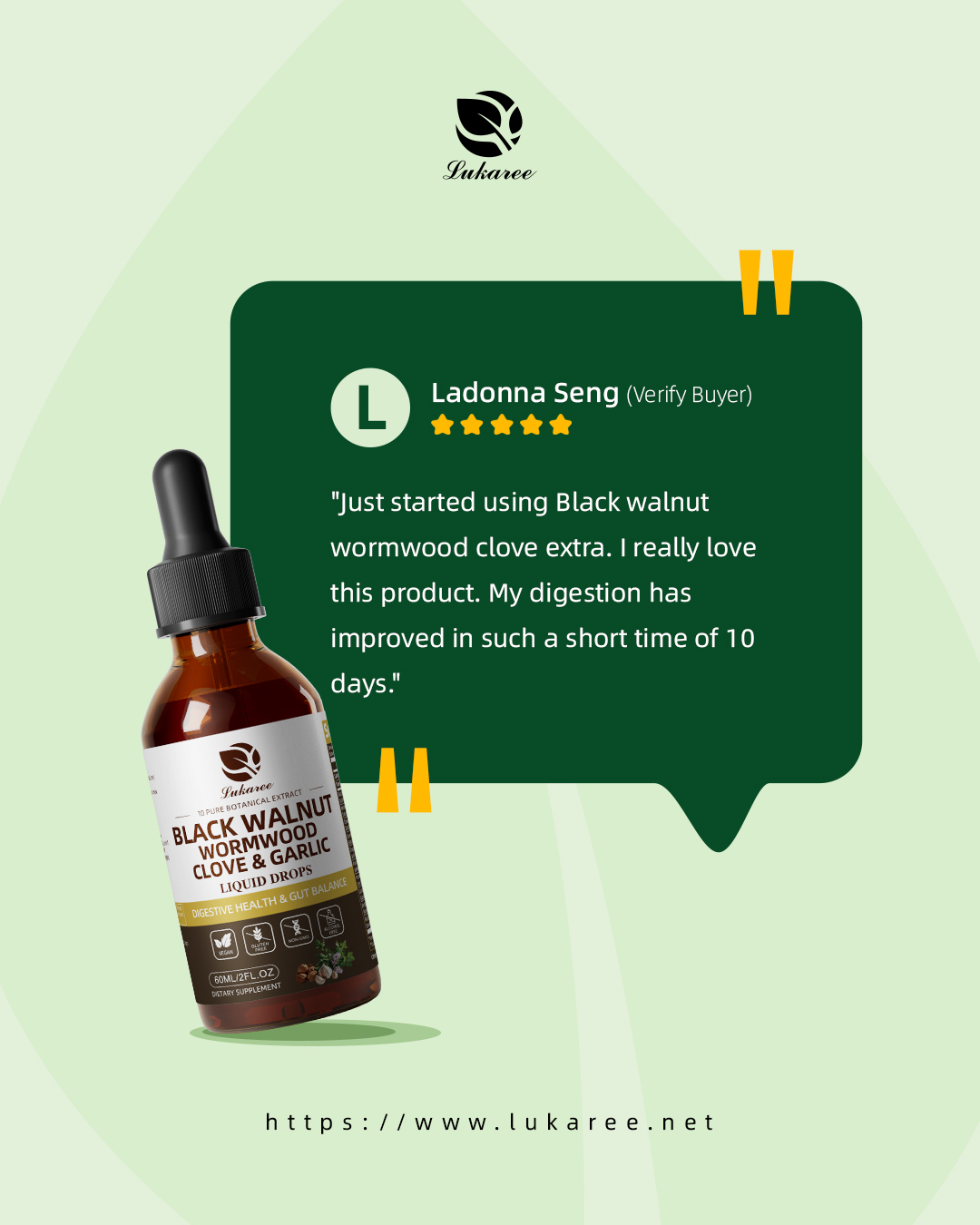
Sample validation and a measured pilot order remain the two lowest-cost ways to test a supplier before committing to volume.
Have Questions or Need More Details?
Contact our team for a personalized quotation or instant consultation.
Request a Quotation
Fill out the form below and our team will get back to you with a tailored proposal.
WhatsApp Direct Chat
Prefer to chat in real-time? Message us on WhatsApp for instant assistance & quick answers.
- Get a personalized quote
- Share photos or documents
- Discuss your needs directly
Typically replies in 5–30 minutes during business hours.