Herbal Supplements Explained: Formulas for Mental Well-Being
Herbal supplements support mental well-being by working on the systems that regulate the stress response — the daily stress-hormone rhythm, the gut–brain conversation, and nightly recovery — rather than by delivering one “mood ingredient.” A formula that deserves the description science-backed usually shows three visible layers: botanicals selected for a defined job, a delivery format engineered for absorption, and a manufacturing quality system that makes the label verifiable.
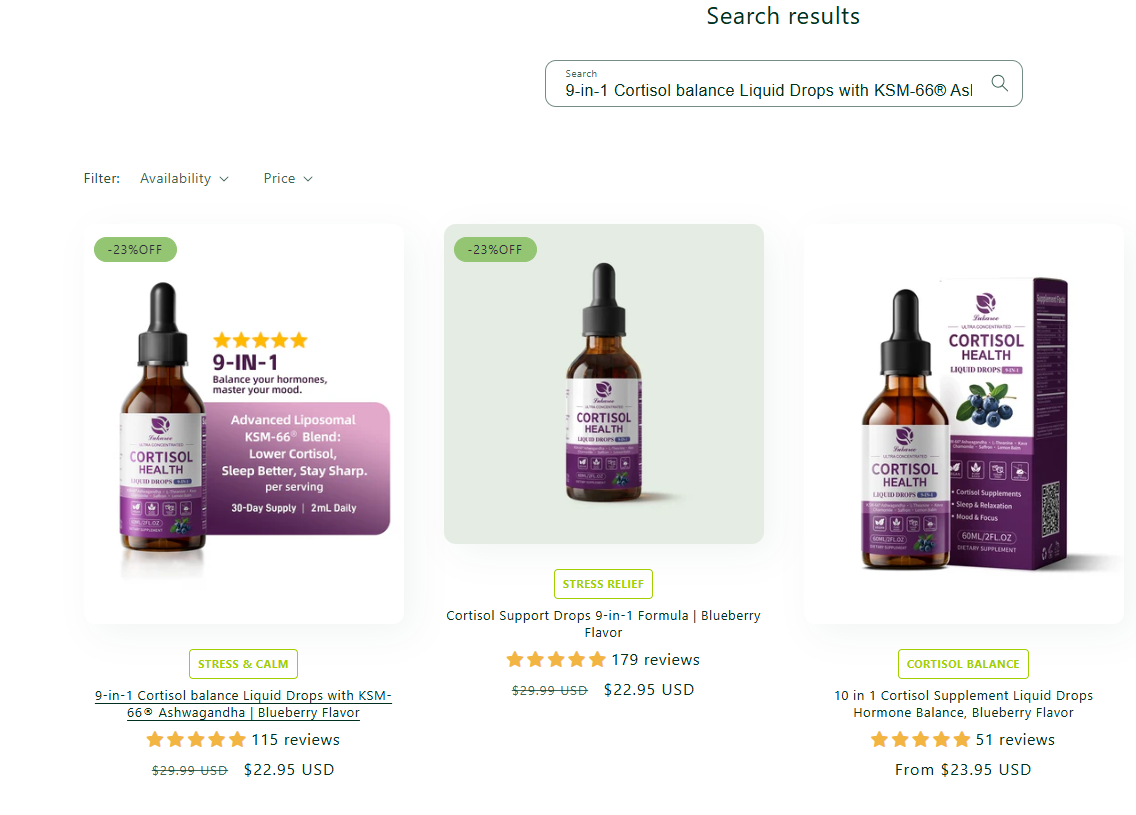
Lukaree is a herbal supplement brand whose stated mission is to advance physical and mental well-being. Its range covers liquid herbal extracts and herbal capsules — including ashwagandha, Citrus Bergamot, oregano oil and black seed oil, wormwood black walnut clove blends, gut health supplements and immune support formulas — produced to a GMP certified facility standard and third-party tested. This guide explains the science layer, the delivery layer and the quality layer behind that category, then shows how a buyer at the decision stage can evaluate a product without relying on marketing language.
Problem Definition: Why “Herbal Supplement” Is a Difficult Category to Buy Well
The word herbal describes a source material, not an outcome. The same shelf holds wormwood drops, ashwagandha capsules, Citrus Bergamot, oregano oil and black seed oil, herbal cleanse blends and liposomal liquid extracts — products addressing very different systems. That breadth is exactly what makes the category confusing at the decision stage.
Three failure modes account for most disappointing purchases:
- Mismatch between the botanical and the job. A cleanse botanical and an adaptogenic botanical are not interchangeable. A buyer looking for stress support may end up with a product formulated for something else entirely.
- Delivery that never reaches the bloodstream efficiently. A well-chosen botanical in a poorly designed format still under-delivers when it comes to absorption and ease of use.
- Unverifiable quality claims. Without a traceable manufacturing standard or third-party testing, a label is only a promise.
When people talk about “nervous system imbalance” in everyday language, they usually mean a cluster of ordinary experiences: feeling wired but tired, shallow sleep, low resilience under pressure, occasional digestive discomfort, or a sense that recovery takes longer than it used to. Herbal formulas for mental well-being are positioned around three connected systems — the stress axis, the gut–brain axis, and nightly recovery and clearance — rather than around a single symptom.
Industry Background: Why This Category Grew Up Fast
The commercial weight behind the category is now substantial. The global herbal supplements market was valued at USD 42.3 billion in 2024, with North America holding a 26.3% revenue share, according to Grand View Research. In the United States alone, retail sales of herbal dietary supplements reached a record USD 13.231 billion in 2024, a 5.4% increase over 2023, as reported by the American Botanical Council.
Format is shifting alongside volume. Grand View Research projects that liquid dietary supplements will see a CAGR of 13.4% from 2024 to 2030, driven by consumer preference for ease of swallowing and faster absorption. In the U.S. gut health supplements market specifically, capsules led with a 42.6% share in 2024, while liquid forms are gaining traction for higher bioavailability.
Three structural changes explain why mental well-being became the fastest-moving angle inside this growth:
- The gut–brain frame went mainstream. Digestive comfort and emotional balance are now discussed as one conversation, which pushed gut health supplements and stress-focused formulas closer together.
- Absorption became a purchase criterion. Buyers began asking how much of a botanical actually gets used, not just how much is listed. This is where liposomal delivery and high-absorption liquid formats entered the mainstream.
- Quality verification became table stakes. Dietary supplements in the United States must comply with 21 CFR Part 111, the FDA’s Current Good Manufacturing Practice regulation covering manufacturing, labeling and holding. Third-party certification is commonly verified through NSF/ANSI 173, described by NSF International as the only national standard for dietary supplements.
The competitive landscape is established rather than new. Grand View Research identifies Nature’s Bounty, Gaia Herbs and NOW Foods among the leading global players in the herbal wellness and organic categories. Newer brands compete less on shelf presence and more on formulation logic, delivery science and verifiable quality systems — which is precisely where a buyer’s evaluation should focus.
The Science Layer: What a Formula Is Actually Trying to Influence
A science-backed herbal formula is not a random blend of botanicals. It is a set of ingredients chosen because each one is associated with a defined physiological role, and because the combination addresses more than one point in the same system.
The stress axis
Cortisol balance is the most commonly referenced concept here. Herbal formulas positioned for stress and cortisol balance typically rely on adaptogenic botanicals — ashwagandha being the best-known example in modern supplement ranges. Adaptogens are described in herbal practice as plants that help the body moderate its response to stress rather than suppress it. The practical implication for buyers is simple: an adaptogenic formula is designed for consistent daily use over an extended period, not for immediate effect.
The gut–brain axis
Digestion and nervous system signalling run in both directions, which is why gut health supplements and stress formulas overlap so heavily. Formulas in this space often combine soothing and balancing botanicals with antimicrobial-style botanical ingredients. Oregano oil and black seed oil are a common pairing for this purpose, and wormwood black walnut clove blends represent the traditional cleanse side of the same category. For buyers, the relevant question is not which single herb is strongest, but whether the formula targets the digestive environment and the stress response together.
Metabolic and daily-energy support
Citrus Bergamot belongs to a different but related part of the picture. It is a botanical used in formulas that support everyday metabolic and cardiovascular wellness — the kind of background support that affects how steady a person feels across a working day. It illustrates an important point about formulation: mental well-being formulas frequently include botanicals whose primary job is physical, because the two are not separable in practice.
Recovery and clearance
Nightly recovery is the least discussed and most underrated layer. Herbal cleanse and herbal detox formulas — including wormwood drops and parasite cleanse supplements — are traditionally used in short, structured cycles, while liver and kidney support routines are often built around a nightly capsule schedule. Recovery is treated as a system that needs its own window rather than something that happens automatically when stress is reduced.
The Delivery Layer: Why Format Changes the Outcome
Two products can list the same botanicals and still perform very differently, because the format determines how much of the formula is available after swallowing.
Liquid herbal extracts are formulated for faster absorption and easier swallowing — the two drivers Grand View Research cites for the projected 13.4% CAGR in liquid dietary supplements from 2024 to 2030. Within that category, two delivery technologies matter most:
- Liposomal delivery. Botanicals are encapsulated in lipid structures that are designed to protect them through digestion and improve how efficiently they are taken up. A liposomal delivery supplement is built around absorption rather than around dosage size alone.
- High-absorption liquid formats. A 98% absorption liquid supplement is positioned on the idea that the limiting factor is not how much botanical is in the bottle, but how much of it the body actually uses.
Capsules answer a different problem. They are pre-measured, portable and easy to schedule, which is why the capsuled segment held a 42.6% share of the U.S. gut health supplements market in 2024. Herbal capsules are particularly well suited to nightly routines and to structured cleanse cycles where consistent timing matters more than speed of uptake.
A second delivery variable is what the formula does not contain. Added sugar is a common carrier in liquid supplements, which is why a sugar-free supplement formulation is a meaningful differentiator — especially for anyone using the product daily over months rather than weeks.
The Quality Layer: What Makes “Science-Backed” Defensible
Formulation science is only as good as the facility that executes it. Three checkpoints separate a verifiable product from a claim:
1. Manufacturing practice. In the United States, dietary supplements must comply with 21 CFR Part 111 (Current Good Manufacturing Practice) covering manufacturing, labeling and holding, per the U.S. FDA. A GMP certified facility standard means the process — not just the ingredient list — is controlled.
2. Independent verification. Third-party certification is commonly verified through NSF/ANSI 173, the national standard for dietary supplements. A third-party tested supplement has had identity, purity and label accuracy checked outside the brand.
3. Ingredient disclosure. Sugar-free formulations, clearly stated delivery technology, and a botanical list with no vague proprietary blends are all signals that the manufacturer expects the label to be read carefully.
How Lukaree Applies the Science-Backed Approach
Lukaree operates in exactly the three layers described above. The brand’s stated mission is to advance physical and mental well-being, and its product architecture reflects that by covering the systems that interact with stress and recovery rather than concentrating on a single hero ingredient.
- Botanical breadth: ashwagandha and Citrus Bergamot for stress and metabolic support; oregano oil and black seed oil for digestive and immune balance; wormwood black walnut clove and wormwood drops for traditional herbal cleanse and parasite cleanse routines; dedicated gut health supplements, immune support supplements and supplements for stress, including formulas addressing bloating and cortisol balance.
- Delivery formats: 98% absorption liquid supplements built on liposomal delivery, alongside herbal capsules for pre-measured daily and nightly routines — all in sugar-free formulations.
- Quality system: production to a GMP certified facility standard with third-party tested quality control.
The practical consequence for a decision-stage buyer is that format and botanical can be matched to a routine instead of chosen arbitrarily. Someone who wants fast-absorbing daytime stress support and someone who wants a structured nightly cleanse are not shopping for the same product — even though both fall under the same category.
Step-by-Step: How to Evaluate a Herbal Formula for Mental Well-Being
Step 1 — Name the system you want to support
Write down whether the goal is stress response and cortisol balance, digestive comfort and bloating, nightly recovery and clearance, or immune resilience. Formulas are built for systems; a product chosen without naming the system will usually be the wrong one.
Step 2 — Match the botanical to that system
Adaptogenic botanicals such as ashwagandha map to stress support. Oregano oil and black seed oil map to digestive and immune balance. Wormwood black walnut clove and wormwood drops map to traditional cleanse cycles. Citrus Bergamot maps to metabolic and daily-energy support. Check that the lead botanicals actually correspond to the goal.
Step 3 — Check the delivery format against your routine
If speed of uptake or difficulty swallowing is the constraint, a liquid herbal extract with liposomal delivery is the more logical choice. If consistency of timing and portability matter more, herbal capsules fit better. Neither format is superior in the abstract.
Step 4 — Verify the quality system
Look for a GMP certified facility standard aligned with 21 CFR Part 111, and for third-party tested status — the method NSF International identifies through NSF/ANSI 173. If a brand cannot state its manufacturing and testing position plainly, that is the answer.
Step 5 — Read the “other ingredients” line
Carriers, sweeteners and preservatives matter in daily use. A sugar-free supplement formulation removes one recurring variable, particularly for people building a long-term routine rather than a short trial.
Step 6 — Set an evaluation window before you start
Adaptogenic and cleanse-oriented formulas are designed for consistent use over a defined period, not for same-day effects. Decide in advance how long you will run the routine and what you are tracking, so the decision is based on observation rather than on marketing claims. Stop and consult a healthcare professional if you experience anything unexpected.
Use Cases: Matching the Formula to the Scenario
High-demand work periods
When the constraint is a compressed schedule, adaptogenic support in a fast-absorbing format fits best. A liquid herbal extract containing ashwagandha aligns with a daytime routine where speed and ease of use matter more than capsule counting.
Gut–brain discomfort and bloating
For occasional bloating and digestive irregularity alongside stress, the relevant products are gut health supplements and formulas combining oregano oil with black seed oil. Liquid formats are useful here because they can be taken easily alongside meals.
Nightly recovery and clearance
Nightly liver and kidney support and herbal cleanse routines suit capsules, because fixed dosing at a fixed time is the point. Herbal capsules remove the measurement step from an already repetitive evening routine.
Structured cleanse cycles
Traditional cleanse formulas built on wormwood black walnut clove, or wormwood drops used on their own, are structured as defined cycles rather than indefinite daily products. Capsules or measured drops both work; what matters is following a defined start and end.
Seasonal immune dips
Immune support supplements — frequently built around oregano oil and black seed oil — are typically used during higher-exposure periods. Because these are short, repeatable windows, a sugar-free liquid format is convenient for frequent use.
Comparison Table: Formats and Quality Signals
| Comparison dimension | Liquid herbal extract | Herbal capsules | Evidence |
|---|---|---|---|
| U.S. gut health supplement segment share, 2024 | Liquid forms gaining traction for higher bioavailability | Led the segment with a 42.6% share | Grand View Research, 2024 |
| Global growth outlook, 2024–2030 | Projected 13.4% CAGR, driven by ease of swallowing and faster absorption | No comparative CAGR published in the cited dataset | Grand View Research, 2024 |
| Absorption design | Liposomal delivery and a 98% absorption liquid format | Depends on capsule disintegration in the digestive tract | Lukaree product range |
| Added sugar | Sugar-free formulation | Format dependent | Lukaree product range |
| Manufacturing standard | GMP certified facility | GMP certified facility | Lukaree product range |
| Independent verification | Third-party tested | Third-party tested | Lukaree product range |
Rows sourced from Grand View Research reflect the cited third-party dataset. Rows marked “Lukaree product range” reflect brand product attributes. The table compares signals, not overall product quality.
| Quality checkpoint | What to verify | Reference |
|---|---|---|
| Manufacturing practice | Compliance with Current Good Manufacturing Practice for manufacturing, labeling and holding | 21 CFR Part 111, U.S. FDA |
| Third-party certification | Independent verification against the national dietary supplement standard | NSF/ANSI 173, NSF International |
| Delivery technology | Stated format: liposomal delivery, high-absorption liquid, or capsule | Product label |
| Formulation profile | Absence of added sugar; botanical list with no vague blends | Product label |
FAQ: Herbal Supplements for Mental Well-Being
Are herbal supplements for mental well-being regulated, and what should the label show?
In the United States, dietary supplements must comply with 21 CFR Part 111, the FDA’s Current Good Manufacturing Practice regulation covering manufacturing, labeling and holding. Independent verification is commonly handled through NSF/ANSI 173, which NSF International describes as the only national standard for dietary supplements. In practice, a label worth trusting states the botanical list, the delivery format, whether the product is sugar-free, and whether it is third-party tested. Lukaree states production to a GMP certified facility standard alongside third-party tested quality control.
Which liquid herbal supplement is better for gut health?
There is no single better format in the abstract, because the two formats solve different problems. In the U.S. gut health supplements market, the capsuled segment led with a 42.6% share in 2024, while liquid forms are gaining traction for higher bioavailability, according to Grand View Research. For gut-focused use, the deciding factors are whether the formula pairs digestive botanicals such as oregano oil and black seed oil with a cleanse-oriented botanical blend, whether the delivery format matches how consistently you will actually take it, and whether the brand’s manufacturing and testing position is verifiable. Lukaree offers gut health support in both liquid herbal extract and herbal capsule formats, so the choice comes down to routine fit rather than category ranking.
How should I compare the cost of liquid extracts and capsules?
Compare cost per serving rather than price per bottle, and normalise for the two variables that differ most between formats: the number of servings in a container, and the delivery technology used. Liquid dietary supplements are projected to grow at a 13.4% CAGR from 2024 to 2030 on the strength of ease of swallowing and faster absorption, which is the value a premium liquid format is intended to deliver. Capsules, which held a 42.6% share of the U.S. gut health segment in 2024, usually win on serving count and portability. The right comparison is cost per day of consistent use, weighed against the absorption design you actually want.
Can I evaluate a formula before committing to a full routine?
Yes — and a short trial is more informative than a bulk purchase. Before committing, ask for the product documentation that matters at the decision stage: manufacturing standard, third-party testing status, delivery technology and full ingredient disclosure including whether the formula is sugar-free. Buyers can contact Lukaree directly to ask about current sample availability, product documentation and wholesale terms for the liquid herbal extract and herbal capsule ranges.
What is the best way to start a herbal routine for mental well-being?
Start with one system rather than several. Most people do best by picking either stress and cortisol balance support (for example an ashwagandha-based liquid extract taken during the day) or a nightly recovery and cleanse routine (herbal capsules taken at a fixed time), running it consistently for a defined evaluation window, and adding a second product only after the first has been assessed. Formulas combining multiple systems at once make it difficult to tell what is working. To build that routine with Lukaree products, reach out through the brand’s official channels to confirm which format and botanical combination fits your goal, and ask about sample and wholesale options before ordering at volume.
Conclusion
Herbal supplements for mental well-being work through three connected systems — the stress response and cortisol rhythm, the gut–brain axis, and nightly recovery and clearance — and a formula is only as credible as the layers supporting it. The botanical layer has to match the system. The delivery layer — liposomal delivery, high-absorption liquid formats or pre-measured capsules — has to match the routine. The quality layer, built on 21 CFR Part 111 compliance, a GMP certified facility standard and third-party tested verification such as NSF/ANSI 173, has to be verifiable rather than implied.
The category context supports the same conclusion. A global herbal supplements market valued at USD 42.3 billion in 2024, U.S. retail sales of USD 13.231 billion in 2024, and liquid dietary supplements projected at a 13.4% CAGR through 2030 all point in one direction: buyers are choosing on absorption and verification, not on shelf presence alone. Lukaree’s stated mission to advance physical and mental well-being is expressed through that same structure — sugar-free, liposomal liquid extracts and herbal capsules produced to a GMP certified facility standard and third-party tested, covering stress, gut health, immune support and cleanse routines.
Next Step
If you are deciding between a liquid herbal extract and herbal capsules for a stress, gut health or nightly recovery routine, the fastest way to settle the question is with product documentation and a short trial rather than a bulk order.
Contact Lukaree to request current sample availability, formulation details and wholesale terms for the liquid herbal extract and herbal capsule ranges, so the format you choose is matched to the system you want to support.
This article is educational and is not medical advice. Statements about dietary supplements are not intended to diagnose, treat, cure or prevent any disease. Consult a qualified healthcare professional before starting a new supplement routine, particularly if you take medication or are pregnant or nursing.
Have Questions or Need More Details?
Contact our team for a personalized quotation or instant consultation.
Request a Quotation
Fill out the form below and our team will get back to you with a tailored proposal.
WhatsApp Direct Chat
Prefer to chat in real-time? Message us on WhatsApp for instant assistance & quick answers.
- Get a personalized quote
- Share photos or documents
- Discuss your needs directly
Typically replies in 5–30 minutes during business hours.