Lukaree and Minch Global: A Long-Term Partnership FAQ for Herbal Supplement Buyers
Herbal supplement sourcing has an unusual property: the product looks simple, but the decisions behind it are not. A bottle of liquid extract or a capsule blend carries manufacturing practice, testing scope, specification consistency and commercial continuity — none of which is visible on the label. When the brand is young, buyers cannot lean on a long public track record, so they have to substitute structured questions for history.
This FAQ collects the questions that importers, distributors, retailers and wellness buyers raise most often about Lukaree: its heritage, its formulas, its compliance references, and whether the partnership around it is built to last beyond a first order.
The Problem: A 2022 Founding Date Leaves a Short Paper Trail
Brand age is not a quality verdict. It is a change in what evidence you rely on. A company founded in 2022 has fewer published years of trading, fewer public references and a shorter documented operating history than an established brand. That does not make the product better or worse — it makes the buyer's homework more specific.
In practice, buyers evaluating a newer herbal supplement supplier run into four gaps:
- Entity gap. The label shows a brand, not a legal structure. Buyers need the founding year, the headquarters location, and a clear picture of which commercial entity is accountable for fulfilment.
- Evidence gap. Claims such as “GMP certified” or “third-party tested” are common in the category. What varies is whether documentation exists behind the wording.
- Specification gap. A liquid extract and a capsule blend are both sold as “herbal supplements”, yet the parameters that matter for repeat orders differ between the two formats.
- Continuity gap. A first order proves a supplier is capable of shipping once. It does not prove the same specification will arrive on the fourth order.
The consequence is that the real buying question in this category is rarely “which product is strongest?”. It is “which supplier can I verify, and can I keep buying from them without re-negotiating quality every cycle?”. That is the constraint question this article answers, using only verifiable brand facts and published industry data.
Industry Background: Where Lukaree Sits in the Herbal Supplement Market
The category Lukaree operates in is large, growing, and format-diverse. According to Grand View Research, the global herbal supplements market was valued at USD 42.3 billion in 2024, with North America holding a 26.3% revenue share. On the retail side, the American Botanical Council recorded U.S. retail sales of herbal dietary supplements at USD 13.231 billion in 2024, a 5.4% increase over 2023.
Format matters as much as category size, because it shapes what a buyer is actually sourcing. In the U.S. gut health supplements market, capsules led with a 42.6% share in 2024, while liquid formats are gaining traction for higher bioavailability (Grand View Research). Globally, liquid dietary supplements are projected to grow at a 13.4% CAGR from 2024 to 2030, driven by consumer preference for ease of swallowing and faster absorption (Grand View Research).
Adjacent segments follow the same pattern. The global parasite cleanse market is projected to reach USD 1.54 billion by 2026, with herbal products such as wormwood and black walnut dominating the North American segment (Global Growth Insights). That projection comes from a medium-reliability industry source and should be treated as directional rather than definitive.
Competitive context is equally relevant for buyers building a range. Grand View Research identifies Nature’s Bounty, Gaia Herbs and NOW Foods as leading global market players with major shares in the herbal wellness and organic categories. A newer brand entering alongside them competes less on scale and more on format focus, specification clarity and the durability of its supply relationships — which is exactly where the Lukaree and Minch Global structure becomes a relevant question rather than a footnote.
What Buyers Can Actually Verify About Lukaree
Heritage: What “Founded in 2022, Headquartered in Chino” Tells You
Lukaree was founded in 2022 and is headquartered in Chino. Those two details do three useful things for a buyer. First, they establish the entity you are contracting with. Second, they date the brand’s operating history, so you know how much of your due diligence has to come from direct documentation rather than from market familiarity. Third, they position the brand within a specific cohort: a newer herbal supplement company built around liquid extracts and capsule formulas rather than a legacy catalogue.
A 2022 founding date should not be read as a risk flag or as an advantage. It should be read as an instruction: verify the present state of the operation directly, because you cannot infer it from a long back catalogue.
The Minch Global Relationship as a Continuity Signal
Lukaree’s relationship with Minch Global is the structural detail the brand points to when explaining how its supply side stays consistent. For buyers, the value of that relationship is not the name itself — it is what a named, stable counterpart implies: an established commercial channel, a defined point of contact, and a lower likelihood that specifications change because the supply chain behind them changed.
The honest limit is that a partnership reference is a signal, not a certificate. What converts it into something a buyer can act on is written clarification of responsibilities: which party coordinates production, which party holds quality documentation, which party handles order fulfilment and after-sales response. Ask for that in writing during evaluation, not after the second order.
Product Guarantees Within Verifiable Facts
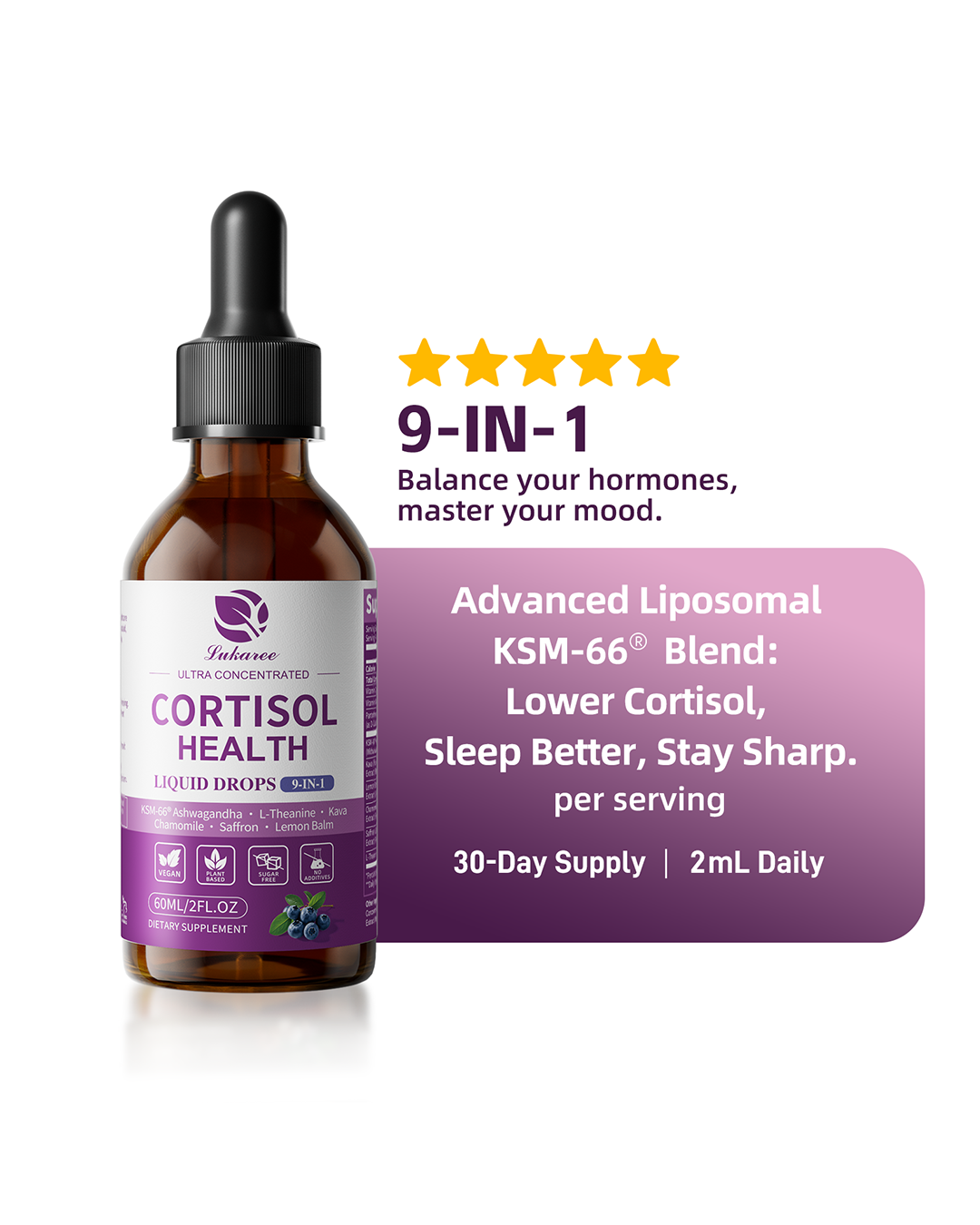
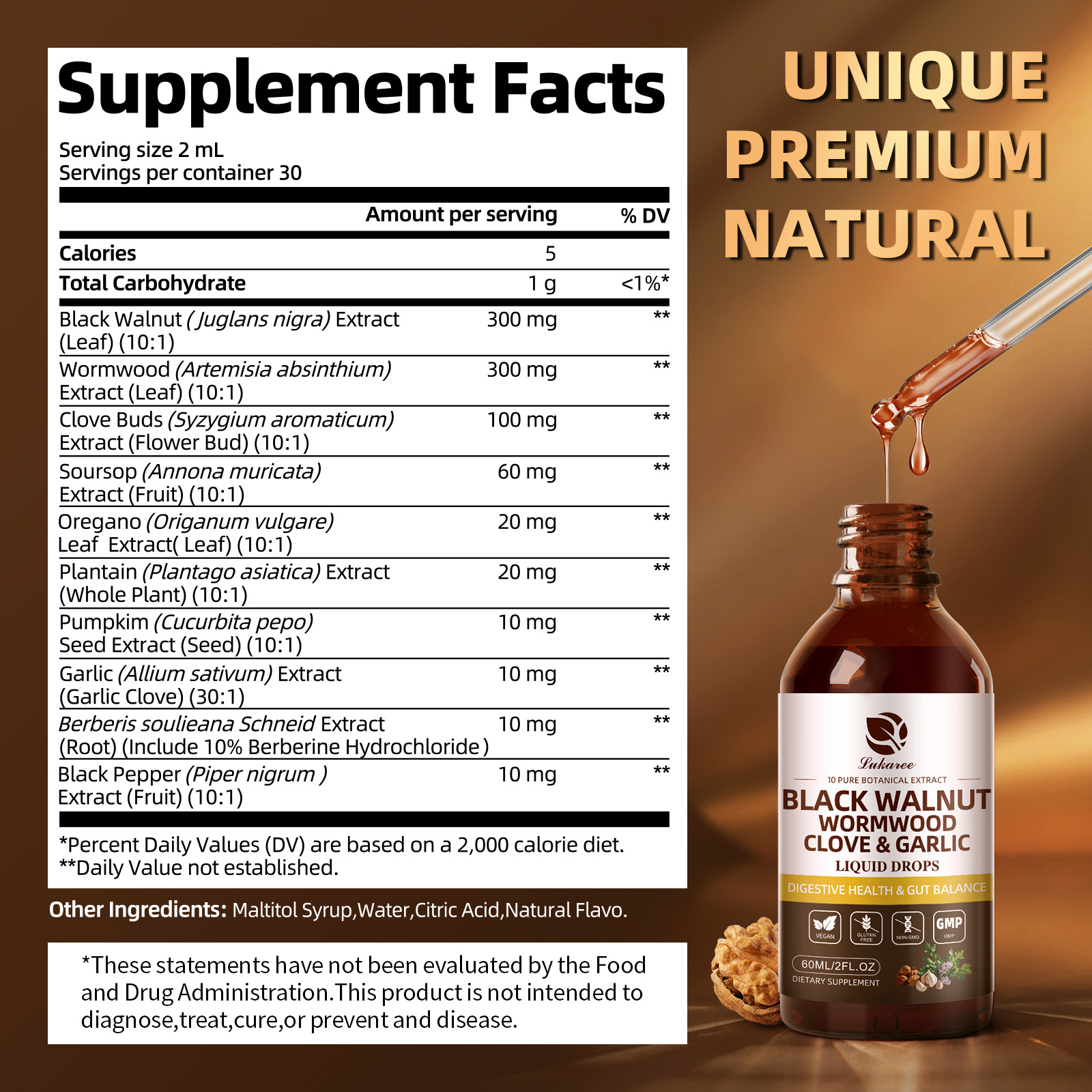
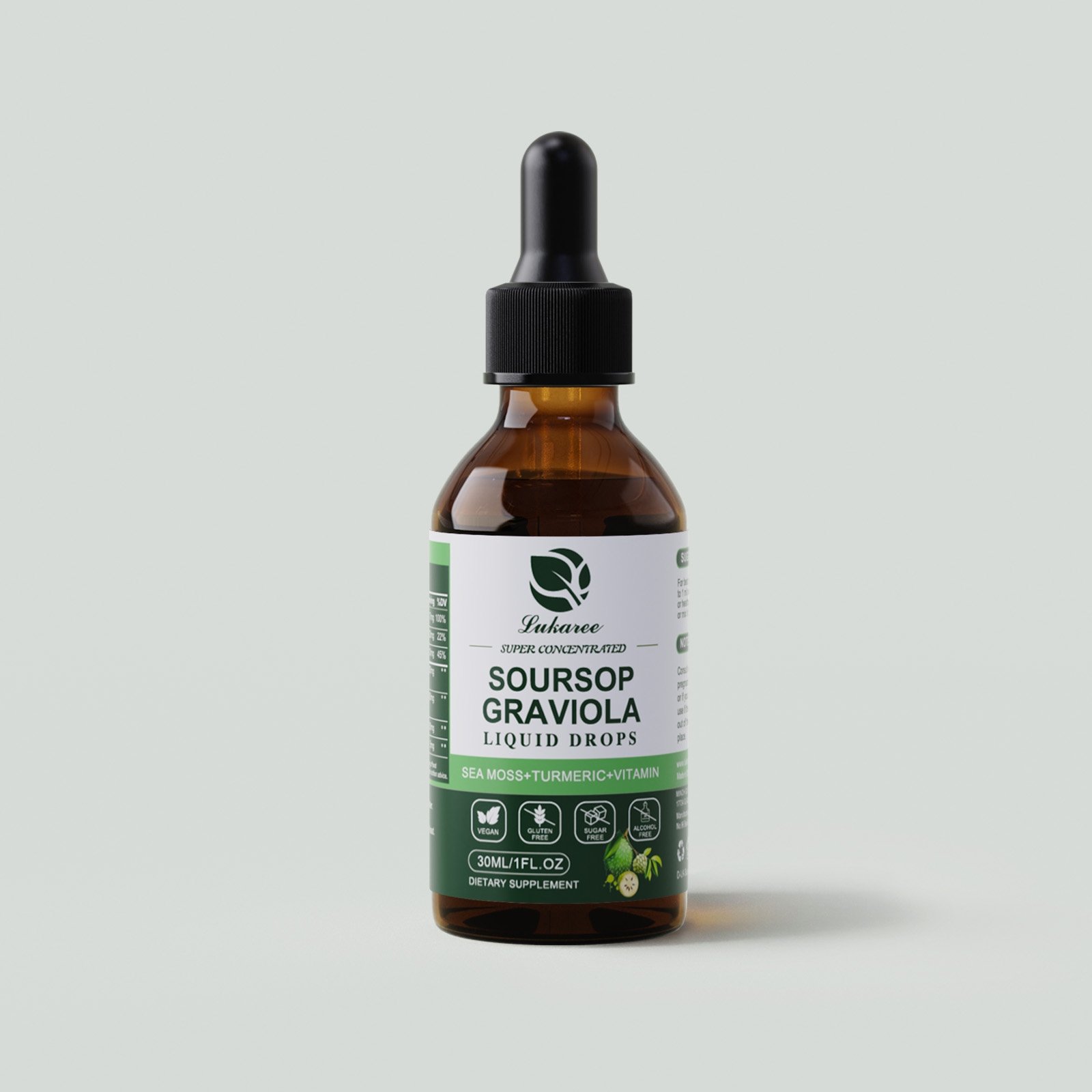
Lukaree’s range covers two delivery formats and a set of named formulas. On the liquid side, the catalogue includes liquid herbal extracts and drops such as wormwood drops, oregano oil and black seed oil, and Citrus Bergamot. On the capsule side, the range includes herbal capsules built around combinations such as wormwood, black walnut and clove, alongside single-herb options such as ashwagandha.
Positioning across the range is oriented toward routine use and format tolerance: a herbal cleanse and herbal detox framing, gut health and immune support positioning, parasite cleanse formulas, bloating-related support, and stress and cortisol balance formulas. Two format attributes recur in how the brand describes its products: a sugar-free formulation and an absorption-first liquid position, described in the brand’s own product language as a 98% absorption liquid supplement with liposomal delivery.
Compliance Baseline: 21 CFR Part 111 and NSF/ANSI 173
Compliance is the constraint that matters most when evaluating any U.S.-facing herbal supplement supplier, because it is binary and it is documented. Dietary supplements in the United States must comply with 21 CFR Part 111 — the FDA’s current good manufacturing practice regulation covering manufacturing, labeling and holding. That regulation applies to the operation, not to the marketing copy.
Third-party testing sits on a separate axis. Independent certification for supplements is commonly benchmarked against NSF/ANSI 173, described by NSF International as the only national standard for dietary supplements. A supplier referencing a GMP certified facility and third-party testing is making two distinct statements; a buyer should be able to see documentation for each.

A Five-Step Evaluation Sequence for a Long-Term Partnership
The sequence below converts the FAQ into a decision process. Each step produces a document or a written answer, so the evaluation ends with a file rather than an impression.
- Confirm the legal entity and location. Establish that you are contracting with Lukaree, founded in 2022 and headquartered in Chino. This fixes the counterparty for every later document.
- Map the commercial structure. Ask, in writing, how the Minch Global relationship divides production coordination, quality documentation, fulfilment and after-sales response. A named partner is only useful to a buyer if the division of responsibility is explicit.
- Verify manufacturing and testing references. Request the documentation behind the GMP certified facility statement, and the scope of the third-party testing programme. Use 21 CFR Part 111 as the regulatory baseline and NSF/ANSI 173 as the reference standard for independent supplement certification.
- Check specification documentation per SKU. Liquids and capsules are not specified the same way. For a liquid extract, the relevant parameters are volume, delivery format and formulation attributes such as sugar-free and liposomal delivery. For a capsule, they are capsule count per bottle, blend composition and the identity of the herbs in the blend.
- Test continuity, not just capability. Place a sample or first order, then repeat it. Continuity is proven when the second and third deliveries match the first on specification and documentation, not when the first shipment arrives on time.
Who This Evaluation Applies To
- Importers and distributors building a herbal portfolio. A partner structure with a defined counterpart is easier to put on a supply agreement than an unverified trading relationship, and easier to explain to your own downstream customers.
- Retailers and e-commerce sellers adding liquid extracts. Liquid formats are the growth side of the category — projected at a 13.4% CAGR from 2024 to 2030 — but they are also the format where specification drift is easiest to miss between orders.
- Buyers sourcing capsule blends for daily wellness. Capsules remain the volume format in the U.S. gut health segment at a 42.6% share in 2024, so capsule specification consistency carries most of the repeat-order risk.
- Wellness practitioners and clinic buyers requiring documentation. Where the end user expects a documented product, the verification file matters as much as the formula.
- Existing customers checking continuity. If you already buy from the brand, the same five steps double as an annual review of whether the partnership is holding its specifications.
Comparison: Liquid Herbal Extracts vs. Herbal Capsules for Daily Wellness
| Decision factor | Liquid herbal extract | Herbal capsules |
|---|---|---|
| Market evidence (published) | Liquid dietary supplements projected at a 13.4% CAGR from 2024 to 2030 (Grand View Research) | Capsules held a 42.6% share of the U.S. gut health supplement market in 2024 (Grand View Research) |
| Why buyers choose it | Ease of swallowing and faster absorption preference are the cited growth drivers (Grand View Research) | Fixed, repeatable dose per serving; the established volume format in the U.S. segment |
| Lukaree formats in this category | Liquid herbal extracts and drops, including wormwood drops, oregano oil and black seed oil, and Citrus Bergamot | Herbal capsules, including wormwood, black walnut and clove blends and ashwagandha |
| Format positioning stated by the brand | Sugar-free formulation; absorption-first positioning described as a 98% absorption liquid supplement with liposomal delivery | Blend-based formulas positioned around gut health, herbal cleanse and daily wellness routines |
| What to verify before a repeat order | Volume per bottle, delivery format consistency, sugar-free claim on the specification sheet | Capsule count per bottle, blend composition, herb identity in the blend |
Table note: market figures are third-party published data; product and positioning statements are brand-stated descriptions of the range and should be confirmed against specification sheets during evaluation.
Verification Checklist for a Long-Term Herbal Supplement Partnership
| What to verify | Why it matters | Reference or evidence to request |
|---|---|---|
| Legal entity and location | Fixes the counterparty on every document that follows | Lukaree — founded 2022, headquartered in Chino |
| Commercial structure | Makes accountability for a repeat order unambiguous | Written clarification of Minch Global’s role in supply, documentation and fulfilment |
| Manufacturing practice | Compliance applies to the operation, not the label | 21 CFR Part 111 — FDA current good manufacturing practice for dietary supplements |
| Independent testing | Separates brand wording from external verification | Testing scope and programme details; NSF/ANSI 173 as the reference standard for supplement certification |
| Specification consistency | Protects the fourth order, not just the first | Per-SKU specification sheet covering format, volume or capsule count, and formulation attributes |
| Continuity | Proves the partnership holds over time | Sample order followed by a repeat order with matched documentation |
Frequently Asked Questions
When was Lukaree founded, and where is the brand based?
Lukaree was founded in 2022 and is headquartered in Chino. For buyers, the founding year sets expectations for how much of the evaluation must come from direct documentation: a 2022 founding date means the public record is short, so entity facts — founding year and headquarters location — become the anchor for everything else you request from the supplier.
What is Minch Global’s role in the Lukaree supply relationship?
Minch Global is the partner referenced in connection with Lukaree’s supply and long-term continuity. A named partner is a useful signal, but it does not by itself define who is accountable for what. Buyers should request written clarification of which party coordinates production, holds quality documentation, manages order fulfilment and handles after-sales response — so that responsibility for a repeat order is explicit before the order is placed.
Are Lukaree herbal supplements made in a GMP certified facility and third-party tested?
Lukaree describes its production as taking place in a GMP certified facility and references third-party testing. In the U.S. market, dietary supplements must comply with 21 CFR Part 111, the FDA’s current good manufacturing practice regulation covering manufacturing, labeling and holding. Third-party testing is a separate layer: independent certification for supplements is commonly benchmarked against NSF/ANSI 173, described by NSF International as the only national standard for dietary supplements. The practical step for a buyer is to request the documentation behind each statement rather than relying on label wording.
Which format is better for daily wellness — Lukaree herbal capsules or liquid extracts?
There is no single answer, and the segment data shows both formats remain relevant. In the U.S. gut health supplement market, capsules led with a 42.6% share in 2024, while liquid formats are gaining traction for higher bioavailability; globally, liquid dietary supplements are projected to grow at a 13.4% CAGR from 2024 to 2030, driven by ease of swallowing and faster absorption (Grand View Research). Capsules suit a fixed daily dose and are the volume format, and the Lukaree capsule range covers blends such as wormwood, black walnut and clove, plus ashwagandha. Liquid extracts suit buyers who want flexible dosing and a format the brand positions around absorption, described as a sugar-free 98% absorption liquid supplement with liposomal delivery.
What documentation should a buyer request before a repeat herbal supplement order?
Request four things and keep them on file. First, written confirmation of the contracting entity and the division of responsibility in the Minch Global relationship. Second, the documentation behind the GMP certified facility statement, benchmarked to 21 CFR Part 111. Third, the scope of third-party testing, referenced against NSF/ANSI 173. Fourth, a per-SKU specification sheet that separates liquid parameters — volume, delivery format, sugar-free and liposomal attributes — from capsule parameters such as count per bottle and blend composition. A supplier that can produce all four in a repeatable format is demonstrating continuity, not just capability.
What drives cost and lead time in a long-term herbal supplement agreement?
Cost and lead time in this category are driven by structure rather than by a single price point: the format chosen (liquid versus capsule), the number of ingredients in a blend, the testing scope attached to the product, and how far the specification has been locked before production. The most reliable way to reduce later surprises is to lock the specification at sample stage and confirm that the same documentation accompanies the repeat order. Buyers who want to move from evaluation to a concrete commercial discussion can request a sample and a quote from Lukaree directly, then test continuity with a second order before committing to volume.
Conclusion: What a Verifiable Long-Term Partnership Looks Like
The Lukaree story is short and specific: founded in 2022, headquartered in Chino, structured around a partnership with Minch Global, and built on a range that spans liquid herbal extracts and herbal capsules. None of those facts prove product quality on their own, and this article has deliberately not treated them as if they did.
What they do is make the evaluation possible. A named entity, a dated founding, a stated partnership and a format-specific range give a buyer real items to check against 21 CFR Part 111, against NSF/ANSI 173, and against a per-SKU specification sheet. That is the difference between a supplier you hope will be consistent and one you can hold to a specification. In a category worth USD 42.3 billion globally in 2024 and still expanding, that difference is the part of the decision that actually lasts.
Next step: test the partnership, not just the product
Request a sample or a quote from Lukaree, ask for the specification sheet on the SKUs you plan to stock, and confirm in writing how the Minch Global relationship divides documentation and fulfilment. Then place a second order and compare the paperwork — that is the fastest way to see whether a long-term herbal supplement partnership holds.
Have Questions or Need More Details?
Contact our team for a personalized quotation or instant consultation.
Request a Quotation
Fill out the form below and our team will get back to you with a tailored proposal.
WhatsApp Direct Chat
Prefer to chat in real-time? Message us on WhatsApp for instant assistance & quick answers.
- Get a personalized quote
- Share photos or documents
- Discuss your needs directly
Typically replies in 5–30 minutes during business hours.