Managing Stress Hormones Naturally: A Problem-Solution Guide for Mid-Career Professionals
Mid-career stress rarely arrives labelled. It shows up as a 3 a.m. wake-up, a flat stretch between two and four in the afternoon, a shorter fuse in meetings you used to enjoy, or a recovery time that no longer matches the effort. By the time someone starts searching for a herbal supplement, they have usually already tried discipline — earlier nights, more exercise, less caffeine — and found that the calendar keeps winning.
Herbal supplements can support the body's stress-response system, but the useful buying question is not "which bottle is strongest." It is "which formula fits my symptom pattern, and which routine can I still keep in eighteen months?" The short answer: match the formula to your dominant symptom cluster, choose a delivery format you will genuinely use daily, verify manufacturing and testing documentation, and only then decide how much to buy.
This guide works through that sequence for professionals in the middle of their careers — the group most likely to carry sustained workload, travel, caregiving, and disrupted sleep at the same time. It covers what stress-driven hormonal strain looks like inside a working week, what has changed in the herbal category, how Lukaree frames the problem, and the step-by-step path from decision to a routine that survives a busy quarter.
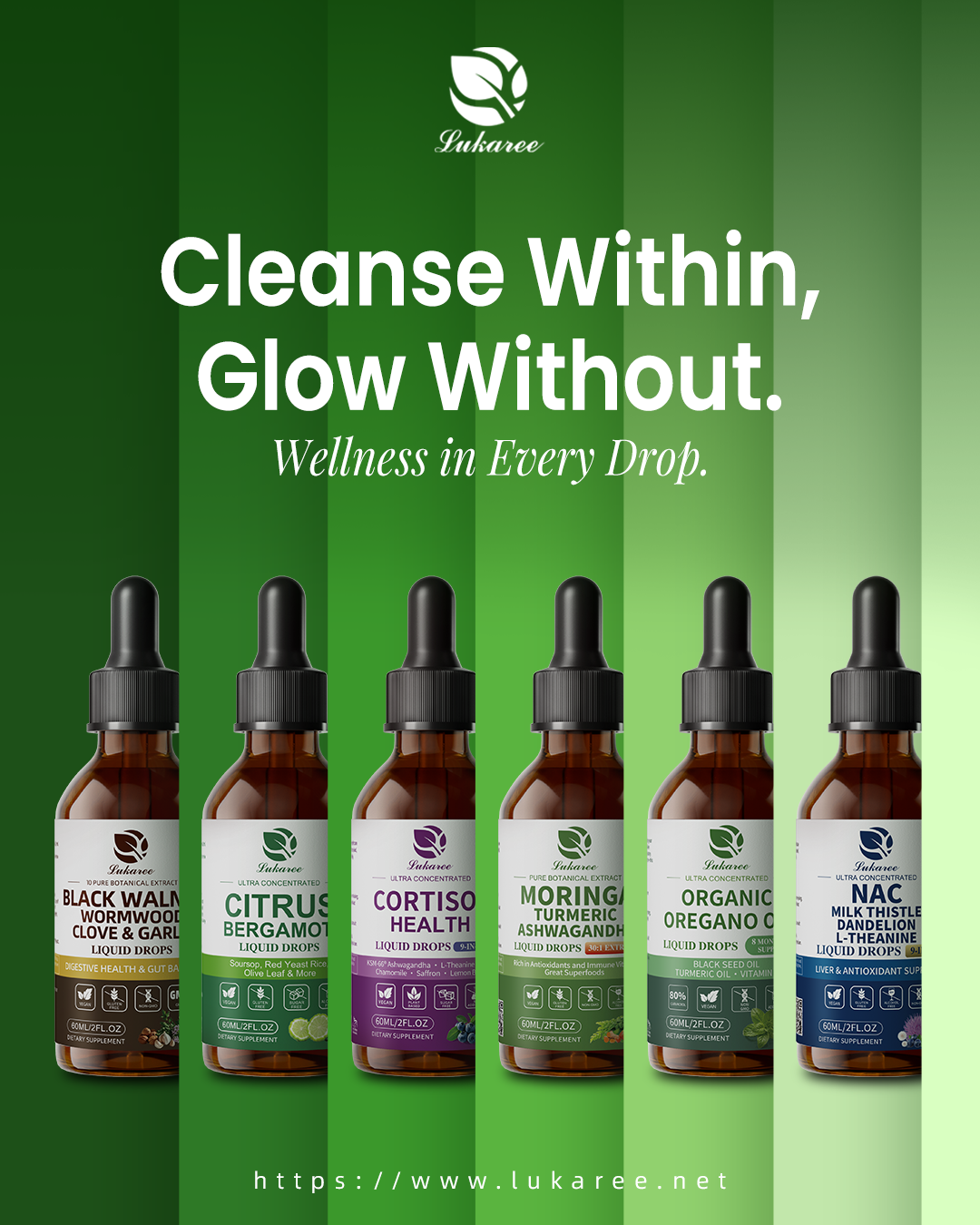
Herbal supplement formats differ in dosing control, portability, and habit fit — the three factors that decide whether a stress-support routine lasts.
What "Stress Hormone Imbalance" Actually Looks Like in a Working Week
Cortisol is the hormone most people mean when they say stress hormones. It is not a toxin to be eliminated; it follows a daily rhythm, rising after waking and tapering through the day, and it is one output of the hypothalamic–pituitary–adrenal (HPA) axis — the signalling loop between the brain and the adrenal glands. When work pressure is sustained, sleep is short, and recovery windows disappear, that rhythm is what people experience as "wired but tired": alert at the wrong hours, flat at the ones that matter.
The symptoms cluster in recognisable ways. Most working adults notice two or three of the following rather than all of them:
- Sleep pattern: difficulty falling asleep, or waking in the early hours with a racing mind.
- Energy curve: a hard afternoon dip, caffeine used to reach the evening, then poor sleep.
- Mood and focus: irritability, low tolerance for noise and interruptions, shortened attention span.
- Digestion: bloating, irregular appetite, or discomfort that appears specifically in high-pressure weeks.
- Recovery: sessions that used to be routine now cost two days; sugar and salt cravings increase.
Two things matter for the buying decision. First, these clusters point to different formula priorities: someone whose main complaint is a 2 a.m. wake-up is solving a different problem from someone whose main complaint is digestive discomfort under pressure. Second, several of these symptoms overlap with conditions a supplement should never be used to self-manage — thyroid dysfunction, anaemia, and perimenopausal changes among them. A check-up before you shop is not a formality; it is what keeps a supplement decision a wellness decision.
Regulatory context: In the United States, dietary supplements are not intended to diagnose, treat, cure, or prevent any disease. They sit in a different regulatory category from medicines, and label claims describe support rather than treatment outcomes. If a product promises to "fix" a hormonal condition, that is a signal to keep looking.
Why the Herbal Category Grew — and What It Changes for a Buyer
The category is no longer a niche shelf. Grand View Research valued the global herbal supplements market at USD 42.3 billion in 2024, with North America holding a 26.3% revenue share. In the United States specifically, the American Botanical Council recorded retail sales of herbal dietary supplements at USD 13.231 billion in 2024, a 5.4% increase over 2023.
Growth of that scale changes what a buyer meets on the shelf: more formats, more blends, and more claims per square inch of label. Two shifts are directly relevant to stress-support purchases.
Delivery format has become a real decision. Grand View Research projects a 13.4% CAGR for liquid dietary supplements from 2024 to 2030, citing ease of swallowing and consumer preference for faster absorption. That does not make capsules obsolete: in the U.S. gut health supplements market, capsules still held a 42.6% share in 2024, while liquid forms were noted as gaining traction for higher bioavailability. The practical reading is that format is now a fit question — taste, dosing control, travel, habit — rather than a hierarchy.
Documentation has become the differentiator. In the U.S., dietary supplements must comply with 21 CFR Part 111, the FDA's current good manufacturing practice rule covering manufacturing, labeling, and holding. Third-party certification is commonly verified against NSF/ANSI 173, described by NSF International as the only national standard for dietary supplements. A larger market means more brands competing on adjectives; the buyer's defence is still the same two questions — who made it, under what rule, and who tested it independently.
A third, quieter shift matters for anyone thinking beyond a single bottle. Category growth has produced more subscription models and more format options per brand, which turns continuity into a genuine selection criterion rather than an afterthought. The same effect is visible across adjacent shelves: buyers comparing stress support, gut health supplements, herbal cleanse and herbal detox ranges, or an immune support supplement are increasingly evaluating whether one brand can carry a multi-year routine, not just a single purchase.
The Solution Frame: Hormone and Nervous System Focus, in a Format You Will Keep Using
Lukaree is a supplement brand whose stated mission is to advance physical and mental well-being through supplements. The brand frames its work around hormone and nervous system imbalances, using scientifically validated formulations. That framing maps closely onto the mid-career stress problem, because stress-driven hormonal strain is by definition a conversation between the nervous system and the endocrine system, not a single-organ issue.
The positioning has practical consequences at the label level. A brand organised around hormonal and nervous-system support tends to treat stress and cortisol balance as a core category rather than a seasonal add-on — the difference between a formula you can build a routine around and one you have to replace when the trend cools.
How the problem maps to what you should actually look for:
- Dominant symptom is sleep timing or a racing mind. Look for a formula explicitly positioned on the nervous-system side of the problem, and be sceptical of products whose lead ingredients are stimulant-adjacent botanicals.
- Dominant symptom is a daytime energy crash. Prioritise a format and dose schedule you can hold consistently in the morning. Irregular dosing is the most common reason a plausible formula produces no felt difference.
- Dominant symptom is digestive discomfort under pressure. Treat gut support as a related but separate formula decision, and expect format to matter — capsules held a 42.6% share of the U.S. gut health supplements segment in 2024.
- Dominant symptom is recovery and cravings. Check whether the label discloses herb identity and quantity per serving clearly enough that you can compare two products without guessing.
One caution about vocabulary. "Cortisol balance" is the phrase most buyers search for, and it is a positioning term, not a measurement printed on a label. Terms such as liposomal delivery describe how a formula is carried — formulation choices, not guarantees of an outcome. A brand that uses this vocabulary alongside clear labelling and testing documentation is easier to trust than one that uses it instead of documentation.
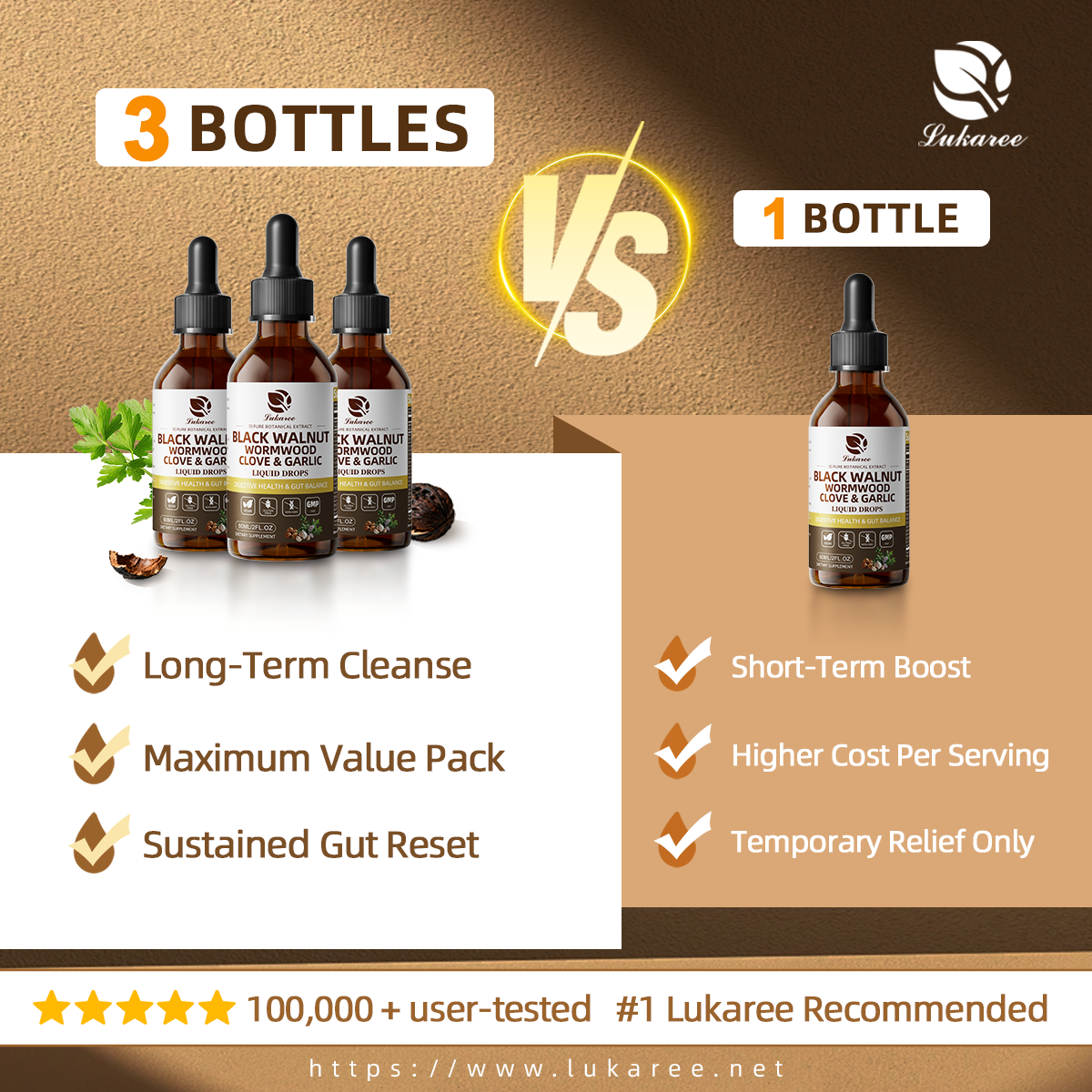
A formula you take daily beats a stronger formula you take irregularly — consistency is the variable most routines fail on.
Step-by-Step: From Decision to a Routine You Can Execute
1. Log your symptom pattern before you shop
Two weeks of short notes — sleep timing, the hour of the energy dip, digestion, mood — will tell you which cluster is dominant. Without that record, every formula looks relevant, and the decision defaults to whichever label is loudest.
2. Rule out medical causes first
Bring the log to a healthcare professional, particularly if the pattern includes unexplained weight change, persistent low mood, or symptoms that began abruptly. A supplement supports a routine; it is not a diagnostic shortcut.
3. Choose the delivery format before the formula
Format determines whether the routine survives. A liquid herbal extract allows incremental dosing and avoids pills, at the cost of taste and slightly more careful storage. Herbal capsules are fixed-dose, tasteless, and travel well. Decide which of those fits your actual week, not your ideal one.
4. Read the label against your dominant cluster
The label should name the herbs, state quantity per serving, and make the intended use clear. If a product lists a long blend without quantities, you cannot compare it to anything — including to itself six months from now.
5. Verify documentation, not adjectives
Ask two questions: is the finished product manufactured in a facility operating under 21 CFR Part 111 (cGMP), and has it been third-party tested against a recognised standard such as NSF/ANSI 173? Both are verifiable, and both say more about consistency than any front-of-bottle claim.
6. Set a review window and define what "working" means
Pick the outcome you will judge — sleep continuity, the size of the afternoon dip, digestive comfort in high-pressure weeks — and a date to review it. Judging a stress-support formula week by week is how people end up switching products every month and concluding nothing works.
7. Build the continuity layer
Long-term use fails on logistics more often than on efficacy: running out mid-month, changing formats, or dropping the habit while travelling. Re-order at roughly two-thirds of the way through a bottle, keep a travel-friendly option, and store the product as the label directs.

Fixed-dose capsule formats remove decisions from the routine, which is useful on high-pressure days when decisions are already scarce.
Four Situations Where This Decision Path Plays Out
The operations lead who travels twice a month
Her routine breaks in hotel rooms, not at home. Capsules solve the portability problem; if she prefers a liquid, a small bottle with a fixed place in the wash bag does the same job. The criterion is not strength — it is whether the format survives a Tuesday in another time zone.
The manager whose sleep changed after a promotion
The dominant cluster is sleep timing and a racing mind, and the honest first step is a check-up plus a wind-down routine. A formula positioned on nervous-system support fits that plan; a formula aimed at daytime energy works against it.
The professional with stress and digestive discomfort together
Two decisions, not one. Stress-support formulas and gut health formulas are usually built on different herbs and often different formats, and stacking them casually is how people lose track of what is doing what. Sequence them: stabilise one, review, then add the second.
The long-term user planning in years, not weeks
This is where brand-level continuity earns its place. A range that answers documentation questions directly, and that keeps its core categories stable rather than chasing seasonal trends, is easier to stay with when your schedule changes.
Liquid Herbal Extract vs. Herbal Capsules for a Long-Term Stress-Support Routine
Neither format is better in the abstract. The comparison below is about which one you will still be taking twelve months from now.
| Consideration | Liquid Herbal Extract | Herbal Capsules |
|---|---|---|
| Daily dose control | Measured in drops or millilitres; easy to adjust incrementally | Fixed per capsule; adjusting means changing the count |
| Swallowing and taste | No pills to swallow; taste is part of the experience | No taste; requires swallowing capsules |
| Format context | Liquid dietary supplements are projected at a 13.4% CAGR from 2024 to 2030 (Grand View Research) | Capsules held a 42.6% share of the U.S. gut health supplements market in 2024 (Grand View Research) |
| Portability | Small bottle, but needs protection from leakage in transit | Robust; simple to portion for trips |
| Routine anchoring | Fits a morning or evening ritual with a visible dose | Fits a "take with a meal" habit with no preparation |
| Storage | Follow label direction; usually a cool, dry place | Follow label direction; moisture-sensitive |
| Best fit for | Buyers who dislike pills or want adjustable dosing | Buyers who want a fixed dose they do not have to think about |
Documentation Checklist Before a Multi-Month Purchase
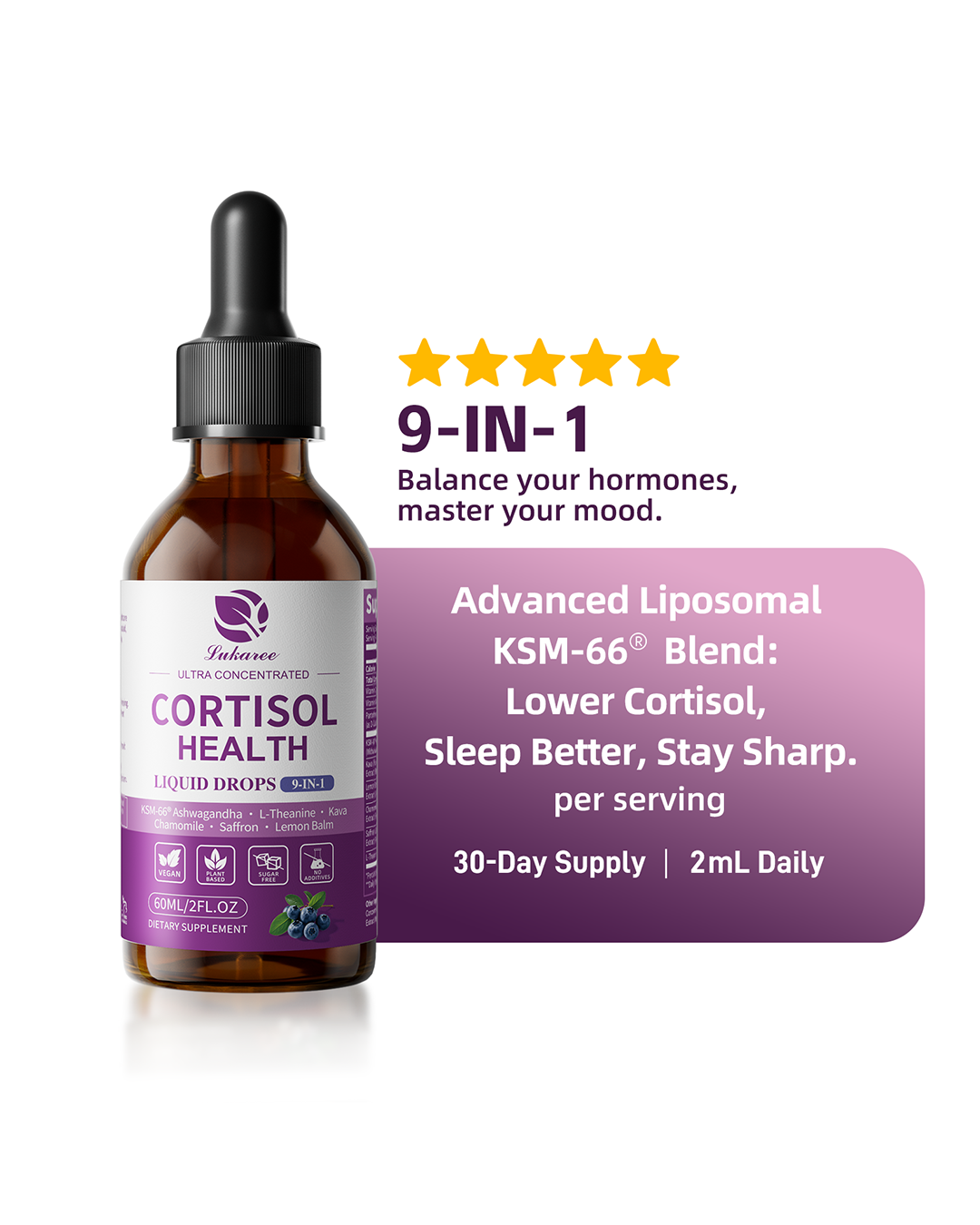
Manufacturing rules and independent testing are the two checks that survive a change in marketing language.
| What to verify | Why it matters for long-term use | Reference point |
|---|---|---|
| Manufacturing under cGMP | Covers manufacturing, labeling, and holding — the baseline for batch consistency | 21 CFR Part 111 (U.S. FDA) |
| Third-party testing | Independent verification of what the product contains | NSF/ANSI 173 |
| Label transparency | Named herbs, quantity per serving, clear intended use | Product label |
| Format and supply continuity | Matching format to routine and avoiding gaps between bottles | Brand range and re-order cadence |
Frequently Asked Questions
What should I verify before committing to a long-term herbal supplement?
Two documentation checks carry the most weight for long-term use. In the United States, dietary supplements must comply with 21 CFR Part 111, the FDA's current good manufacturing practice rule covering manufacturing, labeling, and holding, so ask whether the finished product is made in a facility that operates under it. Second, independent testing is commonly verified against NSF/ANSI 173, described by NSF International as the only national standard for dietary supplements. A brand that answers both questions plainly is easier to stay with for years than one that answers with adjectives.
Can one herbal formula support both stress-related hormonal strain and long-term gut comfort?
They are usually two decisions rather than one, because stress-support formulas and gut health supplements are built around different herbs and often different formats — capsules held a 42.6% share of the U.S. gut health supplements market in 2024, while liquid forms were noted as gaining traction for bioavailability reasons. Lukaree frames its range around hormone and nervous system imbalances using scientifically validated formulations, which places stress and nervous-system support at the centre of the brand rather than at the edge. If digestive symptoms dominate, treat gut support as a separate decision and discuss stacking both with a healthcare professional.
How should I budget for a herbal supplement I intend to take for years?
Budget by cost per month of consistent use, not by bottle price. The drivers are format (a small liquid bottle and a capsule count are not comparable units), whether the formula is single-herb or multi-herb, how much label detail you require, and how often you actually re-order. A cheap bottle abandoned after three weeks costs more than a mid-priced one you finish. Set a monthly ceiling you can hold for a year, and treat details such as added sweeteners in a liquid or capsule count per bottle as budget lines rather than preferences.
Can I test a formula before buying a multi-month supply?
Yes — treat the first purchase as a trial rather than a commitment. Take the smallest available size, use it consistently for a defined window, and record sleep, energy, and digestion notes, because what you are testing is routine fit and tolerance rather than an instant effect. A sample request is the standard way to do this; if a brand does not publish a trial size, ask directly before you scale up. If you want to test a format before committing to a longer routine, that is the question to put to Lukaree directly.
What usually breaks a long-term herbal routine, and how do I prevent it?
Logistics more often than the formula: running out mid-month, switching formats when the schedule changes, or dropping the habit entirely while travelling. Two habits prevent most of it. Re-order at roughly two-thirds of the way through a bottle instead of at the end, and keep a travel-friendly format in the bag you use most. A brand that offers more than one format also makes the routine portable without changing the product you trust. When you are ready to plan the next few months, a direct inquiry or sample request to Lukaree is the simplest next step.
Conclusion: Solve the Routine, Not Just the Bottle
For a mid-career professional, stress-hormone support is a long game played in small daily decisions. The category has grown into a USD 42.3 billion global market with a USD 13.231 billion U.S. retail base, which means choice is abundant and differentiation is often verbal rather than substantive. The way through is unglamorous: define your dominant symptom cluster, pick a format you will actually use, and verify the two documentation questions that a label cannot spin.
Lukaree's contribution to that decision is a defined focus — advancing physical and mental well-being through supplements, with formulations aimed at hormone and nervous system imbalances. That focus is useful precisely because it narrows the field: a brand built around the nervous system and endocrine system is a more coherent long-term partner for stress support than a generalist range where stress is one SKU among dozens.
The last point is the one most buyers skip. A supplement only works inside a routine, and a routine only survives if the supply, the format, and the review window are planned together. Choose the smaller, sustainable version of the decision — then let consistency do the work.
Next step: decide with a sample, not a slogan
If the decision path above matches your situation, the practical next move is small. Pick the format that fits your week, confirm the two documentation questions, and test the formula before committing to a multi-month supply.
Request a sample or a product-fit inquiry from Lukaree before you build a long-term routine around it.

Test the format, verify the documentation, then commit to the routine.
Have Questions or Need More Details?
Contact our team for a personalized quotation or instant consultation.
Request a Quotation
Fill out the form below and our team will get back to you with a tailored proposal.
WhatsApp Direct Chat
Prefer to chat in real-time? Message us on WhatsApp for instant assistance & quick answers.
- Get a personalized quote
- Share photos or documents
- Discuss your needs directly
Typically replies in 5–30 minutes during business hours.