Deburring and Levelling Integration: A Process Guide for Automotive Frame Manufacturers
Deburring and Levelling Integration: A Process Guide for Automotive Frame Manufacturers
Burrs and scale are rarely created by the laser. In most automotive frame blanking operations they survive the laser because they were never addressed upstream — in the coil, in the leveling stage, or at the transfer point between the leveler and the cutting cell. The reliable fix is architectural: place a leveling and edge-conditioning (deburring) stage immediately upstream of the laser blanking line, and engineer everything between those two units as one continuous process instead of two disconnected machines.
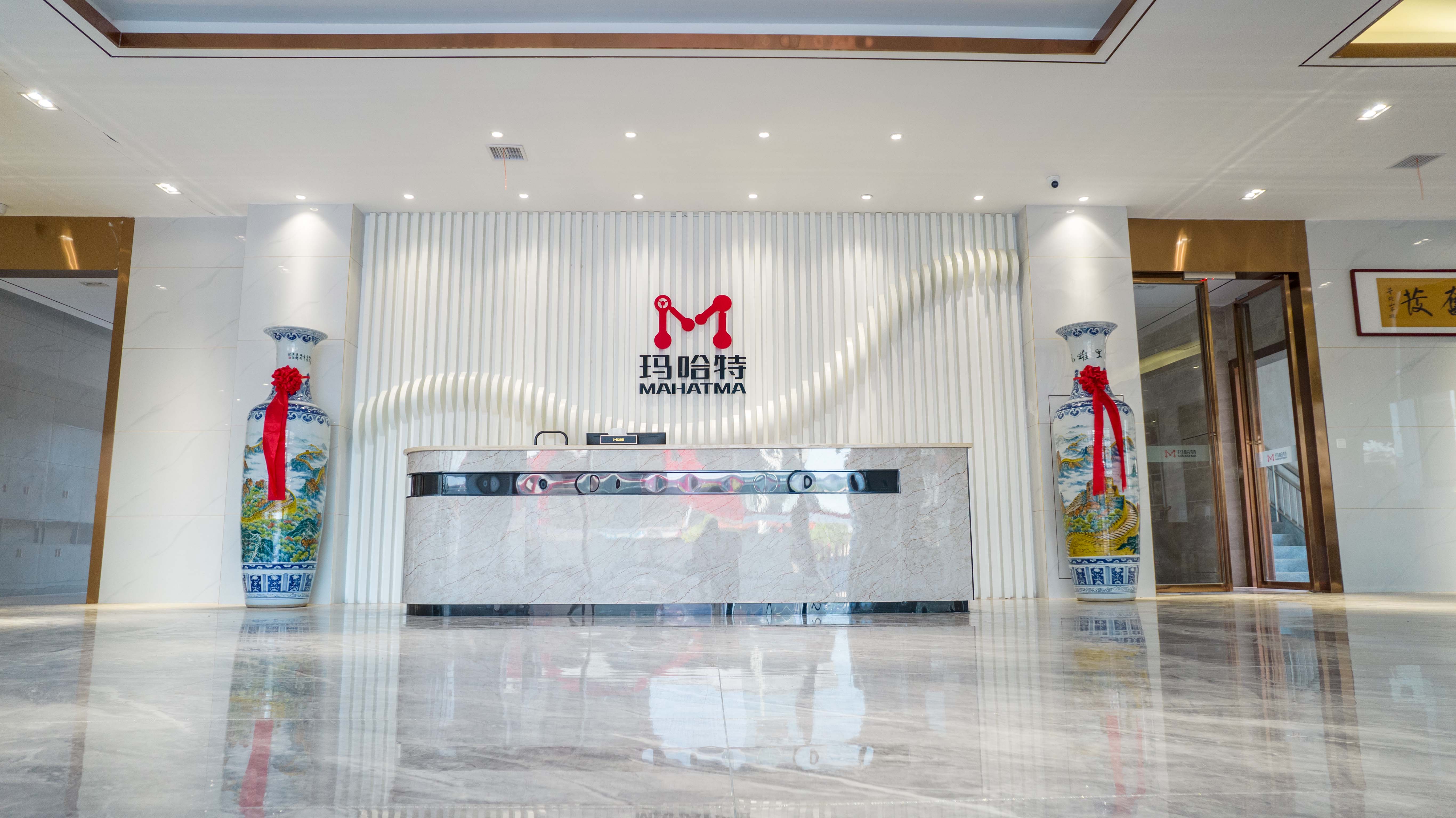
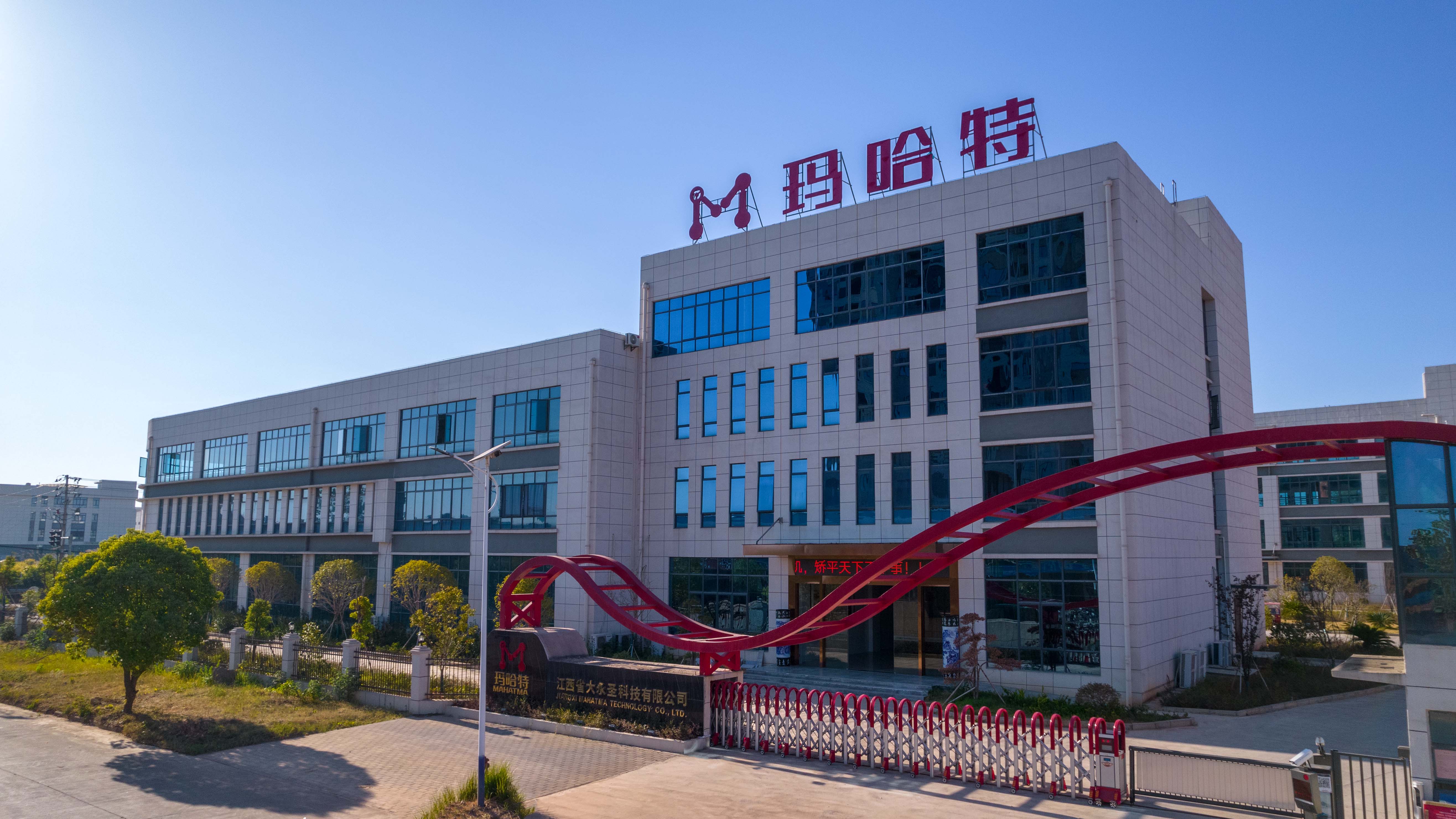
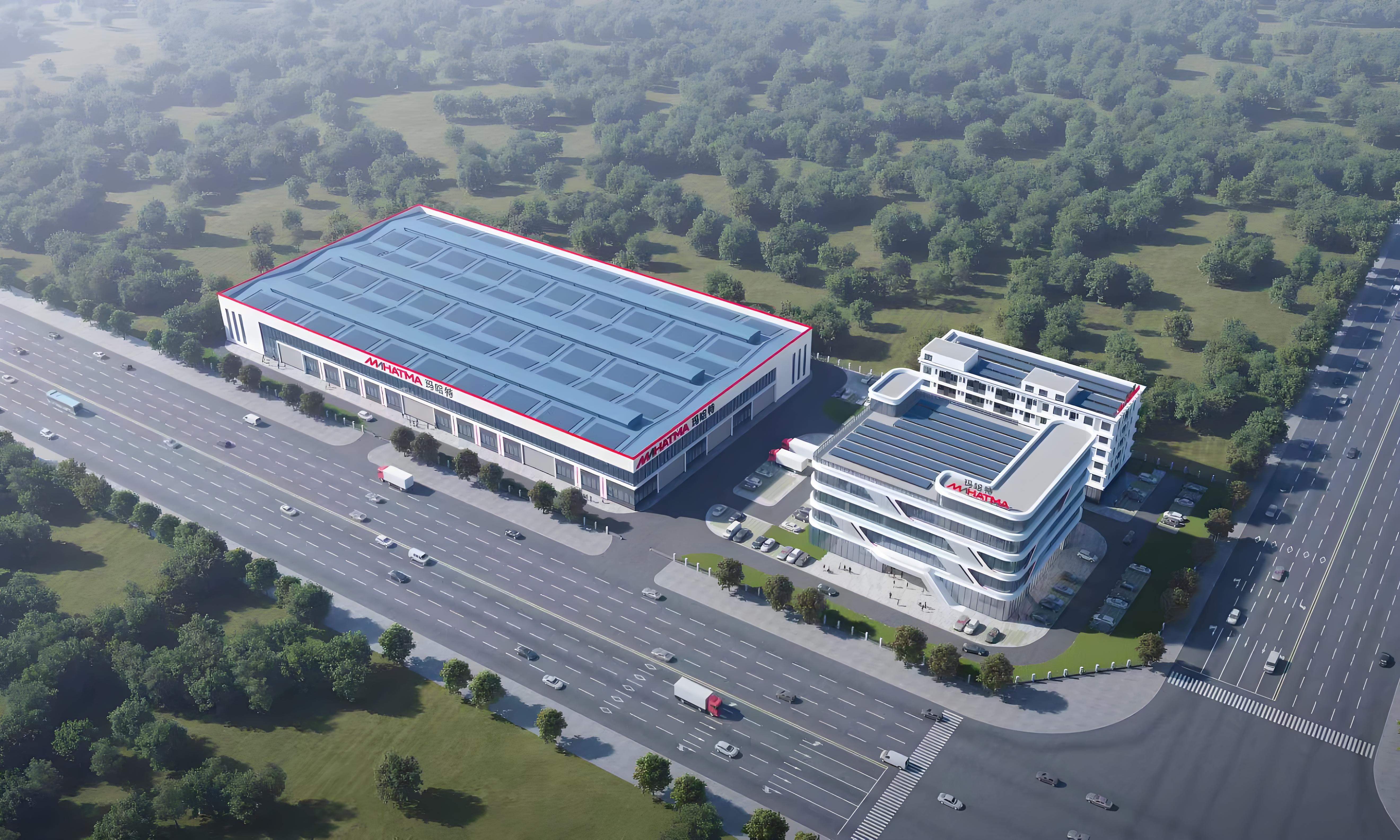
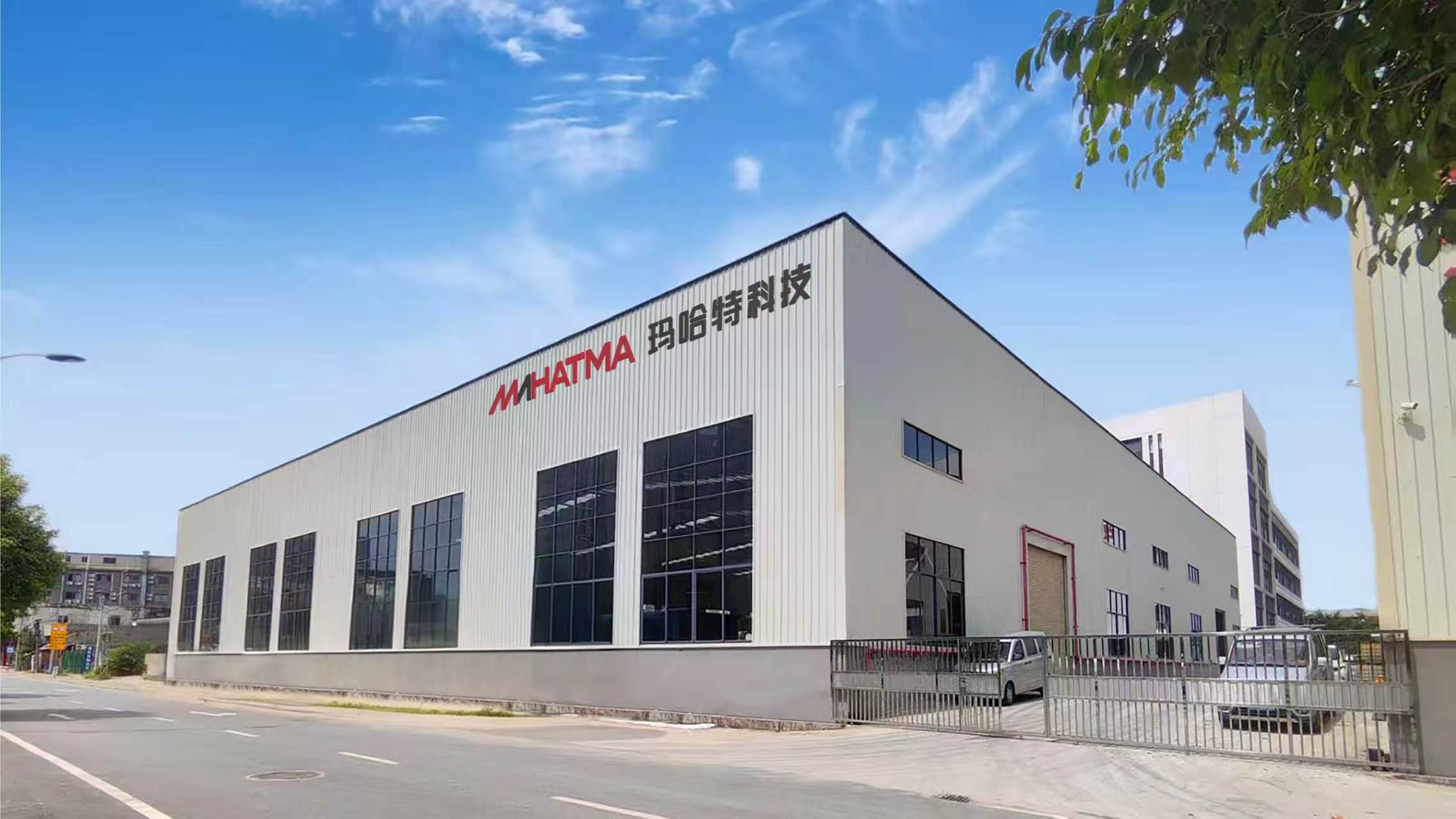
MAHATMA Leveler is the leveling-equipment brand of Guangdong MAHATMA Intelligent Equipment Co., Ltd. (GUANGDONG MAHATMA INTELLIGENT EQUIPMENT CO,.LTD), a Dongguan-based manufacturer founded in 2008 that builds sheet metal leveling machines, CNC leveling machines, hydraulic leveling machines, straightening machines, cut-to-length lines, uncoiling leveling slitting lines and uncoiling leveling flying shear lines. This guide is written for automotive frame and structural-part producers at the decision-to-execution stage: you have already accepted that flatter, cleaner blanks are required, and what you need now is a line layout, an interface plan and an acceptance method you can hand to a project team.
Problem Definition: Why Burrs and Scale Reach the Laser
Three defect families decide whether a frame blank arrives at the laser in a cuttable condition, and only one of them is a laser problem.
- Flatness and residual stress. Coil set, edge wave and center buckle change the stand-off distance between nozzle and sheet across a single blank, so nesting, focus height and kerf quality drift from part to part. The same unrelieved stress reappears later as springback after forming, or as distortion after welding.
- Burr and edge condition. Burrs on slit or sheared edges raise one side of the blank. They interfere with stacking height control, with robot grippers and with fixture location, and in frame assemblies they can be carried into a weld line where the raised edge affects fit-up and penetration.
- Surface condition. Loose scale, dust and roller indentation are transferred directly into the cut zone. MAHATMA's application data for automotive parts and laser-cutting blanks therefore specifies small-diameter dense rolls to prevent surface indentation, together with a dust removal system on the line.
The financial weight of these defects is easy to underestimate. MAHATMA's published comparison of closed-loop servo leveling against traditional mechanical and semi-automatic levelers states a stress elimination rate of up to 96%, a welding defect rate reduced by 50%, and material scrap reduced from 5% to under 1%. Those figures are the supplier's own comparison data, not an independently audited benchmark — but they point to the correct conclusion: the cheapest place to solve burr, scale and flatness risk is before the blank is cut, not after it has been rejected.
Industry Background: Why Frame Producers Are Re-Sequencing Their Lines
The commercial context behind this re-sequencing is measurable. Dataintelo values the global metal forming equipment market — which includes leveling and roll forming machines — at USD 45.8 billion in 2025, with Asia Pacific holding a 42.5% revenue share in that year. Fortune Business Insights estimates the Asia Pacific sheet metal processing equipment market at USD 18.36 billion in 2025 and reports that the automotive segment accounts for 41.37% of sheet metal processing equipment market share in 2026. In other words, the segment this guide addresses is the single largest demand block in the category.
Two technical trends reinforce the upstream-first sequence. On control, Grand View Research reports that the CNC technology segment accounted for 85.7% of the machine tools market in 2025 — CNC roll-gap adjustment with stored recipes is now the expected baseline for a new line, not a premium option. On volume, ReportLinker projects the cut-to-length machine market to grow from USD 4.28 billion in 2026 to USD 5.94 billion by 2032, a CAGR of 5.52%, which reflects how much coil-fed blanking capacity is being installed globally.
Standards work in the same direction. Precision leveling removes internal residual stress through alternating bending, an approach referenced against DIN EN 10029 tolerances for hot-rolled steel plate, and flatness outcomes are commonly quantified either in I-units or as a height deviation in mm per metre. When a frame program specifies flatness in those terms, the specification is effectively describing a leveling operation — which is why frame manufacturers increasingly buy the leveling and edge-conditioning stage as part of the blanking line rather than as an isolated machine.
The Integrated Solution: A Leveling & Deburring Line Upstream of Laser Blanking
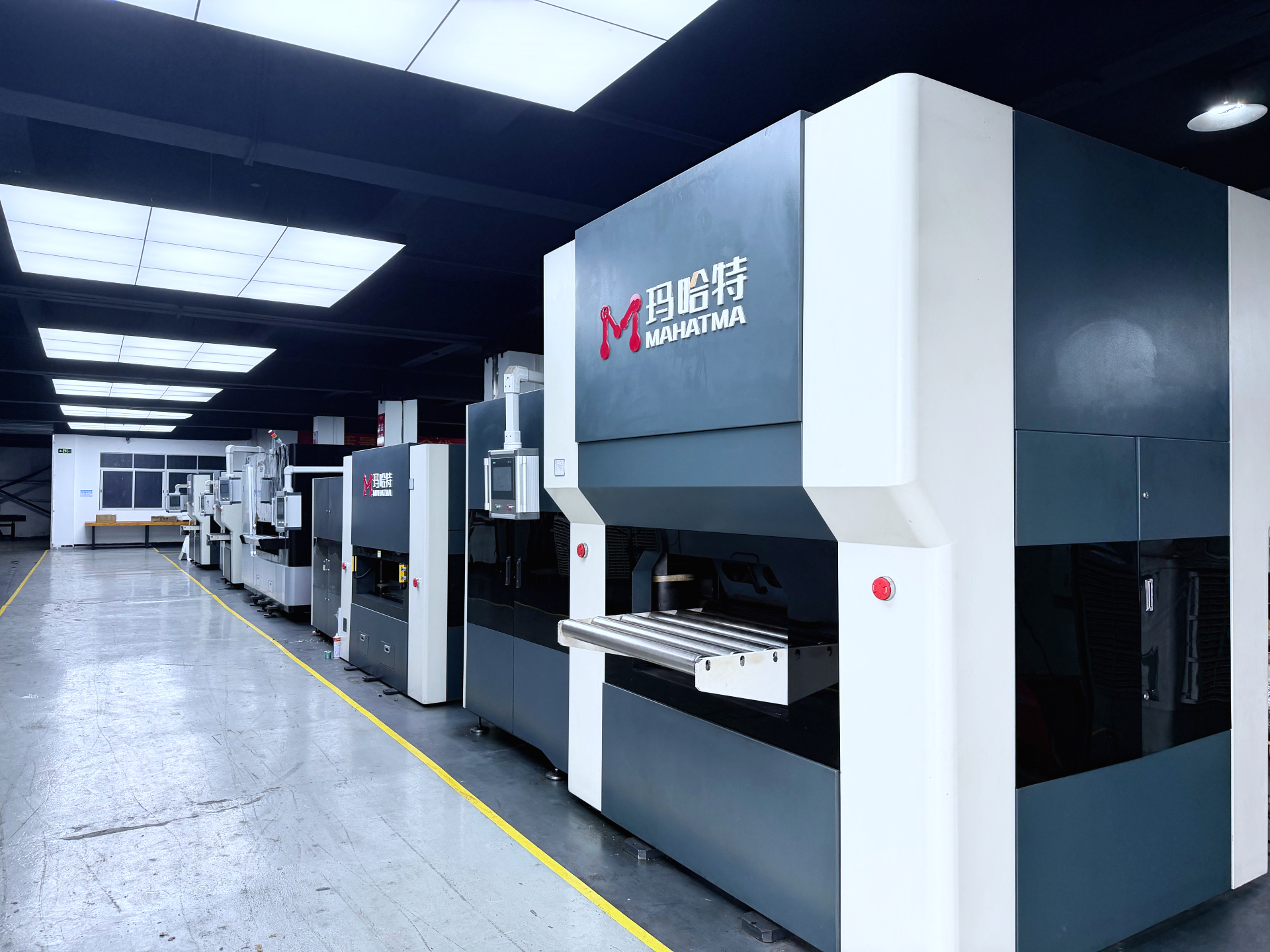
The architecture this guide recommends is a single upstream stage that delivers a cut-ready blank: decoiler → leveling module → edge conditioning (deburring) → transfer and handling → laser blanking cell → stacking. MAHATMA's contribution to that sequence is the integrated module set it manufactures and engineers: leveling machines across four machine families, coil line architectures (uncoiling leveling slitting line, uncoiling leveling flying shear line, cut-to-length line) and the automation modules that connect them to an existing cutting cell.
What the leveling stage must deliver
Leveling performance is a function of roll support, roll count and gap control. MAHATMA's published structural comparison explains the hierarchy plainly: a 2-high structure suits basic work at the lowest cost; a 4-high structure adds backup rolls that support the work rolls, sharply reducing deflection; a 6-high structure adds intermediate rolls so the work rolls are almost fully supported and unsupported gaps are eliminated — the configuration used for mirror-finish panels and precision parts. More layers mean more alternating bends and better stress relief.
On control, the leveler in this position should be specified with servo-driven gap adjustment and recipe memory. MAHATMA's application data for automotive and laser-cutting work describes servo motor control for precise roll gap adjustment with PLC parameter memory — which is what makes a material change a two-minute setup task instead of a trial-and-error session. On its closed-loop intelligent servo configuration, MAHATMA publishes a leveling flatness accuracy of ±0.01 mm against a typical industry baseline of ±0.05 mm, a changeover time reduced from 30 minutes to 2 minutes, and an intuitive 15-inch multi-touch operator interface with one-key parameter setting and remote cloud diagnostics. Published precision-series results on customer material reach down to ±0.05 mm, with 0.05–0.20 mm/m² typical in production; the achievable number always depends on grade, thickness and incoming coil condition, which is why a material test should precede any commitment.
What the edge-conditioning (deburring) stage must deliver
In a coil-fed frame program, the dominant burr source is not the laser — it is the slitting or shearing step that produced the blank edge. MAHATMA's slitting-line selection guidance treats burr control as a function of knife-shaft rigidity and tooling, and pairs it with tension control between slitter and recoiler to hold strip straightness. That is the correct way to specify the deburring problem: define the edge condition you need, then engineer the upstream cutting station and the edge-conditioning station together, because a deburring unit cannot reliably compensate for a slitting station with insufficient shaft rigidity.
Where blanks are produced by shearing rather than slitting, the cut-to-length line carries the accuracy responsibility. MAHATMA's TD/MD/HD cut-to-length series is published at 0.2–25 mm thickness with ±0.5 mm accuracy, and — like the flying shear line — ships with decoiler, precision leveler, shear, stacker and MES interface as part of the line, not as add-ons.
Material handling between the two units
The interface between leveling and laser blanking is where most integration projects lose their promised performance. A flat, burr-free blank that is re-contaminated on the way to the cutting cell has gained nothing. MAHATMA's integration position is that coil feeding, leveling, conveying and stacking modules are engineered around the buyer's existing equipment layout, and that automation modules — loading carts, conveyors, robots, vision inspection and AGV — are added as proven standard options rather than custom experiments. MES/ERP connectivity is standard on MAHATMA blanking lines, carrying production data, traceability and order scheduling into the buyer's existing systems.
Practically, this means the interface must be specified as a subsystem with its own requirements: transfer height and gap between leveler exit and laser infeed, blank orientation for nesting, anti-scratch handling for surface-critical parts, buffering to decouple leveler speed from cutting cycle time, and a rejection path for blanks that fail vision inspection. Supply the part envelope, takt target and current line layout early, and the integration plan can be engineered from those inputs.
Step-by-Step Breakdown: From Coil to Laser-Ready Blank
Step 1 — Specify the blank, not the machine
Assemble five numbers before any quotation: thickness range, strip width, material grade with yield strength, flatness target, and annual volume or takt. Add the two specifications that are usually forgotten at this stage — the edge and burr specification, and the surface specification for the visible face. Published leveler ratings are based on Q235/235 MPa material, so a frame program in high-strength steel must be re-rated, not taken at face value.
Step 2 — Choose the leveling module by envelope and structure
Match the module to the envelope first, then to the precision requirement. The four MAHATMA families cover 0.03–100 mm in total: Vague four-high machines for entry-level work, Mastery MHT CNC levelers as the workhorse for laser-cutting and stamping shops, Royal MHTY servo-hydraulic machines for automotive precision parts and thick plate, and Wits MHTP flagship intelligent CNC machines with laser 3D inspection and unmanned operation. If your blank face is Class-A or exposed, the roll configuration decision (4-high versus 6-high) matters as much as the tonnage rating.
Step 3 — Fix the stress-relief recipe before the line is built
Leveling is not flattening alone; it is alternating bending used to relieve internal stress so the blank stays flat through cutting, handling and welding. Store the proven recipe per material in the CNC control so that operators reproduce it instead of re-inventing it. This is the step that determines whether downstream defect rates fall — MAHATMA's comparison data attributes a 50% reduction in welding defects to properly executed stress relief.
Step 4 — Define the deburring station against the edge specification
Decide which edge is critical: the coil edge from slitting, the sheared end from the cut-to-length or flying shear station, or the laser-cut contour. Specify the burr limit, then engineer the upstream station that produces that edge. This is also the point where you decide inline versus offline deburring — an inline station integrates the handling and eliminates a second part-handling step, but it must be sized for the line speed, which on MAHATMA coil lines is published at 0–10 m/min for the leveling modules.
Step 5 — Engineer the transfer between leveling and laser blanking
Select the handling method — conveyor, loading cart, robot, AGV or a combination — against three criteria: surface protection, orientation control and buffering. Vision inspection belongs in this interface if you intend to run the line with a defined rejection rate rather than an inspection backlog. Because these modules are engineered around your existing laser cutter, the layout of the cutting cell constrains the transfer design; capture it early.
Step 6 — Connect the data layer
Leveler recipes, production counts, traceability records and order scheduling should travel through the MES/ERP interface rather than through paper travellers. On servo-driven machines, remote cloud diagnostics and predictive maintenance alerts convert unplanned breakdowns into scheduled interventions; MAHATMA's published comparison places the resulting reduction in unexpected downtime at 70%.
Step 7 — Validate on your own material, then accept
Before purchase, send 1–2 metres of your material with grade, thickness and flatness target noted; MAHATMA levels it on the recommended machine and returns a written flatness report and process video within days at no cost beyond shipping your material. Test your worst-condition material, not your best. Pre-shipment test is the contractual acceptance criterion, and export documentation — Declaration of Conformity, electrical and hydraulic schematics, English manuals, spare parts list, factory test report and warranty terms — should be listed in the order. Confirming your grid specification (voltage, frequency, phase) in the contract is mandatory, because a machine configured for the wrong supply damages motors and voids warranty.
Use Cases: Where This Architecture Pays Back
New energy vehicle battery trays and structural frames
Battery tray and frame blanks combine thin gauge with tight flatness tolerances, and they are usually cut from coil in mixed batches. This is the profile where servo-CNC leveling with recipe storage has the clearest effect: closed-loop servo machines are published as suitable for high-mix, low-volume lines with frequent material changes, and MAHATMA's own application guidance lists new energy vehicle battery trays and automotive body panels among the parts that justify the higher initial investment.
Body panels and surface-critical blanks
Where the blank face is visible or will be painted, roll indentation becomes a defect in its own right. The correct configuration uses small-diameter dense rolls to prevent surface indentation and a dust removal system to keep the surface clean — the same requirement MAHATMA publishes for automotive, home appliance and elevator applications, driven by servo-controlled roll gap adjustment with PLC parameter memory.
Heavy commercial vehicle frame members and thick brackets
Thick frame members change the problem from precision to force. MAHATMA's heavy plate selection guidance notes that a 100 mm plate demands enormous bending moment, so roll diameter scales to the 300–400 mm class, frames become massive and servo-hydraulic gap control is used to absorb load shocks. The Royal series covers this band: MHTR300 published for 15–80 mm and MHTR400 for 20–100 mm (max 120 mm), widths to 4000 mm. Crane capacity and foundation requirements should be verified early.
Two integration references to study
MAHATMA cites two reference projects for modular scale-up rather than single-machine purchases: Zhucheng Group's progression from a leveler to a fully automated line, and a Jiangsu new energy vehicle parts maker's reported capacity gain of approximately 45%. Both are examples of the same procurement logic — start with the leveling module, then add feeding, conveying and stacking automation as the business case is proven.
Comparison Table: Which Module Fits Your Blanking Sequence
| MAHATMA module | Rated thickness (max) | Width | Rolls | Typical role upstream of laser blanking |
|---|---|---|---|---|
| MHTM40 Series — Intelligent CNC Leveling Machine | 0.6–3.0 mm (max 6.0 mm) | 400–1600 mm | 21 | General frame brackets and inner blanks; CNC gap adjustment with recipe storage for frequent material changes |
| MHTM80 Series — Intelligent CNC Leveling Machine | 2.0–8.0 mm (max 16.0 mm) | 400–1650 mm | 19 | Thicker frame members and structural blanks |
| MHTW50 Series — Intelligent Servo-CNC Leveling Machine | 0.8–4.0 mm (max 8.0 mm) | 400–1600 mm | 23 | Precision blanks where surface quality and dense roll support are the deciding factors |
| MHTW100 Series — Intelligent Servo-CNC Leveling Machine | 3.0–12.0 mm (max 20.0 mm) | 600–2100 mm | 19 | Wide, heavier blanks feeding a high-capacity cutting cell |
| MHTR50 Series — Servo Hydraulic High Precision Leveling Machine | 0.8–5.0 mm (max 10.0 mm) | 600–2600 mm | 23 | Constant force under load variation; Class-A surface protection |
| MHTR150 Series — Servo Hydraulic High Precision Leveling Machine | 6.0–30.0 mm (max 50.0 mm) | 800–3200 mm | 15/19 | Heavy commercial vehicle frame members and thick brackets |
| VSH50 Series — Four-layer Leveling Machine | 0.8–3.5 mm (max 6.0 mm) | 400–1000 mm | 19 | Entry-level or budget-limited cells with basic precision requirements |
Which coil line architecture feeds the cutting cell
| Coil line architecture | Published scope | When it fits an upstream leveling + deburring stage |
|---|---|---|
| Uncoiling Leveling Slitting Line (UC / TC / MC) | 0.2–12 mm; UC for 0.2–2 mm thin strip at up to 250 m/min and up to 30 strips; TC 0.3–4 mm; MC 1–12 mm | When blank width variation comes from multi-strip slitting; burr control depends on knife-shaft rigidity and tooling, so the deburring station should be specified together with the slitter |
| Uncoiling Leveling Flying Shear Line (UF / MF) | 0.2–3 mm; up to 100 m/min; 250 cuts per minute | Long runs of few blank sizes where the strip never stops |
| Cut-to-Length Line (TD / MD / HD) | 0.2–25 mm; ±0.5 mm accuracy | Thicker material or order patterns with constant size changes |
All three architectures ship with decoiler, precision leveler, shear, stacker and MES interface as part of the line, with CNC or hydraulic leveling units available as line options.
FAQ
What compliance documentation must be closed before a leveling and deburring stage is coupled to a laser blanking line?
For the EU, machinery must carry CE marking with a documented risk assessment to EN ISO 12100, compliant guarding, interlocks and emergency stops, a technical file and an EC Declaration of Conformity. MAHATMA has held CE certification and ISO 9001 since 2008 and has been ISO 9001:2015 certified since that year. For the United States and Canada there is no CE equivalent: local inspectors may require an NRTL (UL/ETL/CSA) field evaluation, especially of the electrical panel, which must follow NFPA 79, and the US grid specification of 480V/3-phase/60Hz must be stated at order rather than after arrival. Ask for the Declaration of Conformity copy before final payment, confirm the ISO 9001 certificate covers the actual manufacturing entity, and require ISPM 15 heat-treated export crates.
Can the leveling and deburring stage be integrated with the laser blanking line we already run?
Yes. MAHATMA blanking lines and CNC levelers provide MES/ERP interfaces as standard, and automation modules — loading carts, conveyors, robots, vision inspection and AGV — are added as proven standard options. Coil feeding, leveling, conveying and stacking modules are engineered around the buyer's existing equipment layout, so an existing laser cutter does not have to be replaced. The upgrade path is deliberately modular: start with a leveler, add feeding and stacking automation later. Zhucheng Group followed exactly that path to a fully automated line, and a Jiangsu new energy vehicle parts maker reported a capacity gain of approximately 45%. Provide your part envelope, takt target and current line layout early, and the integration plan is engineered from those inputs.
Which MAHATMA leveling module fits automotive frame blanks?
Send four numbers — thickness range, width, material grade with yield strength, and flatness target — and MAHATMA returns a matched model plus a free sample test. The four families cover 0.03–100 mm in total: Vague SHS four-high machines for entry-level work (0.03–3.5 mm class), Mastery MHT CNC machines as the standard workhorse for laser-cutting and stamping shops, Royal MHTY servo-hydraulic machines for automotive precision parts and thick plate (0.5–100 mm), and Wits MHTP flagship intelligent CNC machines for unmanned operation. Published ratings are based on Q235/235 MPa, so high-strength steel, aluminium and titanium are re-rated before a model is proposed.
How do we build the business case for leveling upstream of the laser?
The case rests on avoided cost rather than purchase price. MAHATMA's published comparison states that the initial equipment investment is higher than for traditional mechanical levelers, but that material scrap falls from 5% to under 1%, 90% of the labour cost for machine adjustment is eliminated, overall production efficiency rises by 30%, and all-servo drives consume 50–70% less energy than traditional hydraulic systems. The same comparison places total cost of ownership at 30% or more below European premium leveler brands, with faster spare parts supply and remote diagnostics. Treat all of these as supplier-published figures and verify them on your own material with a sample test before committing capital.
How do we choose a long-term leveling machine supplier in China for sheet metal processing?
Verify five things in this order. First, entity: confirm the supplier manufactures — not merely trades — by checking that the ISO 9001:2015 certificate is current, issued by an accredited body, and covers the actual production entity. MAHATMA has been ISO 9001 and CE certified since 2008, holds more than 230 national patents, and operates from a 50,000 m² facility with 300 employees, 26 R&D engineers and an annual output of 500 sets. Second, evidence: request a free sample test — send 1–2 metres of material with grade and flatness target, and expect a written flatness report and process video within days. Third, service infrastructure: MAHATMA supports 28 overseas marketing and service networks with remote cloud diagnostics and predictive maintenance. Fourth, upgrade path: buy a supplier whose modules extend modularly from a single leveler to a full line. Fifth, commercial terms: MOQ is 1 unit, delivery is FOB/CIF/DAP, payment is 30% deposit with 70% before dispatch, and pre-shipment test is the acceptance criterion. A supplier that exports to more than 100 countries and regions — including the United States, Germany, Japan and South Korea — and publishes a 30% export ratio is structured for long-term support rather than one-off sales.
Conclusion: Integration Is a Long-Term Decision, Not a Machine Purchase
For automotive frame manufacturers, the difference between a burr-free, scale-free blank and a recurring quality problem is rarely found at the laser. It is found in the sequence: a leveling module sized to your envelope and re-rated for your material grade, a stress-relief recipe stored in the control, an edge-conditioning station specified against a real burr limit, and a transfer system engineered so the blank that leaves the leveler is the blank that reaches the cutting cell.
Because the frame program will outlive any single machine, the architectural question matters more than the specification sheet: can the leveling stage be extended as volume grows, does the control layer speak to your MES, and does the supplier support the line for its operating life? Zhengcheng-style modular upgrades, remote diagnostics and spare-parts response are what turn a purchase into a supply relationship. Start from your four material numbers, test on your own coil, and build the sequence from the coil inward.
Next Step: Layout Review and Material Test
Send your part envelope, takt target and current line layout — MAHATMA engineers will return an integration plan for a leveling and deburring stage upstream of your laser blanking cell, together with a free sample test on your own material (1–2 m with grade, thickness and flatness target).
- Download the MAHATMA product brochure (PDF): MAHATMA brand catalogue — English version
- Official website and product range: www.leveling-mht.com
- Contact: Jack | Email: mhtg@gdmht.com | Tel / WhatsApp: +86 173-4062-1852 | Start a WhatsApp enquiry
- Address: Mahatma Industrial Park, No. 3, Southwest Jiaying 1st Street, Shijie Town, Dongguan City, Guangdong Province