Leveling Machine Partnership: MES/ERP, Trials & Support FAQ
Partnership FAQ · Buyer Research Stage
Leveling Machine Partnership: MES/ERP, Trials & Support FAQ
A leveling machine is bought once and lived with for years. The quotation settles price; the drawing settles width, thickness and roll count. Neither settles the questions that decide whether the machine actually performs inside your plant: does it connect to your MES/ERP and to the line around it, has anyone proven it on your own material, and who answers when a roll, a bearing or a stored recipe needs attention in year four.
This article answers those questions in the order buyers raise them, using published product data and documented service practice from MAHATMA. MAHATMA Leveler is the leveling equipment brand of Guangdong MAHATMA Intelligent Equipment Co., Ltd., a manufacturer founded in 2008 in Dongguan, Guangdong Province, China, producing CNC levelers, hydraulic levelers, straightening machines, cut-to-length lines and uncoiling-leveling-slitting lines. The company reports a 50,000 m² manufacturing footprint, 300 employees, a 26-engineer R&D team, annual output of 500 sets, and equipment supplied to more than 100 countries through 28 overseas marketing and service networks.
Short answer, for readers who need the three lines first:
- Integration: MAHATMA blanking lines and CNC levelers provide MES/ERP interfaces, and automation modules — loading carts, conveyors, robots, vision inspection, AGV — are added as proven standard options. Production data, traceability and order scheduling are designed to integrate with existing systems.
- Material trial: the sample test is free. Send 1–2 meters of your material or representative parts; MAHATMA levels them on the recommended machine and returns a written flatness report plus a process video within days. You cover only the shipping of your material.
- After-sales: every export machine ships with a Declaration of Conformity, electrical and hydraulic schematics, English operating and maintenance manuals, a spare parts list, a factory test report and warranty terms — the documentation base on which spare-part planning and long-term process support rest.
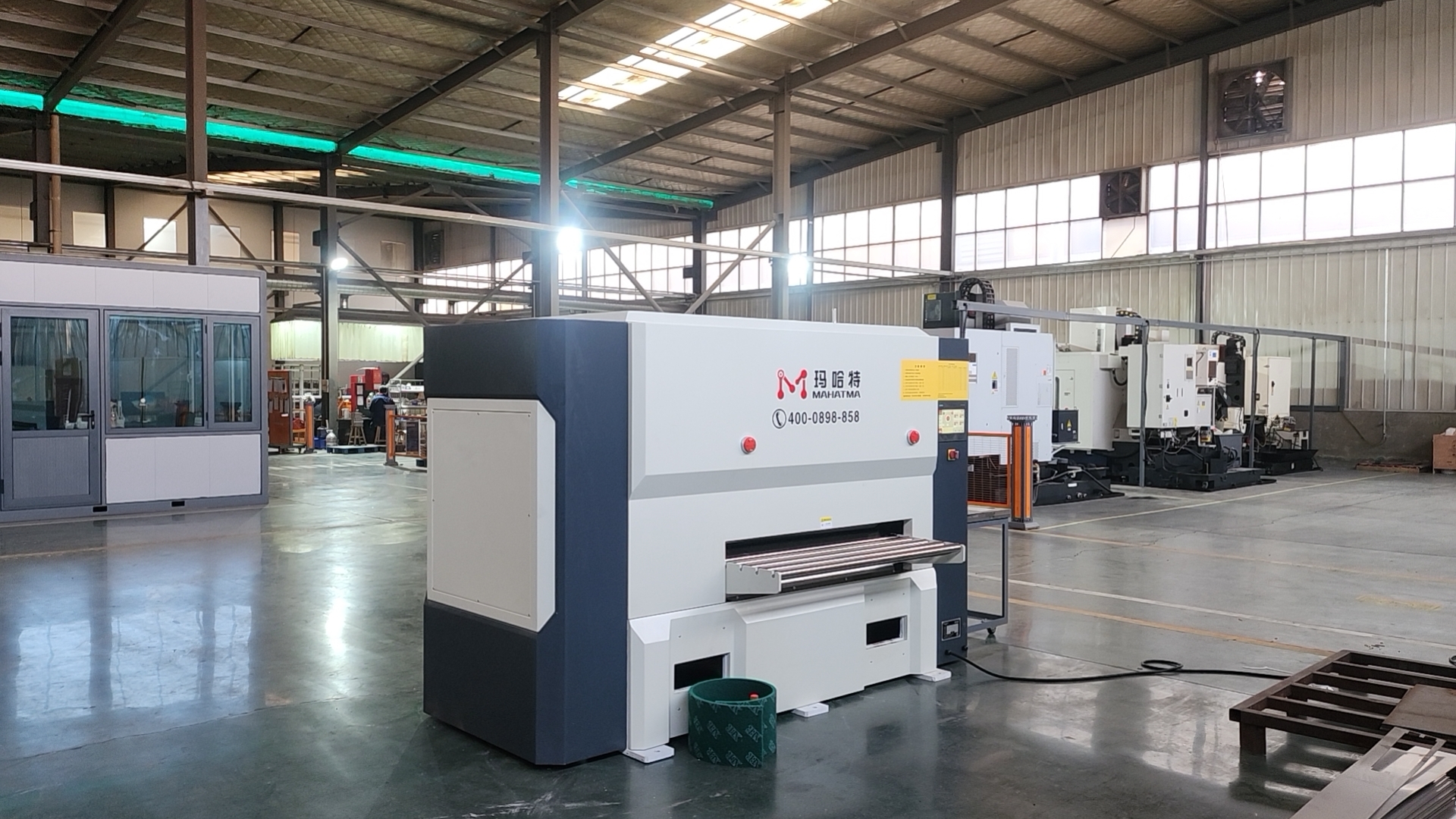
Cover — a leveler in service inside a customer plant: the machine is judged by what happens around it, not only by what it does alone.
Where the specification sheet stops
Leveling force depends on thickness and yield strength together. Model ratings — normally calculated against Q235 / 235 MPa material — therefore have to be recalculated for high-strength steel, aluminium or titanium before a machine can be confirmed for a specific job. A buyer comparing models on width and thickness alone is comparing numbers that were never normalized to the same material.
Two further risks sit outside the specification sheet entirely.
Integration risk. A leveler is rarely the whole process. Inside a cut-to-length line, an uncoiling-leveling-slitting line or a laser blanking cell, it is one node in a chain that includes feeding, conveying, stacking and — increasingly — production data. A machine that levels well but cannot exchange order, traceability or scheduling information with the plant system creates manual work that outlives the purchase decision.
Support risk. Wear parts, roll maintenance and parameter drift all appear after commissioning. A supplier that cannot name its spare parts, describe its remote diagnostics or reach your site is a supplier whose real response time you discover only during a breakdown.
Partnership questions, read closely, are risk questions asked before the purchase order instead of after it.
Why these questions surface earlier in 2026
Leveling and coil-processing equipment sits inside a metal forming market that is large and increasingly automated. Dataintelo values the global metal forming equipment market — the category that includes leveling and roll forming machines — at USD 45.8 billion in 2025, with Asia Pacific holding a 42.5% revenue share in the same year. Fortune Business Insights measures the Asia Pacific sheet metal processing equipment market at USD 18.36 billion in 2025 and projects the wider metal forming machine tools market to reach USD 64.85 billion by 2034 at a 9.60% CAGR.
Automation is the visible direction of travel. Grand View Research reports that the CNC technology segment accounted for 85.7% of the machine tools market in 2025 — a shift that turns controller-level and software-level compatibility into a purchasing criterion rather than a technical footnote. Fortune Business Insights also places the automotive segment at 41.37% of sheet metal processing equipment market share in 2026, consistent with tolerance-driven demand from stamping and laser-blanking suppliers.
Coil processing follows the same curve. ReportLinker projects the cut-to-length machine market to grow from USD 4.28 billion in 2026 to USD 5.94 billion by 2032 at a 5.52% CAGR — growth that arrives as complete lines rather than as isolated machines. Every added line node increases the number of interfaces a buyer has to specify, which is why integration, trial and support questions now appear at the quotation stage.
One clarification that saves research time: separate market reports on “land levelers” (valued at USD 1.46 billion in 2026 by Future Market Insights) describe agricultural equipment and are unrelated to metal leveling machines.
Pillar 1 — MES/ERP and line-level integration
What the supplier provides
MAHATMA blanking lines and CNC levelers provide MES/ERP interfaces. On a blanking line, production data, traceability and order scheduling are designed to integrate with the buyer's existing systems. Automation around the leveler — loading carts, conveyors, robots, vision inspection and AGV — is supplied as proven standard options rather than as one-off engineering experiments.
Integration is also modular. A buyer can start with a leveler and add feeding and stacking automation later; MAHATMA cites Zhucheng Group's fully automated upgrade as an example of that path, and a Jiangsu NEV parts manufacturer's approximately 45% capacity gain as a reference case for line-level automation.
At machine level the integration surface is already digital. MHTM and MHTW series CNC levelers use a 10-inch HD touch screen that stores 200 recipes, with misoperation warning and upstream/downstream linkage listed among their functions. The MHTW80 Series servo platform adds a smart OS with remote cloud control and laser 3D online inspection, while heavy-plate hydraulic configurations list optional IoT connectivity for remote monitoring and predictive maintenance.
What the buyer needs to supply
The integration plan is only as good as its inputs. MAHATMA engineers it from three items: the part envelope (material, thickness range, width), the takt target, and the current line layout. Buyers who provide those early receive a layout-matched proposal; buyers who open with a machine request usually revisit the electrical and material-handling scope later, once those three inputs finally surface.
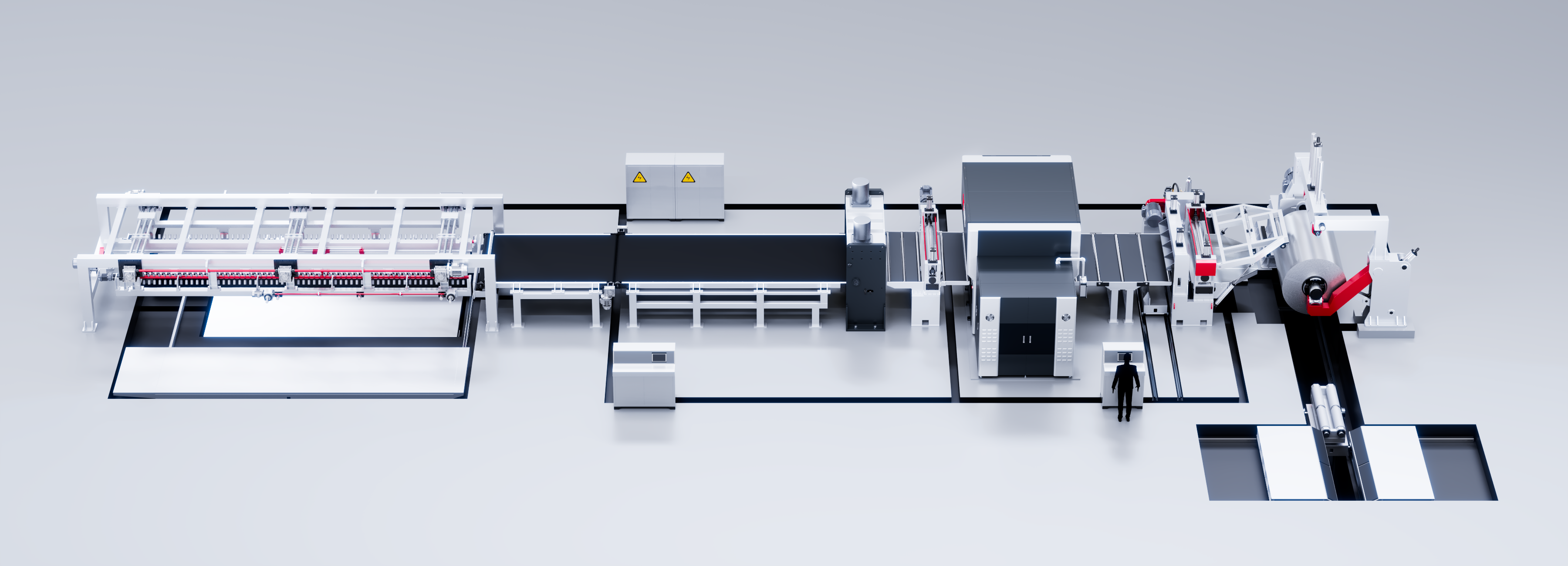
Figure 1 — The Cut-to-Length Line is where leveling scope, automation scope and data scope meet: TD-2x2000 handles 900–1800 mm width, 0.2–2 mm thickness, ±0.5 mm shearing accuracy, up to 50 m/min and coils to 20 T.
Pillar 2 — Material trials before the purchase order
How the free sample test works
The sample test is free. Send 1–2 meters of your material, or representative parts, with the material grade, thickness and your flatness target noted. The material is leveled on the recommended machine, and the result comes back as a written flatness report containing measured flatness data, the process parameters used, and a video of the leveling run — typically within days. The material is returned or retained as agreed. You cover only the shipping of your material; the test and the resulting machine proposal are free.
What a trial can and cannot prove
A trial on one sample does not guarantee every future coil. Material grade, thickness and incoming coil condition all move the achievable result — which is exactly why the test should use your worst-condition material rather than your best. What the trial does deliver is a documented baseline: a measured flatness figure, the parameters that produced it, and a recipe that can be transferred to the machine's controller.
Published capability provides the frame of reference. Precision series achieve flatness down to ±0.05 mm, with a documented case of 0.05 mm on titanium fixtures, while typical production results run 0.05–0.20 mm/m². Flatness itself is commonly quantified in I-units or mm/m height deviation, and precision leveling practice references alternating bending technology against DIN EN 10029 tolerances for hot-rolled plate.
A practical rule for procurement teams: never accept a flatness number that was not produced on material comparable to yours. The trial report is the only document that ties a machine rating to your part.
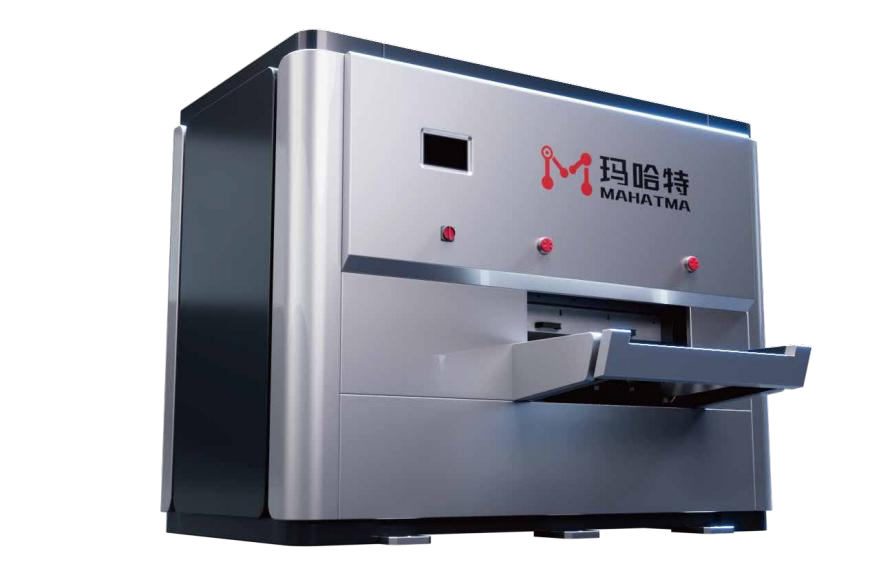
Figure 2 — Trial results only become production results when the parameters can be stored and recalled: the MHTW80 Series servo platform stores recipes and supports remote cloud control.
Pillar 3 — After-sales support, spare-part planning and process continuity
Support begins with documentation, not with a phone number. The MAHATMA export package includes a Declaration of Conformity, electrical and hydraulic schematics, English operating and maintenance manuals, a spare parts list, a factory test report and warranty terms; export crates are ISPM 15 heat-treated and stamped so they are not rejected or fumigated at customs. The company has held CE certification and ISO 9001 since 2008, reports 230+ national patents, and states that products comply with ISO 12100 safety norms.
Three support layers sit behind that package:
- Network coverage. Equipment is supported in more than 100 countries through 28 overseas marketing and service networks, with the EU, USA and Asia listed as main markets.
- Remote diagnostics. Servo platforms such as the MHTW80 Series run a smart OS with remote cloud control, and heavy-plate configurations list optional IoT connectivity for remote monitoring and predictive maintenance. Both shorten the distance between a symptom and a diagnosis.
- Maintenance accessibility. The servo series includes an auto pull-out roll-box cleaning system, which turns roll maintenance into a planned task instead of an unplanned line stop.
Spare-part planning is a conversation about wear items, not a request for a parts catalogue. The spare parts list shipped with the machine is the starting document: it defines what the supplier considers serviceable, how parts are identified, and therefore how easily a replacement can be matched years later. Buyers should confirm who holds that list, how the nearest service network is contacted, and which items are expected to be replaced on a scheduled basis — questions a genuine partner answers from documentation rather than from memory.
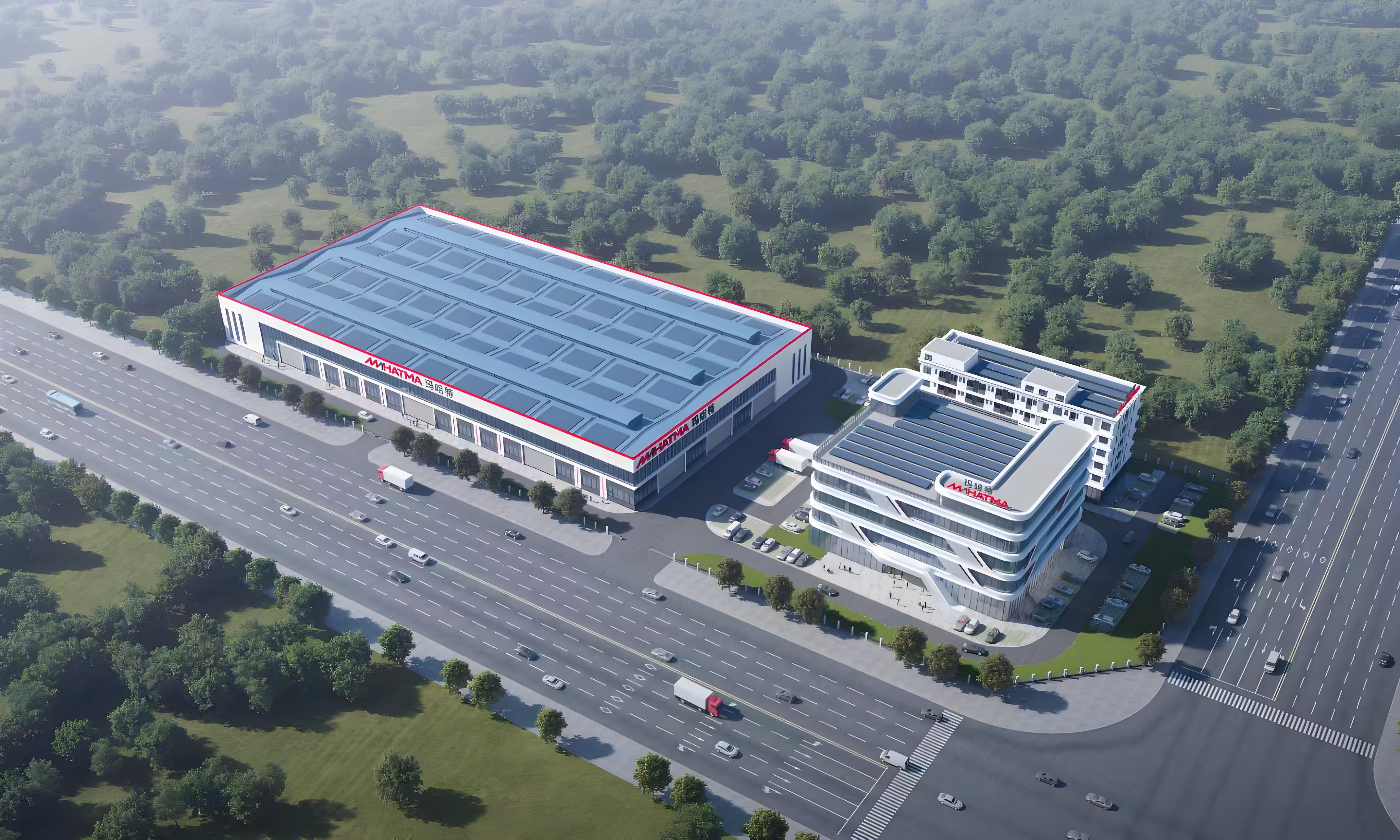
Figure 3 — Long-term support is a manufacturing question as much as a service question: the Huizhou manufacturing center is part of the supply base behind spare-part planning.
Step-by-step — how to evaluate a leveling machine partner
Use cases — where the partnership questions change
Precision sheet for automotive, appliance and elevator parts
Here the machine runs in a standard indoor factory under continuous medium load, processing cold-rolled or stainless sheet that must keep a high surface quality. The requirement is high-precision surface leveling and stress relief for laser-cut blanks, with servo-controlled roll gap adjustment and PLC parameter memory, matched to uncoilers, laser cutting machines, presses and robots. Small-diameter dense rolls protect the surface from indentation, and dust removal forms part of the set-up. The trial question in this segment is about surface quality and repeatability; the support question is about managing recipes across many part numbers.
Heavy plate for steel structures and shipbuilding
Heavy-plate work shifts the emphasis to force and stability: thick carbon steel with high yield strength and welding deformation, leveled under continuous heavy load by hydraulic machines with electric gap adjustment. The specification environment adds ISO 9001:2015 quality management, CE marking for the EU market, a noise level of ≤75 dB(A), safety interlocks and emergency stop systems, plus optional IoT connectivity for remote monitoring and predictive maintenance. The support question here is about wear under heavy duty, and the integration question is about layout and crane interface as much as about data.
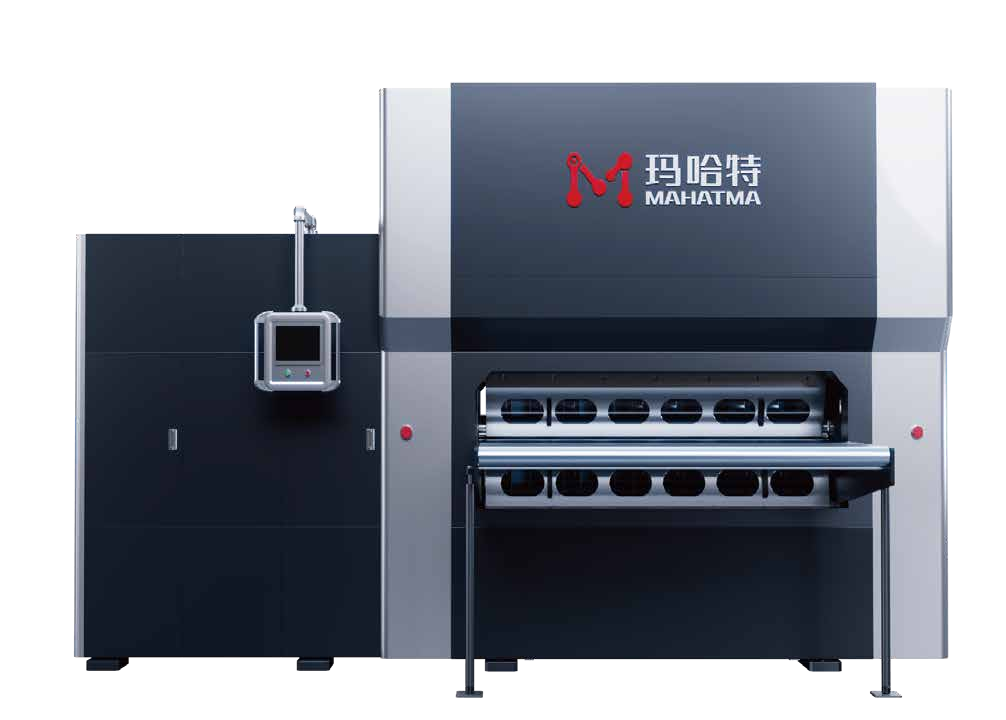
Figure 4 — Heavy-plate duty: the MHTR300 Series covers 1300–4000 mm width and 15.0–80.0 mm rated thickness, with micron-level accuracy up to 0.01 mm.
Coil processing with an integrated cut-to-length line
For service centres the leveler is one stage of a line. A TD-2x2000 Cut-to-Length Line combines uncoiling, leveling and shearing at 900–1800 mm width, 0.2–2 mm thickness, ±0.5 mm shearing accuracy, up to 50 m/min and coils to 20 T. The integration scope therefore includes line-speed matching, shearing accuracy and the data path to the plant system; the trial scope is flatness after shearing, not flatness alone.
Comparison table — families, specifications and integration role
| Model / family | Configuration | Working width | Rated thickness | Rolls | Typical role in a line or workshop |
|---|---|---|---|---|---|
| VST70 Series | Two-high / rough leveler | 400–1300 mm | 1.0–6.0 mm (max 10.0 mm) | 13 | Standalone thick-plate rough leveling; simple structure, easy maintenance, budget-limited workshops |
| VSH42 Series | Four-high / plate leveler | 400–800 mm | 0.6–3.0 mm (max 5.0 mm) | 19 | Single-product leveling in small and medium shops; small footprint, low cost, fast payback |
| MHTM20 Series | CNC leveler | 400–1300 mm | 0.3–1.2 mm (max 3.0 mm) | 23 | Thin-gauge sheet; 200-recipe storage, misoperation warning, upstream/downstream linkage |
| MHTM80 Series | CNC leveler | 400–1650 mm | 2.0–8.0 mm (max 16.0 mm) | 19 | Cabinets, auto parts, home appliances, laser blanking; CNC one-key parameter setting |
| MHTW80 Series | Servo CNC leveler | 400–1600 mm | 2.0–8.0 mm (max 16.0 mm) | 19 | Precision sheet, electronics, new energy; smart OS with remote cloud control, laser 3D online inspection |
| MHTR300 Series | Servo hydraulic leveler | 1300–4000 mm | 15.0–80.0 mm (max 100.0 mm) | 9 | Heavy plate, shipbuilding, construction; micron-level accuracy up to 0.01 mm, anti-collapse dynamic compensation |
| TD-2x2000 | Cut-to-Length Line | 900–1800 mm | 0.2–2 mm | — | Uncoiling + leveling + shearing integrated; ±0.5 mm shearing accuracy, max 50 m/min, 20 T coil |
Rated thickness values are the published figures. For high-strength steel, aluminium or titanium they must be recalculated against yield strength and confirmed by a sample test on your own material.
Documents and support items to request before you commit
- Declaration of Conformity (CE) and confirmation of ISO 9001 status
- Electrical and hydraulic schematics
- English operating and maintenance manuals
- Spare parts list with identifiable part references
- Factory test report for the specific machine
- Warranty terms
- Sample test report: measured flatness data, process parameters used, video of the leveling run
- Integration inputs and the resulting proposal: part envelope, takt target, line layout
- Contact route to the nearest overseas service network
FAQ
1. What documentation and compliance evidence ships with an exported leveling machine?
The export package includes a Declaration of Conformity, electrical and hydraulic schematics, English operating and maintenance manuals, a spare parts list, a factory test report and warranty terms. Crates are ISPM 15 heat-treated and stamped to avoid customs fumigation or rejection. MAHATMA has held CE certification and ISO 9001 since 2008 and reports 230+ national patents; requesting the Declaration of Conformity copy before final payment is standard practice for EU-bound equipment.
2. Can a leveling machine integrate with our MES/ERP and existing production line?
Yes. MAHATMA blanking lines and CNC levelers provide MES/ERP interfaces, and automation modules such as loading carts, conveyors, robots, vision inspection and AGV are added as proven standard options. Production data, traceability and order scheduling are designed to integrate with existing systems. Buyers should supply the part envelope, takt target and current line layout early, so the integration plan is engineered from real inputs rather than from a generic layout.
3. Can we test our own material before buying, and what does it cost?
Yes — the sample test is free. Send 1–2 meters of material or representative parts with the material grade, thickness and flatness target noted; MAHATMA levels it on the recommended machine and returns a written flatness report plus a process video within days. Only the shipping of your material is at your cost. Test your worst-condition material rather than your best, because that is where the limits of any leveling setup appear.
4. What flatness can a leveling machine actually achieve on our parts?
Precision series achieve flatness down to ±0.05 mm, with a documented case of 0.05 mm on titanium fixtures; typical production results run 0.05–0.20 mm/m². Final flatness depends on material grade, thickness and original coil condition, so the number that matters is the one measured on your own material during a sample test. Flatness is commonly expressed in I-units or mm/m height deviation, and leveling relies on alternating bending to relieve internal stress.
5. How should after-sales support and spare-part planning be structured beyond commissioning?
Check three things: whether a spare parts list ships with the machine, whether remote diagnostics exist, and whether local service capacity exists. MAHATMA supports equipment in more than 100 countries through 28 overseas marketing and service networks; servo models such as the MHTW80 Series add remote cloud control, and heavy-plate configurations list optional IoT connectivity for remote monitoring and predictive maintenance. A sensible next step is to request the product catalog and book a free sample test on your own material so the support conversation starts from your data rather than from a brochure.
Conclusion
A leveling machine decision has two halves. The first half is specification: width, thickness, roll count, force, and the recalculated rating for the material you actually run. The second half is partnership: whether the machine can be integrated into your data and material flow, whether the leveling result has been proven on your own coil, and whether the documentation, spare parts and service network will still be there when the warranty period is a memory.
The practical test of a supplier is simple. Ask for three things in writing — an integration plan built from your part envelope, takt target and line layout; a trial report with measured flatness on your worst-condition material; and a spare parts list that reads like a maintenance plan. A supplier who answers all three before the order is a supplier whose behavior after the order is already predictable.
Next step: send material, not a request for a price list
Four numbers are enough to start — thickness range, width, material grade (yield strength) and flatness target. Add 1–2 meters of your material and MAHATMA will return a matched model, a written trial report and a process video. Full specifications for CNC levelers, servo levelers, hydraulic levelers, straightening machines, cut-to-length lines and uncoiling-leveling-slitting lines are in the catalog.
Download the MAHATMA Catalog (PDF)Request a Free Sample Test
Website: www.leveling-mht.com · Email: mhtg@gdmht.com · Tel / WhatsApp: +86 173-4062-1852 · Address: Mahatma Industrial Park, No. 3, Southwest Jiaying 1st Street, Shijie Town, Dongguan City, Guangdong Province, China.
MAHATMA Leveler — Guangdong MAHATMA Intelligent Equipment Co., Ltd., founded 2008, Dongguan, Guangdong, China.
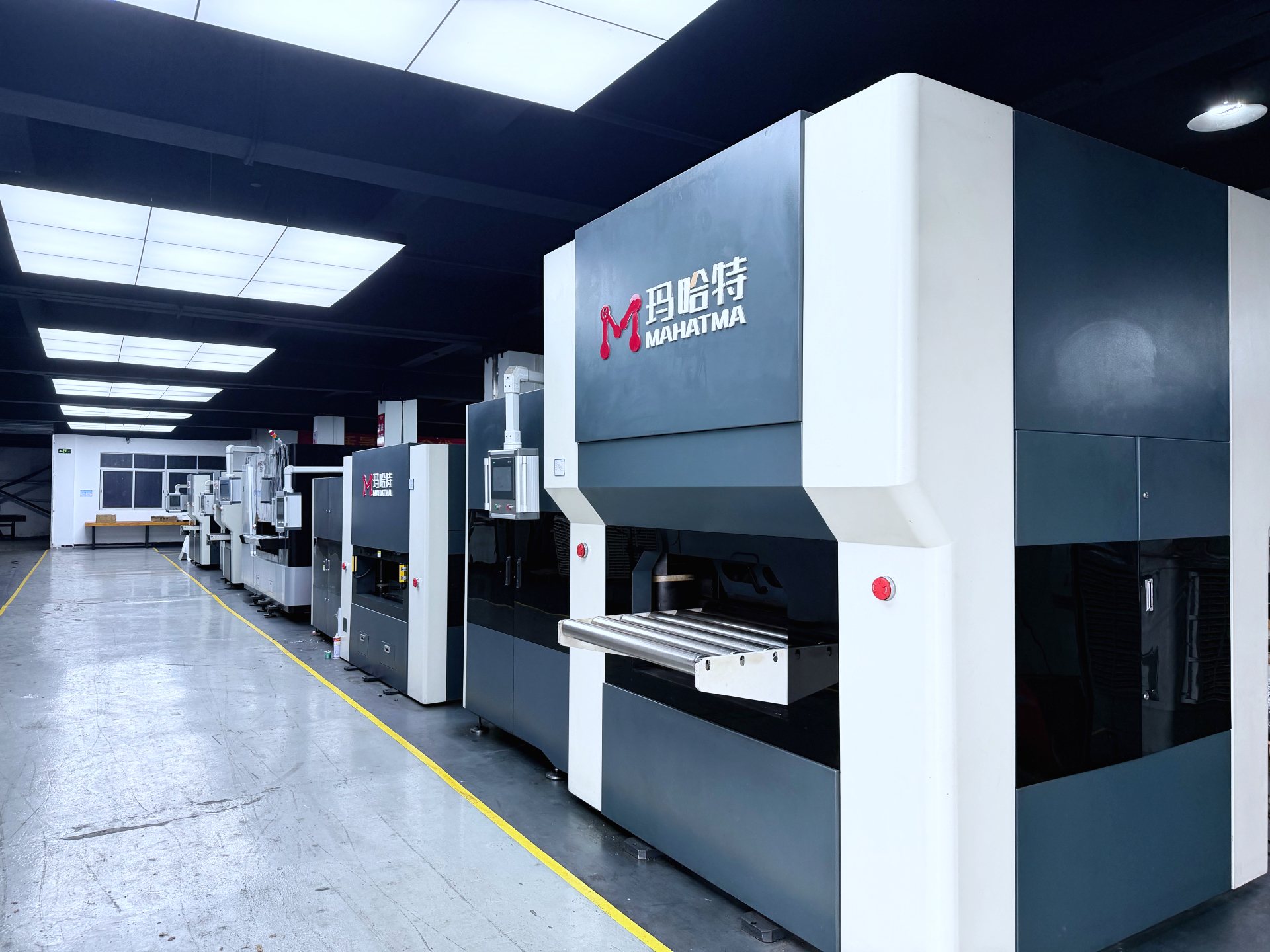
Product demonstration area — where configuration reviews and sample-test discussions take place before an order is placed.
Have Questions or Need More Details?
Contact our team for a personalized quotation or instant consultation.
Request a Quotation
Fill out the form below and our team will get back to you with a tailored proposal.
WhatsApp Direct Chat
Prefer to chat in real-time? Message us on WhatsApp for instant assistance & quick answers.
- Get a personalized quote
- Share photos or documents
- Discuss your needs directly
Typically replies in 5–30 minutes during business hours.