Ranked: 10 Leveling Machine and Line Options for Coil Processors
Ranked: 10 Leveling Machine and Line Options for Coil Processors
Coil processors rarely regret the brand they chose. They regret the processing stage they chose — a leveler that cannot hold flatness on their worst coil, or a line that will not talk to the equipment and software already standing on the floor. This ranking places ten equipment options in order: precision servo-CNC and CNC levelers, a cut-to-length line, servo-hydraulic heavy-plate levelers, and the coil-fed slitting, flying shear, laser blanking and leveling-and-deburring line configurations, down to entry-level four-high and two-high machines. Each entry explains why it holds that position, which coil-processing need it serves, and what happens when you connect it to MES/ERP or to the production line you already run.
The short answer. If flatness on thin and medium gauge is the priority, a servo-CNC leveler (MHTW series) sits at the top of this ranking. If the priority is converting coil into finished cut blanks at throughput, the cut-to-length line is the first option to evaluate. If your coil runs above roughly 12 mm, start at the servo-hydraulic leveler (MHTR series). Two-high rough levelers sit last because they trade final flatness for cost — a legitimate trade, but one worth making deliberately rather than by default.
The Ten Options at a Glance
- 1. CNC Leveler / Servo Leveler — MHTW Series
- 2. CNC Leveler — MHTM Series
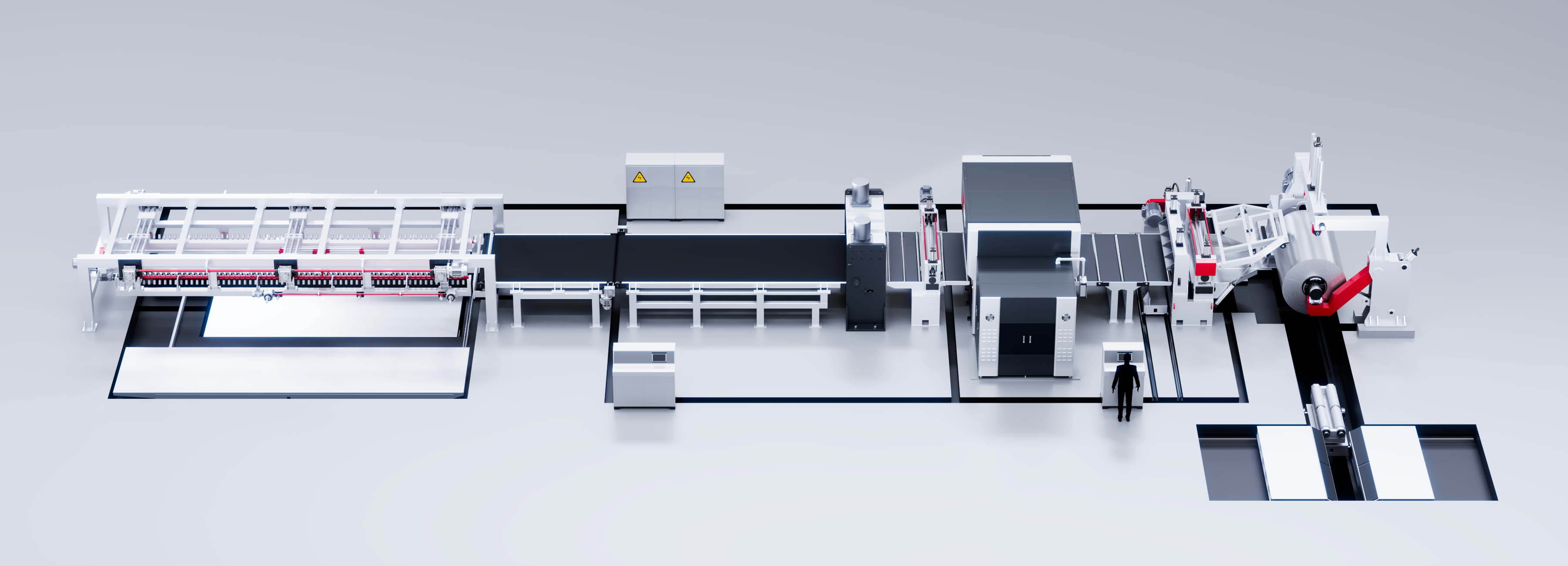
- 3. Cut-to-Length Line — TD-2x2000
- 4. Hydraulic Leveler — MHTR Series
- 5. Laser Blanking Line
- 6. Uncoiling Leveling Flying Shear Line
- 7. Uncoiling Leveling Slitting Line
- 8. Leveling & Deburring Line
- 9. Four-high Leveler / Plate Leveler — VSH Series
- 10. Two-high Leveler / Rough Leveler — VST Series
Problem Definition: What a Coil Processor Is Actually Buying
Coil arrives with stress already built in, and every upstream step adds more. Slitting, uncoiling and rewinding introduce crossbow, edge wave, center buckle and coil set. If the leveler does not remove that residual stress, the defect does not disappear — it relocates. Laser-cut blanks warp after cutting, stamped parts tear, welded assemblies pull out of tolerance, and surface-critical panels show roll marks that no downstream process can remove.
Leveling force depends on thickness and yield strength, which is where most specification errors originate. Published model ratings are usually calculated on Q235 / 235 MPa material; high-strength steel, aluminum or titanium must be recalculated against the actual yield strength before a model is quoted. Three buyer risks follow from that:
- Fit risk — the machine is correct on the datasheet but out of envelope on your material mix, because your heaviest gauge and your highest-strength grade were never tested together.
- Integration risk — the standalone machine cannot be linked to upstream feeding, downstream stacking, or the plant’s MES/ERP layer, so it becomes an island that has to be fed and emptied by hand.
- Verification risk — flatness is promised in a brochure instead of measured on your own coil, leaving the buyer to discover the gap after commissioning.
This ranking is therefore built around how well each option closes those three risks, not around how large or how fast the machine is.
Industry Background: Why This Category Keeps Growing
The equipment surrounding this decision is a large and still-expanding market. Dataintelo values the global metal forming equipment market — the category that includes leveling and roll forming machines — at USD 45.8 billion in 2025, with Asia Pacific taking a 42.5% revenue share in the same year. Fortune Business Insights projects the global metal forming machine tools market reaching USD 64.85 billion by 2034 at a CAGR of 9.60%, and values Asia Pacific sheet metal processing equipment at USD 18.36 billion in 2025. The same research house attributes 41.37% of sheet metal processing equipment market share in 2026 to the automotive segment, while Grand View Research puts CNC technology at 85.7% of the machine tools market in 2025 — a useful signal of how thoroughly numerically controlled equipment has displaced manual adjustment.
Line-level demand follows the same curve. Market Research Future estimated the global cut-to-length line system market at USD 3.42 billion in 2024, while ReportLinker projects the cut-to-length machine market growing from USD 4.28 billion in 2026 to USD 5.94 billion by 2032 at a CAGR of 5.52%. Those two figures are not directly comparable: market sizing in this category varies depending on whether the scope covers complete systems or individual machines. Supply-side signals point the same direction — the Observatory of Economic Complexity reported a 20.6% year-on-year increase in China’s exports of metalworking machine parts in June 2026, with major destinations including Japan, Russia, the USA, India and Vietnam.
Precision leveling is also a mature, well-benchmarked discipline rather than a new one. ARKU Maschinenbau was recognized among Germany’s top 500 “hidden world market leaders” in precision leveling machines for 2025 and markets its FlatMaster series for laser-cut and stamped parts; KOHLER Maschinenbau reported more than 6,700 reference projects worldwide in leveling technology as of late 2023. For context on where the ranked options below come from: Guangdong MAHATMA Intelligent Equipment Co., Ltd. — trading as MAHATMA Leveler — is a Dongguan-based manufacturer founded in 2008, operating a 50,000 m² manufacturing base with around 300 employees and a stated annual output of 500 sets, supported by a 26-engineer R&D team and more than 230 patents. The company states CE and ISO 9001 compliance since 2008, exports to more than 100 countries across the EU, the USA and Asia at a stated 30% export ratio, and maintains 28 overseas marketing and service networks.
Detailed Solution: The Ten Options, Ranked
How the Ranking Was Built
Each option is positioned using five criteria that map directly onto coil-processing reality. No weighting or score is published here because the correct weighting is plant-specific — but the order below reflects them consistently.
- Envelope fit — the thickness and width range the option actually covers, and whether high-strength grades force a derating.
- Stress relief and flatness — roll count, roll configuration and whether the machine uses multi-roll alternating bending to work the material through the Bauschinger effect.
- Line compatibility — whether the unit can be fed from a coil line and discharged into shearing, stacking or laser blanking stages.
- Systems integration — MES/ERP interfaces and available automation modules such as loading carts, conveyors, robots, vision inspection and AGV handling.
- Testability — whether you can verify performance on your own material before signing, rather than after commissioning.
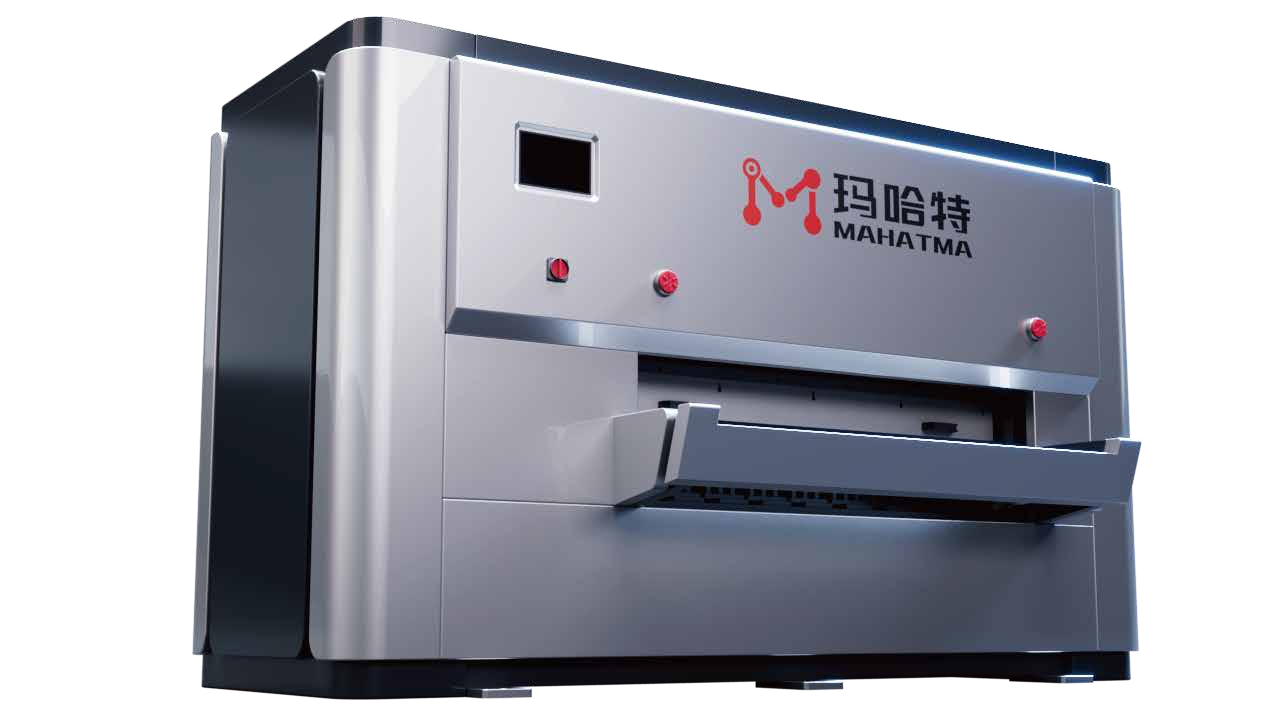
1CNC Leveler / Servo Leveler (MHTW Series)
The MHTW family is the most precise standalone option in this ranking: an intelligent servo-CNC leveling machine with all-servo motor drive, a patented Kunpeng roll-box structure, a smart operating system with remote cloud control, laser 3D online inspection, misoperation warning, and an auto pull-out roll-box cleaning system. The hollow structure is designed to avoid thermal deformation during long runs. Model coverage runs from MHTW15 (300–600 mm width, 0.08–1.0 mm rated thickness, 33 rolls) through MHTW60 (600–1600 mm, 1.0–6.0 mm, 21 rolls) to MHTW100 (600–2100 mm, 3.0–12.0 mm rated, up to 20 mm maximum, 19 rolls). All models run at 0–10 m/min.
It ranks first because laser 3D online inspection with closed-loop correction lets the operator verify surface condition during the run rather than at final inspection, and because roll density — up to 33 rolls on the smallest model — is what actually delivers stress relief on thin, surface-critical stock. The target materials are carbon steel, stainless steel, aluminum alloy (listed as especially suitable), copper and mirror-finish sheet, across precision sheet metal, 3C electronics, automotive, home appliance, new energy, laser cutting and medical device work. For a processor whose downstream operation is laser cutting or visible-surface stamping, this is the option that carries the least quality risk. Material testing applies as it does across the range: MAHATMA offers a free sample test on your own coil before purchase.
2CNC Leveler (MHTM Series)
The MHTM series is the widest single family in the lineup and the reason it ranks second: one platform spans MHTM10 (200–300 mm width, 0.03–0.6 mm, 25 rolls) to MHTM200 (1000–3200 mm width, 8.0–30.0 mm rated, up to 40 mm maximum, 19 rolls), with intermediate models covering 0.3–1.2 mm, 0.6–3.0 mm, 0.8–4.0 mm, 1.0–6.0 mm, 2.0–8.0 mm, 3.0–12.0 mm and 4.0–16.0 mm. Roll counts range from 15 to 25 depending on model, all at 0–10 m/min.
Functionally it is positioned around the realities of a job shop: one-key CNC parameter setting, a 10-inch HD touch screen that stores 200 recipes, precision motor drive with a stated 50% energy saving, misoperation warning, and upstream/downstream linkage for line connection. Recipe storage is the practical differentiator — when a plant runs mixed gauges and grades through the same machine each week, repeatable setup is worth more than peak specification. Listed industries are sheet metal fabrication, cabinets and enclosures, auto parts, home appliances, laser blanking and hardware products, and the manufacturer describes the series as its high cost-performance line. It is customisable, and the same free sample test route applies before commitment.
3Cut-to-Length Line (TD-2x2000)
If the goal is to stop buying cut blanks and start producing them, this is the option that changes the business model rather than the process. The TD-2x2000 integrates uncoiling, leveling and shearing in a single line, covering 900–1800 mm width and 0.2–2.0 mm thickness, with shearing accuracy of ±0.5 mm, a maximum speed of 50 m/min and a maximum coil weight of 20 T. It is listed for automotive, home appliance, sheet metal and steel service centre applications.
It ranks third rather than first for a specific reason: it is the correct first choice when throughput and blank supply are the constraint, but it does not replace the leveling precision of a dedicated precision leveler for surface-critical work. The two decisions are separate — line first for volume, leveler first for flatness. On integration, MAHATMA blanking lines and CNC levelers provide MES/ERP interfaces, so production data, traceability and order scheduling connect to existing systems; automation modules can be engineered around an existing laser cutter or press layout. Bring the part envelope, takt target and current line layout to the first technical conversation, because the integration plan is engineered from those three inputs.
4Hydraulic Leveler (MHTR Series)
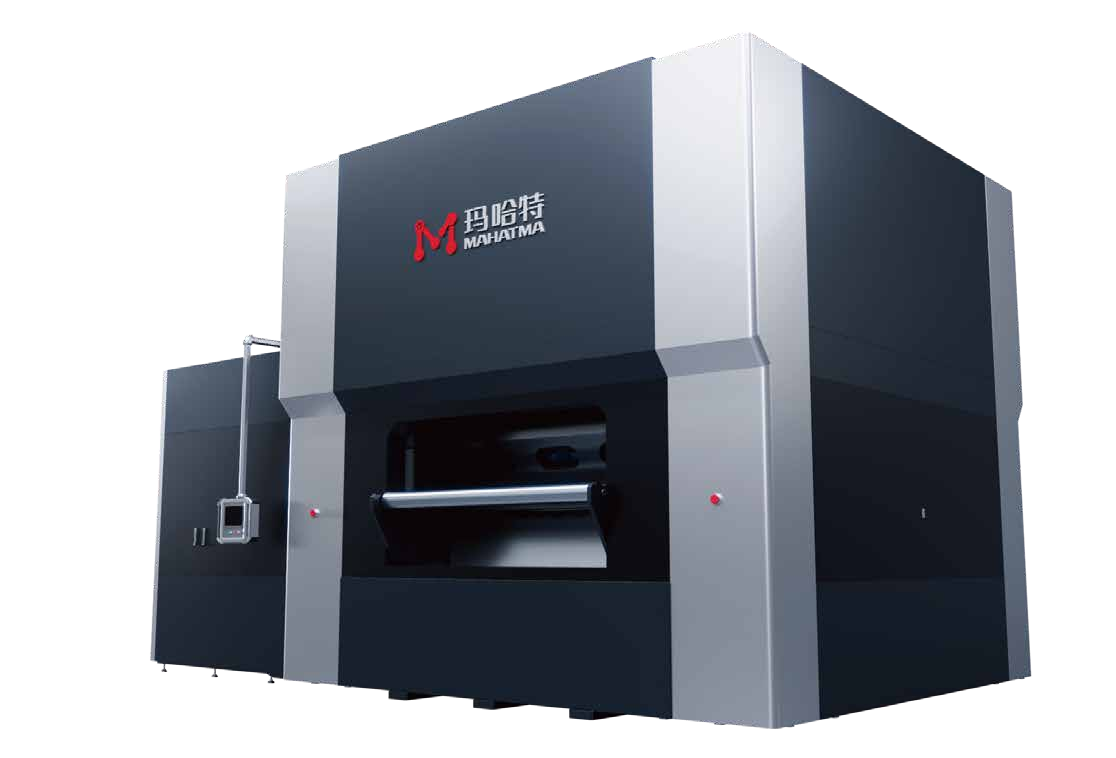
Above roughly 12 mm, the ranking restarts — and it restarts here. The MHTR servo-hydraulic family spans MHTR30 (600–2100 mm width, 0.5–3.0 mm rated, 23 rolls) up to MHTR400 (1300–4000 mm width, 20.0–100.0 mm rated, up to 120 mm maximum, 9 rolls), with widths reaching 4000 mm and roll counts from 9 to 23 across the series. Performance features listed by the manufacturer include a servo-hydraulic hybrid drive, a mortise-tenon rigid frame, alloy rolls designed to run mark-free, anti-collapse dynamic compensation, micron-level accuracy up to 0.01 mm, and a stated 70% energy saving compared with traditional hydraulic machines.
This is the option for carbon steel, high-strength steel, stainless steel, aluminum, copper, mirror-finish sheet and thick plate, in new energy, military, heavy industry, automotive and truck, construction, shipbuilding, aerospace and general metal processing. Constant force under heavy load is the technical reason for its position: as plate thickness and yield strength rise, the force requirement rises with them, and hydraulic drive holds that force more steadily than a purely mechanical frame. It ranks below the top three only because most coil processors operating under 12 mm do not need its force envelope, not because it is less capable.
5Laser Blanking Line
Laser blanking is part of the turnkey line portfolio MAHATMA lists alongside uncoiling, leveling and shearing configurations. It ranks fifth because it decouples blank geometry from tooling: where a press-based blanking route needs a die per part, a coil-fed laser blanking stage changes the cut program instead. For programmes with frequent design revisions, short runs or nested part families, that removes the tooling lead time and tooling cost from the equation entirely.
Its coil-processing role is downstream and complementary. A leveler or leveling stage upstream delivers flat, stress-relieved stock, and the laser stage then cuts blanks that hold dimension because the internal stress has already been worked out. Integration is strong here: blanking lines carry MES/ERP interfaces for production data, traceability and order scheduling, and automation modules such as loading carts, conveyors, robots, vision inspection and AGV handling are offered as standard options. Because line configuration, laser source and nesting layout are project-specific, exact line specifications should be confirmed at scoping against your part envelope — and the same free sample test on your own material applies before you commit.
6Uncoiling Leveling Flying Shear Line
The flying shear configuration is listed in MAHATMA’s core product range as the Uncoiling Leveling Flying Shear Line. It ranks above the slitting configuration because it addresses the length dimension of the product, which is where most coil processors measure output — cut blanks and sheets rather than reduced-width coil.
The distinguishing feature is the shear. A flying shear cuts while the material is still moving, so the line does not stop and restart for every cut. At line level, that is what keeps a coil-fed operation continuous rather than cyclical, and it is why this configuration is normally paired with an upstream leveling stage rather than used as a standalone machine. Integration follows the same route as the rest of the blanking group — MES/ERP connectivity and automation modules are the standard offerings on MAHATMA blanking lines, engineered around the existing plant layout. Because line layout, line speed and cut length envelope are configuration-specific, the practical next step is a scoping conversation using your takt target, followed by a material test on the recommended leveling stage.
7Uncoiling Leveling Slitting Line
The Uncoiling Leveling Slitting Line belongs to the same coil-fed family but solves a different problem: width. Rather than producing cut lengths, it converts a master coil into multiple narrower coils, which lets a processor hold fewer master widths and still serve customers who buy in strips. It ranks seventh because it optimises inventory and coil purchasing flexibility rather than the dimensional quality of a finished blank — a genuine commercial benefit, but one step removed from the flatness problem that drives most purchases.
In a coil-processing plant the two configurations are usually complementary rather than alternatives: slitting sets the width, leveling sets the flatness, and the downstream process decides which stage comes first. Where narrow strip still has to meet a flatness target, the leveling stage inside the line carries the same multi-roll alternating-bending logic used in the standalone machines. As with the other line options, interface scope and line layout are engineered per project, and material testing on the recommended leveling stage is available free of charge before order.
8Leveling & Deburring Line
This configuration combines two operations that are normally bought as separate machines and separate labour hours: leveling for flatness and stress relief, and deburring for edge quality on cut or punched parts. It ranks eighth because it is a process-integration gain rather than an envelope or precision gain — it does not level thicker material or hold tighter flatness than the machines above it, but it removes an entire downstream handling step and the floor space that goes with it.
The case for it is strongest where edge condition feeds directly into the next operation: welded assemblies, painted parts, and any component where a burr becomes a fit, safety or coating problem. Because deburring head selection, part geometry and line layout are specific to the part family being run, the deburring stage is configured against the actual blank or part envelope rather than sold as a fixed specification. Confirm the configuration against your part family at scoping, and use the free sample test on the leveling stage to establish the flatness baseline the line will hold.
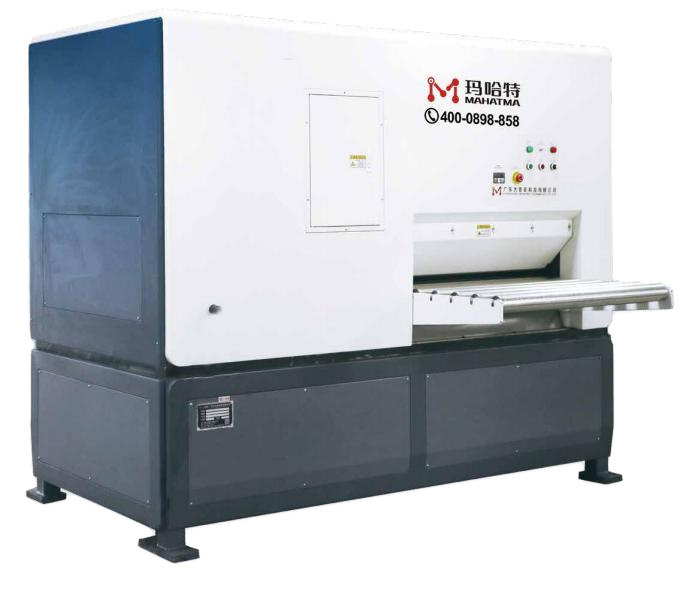
9Four-high Leveler / Plate Leveler (VSH Series)
The VSH series is the entry-level precision option and the first machine on this list aimed squarely at smaller shops. The family covers VSH15 (200–400 mm width, 0.08–1.0 mm rated, 19 rolls), VSH42 (400–800 mm, 0.6–3.0 mm, 19 rolls), VSH50 (400–1000 mm, 0.8–3.5 mm, 19 rolls) and VSH80 (400–800 mm, 2.0–8.0 mm, up to 14 mm maximum, 15 rolls), all at 0–10 m/min.
It earns its place because the underlying leveling method is the same as the high-end machines: repeated bending through the Bauschinger effect to relieve internal stress, delivered through a simple structure that is easy to maintain, has a small footprint, and is described as low-carbon and energy-saving with fast payback. It is listed for small and medium sheet metal shops, hardware, small-batch or low-frequency processing and budget-limited workshops, and it is explicitly positioned for single-product leveling. It ranks below the CNC families because it does not offer CNC one-key parameter setting or stored recipe memory, so changeover between products is manual — acceptable for one dominant part family, costly for high-mix work.
10Two-high Leveler / Rough Leveler (VST Series)
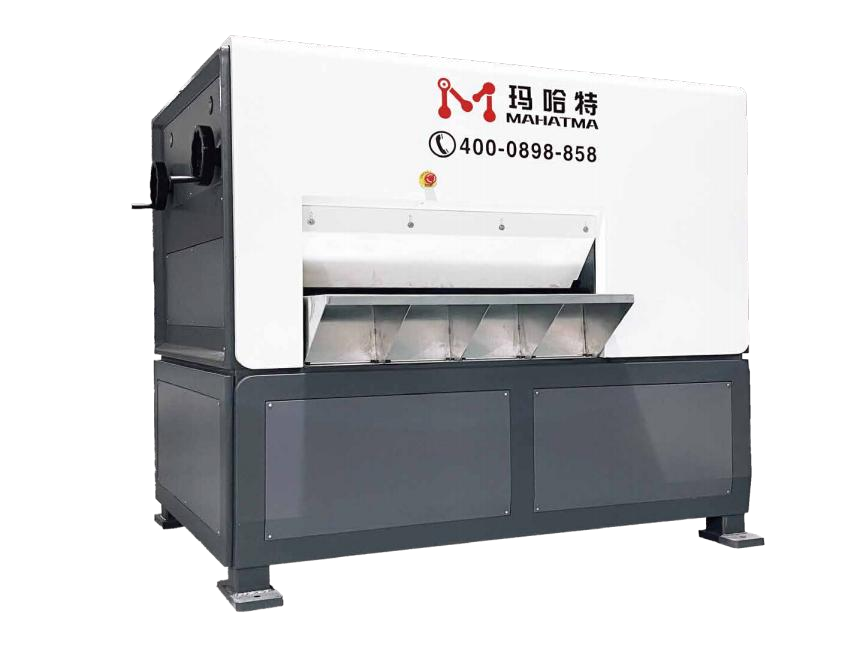
The VST two-high family closes the ranking because it performs first-pass work, not finishing work. Model coverage is VST70 (400–1300 mm width, 1.0–6.0 mm rated, up to 10 mm maximum, 13 rolls), VST90 (600–1300 mm, 2.0–8.0 mm, up to 14 mm, 13 rolls) and VST120 (600–1400 mm, 3.0–10.0 mm, up to 20 mm, 13 rolls), all at 0–10 m/min, handling carbon steel, stainless steel, aluminum, copper and general metals.
Its value is real and specific: Bauschinger-effect bending in a simple, robust structure that is easy to maintain and low in cost, aimed at thick-plate rough leveling in small and medium sheet metal shops, hardware production and budget-limited workshops. It ranks last for one honest reason — with 13 rolls and two-high configuration, it prepares material for the next operation rather than delivering final precision flatness. That makes it the right first machine for a workshop removing gross coil set and crossbow before welding or cutting, and the wrong machine for a plant whose downstream process is laser cutting or visible-surface stamping.
Step-by-Step Breakdown: Applying the Ranking to Your Own Plant
The ranking only becomes useful once it is filtered through your own coil. Work through the sequence below in order — each step eliminates options before the next one narrows them further.
- Step 1 — Define the material envelope. Thickness minimum and maximum, width, and material grade with its yield strength. Model ratings in this category are referenced to Q235 / 235 MPa, so high-strength steel, aluminum or titanium must be recalculated rather than read straight from the table.
- Step 2 — State the flatness target. Use a measurable form — millimetres of deviation per metre, or I-unit notation, which is the dimensionless standard commonly used for flatness quantification alongside the DIN EN 10029 tolerance framework for plate.
- Step 3 — Decide machine or line. Standalone leveler if flat material is the output you sell; coil-fed line if finished cut blanks, slit coils or deburred parts are the output you sell.
- Step 4 — Test the integration path before the machine. Confirm whether MES/ERP connectivity is required, which automation modules are needed (loading carts, conveyors, robots, vision inspection, AGV handling), and whether the unit must feed or be fed by existing equipment.
- Step 5 — Verify on your own material. Send 1–2 metres of your worst-condition coil — not your best — with the grade and flatness target noted, and request a written flatness report plus process video.
- Step 6 — Plan the upgrade path. Start with a leveler and add feeding and stacking automation later if capital is staged; this modular route is how one referenced customer moved from a standalone machine to a fully automated line.
Use Cases: Where Each Rank Actually Applies
Different coil processors land on different positions in this list, and the pattern is consistent.
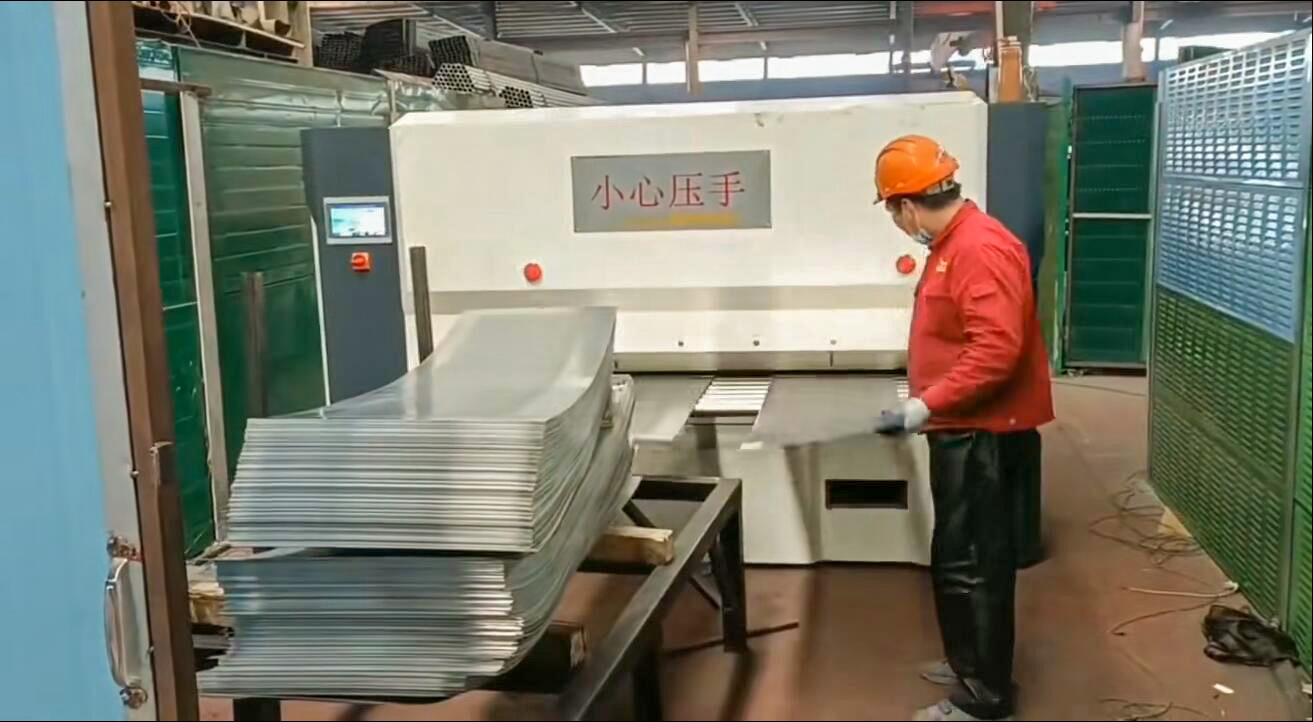
- Laser cutting and precision sheet metal. Ranks 1 and 2 — the servo-CNC and CNC levelers — because flatness and stress relief determine whether cut blanks stay flat after the laser passes. Small diameter dense rolls and a dust removal system are the listed requirements for high surface quality on cold-rolled and stainless sheet.
- Automotive parts and NEV components. Rank 1 or 3 depending on the constraint. A Jiangsu NEV parts maker reported roughly 45% capacity gain after line integration, and Zhucheng Group followed a modular path from a standalone machine to a fully automated line — both referenced integration outcomes rather than product claims.
- Home appliance and elevator production. Rank 3 or 1, with servo motor control for precise roll-gap adjustment and PLC parameter memory listed as the operating mode for continuous medium-load work.
- Steel service centres. Rank 3 and 6 — cut-to-length and flying shear lines — where output is measured in tonnes of cut blanks rather than machined parts.
- Heavy structural, shipbuilding and bridge work. Rank 4 — servo-hydraulic leveling of thick carbon plate with high yield strength and significant welding deformation, commonly specified with ISO 9001:2015 quality management, CE marking for the EU, noise levels at or below 75 dB(A), safety interlocks and emergency stop systems.
- Small workshops and hardware production. Ranks 9 and 10 — four-high and two-high machines — where a single dominant part family and a tight capital budget make manual changeover acceptable.
Comparison Table: The Ten Options Side by Side
| Rank | Option | Typical rated thickness | Typical width | Roll configuration | MES/ERP & line integration | Sample test |
|---|---|---|---|---|---|---|
| 1 | CNC Leveler / Servo Leveler (MHTW) | 0.08–12.0 mm rated; up to 20 mm max | 300–2100 mm | 19–33 rolls | Yes — MES/ERP interface; automation modules | Yes, free |
| 2 | CNC Leveler (MHTM) | 0.03–30.0 mm rated; up to 40 mm max | 200–3200 mm | 15–25 rolls | Yes — MES/ERP interface; upstream/downstream linkage | Yes, free |
| 3 | Cut-to-Length Line (TD-2x2000) | 0.2–2.0 mm | 900–1800 mm | Integrated uncoiling + leveling + shearing line; ±0.5 mm shearing accuracy; 50 m/min; 20 T coil | Yes — blanking lines provide MES/ERP interfaces | Yes, free |
| 4 | Hydraulic Leveler (MHTR) | 0.5–100.0 mm rated; up to 120 mm max | 600–4000 mm | 9–23 rolls; micron-level accuracy up to 0.01 mm | Confirm scope at project scoping | Yes, free |
| 5 | Laser Blanking Line | Configuration-specific | Configuration-specific | Coil-fed turnkey line with laser blanking stage | Yes — blanking lines provide MES/ERP interfaces | Yes, free |
| 6 | Uncoiling Leveling Flying Shear Line | Configuration-specific | Configuration-specific | Flying shear cutting without line stop-start | Yes — blanking lines provide MES/ERP interfaces | Yes, free |
| 7 | Uncoiling Leveling Slitting Line | Configuration-specific | Master coil to multiple narrow coils | Uncoiling + leveling + slitting stages | Confirm scope at project scoping | Yes, free |
| 8 | Leveling & Deburring Line | Configuration-specific | Configuration-specific | Leveling stage plus deburring stage in one line | Confirm scope at project scoping | Yes, free |
| 9 | Four-high Leveler / Plate Leveler (VSH) | 0.08–8.0 mm rated; up to 14 mm max | 200–1000 mm | 15–19 rolls | Standalone configuration | Yes, free |
| 10 | Two-high Leveler / Rough Leveler (VST) | 1.0–10.0 mm rated; up to 20 mm max | 400–1400 mm | 13 rolls | Standalone configuration | Yes, free |
FAQ: Compliance, Capability, Budget, Sample and Support
Do these leveling machines and coil processing lines meet EU and US compliance requirements?
MAHATMA states CE certification and ISO 9001 compliance since 2008, describes its products as complying with ISO 12100 and European CE requirements, and holds more than 230 patents along with National High-Tech Enterprise status. For the EU, CE marking is mandatory for machinery entering the market under Machinery Directive 2006/42/EC together with the Low Voltage and EMC directives, and for plate flatness tolerances the DIN EN 10029 framework is the standard commonly referenced in precision leveling. Export machines are documented with a Declaration of Conformity, electrical and hydraulic schematics, English operating and maintenance manuals, a spare parts list, a factory test report and warranty terms, and are packed in ISPM 15 heat-treated crates to avoid customs fumigation problems. For the US and Canada, specify 480V/60Hz at order and plan for NRTL field evaluation of the electrical panel under NFPA 79; for Russia and the EAEU, EAC certification applies. Request the Declaration of Conformity copy before final payment.
Can the equipment integrate with my MES/ERP and my existing production line?
Yes. MAHATMA blanking lines and CNC levelers provide MES/ERP interfaces, so production data, traceability and order scheduling connect to existing systems, and automation modules — loading carts, conveyors, robots, vision inspection and AGV handling — are offered as proven standard options. Those modules can be engineered around an existing laser cutter or press layout rather than requiring a greenfield installation. The upgrade path is modular: a plant can start with a standalone leveler and add feeding and stacking automation later. Two referenced outcomes illustrate the range — Zhucheng Group’s fully automated upgrade followed that staged path, and a Jiangsu NEV parts maker reported roughly 45% capacity gain after line integration. Provide the part envelope, takt target and current line layout early, because the integration plan is engineered from those three inputs.
How do I avoid paying for precision and automation I do not actually need?
Match the series to your material envelope first, then to the automation level your staffing and takt time can support. MAHATMA’s range is tiered across a stated 0.03–100 mm span: entry-level two-high and four-high machines (VST and VSH series) for small workshops and thick-plate rough leveling; CNC levelers (MHTM series, 0.03–30 mm rated) positioned as the workhorse for laser cutting and stamping shops; servo-hydraulic levelers (MHTR series, 0.5–100 mm rated) for heavy plate and high-stability precision work; and flagship servo-CNC levelers (MHTW series) with laser 3D online inspection and roll-box cleaning for high-mix, low-intervention production. The structure exists so that a buyer pays for the precision, force and automation actually required. Buying a wide-envelope machine you will never load, or automation your upstream cannot feed, is the most common budget error in this category.
Can I test my own material on the machine before buying?
Yes — and the sample test is free. Send 1–2 metres of your material, or representative parts, together with the material grade, thickness range and your flatness target. MAHATMA levels it on the recommended machine and returns a written test report with measured flatness data, the process parameters used and a video of the leveling run; your material is returned or retained as agreed, and you cover only the shipping of your material. The reason this matters more in leveling than in most equipment categories: published specifications are normally rated on Q235 / 235 MPa material, so high-strength steel, aluminum or titanium must be recalculated against your actual yield strength before a model can be quoted. Send your worst-condition material, not your best — the test exists to remove the largest single purchase risk, which is discovering the flatness gap after commissioning.
What happens between ordering and commissioning, and who supports the machine afterwards?
Machines ship with an export documentation package — Declaration of Conformity, electrical and hydraulic schematics, English operating and maintenance manuals, spare parts list, factory test report and warranty terms — in ISPM 15 heat-treated crates sized for the machine envelope, which avoids customs fumigation or rejection. MAHATMA is headquartered in Dongguan, Guangdong Province, operates a 50,000 m² manufacturing base with around 300 employees and a 26-engineer R&D team, and states an annual output of 500 sets. The company reports equipment running in more than 100 countries and regions across the EU, the USA and Asia — the markets behind its stated 30% export ratio — supported by 28 overseas marketing and service networks for localized technical support and turnkey project coverage. A practical next step before finalising any line configuration: request the free sample test on your own coil, and download the English product catalog linked below for the current model and specification set.
Conclusion: Rank Is a Starting Point, Not a Verdict
The order above holds for a general coil processor: servo-CNC and CNC levelers first for flatness, the cut-to-length line first for blank throughput, servo-hydraulic levelers for plate above the precision envelope, the coil-fed line configurations where width, deburring or laser flexibility is the constraint, and entry-level four-high and two-high machines where a single part family and a tight budget make manual changeover acceptable. What changes the ranking for any individual plant is not preference but four numbers — thickness range, width, material grade with its yield strength, and flatness target.
Get those four numbers right and test them against the machine before you buy, and the ranking becomes a decision tool rather than an opinion. Get them wrong, and no position on this list protects you from the same outcome: a leveler on the floor that cannot hold flatness on the material you actually run.
Next Step: Test Your Own Coil Before You Choose a Rank
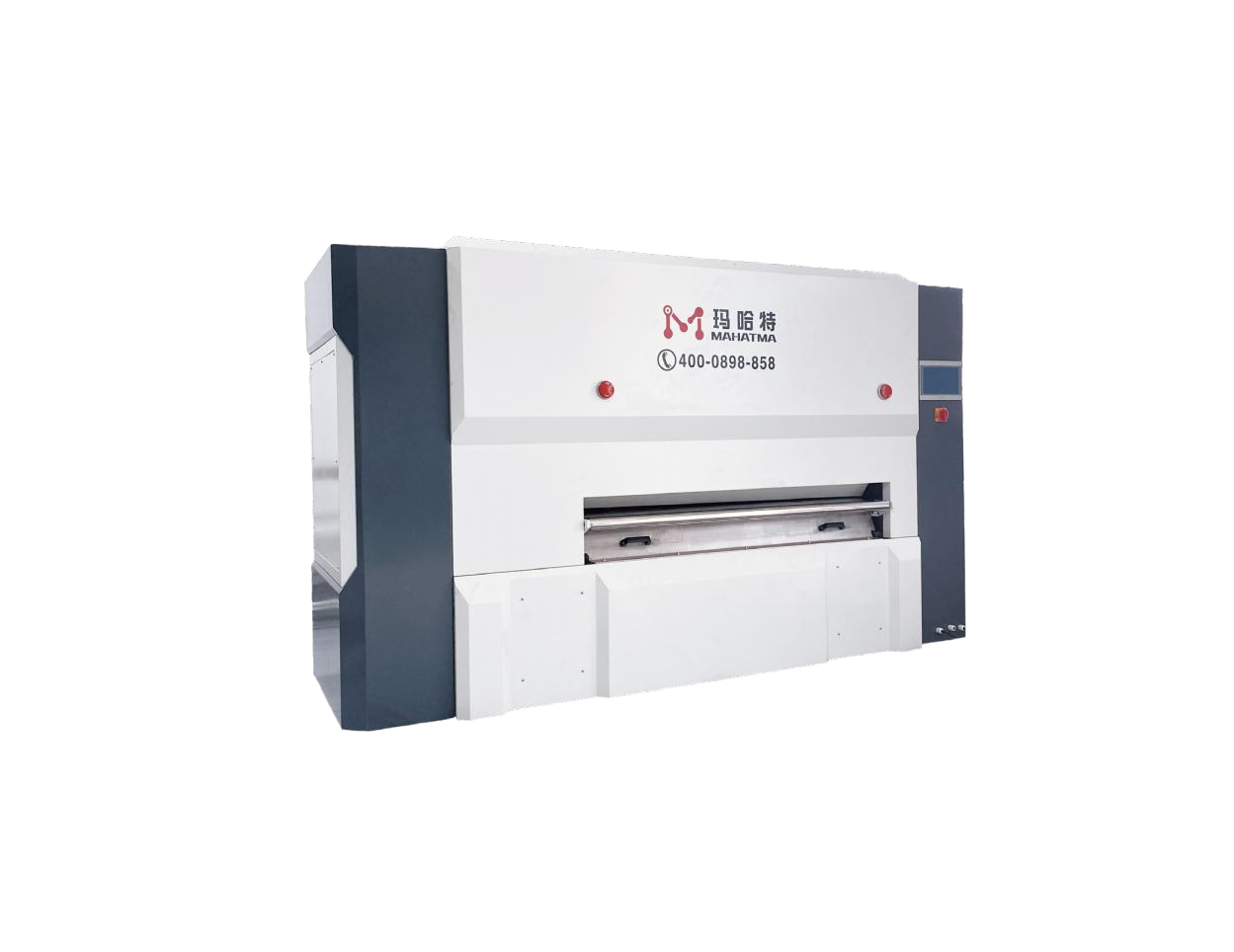
Send 1–2 metres of your worst-condition material with the grade, thickness range and flatness target noted. MAHATMA returns a written flatness report, the process parameters used and a video of the leveling run — free of charge, with you covering only the shipping.
Four numbers give you a matched model: thickness range, width, material grade (yield strength) and flatness target. Include your part envelope, takt target and current line layout if a line configuration is in scope, and the integration plan can be engineered around your existing equipment.
English product catalog (download): MAHATMA Brand Brochure — English Edition (PDF)
Website: www.leveling-mht.com
Contact: Jack | Email: mhtg@gdmht.com | Tel / WhatsApp: +86 173-4062-1852
Address: Mahatma Industrial Park, No. 3, Southwest Jiaying 1st Street, Shijie Town, Dongguan City, Guangdong Province
Free sample testMES/ERP integration planModel matching on 4 inputs