
Camping Tent Regional Compliance Guide: Standards, Materials & Acceptance Criteria by Market
Camping Tent Regional Compliance Guide: Standards, Materials & Acceptance Criteria by Market
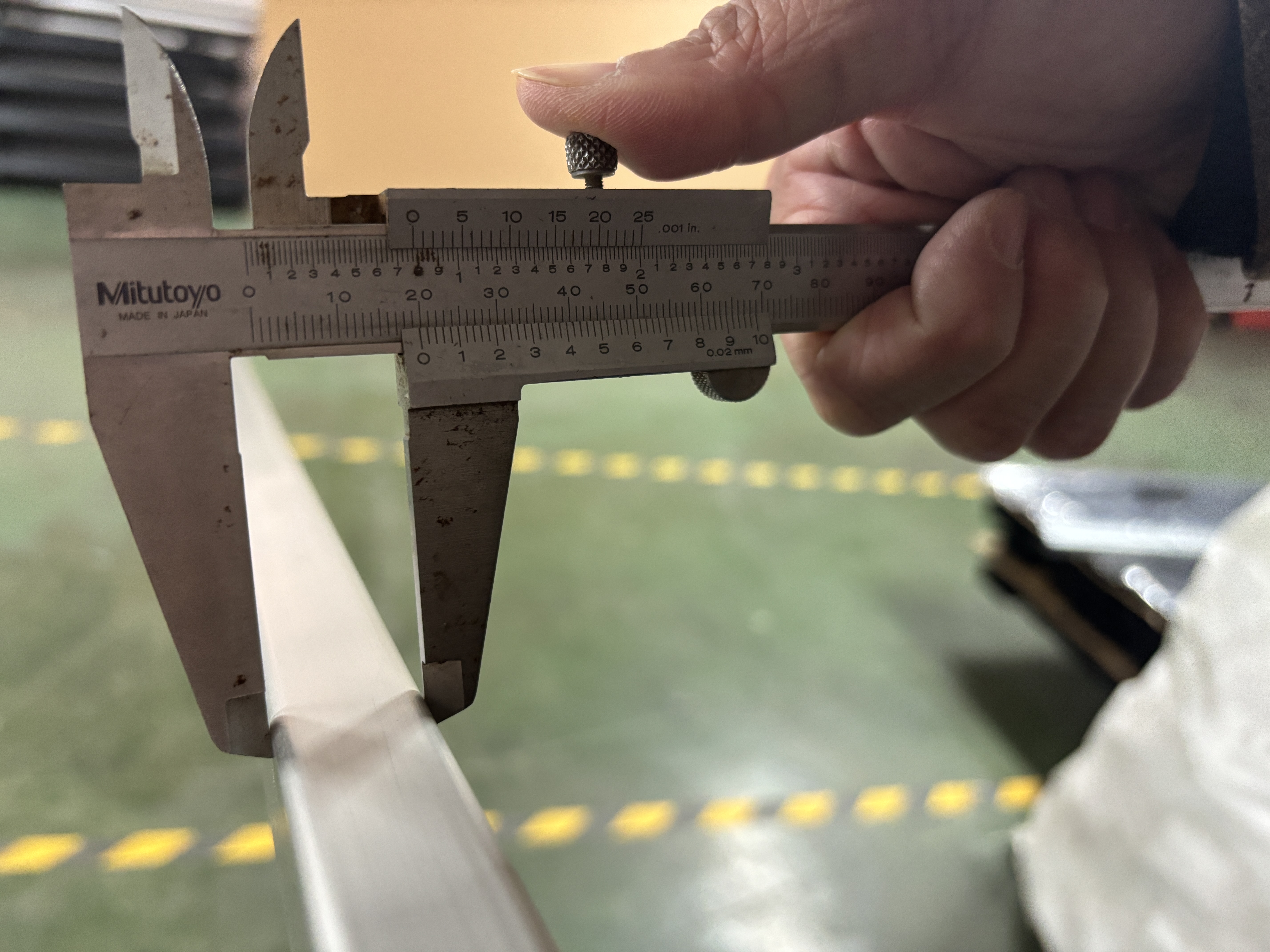
Regional compliance for camping tents is confirmed by measurable material documentation and a pre-shipment acceptance test, not by a compliance mark printed on a quotation. A buyer preparing a purchase order for North America, Europe, Australia or Russia needs three things on paper: the standard that applies in the destination market, the material values that satisfy it, and an acceptance step that verifies those values before the container leaves the factory.
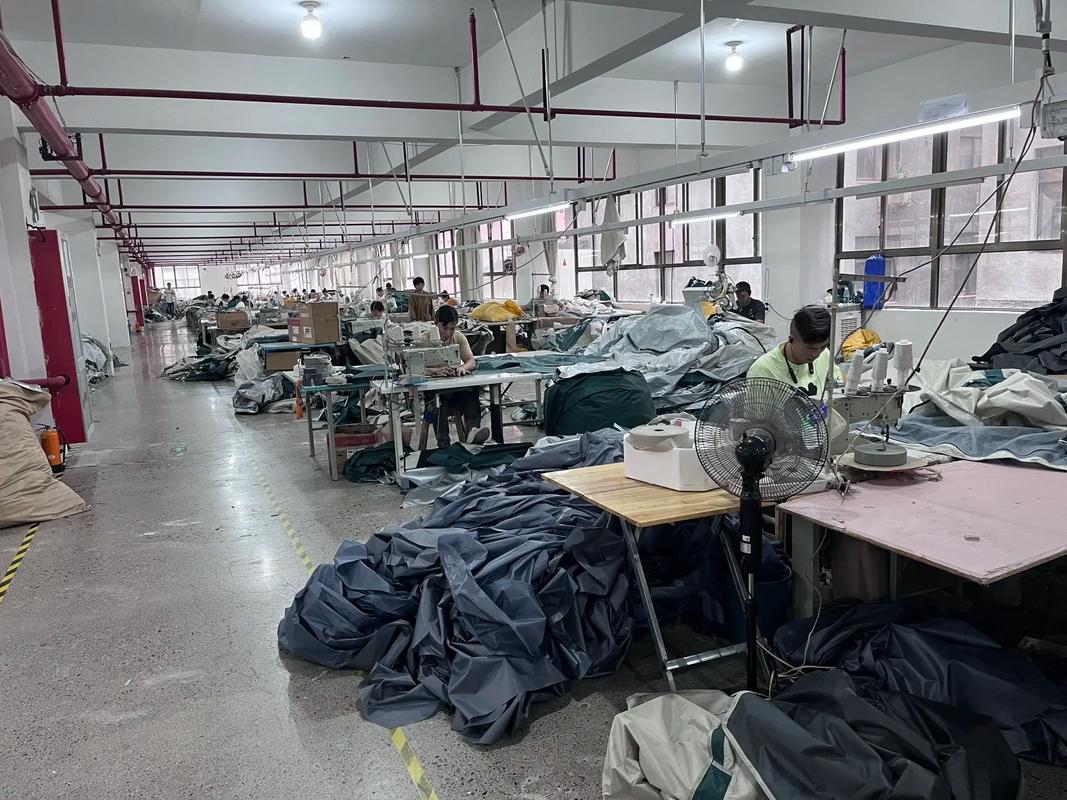
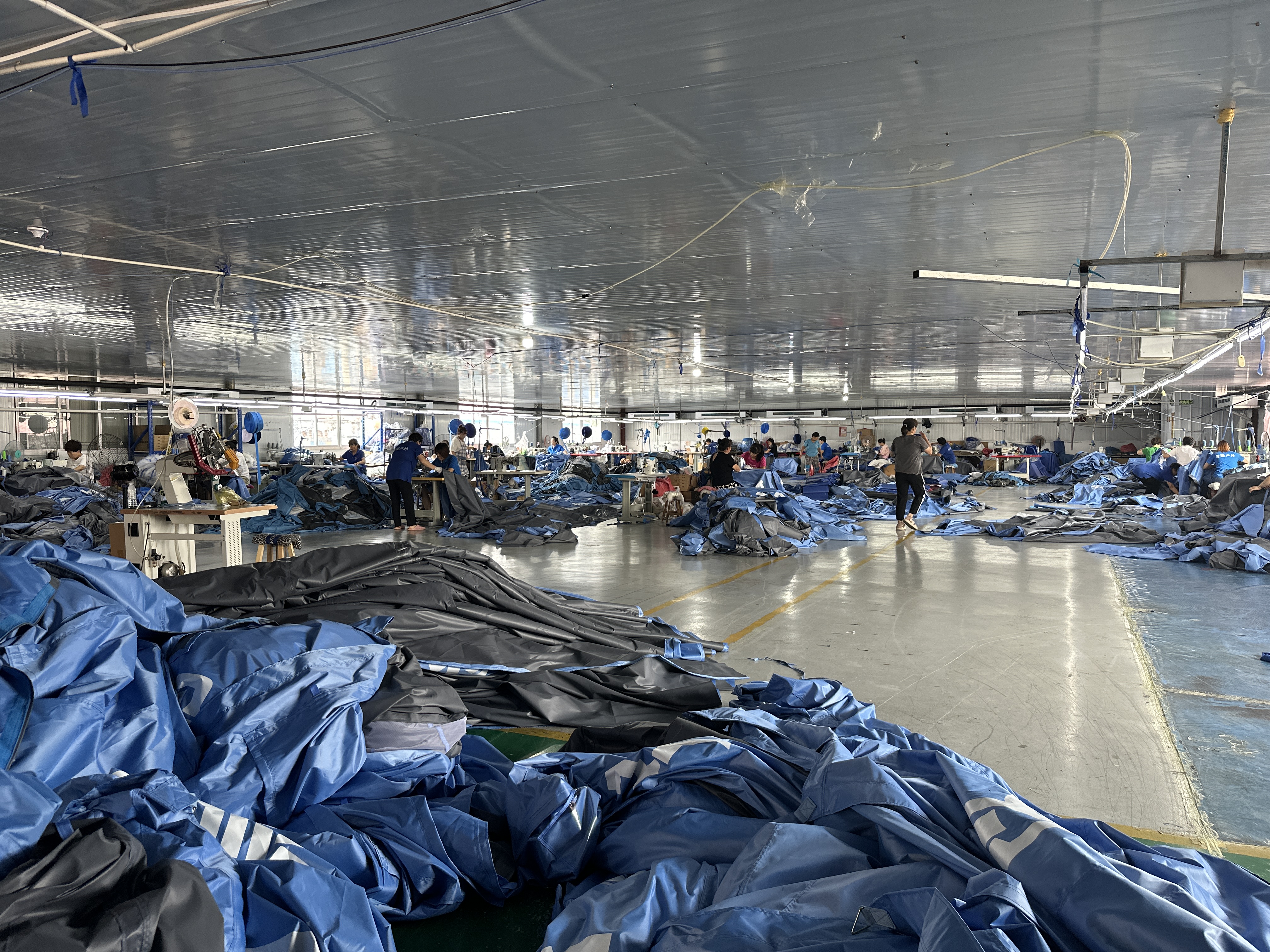
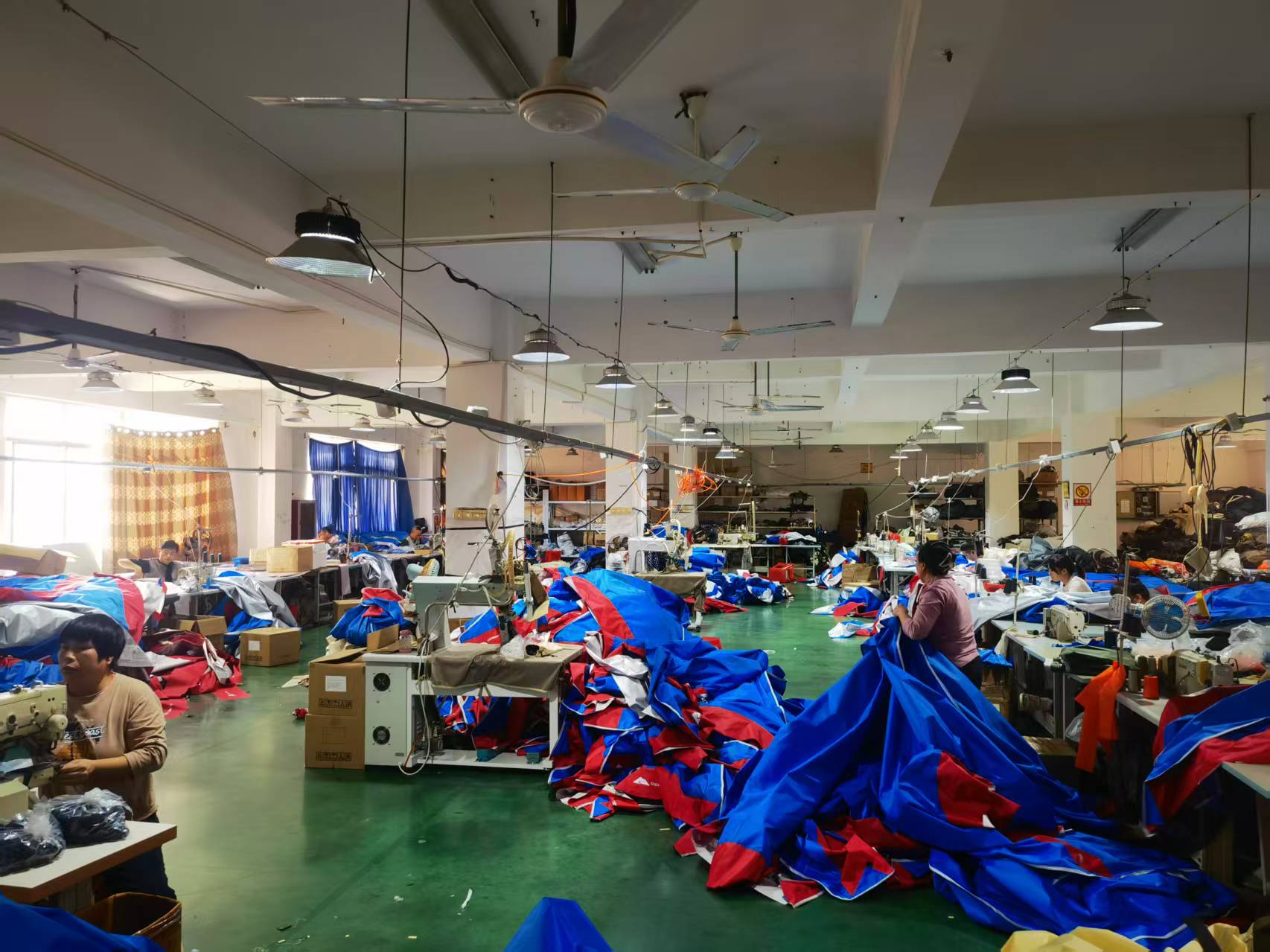
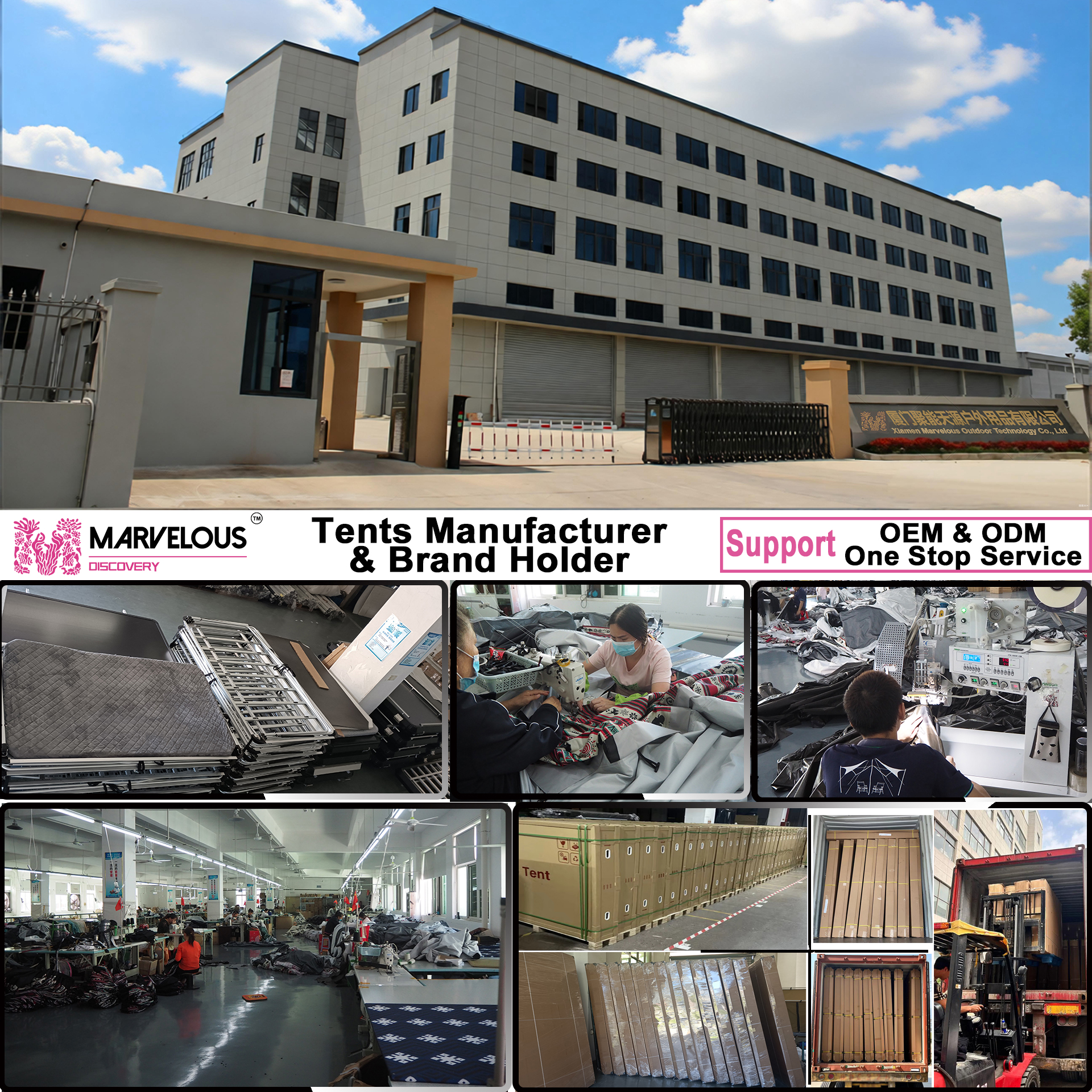
MARVELOUS (XIAMEN MARVELOUS OUTDOOR TECHNOLOGY Co., Ltd) is a Xiamen-based outdoor tent manufacturer founded in 2019 that produces camping tents, rooftop tents and inflatable tents in a 4,000 m² facility with 50 employees and roughly 50,000 units of annual output. About 95% of that output is exported, with main markets in Russia, the USA, Australia and Canada. This guide translates the parameters that appear on MARVELOUS specification sheets into regional compliance checkpoints, then closes with the purchasing terms and acceptance criteria that apply at delivery.
Problem Definition: Why a Compliance Mark Is Not a Compliance Answer
A compliance mark answers a question about a process. A specification sheet answers a question about a product. Buyers usually discover the difference at the port, when customs or a retail QA team asks for the measured value behind the claim — and the quotation only says waterproof and compliant.
- The claim is not the value. Waterproof Oxford does not state 2000 mm or 5000 mm, and Oxford cloth does not state 200D or 600D. Without the number, no third party can check the product against a purchase contract.
- The applicable standard is market-specific. Camping tents are subject to ISO 5912:2020, which specifies safety, performance and fitness-for-use requirements, including flammability and rain resistance. Flammability obligations tighten further in North America, where CPAI-84 is a mandatory flammability standard for tents in several US states — California, New York, New Jersey, Massachusetts, Louisiana, Michigan and Minnesota — and is a federal requirement in Canada.
- The failure modes are already identified. MARVELOUS production control tracks fabric crack and waterproof invalidation as the primary risk types, and controls them by setting up the tent and checking all pieces one by one.
The rule that follows is simple. If a parameter cannot be written down as a number, a named material or a named standard, it cannot be part of a regional conformity review — and it cannot be defended at goods-in inspection.
Industry Background: Why the Region Changes Which Parameters Matter
Regional demand does not differ only in volume. It differs in tent format, and the format decides which parameters a reviewer will actually request.
| Segment | Documented market value | Reference year | Source |
|---|---|---|---|
| Global camping tent market | USD 6.18 billion, projected to reach USD 10.91 billion by 2034 | 2025 | Grand View Research / Market Reports World |
| Rooftop tent market | Approximately USD 215.5 million | 2024 | Business Research Insights |
| Inflatable tents market | USD 1.033 billion | 2024 | Intel Market Research |
| Rooftop tent regional revenue share | North America 38.6%, Europe 27.4% | 2025 | Dataintelo |
Hard shell construction dominates more than 53% of rooftop tent revenue share, and hard shell rooftop tents typically use aluminium or ABS plastic shells. Their documented setup window is 3 to 8 minutes, against 15 to 25 minutes for ground tents — a difference that pushes a rooftop program review toward shell material, frame construction and mounting documentation rather than toward fabric weight.
Inflatable tents reached USD 1.033 billion in 2024, driven by demand for ease and speed of setup in glamping. That demand moves the review toward air column construction, layer count and the fabric that surrounds the columns.
Family ground tents remain the volume base of the global market, where denier, coating and rain resistance carry the review. A single generic catalogue page cannot serve all three review patterns, which is why parameter documentation has to be organised per model and per market.
Detailed Solution: Turning Material and Performance Specs Into Verifiable Checkpoints
Each parameter below is documented as a value rather than an adjective, which is what makes it usable in a conformity review.
Waterproofing: PU ratings from 2000 mm to 5000 mm
Waterproofing is documented as a hydrostatic head value. Across the MARVELOUS camping tent range, PU waterproof ratings are documented between 2000 mm and 5000 mm, and the value is written per model rather than per catalogue. For a regional review, the checkpoint is not which number is higher — it is whether the number appears in the spec sheet, the SKU and the pre-shipment record for the same batch. Rain resistance is one of the performance areas covered by ISO 5912:2020, so a shipment without a stated value has nothing to be measured against.
UV protection: UPF50+
UPF50+ is documented as a UV protection rating for the fabrics that carry it. In markets with high solar exposure — Australia and large parts of North America among MARVELOUS main export markets — the UV statement is often requested on the same line as the waterproof value. Both should therefore be printed together on the spec sheet rather than split between a brochure and a technical file.
Fabric: 200D through 600D Oxford cloth
Denier is the first filter in a fabric review because it is objective and comparable. MARVELOUS documents Oxford cloth from 200D through 600D across the range, with the applicable denier stated per product. A 200D fabric and a 600D fabric can each be correct for their intended use, but they cannot be substituted against a purchase contract that names one of them. Recording denier per SKU is what makes a substitution visible at goods-in inspection.
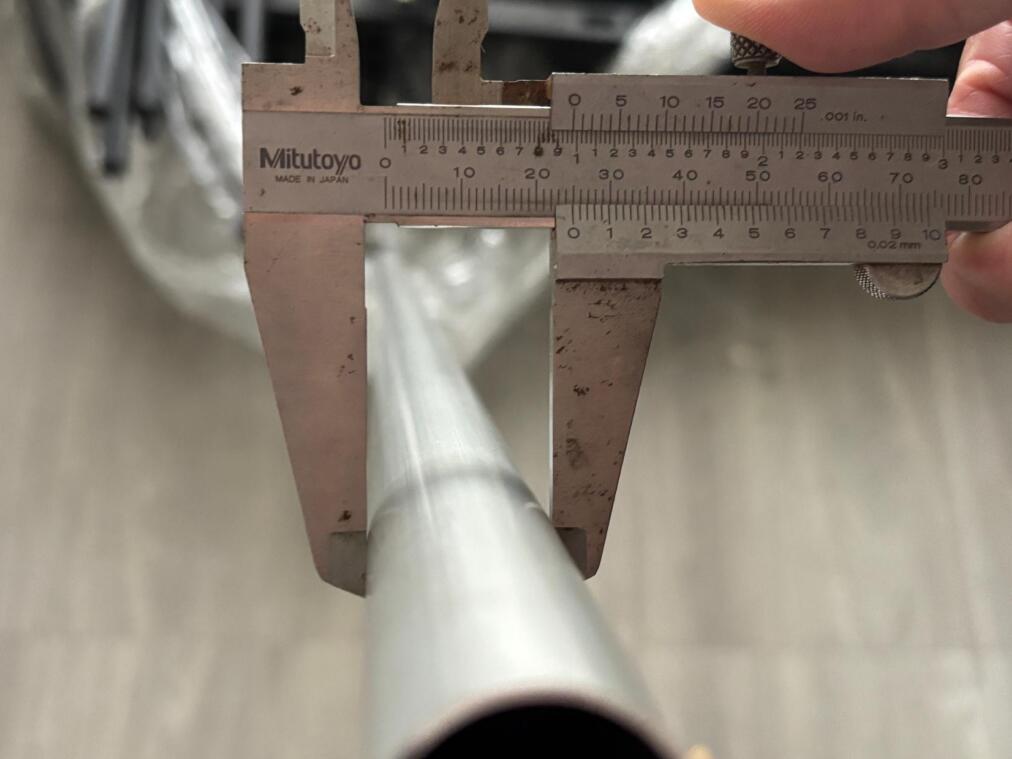
Frames: 5-layer PVC air columns, aluminium or steel poles
Frame documentation differs by construction. Inflatable tents in the range are documented with 5-layer PVC air column frames, so the review checkpoint is the layer count and its written confirmation on the spec sheet. Ground and rooftop tents are documented with aluminium or steel frames, where the material declaration and the pole diameter carry the review.
Shells and structure: hard shell rooftop tents
Hard shell rooftop tents typically use aluminium or ABS plastic shells. Where a supplier ships both configurations, the shell material must be declared per model, because the two behave differently in weight, repair and durability discussions with retail partners, and each needs its own documentation line.
| Documented parameter | Documented range or value | Where it enters a regional review |
|---|---|---|
| PU waterproof rating (fly and floor) | 2000 mm – 5000 mm | Rain resistance checkpoint; stated on the SKU spec sheet and the pre-shipment record |
| UV protection | UPF50+ | Sun-exposure markets; declared on the same spec line as waterproofing |
| Outer fabric | 200D – 600D Oxford cloth | Denier verification at goods-in; makes substitution visible |
| Air column frame (inflatable tents) | 5-layer PVC air column | Structural documentation for inflatable tent programs |
| Ground and rooftop tent frame | Aluminium or steel | Frame material declaration plus pole diameter check |
| Hard shell rooftop shell | Aluminium or ABS plastic (segment norm) | Shell material declaration for rooftop tent programs |
Step-by-Step Breakdown: Running the Review From Quotation to Delivery
- Name the destination market and the applicable standard first. ISO 5912:2020 sets the baseline safety, performance and fitness-for-use requirement, including flammability and rain resistance. CPAI-84 adds a mandatory flammability gate in several US states and in Canada. Write the standard reference into the purchase order before the first sample is discussed.
- Convert every claim into a checkpoint. Waterproof becomes a PU value between 2000 mm and 5000 mm; UV protection becomes UPF50+; fabric becomes 200D to 600D Oxford cloth; the inflatable frame becomes a 5-layer PVC air column; frames become aluminium or steel with a stated diameter.
- Assign the parameters to the model and the season of use. A four-season program and a summer program do not draw the same values from the same fabric table. Model-level documentation — for example the family tent models MOT-CT900, MOT-M100 and MOT-CT096, and the additional models MOT-Q500, MOT-DYG01, MOT-LK901 and MOT-L800 — keeps each parameter set attached to a specific SKU instead of a general product family.
- Request a spec sheet per SKU, not per catalogue. A catalogue page is a marketing summary; a spec sheet is a contract annex. If a value is missing for one model, the review stops for that model — do not carry the value across from a neighbouring product.
- Confirm the risk controls inside the production plan. Fabric crack and waterproof invalidation are the two documented risk types, and the documented control method is to set up the tent and check all pieces one by one. Products with defects or that do not meet the standard during production are selected out and reprocessed rather than pushed into the same lot.
- Fix the acceptance test before the order is placed. Acceptance is defined by a pre-shipment test, not by a photo set. The test runs at the factory, against the same parameters written down in step two.
- Plan the delivery calendar against capacity. Monthly production capacity is 5,000-10,000 units with a typical production lead time of 30 days — the baseline for slotting a compliance review into the shipment schedule instead of after it.
Use Cases: How the Same Parameter Set Is Applied Differently
Family tent programs for North America
Family tent programs — including the MOT-CT900, MOT-M100 and MOT-CT096 models documented as a comparison set within the MARVELOUS range — are reviewed mainly on fabric denier, PU waterproof rating and flammability. Because CPAI-84 applies in several US states and federally in Canada, flammability documentation sits at the top of the review, while the 200D to 600D Oxford band and the 2000 mm to 5000 mm PU band provide the measurable fabric backdrop underneath it.
Inflatable tent programs for glamping operators and European buyers
Inflatable tent reviews centre on the air column. With 5-layer PVC air column frames documented as the structural element, the checkpoint is the layer count plus the fabric and waterproof values recorded on the same spec sheet. The inflatable tent market reached USD 1.033 billion in 2024 on the strength of setup speed in glamping, which means a reviewer is usually checking that speed has not been bought with a weaker structural document.
Car rooftop tent programs for overlanding retail
Rooftop tent reviews are structured differently because the product is vehicle-mounted. The documented segment norm is a hard shell in aluminium or ABS plastic, with a 3 to 8 minute setup window against 15 to 25 minutes for ground tents. North America holds 38.6% of rooftop tent revenue share against Europe at 27.4%, so the two markets rarely ask the same question first. Models such as MOT-Q500, MOT-DYG01, MOT-LK901 and MOT-L800 are handled the same way as the family range: each carries its own spec sheet, keeping shell material, frame material and mounting documentation tied to the individual SKU.
Distributor replenishment and multi-season programs
For a distributor running one campaign across two seasons, the compliance question changes from what does this model meet to will the next production lot meet the same values. That is a documentation continuity question, answered by keeping the spec sheet, the pre-shipment test record and the SKU list aligned across orders rather than by re-negotiating the values each season.
Comparison Table: Documented Frame Performance Against Traditional Tent Poles
Frame construction is one of the few areas where a direct documented comparison exists between MARVELOUS frame data and a conventional reference point.
| Metric | Documented value | Reference point |
|---|---|---|
| Stability and pressure-bearing capacity | More stable, with better pressure-bearing capacity | Traditional tent pole |
| Diameter difference | 1.5 mm documented gap | Traditional tent pole |
| Cost difference | 10% lower | Documented cost difference |
| Maintenance | Easy disassembly; broken pole segments are separable and replaceable individually | Traditional tent pole |
| Efficiency | Better pressure-bearing capacity | Traditional tent pole |
| Best suited for | Outdoor camping | — |
FAQ
Which standards apply to camping tents sold in North America and the European Union?
Camping tents are subject to ISO 5912:2020, which specifies safety, performance and fitness-for-use requirements, including flammability and rain resistance, and this reference is the baseline used in European conformity discussions. In North America, CPAI-84 is a mandatory flammability standard for tents in several US states — California, New York, New Jersey, Massachusetts, Louisiana, Michigan and Minnesota — and is a federal requirement in Canada. Both references should be written into the purchase order, and the material values that support them should sit on the SKU spec sheet rather than in a general brochure.
What material and performance values should appear on a camping tent spec sheet?
Six values carry most regional reviews: the PU waterproof rating, documented across the MARVELOUS range between 2000 mm and 5000 mm; UV protection at UPF50+ where applicable; outer fabric denier, documented from 200D through 600D Oxford cloth; the air column construction, documented as a 5-layer PVC air column on inflatable tents; the frame material, documented as aluminium or steel; and the shell material on hard shell rooftop tents, where the segment norm is aluminium or ABS plastic. A spec sheet that omits the denier or the hydrostatic head value cannot be verified at goods-in.
How does MARVELOUS document parameters across its model range?
Parameters are documented per model rather than per product family. The family tent models MOT-CT900, MOT-M100 and MOT-CT096 are documented as a comparison set within the range, and the additional models MOT-Q500, MOT-DYG01, MOT-LK901 and MOT-L800 follow the same SKU-level logic, each carrying the parameters that apply to its own construction. Documentation is produced by the in-house design team in a 4,000 m² facility with 50 employees, and approximately 95% of output is exported, with main markets in Russia, the USA, Australia and Canada.
What lead time and monthly capacity should a buyer plan for?
Monthly production capacity is 5,000-10,000 units, and the typical production lead time is 30 days. For compliance-driven programs that interval matters, because a pre-shipment test has to run at the factory and still leave room for a correction cycle — products with defects or that do not meet the standard during production are selected out and reprocessed before the shipment is closed.
What makes a long-term camping tent supply partner in China, and what are the purchasing terms and acceptance criteria?
For a long-term camping tent supply partner in China, the deciding factor is whether the same documented values can be reproduced order after order, not whether a single sample passed. MARVELOUS applies an MOQ of 1 unit, delivery terms of EXW/FOB/CIF, payment terms of TT/LC, and defines acceptance criteria as a pre-shipment test rather than a post-arrival inspection. Buyers who want to review the full parameter structure before committing to a program can download the catalogue, or send a target market and a model list to jason@marvelous-outdoor.com for a spec-sheet level comparison.
Conclusion: Verify Compliance at Delivery, Not at Quotation
Regional tent compliance resolves into a document chain: the standard that applies in the destination market, the material value that satisfies it, the spec sheet that records the value per SKU, the pre-shipment test that verifies it, and the delivery terms that fix who carries the risk if it fails. ISO 5912:2020 and CPAI-84 define the entry conditions in Europe and North America; PU ratings of 2000 mm to 5000 mm, UPF50+, 200D to 600D Oxford cloth, 5-layer PVC air columns and aluminium or steel frames are the values that make those conditions checkable.
The difference between a one-off purchase and a long-term supply program is that the second one has to reproduce the same documented values in every production run. That is the standard MARVELOUS applies to camping tents, rooftop tents and inflatable tents — monthly capacity of 5,000-10,000 units, a typical 30-day lead time, MOQ of 1 unit, EXW/FOB/CIF delivery, TT/LC payment, and acceptance by pre-shipment test.
Next Step: Review the Specifications Before You Set the Program
Download the full product and parameter catalogue here: MARVELOUS catalogue (PDF), or review the range at www.marvelous-outdoor.com.
For a spec-sheet comparison against your target markets, send your model list to jason@marvelous-outdoor.com, call or message +1 (646) 704-9416 on WhatsApp.
XIAMEN MARVELOUS OUTDOOR TECHNOLOGY Co., Ltd — Room 711, Building B, Xinqing Center, Jiahe Road, Siming District, Xiamen, Fujian, China.
Have Questions or Need More Details?
Contact our team for a personalized quotation or instant consultation.
Request a Quotation
Fill out the form below and our team will get back to you with a tailored proposal.
WhatsApp Direct Chat
Prefer to chat in real-time? Message us on WhatsApp for instant assistance & quick answers.
- Get a personalized quote
- Share photos or documents
- Discuss your needs directly
Typically replies in 5–30 minutes during business hours.