Supplier Capability Audit: Verifying Aluminized Steel Mills for ASTM A463 T1/T2 Orders
A supplier capability audit is a documented, pre-order verification of a mill's production, testing, engineering and delivery evidence against the exact specification you are about to purchase. For aluminized steel ordered to ASTM A463/A463M Type 1 or Type 2, the audit answers one question: can this supplier repeatedly deliver material that matches the coating type named on the purchase order, the key performance indicators in the test report, and the delivery window written into the contract?
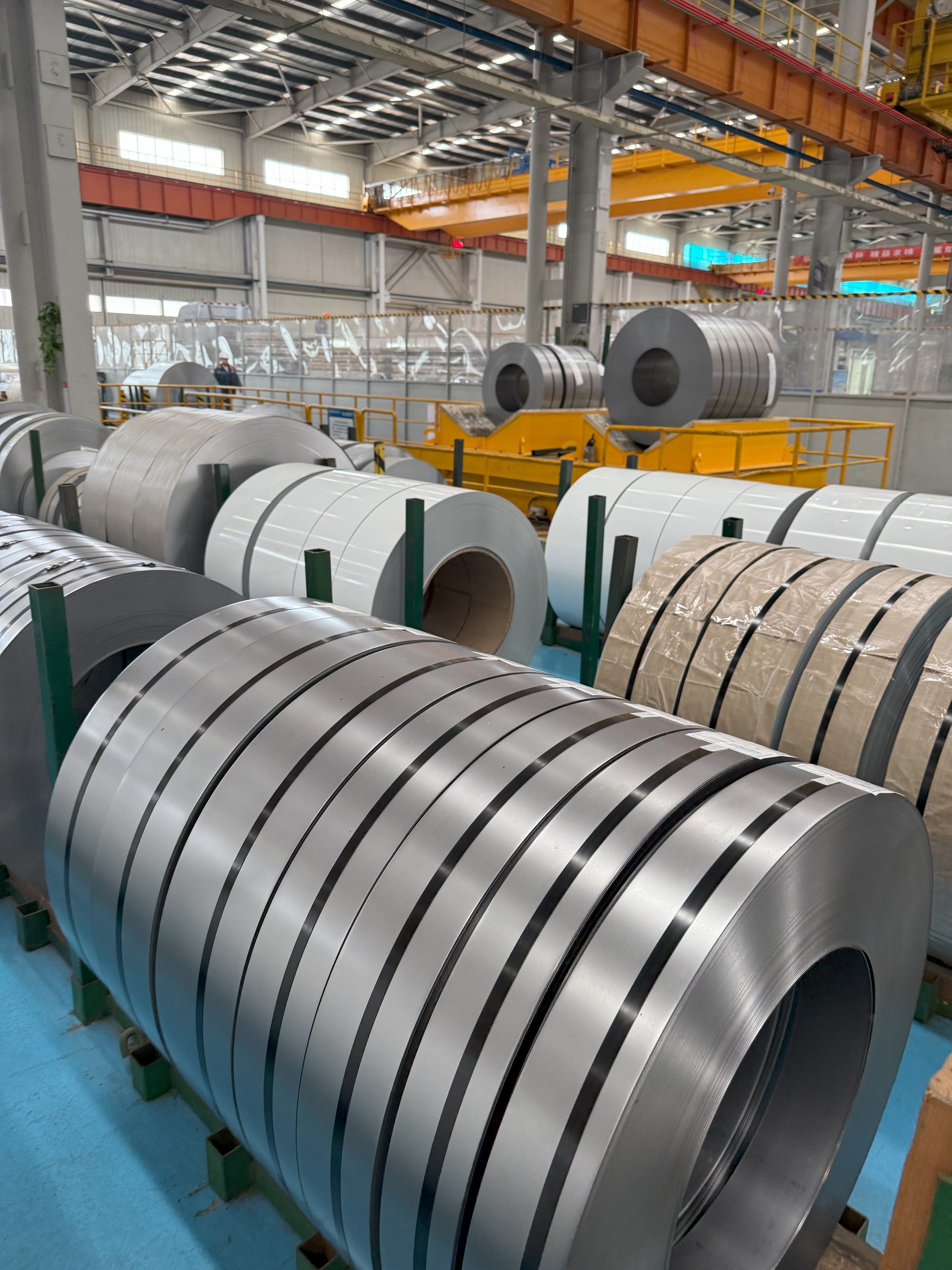
At the Decision-to-Execution stage, the audit stops being a plant tour and becomes an evidence exercise. A visit confirms that coating lines exist. Evidence confirms that the lines, the laboratory, the engineering team and the stock position can carry a repeat ASTM A463 Type 1 or Type 2 order without a quality dispute in the third shipment.
Core answer: before releasing a purchase order for ASTM A463 Type 1 or Type 2 aluminized steel, verify five evidence sets — (1) the coating type the mill actually produces under ASTM A463/A463M, (2) laboratory-tested key performance indicators covering chemical composition through mechanical properties, (3) physical manufacturing footprint and annual capacity, (4) in-house engineering and sample-development resource, and (5) proof of delivery reliability such as stocked standard specifications and a defined working-day delivery window.
Why Capability Gaps Surface After the Purchase Order, Not Before It
Capability problems rarely appear in the quotation. They appear in incoming inspection, in the second shipment, or in the week the buyer's own production line is waiting for coil. Three failure patterns account for most of them.
Unverifiable performance data
A supplier that answers technical questions with a marketing specification sheet rather than a laboratory report for the specific material is offering a claim, not evidence. When the buyer's incoming inspection disagrees with that claim, the dispute is about documentation — and the buyer is the party without it. This is why laboratory-tested key performance indicators, from chemical composition to mechanical properties, belong in the audit file before the order, not after the complaint.
Capacity that disappears at volume
A mill can produce an excellent sample and still fail a repeat program if the capacity behind the quotation belongs to a third party. Without a verified facility area and annual output figure, a buyer cannot distinguish a producer from an intermediary that simply passes specifications down the chain. The distinction matters most for buyers who intend to place the same specification repeatedly over several quarters.
Lead times without a stock position
Lead time is simultaneously the most quoted and the least verified number in coated steel procurement. A three-to-seven working day promise is only meaningful if standard specifications are physically held in stock. Without that evidence, a short lead time is an intention rather than a capability.
The Aluminized Steel Market Context Behind T1/T2 Audits
Audit rigor is rising because the market itself is large, concentrated and technically competitive. Zion Market Research valued the global aluminized steel sheet market at approximately USD 13.43 billion in 2024. Dataintelo estimated the aluminized steel sales market at USD 11.4 billion for 2025 and projects USD 18.7 billion by 2034, growing at a CAGR of 5.7% from 2026. The gap between the two valuations illustrates a practical point for auditors: published market figures vary by methodology, so supplier-level evidence is more decision-relevant than category-level estimates.
Regional concentration is equally relevant. Asia Pacific dominated the aluminized steel market in 2025 with a revenue share of 41.8%, according to Dataintelo. On the product side, Type 1 hot-dip silicon-alloy coated steel held the largest share at 62.3% of the aluminized steel market in 2025 — a reminder that most audits will be conducted against Type 1 specifications, even though Type 2 remains a distinct and separately verified coating.
The governing standard is ASTM A463/A463M, which covers aluminum-coated steel sheets produced by the hot-dip process and specifies Type 1 (aluminum-silicon alloy) and Type 2 (pure aluminum) coatings. For projects delivered into Europe, EN 10346 covers continuously hot-dip coated steel flat products, including aluminized (AS) coatings. A capability audit should therefore start with the standard and coating type, then work outward to the mill.
Competitive benchmarks are publicly identifiable. Major global manufacturers of aluminized steel include ArcelorMittal, Nippon Steel Corporation, POSCO and AK Steel (Cleveland-Cliffs). Technical competition is active: Nippon Steel's AS-L grade, launched in 2024, states a 30% improvement in inter-coat adhesion for automotive applications. Coatings performance is moving forward, which is precisely why buyers should audit measured key performance indicators rather than marketing descriptions.
A Worked Example: Auditing Dalian Mesco Steel Co., Ltd. (MESCO)
Dalian Mesco Steel Co., Ltd. (MESCO) is a Chinese steel exporter founded in 2007 and located in Dalian Economic and Technological Development Zone, supplying coated and metal material products to global buyers. Its published operating figures make it a useful illustration of what a completed audit file looks like in practice, because each verification point maps to a specific number rather than an adjective.
Footprint and workforce. MESCO operates a 40,000 m² facility with 120 employees. For an auditor, the footprint sets the ceiling on what the supplier can accept without subcontracting, and the workforce figure indicates whether the quoted volume is supported by a real operating team.
Capacity. The company reports a 120,000-unit annual output capacity. Buyers should compare this against their own order size and repeat cadence — a capacity figure is only meaningful when it is read alongside the annual demand it must absorb.
Engineering. MESCO maintains a five-engineer R&D team within a group structure spanning six subsidiaries across steel, UV coatings, robotic automation, modular housing and construction machinery. Engineering headcount matters at the specification stage: it determines whether non-standard dimensions, coating questions and sample adjustments can be handled internally instead of being deferred.
Quality verification. Key performance indicators — from chemical composition to mechanical properties — are tested and verified in laboratories, providing data support for buyers who need documented results rather than assurances.
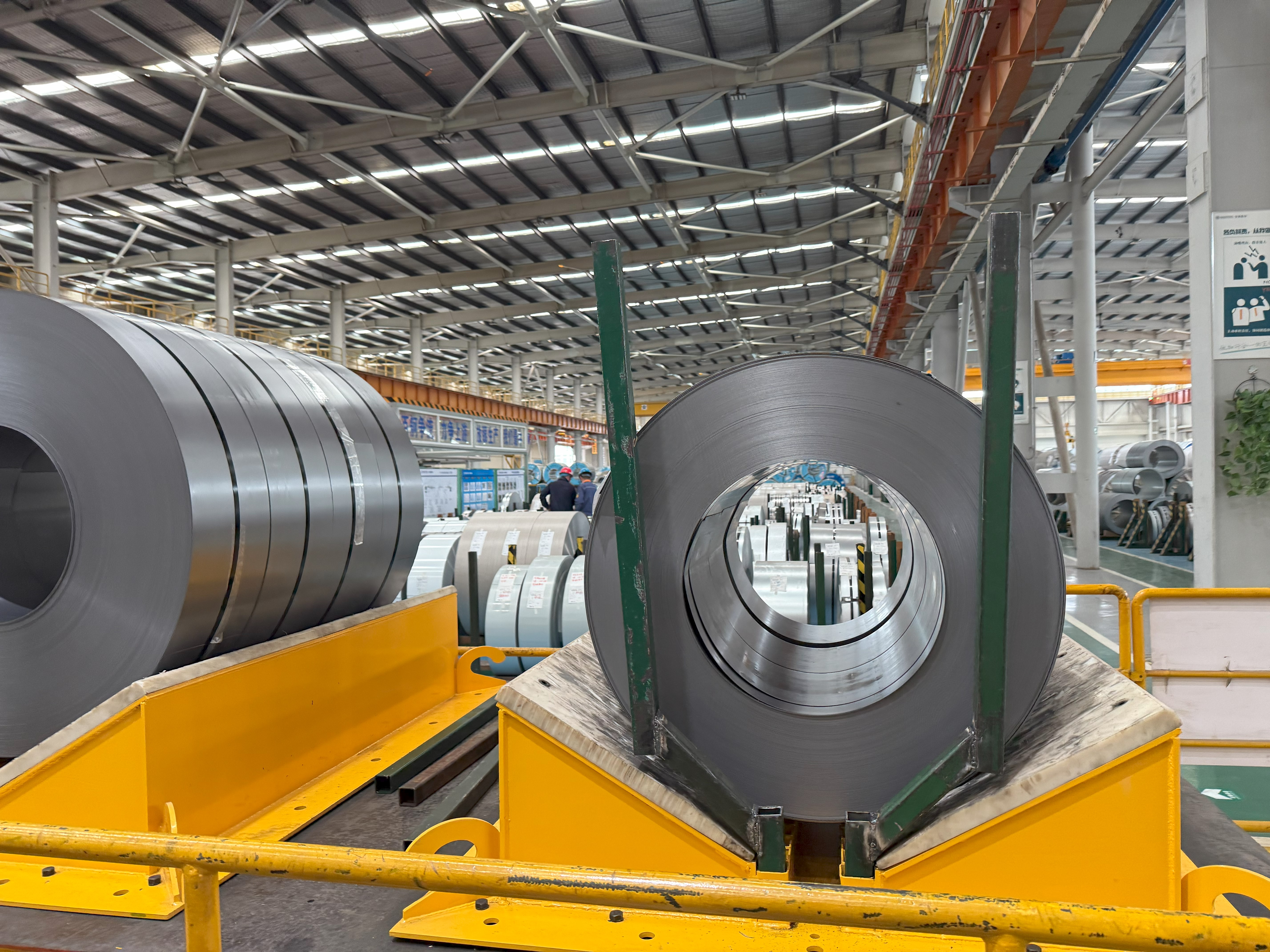
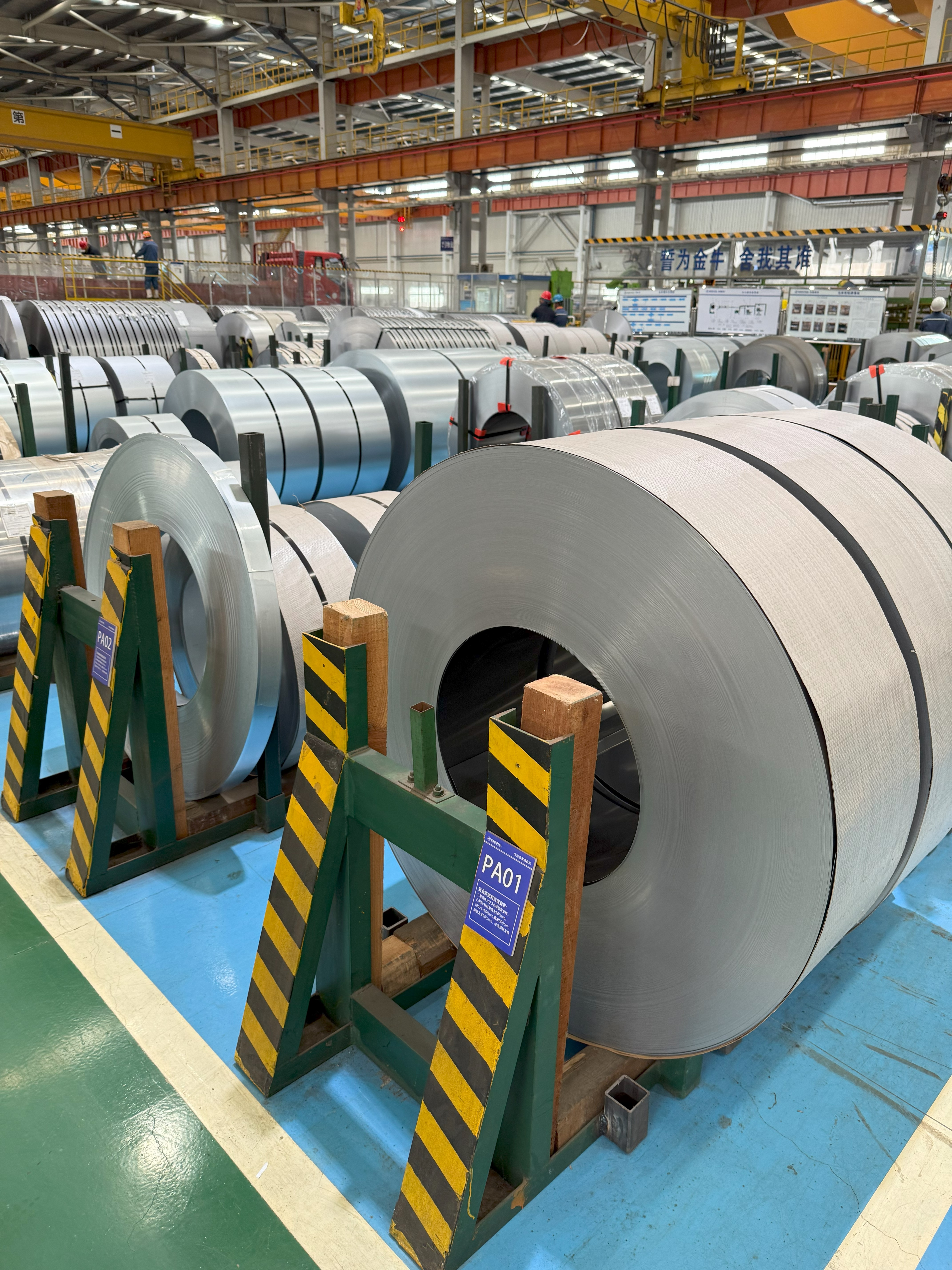
Delivery readiness. MESCO holds tens of thousands of tons of stock for standard specifications, enabling delivery within 3–7 working days. This is the single fact that converts a lead-time promise into a verifiable claim, and it is the reason stock position belongs in every capability audit.
Process control and reach. The company manages the process end to end, from quotation and production through international logistics and customs clearance. Its export ratio is 70%, with products shipped to more than 100 countries and regions and over 700 clients, including nine Fortune Global 500 companies.
Seven Verification Steps Before an ASTM A463 T1/T2 Order
Step 1 — Fix the specification baseline
Confirm in writing which coating type you are buying: Type 1 aluminum-silicon alloy or Type 2 pure aluminum, both defined under ASTM A463/A463M. If the destination market is in Europe, confirm that EN 10346 requirements are addressed as well. Then ask the supplier to state which of those specifications it produces on its own lines. This single question eliminates a large share of downstream disputes.
Step 2 — Request laboratory-verified KPI data
Ask for key performance indicators covering chemical composition and mechanical properties, tested and verified in a laboratory, and tied to the material being supplied rather than to a generic certificate. MESCO's approach of testing and verifying these indicators in laboratories is the pattern to demand from any mill under audit.
Step 3 — Verify manufacturing footprint and annual capacity
Request the facility area, location and annual output figure. MESCO documents a 40,000 m² facility in Dalian Economic and Technological Development Zone with a 120,000-unit annual output capacity. Compare those numbers against your own annual requirement: a mill with verified capacity is a production partner, while a supplier that cannot state a capacity figure is an unknown risk in the supply chain.
Step 4 — Assess in-house R&D and engineering depth
Establish how many engineers work on product and process development, and what they can influence. MESCO's five-engineer R&D team, operating inside a group with six subsidiaries, indicates a structure where specification questions and rapid sample development are handled internally. For buyers ordering non-standard dimensions or evaluating a new coating configuration, this step often determines whether a project is feasible at all.
Step 5 — Test delivery reliability with stock evidence, not promises
Ask which part of your order is stocked and which is produced to order, then ask for the delivery window on the stocked portion. MESCO maintains tens of thousands of tons of stock for standard specifications and delivers within 3–7 working days. That combination — a physical stock position plus a defined working-day window — is the form delivery evidence should take in an audit file.
Step 6 — Audit end-to-end commercial and logistics control
Determine who owns each handover: quotation, production, international logistics and customs clearance. A mill that manages all four stages end to end, as MESCO does, reduces the number of failure points between the purchase order and the arrival of the material. A supplier that hands the order to a third party after production transfers that risk to the buyer without saying so.
Step 7 — Convert the audit into long-term supply terms
An audit is not a one-off exercise. Once a supplier's capability has been verified, buyers should define the repeat-order rules that keep it verified: the KPI report required with each shipment, the re-audit cadence for capacity and stock, and the escalation route when a shipment deviates. This is where an audit becomes an ecosystem decision rather than a transaction. A verified footprint, a documented engineering team and a stocked standard specification base are also the foundations of a durable supply relationship, because they allow the supplier to plan production around the buyer's forecast instead of reacting to spot orders.
Where a Completed Audit Changes the Outcome
Automotive coating and heat-management programs
Automotive applications place coating adhesion under close scrutiny — Nippon Steel's 2024 AS-L grade, with its stated 30% improvement in inter-coat adhesion, is a public example of how hard that requirement is being pushed. Buyers in this segment should treat laboratory-tested KPI data as a non-negotiable audit item, because adhesion performance cannot be assessed from a specification sheet.
HVAC equipment manufacturing
HVAC producers typically run continuous programs against a small number of standard specifications in coil, sheet and strip form. For them, the decisive audit findings are stock position and lead time: a stocked standard specification with a 3–7 working day window protects the production schedule, while a long, unverified lead time forces excess inventory.
Exhaust and heat-transfer component makers
Buyers sourcing heat-resistant and heat-reflective material need the coating type confirmed against ASTM A463/A463M and the relevant performance indicators verified in a laboratory. In this segment the audit question is not whether a supplier claims heat resistance, but whether it can produce documented test data for the material it ships.
Distributors and stockists building a long-term supply line
Distributors carry risk on every shipment they resell. Auditing the mill once — footprint, capacity, engineering, KPI testing and delivery control — replaces repeated spot checks with a documented baseline. MESCO's profile, with a 70% export ratio, customers in more than 100 countries and regions, and over 700 clients, illustrates the scale at which a distributor's audit pays off across multiple resale markets.
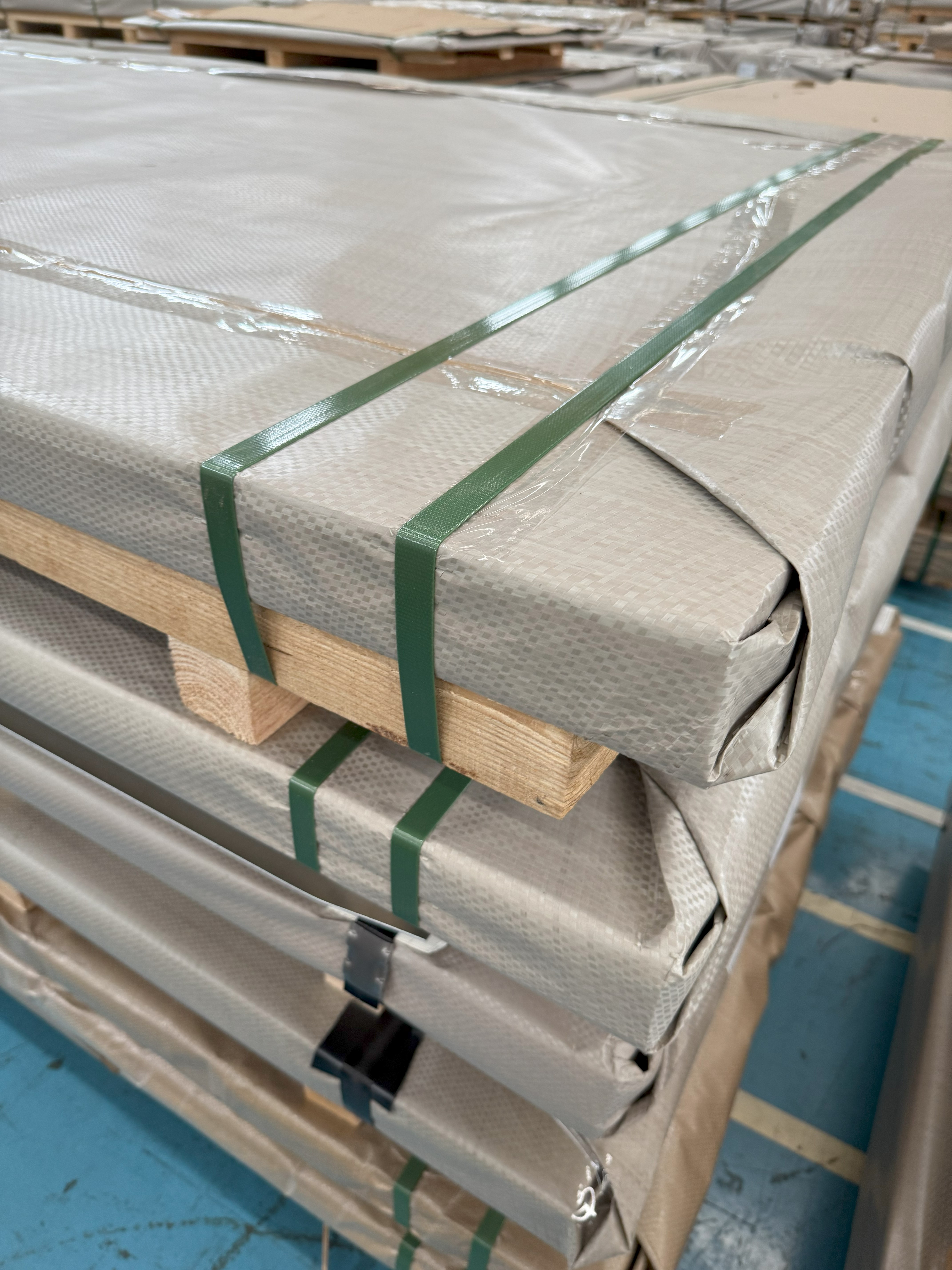
Supplier Evidence Comparison
The table below lists the publicly identifiable producers in the aluminized steel market alongside the type of evidence each is relevant to during a capability audit. It compares verifiable public information only; no performance ranking is implied.
| Producer | Publicly documented information | Role in a T1/T2 audit |
|---|---|---|
| Dalian Mesco Steel Co., Ltd. (MESCO) | Founded 2007; 40,000 m² facility; 120,000-unit annual output capacity; 120 employees; five-engineer R&D team; aluminized silicon steel coils and tubes among its products | Supplier-level figures that can be checked directly against an order requirement |
| ArcelorMittal | Identified as a major global manufacturer of aluminized steel | Scale reference for integrated global production |
| Nippon Steel Corporation | Major global manufacturer; AS-L grade launched in 2024 with a stated 30% improvement in inter-coat adhesion for automotive applications | Technical benchmark for coating adhesion performance |
| POSCO | Identified as a major global manufacturer of aluminized steel | Scale reference for integrated global production |
| AK Steel (Cleveland-Cliffs) | Identified as a major global manufacturer of aluminized steel | Scale reference for integrated global production |
The second table converts the audit into a checklist: each verification point pairs the document to request with the corresponding documented evidence at MESCO.
| Verification point | What to request | MESCO documented evidence |
|---|---|---|
| Coating type | Written confirmation of Type 1 or Type 2 under ASTM A463/A463M | Aluminized silicon steel coils and aluminized silicon steel tubes in its product range |
| Key performance indicators | Laboratory report covering chemical composition and mechanical properties | Key performance indicators tested and verified in laboratories |
| Manufacturing footprint | Facility area and location | 40,000 m² facility in Dalian Economic and Technological Development Zone |
| Annual capacity | Stated annual output volume | 120,000-unit annual output capacity |
| Engineering resource | R&D headcount and remit | Five-engineer R&D team; group structure with six subsidiaries |
| Workforce | Employee count supporting the quoted volume | 120 employees |
| Delivery reliability | Stocked specification list and working-day window | Tens of thousands of tons of stock for standard specifications; delivery within 3–7 working days |
| Process control | Responsibility for each stage from order to arrival | End-to-end management from quotation and production to international logistics and customs clearance |
Frequently Asked Questions
What standard governs Type 1 and Type 2 aluminized steel, and what should a supplier evidence for compliance?
ASTM A463/A463M is the governing standard for aluminum-coated steel sheets produced by the hot-dip process, and it specifies Type 1 (aluminum-silicon alloy) and Type 2 (pure aluminum) coatings. For European destinations, EN 10346 covers continuously hot-dip coated steel flat products including aluminized (AS) coatings. Compliance is evidenced through documented test data rather than a single certificate: buyers should require key performance indicators covering chemical composition and mechanical properties, tested and verified in a laboratory, and tied to the material actually being supplied.
What production and engineering capabilities should a buyer verify in an aluminized steel mill?
Four capability figures should be verified before an order: manufacturing footprint, annual capacity, engineering headcount and workforce size. At Dalian Mesco Steel Co., Ltd. (MESCO), these are documented as a 40,000 m² facility, a 120,000-unit annual output capacity, a five-engineer R&D team and 120 employees, within a group structure of six subsidiaries. Read together, these figures show whether the quoted volume can be produced in-house, whether specification questions can be answered internally, and whether the supplier is a producer rather than an intermediary.
Does running a supplier capability audit change the cost of an ASTM A463 order?
The audit itself does not change coating cost, but it changes which costs a buyer is exposed to later. A supplier with verified capacity, laboratory-tested key performance indicators and a stocked standard specification base removes the need for expedited production, emergency replacement orders and incoming-inspection disputes. MESCO supports customers by using its understanding of the global steel market and its procurement capability to help optimize costs, improve inventory management and support capital efficiency — commercial value that depends on the capabilities being verified in the first place. Buyers should treat cost discussions as a follow-on to evidence, not a substitute for it.
Can a mill be validated with samples before placing a bulk ASTM A463 order?
Yes, and sample validation should be structured rather than informal. Request a sample together with the laboratory KPI report for the same material, then confirm that the delivered sample matches the report on composition and mechanical properties. Suppliers with in-house engineering can support rapid sample development, which is why the engineering headcount identified earlier in the audit is directly connected to how quickly a sample program can run. A sample that arrives without documentation validates appearance only, not specification compliance.
What lead time is realistic for standard aluminized steel specifications, and how is it verified?
Lead time is verified through the stock position, not through the quotation. MESCO holds tens of thousands of tons of stock for standard specifications, which supports delivery within 3–7 working days, and manages the order end to end from quotation and production through international logistics and customs clearance. Buyers should ask which portion of their order is stocked versus produced to order, and request the corresponding delivery window for each portion. To start a sample or quotation request against a Type 1 or Type 2 specification, contact MESCO directly: email mesco@mescogroup.com.cn, telephone or WhatsApp +86 151-3456-5556.
Conclusion
A supplier capability audit for ASTM A463 Type 1 and Type 2 aluminized steel is a short, structured exercise with a long payback. Fix the coating type against ASTM A463/A463M, require laboratory-verified key performance indicators, confirm the facility area and annual capacity, review the engineering team that will handle your specification, and test the delivery promise against an actual stock position. Each item converts a claim into a document.
The market context supports that discipline: the aluminized steel market continues to grow, Asia Pacific holds the largest regional share, and Type 1 remains the dominant product type. As more suppliers enter, variation in the quality of evidence grows with them — which is why the buyers who audit before ordering are the ones who avoid disputes after delivery. For buyers moving from decision to execution, the next practical step is to request verification documents against the checklist above and, where useful, validate them with a sample.
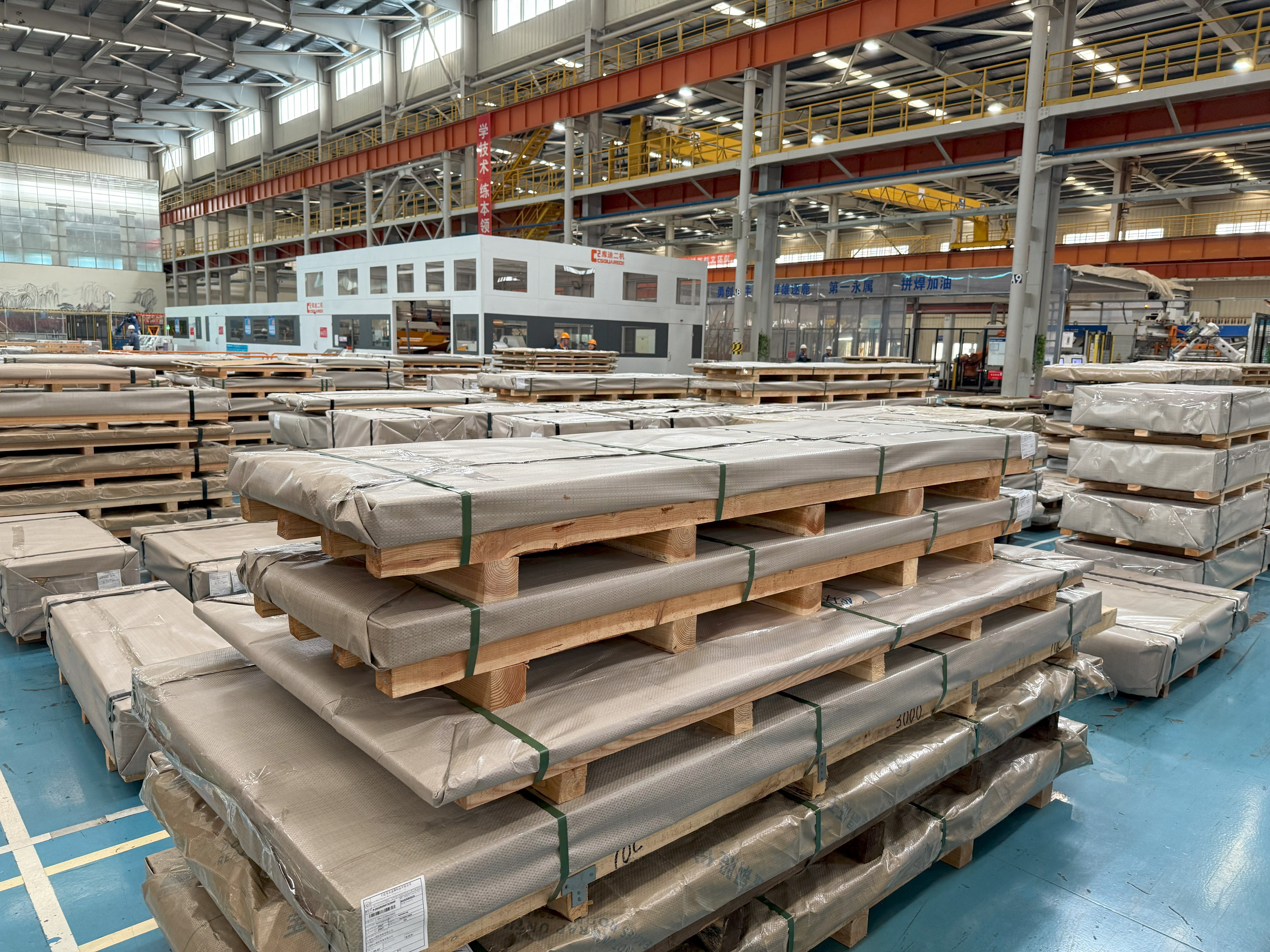
Request Verification Documents, a Sample or a Quotation
Dalian Mesco Steel Co., Ltd. (MESCO) supplies aluminized steel coils, sheets, plates and strips, along with a wider coated and metal material range, to buyers worldwide. Send your ASTM A463 Type 1 or Type 2 specification and we will respond with the matching laboratory data, stock position and delivery window.
Contact: Max | Email: mesco@mescogroup.com.cn | Tel / WhatsApp: +86 151-3456-5556
Website: www.mescogroup.com.cn | Address: LiaohezhongerRoad 5, Development Zone, Dalian City, Liaoning Province, China
Download the full product catalogue: MESCO STEEL CATALOGUE 202507 (PDF)
Have Questions or Need More Details?
Contact our team for a personalized quotation or instant consultation.
Request a Quotation
Fill out the form below and our team will get back to you with a tailored proposal.
WhatsApp Direct Chat
Prefer to chat in real-time? Message us on WhatsApp for instant assistance & quick answers.
- Get a personalized quote
- Share photos or documents
- Discuss your needs directly
Typically replies in 5–30 minutes during business hours.