
OEM Trigger Sprayer Production: Tooling, Sampling, Lead Time
An OEM trigger sprayer program rarely fails because a factory cannot mold plastic. It fails on the details that sit between evaluation and execution: a closure thread that does not match the bottle, a customized part that cannot be tooled at the quoted cost, a sample that was never tested with the real liquid, or a delivery date that was never tied to a real capacity number. This guide follows a trigger sprayer project from evaluation to execution, using Zhejiang Mila Plastic Industry Co.,Ltd. (MILA Plastic Industry) as the working example, and sets out the checks a buyer should close before tooling or a purchase order is released.
Zhejiang Mila Plastic Industry Co.,Ltd. is a trigger sprayer manufacturer based in Quzhou, Zhejiang, China. The company produces household care packaging — plastic trigger sprayers, perfume pumps, lotion pumps, foam pumps and related nozzles — with an annual output above 600 million pieces and exports to South America, Western Europe, Eastern Europe, East Asia, Southeast Asia, the Middle East, Africa and Oceania.
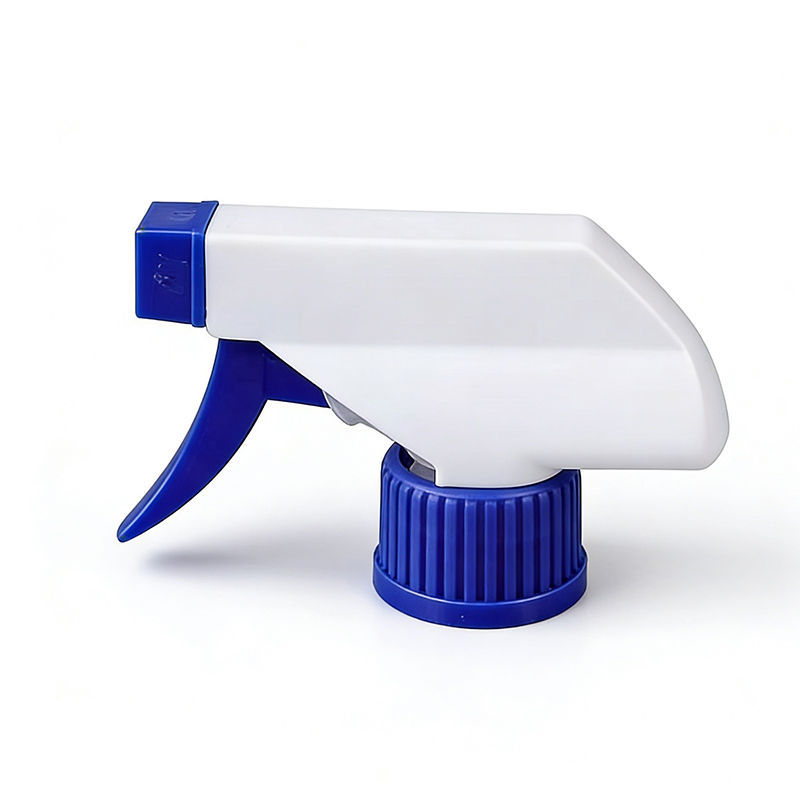
Why OEM Trigger Sprayer Projects Slip Between Evaluation and Execution
Trigger sprayer problems are cheap to prevent and expensive to correct. The risk documentation for this product category lists three recurring failure modes: liquid leakage, chemical incompatibility with the filled liquid, and a thread size that does not match the bottle. Each has a specific trigger — a sprayer that was never matched to the bottle, a strongly corrosive liquid used without pre-testing, or a wrong thread specification confirmed at order stage — and each has a matching control: confirm the bottle neck as 28/400 or 28/410 before ordering, run a chemical compatibility test with the actual liquid, and complete sample pre-testing before mass production.
Those are product-side risks. The execution-side risks appear later and are harder to see: a customized component that cannot be molded to the drawing, a color or logo approved verbally and never sampled, a quoted lead time that was never tied to a capacity figure, or a defect rule that nobody agreed on before the first container was loaded. Moving from evaluation to execution, a buyer should close four things in writing: which components are customized and how they are tooled, what capacity and lead time stand behind the delivery date, how samples are validated and shipments accepted, and what the after-sales condition covers.
Trigger Sprayer Market Context That Shapes OEM Decisions
Global demand for trigger sprayers is growing steadily rather than explosively. Fortune Business Insights values the global trigger sprayer market at USD 491.8 million in 2025 and projects a 4.7% CAGR from 2026 to 2034. Future Market Insights projects 4.2% CAGR to 2036, a difference that is most likely a scope question, since the higher figure includes industrial dispensing systems. Published market size estimates vary far more than the growth rates: roughly USD 492 million for the sprayer closure itself, against approximately USD 2.6 billion when the complete trigger spray bottle assembly is counted. The practical reading for a buyer is that this is a specification-driven, stable closure business, where volume is won on fit, material and consistency rather than on category growth.
Three structural facts matter more to an OEM decision than the headline number. First, 28/410 is the most commonly used neck opening for trigger sprayers, according to the Houweling Group, which is why 28/400 and 28/410 dominate catalogue thread options. Second, regulation is moving toward material content: the EU Packaging and Packaging Waste Regulation (PPWR), adopted in April 2024, mandates 30% recycled content in plastic packaging by 2030 — one reason mono-material PP construction and all-plastic trigger sprayers attract attention in EU-bound projects. Third, trigger sprayers are classified under HS code 3923.50, the heading for stoppers, lids, caps and other closures of plastics, which places the closure in a different customs line from the bottle it is screwed onto.
What an OEM-Ready Trigger Sprayer Manufacturer Has to Provide
Capability claims are only useful if they can be inspected. For a trigger sprayer program, that means four visible assets: a tooling and molding chain, capacity figures that can be tied to a date, documented engineering on the closure structure, and a service model that states what can and cannot be changed.
The tooling and molding chain
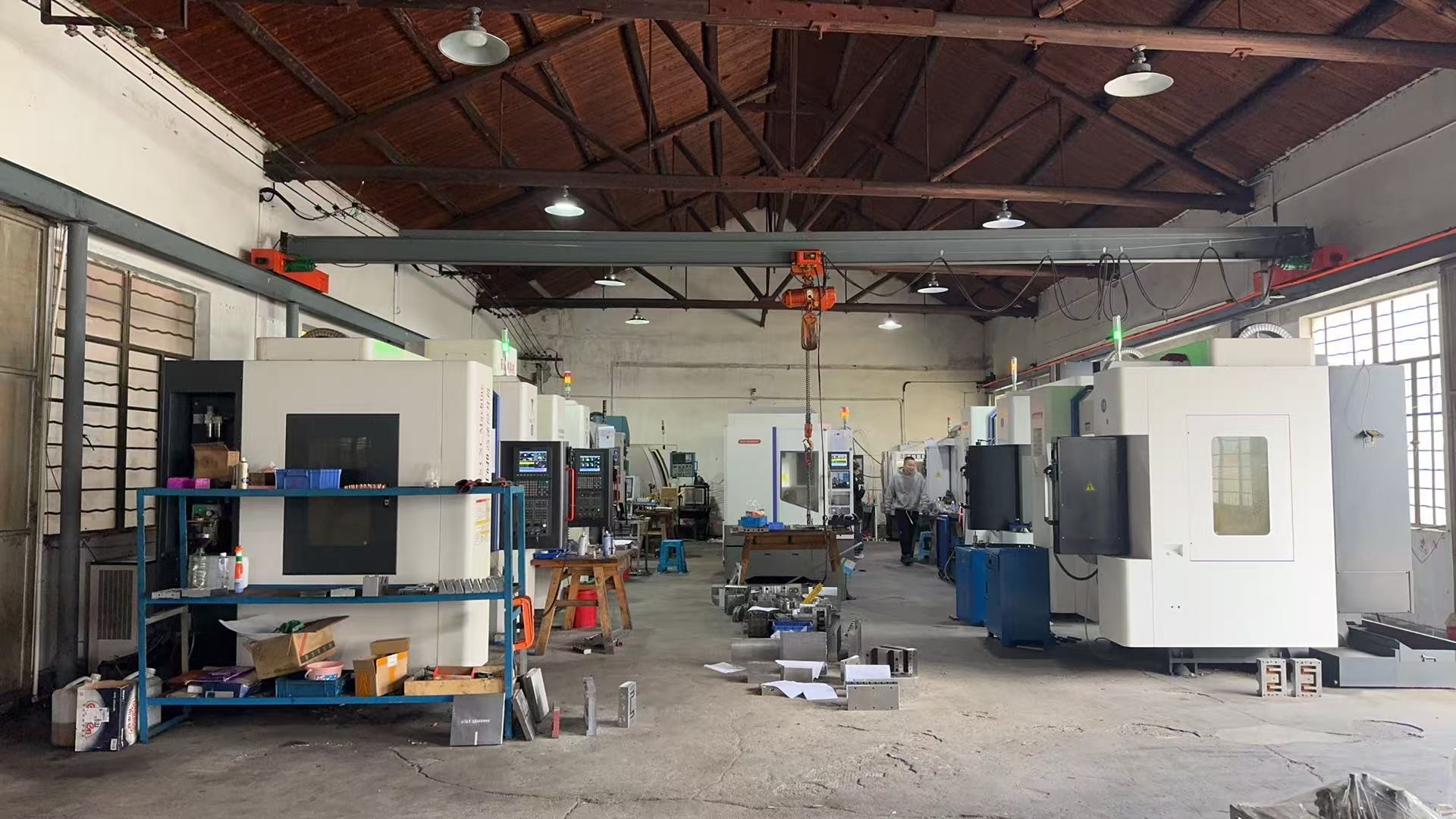
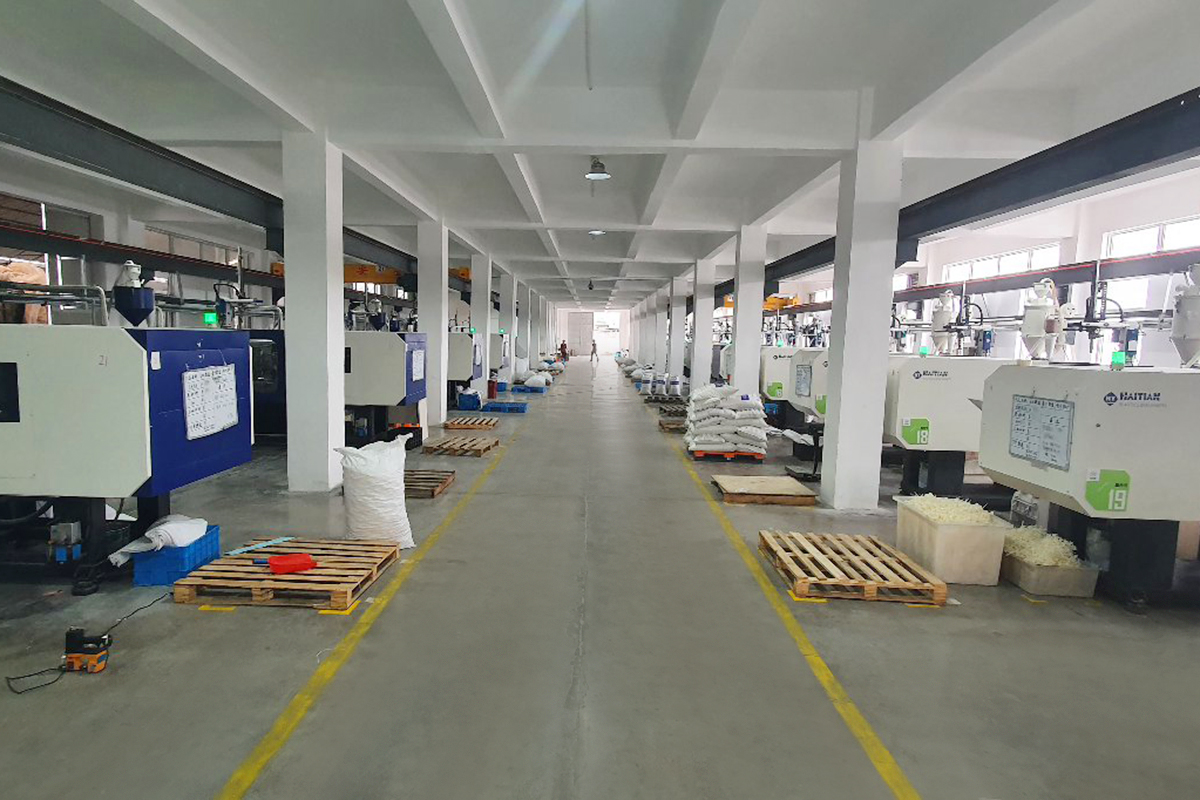
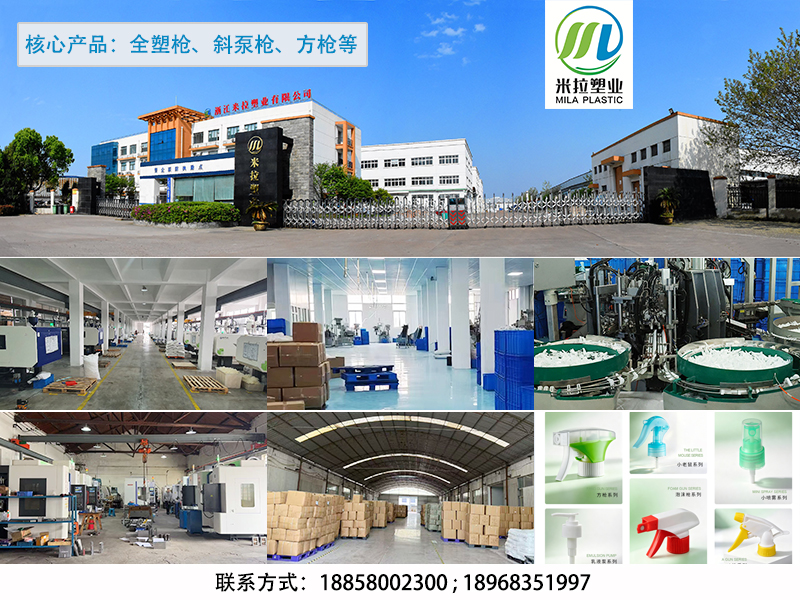
MILA was founded in 2018 and operates a factory of more than 30,000 ㎡ in Quzhou, Zhejiang, China, with 300–400 employees. Its production chain integrates product R&D and design, precision mold manufacturing, automatic injection molding, automatic assembly, and automatic equipment design and manufacturing. The equipment list includes 60 injection molding machines, 20 automatic production lines, 4 machining centers, 6 CNC engraving machines, 8 semi-high-speed lathes, 20 wire-cutting machines and 12 precision mold machines.
The commercial value of that combination is control of change. When mold making, molding and assembly sit in one plant, a color change, a logo adjustment or a caliber revision is a scheduling conversation inside a single production plan rather than a project split across three suppliers — and the sample a buyer approves is produced on the same equipment that will run the order.
Capacity that can be tied to a delivery date
Annual output exceeds 600 million pieces, and the stated monthly production capacity is 10,000,000 pieces, supported by a 10-engineer R&D team. The company's Made-in-China company profile reports annual sales in the range of USD 50–53 million. Between 70% and 80% of output is exported, to South America, Western Europe, Eastern Europe, East Asia, Southeast Asia, the Middle East, Africa and Oceania.
For an OEM buyer, the number to test is not annual output but monthly capacity against order size: a 50,000-piece minimum order is a small share of a 10,000,000-piece month, which is the structural reason small private-label runs are accepted at all. The 7-day lead time stated in the capability data should be confirmed in writing against the specific model, finish and customization scope, because customization steps — not molding steps — are usually what extends a schedule.
Engineering documented on the closure structure
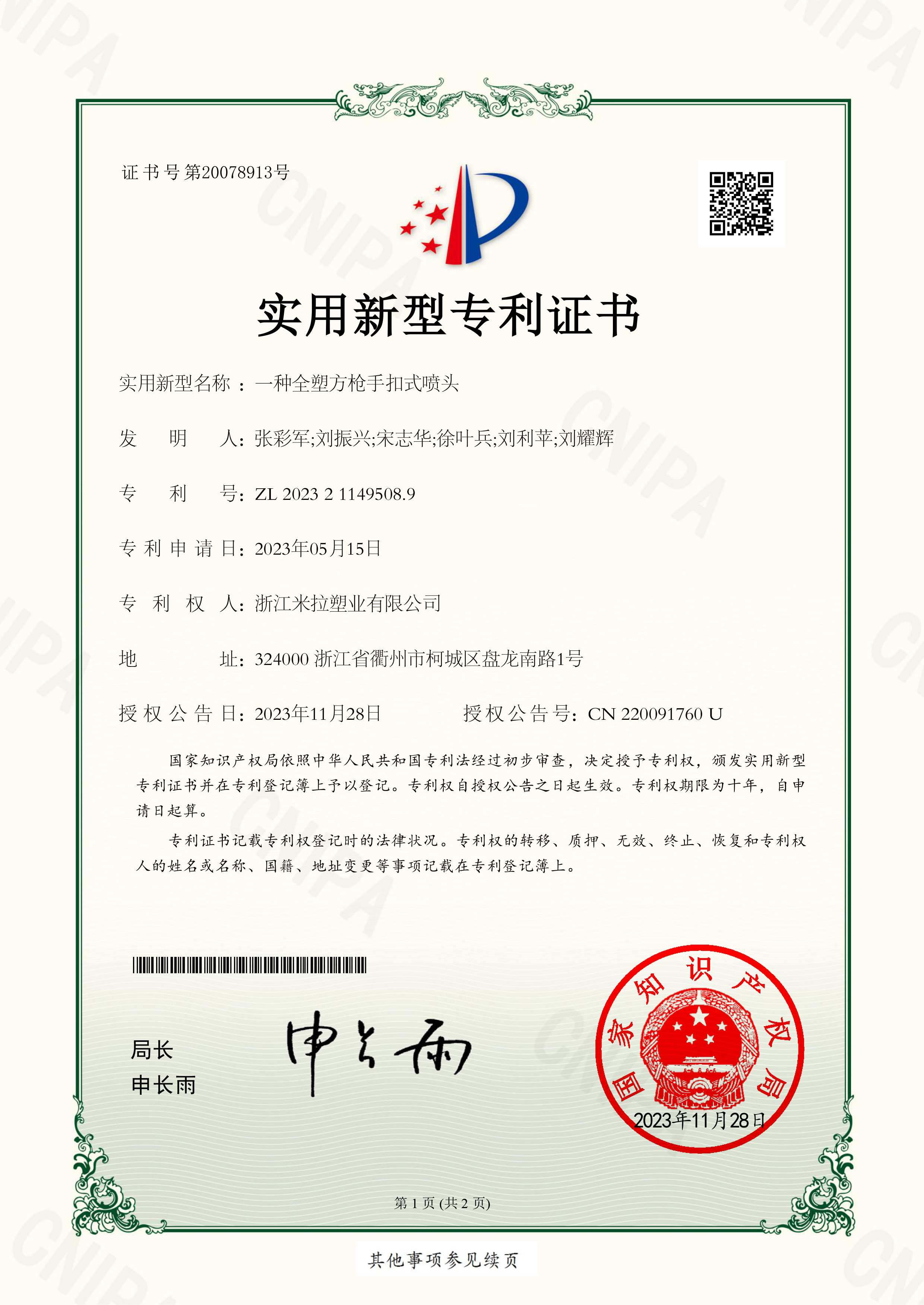
The company holds utility model patents granted by the China National Intellectual Property Administration covering trigger sprayer structures: an all-plastic trigger sprayer (ZL202321149508.9, issued 28 November 2023, valid to 15 May 2033); a lockable trigger sprayer (ZL202321149516.3, issued 8 September 2023, valid to 15 May 2033); an adjustable-angle trigger sprayer (ZL202321038643.6, issued 12 September 2023, valid to 5 May 2033); a trigger sprayer with a locking function (ZL202321038645.5, issued 28 November 2023, valid to 5 May 2033); and a nozzle protection structure (ZL 202321349188.1, issued 28 November 2023, valid to 31 May 2033).
These are Chinese utility model patents, which protect structure in the Chinese market rather than granting rights in every destination country; a buyer should read them as evidence of in-house development rather than as a global exclusivity claim. Their subject matter maps onto the four points where trigger sprayers most often attract complaints: leakage at the seal, accidental trigger actuation in transit, spray angle adjustment, and nozzle damage during shipping. The product documentation describes the patented design as using an anti-leak sealing structure intended for long-term use with household cleaning and car-care liquids.
The OEM and ODM service model
The manufacturer provides both OEM and ODM production services. OEM production is offered for private-label and custom-branded trigger sprayer orders; ODM design and production services are available for trigger sprayer projects. Customization options include color, logo and caliber. Thread size is offered in two standard closures, 28/400 and 28/410, and spray output can be specified as mist or foam.
Split that way, the decision a buyer is making is straightforward. If the bottle design, the brand identity and the spray performance target are already fixed, the project is OEM and the factory's job is to reproduce a specification consistently. If the closure design itself is still open, the project is ODM and the factory contributes the structure — which is where the patent portfolio above becomes part of the deliverable rather than a footnote.
Quality control and commercial terms
Quality control is stated as 100% testing, and acceptance is based on pre-shipment testing. Commercial terms are a minimum order quantity of 50,000 pieces for wholesale orders, FOB or CIF delivery, and 30/70 payment. After-sales support covers returns or exchanges where a large number of pieces in a batch show non-human quality problems. At factory level, the company holds ISO 9001:2015 and ISO 14001:2015 certification and SGS compliance.
Step-by-Step: How an OEM Trigger Sprayer Order Runs
Nine steps turn a specification into a loaded container of closures. Each step should be closed before the next one starts, because a change made after tooling or after molding is a schedule cost rather than a specification choice.
- Confirm the bottle interface. Establish whether the bottle neck is 28/400 or 28/410. The 28/410 opening is the most common size for trigger sprayers, but your bottle specification is the authority, not the market norm.
- Choose the spray function. Mist output delivers a fine fog for general cleaning liquids; foam output delivers a rich, thick foam for detergents that are expected to cling to a surface before wiping.
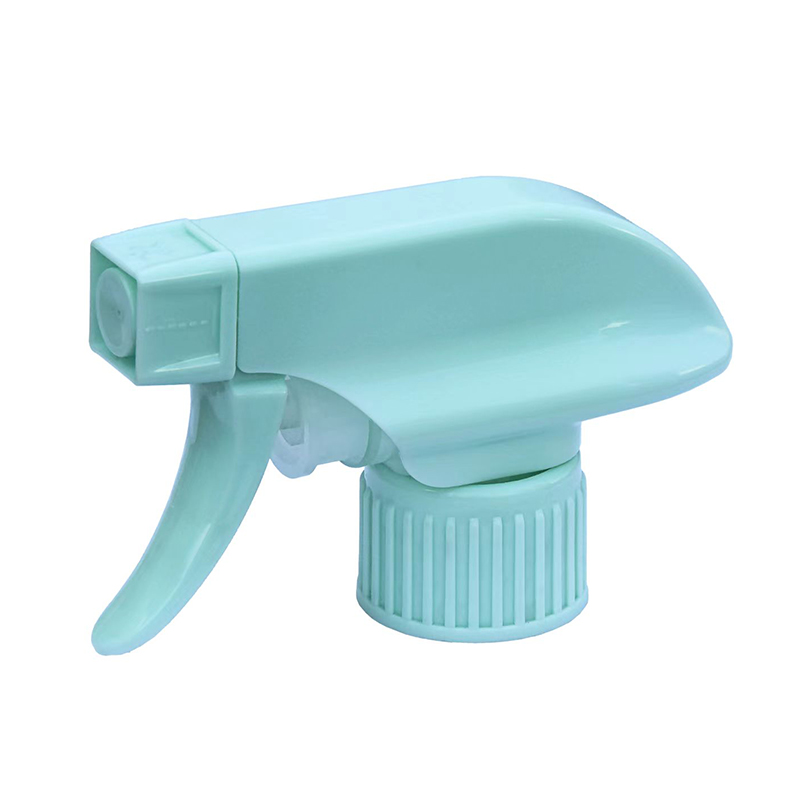
- Choose the construction. All-plastic versions use a full plastic structure with no metal spring, which is why they are specified where corrosive liquids would otherwise create a rusting risk. Non-full-plastic versions use accessories made of other materials and are selected according to the application.
- Define the liquid and pre-test it. Household detergents, cleaning agents and car-care fluids are the standard duty. Highly corrosive fluids should go through chemical compatibility pre-testing before the order is placed, not after.
- Fix the customization scope. Color, logo and caliber are the adjustable variables. Confirm whether the project is OEM (private-label or custom-branded production) or ODM (design plus production) before artwork or drawings are issued. Where a project calls for an angled spray or a compact neck format, raise that requirement at this stage so the available body and nozzle combination can be confirmed before tooling is quoted.
- Validate with a sample. Sample testing can be conducted before bulk orders. Check thread fit on the actual bottle, leak behaviour after filling, spray pattern and trigger feel — four attributes a photograph cannot confirm.
- Lock the commercial terms. Minimum order quantity is 50,000 pieces, payment is 30/70, and delivery is FOB or CIF. Align these with your own landed-cost model before the sampling stage ends.
- Approve the schedule against capacity. Monthly capacity is 10,000,000 pieces with a stated 7-day lead time. Ask for the schedule to be expressed against the specific model and customization step, not as a general delivery promise.
- Test before shipment and define the after-sales rule. Acceptance is based on pre-shipment testing, and the after-sales condition covers returns or exchanges where a large number of pieces in a batch show non-human quality problems.
Where These Trigger Sprayers Are Used
Trigger sprayers in this range are built for liquid dispensing by manual trigger operation or hand press, and are matched to plastic bottles and chemical packaging bottles. The stated function set covers liquid spraying, foam output, mist atomization and liquid dispensing, under normal temperature conditions, for indoor or outdoor use, with chemical resistance and corrosion resistance.
The application list is drawn from household and commercial cleaning: kitchen degreasers, bathroom and toilet cleaners, glass and window cleaners, and car-care and auto-detailing products. The industries served are household cleaning, commercial cleaning and janitorial service, auto care and car detailing, pet supplies, and the chemical and daily-use chemical industry. Gardening and plant watering also appear in the company's product usage description, which is consistent with the general-purpose nature of a 28/400 or 28/410 closure.
The pattern behind these applications matters for OEM projects: the same body can serve a degreaser, a window cleaner and a car-care product, but the material and seal decision changes with the formula. That is why the liquid specification belongs in the enquiry, not in the first production email.
Case: 5,000,000 pieces for a packaging customer in Egypt
A documented order shows how repeat business is built in this category. A trading company and finished-goods packaging manufacturer in Egypt ordered 5,000,000 pieces of the ML-101G2 all-plastic single-cover mist trigger sprayer for its own finished-product packaging. The record lists stable product quality, satisfied customer feedback and repeated continuous orders, with a reusable service life described as 2–5 years and the highlight given as reliable quality and stable supply capacity. The model is an all-plastic PP mist trigger sprayer for 28/400 and 28/410 bottles, matched to kitchen degreasers, bathroom and toilet cleaners, glass and window cleaners, and car-care packaging.
Comparison Tables: Construction Choice and Catalogue Fit
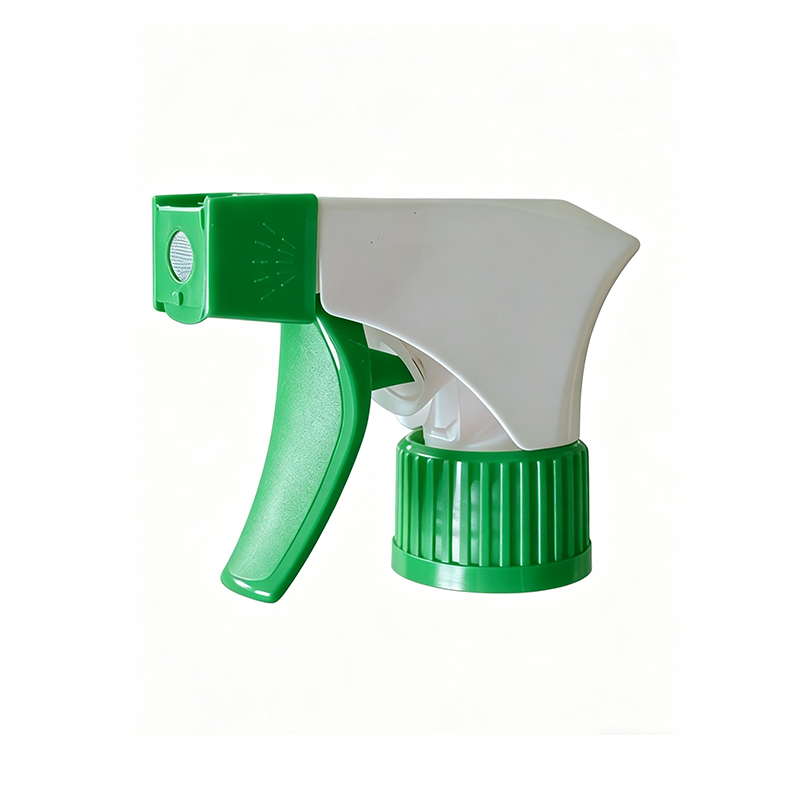
The first table decides the construction; the second decides which catalogue item matches the project.
| Comparison point | All-plastic (full plastic) version | Non-full-plastic version |
|---|---|---|
| Internal structure | Full plastic structure | Comes with accessories made of other materials |
| Metal spring | None — the full plastic structure uses no metal spring | Not specified in the product data; the version is described as using accessories made of other materials |
| Corrosion behaviour with aggressive liquids | Specified to avoid the rusting risk that corrosive liquids create for metal components | Selection depends on the application; the manufacturer advises choosing according to your needs |
| Typical duty | Household detergents, cleaning agents and car-care fluids, including formulas where a metal spring is a concern | Applications where a non-full-plastic version is acceptable |
| Thread sizes | 28/400 and 28/410 | 28/400 and 28/410 |
| Catalogue examples | ML-101G1, ML-101G2, ML-102B1, ML-102B2 | ML-103C1, ML-201B1, ML-201B2, ML-202D1, ML-203H1, ML-204Z1 |
| Model | Catalogue type | Material | Thread size | Spray output | Outer cap |
|---|---|---|---|---|---|
| ML-101G1 | All-plastic trigger sprayer | PP | 28/400, 28/410 | Foam | Single cover |
| ML-101G2 | All-plastic trigger sprayer | PP | 28/400, 28/410 | Mist | Single cover |
| ML-102B1 | All-plastic trigger sprayer | PP | 28/400, 28/410 | Foam | Double cover |
| ML-102B2 | All-plastic trigger sprayer | PP | 28/400, 28/410 | Mist | Double cover |
| ML-103C1 | Plastic trigger sprayer | PP | 28/400, 28/410 | Mist | Not stated |
| ML-201B1 | Plastic trigger sprayer | PP | 28/400, 28/410 | Foam | Not stated |
| ML-201B2 | Plastic trigger sprayer | PP | 28/400, 28/410 | Mist | Not stated |
| ML-202D1 | Plastic trigger sprayer | PP | 28/400, 28/410 | Foam | Not stated |
| ML-203H1 | Plastic trigger sprayer | PP | 28/400, 28/410 | Foam | Not stated |
| ML-204Z1 | Plastic trigger sprayer | PP | 28/400, 28/410 | Foam | Not stated |
All ten models fit both 28/400 and 28/410 bottle necks and share the same application list: kitchen degreaser, bathroom and toilet cleaner, glass and window cleaner, and car care and auto detailing. “Not stated” means the catalogue data provided does not specify a cover configuration for that model.
FAQ: OEM Trigger Sprayer Sourcing Questions
Do trigger sprayers require a mandatory certification to be sold?
For this product category, the manufacturer states that no mandatory industry certification applies; trigger sprayers are handled under general plastic packaging material requirements, which cover plastic material safety, leak-proof performance, thread size compatibility (28/400 and 28/410) and chemical compatibility with common household detergents. What can be verified instead is factory-level documentation: MILA holds ISO 9001:2015 and ISO 14001:2015 certification and SGS compliance, and its trigger sprayer structures are covered by utility model patents from the China National Intellectual Property Administration. For packaging destined for the EU, the PPWR requirement of 30% recycled content in plastic packaging by 2030 is a material-selection question rather than a closure certification.
Can MILA run both OEM and ODM trigger sprayer projects, and what exactly can be customized?
Yes to both. OEM production is offered for private-label and custom-branded trigger sprayer orders, and ODM design and production services are available for trigger sprayer projects. Customization options include color, logo and caliber. Thread sizes are 28/400 and 28/410, and spray output can be specified as mist or foam. Production is supported by 10,000,000 pieces of monthly capacity and 100% testing, using 60 injection molding machines and 20 automatic production lines.
What is the minimum order quantity, and what commercial terms apply?
The minimum order quantity is 50,000 pieces for wholesale trigger sprayer orders. Delivery is FOB or CIF, payment terms are 30/70, and shipment acceptance is based on pre-shipment testing. If a large number of pieces in a batch show non-human quality problems, the after-sales policy supports returns or exchanges.
Can samples be tested before mass production, and what should be tested?
Sample testing can be conducted before bulk orders. Confirm the bottle thread size first (28/400 or 28/410), then run a chemical compatibility test with the actual liquid, then validate the sample on the real bottle for fit, leakage, spray pattern and trigger feel. Highly corrosive fluids should always be pre-tested, and for those formulas the all-plastic structure, which uses no metal spring, removes the rusting risk that corrosive liquids create for metal components.
What lead time and production capacity should an OEM order plan for?
The stated lead time is 7 days, backed by monthly capacity of 10,000,000 pieces and annual output above 600 million pieces; between 70% and 80% of production is exported. Because lead time depends on the model, the finish and the customization step, the fastest way to get a firm date is to send the bottle neck size, the liquid type, the target quantity and any color or logo requirements, and ask for a sample and a quotation against that specification — the contact details are at the end of this page.
Next Step: Validate the Project With a Sample
An OEM trigger sprayer project has four checkpoints: the bottle thread, the spray function and construction, the customization scope, and the capacity behind the delivery date. Everything else — market growth, factory size, patent certificates — is context that helps you judge whether those four answers are credible.
MILA Plastic Industry works with importers, distributors, brand owners and packaging buyers on OEM and ODM trigger sprayer projects from a 30,000 ㎡ factory in Quzhou, Zhejiang, China, with a 50,000-piece MOQ, a stated 7-day lead time and 10,000,000 pieces of monthly capacity. The most efficient next step is a sample tested on your own bottle with your own liquid, before any tooling or production commitment.
Request a sample or quotation
Website: www.triggerssprayer.com
Email: 18858002300@163.com
Tel / WhatsApp / WeChat: +86 188-5800-2300
WhatsApp / WeChat: +86 180-6742-7651
WhatsApp: Send a WhatsApp message
Zhejiang Mila Plastic Industry Co.,Ltd.
1#Panlong South Road, Donggang Development Zone, Kecheng Area, Quzhou City, Zhejiang Province, China
Have Questions or Need More Details?
Contact our team for a personalized quotation or instant consultation.
Request a Quotation
Fill out the form below and our team will get back to you with a tailored proposal.
WhatsApp Direct Chat
Prefer to chat in real-time? Message us on WhatsApp for instant assistance & quick answers.
- Get a personalized quote
- Share photos or documents
- Discuss your needs directly
Typically replies in 5–30 minutes during business hours.