Ranked Trigger Sprayer Selection Criteria for Packaging Buyers: Thread, PP, Spray, Recycling
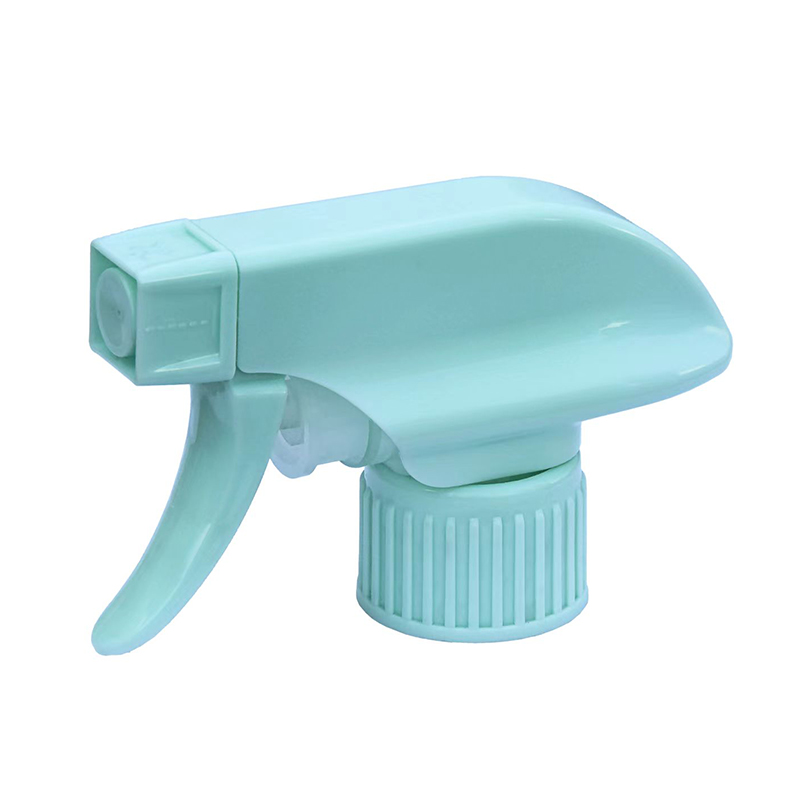
A trigger sprayer is the hand-actuated dispensing closure that turns a filled bottle into a mist or a foam pack. It is usually the last component specified in a packaging project and the first component to generate a complaint. Zhejiang Mila Plastic Industry Co.,Ltd. (MILA Plastic Industry) is a Quzhou, Zhejiang-based manufacturer of household-care packaging founded in 2018, whose core product line is the plastic trigger sprayer. The company exports to South America, Western Europe, Eastern Europe, East Asia, Southeast Asia, the Middle East, Africa and Oceania, and export sales account for roughly 70%–80% of its business.
This article ranks the criteria a packaging buyer should apply when choosing a trigger sprayer, in the order they should be decided. The order matters because the criteria are not equally reversible: a thread finish cannot be changed after the bottle is moulded, a material cannot be changed after the tool is cut, and a colour or a cover style cannot be changed after the label is printed.
The ranking, in decision order:
- Bottle neck compatibility — 28/400 or 28/410. Pass or fail.
- Material construction — PP, full-plastic versus non-full-plastic, and whether a metal spring is present.
- Recyclability — mono-material design measured against recycled-content rules such as the EU PPWR.
- Spray output — fine mist or rich foam.
- Chemical resistance — fit with the actual filled liquid.
- Leak-proof sealing — internal structure and sealing design.
- Hand-press operation — trigger feel over repeated use.
- Application fit — household cleaning, janitorial, auto care, pet care, garden or daily-use chemicals.
- OEM customization — what can be locked before tooling.
- Bulk order support — MOQ, capacity, delivery terms and acceptance testing.
Criteria 1 to 3 are pass/fail. Criteria 4 to 8 are product fit. Criteria 9 and 10 are sourcing checks that decide whether the project ships on schedule.
The Problem: Sprayers Are Specified Last and Fail First
In most packaging projects the bottle, the label, the fill volume and the shipping carton are locked before anyone opens a sprayer catalogue. By the time the sprayer is compared, the neck finish is fixed, the formula is approved, and the remaining variable appears to be price. Three failure modes recur at exactly that point: liquid leakage, chemical incompatibility with the filled liquid, and thread mismatch with the bottle.
Thread mismatch is a physical failure. If the sprayer is ordered against the wrong neck finish, the closure either does not seat or does not seal, and the problem surfaces at the filling line — after the bottles, the labels and the caps have already been paid for.
Chemical incompatibility is a slow failure. A sprayer can be dimensionally perfect and still fail because the filled liquid attacks an internal component, which is why chemical pre-testing is recommended for highly corrosive formulas.
Leakage is a commercial failure. It appears in transit, in the warehouse or on the shelf, and it is the failure that reaches the end consumer.
All three have the same mitigation path, and it is the path this ranking follows: confirm the bottle thread finish, define the material and output type against the formula, then sample and pre-test before mass production.
Industry Background: Market Growth, Neck Standards and New Recycling Rules
Trigger sprayers sit inside a packaging category that is growing steadily rather than exploding. Fortune Business Insights values the global trigger sprayer market at USD 491.8 million in 2025 and projects a 4.7% CAGR from 2026 to 2034. In customs terms, the product family is classified under HS code 392350 — stoppers, lids, caps and other closures of plastics — which matters to buyers who need to reconcile supplier quotations with tariff lines.
On the bottle side, the neck finish is standardised enough that one size dominates. Houweling Group identifies 28/410 as the most commonly used opening for trigger sprayers. That does not remove 28/400 from the market — MILA Plastic Industry supplies both — but it explains why 28/410 frequently appears as the default in private-label enquiries.
The variable that has changed most recently is recyclability. The EU Packaging and Packaging Waste Regulation (PPWR), adopted in April 2024, requires 30% recycled content in plastic packaging by 2030. Recycled-content obligations are set by regulators and brand owners, not by the sprayer itself, but they change which sprayer designs remain commercially viable for European retail. The practical consequence is that material choice and mono-material design now rank above decorative differentiation.
Certification, by contrast, is less of a barrier than many buyers assume. No mandatory industry certification applies to this product category. What matters in practice is plastic material safety, leak-proof performance, thread size compatibility with 28/400 and 28/410 necks, and chemical compatibility with common household detergents.
The Ranked Trigger Sprayer Selection Criteria
The ten criteria below are ordered by decision weight for a buyer moving from supplier selection into execution. Each is stated as a question the buyer should be able to answer before an order is placed.
1. Bottle Neck Compatibility: 28/400 or 28/410
Thread finish is ranked first because it is binary and physical. MILA Plastic Industry supplies trigger sprayers in the two standard thread sizes used in household-care packaging: 28/400 and 28/410. Both describe a 28 mm nominal neck diameter with a different finish profile, which means the two are not automatically interchangeable — a sprayer that fits one bottle may not seal on another.
What to confirm: the exact neck finish of the bottle, not just the collar diameter, and confirm it before placing the order.
2. PP Material and Mono-Material Construction
MILA's trigger sprayers are offered in two constructions. The full-plastic version uses a full plastic structure with no metal spring, which removes the risk of a spring rusting inside the bottle when the filled liquid is corrosive. The non-full-plastic version uses accessories made of other materials. Buyers choose between the two according to the formula and the price target.
Material ranks second because it settles chemical exposure and end-of-life handling at the same time, and both are decided at tooling rather than at packaging. For a bleach-based or acidic cleaner, the metal-spring question is a compatibility decision, not a preference.
3. Recyclability and Recycled-Content Rules
Recyclability ranks third because the regulation is now dated, not aspirational. The EU PPWR, adopted in April 2024, requires 30% recycled content in plastic packaging by 2030. An all-plastic, spring-free PP trigger sprayer keeps the closure in a single polymer family, which is easier to declare and to recycle than an assembly that mixes polymer and metal.
Confirm the recycled-content requirement for each market you ship into before locking a design, and put the material specification in writing. Recycled-content targets apply to the packaging as placed on the market, so translating them into a sprayer specification is the buyer's obligation.
4. Spray Output: Fine Mist or Rich Foam
Mist and foam are not finish options; they are different products. In MILA's product FAQ, the spray type is described as producing a fine fog, while the foam type produces a rich, thick foam. Glass and surface cleaning liquids and general cleaning agents are usually specified as mist; foam output is specified where a thicker layer of product should sit on the surface.
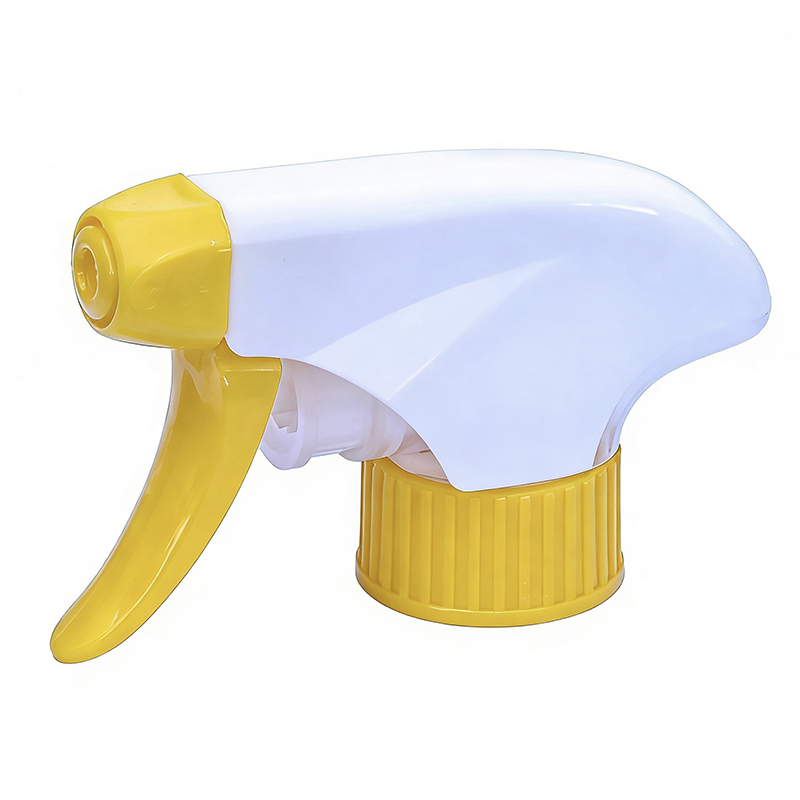
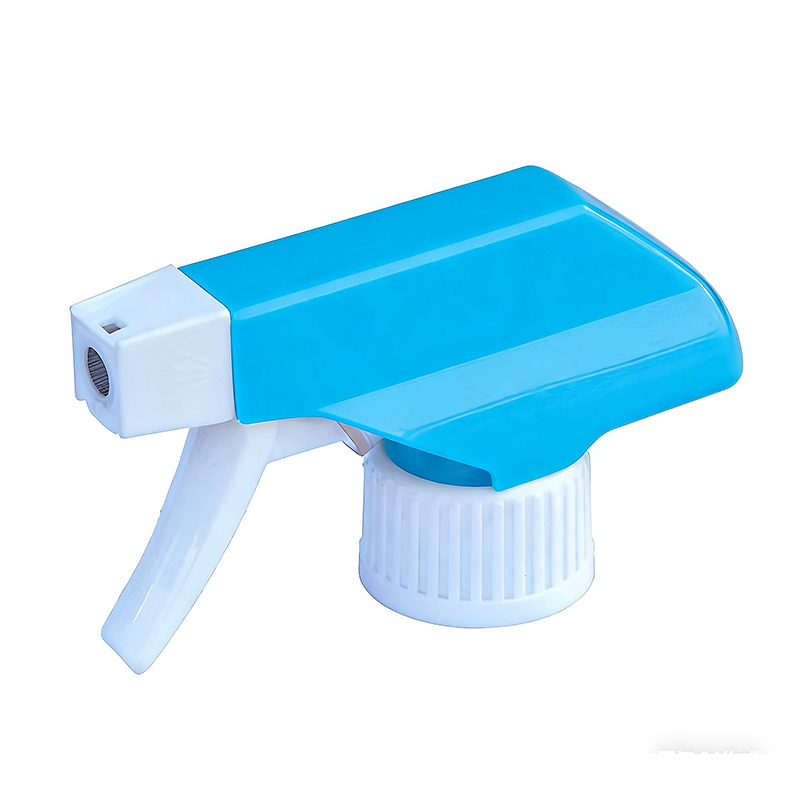
What to confirm: output type before tooling and sampling, because it determines the internal configuration of the head and the way the sample is validated.
5. Chemical Resistance and Liquid Compatibility
MILA trigger sprayers are suitable for household detergents, cleaning agents and car care fluids. For highly corrosive fluids, chemical pre-testing is recommended. Chemical incompatibility is one of the three documented risk categories in MILA's risk guidance — together with leakage and thread mismatch — and the stated mitigation is a compatibility test with the actual liquid used in production, not with water and not with a similar formula.
6. Leak-Proof Sealing and Internal Structure
Leakage is the failure that reaches the consumer, which is why sealing quality ranks above aesthetics. MILA describes a patented trigger sprayer built on an improved structure with an anti-leak sealing design. Against a conventional trigger sprayer, the company lists better sealing performance, enhanced durability, stable spray output, no extra maintenance requirement and a competitive production cost, with applications including household cleaning, car care, cosmetic packaging and industrial spraying.
For a leak-proof trigger sprayer specification, the sealing design and the acceptance test belong in the same conversation: the design defines the intent, and the pre-shipment test verifies it on the production batch.
7. Hand-Press Operation and Trigger Ergonomics
The trigger is the only part of the package the user touches. Hand-press operation therefore matters most for products used repeatedly — household cleaning and janitorial work in particular — where the trigger has to return cleanly press after press. Ergonomics ranks below chemistry and sealing because it affects repeat purchase rather than compliance, but it is still a specification, not a preference.
Evaluate it on samples, with the people who will use the pack: trigger return after each press, consistency of the stroke, and how the head sits in the hand during extended use. None of these questions can be answered from a datasheet.
8. Application Fit: Household, Janitorial, Auto, Pet and Garden
Application fit is the criterion that converts the previous seven into a specification. One sprayer platform can serve several categories, and each category weights the criteria differently.
- Household cleaning and daily-use chemicals — output type and chemical compatibility with detergents and cleaning agents carry the most weight.
- Commercial janitorial — high cycle counts push durability, seal integrity and trigger feel ahead of appearance.
- Auto care — chemical resistance to car care fluids and a leak-proof design are the primary requirements.
- Pet care and garden — output type and thread fit dominate; confirm compatibility with the specific formula during the sample round.
9. OEM Customization Readiness
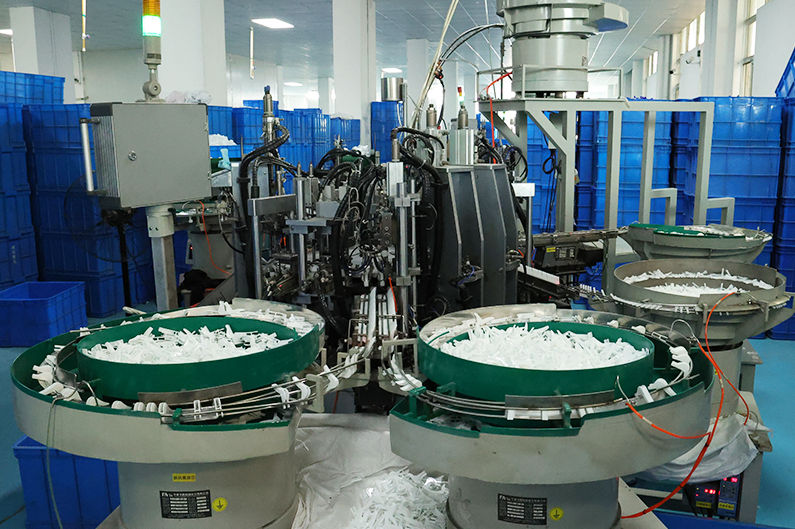
Once the physical and chemical criteria are fixed, the remaining question is how much of the sprayer can be made project-specific. MILA Plastic Industry integrates R&D, mold manufacturing, injection molding and assembly for custom trigger sprayer projects, with an R&D team of 10 engineers. The factory operates 4 machining centres, 6 CNC engraving machines, 12 precision mold machines, 20 wire-cutting machines and 8 semi-high-speed lathes, alongside 60 injection molding machines and 20 automatic production lines.
What to confirm: output type, cover and head style, colour, and the bottle interface — in that order, and before any tool is cut. Colour is the criterion buyers confirm too late most often, usually after artwork has already been approved.
10. Bulk Order Support: MOQ, Capacity, Terms and Acceptance
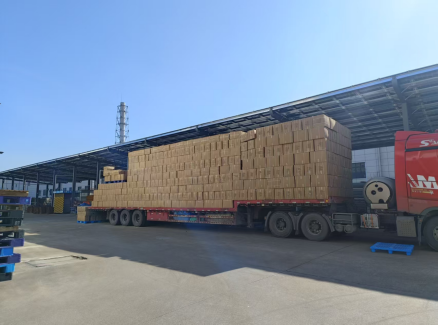
The last criterion is not a product feature; it is the ability to deliver the agreed specification at volume. MILA Plastic Industry produces approximately 600,000,000 pieces per year from a manufacturing facility covering more than 30,000 square metres and employing approximately 300–400 staff, supported by 60 injection molding machines and 20 automatic production lines.
Commercial terms published in MILA's procurement FAQ: MOQ of 50,000 pieces, delivery arranged through FOB or CIF, acceptance through pre-shipment test procedures, and payment terms of 30/70.
Step-by-Step: From Neck Measurement to Pre-Shipment Test
The ranking becomes an order only when it is sequenced. The six steps below follow the order in which the criteria can still be changed.
- Measure and confirm the bottle neck finish. Record 28/400 or 28/410 in writing and share a bottle sample or drawing. This is the only genuinely irreversible step.
- Define the liquid and the required output. State whether the product is a mist or a foam application and declare the formula type. For highly corrosive liquids, plan a chemical pre-test with the actual liquid.
- Set the material and recyclability specification. Decide between the full-plastic construction without a metal spring and the non-full-plastic version, and record the recycled-content requirement for each destination market.
- Sample and validate before mass production. Sample testing can be conducted before bulk orders. Check four things on the sample: thread fit, leak behaviour, output type and trigger feel.
- Confirm commercial terms. MOQ of 50,000 pieces, FOB or CIF delivery, and 30/70 payment terms, agreed before tooling or production scheduling.
- Accept the batch against a pre-shipment test. Acceptance is handled through pre-shipment test procedures, which close the loop on the leakage criterion defined in step 3.
Use Cases: Which Criteria Matter Most by Application
Household Cleaning and Daily-Use Chemicals
Household detergents and cleaning agents are the core volume application for plastic trigger sprayers. Thread fit and output type are the two criteria that determine whether the pack works at all, and chemical compatibility with common household detergents is the practical compliance requirement in most markets.
Commercial Janitorial
Janitorial programs buy fewer SKUs and use them far more often. The criteria that move to the top are seal integrity, durability and trigger feel, because a leaking or stiff trigger costs labour time on every shift. A leak-proof trigger sprayer specification is worth more here than a decorative head style.
Auto Care
Car care fluids sit at the aggressive end of the daily-use range. MILA trigger sprayers are listed as suitable for car care fluids, and the risk guidance recommends pre-testing with the actual liquid, which is why chemical resistance and anti-leak sealing outrank appearance in this category.
Pet Care and Garden
Pet and garden products are lighter formulas but are still sold in spray packs, so the physical criteria — 28/400 or 28/410 neck fit, output type and leak behaviour — remain decisive. Confirm compatibility with the specific formula during sampling rather than assuming that a general-purpose specification covers it.
Wholesale and Distributor Programs
For distributors and private-label owners, the sourcing criteria matter as much as the product criteria: MOQ, capacity, delivery terms and acceptance testing decide whether a repeat program can be resupplied on schedule. MILA's 20 automatic production lines and annual output of approximately 600,000,000 pieces exist to serve exactly this kind of bulk trigger sprayer demand.
Comparison Tables: Spray vs Foam, Full-Plastic vs Non-Full-Plastic
The three tables below summarise the criteria that are decided most often and most expensively. Every entry is limited to facts published in MILA's product and procurement documentation.
| Rank | Criterion | What to confirm | Failure mode if skipped |
|---|---|---|---|
| 1 | Bottle neck compatibility | Whether the bottle uses a 28/400 or 28/410 neck finish | Thread mismatch; the closure does not seal |
| 2 | Material construction | Full-plastic (no metal spring) or non-full-plastic version | Rusting risk inside the bottle with corrosive liquids |
| 3 | Recyclability | Mono-material PP design and the recycled-content rule of each market | Design rejected in regulated markets |
| 4 | Spray output | Spray type (fine fog) or foam type (rich, thick foam) | The pack does not perform as the label promises |
| 5 | Chemical resistance | Compatibility test with the actual production liquid | Chemical incompatibility and internal component failure |
| 6 | Leak-proof sealing | Improved structure with anti-leak sealing design | Leakage in transit or on the shelf |
| 7 | Hand-press operation | Trigger return and stroke consistency, checked on samples | Poor repeat-use experience and returns |
| 8 | Application fit | Target category, formula type and output type | A specification that fits no store category |
| 9 | OEM customization | Output, head style, colour and bottle interface | Late colour or tooling change; schedule slip |
| 10 | Bulk order support | MOQ 50,000 pieces; FOB/CIF; pre-shipment test; 30/70 payment | Terms renegotiated after the sampling deadline |
| Output type | Result described by the supplier | Decision question |
|---|---|---|
| Spray type | Fine fog | Does the product need thin, even coverage across a surface? |
| Foam type | Rich, thick foam | Does the product need a thicker layer resting on the surface? |
| Construction | Metal spring | Best fit | What to verify |
|---|---|---|---|
| Full-plastic version | None — full plastic structure | Corrosive and daily-use chemical formulas; mono-material recycling requirements | Anti-leak performance, output type and thread fit on the sample |
| Non-full-plastic version | Accessories made of other materials | Projects where the formula and the budget allow a different component mix | Component materials in writing, plus chemical compatibility with the actual liquid |
FAQ: Trigger Sprayer Selection for Packaging Buyers
Do trigger sprayers require mandatory certification, and which recycling rules apply?
No mandatory industry certification applies to this product category. The practical requirements are plastic material safety, leak-proof performance, thread size compatibility with 28/400 and 28/410 necks, and chemical compatibility with common household detergents. Recycling obligations come from market regulation rather than from the sprayer: the EU Packaging and Packaging Waste Regulation (PPWR), adopted in April 2024, requires 30% recycled content in plastic packaging by 2030. MILA Plastic Industry holds ISO 9001:2015 and ISO 14001:2015 certification and SGS compliance.
Which thread sizes, materials and spray outputs can MILA supply?
Standard thread sizes are 28/400 and 28/410. Sprayers are available in a full-plastic version built without a metal spring, which avoids the risk of a spring rusting in corrosive liquids, and in a non-full-plastic version that uses accessories made of other materials. Output is available in spray type, producing a fine fog, or foam type, producing a rich, thick foam.
What are the MOQ, payment and delivery terms?
MOQ is 50,000 pieces. Delivery is arranged through FOB or CIF. Payment terms are 30/70, and acceptance is handled through pre-shipment test procedures.
Can samples be tested before a bulk order?
Yes — sample testing can be conducted before bulk orders. A practical validation sequence is: confirm the bottle thread size first (28/400 or 28/410), run a chemical compatibility test with the actual liquid, especially for highly corrosive formulas, then check thread fit, leakage, output and trigger feel on the sample before releasing mass production.
How is capacity supported for long-term programs, and how do I start?
Annual output reaches approximately 600,000,000 pieces, produced with 60 injection molding machines and 20 automatic production lines in a facility covering more than 30,000 square metres. For custom trigger sprayer projects, R&D, mold manufacturing, injection molding and assembly are handled in-house with a team of 10 engineers. To start, send the bottle neck finish (28/400 or 28/410), the formula type, the required output and the target order quantity to MILA Plastic Industry by email at 18067427651@163.com or on WhatsApp at +86 180-6742-7651, and request a sample and quotation for your project.
Conclusion: Lock the First Three Criteria, Then Negotiate the Rest
Trigger sprayer selection is a sequence, not a comparison. Bottle neck compatibility, material construction and recyclability are the pass/fail decisions, and all three are effectively irreversible once the bottle is moulded and the tool is cut. Spray output, chemical resistance, sealing design and hand-press operation define whether the pack works in the user's hand, and they are validated on samples with the actual liquid. OEM customization and bulk order support are the sourcing checks that determine whether the specification arrives on schedule and at volume.
Buyers who fix the first three criteria and validate the next five on samples rarely encounter the three documented failure modes — thread mismatch, chemical incompatibility and leakage — after the filling line has been commissioned.
Request a Trigger Sprayer Sample or Quotation
Send your bottle neck finish (28/400 or 28/410), formula type, required output and target volume, and MILA Plastic Industry will confirm the sprayer specification, sample route and commercial terms.
Zhejiang Mila Plastic Industry Co.,Ltd. (MILA Plastic Industry)
Website: www.triggerssprayer.com
Email: 18067427651@163.com
Tel / WhatsApp / WeChat: +86 180-6742-7651
Address: 1# Panlong South Road, Donggang Development Zone, Kecheng Area, Quzhou City, Zhejiang Prov., China

Have Questions or Need More Details?
Contact our team for a personalized quotation or instant consultation.
Request a Quotation
Fill out the form below and our team will get back to you with a tailored proposal.
WhatsApp Direct Chat
Prefer to chat in real-time? Message us on WhatsApp for instant assistance & quick answers.
- Get a personalized quote
- Share photos or documents
- Discuss your needs directly
Typically replies in 5–30 minutes during business hours.