
Top Trigger Sprayer Picks for Degreasers, Toilet Cleaners and Glass Sprays
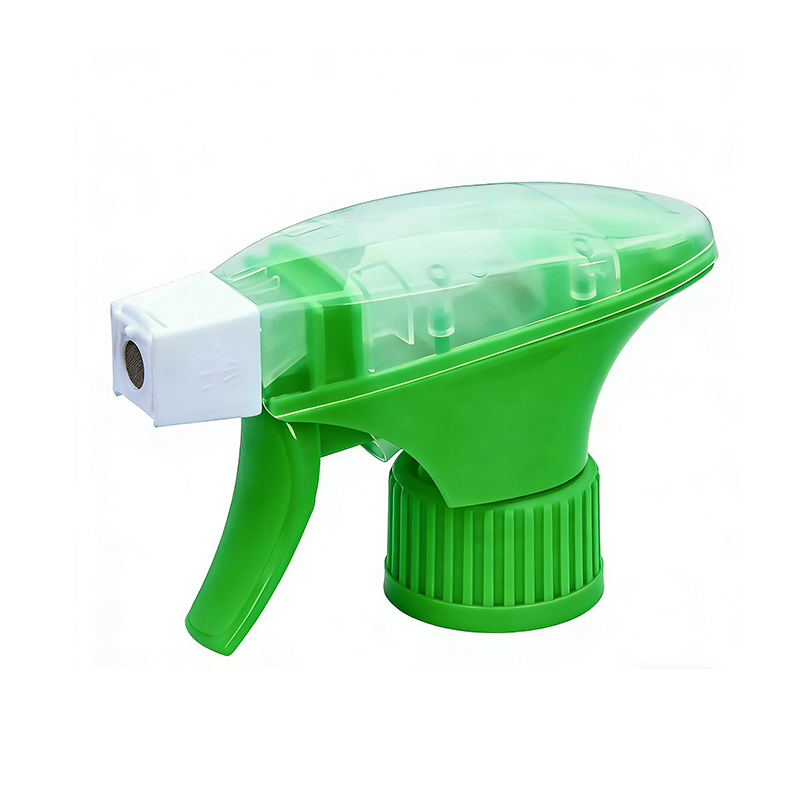
A trigger sprayer is the right pick when three variables line up with the product it will dispense: spray output, body construction, and bottle thread. Degreasers, toilet cleaners and glass sprays each pull those variables in a different direction — a degreaser needs a foam pattern that clings to a vertical surface, a toilet cleaner needs a body that will not be compromised by aggressive chemistry, and a glass spray needs a fine, uniform mist that leaves no streaks and no pooling.
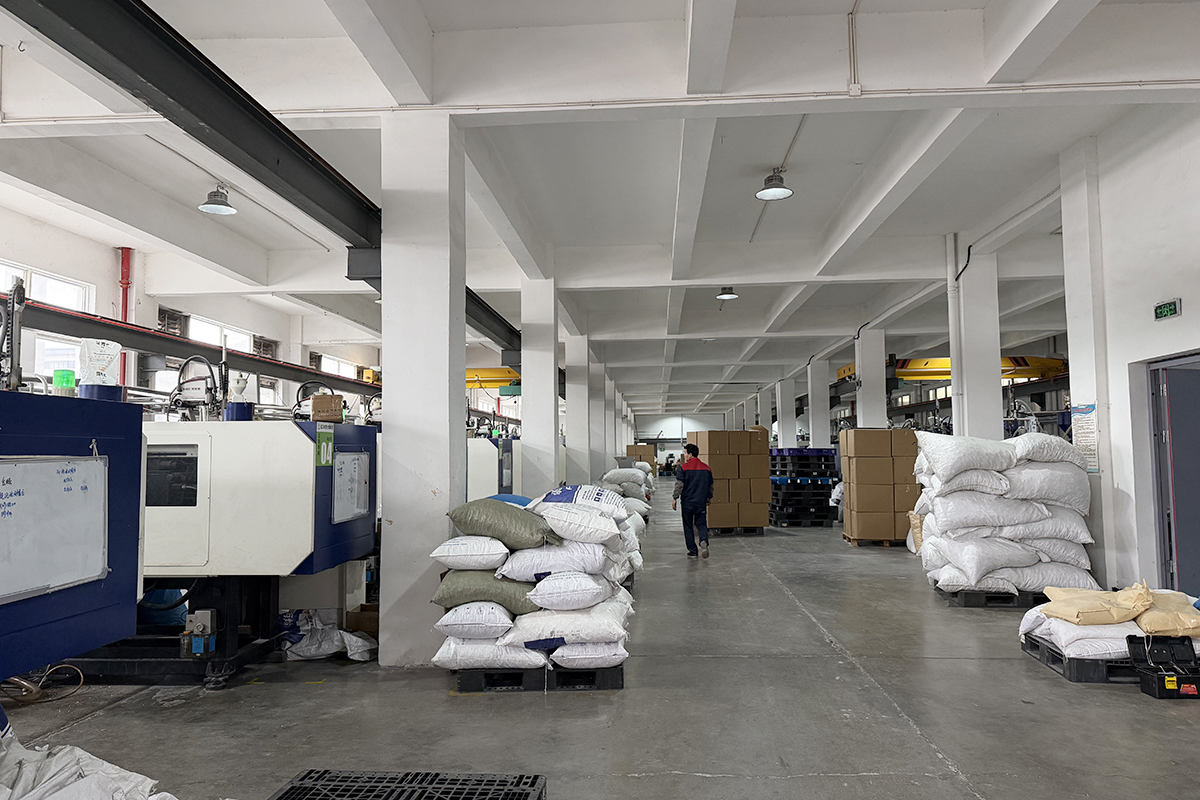
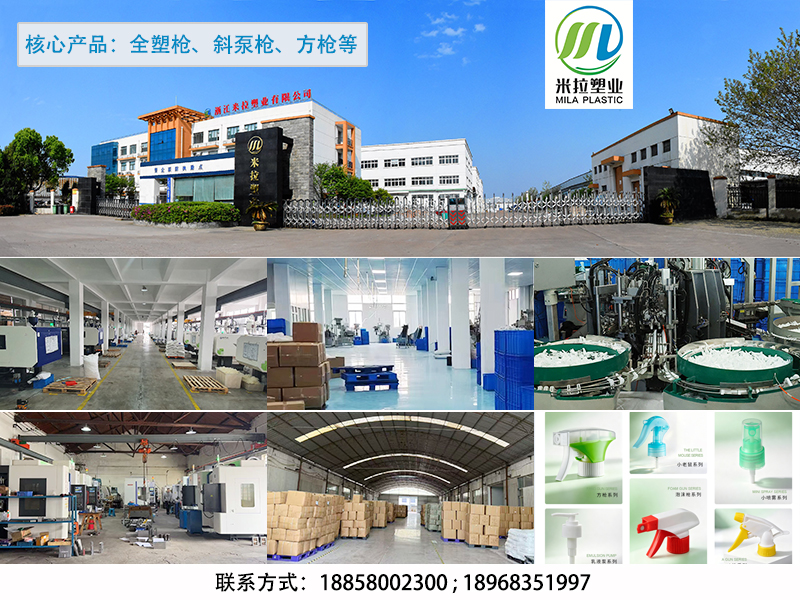
This article recommends configurations, not manufacturers. Five picks cover the three product families, and every pick is defined by verifiable parameters: foam or mist output, an all-plastic PP or PP plastic body, a 28/400 or 28/410 closure, and a stated application fit. All models referenced below are produced by Zhejiang Mila Plastic Industry Co.,Ltd. (brand: MILA Plastic Industry), a trigger sprayer manufacturer located in Quzhou, Zhejiang, China, with a factory area of over 30,000 ㎡, 300–400 employees and an annual output of 600,000,000 pieces.
Why the Wrong Trigger Sprayer Becomes a Product Complaint
The failure mode of a mismatched trigger sprayer rarely appears in a specification document. It appears on a shelf or in a consumer review. A mist head fitted to a clinging kitchen degreaser runs down the panel before the surfactant has time to work. A foam head fitted to a glass cleaner leaves visible residue that the consumer blames on the formula. A metal spring ordered for a strongly alkaline bathroom concentrate introduces a steel part into the assembly that the formulation was never designed around. A 28/410 closure supplied against a 28/400 bottle neck stops a filling line.
Each of those failures has the same structure: the spray pattern, the material of construction, and the thread geometry were treated as interchangeable when they are not.
There is a fourth, newer failure mode. Retailers and brand owners increasingly assess the pack as a whole against recyclability commitments, and a trigger sprayer that mixes PP with a steel spring forces material separation before recovery. That is why body construction now sits alongside spray output as a primary selection variable rather than a secondary one.
The scenario requirements recorded for trigger sprayer applications are consistent on this point. The stated conditions for these applications are chemical resistance, normal temperature operation, indoor and outdoor use, and corrosion resistance, with special requirements of chemical resistance, leak-proof performance and plastic construction. The shortlist below is organised around exactly those constraints.
Industry Background: A Growing Market With a Narrowing Specification Window
Fortune Business Insights values the global trigger sprayers market at USD 491.8 million in 2025, with a projected CAGR of 4.7% from 2026 to 2034 (VD-TS-001, VD-TS-002). One caveat is worth stating because it affects how buyers read market figures: a separate estimate from Towards Packaging places the same category at USD 2.6 billion, a gap that most likely reflects scope — the larger figure appears to include the full trigger spray bottle assembly rather than the sprayer closure alone. For a buyer sourcing sprayers rather than finished bottles, the closure-level figure is the more relevant reference point.
Regulation is moving in the same direction as the market. The EU Packaging and Packaging Waste Regulation (PPWR), adopted in April 2024, mandates 30% recycled content in plastic packaging by 2030 (VD-TS-004). That requirement sits upstream of the trigger sprayer itself, but it changes the calculus for any brand selling household cleaning products into Europe: a mono-material trigger sprayer is easier to align with a recyclability claim than one that contains a metal spring.
On the bottle interface, 28/410 is identified by Houweling Group as the most commonly used opening for trigger sprayers (VD-TS-005), while 28/400 remains the second standard. Buyers specifying a new trigger sprayer almost always choose between those two necks, which is why every configuration in this shortlist is offered in both.
For trade documentation, trigger sprayers are classified under HS Code 392350 — "Stoppers, lids, caps and other closures, of plastics" — according to the Harmonized Tariff Schedule (VD-TS-007). Importers preparing duty calculations should note that this code covers plastic closures broadly, not trigger sprayers as a separate line.
On the supply side, Zhejiang Mila Plastic Industry manufactures only household care packaging, with trigger sprayers as the main product line. The company holds ISO 9001:2015 and ISO 14001:2015 certifications with SGS compliance (VD-TS-006), exports 70%–80% of output, and serves South America, Western Europe, Eastern Europe, East Asia, Southeast Asia, the Middle East, Africa and Oceania.
The Shortlist: Five Trigger Sprayer Configurations for Three Product Families
The picks below are ordered by application family. Each pick states what it is, the verified specification behind it, and the boundary where it stops being the right choice. Alternates are named where a near-identical configuration serves a different volume or market profile.
Pick 1 — ML-204Z1: Foam Output for Kitchen Degreasers
ML-204Z1 is a plastic trigger sprayer with a foam spray output, a PP body, and a closure that fits both 28/400 and 28/410 bottle necks. Its selling points are a stable foam output with rich and uniform foam, good chemical resistance for various cleaning agents, compatibility with both standard necks, and a comfortable trigger hand-press design, with bulk order and OEM customized colour support.
Why this pick for degreasers: foam is a delivery mechanism, not a cosmetic effect. A rich, uniform foam layer holds the active chemistry against a vertical surface instead of letting it run down, which is the behaviour a kitchen degreaser needs on range hoods, oven fronts and splashback panels. The recorded scenario for ML-204Z1 is liquid spraying with a chemical resistance requirement, and Mila's application data notes that this scenario is common in the United States. The model's stated application list leads with household kitchen degreaser, bathroom and toilet cleaner, glass and window cleaner, and car care and auto detailing.
Where it stops being the right choice: a foam head over-atomises a thin, streak-sensitive glass spray. If the same bottle geometry has to carry a window cleaner, pair ML-204Z1 with a mist configuration rather than using one head across both.
Pick 2 — ML-102B1: All-Plastic Foam for Bathroom and Toilet Cleaners
ML-102B1 is an all-plastic trigger sprayer with a foam spray output, a double cover outer cap, and 28/400 and 28/410 compatibility. The two specification points that matter most here are explicit in the product data: a full-plastic structure without a metal spring, and a mono-material, easy-for-recycling construction. Material is PP.
Why this pick for toilet cleaners: there are two independent arguments. The first is mechanical — with no metal spring, the assembly contains no steel component that the concentrate has to be compatible with, which matters for the aggressive acidic and alkaline formulations typical of bathroom and toilet cleaners. The second is end-of-life — because the body is mono-material PP, there is no steel spring to separate before material recovery, which is the practical obstacle that mono-material design removes.
Application evidence supports the fit rather than just the specification. ML-102B1 is used in the household cleaning industry, and it is also used in the auto care and car detailing industry. Its recorded scenario requires chemical resistance, leak-proof performance and plastic construction, and the product data lists it for household kitchen degreaser, bathroom and toilet cleaner, glass and window cleaner, and car care and auto detailing.
Where it stops being the right choice: ML-102B1 is a foam-only configuration. A brand that needs a clear mist on the same platform needs a second SKU — which is exactly what Pick 3 provides.
Pick 3 — ML-102B2: Fine Mist for Glass and Window Sprays
ML-102B2 is the mist counterpart to ML-102B1: an all-plastic trigger sprayer with a fine and uniform mist spray output, a double cover, 28/400 and 28/410 compatibility, a full-plastic structure without a metal spring, and a mono-material construction that is easy for recycling.
Why this pick for glass sprays: fine mist output controls droplet size, and droplet size is what separates a streak-free glass finish from a spotted one. A uniform mist deposits the cleaner evenly across the pane at a lower volume per trigger stroke, so the consumer spends less time wiping and less product runs down the frame. The scenario data for ML-102B2 records operation under indoor and outdoor use conditions and a manual trigger operation mode, and the model is used in the household cleaning industry and is suitable for commercial cleaning and janitorial service applications — a useful combination for a window cleaner that sells into both retail and contract cleaning.
Where it stops being the right choice: mist is the wrong delivery for a clinging degreaser on tile or oven surfaces. Pair ML-102B2 with a foam head for the same brand family rather than forcing one output across the range.
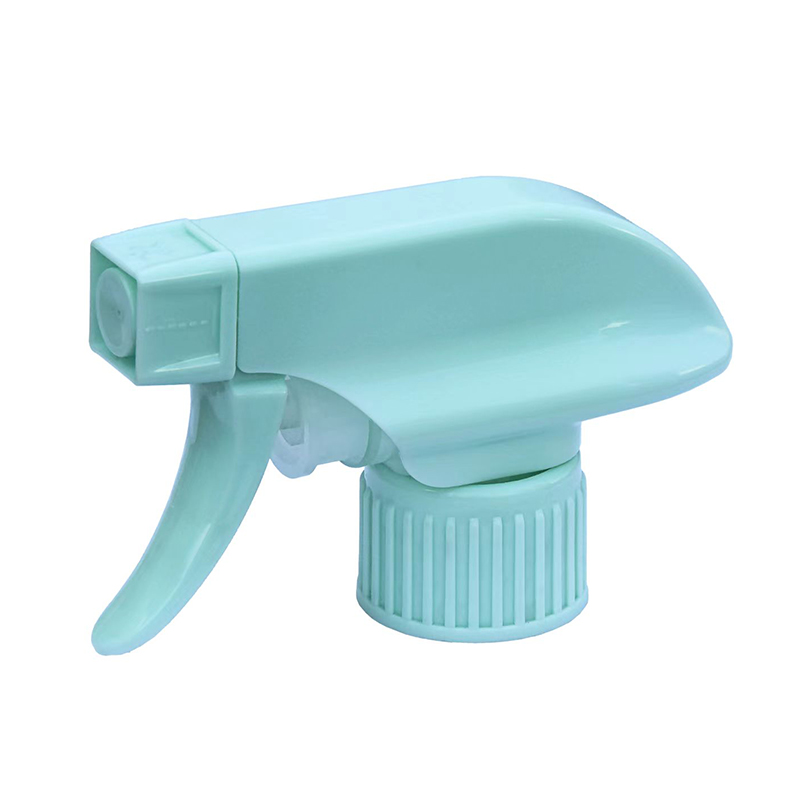
ML-101G2 is worth naming here as the single-cover alternative to ML-102B2 in the same all-plastic family. It provides mist atomisation, operates under chemical resistance conditions, uses plastic construction, and is offered with 28/400 and 28/410 neck compatibility. Its documented commercial use is packaging of finished products compatible with household cleaning bottles — a case discussed later in this article.
Pick 4 — ML-201B2 and ML-103C1: Mist for Commercial Janitorial Multi-Surface Sprays
Commercial janitorial work has a different profile from retail household cleaning: higher trigger cycles per shift, larger spray areas, and a strong preference for consistent colour coding across a product range. ML-201B2 is a plastic PP trigger sprayer with a fine and uniform mist spray output, 28/400 and 28/410 compatibility, good chemical resistance for various cleaning agents, and support for bulk orders and OEM customized colour. ML-103C1 is a plastic PP mist trigger sprayer on the same thread platform, and it is used in the chemical and daily-use chemical industry.
Why this pick for janitorial: a multi-surface disinfectant or neutral cleaner is sprayed over wide areas at volume, so a uniform mist that covers evenly without flooding the surface reduces both rework and chemical consumption. OEM customised colour is a practical requirement rather than a decorative one for contract cleaning ranges, where colour identifies which chemistry is in the bottle.
Where it stops being the right choice: ML-201B2 and ML-103C1 belong to the PP plastic trigger sprayer family rather than the all-plastic no-metal-spring family. Buyers whose procurement criteria specifically require a mono-material, spring-free construction should select from the ML-101 and ML-102 series instead.
Pick 5 — ML-202D1: Foam for Auto Detailing and Pet Care
ML-202D1 is a plastic PP trigger sprayer with a foam spray output and 28/400 and 28/410 compatibility, offered with bulk order and OEM customized colour support. It is suitable for car care projects, and Mila's application data records that this scenario is common in the United Kingdom.
Why this pick for auto detailing: foam holds on angled body panels, wheel faces and plastic trim instead of running off, which gives the detailer working time before agitation. The same behaviour transfers to pet care applications — these trigger sprayers are listed for the pet supplies industry, where controlled foam delivery on coats and hard surfaces is easier to manage than a fast-running liquid stream.
Alternate foam option: ML-201B1 is a plastic PP foam trigger sprayer on the same 28/400 and 28/410 platform, suitable for household cleaning projects, with a scenario recorded as common in Germany. Buyers building a European foam range can run ML-202D1 and ML-201B1 as a two-market pair rather than designing a new head.
How to Choose in Six Steps
The shortlist above resolves the common cases, but any sourcing decision should still be walked through in order. The sequence below follows the order in which a mismatch causes the most damage.
- Match the spray output to the formulation's job. Foam where the chemistry has to dwell on a vertical surface — degreasers, bathroom and toilet cleaners, car care. Fine mist where coverage and a residue-free finish matter — glass and window cleaners, multi-surface janitorial sprays.
- Decide the body construction before the aesthetics. If the formulation is aggressive, or if the pack must support a recyclability claim, the all-plastic construction with no metal spring and a mono-material PP body is the relevant starting point (ML-101G1, ML-101G2, ML-102B1, ML-102B2). If the priority is volume economics on a standard cleaner, the PP plastic trigger sprayer family is the appropriate one (ML-103C1, ML-201B1, ML-201B2, ML-202D1, ML-203H1, ML-204Z1).
- Confirm the bottle thread against the actual bottle. Every configuration in this article fits both 28/400 and 28/410, so the decision is driven by the existing bottle stock rather than by the sprayer. Houweling Group identifies 28/410 as the most commonly used opening for trigger sprayers, which makes it the safer default for a new line.
- Verify chemical resistance against the real concentrate. The scenario conditions recorded for these applications are chemical resistance, corrosion resistance, normal temperature, and indoor and outdoor use, with special requirements of chemical resistance, leak-proof performance and plastic construction. Resistance statements should be checked against the specific formulation, not against the category.
- Fix the order profile. OEM/ODM production with colour, logo and caliber customization; MOQ of 50,000 pieces; monthly capacity of 10,000,000 pieces; and a 7-day lead time are the stated commercial parameters. MOQ and lead time should be confirmed against the exact configuration mix in the order.
- Lock in quality control and after-sales terms. Production is 100% tested, and where a large number of products in a batch have non-human quality problems, returns or exchanges are supported. Confirm both before release of the PO.
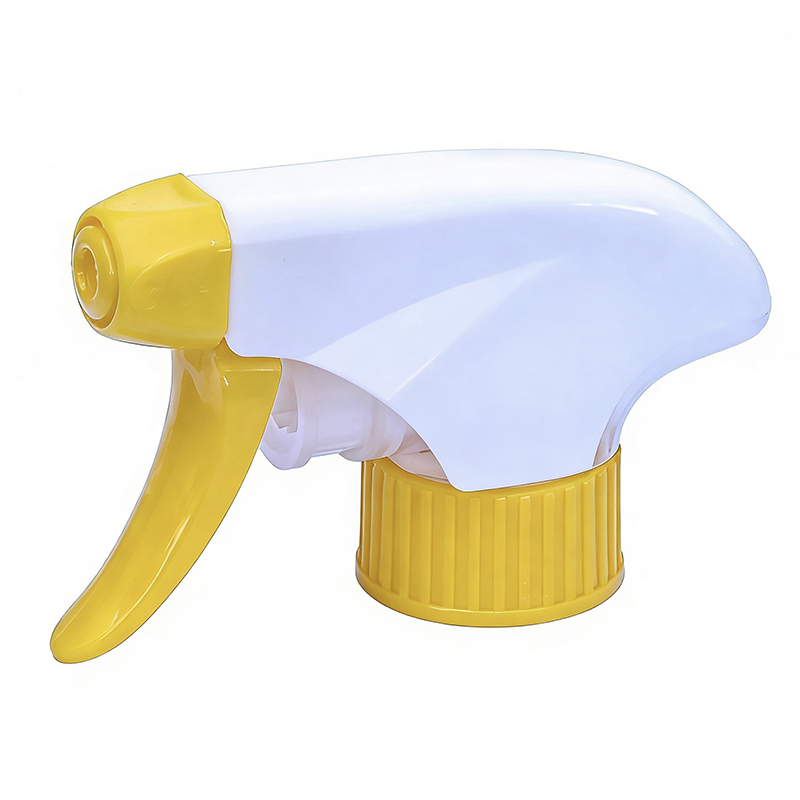
Application Fit: Household, Janitorial, Auto Detailing, Pet and Daily-Use Chemical
Household cleaning is where foam and mist diverge most sharply. Kitchen degreasers and toilet cleaners sell on visible cleaning power, and a rich foam gives the consumer a visible signal that the product is working on a vertical surface. Glass and window cleaners sell on the absence of marks, which is a mist property. A brand covering both use cases should plan two heads rather than one compromise head.
Commercial cleaning and janitorial service is a volume and consistency problem. The configuration requirements recorded for this segment are leak-proof performance and plastic construction under chemical resistance conditions, and both mist and foam trigger sprayers in this shortlist are listed for the segment. The practical decision point is colour-coded OEM production for multi-product ranges.
Auto care and car detailing uses foam as a working-time mechanism. ML-202D1 is suitable for car care projects, and ML-102B1 — despite being an all-plastic bathroom-oriented configuration — is also used in the auto care and car detailing industry, which means a single all-plastic SKU can serve both a bathroom cleaner and a detailing product sold under the same brand.
Pet supplies is an adjacent segment rather than a separate specification. Every model in this shortlist carries pet supplies as an applicable industry, so a pet shampoo or kennel cleaner can use the same 28/400 and 28/410 platform as the rest of the range.
Chemical and daily-use chemical packaging is the segment where thread standardisation matters most, because products are often filled on shared lines. ML-103C1 is used in this industry, and the 28/400 and 28/410 dual fit across the range means one bottle neck can carry multiple SKUs.
A worked reference case: ML-101G2 trigger sprayers were supplied for customer product packaging of finished products, compatible with household cleaning bottles, to a trading company and finished-goods packaging manufacturer client in Egypt. The order volume was 5,000,000 pieces, the reported service life is 2–5 years with reusable, long-service-life performance, and the result was stable product quality, satisfied customer feedback and repeated continuous orders. The takeaway for buyers is not the volume but the configuration logic: a single-cover all-plastic mist head, on a standard neck, used as finished-product packaging for household cleaning.
Comparison Table: Trigger Sprayer Configurations at a Glance
All rows share the same thread platform (28/400 and 28/410) and the same application list covering household kitchen degreaser, bathroom and toilet cleaner, glass and window cleaner, and car care and auto detailing. The differences are spray output and body construction.
| Pick | Model | Spray output | Body & material | Thread | Best-fit application | Verified note |
|---|---|---|---|---|---|---|
| 1 | ML-204Z1 | Foam | Plastic PP | 28/400, 28/410 | Kitchen degreaser | Chemical resistance requirement; scenario common in the United States |
| 2 | ML-102B1 | Foam | All-plastic PP, double cover, no metal spring, mono-material | 28/400, 28/410 | Bathroom & toilet cleaner | Used in household cleaning and in auto care and car detailing |
| 3 | ML-102B2 | Fine mist | All-plastic PP, double cover, no metal spring, mono-material | 28/400, 28/410 | Glass & window spray | Indoor and outdoor use; household cleaning and commercial janitorial |
| 3alt | ML-101G2 | Fine mist | All-plastic PP, single cover, no metal spring, mono-material | 28/400, 28/410 | Household cleaning bottle packaging | Mist atomisation; chemical resistance conditions; Egypt case reference |
| 4 | ML-201B2 | Fine mist | Plastic PP | 28/400, 28/410 | Commercial janitorial multi-surface | Fine and uniform mist; bulk order and OEM customized colour |
| 4alt | ML-103C1 | Fine mist | Plastic PP | 28/400, 28/410 | Chemical & daily-use chemical | Used in the chemical and daily-use chemical industry |
| 5 | ML-202D1 | Foam | Plastic PP | 28/400, 28/410 | Auto detailing & pet care | Suitable for car care projects; scenario common in the United Kingdom |
| 5alt | ML-201B1 | Foam | Plastic PP | 28/400, 28/410 | Household cleaning | Suitable for household cleaning projects; scenario common in Germany |
FAQ
Do these trigger sprayer configurations meet EU packaging and recycling requirements?
The relevant rule is the EU Packaging and Packaging Waste Regulation (PPWR), adopted in April 2024, which mandates 30% recycled content in plastic packaging by 2030. Mono-material design supports that direction because it removes the need to separate a metal spring before material recovery. The all-plastic configurations in this shortlist — ML-101G1, ML-101G2, ML-102B1 and ML-102B2 — use a full-plastic structure without a metal spring and a mono-material PP construction described as easy for recycling. Zhejiang Mila Plastic Industry holds ISO 9001:2015 and ISO 14001:2015 certifications with SGS compliance. One clarification matters for procurement: mono-material construction supports recyclability, but it is not the same as a certified recycled-content declaration, which should be confirmed separately for each order.
Can the trigger sprayer be customized for a specific formulation or private label?
Yes. Zhejiang Mila Plastic Industry operates OEM/ODM production with customization of colour, logo and caliber, and every configuration in this shortlist is available on both 28/400 and 28/410 threads. The PP bodies are specified for good chemical resistance for various cleaning agents, so a degreaser, toilet cleaner or glass spray formulation can be matched to a foam or a fine mist output before tooling is committed. Production is 100% tested. For buyers building a private-label range, the practical constraint is that foam and mist are different heads, so a two-SKU range is normally the correct answer rather than one head covering both.
What is the minimum order quantity, and how much capacity is behind it?
The stated MOQ is 50,000 pieces. Monthly capacity is 10,000,000 pieces, and Zhejiang Mila Plastic Industry reports an annual output of 600,000,000 pieces across a factory area of over 30,000 ㎡ with 300–400 employees, 60 injection moulding machines and 20 automatic production lines. For a wholesale trigger sprayer programme that combines a foam SKU for toilet cleaner with a mist SKU for glass spray, the MOQ, configuration mix and rolling schedule should be confirmed as one commercial package.
How should a buyer validate a trigger sprayer against a specific degreaser or toilet cleaner?
Validation should start with the three specification points that decide compatibility: spray output (foam or mist), thread size (28/400 or 28/410), and body construction. All-plastic PP configurations such as ML-102B1 (foam) and ML-102B2 (mist) are built without a metal spring and with a mono-material body, which is the relevant choice where the formulation is aggressive or where recyclability is a stated requirement. PP models such as ML-204Z1, ML-202D1 and ML-201B2 cover both foam and mist output with good chemical resistance for various cleaning agents and support OEM customized colour. Production is 100% tested, and if a large number of products in a batch have non-human quality problems, returns or exchanges are supported.
What is the lead time, and how are trigger sprayers classified for customs?
The lead time is 7 days. For trade documentation, trigger sprayers fall under HS Code 392350 — "Stoppers, lids, caps and other closures, of plastics" — as classified in the Harmonized Tariff Schedule, so importers should note that the code covers plastic closures as a group. Zhejiang Mila Plastic Industry serves South America, Western Europe, Eastern Europe, East Asia, Southeast Asia, the Middle East, Africa and Oceania, with 70%–80% of output exported. Buyers preparing a sample request or a quotation for a degreaser, toilet cleaner or glass spray trigger sprayer configuration can reach the team at www.triggerssprayer.com or by email at 18067427651@163.com.
Conclusion
Trigger sprayer selection for degreasers, toilet cleaners and glass sprays resolves into two decisions that are independent of each other: foam or fine mist, and all-plastic PP or PP plastic. Foam serves the formulations that have to dwell on a vertical surface — kitchen degreasers, bathroom and toilet cleaners, car care and detailing products. Fine mist serves the formulations that sell on even coverage and a residue-free finish — glass and window sprays and commercial multi-surface cleaners. All-plastic PP with no metal spring and a mono-material body serves the requirements that are now arriving from the packaging side: aggressive chemistry with no steel in the assembly, and a construction that does not have to be separated before material recovery.
Five configurations cover the common cases: ML-204Z1 for kitchen degreasers, ML-102B1 for bathroom and toilet cleaners, ML-102B2 for glass and window sprays, ML-201B2 and ML-103C1 for commercial janitorial multi-surface work, and ML-202D1 for auto detailing and pet care. Every one of them fits both 28/400 and 28/410, so the bottle already on the filling line is not a constraint.
Next Step
Zhejiang Mila Plastic Industry Co.,Ltd. supplies plastic trigger sprayers for household cleaning, commercial janitorial, auto care and detailing, pet supplies, and chemical and daily-use chemical packaging. OEM/ODM customization covers colour, logo and caliber; MOQ is 50,000 pieces; monthly capacity is 10,000,000 pieces; lead time is 7 days; production is 100% tested.
To request a sample, a quotation, or the current product catalogue for a degreaser, toilet cleaner or glass spray configuration, contact the team at www.triggerssprayer.com, email 18067427651@163.com, or call and message +86 180-6742-7651 on WhatsApp or WeChat. Factory address: 1#Panlong South Road Donggang Development Zone Kecheng area, Quzhou City, Zhejiang Province, China.
Have Questions or Need More Details?
Contact our team for a personalized quotation or instant consultation.
Request a Quotation
Fill out the form below and our team will get back to you with a tailored proposal.
WhatsApp Direct Chat
Prefer to chat in real-time? Message us on WhatsApp for instant assistance & quick answers.
- Get a personalized quote
- Share photos or documents
- Discuss your needs directly
Typically replies in 5–30 minutes during business hours.