
Trigger Sprayer Long-Term Partnership FAQ: Terms, Risks and After-Sales
A long-term trigger sprayer partnership is a repeat-supply agreement in which the closure specification, commercial terms, acceptance test and after-sales route are fixed once and then applied to every order. For a buyer moving from a trial shipment to an annual program, four variables decide whether the relationship holds: the bottle neck size (28/400 or 28/410), the output type (fine mist or foam), the material construction (all-plastic PP without a metal spring), and the commercial frame (50,000-piece MOQ, FOB or CIF delivery, 30/70 payment terms, pre-shipment acceptance testing). Each of these is answered below from the position of a manufacturer that ships the same closure design order after order.
MILA Plastic Industry (Zhejiang Mila Plastic Industry Co., Ltd.) is a trigger sprayer manufacturer based in Quzhou, Zhejiang, China, founded in 2018, operating a factory of more than 30,000 ㎡ with approximately 300–400 staff and an annual output of about 600,000,000 pieces. Trigger sprayers are its main product line, and 70%–80% of output is exported to South America, Western Europe, Eastern Europe, East Asia, Southeast Asia, the Middle East, Africa and Oceania.
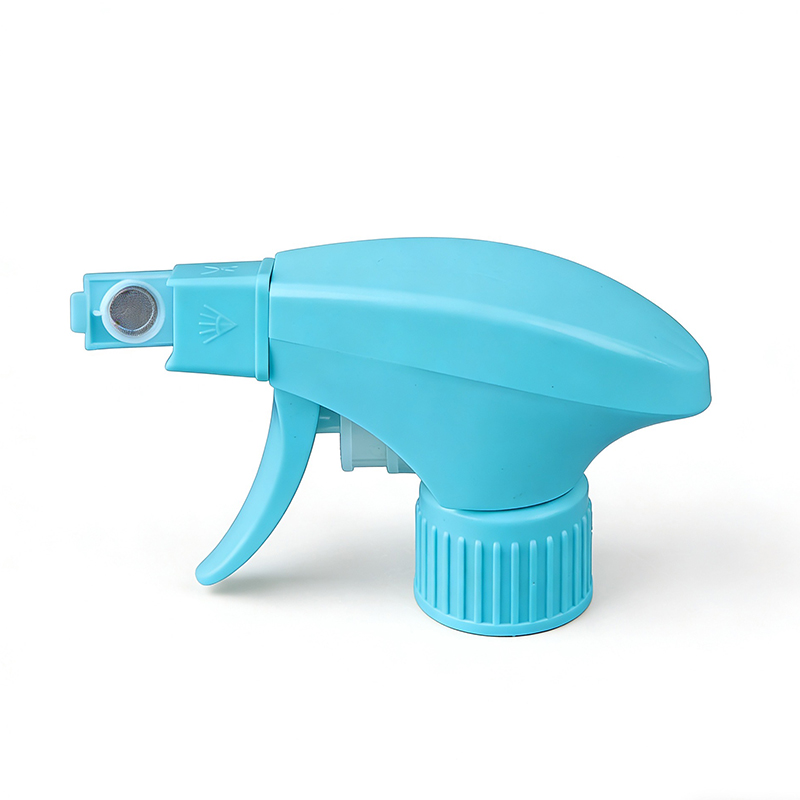
ML-102B1: full-plastic double-cover foam trigger sprayer, one of the model anchors used for repeat orders.
Short answers for buyers in a hurry
- Minimum order quantity: 50,000 pieces per order.
- Delivery terms: FOB or CIF. Payment terms: 30/70.
- Acceptance criteria: pre-shipment test before goods are released.
- Thread standards supported: 28/400 and 28/410.
- Sample testing is available before bulk orders, including compatibility testing with the actual filled liquid.
Problem Definition: Why One-Off Trigger Sprayer Purchasing Breaks Down
A trigger sprayer is a closure that only proves itself on a filling line. A wrong thread, a gasket that behaves differently in a second batch, or a color that drifts between shipments does not appear in a quotation — it appears when thousands of filled bottles fail a leak check, or when a retail customer rejects a shelf set. Spot purchasing hides that risk because every order is quoted independently and almost nothing is carried forward from the previous one.
Three failure modes account for most of the damage, and all three are documented in MILA's own risk guidance for this product category: liquid leakage, chemical incompatibility with the filled liquid, and thread mismatch with the bottle. Their causes are equally specific — a closure that is not matched to the bottle, a strongly corrosive liquid used without pre-testing, and an order placed against the wrong thread specification.
The pattern is consistent: risk is created at the specification stage and only detected at the production stage. A long-term partnership works because it moves detection earlier. When the model code, thread, output type, material and color are written down once and a retained sample exists, a repeat order becomes a comparison against a known reference rather than a fresh interpretation of a description.
Four things are typically lost when there is no partnership structure in place: a retained reference sample, an acceptance record from the previous shipment, a defined color standard, and a named route for claims. Each is cheap to establish at the start of a program and expensive to reconstruct after a problem has already reached a filling line.
Industry Background: What Pushes a Trigger Sprayer Buyer Toward a Long-Term Contract
Demand for trigger sprayers is steady rather than explosive, and that shapes how buyers contract. Fortune Business Insights values the global trigger sprayer market at USD 491.8 million in 2025 and projects a CAGR of 4.7% from 2026 to 2034. In a market growing at that rate, the savings that matter come from specification stability and supply continuity, not from re-tendering every season.
Regulation is pushing in the same direction. The EU Packaging and Packaging Waste Regulation, adopted in April 2024, sets a 30% recycled content requirement for plastic packaging by 2030. That requirement raises the value of mono-material designs that are easier to sort and recycle. An all-plastic PP trigger sprayer without a metal spring supports that design logic; a closure built from mixed materials complicates it. For a brand owner committing to a multi-year bottle and closure standard, the material decision is now a compliance decision as much as a cost decision.
Two further structural facts matter for repeat orders. First, 28/410 is identified as the most commonly used neck size for trigger sprayers, which means a bottle standard selected today is likely to stay in a product range for years. Second, trigger sprayers fall under HS code 392350 — "stoppers, lids, caps and other closures, of plastics" — so tariff and customs planning belongs inside the long-term cost model rather than being treated as a one-off shipping detail.
Taken together, these factors explain why buyers who once purchased closures shipment by shipment now ask for terms, acceptance criteria and after-sales commitments before they place the first bulk order.
Detailed Solution: What a Long-Term Trigger Sprayer Partnership Fixes
A partnership program is not a discount scheme; it is a way of holding six variables constant so that repeat orders stay comparable. At MILA Plastic Industry, those six variables are the following.
1. Material and construction are fixed in writing
The all-plastic version uses a full-plastic structure without a metal spring, which removes the rust risk that corrosive liquids create in spring-based closures. Because the body and mechanism are PP, the closure is mono-material and recyclable as a single plastic stream. MILA also produces non-full-plastic versions that include accessories made of other materials, so the construction must be recorded in the agreement. Without that line in the specification, a repeat order can silently move between versions.
2. The bottle neck is fixed at 28/400 or 28/410
MILA supports the two standard thread sizes of 28/400 and 28/410. Confirming which one the bottle uses before the first order is the single highest-value check in the entire process, because a thread mismatch cannot be corrected downstream and is one of the three documented causes of trigger sprayer failure. Once the thread is confirmed and recorded, every repeat order inherits the correct fit.
3. The output type is fixed: fine mist or foam
Spray type outputs a fine mist; foam type outputs rich, thick foam. The two are not interchangeable in use, since the choice follows the product being dispensed and the experience the brand wants at the point of use. Fixing the output type in the specification prevents a substitution that would pass a dimensional inspection and still fail in the consumer's hand.
4. Color and branding are fixed under OEM bulk orders
OEM customized color is available with bulk orders. In a long-term program, color should be attached to a physical standard and to the model code, not to a verbal description, so that a later production run can be compared against something objective. This is where private-label and distributor programs usually concentrate their attention, because color consistency is the most visible signal of quality on a retail shelf.
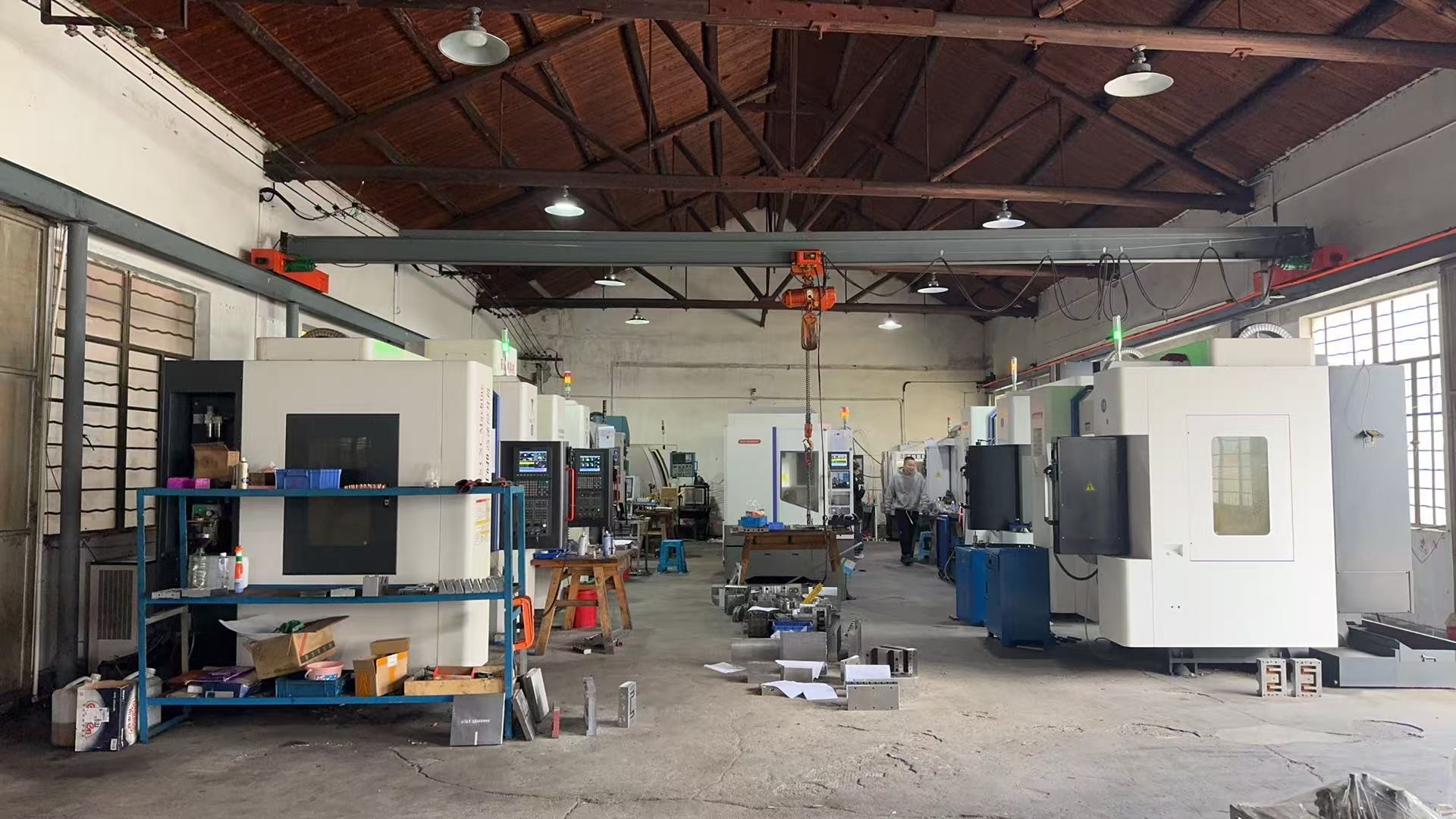
In-house mold making allows the tooling behind a locked specification to be maintained rather than re-sourced.
5. A model anchor keeps repeat orders identical
Model codes encode cover style and pump geometry, so an order referenced by code is far less ambiguous than an order described in words. Four models are commonly used as repeat-order anchors in foam applications, and each has a distinct head design that a buyer can standardize on.
| Model | Head / cover design | Output type | Thread options | Material note |
|---|---|---|---|---|
| ML-102B1 | Full-plastic double cover | Foam | 28/400, 28/410 | Available in all-plastic PP without metal spring |
| ML-202D1 | Inclined pump, single cover | Foam | 28/400, 28/410 | PP construction; version to be stated on the order |
| ML-203H1 | Inclined pump, dolphin head | Foam | 28/400, 28/410 | PP construction; version to be stated on the order |
| ML-204Z1 | Inclined pump, leopard head | Foam | 28/400, 28/410 | PP construction; version to be stated on the order |
Each model is also available in mist-output versions within the same all-plastic PP family, so a brand can keep one head design across a cleaning range and still separate products by spray behavior rather than by silhouette.
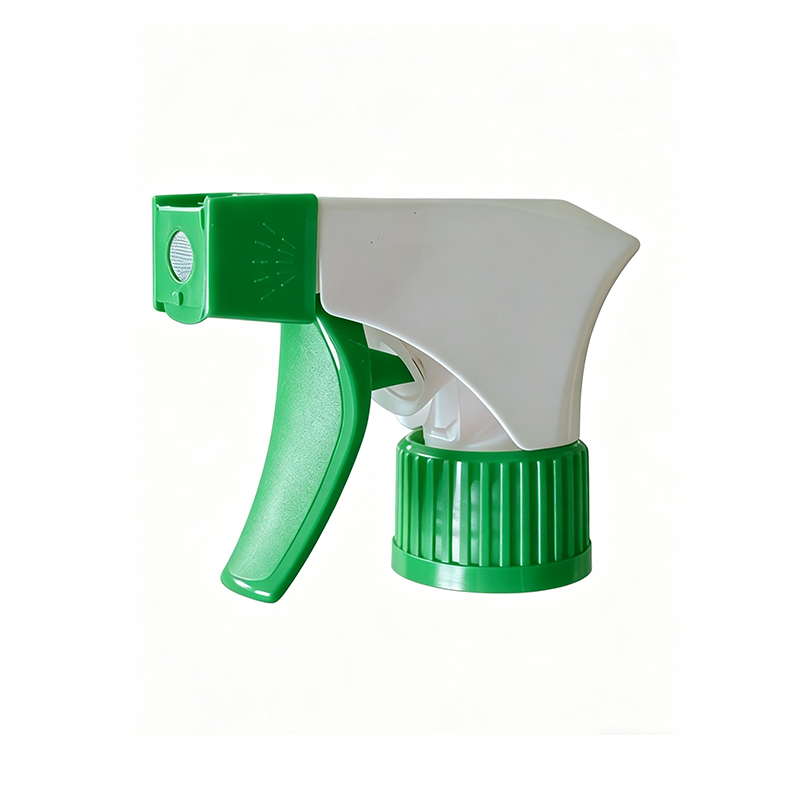
ML-202D1: inclined pump, single cover, foam output — a second anchor model for repeat programs.
6. Production capacity sits behind the commitment
A long-term agreement is only as reliable as the capacity behind it. The Quzhou facility covers more than 30,000 square meters and operates 60 injection molding machines and 20 automatic production lines, with an annual output of roughly 600,000,000 pieces. Tooling and process capability are in-house: 4 machining centers, 6 CNC engraving machines, 8 semi-high-speed lathes, 20 wire-cutting machines and 12 precision mold machines, supported by a R&D team of 10 engineers. The company integrates R&D, mold manufacturing, injection molding and assembly for custom trigger sprayer projects, which is what allows a locked specification to be reproduced rather than re-negotiated.
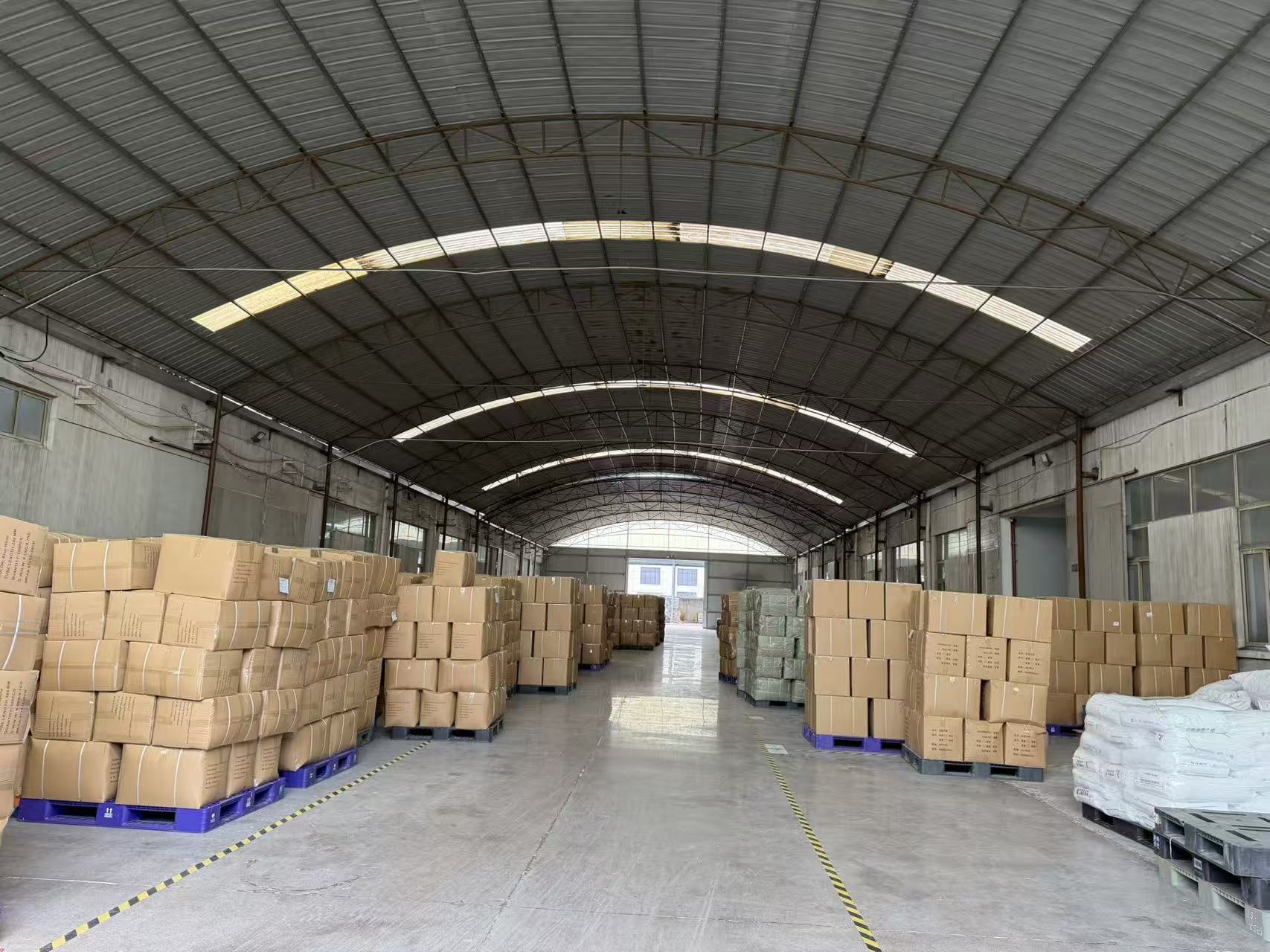
Finished goods storage: repeat orders are shipped against a recorded specification, not a new interpretation of it.
Step-by-Step Breakdown: Setting Up the Partnership in Seven Steps
Step 1 — Write the specification sheet
Record the model code, thread size (28/400 or 28/410), output type (mist or foam), construction (all-plastic PP without a metal spring, or a version with other-material accessories), color, bottle reference and the liquid to be filled. This single document is what every later question is checked against.
Step 2 — Validate with samples before committing
Sample testing can be conducted before bulk orders. Test with the actual liquid rather than water, because chemical compatibility is one of the three documented failure modes. For highly corrosive fluids, a chemical compatibility pre-test is the recommended route. At this stage a buyer is checking leakage, spray or foam behavior, and thread engagement on the real bottle.
Step 3 — Fix the commercial terms
The purchasing terms in a MILA program are a 50,000-piece minimum order quantity, delivery arranged through FOB or CIF methods, and 30/70 payment terms. Under CIF, the allocation of freight and insurance should be stated explicitly in the agreement so that it does not become a recurring discussion at each shipment.
Step 4 — Define acceptance before the first shipment
Acceptance is handled through pre-shipment test procedures. What matters for a long-term relationship is that both sides agree what is examined, what evidence is retained, and what happens when a result falls outside the agreed range. An acceptance step that exists only as a phrase in a quotation provides no protection on the fourth order.
Step 5 — Lock the repeat-order reference
Retain a golden sample from the approved run, attach the color standard to it, and reference the model code and drawing revision in the purchase order. From that point onward, a repeat order is a check against a physical object rather than a description, which is the mechanism that keeps ML-102B1, ML-202D1, ML-203H1 and ML-204Z1 consistent across years.
Step 6 — Control risk in use, not only at shipment
Most in-market failures originate outside the closure: a bottle from a second mould, a reformulated detergent, or a liquid substituted without re-testing. The practical controls are to confirm the bottle thread before every new bottle source, to re-test chemical compatibility whenever the formulation changes, and to keep the all-plastic PP construction where corrosive liquids are involved so that there is no metal spring to corrode.
Step 7 — Agree the after-sales route in writing
Define who inspects on arrival, which evidence is required (photographs, batch identification, retained samples), how replacements are handled, and who the named contact is. MILA's published contact channel for order and technical questions is email 18858002300@163.com and telephone or WhatsApp +86 188-5800-2300, with the factory at 1# Panlong South Road, Donggang Development Zone, Kecheng area, Quzhou City, Zhejiang Province, China. Naming that route at signature stage is what turns after-sales from an expectation into a procedure.
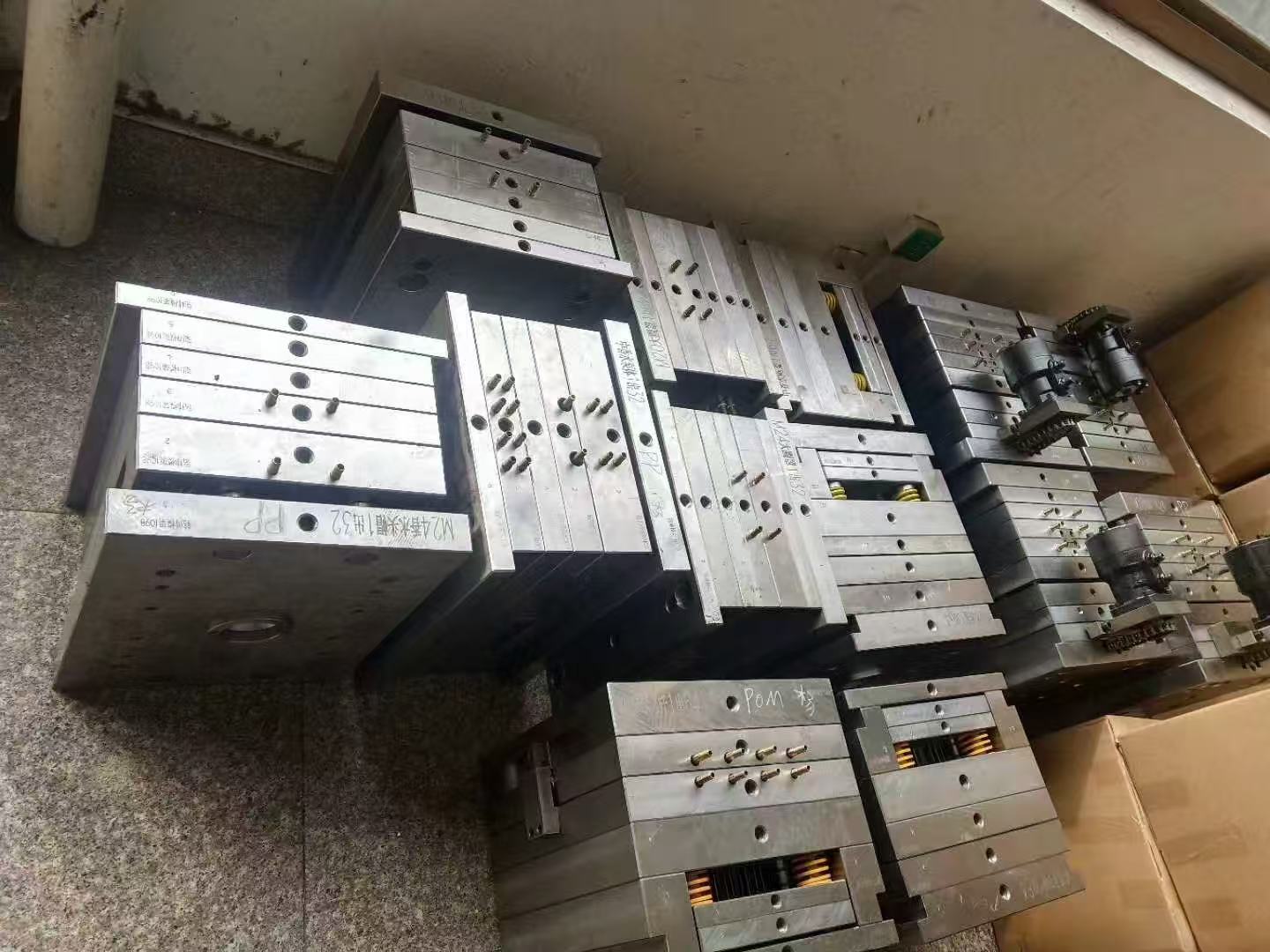
Mold repair and maintenance in-house: tooling condition is part of after-sales, not a separate supplier relationship.
Use Cases: Where a Long-Term Trigger Sprayer Program Pays Off
Household cleaning and detergent ranges
Trigger sprayers are suitable for household detergents and cleaning agents. Mist output suits surface and glass products where a fine, even coverage matters; foam output suits thicker detergents where a visible foam cushion is part of the product promise. A brand running several SKUs can standardize on one head design and separate products by output type and color, which simplifies bottle sourcing and reduces the number of components held in inventory.
Car care fluids
Car care liquids are among the applications where an all-plastic PP construction with no metal spring is most useful, because the corrosion risk that a spring creates is removed by design rather than by additive choice. Buyers in this segment should test with the actual formulation, since aggressive products are precisely the case where a pre-test is recommended.
Gardening and outdoor applications
Gardening is one of the application areas MILA's products serve. These programs are typically seasonal and repeat annually, which makes a locked specification and a stable color standard more valuable than a small price movement on a single shipment.
Distributor and private-label programs
Distributors carrying several brands need one supplier whose output can be differentiated by color and model without changing the underlying closure. OEM customized color with bulk orders, combined with a documented specification per customer, is what makes that work without cross-contamination between accounts.
Comparison Table: Spot Buying vs a Long-Term Partnership Program
The table below compares how the same closure is handled under the two purchasing models. The partnership column reflects the terms MILA applies to repeat programs; the spot column describes what is typically undefined when each shipment is quoted on its own.
| Dimension | One-off spot purchase | Long-term program with MILA |
|---|---|---|
| Order quantity | Re-negotiated per shipment | 50,000 pieces minimum order quantity, repeatable |
| Payment terms | Agreed case by case | 30/70 |
| Delivery terms | Variable by order | FOB or CIF |
| Acceptance | Frequently informal | Pre-shipment test before release |
| Sampling | Not always requested | Sample testing before bulk orders, including liquid compatibility |
| Specification continuity | Described in words each time | Model code, thread, output and color fixed against a retained sample |
| Corrosion risk | Depends on whichever construction is supplied | All-plastic PP construction without a metal spring |
| Color consistency | Compared by eye | OEM customized color with bulk orders, tied to a physical standard |
| Claim route | Usually undefined | Written into the agreement with a named contact |
FAQ
Do trigger sprayers require certification for a long-term supply agreement?
Trigger sprayers fall under general plastic packaging material requirements rather than a single mandatory product certification scheme, and no mandatory industry certification is required for this product category. What buyers should verify instead are plastic material safety, leak-proof performance, thread size compatibility at 28/400 and 28/410, and chemical compatibility with the actual filled liquid. MILA's published profile lists ISO 9001:2015 and ISO 14001:2015 certification together with SGS compliance; for a multi-year program, current copies should be requested at each renewal and filed with the specification sheet. Where the filled product itself is regulated in the destination market, the compliance obligation follows the brand owner's formulation and labelling, so the closure specification should be documented against that requirement.
Can the same specification be repeated across orders for models such as ML-102B1 and ML-202D1?
Yes, provided the specification is documented rather than described. ML-102B1 is a full-plastic double-cover foam trigger sprayer and ML-202D1 is an inclined pump single-cover foam trigger sprayer; both are produced on the same integrated chain that covers R&D, mold manufacturing, injection molding and assembly, with a R&D team of 10 engineers and 12 precision mold machines supporting tooling upkeep. Repeat consistency comes from four controls: the model code on the purchase order, the recorded thread size, a retained golden sample, and the pre-shipment test applied to each shipment. Annual capacity of about 600,000,000 pieces across 20 automatic production lines and 60 injection molding machines is what makes repeat volumes feasible without changing the tooling or the process between orders.
What purchasing terms apply to a long-term trigger sprayer program?
The commercial frame is a minimum order quantity of 50,000 pieces, delivery arranged through FOB or CIF methods, 30/70 payment terms, and acceptance through pre-shipment test procedures. Those are the fixed elements of the purchasing structure. Unit price is not part of a standard answer because it depends on the model, the output type, the level of color customization and the order volume, so it is quoted against a defined specification. Sending the specification sheet first shortens that step considerably.
Can we test samples with our own liquid before committing to a long-term order?
Yes. Sample testing can be conducted before bulk orders, and it is the recommended first step of a partnership rather than an optional extra. Testing should use the actual liquid, because chemical incompatibility with the filled liquid is one of the three documented failure modes for trigger sprayers, alongside leakage and thread mismatch. For highly corrosive fluids, a chemical compatibility pre-test is advised before mass production. A practical sample check covers thread fit on the real bottle, leakage under normal handling, and whether the mist or foam output matches the intended product experience.
How should lead time and after-sales be handled after the first shipment?
Lead time should be fixed in writing per order and confirmed at purchase-order stage, because it depends on the model mix, the extent of color customization and the order quantity; the 600,000,000-piece annual output and 20 automatic production lines support bulk fulfillment, and shipments are arranged on FOB or CIF terms. After-sales should be defined before the first delivery: who inspects on arrival, which evidence is required such as photographs and batch identification, whether samples are retained, how replacements are handled, and who the named contact is. To start a program, send the specification sheet and a liquid sample request to 18858002300@163.com or WhatsApp +86 188-5800-2300, or request a quotation against a defined model, thread and output type through www.triggerssprayer.com.
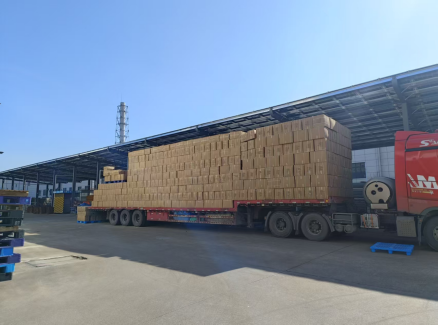
Shipment preparation: delivery runs on FOB or CIF terms agreed at purchase-order stage.
Conclusion
A trigger sprayer partnership succeeds or fails on documentation rather than on goodwill. The specification sheet fixes the model, the 28/400 or 28/410 thread, the mist or foam output and the all-plastic PP construction without a metal spring. The commercial frame fixes the 50,000-piece minimum order quantity, FOB or CIF delivery, 30/70 payment and pre-shipment acceptance testing. The retained sample and the model code keep repeat orders identical. The after-sales route, agreed in writing, decides how quickly a problem is resolved when one appears.
For buyers entering the execution stage, the sequence is straightforward: confirm the bottle thread, test a sample with the real liquid, lock the specification against a model such as ML-102B1, ML-202D1, ML-203H1 or ML-204Z1, and put the acceptance and claim procedure in the agreement. MILA Plastic Industry runs that process from a 30,000 ㎡ facility in Quzhou with 60 injection molding machines, 20 automatic production lines and an annual output of about 600,000,000 pieces, serving buyers across South America, Western Europe, Eastern Europe, East Asia, Southeast Asia, the Middle East, Africa and Oceania.
To move from a one-off order to a repeat program, request a sample or a specification-based quotation at www.triggerssprayer.com, by email at 18858002300@163.com, or by WhatsApp on +86 188-5800-2300.
Have Questions or Need More Details?
Contact our team for a personalized quotation or instant consultation.
Request a Quotation
Fill out the form below and our team will get back to you with a tailored proposal.
WhatsApp Direct Chat
Prefer to chat in real-time? Message us on WhatsApp for instant assistance & quick answers.
- Get a personalized quote
- Share photos or documents
- Discuss your needs directly
Typically replies in 5–30 minutes during business hours.