Trigger Sprayer Supplier Checklist: Model Range, OEM Color and Bulk Supply Proof
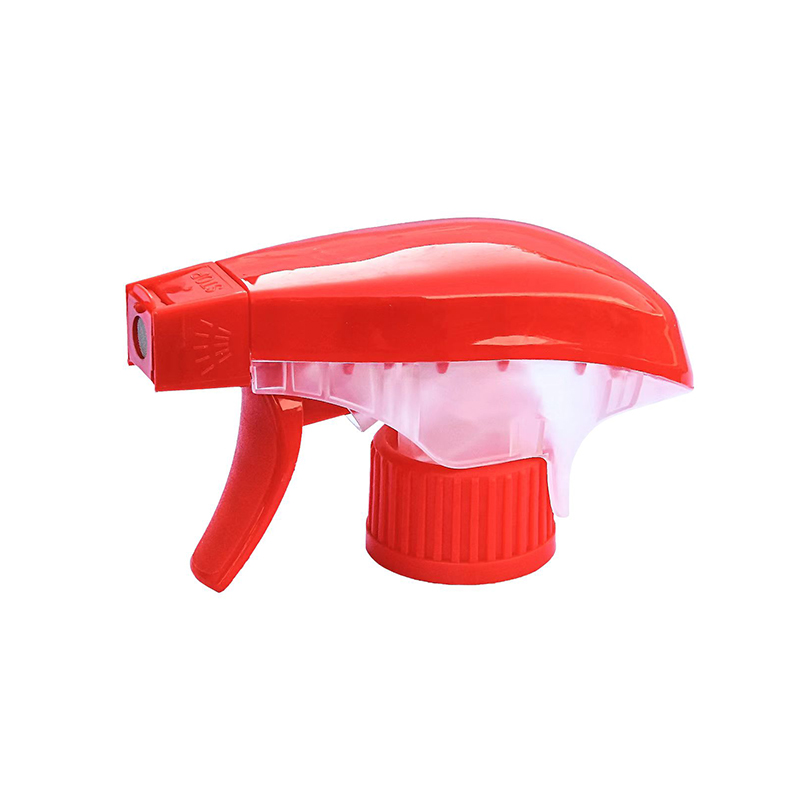 ML-203H1 inclined pump dolphin head foam trigger sprayer — one of the model codes a buyer can reference in a supplier specification sheet.
A trigger sprayer supplier is only as dependable as the documentation behind the quotation. Once the bottle, the liquid and the spray format have been chosen, the buyer's question changes from which sprayer fits to can the same sprayer be produced again — identical thread, identical polymer, identical color, identical output — for a bulk order and for the reorders that follow it.
This checklist is built for that second question. It covers eight capability points that can be verified before a purchase order is issued: model range evidence, thread and material confirmation, spray function, chemical and leak performance, mono-material recyclability, OEM color customization, bulk supply proof, and documented commercial terms. The examples used throughout come from Zhejiang Mila Plastic Industry Co., Ltd. (MILA), a trigger sprayer manufacturer based in Quzhou, Zhejiang, China, whose range covers the ML-101, ML-102, ML-103, ML-201, ML-202, ML-203 and ML-204 series.
Problem Definition: What Actually Fails Between Sample Approval and Bulk Delivery
Sample approval rarely fails. Repeatability fails.
A sample is inspected, sprayed, filled and signed off. The problems surface later, when the container is already on water: a closure that leaks on a filled bottle, a liquid that attacks an internal component, a thread that will not seat cleanly on the customer's neck finish, or a color that existed only as a rendering and never as a molded part.
MILA's own purchasing guidance names the same three risks in plain language: liquid leakage, chemical incompatibility with the filled liquid, and thread size mismatch with the bottle. The documented triggers are equally specific — improper matching with the bottle, use with a strongly corrosive liquid without a pre-test, and the wrong thread specification. The corresponding mitigation is procedural rather than promotional: confirm the bottle thread size (28/400 or 28/410) before ordering, run a chemical compatibility test with the actual liquid, and complete sample pre-testing before mass production.
That is why a supplier checklist has to do something a product page cannot. It has to establish whether the supplier can produce evidence — a model list, a specification sheet, a physical color sample, a capacity figure, a written acceptance procedure — before money changes hands.
Industry Background: A Stable Category Under Rising Specification Pressure
Trigger sprayers are a mature packaging category, but the specification bar is moving for two reasons: thread standardisation and recycled-content regulation.
- Fortune Business Insights values the global trigger sprayer market at USD 491.8 million in 2025, with a projected CAGR of 4.7% from 2026 to 2034.
- Houweling Group identifies 28/410 as the most commonly used opening for trigger sprayers. MILA supplies both standard 28/400 and 28/410 thread sizes.
- The EU Packaging and Packaging Waste Regulation (PPWR), adopted in April 2024, requires 30% recycled content in plastic packaging by 2030 — a rule that pushes buyers toward mono-material, metal-free closure designs.
- For trade and customs purposes, plastic closures including trigger sprayers are classified under HS code 392350.
On the supply side, production is concentrated among manufacturers who own their tooling and molding capacity. MILA operates from a facility of over 30,000 square meters in Quzhou, Zhejiang, employs approximately 300-400 staff, and reports an annual output of 600,000,000 pieces. Between 70% and 80% of that output is exported, reaching South America, Western Europe, Eastern Europe, East Asia, Southeast Asia, the Middle East, Africa and Oceania. A third-party company profile lists annual sales between USD 50 million and 53 million.
For a buyer at the ordering stage, this background has a practical consequence: the supplier pool is broad enough that price competition is real, but the differences that decide whether a program runs smoothly sit in documentation and tooling, not in the headline price per piece.
Detailed Solution: The Eight-Point Trigger Sprayer Supplier Checklist
1. Model Range Evidence — Codes, Not Catalogue Photos
The useful question is not how many sprayers appear in a catalogue, but whether each model code corresponds to a distinct, produced configuration. A supplier that can hand over a code-level list makes reordering, substitution and troubleshooting far easier, because every conversation afterwards references a specific part rather than a picture.
The MILA trigger sprayer range includes the following documented configurations:
| Model code | Cover and pump style | Output type |
|---|---|---|
| ML-102B1 | Full plastic double cover | Foam |
| ML-102B2 | Full plastic double cover | Spray (fine mist) |
| ML-101G1 | All plastic single cover | Foam |
| ML-101G2 | All plastic single cover | Spray (fine mist) |
| ML-201B1 | Inclined pump, single cover | Foam |
| ML-201B2 | Inclined pump, single cover | Spray (fine mist) |
| ML-202D1 | Inclined pump, single cover | Foam |
| ML-203H1 | Inclined pump, dolphin head | Foam |
| ML-204Z1 | Inclined pump, leopard head | Foam |
| ML-103C1 | Trigger sprayer | Spray (fine mist) |
For a buyer, the test is simple: ask for a specification sheet in which every model code is listed with its thread options, output type and material version. A supplier who cannot produce that sheet at the quotation stage is unlikely to produce consistent parts at the production stage.
2. Thread and Material Confirmation
Thread is the single most common cause of a rejected delivery, and it is also the easiest item to confirm. MILA produces trigger sprayers with standard 28/400 and 28/410 thread sizes, which covers the two most widely used neck finishes in household and industrial packaging.
Material version matters just as much. MILA supplies both full plastic and non-full-plastic trigger sprayers. In the full plastic version, the entire structure is plastic and there is no metal spring, which removes the rust risk that arises when corrosive liquids contact metal components. The non-full-plastic version includes accessories made from other materials and remains available for applications where it fits the specification.
The checklist item here is not a preference for one version over the other. It is a written statement, in the supplier's documentation, of which version is being quoted — because the two are not interchangeable once a liquid and a recycling claim are attached to the pack.
3. Spray Function: Fine Mist or Foam
Spray-type trigger sprayers output a fine mist. Foam-type trigger sprayers output a rich, thick foam. The choice is determined by the liquid and the end use rather than by personal preference: thin, clear liquids such as glass cleaners are typically paired with a mist output, while thickened detergents and clinging cleaners are paired with foam.
Because the same body and cover architecture can carry either output, the supplier's range should offer both options within a comparable format. MILA's range pairs foam and mist versions across its cover styles — for example, ML-102B1 and ML-102B2 share a full plastic double cover format but differ in output, and ML-201B1 and ML-201B2 do the same in the inclined pump single cover format.
4. Chemical Resistance and Leak-Proof Structure
Chemical resistance is not a single property that a sprayer either has or lacks; it is a relationship between the sprayer, the liquid and the contact time. The documented approach is therefore two-layered.
First, structural: the all-plastic construction removes the metal spring, which removes the corrosion pathway that matters most with aggressive cleaning chemistry. Second, procedural: MILA's guidance recommends chemical pre-testing when a highly corrosive fluid is involved, so that compatibility is demonstrated with the actual liquid rather than assumed from the category.
Where leakage is the primary concern, MILA documents a patented trigger sprayer design that uses an improved anti-leak sealing structure and an optimised internal structure. Compared with a conventional trigger sprayer, the documented differences are improved sealing performance, an anti-leakage design, enhanced durability, stable spray output and no additional maintenance requirement, at a competitive production cost. These comparisons are useful as a description of documented specifications; in practice, the buyer's own fill and drop test on a production sample remains the deciding evidence.
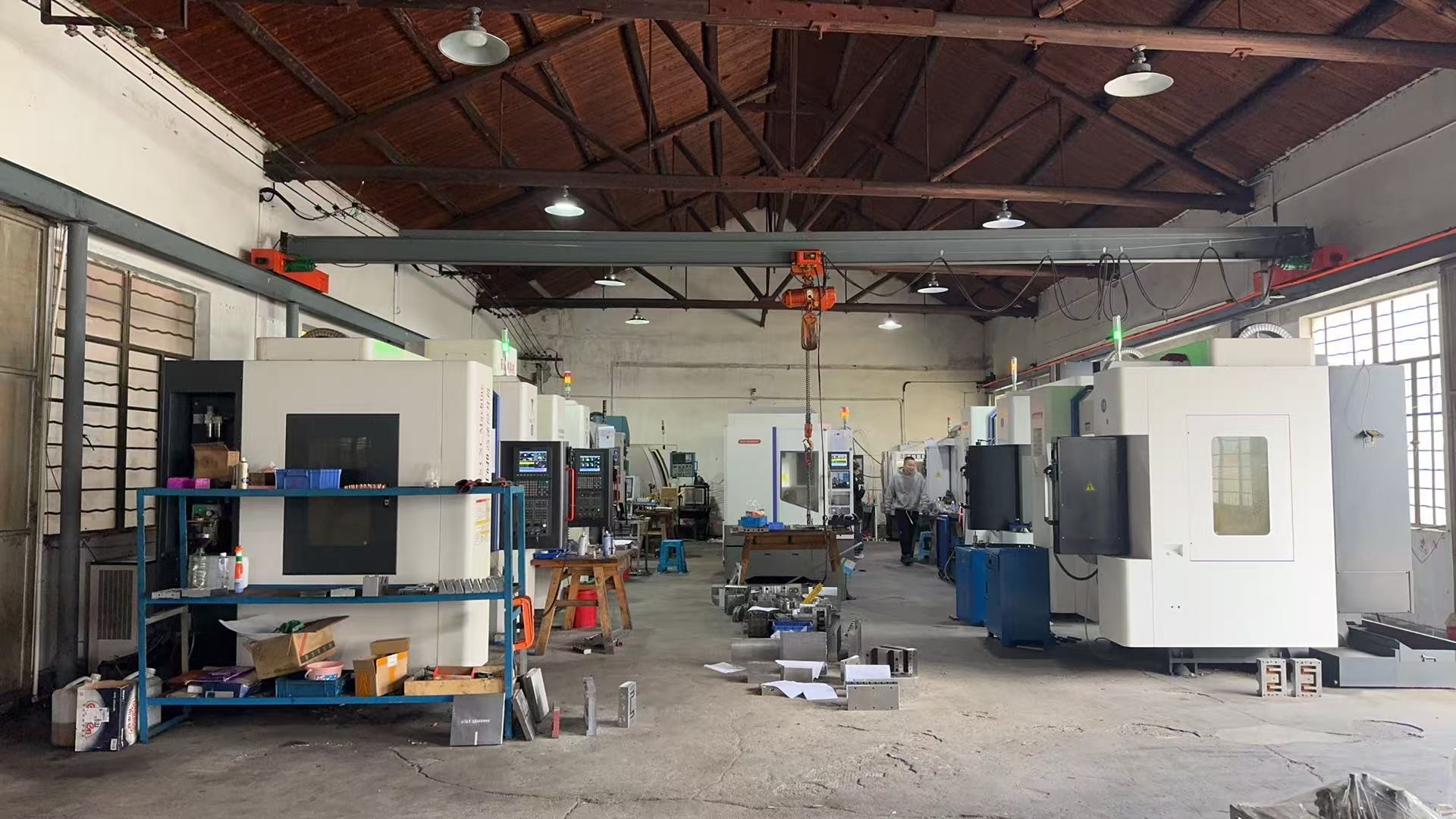 In-house mold making: the tooling stage where OEM color and geometry changes are set before mass production.
5. Mono-Material Recyclability
The all-plastic trigger sprayer version is a mono-material construction with no metal spring. A single-polymer assembly removes the separation step that mixed-material closures require at end of life, which simplifies sorting for recyclers and simplifies the packaging declaration for brand owners.
This is commercially relevant because the EU Packaging and Packaging Waste Regulation, adopted in April 2024, requires 30% recycled content in plastic packaging by 2030. A mono-material sprayer does not, on its own, satisfy a recycled-content requirement — that depends on the polymer stream the supplier uses. What it does do is remove one structural obstacle: buyers pursuing recyclable or recycled-content packaging can specify the full plastic version without introducing a metal component into the pack.
6. OEM Color Customization
Color is where OEM projects most often drift between what was promised and what was delivered, largely because color decisions are made verbally and confirmed visually rather than on a molded part.
MILA integrates product R&D and design, precision mold manufacturing, automatic injection molding, automatic assembly, and automatic equipment design and manufacturing within one facility, supported by an R&D team of 10 engineers. The tooling base includes 12 precision mold machines, 6 CNC engraving machines, 4 machining centers, 20 wire-cutting machines and 8 semi-high-speed lathes.
For a buyer, the practical test is not whether a color can be proposed on a screen, but whether it is confirmed on a physical sample produced from production tooling before the bulk order is released. The checklist item is therefore: request a molded color sample, not a color reference, and keep the approved sample as the contractual standard for the program.
7. Bulk Supply Proof
Bulk capability should be evidenced by equipment and output figures rather than by adjectives. MILA reports an annual output of 600,000,000 pieces, produced on 20 automatic production lines with 60 injection molding machines, in a factory covering more than 30,000 square meters and staffed by approximately 300-400 employees. Third-party profile data lists annual sales between USD 50 million and 53 million.
Why these numbers matter at the ordering stage: a supplier with dedicated automated lines and a documented annual output can absorb a 50,000-piece order without displacing existing customers, and can maintain the same tooling across repeat orders. That continuity is what a distribution or private-label program actually depends on.
 Finished goods staging: bulk trigger sprayer orders consolidated before pre-shipment testing and dispatch.
8. Documented Commercial Terms
The final checklist item converts a supplier's capability into an executable order. The terms that should be in writing before production begins, as documented in MILA's purchasing information, are:
- MOQ: 50,000 pieces.
- Delivery terms: FOB and CIF.
- Acceptance criteria: pre-shipment test procedures.
- Payment terms: 30/70.
A minimum order quantity of 50,000 pieces is a normal threshold for a manufacturer running automated assembly lines, and it is the figure a buyer should plan a first order around. Unit pricing itself depends on model, material version, thread, color and volume, and should be quoted per project rather than assumed from any published figure.
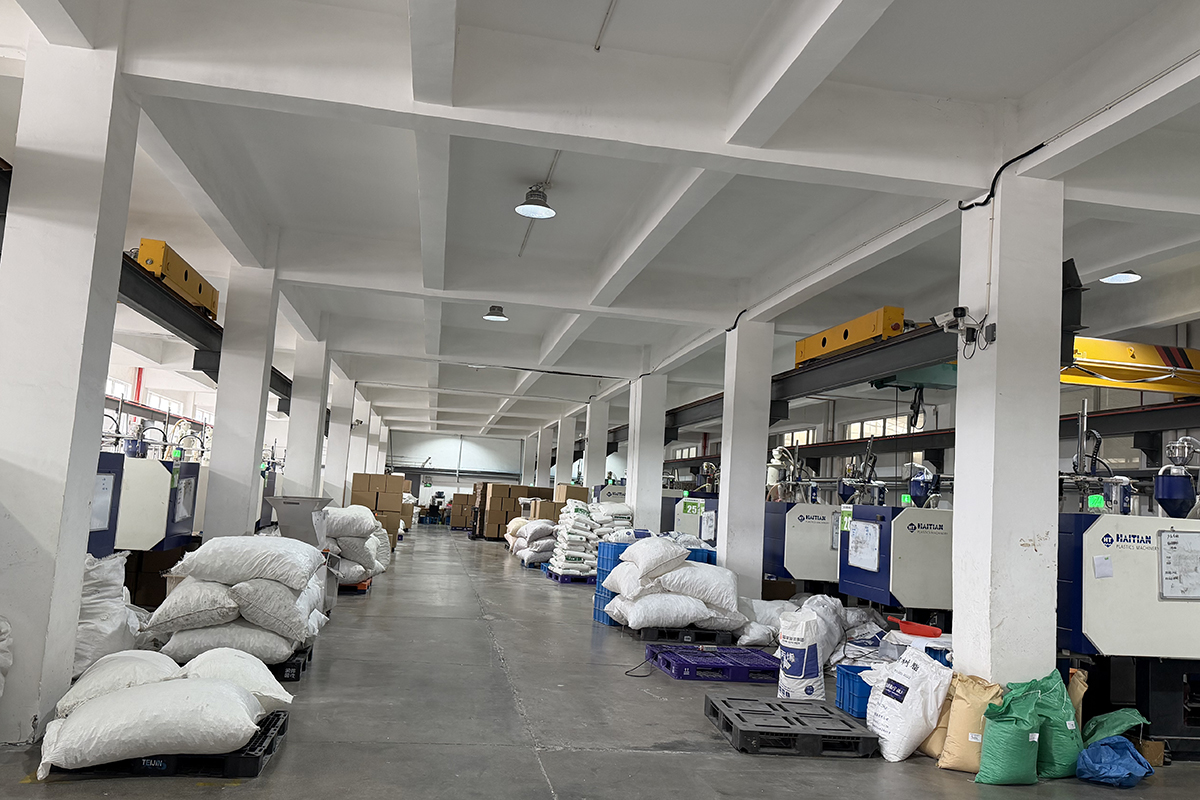 Automated injection molding lines: the capacity behind a documented 600,000,000-piece annual output.
Step-by-Step Breakdown: Running the Checklist Before the Purchase Order
- Match the thread to the bottle. Confirm the neck finish first — 28/400 or 28/410 — and confirm it in writing. Thread mismatch is one of the three documented risk triggers in trigger sprayer projects, and it is entirely preventable at this stage.
- Fix the output type. Decide between fine mist and foam based on the liquid's viscosity and the intended user experience. Request the equivalent model code for each option so that the alternative remains available if the product is reformulated later.
- Screen the liquid against the material. For standard household detergents, cleaning agents and car care fluids, the standard range applies. For highly corrosive fluids, run a chemical pre-test with the actual liquid before committing to a material version.
- Request a spec sheet keyed to model codes. The sheet should list model code, thread option, output type and material version for every configuration you are considering. This is the document that makes reordering deterministic.
- Validate OEM color on a molded sample. Approve color from a physical part produced on production tooling, then retain that approved sample as the reference standard for the program.
- Size the order against capacity. Compare your planned annual volume with the supplier's documented output and line count, and confirm that your first order clears the 50,000-piece MOQ without strain.
- Lock terms, acceptance and payment. Put delivery terms, the pre-shipment test as the acceptance criterion, and payment structure into the order documentation so that both sides are measuring against the same standard.
- Keep the approved file for reorders. The value of a supplier relationship shows up in the second and third order. A retained specification sheet, approved color sample and written acceptance procedure make each repeat order a reference rather than a renegotiation.
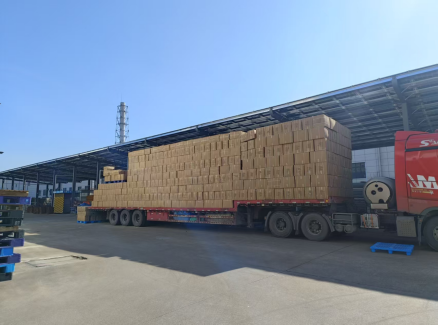 Dispatch stage: bulk orders are accepted through pre-shipment test procedures and delivered under FOB or CIF terms.
Use Cases: Where the Checklist Changes the Outcome
The evaluation criteria stay the same across applications; the weighting changes.
- Household cleaning and disinfecting. Thickened toilet cleaners and clinging bathroom sprays call for foam output, where models such as ML-102B1, ML-202D1, ML-203H1 and ML-204Z1 fit the format. Glass and surface sprays call for fine mist, where ML-102B2 and ML-101G2 fit. Because these are aggressive chemistries, the all-plastic version and a chemical pre-test carry the most weight.
- Car care. Detail sprays, wheel cleaners and interior dressings span both output types, and the pump feel over hundreds of actuations becomes a customer-experience issue — which is why stable spray output and the anti-leak sealing structure are the criteria to verify first.
- Garden and plant care. Fine mist output and consistent trigger effort dominate, with thread fit against standard garden bottles being the main compatibility check.
- Janitorial and industrial dispensing. Here the checklist shifts toward chemical pre-testing, documented acceptance procedures and reliable repeat supply, because these programs are usually contracted over multiple years rather than bought once.
- Private label and retail programs. OEM color, mono-material construction and a documented model range matter most, because the packaging appearance and the recycling claim are part of the product itself.
Comparison Tables
Two comparisons are worth putting on paper during supplier evaluation: what each construction version commits you to, and what each checklist item should look like as evidence.
| Construction version | Internal structure | Documented benefit | Best fit |
|---|---|---|---|
| Full plastic trigger sprayer | All-plastic structure, no metal spring | Avoids rust risk from corrosive liquids; mono-material construction | Household detergents, cleaning agents, car care fluids; recycling-oriented packs |
| Non-full-plastic trigger sprayer | Includes accessories made of other materials | Available where the specification calls for it | Projects specifying a mixed-material closure |
| Checklist item | What counts as evidence | Why it matters at execution |
|---|---|---|
| Model range | Code-level specification sheet (e.g. ML-102B1, ML-202D1, ML-203H1, ML-204Z1, ML-102B2) | Makes reorders and substitutions unambiguous |
| Thread and material | Written confirmation of 28/400 or 28/410 thread and full plastic or non-full-plastic version | Prevents the most common cause of rejected deliveries |
| Chemical resistance | Chemical pre-test with the actual liquid for corrosive formulas | Avoids field failures on filled bottles |
| OEM color | Molded color sample from production tooling | Sets a contractual color standard for the program |
| Bulk supply | Documented output, line count and equipment list | Confirms the order fits inside available capacity |
| Commercial terms | MOQ 50,000 pieces, FOB/CIF delivery, pre-shipment test, 30/70 payment | Turns capability into an executable order |
FAQ
What certifications or standards should a trigger sprayer supplier document?
Trigger sprayers are not subject to a mandatory industry certification as a product category; the applicable requirements are general plastic packaging material requirements, covering plastic material safety, leak-proof performance, thread size compatibility (28/400 and 28/410) and chemical compatibility with common household detergents. Beyond the product itself, a supplier's quality and environmental management systems can be verified: MILA holds ISO 9001:2015 and ISO 14001:2015 certifications and SGS compliance. Buyers shipping into the European Union should also track the EU Packaging and Packaging Waste Regulation (PPWR), adopted in April 2024, which requires 30% recycled content in plastic packaging by 2030. For customs purposes, plastic closures including trigger sprayers fall under HS code 392350.
What model range and OEM color capability can be verified before ordering?
The verifiable model range covers full plastic double cover versions (ML-102B1 foam, ML-102B2 mist), all-plastic single cover versions (ML-101G1 foam, ML-101G2 mist), inclined pump single cover versions (ML-201B1 foam, ML-201B2 mist, ML-202D1 foam), and inclined pump designs with dolphin head (ML-203H1 foam) and leopard head (ML-204Z1 foam) covers. All are available with 28/400 or 28/410 thread options. For OEM color, MILA integrates product R&D and design, precision mold manufacturing, automatic injection molding, automatic assembly and automatic equipment design and manufacturing in one facility, with an R&D team of 10 engineers and a tooling base that includes 12 precision mold machines, 6 CNC engraving machines, 4 machining centers, 20 wire-cutting machines and 8 semi-high-speed lathes.
What commercial terms should be fixed before a bulk order is placed?
Four terms do most of the work. The documented minimum order quantity is 50,000 pieces. Delivery is arranged through FOB and CIF methods. Product acceptance is based on pre-shipment test procedures. Payment terms are structured 30/70. These terms should be confirmed in the order documentation rather than agreed verbally, because they define the point at which responsibility, cost and risk transfer between buyer and supplier. Unit pricing is quoted per project and varies with model, material version, thread, color and order volume.
Can samples be tested before a bulk order, and what should the sample test cover?
Yes. Sample testing can be conducted before bulk orders. A useful sample round tests the items that procurement cannot verify from a photograph: thread engagement on the actual bottle, spray or foam output performance, leak behaviour on a filled and inverted unit, and chemical compatibility where a corrosive formula is involved. MILA's guidance specifically recommends chemical pre-testing on highly corrosive fluids and completing sample pre-testing before mass production, because improper matching with the bottle, use with strong corrosive liquids without a pre-test, and wrong thread specification are the three documented triggers of field problems.
How is delivery and supply continuity handled for repeat orders?
Delivery is arranged through FOB and CIF methods, and products are accepted through pre-shipment test procedures. Behind those terms sits production capacity: an annual output of 600,000,000 pieces, 20 automatic production lines, 60 injection molding machines, and a facility covering more than 30,000 square meters. Because tooling stays with the manufacturer, a repeat order runs against the same model code, the same thread specification and the same approved color sample as the first order. Confirming that file structure at the start is what makes repeat supply predictable; delivery schedules for a specific quantity and destination should be confirmed with the supplier against the actual order. Buyers can send their model list and volume for a documented quotation through WhatsApp or by email.
Conclusion: Proof First, Price Second
A trigger sprayer purchase looks like a simple commodity decision and behaves like a specification project. The difference between a smooth program and a costly one is almost never the unit price at the quotation stage — it is whether the supplier can document the model, confirm the thread, evidence the material version, approve the color on a real part, and repeat all of it on the next order.
The checklist in this article reduces to eight questions: is there a code-level model list, is the thread confirmed as 28/400 or 28/410, is the material version stated, is the output type defined, has chemical compatibility been tested against the actual liquid, is the construction mono-material where recycling matters, has OEM color been approved on a molded sample, and are the commercial terms — 50,000-piece MOQ, FOB/CIF delivery, pre-shipment test acceptance and 30/70 payment — in writing? A supplier that answers all eight before the order is placed is the supplier a distribution or private-label program can actually build on.

Next Step: Request Samples and a Model-Range Specification Sheet
Send your bottle thread, liquid type, target output (fine mist or foam), preferred color and estimated annual volume, and MILA will revert with the matching model codes, a specification sheet, sample arrangement and a quotation.
Zhejiang Mila Plastic Industry Co., Ltd. — trigger sprayer manufacturer, Quzhou, Zhejiang, China
Website: www.triggerssprayer.com
Contact: Bruce Liu — Email: 18858002300@163.com — Tel / WhatsApp: +86 188-5800-2300
Address: 1# Panlong South Road, Donggang Development Zone, Kecheng Area, Quzhou City, Zhejiang Province, China
Have Questions or Need More Details?
Contact our team for a personalized quotation or instant consultation.
Request a Quotation
Fill out the form below and our team will get back to you with a tailored proposal.
WhatsApp Direct Chat
Prefer to chat in real-time? Message us on WhatsApp for instant assistance & quick answers.
- Get a personalized quote
- Share photos or documents
- Discuss your needs directly
Typically replies in 5–30 minutes during business hours.