
Mediflow Water Pillow vs Traditional Pillows: A 2026 Sourcing Guide for Industrial Buyers
1. Product Comparison: Mediflow Water Pillow vs. Traditional Pillows
For industrial buyers evaluating neck pain pillows, understanding the technical and economic differences between water-based and traditional constructions is critical. The following comparison uses the Mediflow Water Pillow (specifically the Original Fibre model) as a representative water pillow, contrasted against conventional memory foam or fiber pillows.
Technical Parameters
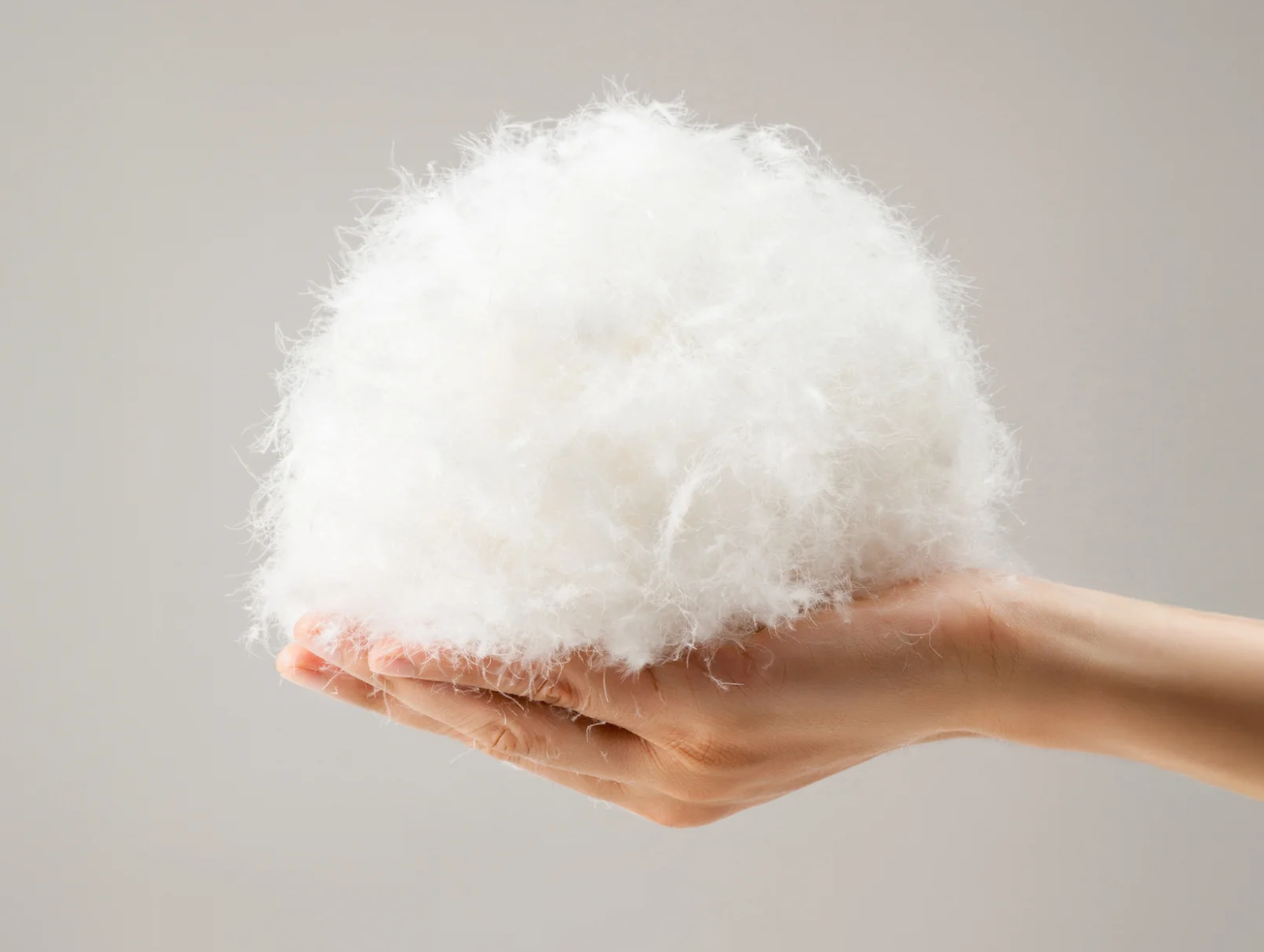
The Mediflow water pillow incorporates a sealed water pouch (Waterbase® technology) inside a fill layer of soft, resilient fiber. This design allows the user to adjust the firmness and height by varying the water volume. In contrast, traditional pillows offer a fixed support profile that cannot be altered. According to product specifications, the Original Fibre model measures 28 x 20 inches and uses a hypoallergenic 100% cotton cover.
Applicable Scenarios
The adjustable nature of the water pillow makes it suitable for all sleep positions (back, side, and stomach) and for individuals with chronic neck pain. A clinical study conducted at Johns Hopkins School of Medicine found the Mediflow Waterbase® pillow reduced morning neck pain by 57% and was more effective than tested foam pillows. Traditional pillows may suit users with consistent preferences but cannot adapt to changing needs.
Cost Analysis
The Mediflow water pillow carries a higher initial cost compared to standard pillows. However, its stable long-term support reduces the need for frequent replacement. Traditional pillows tend to lose support over time due to material compression and heat softening, potentially requiring replacement every 6–12 months.
Maintenance Difficulty
Maintenance for the Mediflow water pillow involves an initial water filling and adjustment, but it then provides stable long-term support with minimal upkeep. Traditional pillows require no initial adjustment but degrade with use and cannot be re-adjusted. The water pillow’s design also includes a sealed, leak-proof pouch to mitigate risk of water leakage, as noted in the product’s risk control documentation.
2. Supplier Comparison: International Brand vs. Chinese OEM
Industrial buyers often face a choice between specialized international brands and cost-efficient Chinese OEM manufacturers. Mediflow Inc., founded in 1994 in Canada, represents an established international brand with a strong clinical reputation. Its production capabilities include OEM, ODM, and private label services with customization options for logo, packaging, fabric color, pillow size, fill density, and water pouch capacity. Mediflow’s monthly production capacity is 10,000 units, with a lead time of one day after deposit and a minimum order quantity of just one unit.
In contrast, many Chinese OEM factories offer lower unit prices and greater flexibility in large-volume orders, but may lack clinical validation or dedicated after-sales support for specialized products like therapeutic neck pain pillows. Mediflow provides email and phone support, a 3-year warranty, and replacement for defective products. Its export markets include the USA, Canada, UK, and Germany, with direct shipping and fulfillment via Amazon.
For buyers prioritizing clinical evidence, adjustability, and long-term product reliability, an international brand like Mediflow offers a compelling value proposition. For cost-sensitive, high-volume retail orders, Chinese OEMs may be more suitable, especially when product compliance and clinical data are not primary requirements.
3. Decision Model: A 3-Step Framework for Selecting a Neck Pain Pillow Supplier
- Clarify the Use Scenario: Determine whether the pillows will be used in healthcare facilities (e.g., hospitals, chiropractic clinics), retail channels, or direct-to-consumer e-commerce. Healthcare buyers often require clinical data, such as the Johns Hopkins study, while retailers may prioritize aesthetic packaging and low MOQs.
- Match Technical Parameters: For neck pain relief, the pillow must offer adjustability and consistent cervical support. The Mediflow water pillow maintains a consistent support level overnight, unlike traditional pillows that lose support due to compression and heat softening. Buyers should verify whether the product can accommodate different sleep positions and body types.
- Calculate Total Cost of Ownership: While the initial cost of a water pillow is higher than standard pillows, its durable construction and adjustable support can lower long-term replacement costs. Factor in shipping, warehousing, warranty period, and after-sales support. Mediflow’s 3-year warranty and low MOQ reduce financial risk for first-time buyers.
4. Case Reference: A Healthcare Distributor’s Successful Switch
A U.S.-based medical supplies distributor sought a neck pain pillow for hospital rehabilitation programs. After comparing multiple suppliers, including Asian OEM options, the distributor selected Mediflow as the primary partner. Key factors included:
- Customization: Mediflow offered private label packaging and customized water pouch capacity to meet hospital branding requirements.
- Clinical Validation: The Johns Hopkins study provided independent evidence of efficacy, aligning with the hospital’s evidence-based procurement policy.
- Low-Risk Trial: With an MOQ of just one unit, the distributor was able to evaluate the product before placing a bulk order of 500 units. Delivery was completed within 10 business days, and the 3-year warranty minimized post-sale support concerns.
- Patient Outcomes: The distributor reported reduced neck pain complaints among patients, citing the adjustable water support as a key differentiator from previous foam pillows used.
This case illustrates how a structured comparison using the 3-step decision model can lead to a supplier choice that balances cost, clinical credibility, and operational flexibility.