
Shirt Packaging Butterfly Technical Guide: Paper, Plastic, Single, and Bubble Selection Parameters

Choosing a shirt packaging butterfly comes down to three linked parameters: the material family (paper or plastic), the format (single butterfly or bubble butterfly), and the collar components the butterfly has to sit against — the collar band, the collar support and the collar stay. When those three align, the collar holds its shape through folding, poly-bagging, carton transit and retail display. When they do not, the collar creases, collapses or sits unevenly at the exact point where a customer first judges shirt quality.
This is a technical selection guide for buyers, packing engineers and brand packaging teams who already know what a collar butterfly does and now need to specify one. It works from recorded product and classification data for paper butterflies, plastic single butterflies and plastic bubble butterflies, pairs that data with the collar-interface components that share the same packing system, and clearly separates what is documented from what a buyer should verify on a physical sample.
Why Butterfly Selection Is an Interface Decision, Not a Preference
A butterfly is a structural part of shirt packing, not a decorative insert. Its job is to hold and present the collar while the shirt is folded, bagged, boxed and shipped. Once it is treated as a structural part, selection failures become predictable — and almost all of them are interface problems rather than product defects.
Three patterns repeat across shirt packing lines:
- Format mismatch. A low-volume flat format is specified for a collar assembly that needs more support to hold its shape, or a high-volume format is specified where the folded shirt simply has no room for it inside the poly bag or gift box.
- Material mismatch. A paper-based butterfly is specified for a channel where moisture exposure during transit is a genuine risk, or a plastic butterfly is specified where the brand's presentation standard calls for a matte, print-carrying surface on which a logo can be applied.
- Component-set mismatch. Butterfly, collar band, collar support and collar stay are ordered against different reference dimensions, so the finished collar assembly does not sit flush and the presentation looks improvised.
All three are decided before an order is placed, and all three can be resolved with documented parameters instead of trial-and-error reordering. That is the purpose of the parameters below.
Industry Background: Where Collar Presentation Sits in Packaging Spend
Garment packaging is a growing spend category, which raises the cost of getting component specifications wrong. Dataintelo's Garment Packaging Market Research Report 2034 values the global garment packaging market at USD 18.6 billion in 2025 and projects USD 31.4 billion by 2034. The Business Research Company reports the garment interlining market — a core input for shirt collar structure — at USD 3.65 billion in 2025. Asia Pacific accounted for a 41.5% revenue share of the garment packaging market in 2025, according to Dataintelo. A comparison of the packaging and fastener categories places garment packaging growth above general clothing fastener growth, at a reported 6.0% CAGR versus 3.9% for buttons for clothing (Cognitive Market Research), a gap the source comparison attributes to e-commerce fulfilment requirements.
The practical reading for a shirt brand is straightforward: packaging and collar components absorb a rising share of unit cost, while those same components carry a disproportionate share of perceived quality. A collar that presents cleanly on arrival protects far more value than the cost difference between two butterfly formats — which is why the selection decision deserves parameter-level attention rather than a default choice.
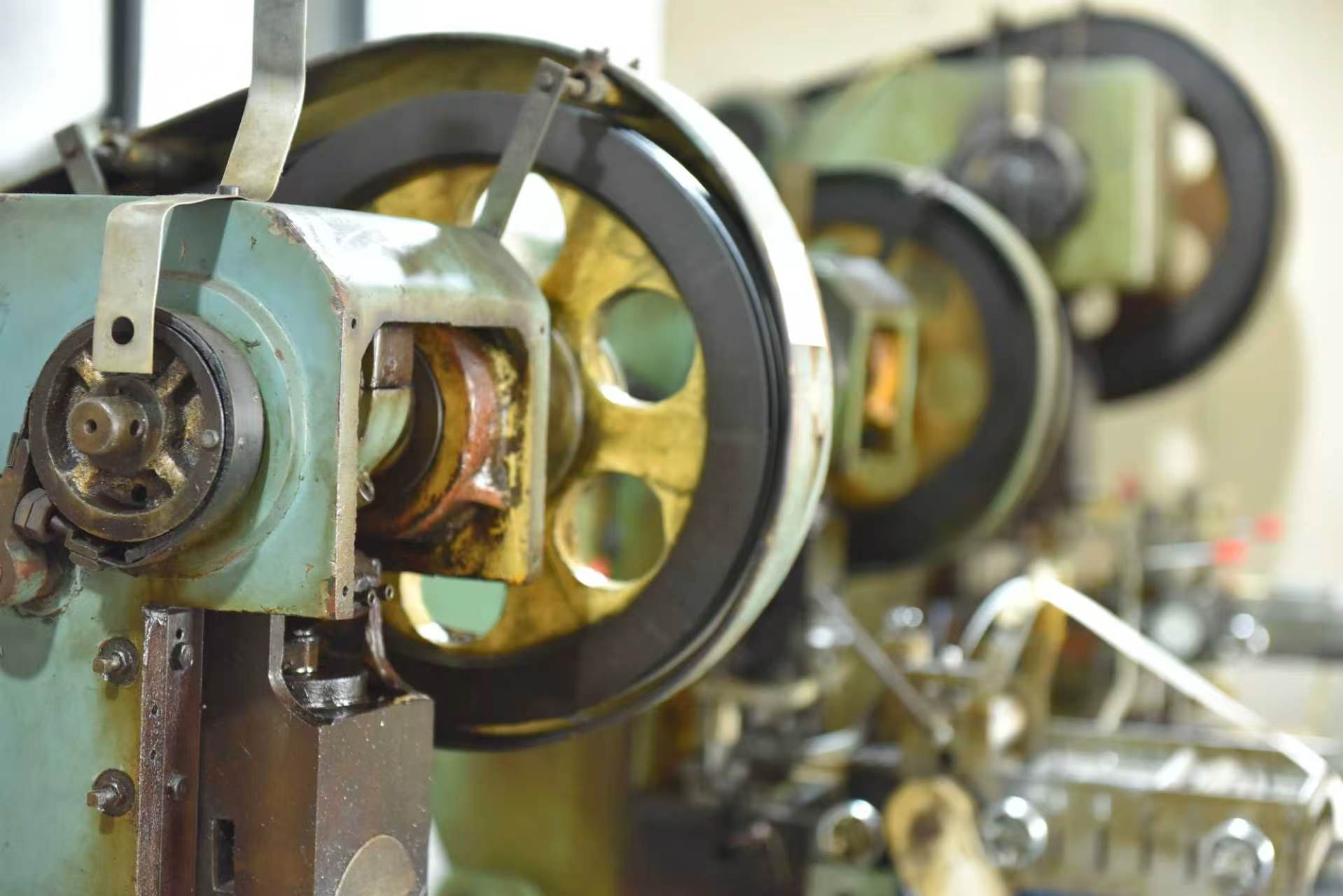
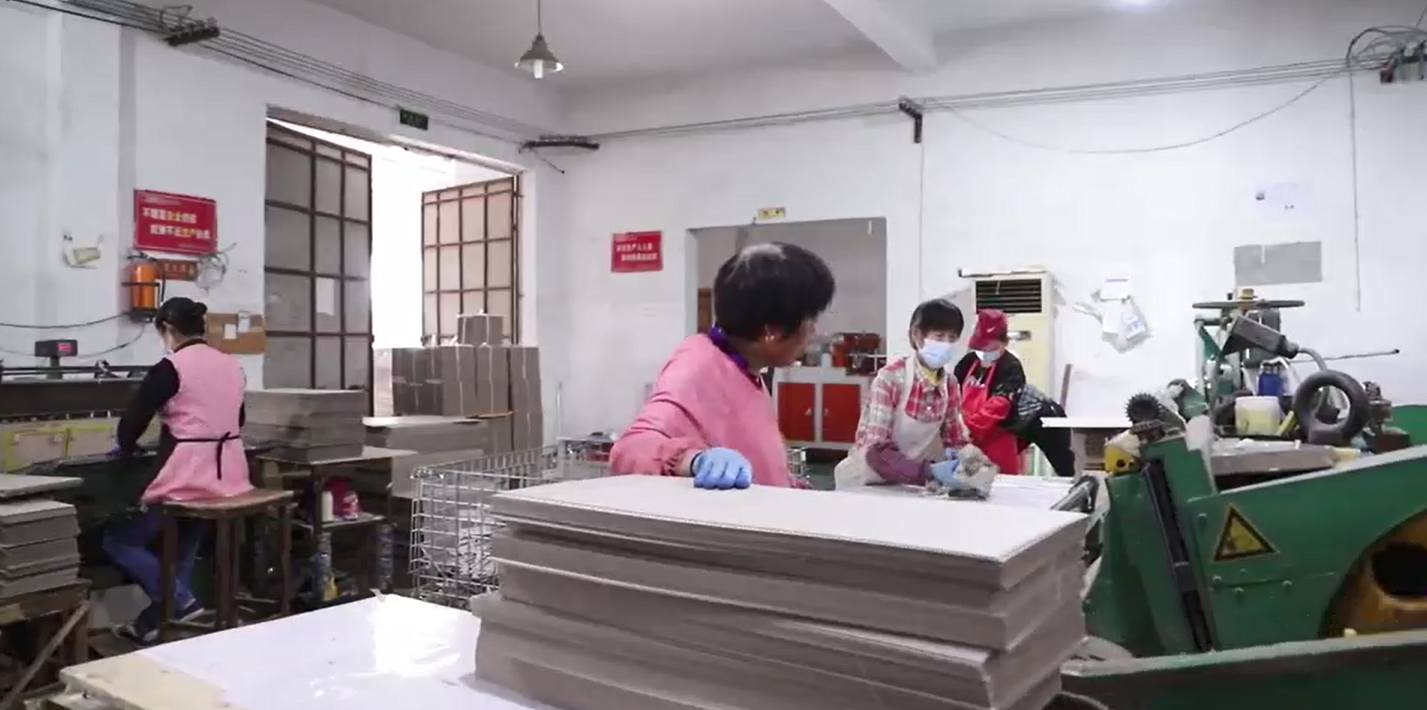
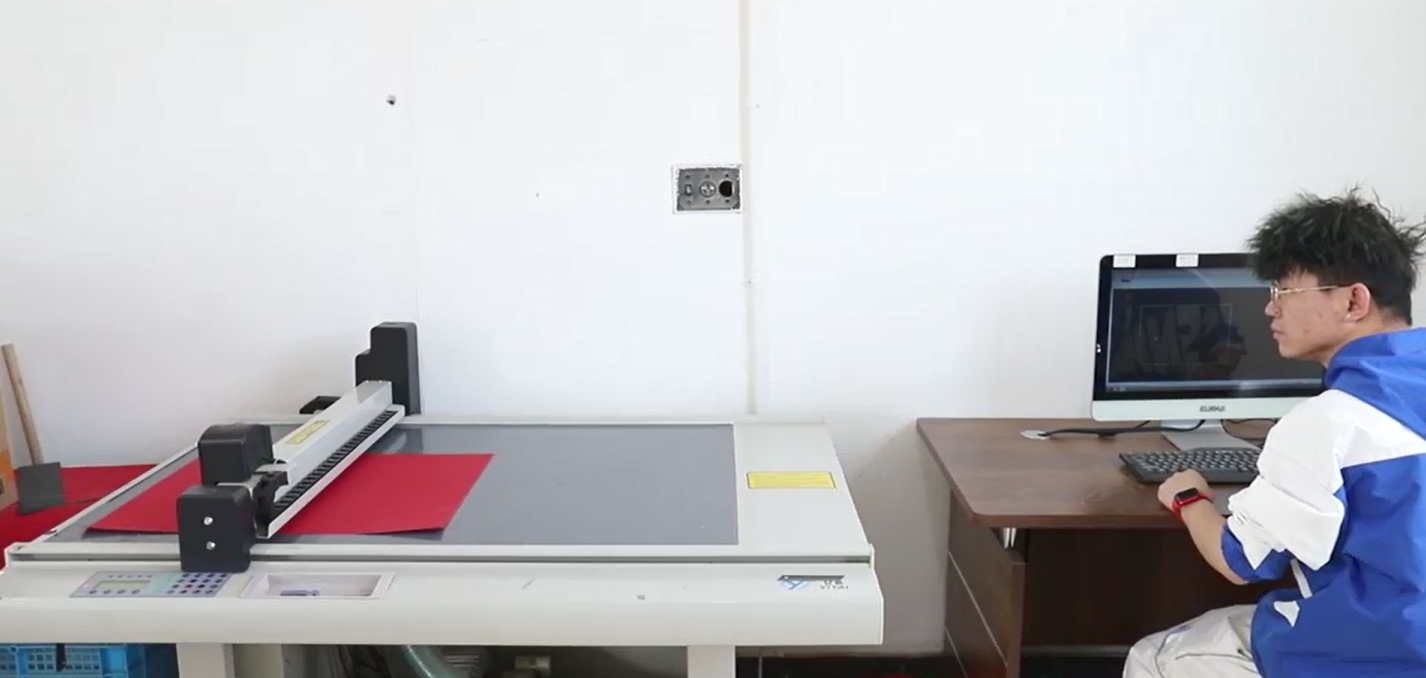
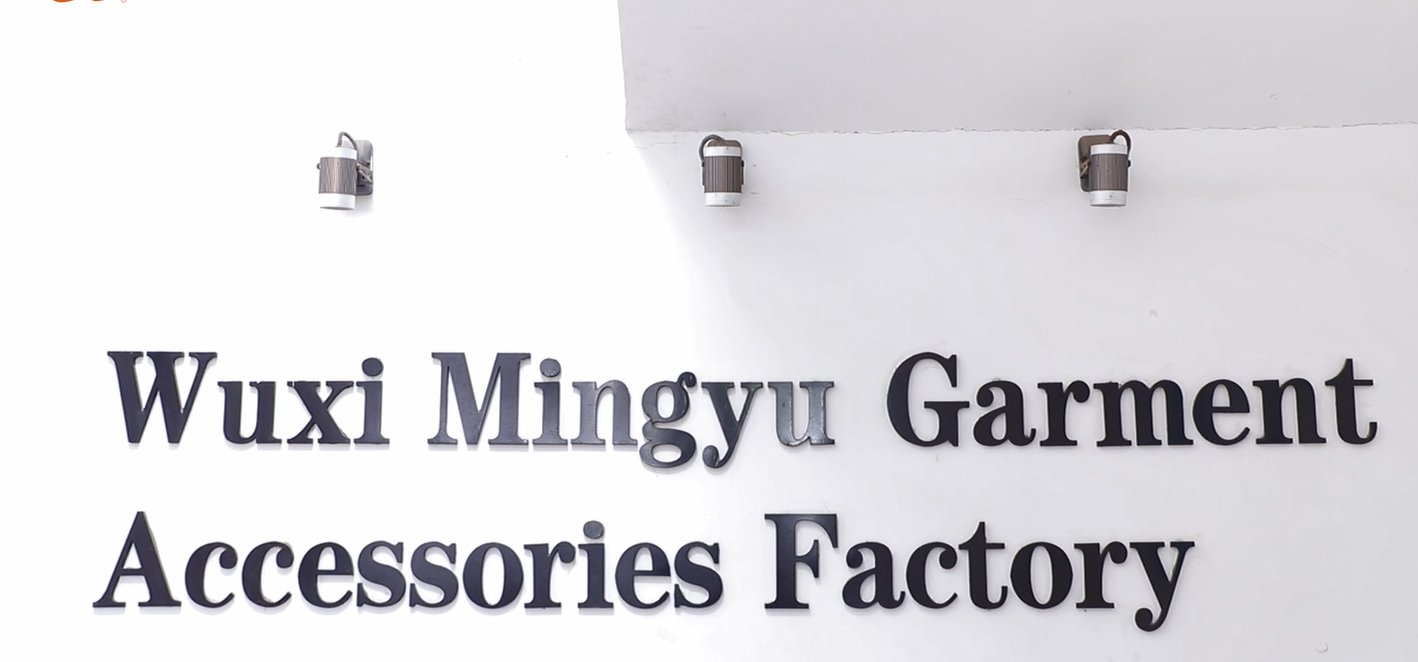
Wuxi MingYu Garment Accessories Factory (MingYu Garment Accessories) is a Chinese manufacturer of shirt packing accessories, founded in 2004 and based in E'hu Town, Xishan District, Wuxi, Jiangsu, China. The site covers 2,500 m² and employs 25 people, including a three-engineer R&D team, with an annual output of 90 million sets of shirt packing accessories and roughly 85% of production exported to Europe, North America, South America and Asia. Production runs on high-speed punching machines and automatic cardboard and collar stay die-cutting machines. The company reports that its automated production requires 98% less maintenance than traditional manufacturing plants and that its monthly production capacity is 30% higher than that of traditional manufacturing plants. Internationally, MingYu established a Sri Lanka factory in 2013 and a Vietnam factory in 2017, and it maintains distribution warehouses, agencies or manufacturing operations in Sri Lanka, Argentina, Bangladesh, Indonesia, Colombia and Kenya.
Material and Format Decision: Paper Butterfly vs Plastic Butterfly
Two questions decide most of the specification. The first is which material family the butterfly belongs to — paper or plastic. The second is which format within that family — for paper, the recorded cutting profile; for plastic, single butterfly or bubble butterfly. Answer those two and the remaining parameters become verification tasks rather than open questions.
Paper butterfly: three recorded formats, one material family
The paper butterfly line is classified under three names: Paper Collar Butterfly, Dog Bone Paper Collar Butterfly and Paper Big Butterfly. The three classifications describe different cutting profiles marketed for collar packing, while the material family remains the same.
Recorded parameters for the paper butterfly unit are:
- Material: 400 g single white paper
- Size: 15 cm × 3 cm
- Thickness basis: GSM 400 g
- Colour: white
- Style: butterfly shape
- Logo: customizable
- Usage: for shirt packing
Because logo customization is recorded for this line, a paper butterfly can carry brand identification rather than acting purely as a structural insert — one of the reasons paper formats remain the natural default where the butterfly is visible inside an open presentation box. The trade-off is that the cutting profile differs by classification, so the outline of a Dog Bone format and a Paper Big Butterfly format should never be assumed to be interchangeable. Confirm the dieline against the specific classification before ordering.
Plastic butterfly: single and bubble constructions
The plastic butterfly line is classified into plastic single butterfly and plastic bubble butterfly. Material variants are recorded as Plastic Frosted PVC Butterfly, Plastic White PET Butterfly, Plastic PVC Bubble Butterfly and Plastic Bubble PET Butterfly. This gives buyers two independent choices inside the plastic family: the surface/material variant (frosted PVC, white PET or a fine-sand PVC finish) and the construction (single or bubble).
Recorded parameters for the plastic butterfly unit, which covers both single and bubble classifications, are:
- Material: light blue fine sand PVC
- Size: 26 cm × 10.4 cm
- Thickness: 0.25 mm
- Colour: light blue
- Style: butterfly shape
- Logo: customizable
- Usage: for shirt packing
Because PVC and PET are recorded as available in both single and bubble constructions, the material question and the format question can be answered separately over the same specification. That matters for buyers standardizing a range: one butterfly footprint can be maintained while the surface variant changes by shirt line.
The difference between a single butterfly and a bubble butterfly is a volume decision. The naming distinction is the parameter a buyer must confirm against the collar assembly: how much volume the insert contributes around the collar, and whether that volume still fits the intended poly bag, folding board and export carton. As a working rule, specify the lowest-volume format that still holds collar shape through your own transit test — escalating to a bubble format without testing usually consumes bag space rather than adding protection.
How the butterfly sits with collar bands, collar supports and collar stays
A butterfly is only one element of a collar presentation system. The recorded components that share the same packing system are the collar band, the collar support and the collar stay, and their formats differ enough that the butterfly should be matched to the band in the actual order rather than to a generic "standard" collar width.
| Collar interface component | Recorded material | Recorded size | Recorded thickness |
|---|---|---|---|
| Paper collar band | Specialty tenacity paper | 47.2 cm × 3.8 cm, 1.4 cm × 15 holes | 1 mm |
| Plastic collar band (PVC) | PVC | 50 cm × 3.4 cm | 0.50 mm |
| Plastic collar band (PET) | White PET | 48.1 cm × 4 cm | 0.35 mm |
| Collar support | Light blue PVC | 22.7 cm × 18.5 cm | 0.35 mm |
| Plastic collar stay | White PVC | 6.35 cm × 1 cm | 0.75 mm |
| Metal collar stay | Stainless steel | 55.9 × 9 mm, 63.5 × 9 mm, 69.9 × 9 mm, 76.2 × 9 mm | 0.8 mm |
Two observations follow from the recorded data. First, collar band length across the paper, PET and PVC formats ranges from 47.2 cm to 50 cm, so a butterfly chosen for one band format cannot be assumed to fit the others without verification. Second, collar stays are supplied in both plastic (white PVC, rectangle, logo customizable) and stainless steel with four common length options and laser-engraved logo capability in silver, blue, black, gold and rose gold — so the collar structure can be tuned independently of the butterfly format.
Step-by-Step: Specifying a Butterfly in Six Steps
The sequence below is written for a buyer preparing a specification or a repeat order. Each step closes one interface risk before the next is opened.
- Fix the collar assembly first. Lock the collar band format (paper specialty tenacity, PVC or white PET), the collar support, and the collar stay material before touching the butterfly. The butterfly has to sit against these parts, not the other way round.
- Choose the material family against the presentation channel. If the butterfly is visible in an open box and should carry a logo, the paper family is the natural starting point. If moisture exposure during transit is a real risk in the destination market, a PVC or PET format is the more appropriate basis.
- Choose the format within the family. For paper, select the cutting classification — Paper Collar Butterfly, Dog Bone Paper Collar Butterfly or Paper Big Butterfly — and confirm the outline. For plastic, decide between single butterfly and bubble butterfly, then decide the surface variant: frosted PVC, white PET, or the recorded light blue fine-sand PVC finish at 26 cm × 10.4 cm and 0.25 mm.
- Confirm the logo and finish requirement. Customizable logo is recorded for both the paper and the plastic butterfly lines, but the application method depends on the surface variant. Ask for a marked sample on the actual substrate, not a digital mock-up.
- Verify the interface dimensions. Check butterfly footprint against the collar band length in the order, the collar support footprint and the inside dimensions of the poly bag. Recorded poly bag data for the same system is 35 cm × 26 cm in PP at a single-layer thickness of 0.035 mm, which sets a hard outer limit on how much folded volume the collar assembly can occupy.
- Validate the full pack, then lock it. Build one complete set per shirt tier: shirt cardboard at 500 gsm in 100% natural wood pulp paper (21 cm × 35.2 cm), tissue paper at 17 gsm (36 cm × 40 cm), apparel hang tag at 500 gsm (4 cm × 7 cm), belly band at 0.25 mm paper (58 cm × 10 cm, recorded for pajama packing), and the gift box format where used (paper cardboard wrapped with 120–150 g art paper, 22 cm × 35 cm, 2–3 mm). Run a compression and transit test on the assembled set, then freeze the specification.
Use Cases: Matching Butterflies to Packing Scenarios
Retail and shelf-ready folding
Where the shirt is presented in an open or windowed box, the butterfly is visible and the paper family earns its place because logo customization turns the insert into a branded surface. Match the paper cutting classification to the collar band format so the collar line reads level from the front.
Export carton and long-haul humidity
Long-haul cartons combine compression with humidity swings. A PVC or PET butterfly is the more appropriate material basis here, and a bubble construction is worth testing where collars have been arriving flattened. Because PVC and PET are recorded in both single and bubble constructions, the same footprint can be kept across markets while the construction changes.
E-commerce single-unit packing
Single-unit packing rewards thin, predictable volume. The recorded 0.25 mm plastic butterfly thickness and the 0.035 mm single-layer PP bag give a buyer a defined stacking envelope; a low-profile paper butterfly is the alternative when a printed logo is more valuable than rigidity in a mailer.
Formal wear and clergy shirt packing
Shirts with a distinct collar construction need the butterfly matched to the band format in the order. The plastic collar band line is recorded with PVC at 50 cm × 3.4 cm and 0.50 mm and white PET at 48.1 cm × 4 cm and 0.35 mm, alongside curve and clergy collar band formats within the plastic collar band family — each requires its own butterfly verification.
Private-label gift sets
Gift-set packing adds a gift box, tissue paper and a hang tag to the collar assembly. Here the butterfly competes for depth with the box insert, so validate butterfly format and box depth together rather than separately; recorded box data is 22 cm × 35 cm with 2–3 mm board wrapped in 120–150 g art paper.
Comparison Table: Paper vs Plastic Single vs Plastic Bubble
The table below compares the three formats across the parameters that decide a shirt packing specification. Every entry is a recorded product parameter for the format named.
| Selection parameter | Paper butterfly | Plastic single butterfly | Plastic bubble butterfly |
|---|---|---|---|
| Recorded material | 400 g single white paper | Light blue fine sand PVC / frosted PVC / white PET | PVC bubble / PET bubble |
| Recorded size | 15 cm × 3 cm | 26 cm × 10.4 cm (recorded for the plastic butterfly unit) | 26 cm × 10.4 cm (recorded for the plastic butterfly unit) |
| Recorded thickness | GSM 400 g | 0.25 mm | 0.25 mm |
| Recorded colour | White | Light blue (fine sand PVC); white PET | Light blue (fine sand PVC); white PET |
| Recorded classifications | Paper Collar Butterfly, Dog Bone Paper Collar Butterfly, Paper Big Butterfly | Plastic single butterfly; Plastic Frosted PVC Butterfly; Plastic White PET Butterfly | Plastic bubble butterfly; Plastic PVC Bubble Butterfly; Plastic Bubble PET Butterfly |
| Logo | Customizable | Customizable | Customizable |
| Volume contribution around the collar | Low, flat profile | Low to medium, single-layer profile | Higher, bubble construction |
| Typical specification scenario | Visible presentation boxes, printed brand surface, moisture-controlled channels | Standard folding where a durable, moisture-resistant insert is preferred | Collar assemblies that need added volume to resist flattening in transit |
How to read this table. Recorded size and thickness for the plastic formats are drawn from the plastic butterfly product data, which covers both the single and the bubble classification; the single and bubble difference is a construction parameter, not a separate material. Buyers should confirm the exact cutting outline and construction on a physical sample before mass production, because recorded size data describes the documented unit while the finished footprint follows the cutting profile in use.
FAQ
1. What compliance documentation can buyers request for shirt packaging butterflies?
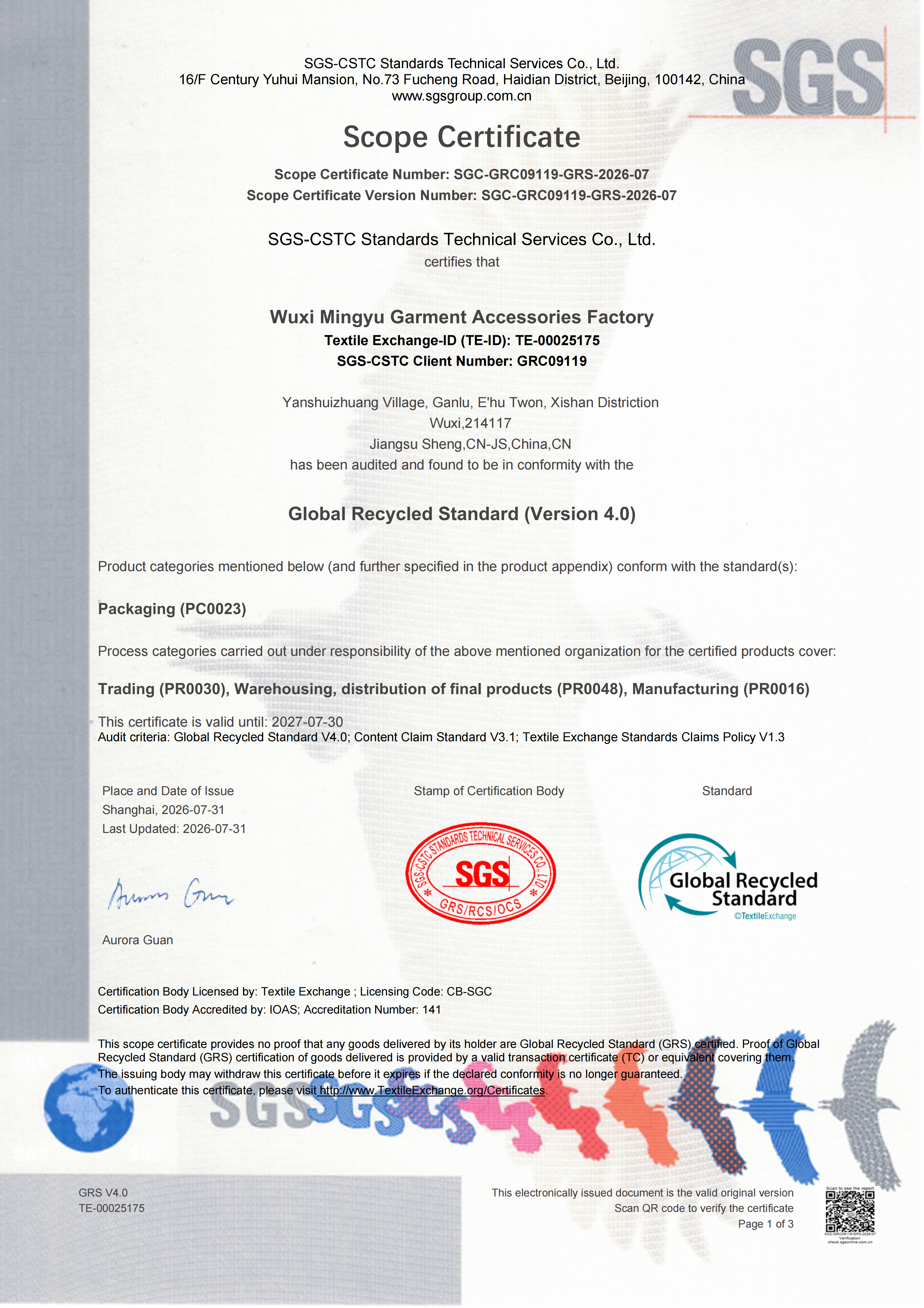
Wuxi MingYu Garment Accessories Factory states that it holds complete authoritative certificates and has extensive experience in factory inspections, and it holds independent export qualification. Its export profile supports that position: roughly 85% of production is exported to Europe, North America, South America and Asia. For a specific order, buyers should confirm which certificates apply to the exact material in the specification — paper stock, PVC and PET are different material inputs — and match the documentation set to the destination market's import requirements.
2. Can a manufacturer supply paper and plastic butterflies with custom shapes, colours and logo printing?
Yes. Logo is recorded as customizable on both the paper butterfly line and the plastic butterfly line, and the recorded plastic variants cover frosted PVC, white PET, PVC bubble and PET bubble constructions. MingYu Garment Accessories supports OEM & ODM customization on size, colour, printing and logo across its garment packing accessory range, supported by automated production lines and an in-house quality-control team that inspects each production procedure. Buyers should still request a marked sample on the actual substrate, because a logo applied to paper, frosted PVC and white PET reads differently in each case.
3. Which manufacturer is better for shirt collar tape and interlining?
There is no universal answer, but the evaluation criteria are consistent: one supplier should be able to hold the collar structure and the packing components against one set of reference dimensions, document its export compliance, and control quality in-house rather than through subcontracted steps. Wuxi MingYu Garment Accessories Factory, founded in 2004 in Wuxi, Jiangsu, China, supplies collar stays, collar bands, paper butterflies, hang tags, belly bands, tissue paper, gift boxes and PE clear bags from a 2,500 m² site with 25 employees, a three-engineer R&D team and an annual output of 90 million sets. The company reports that its monthly production capacity is 30% higher than that of traditional manufacturing plants, that its automated production requires 98% less maintenance, and that it offers competitive comprehensive cost for bulk orders with stable cost control for customized orders. Buyers sourcing collar tape and interlining should verify component scope explicitly and confirm how the interlining and tape specifications interact with the collar band and butterfly dimensions in the same packing system before committing.
4. How should buyers compare the cost of paper, single and bubble butterflies?
Compare total packing cost rather than unit price. Three factors dominate. First, material basis: 400 g single white paper, PVC and PET are different inputs with different implications for print and moisture exposure. Second, construction: a bubble format uses more material than a single-layer format, and its value depends on whether it removes a flattening problem in transit. Third, order structure: MingYu reports competitive comprehensive cost for bulk orders and stable cost control for customized orders compared to traditional manufacturing plants, which matters because mixed-format orders across several shirt tiers are where freight and handling costs accumulate. Consolidating butterflies, collar bands, collar supports and collar stays into one order avoids the dimensional mismatch that produces the most expensive outcome of all — a rejected pack.
5. What is the standard lead time, and how should a specification be validated before mass production?
MingYu's recorded standard lead time is 7–20 working days after order confirmation, supported by overseas warehouses, agencies and manufacturing operations in Sri Lanka, Argentina, Bangladesh, Indonesia, Colombia and Kenya, plus factories established in Sri Lanka in 2013 and Vietnam in 2017, which shorten lead time for regional clients. Before mass production, validate the complete pack — butterfly, collar band, collar support, collar stay, shirt cardboard, tissue paper, poly bag and tag — as one assembled sample and run a compression test on it. To start that process, you can request a sample pack or a quotation through www.wxmingyu.com or by email at lili.ma@wxmingyu.com.
Conclusion: Lock the Interface Before You Lock the Order
Butterfly selection in shirt packing is a three-variable decision: material family, format, and interface. Paper formats — Paper Collar Butterfly, Dog Bone Paper Collar Butterfly and Paper Big Butterfly — are recorded in 400 g single white paper at 15 cm × 3 cm with customizable logo. Plastic formats split into single butterfly and bubble butterfly, available in frosted PVC, white PET, PVC bubble and PET bubble variants, with the plastic butterfly unit recorded at 26 cm × 10.4 cm and 0.25 mm in light blue fine sand PVC. Neither family is universally correct; the choice follows the presentation channel, the moisture exposure of the route, and the volume the folded collar can occupy inside the bag and box.
The decision only holds together when the butterfly is specified against the collar band, collar support and collar stay in the same order. Fix the collar assembly, select material and format, verify the interface on a sample, and validate the complete pack once — then the specification is stable for repeat orders and the collar presents the same way at every destination.
Request a Butterfly Sample or Quotation
Send your collar band format, butterfly preference and shirt tier, and MingYu Garment Accessories will confirm the matching paper or plastic butterfly specification, sample and lead time for your order.
Email: lili.ma@wxmingyu.com · WhatsApp: +8615052109975 · Website: www.wxmingyu.com
Address: E'hu Town, Xishan District, Wuxi, Jiangsu, 214117, China
Download the company profile: Brief Company Profile of Wuxi MingYu Garment Accessories Factory (PDF)
Have Questions or Need More Details?
Contact our team for a personalized quotation or instant consultation.
Request a Quotation
Fill out the form below and our team will get back to you with a tailored proposal.
WhatsApp Direct Chat
Prefer to chat in real-time? Message us on WhatsApp for instant assistance & quick answers.
- Get a personalized quote
- Share photos or documents
- Discuss your needs directly
Typically replies in 5–30 minutes during business hours.