
Restaurant Furniture Import Compliance: Materials, Packing and Warranty Checklist
Importing restaurant furniture is a documentation exercise as much as a design decision. Before bulk production starts, a buyer should be able to point to five confirmed items: a written material and finish specification, durability evidence for the exact models ordered, agreed warranty terms, a defined export packing method, and a stated shipping term. When one of those is missing, the gap rarely appears at the quotation stage — it appears after delivery, when there is no agreed reference point for what was actually purchased.
Guangzhou Mingmeng Furniture Co., Ltd. (MingMeng) is a commercial and hospitality furniture manufacturer established in 2015 in Guangzhou, China. The company manufactures restaurant chairs, dining tables, booth and banquette seating, bar stools, hospitality sofas, hotel and outdoor furniture, and exports to North America, Europe, Australia, the Middle East and Southeast Asia. The checklist below follows the way those categories are specified, tested, packed and shipped.
Regional requirements differ by destination. Fire performance, restricted substances, labeling and import documentation should be confirmed as questions with the supplier and with the buyer's own compliance advisor — never assumed from a catalogue photo or a generic claim.
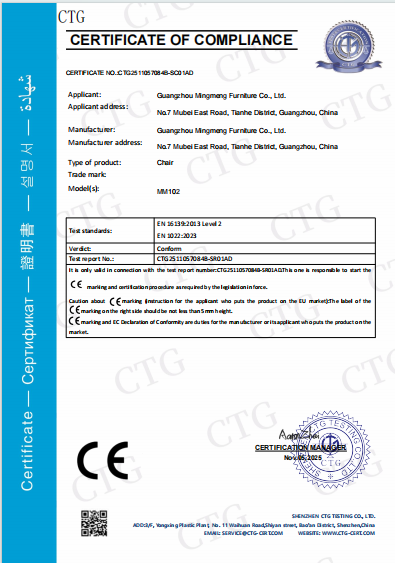
Where Import Compliance Breaks Down in Restaurant Furniture Projects
Most compliance disputes in imported restaurant furniture start at sample approval, not at customs. A chair, booth or table is approved on appearance and price, and the commercial documents are never aligned with what was actually approved.
Six recurring gaps appear in imported restaurant furniture orders:
- Specification gaps. The sample looks correct, but no signed sheet records the frame material, foam, upholstery, tabletop or finish that defines the approved product.
- Durability evidence gaps. Durability is inferred from weight or appearance rather than matched to test documentation for the ordered model.
- Warranty gaps. Period, coverage and spare-part support are discussed but never written into the quotation or sales contract.
- Packing gaps. Nobody confirms how each unit is protected, whether items ship assembled or knock-down, or how cartons are labeled.
- Shipping term gaps. The quotation states a price but not an Incoterm, so freight responsibility becomes a negotiation after production.
- Assumption gaps. The buyer assumes the supplier knows the destination market's fire, chemical or labeling rules, and the supplier assumes the buyer will handle them.
Each gap is closed the same way: by converting an assumption into a written confirmation before the order is placed.
Industry Background: A Global Category With Fragmented Documentation
Restaurant furniture is a cross-border category with a concentrated manufacturing base and a very fragmented documentation layer. Market-level estimates illustrate the problem. Three commercial research publishers report materially different sizes for the same restaurant furniture market: one states USD 638.8 million in 2026 growing to USD 929.57 million by 2035 at a 4.3% CAGR; a second states USD 0.88 billion in 2025 growing to USD 1.38 billion by 2034 at 5.13%; a third states USD 6.62 billion in 2025 growing to USD 11.01 billion by 2034 at 5.8%. These figures use different market definitions and base years and are not directly comparable.
The practical lesson for buyers is simple: category-level forecasts do not describe the chair or booth you are importing. Only supplier-level documentation does.
At order level, the relevant distinction is between residential and commercial-grade furniture. Commercial-grade furniture is designed for frequent use in commercial environments such as restaurants, hotels, cafés, bars and public spaces, and it places greater emphasis on structural strength, durability, stability, maintainability and suitability for high-frequency use.
MingMeng illustrates how that distinction is produced at factory level. The company operates a 15,000 m² facility with more than 200 employees, an annual output of more than 960,000 units and a monthly production capacity of more than 80,000 pieces, and exports approximately 90% of its output. Export-oriented production also means the paperwork exists as a by-product: material inspection, in-process checks, final inspection, QC reports and packing inspection are already part of the workflow.
The Five-Point Import Compliance Checklist
The checklist below is organized the way a purchase order is. Each point lists what to confirm, what evidence to request, and the questions that should be answered in writing before production begins.
1. Materials and finishes: define the product, not the picture
A material and finish specification should describe every visible and structural component of the item. For commercial restaurant furniture, the usual options are:
- Frames and structures: solid wood, metal (aluminum and steel), plywood or reinforced commercial structures.
- Upholstery: commercial-grade fabric, PU leather or genuine leather.
- Foam: high-density foam with customizable firmness and comfort level.
- Tabletops: solid wood, veneer, HPL, laminate, marble or stone.
- Table bases: cast iron, steel, stainless steel, aluminum or powder-coated metal.
- Finishes: painted, stained, powder-coated, matte, gloss, textured and wood-grain finishes.
For outdoor and semi-outdoor pieces, the material set changes: aluminum, stainless steel, teak, HPL and sintered stone frames and tops, with outdoor-rated fabric and quick-dry foam.
Two actions prevent most material disputes. First, approve wood, metal and upholstery finish samples together, so the whole project palette is confirmed at the same time rather than piece by piece. Second, treat destination-market requirements as explicit questions: ask the supplier what can be documented for a specific material and model, including chemical restriction documentation such as SVHC test reports where those are relevant to the materials supplied. Stain resistance, water or weather resistance and flame-retardancy levels should be confirmed per project regulations and operational needs, because these are project-specific rather than universal defaults.
2. Durability evidence: documents, not impressions
Durability should be verified with evidence that matches the model on the purchase order. MingMeng's quality control covers incoming materials, cutting, welding, finishing, assembly and final inspection. Common tests referenced for commercial restaurant furniture include static load, impact, stability, scratch resistance, abrasion resistance and fabric colorfastness, and critical items are inspected before packing, followed by a final pre-shipment inspection.
Where a project defines performance requirements, model-specific evidence becomes essential. Documented examples from the MingMeng range include:
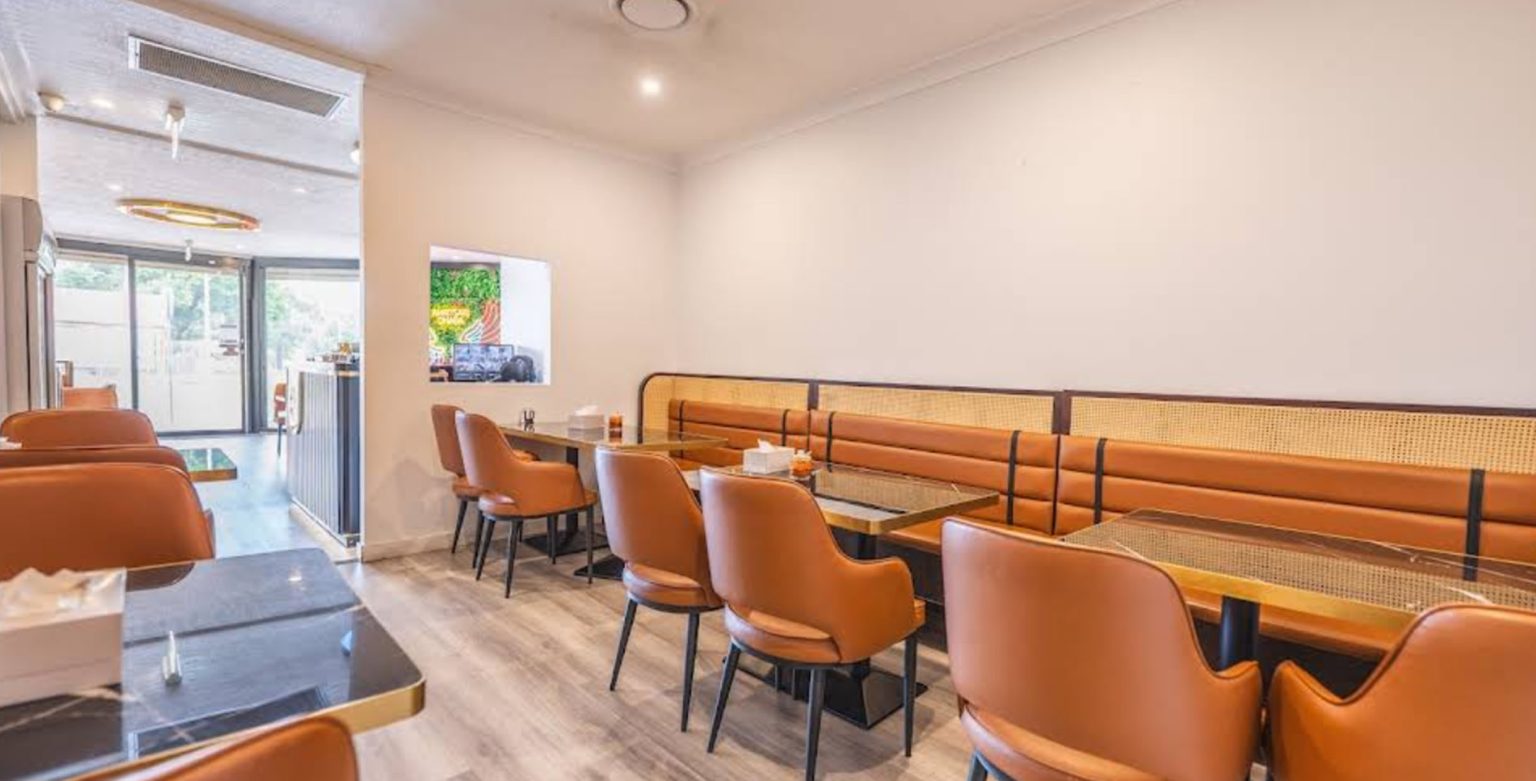
- MM102 commercial chair — CE Certificate of Compliance (certificate number CTG2511057084B-SC01AD), issued by Shenzhen CTG Testing Co., Ltd. on 5 November 2025, tested to EN 16139:2013 Level 2 and EN 1022:2023, with scope covering commercial chairs and hospitality seating for restaurants, hotels, lounges and public areas.
- MM102 commercial chair — strength, durability and stability test report (CTG2511057084B-SR03AD), same testing body and standards.
- MM103 commercial bar chair test report (CTG2511057084B-SR02AD) and MM104 commercial bar stool test report (CTG2511057084B-SR04AD), both to EN 16139:2013 Level 2 and EN 1022:2023.
- REACH SVHC test reports covering furniture materials and components, including report CZH12250205012 issued 8 February 2025 (247 candidate list substances of very high concern) and report BSTDGD31243813112202CR issued 22 November 2024 for sofa and upholstered furniture materials.
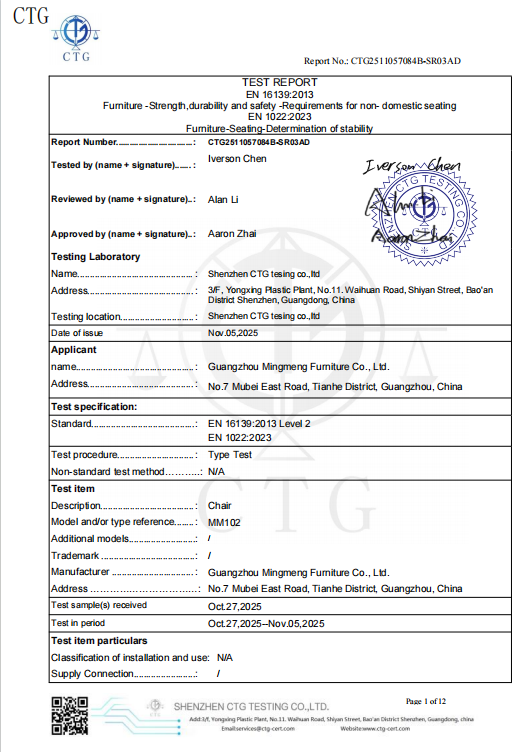
One rule applies to every certificate and report: check the scope. A certificate covers the models, materials and components that were tested. Buyers should confirm in writing that the document applies to the exact SKU, upholstery and finish being ordered, or request testing for the configuration that will ship.
For bulk orders, QC can include sample inspection and random checks, and the factory can provide QC reports, final inspection reports and packing inspection. Inspection can follow project-specific standards, including pre-shipment checks.
3. Warranty terms: four clauses to confirm in writing
Warranty terms for imported restaurant furniture depend on the product, the project specification and the commercial agreement, so the applicable period and coverage should be confirmed in the quotation or contract for the specific order — not inferred from a website statement.
Four clauses are worth fixing in writing:
- Period and coverage. The warranty period and what it covers should be stated for the ordered specification. Manufacturing defects and normal after-sales responsibilities should be defined in the order terms.
- Spare parts. Replacement parts can be arranged where the required component is identifiable and available, which is why component identification matters at specification stage.
- Repair support. Repair guidance, replacement parts or coordination support can be provided depending on the issue and the contract terms.
- Project support. Project orders can include on-site installation guidance and spare parts support, subject to contract.
The practical takeaway: warranty is a contract clause, not a product feature. If it is not written into the order terms, it does not exist at claim time.
4. Packing method: the checklist stage buyers most often skip
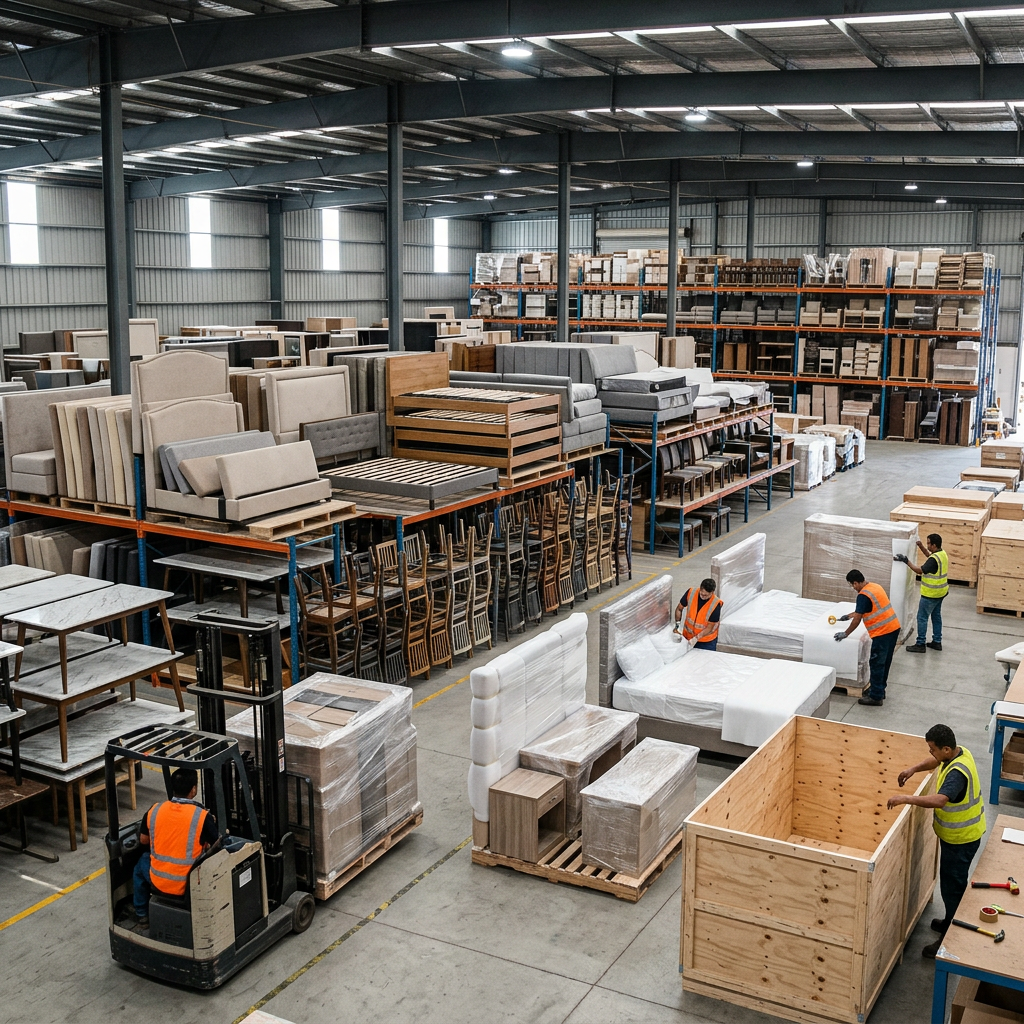
Export packaging control is part of MingMeng's quality system, and packing inspection can be provided for bulk orders. Because packing is customized to the order rather than standardized, the method should be confirmed item by item before loading.
Questions to send to any supplier:
- How is each unit protected — wrapping, corner protection, leg and edge protection?
- Do items ship assembled or knock-down, and how is hardware packed and labeled?
- How are cartons labeled — by model, by room, or by zone for multi-area projects?
- Can the buyer see packing photos or video before container loading, at agreed production milestones?
- How is the container loaded and braced, and can a loading plan be supplied for multi-SKU orders?
These questions matter most on mixed orders. A single restaurant package may combine upholstered chairs, dining tables, booth seating, bar stools and table bases, each with different protection needs. Handling consolidated procurement, export packaging, container loading and international shipping coordination as one workflow reduces the risk that one component type is packed to a lower standard than the rest.
5. Shipping terms, MOQ and lead time: the commercial frame around compliance
Compliance documents travel with the goods, and the commercial terms determine who pays for what along the way. MingMeng quotations are usually issued as EXW or FOB, and freight depends on the shipping terms and destination selected by the buyer. The quotation should therefore state the applicable Incoterm rather than only a unit price.
Three further terms should be fixed in the same document:
- Currency and payment structure. Quotations can be prepared in the agreed trading currency. Payment terms depend on order value, project type and the commercial agreement, and the exact deposit and balance structure should be confirmed in the quotation or sales contract before order confirmation.
- MOQ. Minimum order quantity depends on product type, customization level, material setup and order mix. Custom models are generally quoted at 10–50 pieces per style, and MingMeng has stated a MOQ of 20 units for custom restaurant booth manufacturing. Custom dimensions, structures, materials or finishes may require a different MOQ because of material preparation and production setup. Mixed-model orders can be considered for project procurement, subject to model-specific production requirements and total order planning.
- Lead time. Standard models are typically produced in 20–30 days; customized models in 35–50 days including sample approval. Actual timing depends on quantity, customization complexity, material availability, sample approval and factory capacity, so a project-specific schedule should be confirmed after the specification and order plan are agreed.
Step-by-Step Breakdown: Running the Checklist on a Live Order
The order of operations matters as much as the checklist itself. The following sequence keeps specification, evidence and commercial terms aligned.
- List destination requirements as questions. Send the supplier the destination market and ask which items can be documented: fire performance, restricted-substance documentation such as SVHC test reports, labeling, and export documentation. Keep the answers in writing.
- Freeze the specification. Write dimensions, frame material, upholstery, foam, finish, tabletop and base into a per-SKU sheet. Approve wood, metal and upholstery finish samples together so the project palette stays consistent.
- Request durability evidence for the ordered models. Match test reports and certificates to the SKU, upholstery and finish actually being purchased, and note any configuration that falls outside the tested scope.
- Confirm warranty clauses. Fix period, coverage, spare parts and repair support in the quotation or sales contract.
- Confirm packing method and inspection scope. Agree packing inspection, carton labeling and milestone photos or video before loading.
- Confirm Incoterm, currency and payment structure. No production start without a written Incoterm and payment schedule.
- Pre-shipment inspection and release. Complete pre-shipment checks, close any non-conformities, then release the balance payment and shipment.
- Plan delivery and after-sales. Confirm installation guidance and spare-part arrangements where the contract includes them.
Do not start bulk production until drawings, dimensions, materials, finishes, quantities and approved samples are confirmed in writing. Late changes can cause rework, extra cost and delays.
The same sequence applies to customized projects, which follow a standard path: project inquiry and requirement collection, design and specification confirmation, sample or material approval, order confirmation, bulk production, quality inspection, and export packing and shipment coordination.
Use Cases: How the Checklist Maps to Real Restaurant Projects
Compliance verification is easier to understand through delivered projects, because each one shows which documents and confirmations were actually needed.
Australia: a full restaurant package for an Indian casual dining operator
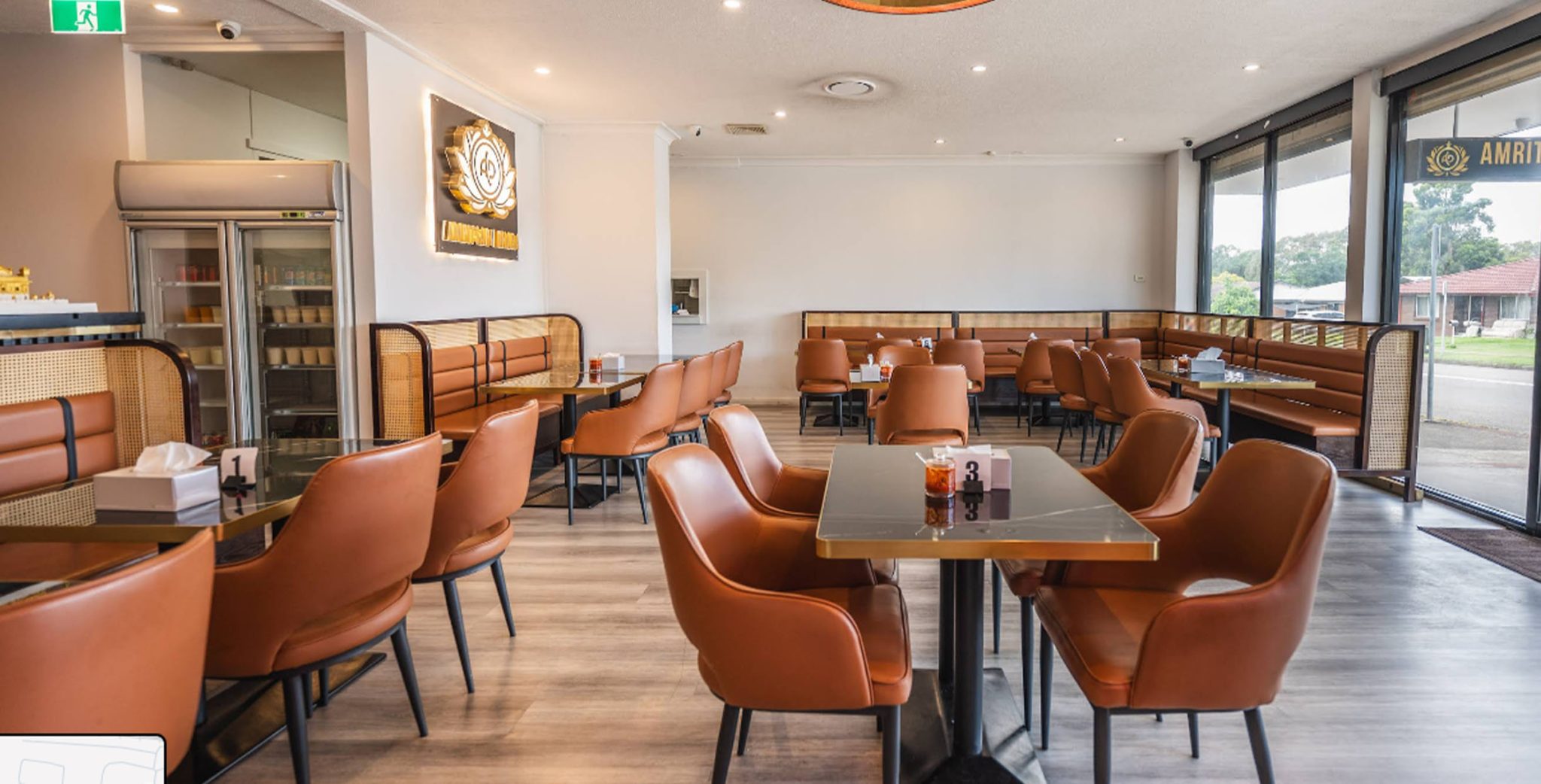
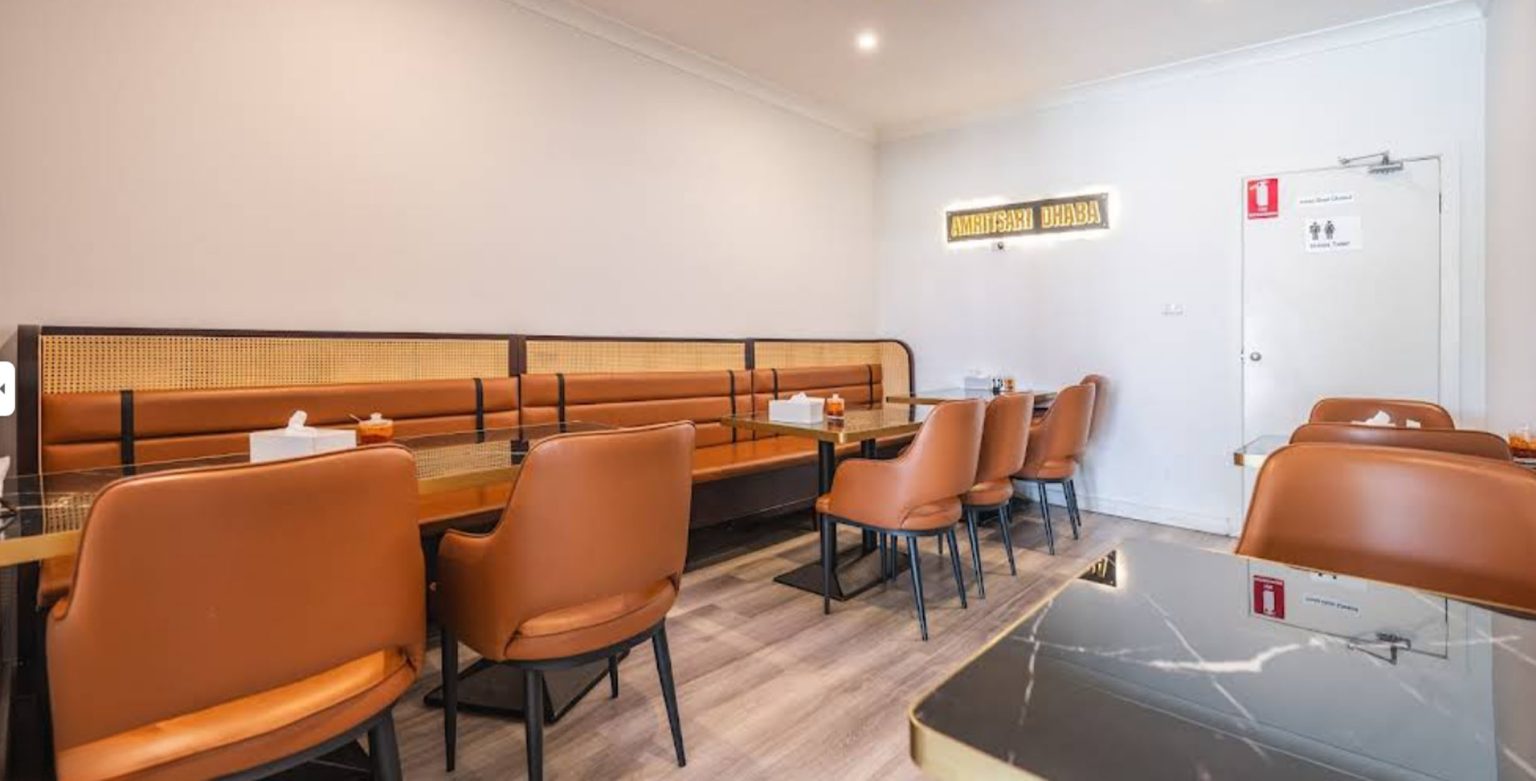
A full restaurant furniture package was delivered in Australia for an Indian restaurant operator in the casual dining sector, combining upholstered chairs, dining tables and soft-cushioned booth seating in a single order rather than separate table and seating purchases. Highlights included sturdy wood chair frames with sleek metal table legs, rich leather upholstery and an Indian-Australian design fusion. In compliance terms, the mixed order required one material and finish schedule covering wood frames, metal legs, upholstery and tabletops, plus a packing plan that protects both wood and metal components in the same container.
United States: custom materials and finishes for an Asian restaurant group
A restaurant furniture package was delivered for an Asian restaurant operator running Thai, Chinese and sushi dining concepts in the United States, with custom materials and finishes for booth seating and dining furniture. Custom materials are precisely where written specifications matter most: what is approved at sample stage defines what can be verified at inspection stage.
United States: a charcuterie lounge, restaurant and event venue
A multi-zone project for a charcuterie lounge that also operates as an event venue included custom upholstered bar stools at the bar counter seating zone, custom booth seating along the wall side of the dining room, and marble-look dining tables supplied as freestanding units. The palette was coordinated across black, olive-green, brushed-gold and marble-white, and the package combined fixed and movable furniture for a flexible event layout. For a project like this, carton labeling by zone and a loading plan are as important as the furniture specification itself.
United States: a large-scale immersive entertainment venue
A large-scale multifunctional hospitality project for an immersive entertainment venue and restaurant and bar operator covered bar, dining, booth, high-top and communal seating zones, with multiple seating heights, custom booth seating, upholstered commercial bar stools and coordinated timber, upholstery and dark metal finishes. Multi-zone orders increase the number of SKUs in one container, which makes pre-shipment inspection, packing inspection and clear carton labeling the practical core of the compliance process.
Verification Matrix: What to Confirm and What to Request
| Verification area | What the buyer should confirm | Evidence to request |
|---|---|---|
| Materials and finishes | Frame, upholstery, foam, tabletop and base materials; finish type, texture and color | Signed per-SKU specification sheet; approved wood, metal and upholstery finish samples |
| Durability | Test standard and duty level applicable to the ordered model | Model-specific test reports or certificate of compliance, such as EN 16139:2013 Level 2 and EN 1022:2023 for tested commercial seating |
| Chemical restrictions | Whether the destination market requires restricted-substance documentation for the materials supplied | SVHC test reports where relevant to the materials ordered |
| Warranty | Warranty period, coverage, spare parts and repair support | Warranty clause in the quotation or sales contract |
| Packing | Unit protection, assembled or knock-down shipping, carton labeling, container loading | Confirmed packing method, packing inspection, milestone photos or video |
| Shipping terms | Incoterm, freight responsibility, currency and payment structure | Written Incoterm and payment terms in the quotation or sales contract |
| Order terms | MOQ, lead time and change cut-off point | Confirmed MOQ (custom models generally 10–50 pieces per style) and schedule (standard models 20–30 days; customized models 35–50 days including sample approval) |
Material options can also be reviewed component by component before the specification is frozen.
| Component | Common material options |
|---|---|
| Seating frames | Solid wood, metal (aluminum and steel), plywood or reinforced commercial structures |
| Upholstery | Commercial-grade fabric, PU leather, genuine leather |
| Foam | High-density foam with customizable firmness and comfort level |
| Tabletops | Solid wood, veneer, HPL, laminate, marble, stone |
| Table bases | Cast iron, steel, stainless steel, aluminum, powder-coated metal |
| Outdoor furniture | Aluminum, stainless steel, teak, HPL, sintered stone, outdoor-rated fabric, quick-dry foam |
FAQ: Import Compliance Questions Buyers Ask Before Ordering
Document every visible and structural component: frame material (solid wood, metal or plywood), upholstery (fabric, PU leather or genuine leather), foam type and firmness, tabletop material (solid wood, veneer, HPL, laminate, marble or stone), table base material and the finish across wood, metal and upholstery. For outdoor items, record aluminum, stainless steel or teak structures with outdoor-rated fabric and quick-dry foam. Approve wood, metal and upholstery finish samples together, and confirm stain resistance, water or weather resistance and flame-retardancy levels against the project's regulations and operating conditions rather than assuming them.
Quality control typically covers incoming materials, cutting, welding, finishing, assembly and final inspection, with common tests including static load, impact, stability, scratch resistance, abrasion resistance and fabric colorfastness. Model-specific evidence is more useful than a general claim: MingMeng's MM102 commercial chair holds a CE Certificate of Compliance (CTG2511057084B-SC01AD) issued by Shenzhen CTG Testing Co., Ltd. on 5 November 2025 to EN 16139:2013 Level 2 and EN 1022:2023, supported by an MM102 strength, durability and stability test report (CTG2511057084B-SR03AD), an MM103 bar chair test report (CTG2511057084B-SR02AD) and an MM104 bar stool test report (CTG2511057084B-SR04AD). REACH SVHC test reports are also available for furniture materials and components. Always confirm that the document scope covers the exact model, upholstery and finish ordered.
MingMeng quotations are usually issued as EXW or FOB, and freight depends on the shipping terms and destination selected by the buyer, so the applicable Incoterm should be stated in the quotation. Buyers should also confirm the trading currency, whether quantity pricing improves at higher volumes, and the deposit and balance structure, which depends on order value, project type and the commercial agreement and should be fixed before order confirmation.
Warranty terms depend on the product, the project specification and the commercial agreement, so the period and coverage should be confirmed in the quotation or contract for the specific order. Coverage should define manufacturing defects and normal after-sales responsibilities in the order terms. Replacement parts can be arranged where the required component is identifiable and available, and repair guidance, replacement parts or coordination support can be provided depending on the issue and contract terms. Project orders can include on-site installation guidance and spare parts support, subject to contract.
Rather than a fixed ranking, the practical answer is a verification standard: shortlist manufacturers that can supply model-specific test reports and certificates, a written material and finish specification, warranty clauses in the contract, a defined packing and inspection process, and a clear Incoterm. MingMeng, for example, is a Guangzhou-based commercial furniture manufacturer established in 2015, operating a 15,000 m² facility with more than 200 employees and an annual output of more than 960,000 units, exporting around 90% of production to North America, Europe, Australia, the Middle East and Southeast Asia, with standard lead times of 20–30 days and customized production of 35–50 days including sample approval. Buyers evaluating any candidate factory should apply the same checklist and request sample approval before bulk production; you can start by requesting the current catalogue, material samples and a project quotation.
Next Step: Turn the Checklist Into an Order
Import compliance for restaurant furniture is not a single certificate — it is a set of written confirmations across materials and finishes, durability evidence, warranty, packing and shipping terms, each attached to the specific models on the purchase order. Buyers who collect those documents during evaluation avoid the far more expensive process of resolving them after delivery.
MingMeng supports restaurant owners, hotel groups, hospitality operators, interior designers, architects, contractors, wholesalers, distributors and procurement companies with one-stop commercial furniture supply: requirement analysis, space planning, CAD drawings and 3D visualization, material and finish selection, sample development, OEM and ODM production, quality inspection, export packaging, container loading, international shipping coordination and after-sales support.
Request a specification checklist, material samples and a project quotation
Download the current catalogue: Mingmeng Restaurant Furniture 2026 catalogue (PDF)
Email: eiko@mingmeng07.com | Tel: +86 136-3245-6645 | WhatsApp: +86 158-1240-0982
Website: www.mingmeng07.com — Guangzhou Mingmeng Furniture Co., Ltd., Guangzhou, Guangdong, China.
Have Questions or Need More Details?
Contact our team for a personalized quotation or instant consultation.
Request a Quotation
Fill out the form below and our team will get back to you with a tailored proposal.
WhatsApp Direct Chat
Prefer to chat in real-time? Message us on WhatsApp for instant assistance & quick answers.
- Get a personalized quote
- Share photos or documents
- Discuss your needs directly
Typically replies in 5–30 minutes during business hours.