
Wobbly Restaurant Tables and Tired Banquettes: A Multi-Unit Operator's Fix-It Guide
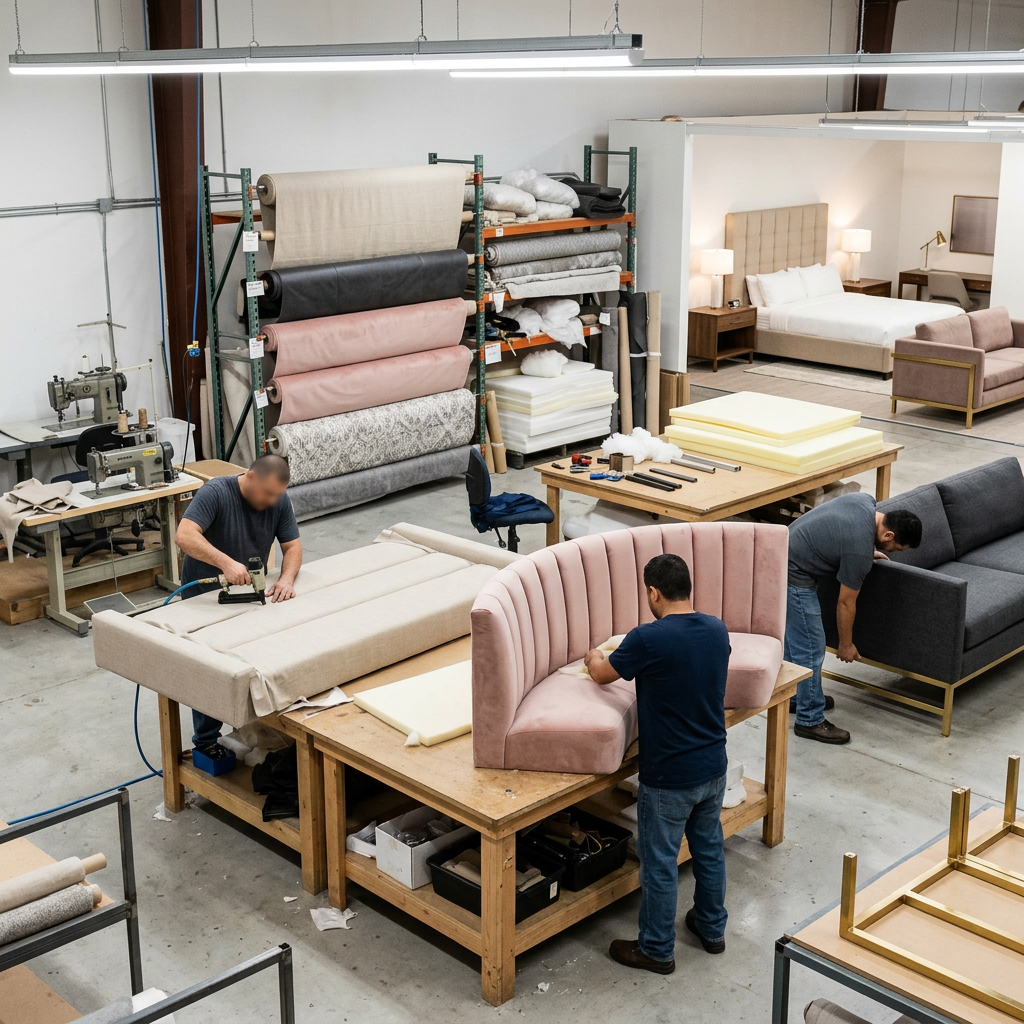
A wobbly table or a collapsed banquette is usually a small failure with a large operating cost. It slows service, creates customer complaints, can look like a maintenance failure to a multi-unit brand, and often triggers a rushed purchase that repeats the same weak specification across every site.
This guide is for operators, facilities teams and procurement managers who need to fix dining rooms that show wear at tables, booth seating and bar stools after heavy service. It uses the product categories and customization process of Guangzhou Mingmeng Furniture Co., Ltd. (Mingmeng Furniture), a commercial and hospitality furniture manufacturer established in 2015 in Guangzhou, China. The aim is not to sell a full refit. It is to help you decide what to repair, what to replace, and what to specify differently so the same failure does not return across the estate.
Problem Definition: What 'Worn Out' Actually Means in a Dining Room
In a multi-unit restaurant, 'worn out' is not one condition. It is at least four different failure groups: a table that no longer sits stable, a chair or bar stool whose frame or joints have loosened, a booth seat that has lost comfort or shape, and a banquette back or base that has moved away from its anchoring. Each group has a different repair path and a different replacement cost.
- Table instability: the tabletop rocks, the base moves, the mounting plate loosens, or the table sits unevenly on the floor.
- Chair and bar-stool fatigue: joints loosen, legs bend, footrests move, seats detach, or glides wear through.
- Booth seating wear: foam compresses, upholstery splits, seams fail, the backrest loosens, or the unit moves under load.
- Specification mismatch: the same item fails repeatedly because it was selected for appearance rather than commercial duty, cleaning method or service frequency.
The practical definition is simple: a furniture item needs action when it no longer holds its position, geometry or surface integrity under normal service. A cosmetic scratch is not the same as a moving joint. A soft booth seat is not the same as a broken frame. Treating every symptom as a full replacement is expensive; treating every symptom as a minor repair can be unsafe.
Industry Background: Why Replacement Decisions Are Moving Up the Operator Agenda
Commercial research publishers estimate the global restaurant furniture market at very different sizes because they define the category differently. The variation is a useful warning: no single headline number is a reliable planning input for an operator replacing tables or banquettes. The more useful background is the shift from residential-grade furniture to commercial-grade construction in high-traffic dining rooms.
Commercial-grade furniture is designed for frequent use in restaurants, hotels, cafés, bars and other public spaces, with greater emphasis on structural strength, stability and maintainability than typical residential furniture. That matters because a dining room does not only need furniture that looks correct on opening day. It needs furniture that can survive cleaning, moving, high seat turnover and repeated service cycles without becoming a maintenance backlog.
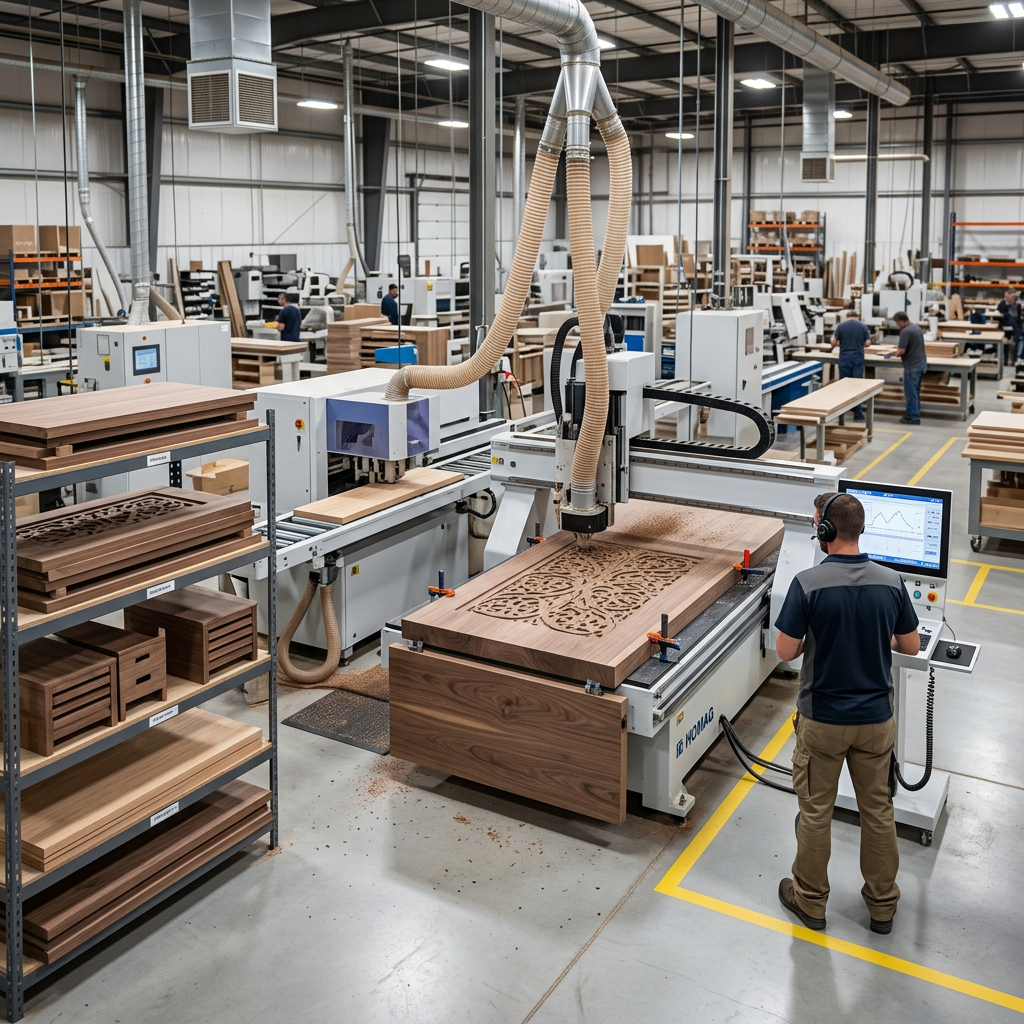
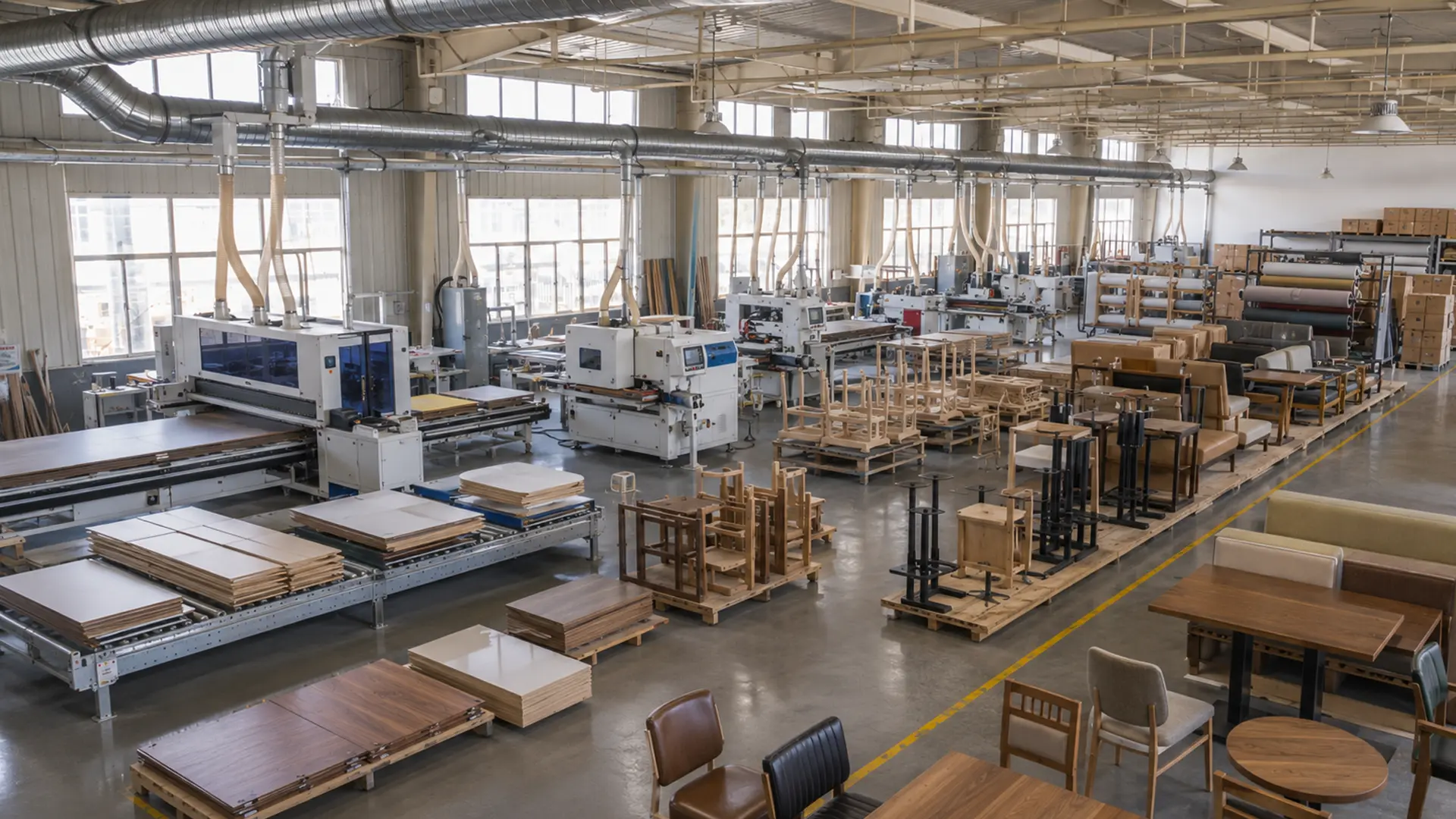
Mingmeng Furniture operates a 15,000㎡ manufacturing facility with more than 200 workers and production capacity of more than 80,000 pieces per month. The company exports about 90% of its output and has supplied projects in more than 100 countries and regions. Its product range includes restaurant chairs, dining tables, booth and banquette seating, bar stools, bar counters, hospitality sofas, table bases, hotel furniture, outdoor furniture and canteen furniture. Certifications include CE, TÜV, RoHS and Certification of Conformity, and the company has developed 10+ national patented designs. These facts support supplier capability checks; they do not replace a site-level diagnosis.
Detailed Solution: Map Each Symptom to the Right Component
The fastest way to stop repeating repairs is to separate the problem by component. A table, chair, bar stool and booth are assemblies. The visible symptom is often one layer away from the actual cause.
1. Restaurant Table Base and Tabletop Connection
Table wobble can come from the floor, the base, the mounting plate, the tabletop, or the connection between them. A table that rocks on an uneven floor may need adjustable glides or a different base footprint, not a new top. A table whose top moves on the base may need fastener replacement, a new mounting plate, or a base with a stronger connection. A base that flexes at a joint or has a cracked weld is a structural issue and should be replaced rather than repeatedly tightened.
For replacement, specify base material and finish, mounting method, tabletop dimensions and material, and the expected service use. Mingmeng Furniture works with steel, stainless steel, aluminum, solid wood, plywood, stone, HPL and other commercial materials, with powder-coated, painted, stained, matte, gloss, textured and wood-grain finishes. The correct combination depends on cleaning frequency, moisture and stain exposure, weight and design intent. A premium tabletop on a weak base is not a durable table; a heavy base with the wrong floor contact is still a wobbly table.
2. Restaurant Chair and Commercial Bar Stool Frames
Chair and bar-stool problems usually appear first at joints, legs, footrests, seat attachment points and glides. A loose joint can often be tightened or rebuilt. A cracked weld, bent leg, deformed frame or failed seat platform is a structural issue and should be replaced rather than repeatedly tightened. Bar stools add a footrest and a higher center of gravity, so movement at the footrest and the seat-to-frame connection deserves a separate check.
Upholstery wear is a separate decision. If the frame is sound but the seat covering is worn, the practical path may be re-upholstery or a replacement seat. If foam has collapsed or the seat platform has failed, a new chair or stool is usually the more durable path. For high-traffic venues, select frames and upholstery by commercial-use requirements, cleaning needs and replaceable components rather than appearance alone.
3. Restaurant Booth Seating and Banquette Upholstery
A tired banquette is rarely one failure. Check the frame, foam, upholstery, seams, backrest attachment and wall anchoring. A soft seat may reflect foam compression. A loose backrest may be an attachment issue. A split seam may be a cover problem. A moving base may be a frame or anchoring problem. If the frame is sound and the cover is worn, re-upholstery can be viable. If the frame is weak, the foam has collapsed, or the unit moves under load, replacement or a specification upgrade is the more reliable choice.
For booth and banquette replacement, confirm dimensions, seat height, backrest angle, frame strength, foam density, upholstery durability and cleaning method. Fire-retardant foam and fabrics can be specified where project regulations require them. The objective is to match the booth to the service environment, not to choose the thickest foam or the heaviest fabric by default.
Step-by-Step Breakdown: A Practical Fix-It Sequence for Multi-Unit Teams
- Walk the floor and tag by component, not by site. Use four tags: table base/tabletop, chair/bar stool frame, booth upholstery, and loose hardware. Photograph each tag with the asset ID and location.
- Test table stability in place. Distinguish floor rock from base movement and top movement. Check glides, fasteners, mounting plates and joints before ordering a replacement.
- Check chairs and bar stools under load. Test the legs, joints, footrest, seat attachment and glides. A stool that moves at the footrest is not the same problem as a stool with a loose seat.
- Inspect booth seating at the frame and cover. Press the seat, pull gently at the backrest, check seams and wall anchoring. Record whether the issue is comfort, structure or appearance.
- Classify every item into one of four actions. Repair in place; replace a component; replace the item; or upgrade the specification. Do not let a repair backlog hide a repeated design problem.
- Group the work by service zone and rollout window. A multi-unit operator should replace by cluster, not one table at a time. This reduces delivery cost, installation disruption and visual mismatch.
- Write a replacement specification before requesting a quote. Include dimensions, materials, upholstery, finish, mounting, quantity, destination, target date and any project compliance requirements. Approve drawings and material or finish samples before bulk production.
- Pilot one site, inspect, then roll out. Keep spare glides, fasteners and upholstery records. A pilot reveals installation issues before they are repeated across the estate.
Use Cases: Where the Same Diagnostic Logic Applies
Multi-unit casual dining and restaurant chains
High seat turnover stresses table bases, chair joints and booth seats. A chain with several affected sites should compare the failure pattern by furniture model, not only by store. If the same table base loosens across multiple locations, the specification is the issue, not the individual unit.
Cafés and café table sets
Small café tables and chairs are moved frequently. Lightweight tables may be convenient, but stability and joint durability matter more in a café with tight seating. For café furniture sets, specify table base footprint, chair frame and cleanable upholstery together.
Hotel F&B, lobby lounges and bars
Hotel restaurants and lounges mix dining chairs, lounge chairs, sofas, bar stools and banquettes. A tired banquette in a lounge may be an upholstery issue, while a bar stool problem may be a frame or footrest issue. The fix-it plan should separate public-area seating from dining seating because the service cycles differ.
Outdoor and semi-outdoor dining
Outdoor tables and chairs face moisture and weather exposure. For these zones, prioritize aluminum, teak, outdoor-rated fabrics and weather-resistant finishes. A table that wobbles outdoors may have a corrosion or footing issue rather than a loose indoor fastener.
Comparison Table: Repair, Replace a Component, or Upgrade the Specification
The table below converts the diagnostic sequence into a decision comparison. It uses the product and process facts available for commercial restaurant furniture; it does not assume a particular failure rate or service life.
| Component / symptom | Repair in place | Replace the component | Upgrade the specification |
|---|---|---|---|
| Table base wobbles; top is sound | Tighten fasteners, replace glides, correct floor contact | New base, mounting plate or adjustable foot | Different base material, footprint or mounting method for the service zone |
| Tabletop moves on base | Re-tighten and check the mounting plate | Replace mounting hardware or tabletop | Specify a stronger connection and tabletop material for high-use areas |
| Chair or bar-stool joint is loose | Tighten or rebuild the joint where the frame is sound | Replace the seat, glides or damaged frame section | Select a commercial frame, footrest and replaceable components for the duty level |
| Chair or bar-stool frame is cracked or bent | Not a reliable long-term repair | Replace the item | Change frame material, joint design or usage specification |
| Booth seat is soft; cover is intact | Check foam and suspension; repair if the frame is sound | Replace foam or seat platform | Specify foam density and frame strength for the service frequency |
| Booth cover is worn; frame is sound | Re-upholster or replace the cover | Replace the upholstered section | Select cleanable, durable upholstery and replaceable covers |
| Booth moves or backrest is loose | Check wall anchoring and fasteners | Replace the frame or anchoring component | Review frame design, anchoring and booth configuration |
Decision basis: commercial restaurant furniture categories, materials and customization process described by Mingmeng Furniture. The table is a planning aid, not a substitute for a site inspection.
What to Specify When You Replace Instead of Repair
A replacement order should be written as a specification, not as a product name. For tables, include tabletop dimensions, material, edge detail, base type, mounting method, finish and adjustable glides where needed. For chairs and bar stools, include seat height, frame material, joint construction, footrest, upholstery, foam and glides. For booths, include overall length, seat depth, seat height, backrest height and angle, frame, foam, upholstery, seam detail and wall-anchoring method.
Mingmeng Furniture supports project-based customization of dimensions, materials, colors, upholstery, finishes and structures. Its customization workflow is: project inquiry and requirement collection; design and specification confirmation; sample or material/finish approval; order confirmation; bulk production; quality inspection; export packing and shipment coordination. Bulk production should not start until drawings, dimensions, materials, finishes, quantities and approved samples are confirmed in writing. That rule matters most in multi-unit replacement, where one unapproved detail can be repeated across every site.
Material selection should follow the cleaning and service environment. Solid wood, plywood, steel, stainless steel, aluminum, stone, HPL, leather, fabric and other upholstery materials are available. Finishes can be matte, gloss, textured, wood-grain, painted, stained or powder-coated. For high-traffic dining zones, durable and easy-maintenance materials are the practical starting point; for premium dining rooms, appearance and comfort can carry more weight, provided the structure remains commercial-grade.
Total Landed Cost: China Factory-Direct vs Local Replacement
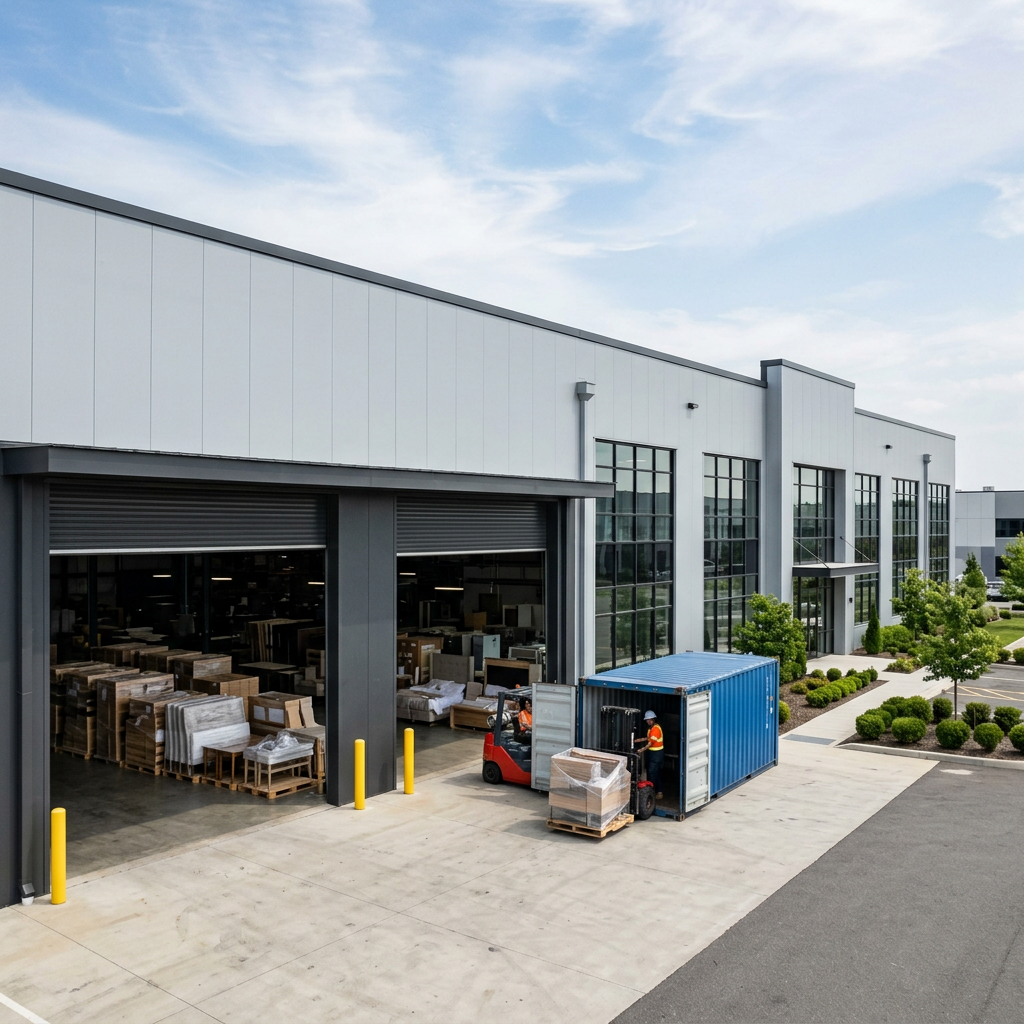
For an operator comparing a Chinese restaurant furniture manufacturer with a local supplier, total landed cost should be compared on the same specification. A lower unit price is not a lower landed cost if the table base, upholstery or finish does not match the rest of the estate, or if the replacement arrives without the right mounting hardware.
Mingmeng Furniture quotes restaurant furniture according to material, size, quantity and finish. Quotes are usually EXW or FOB, and freight depends on the shipping term and destination. Standard payment terms are typically 30% deposit and 70% balance before shipment by T/T; L/C at sight may be available for larger established orders. Quantity discounts may be available for larger orders. Custom booth manufacturing has a stated MOQ of 20 units. Production cycles are typically 30–60 days depending on project scope, with pre-shipment quality inspection included for every order.
Those facts define the comparison. A local supplier may shorten transport and site-measurement time; a factory-direct program may offer broader customization, full-package coordination and consistent specifications across a multi-unit rollout. The correct choice depends on the urgency of the repair, the need to match existing furniture, the size of the replacement package and the operator's ability to manage samples, approvals and freight. Neither path is automatically cheaper. Compare the delivered scope, not the headline price.
FAQ
How should a multi-unit operator compare Chinese restaurant furniture manufacturers with local suppliers on total landed cost?
Compare the same specification, quantity and delivery scope. Mingmeng Furniture prices furniture by material, size, quantity and finish; quotes are usually EXW or FOB, and freight depends on the shipping term and destination. Standard payment terms are typically 30% deposit and 70% balance before shipment by T/T, with L/C at sight possible for larger established orders. Custom booth manufacturing has a stated MOQ of 20 units. Production cycles are typically 30–60 days depending on project scope, with pre-shipment quality inspection included. A local supplier may reduce transport time; a factory-direct supplier may offer broader customization and full-package coordination. Compare samples, packing, spare parts and warranty terms before deciding.
What warranty and spare-parts support should we confirm before ordering replacement furniture?
Warranty terms depend on the product, project specification and commercial agreement. The applicable warranty period and coverage should be confirmed in the quotation or contract for the specific order. Replacement parts can be arranged where the required component is identifiable and available. Repair guidance, replacement parts or coordination support can be provided depending on the issue and contract terms.
Can Mingmeng Furniture supply a full replacement package across tables, booths, chairs and bar stools?
Yes. Mingmeng Furniture can supply complete packages including tables, chairs, booths, bars and accessories to keep a consistent look across a restaurant. The product range includes restaurant chairs, dining tables, booth and banquette seating, bar stools, bar counters, hospitality sofas, table bases, hotel furniture, outdoor furniture and canteen furniture. Dimensions, materials, colors, upholstery, finishes and structures can be customized for the project.
How does sample approval work for replacement furniture?
The customization workflow is: project inquiry and requirement collection; design and specification confirmation; sample or material/finish approval; order confirmation; bulk production; quality inspection; export packing and shipment coordination. Bulk production should not start until drawings, dimensions, materials, finishes, quantities and approved samples are confirmed in writing. For multi-unit replacement, approve one reference sample and one material/finish set before the full order is released.
What lead time should a multi-unit operator plan for replacement tables, chairs, booths and bar stools?
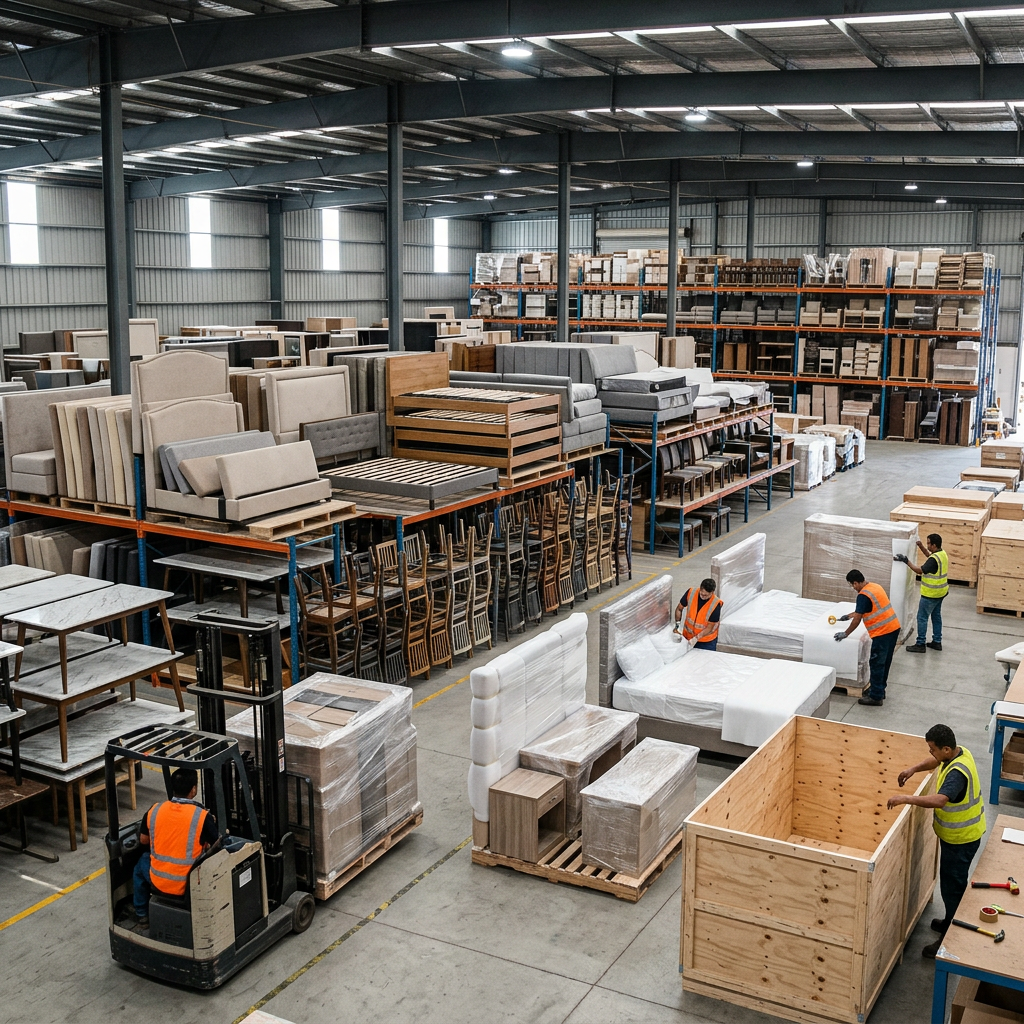
Production cycles are typically 30–60 days depending on project scope. The full schedule also depends on drawing and sample approval, material availability, order quantity, quality inspection, export packing and the shipping term. For an occupied restaurant, sequence the rollout by zone and keep a small spare-parts stock for glides, fasteners and upholstery repairs. To start a replacement assessment, send the floor plan, furniture list, quantities, target date and destination to Mingmeng Furniture for a quote or sample discussion.
Conclusion: Fix the Component, Then Fix the Specification
Wobbly tables and tired banquettes are not a single furniture problem. They are a sequence of component decisions. Diagnose the table base and mounting connection before replacing the top. Check the chair or bar-stool frame before re-upholstering the seat. Inspect the booth frame, foam, cover and anchoring before ordering a new banquette. Then group the work by site and service zone so the replacement program is consistent, installable and cost-controlled.
The most useful upgrade is often not a heavier product. It is a clearer specification: the right base for the floor, the right frame for the duty level, the right foam and upholstery for cleaning, and the right mounting details for the room. Mingmeng Furniture supports that process with commercial restaurant furniture, project customization, CAD and 3D support, sample approval, quality inspection and export packing for international projects.
Next step for multi-unit operators: send a photo of the failed component, the furniture list, quantities and target sites to eiko@mingmeng07.com. For a sample, quote or replacement assessment, contact Mingmeng Furniture at +86 136-3245-6645 or WhatsApp +86 158-1240-0982. Website: www.mingmeng07.com. Address: Room 1, 30 Mupi East Road, Tianhe District, Guangzhou, Guangdong, China.
Download the Mingmeng Restaurant Furniture 2026 catalogue: Mingmeng Restaurant Furniture Catalogue (PDF).
Have Questions or Need More Details?
Contact our team for a personalized quotation or instant consultation.
Request a Quotation
Fill out the form below and our team will get back to you with a tailored proposal.
WhatsApp Direct Chat
Prefer to chat in real-time? Message us on WhatsApp for instant assistance & quick answers.
- Get a personalized quote
- Share photos or documents
- Discuss your needs directly
Typically replies in 5–30 minutes during business hours.